Article

Probability of Detection and Defect Distribution Modeling of Porous Hard-Alpha Inclusions in Titanium Aero-Engine Disks

1
School of Energy and Power Engineering, Beihang University, Beijing 100191, China
2
Western Superconducting Technologies Co., Ltd., Xi’an 710018, China
3
China National Key Laboratory of Science and Technology on Aero-Engine Aero-Thermodynamics, Beijing 100191, China
4
Beijing Key Laboratory of Aero-Engine Structure and Strength, Beijing 100191, China
5
Collaborative Innovation Center of Advanced Aero-Engine, Beijing 100191, China
*
Author to whom correspondence should be addressed.
Materials 2026, 19(5), 911; https://doi.org/10.3390/ma19050911
Submission received: 6 January 2026 / Revised: 7 February 2026 / Accepted: 17 February 2026 / Published: 27 February 2026
(This article belongs to the Special Issue Advancements in Ultrasonic Testing for Metallurgical Materials)

Abstract

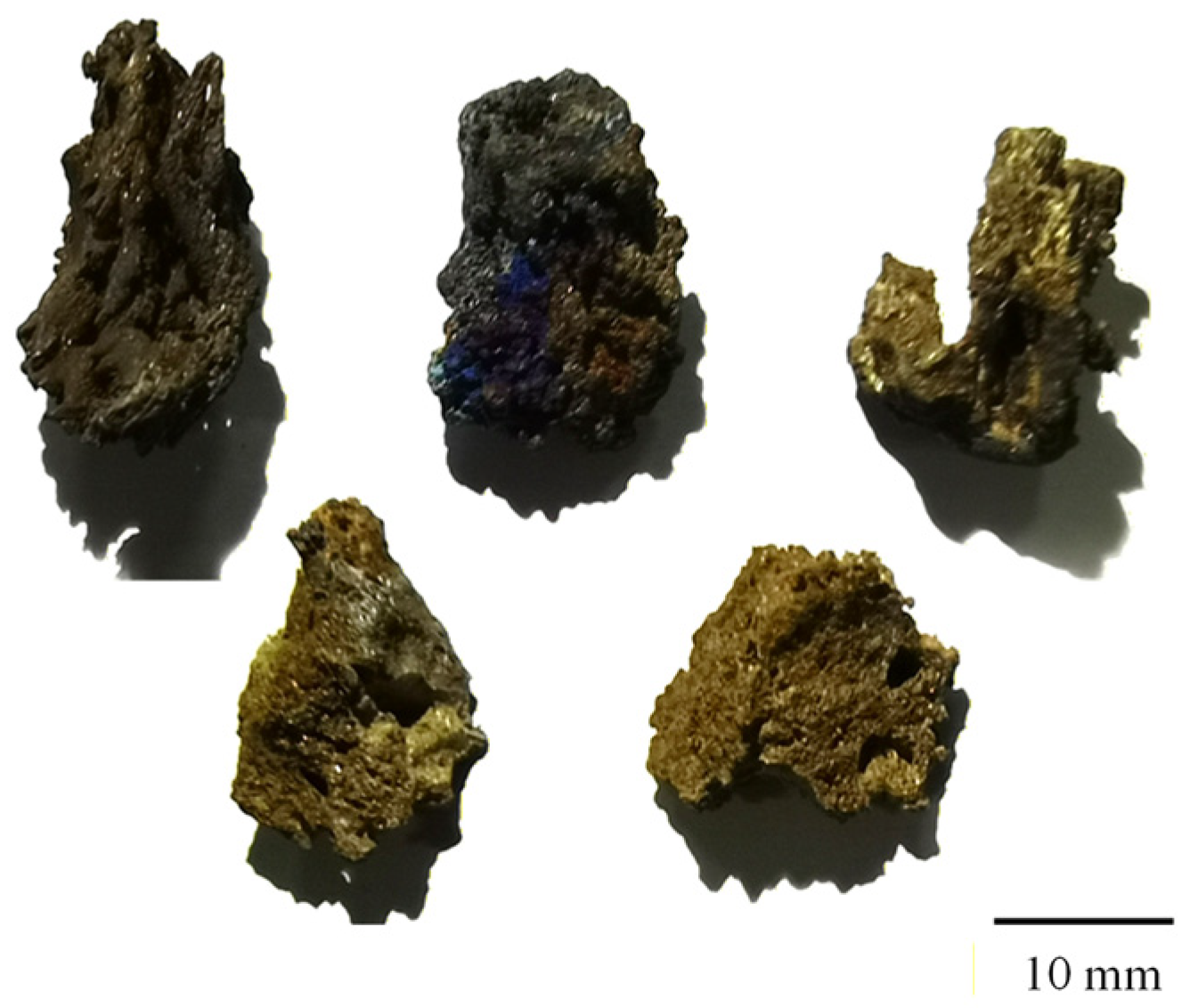
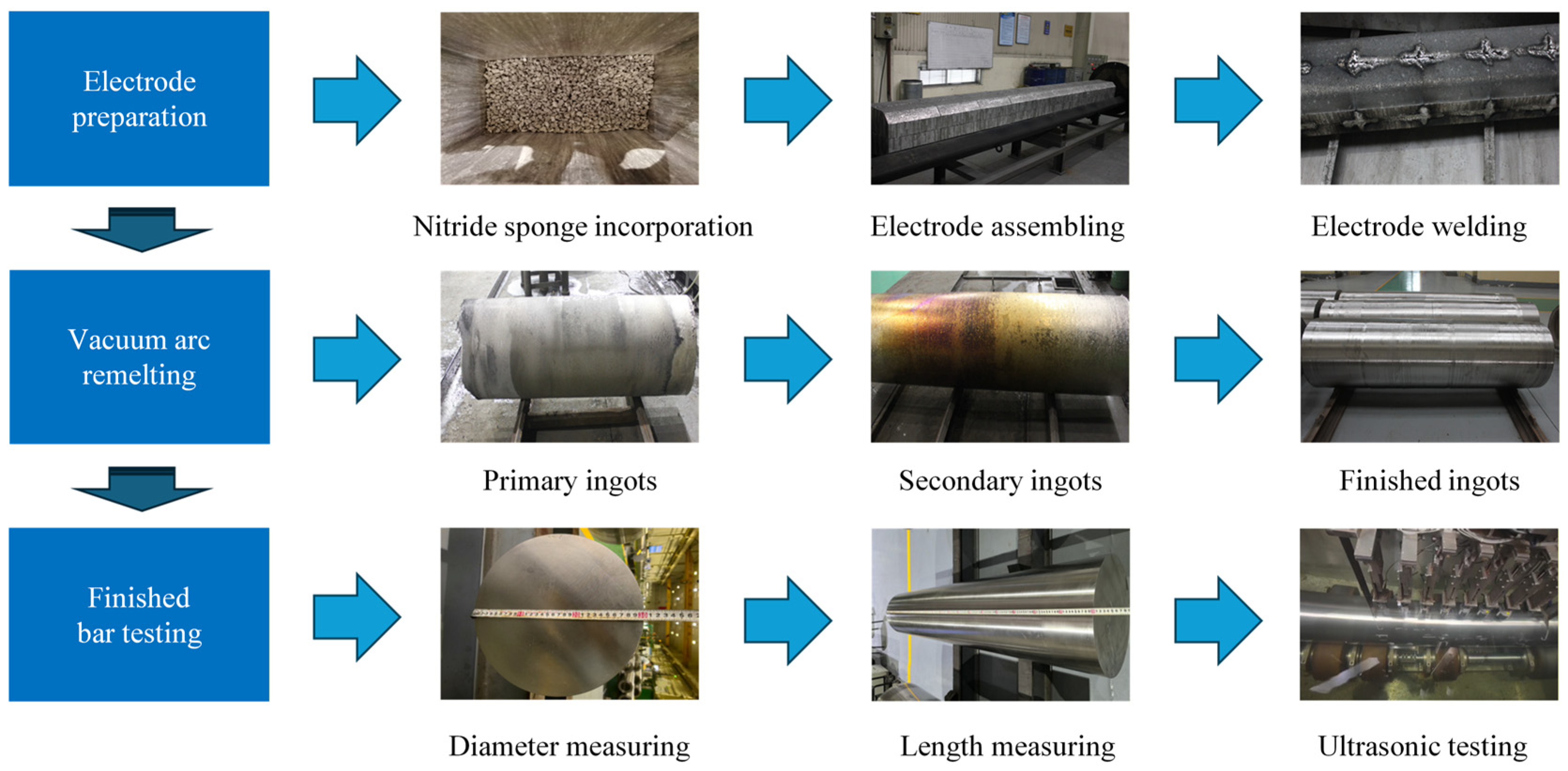
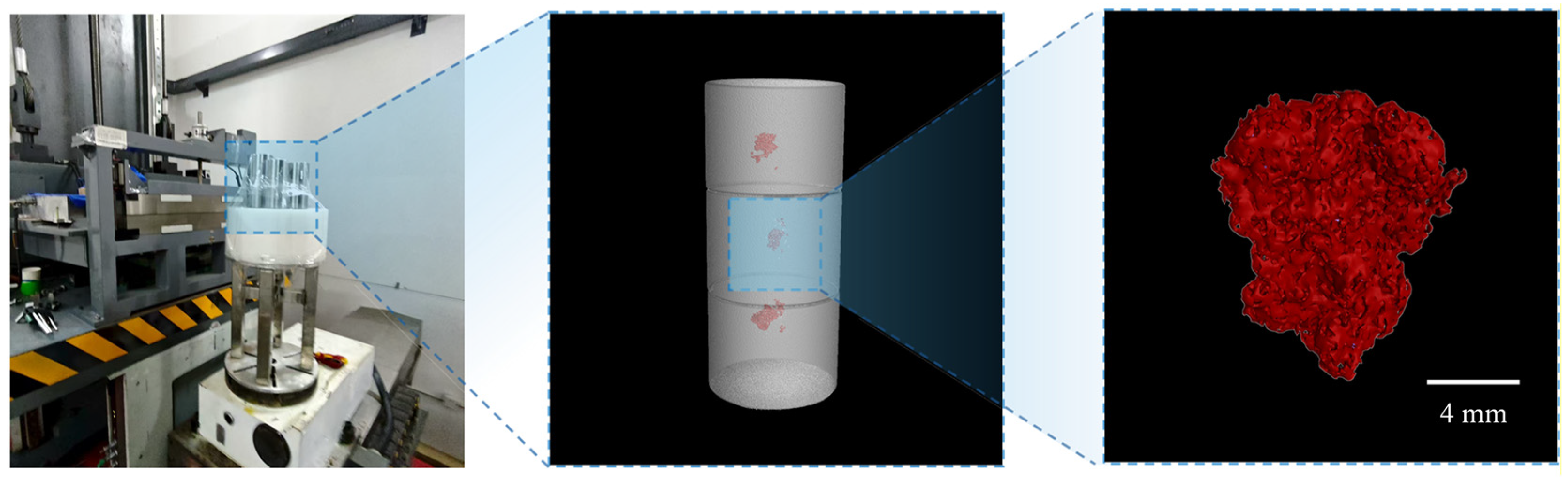
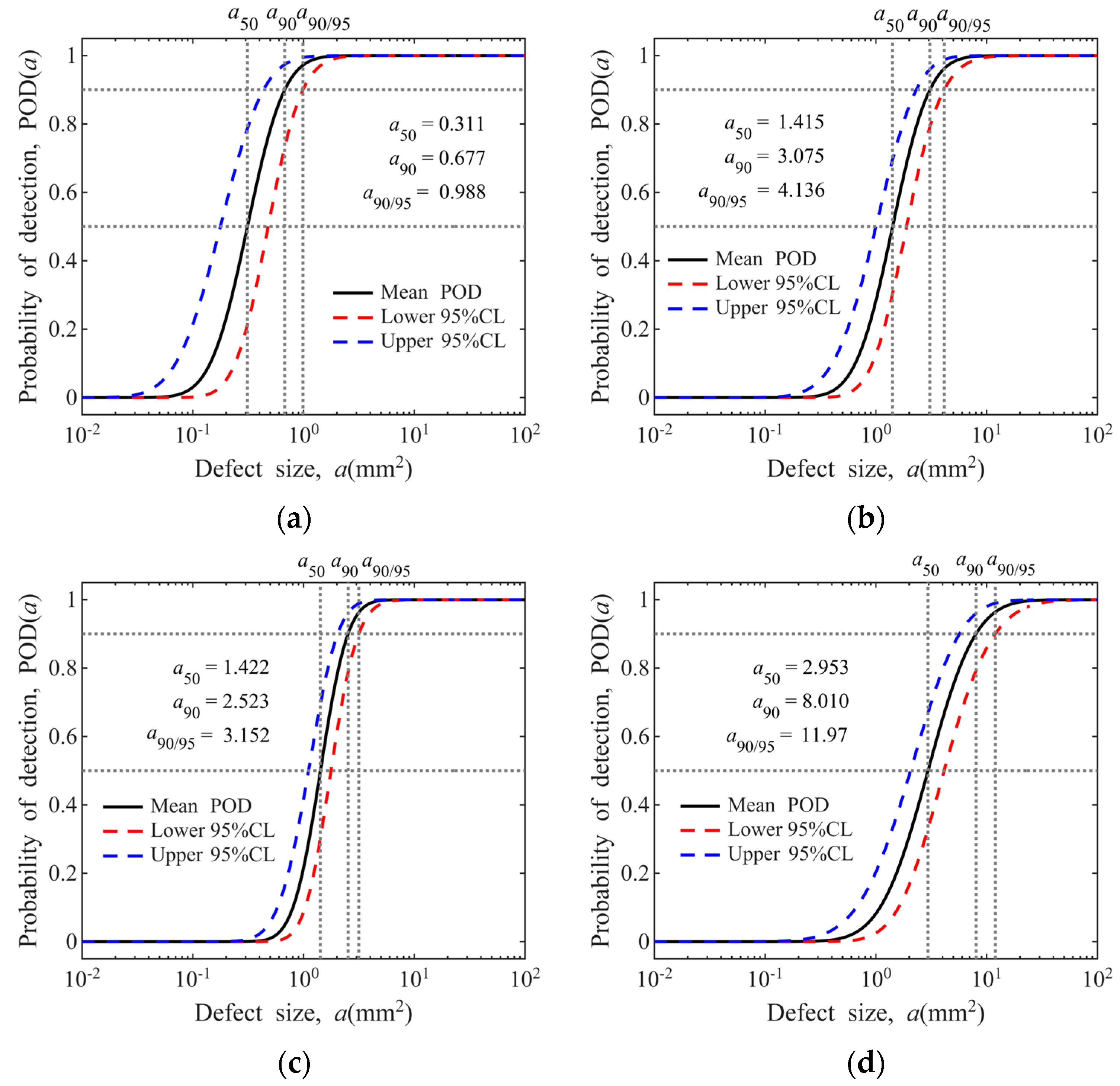
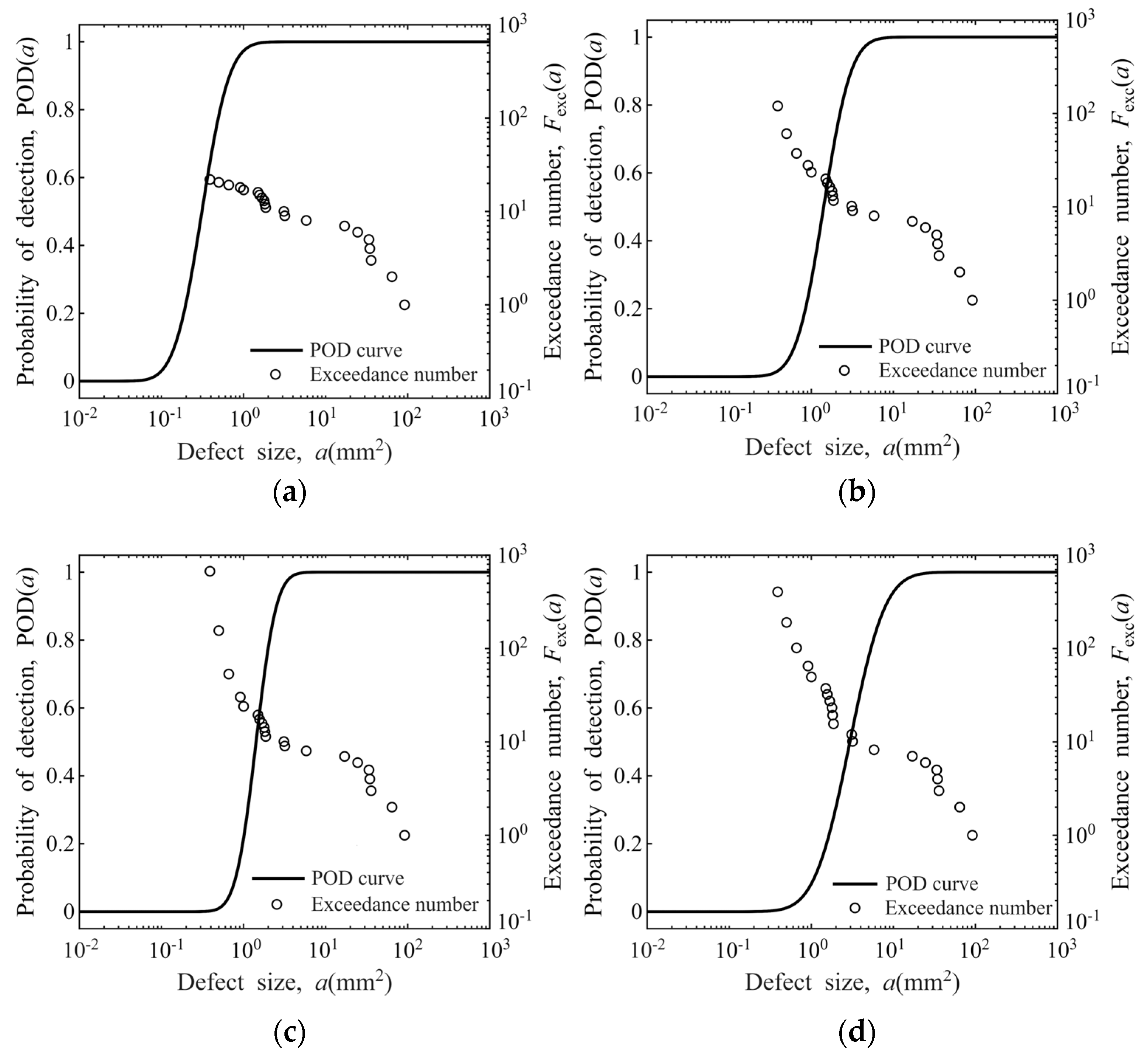
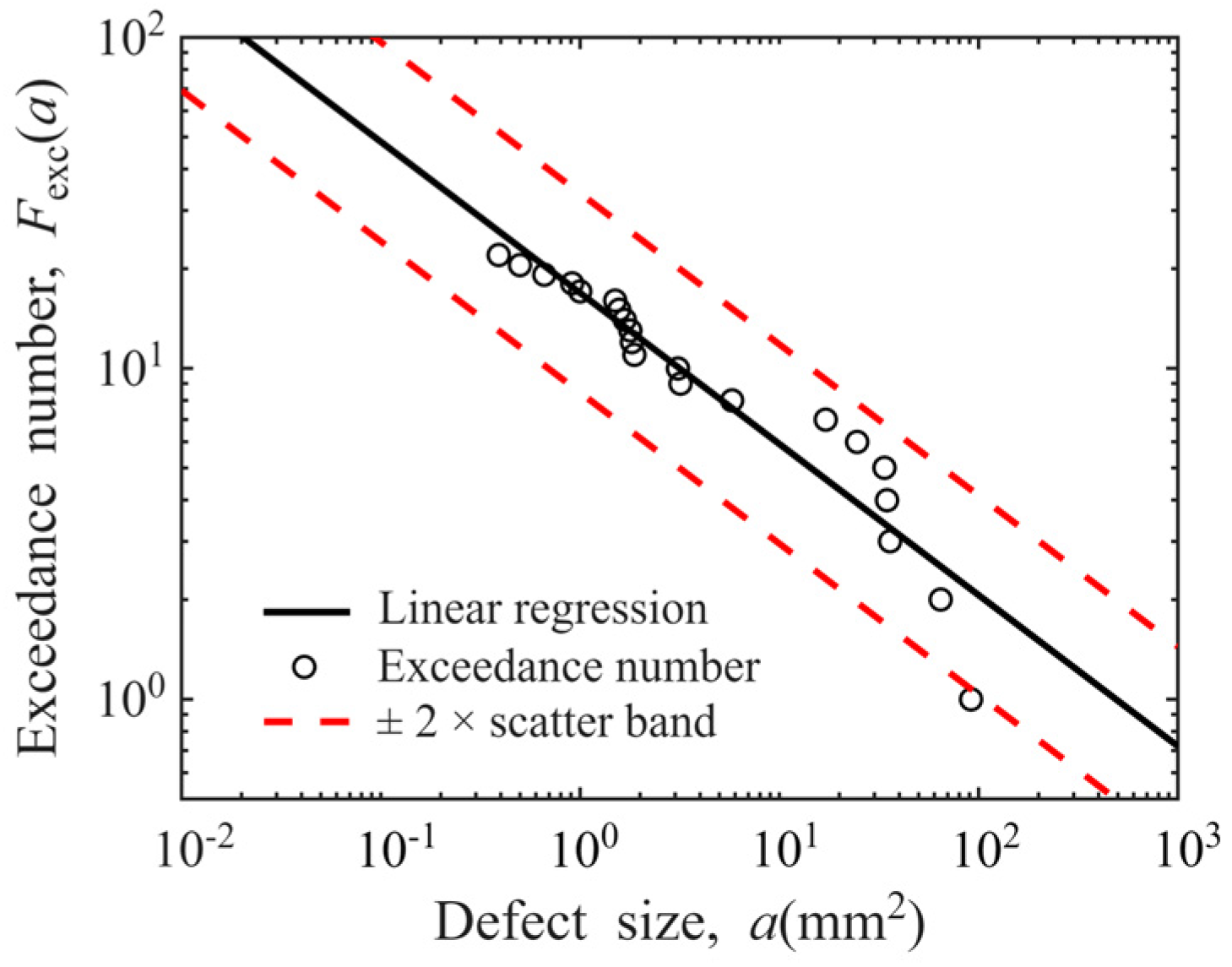
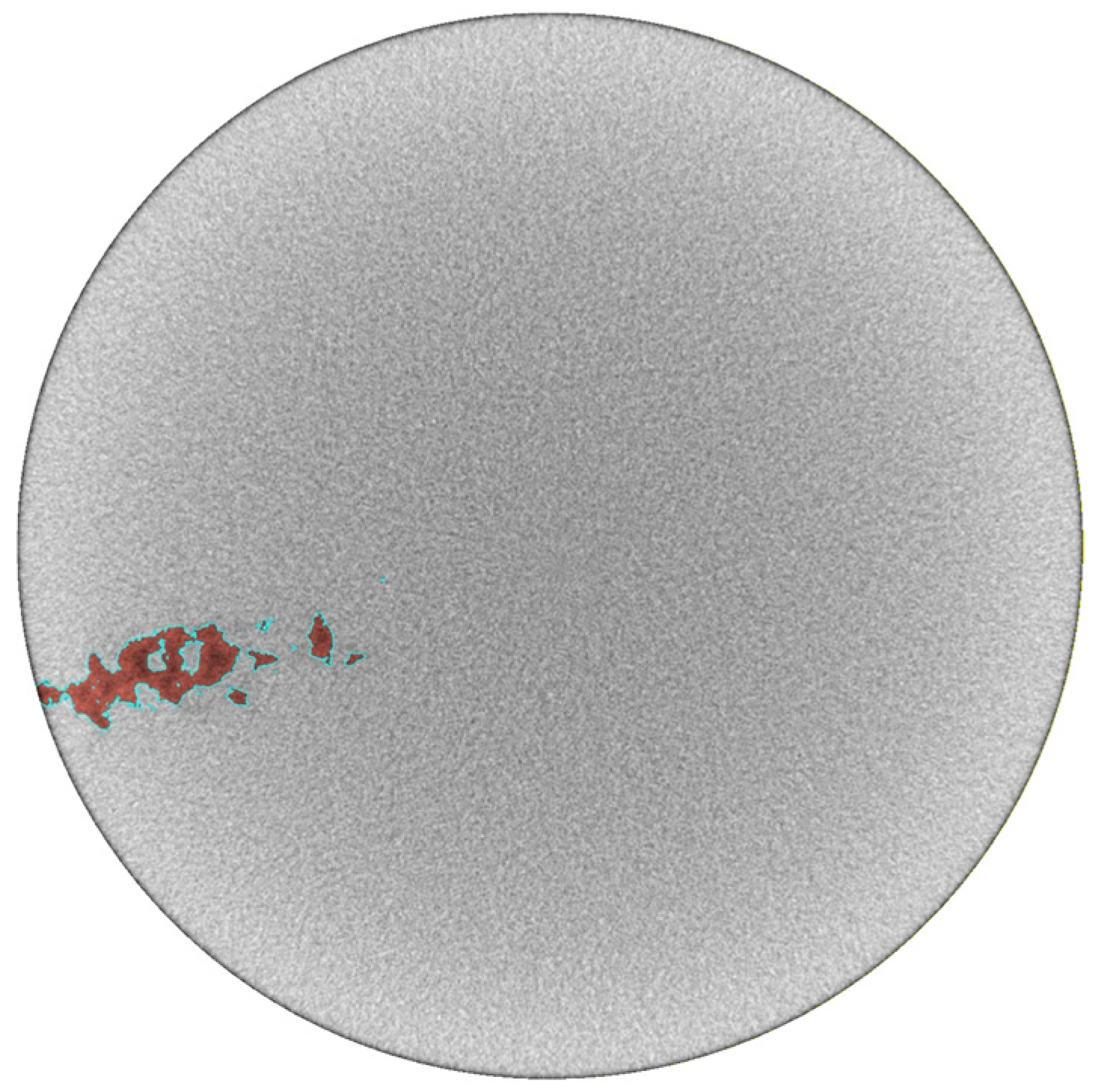
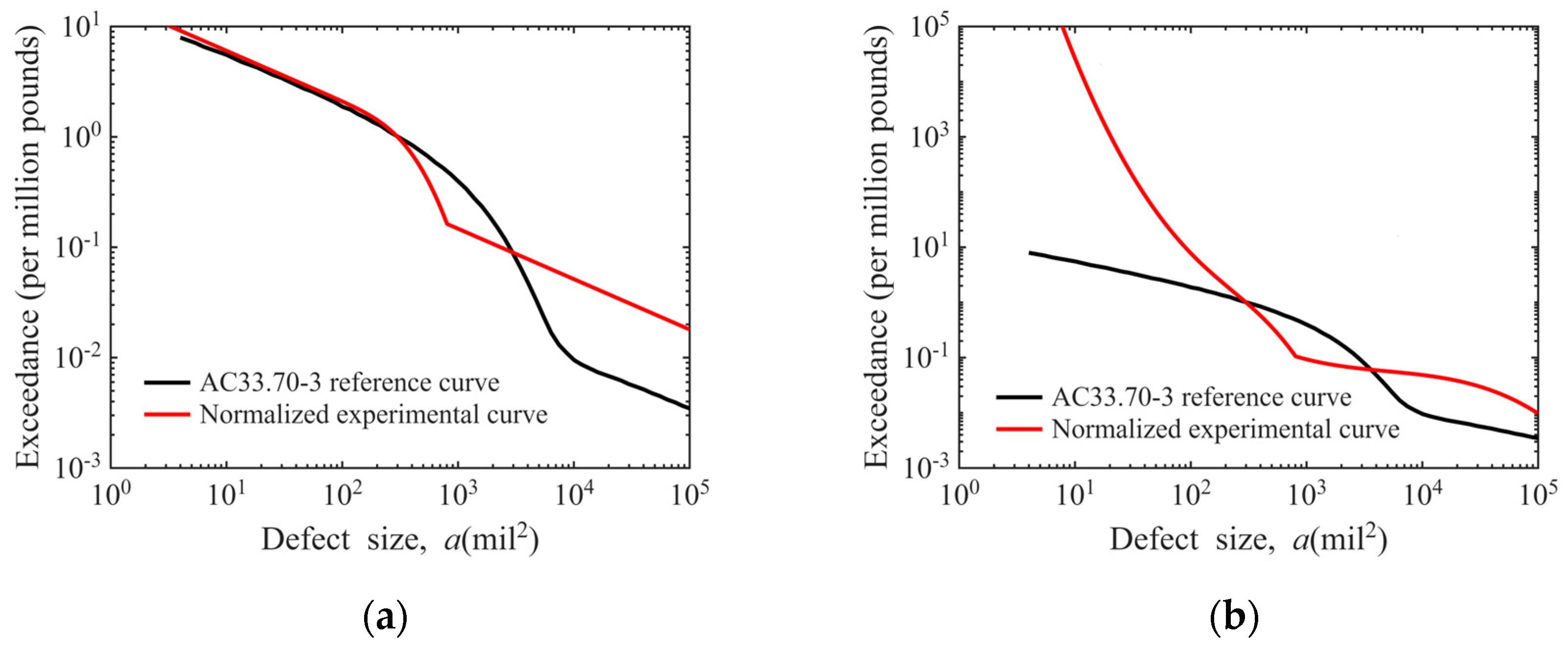
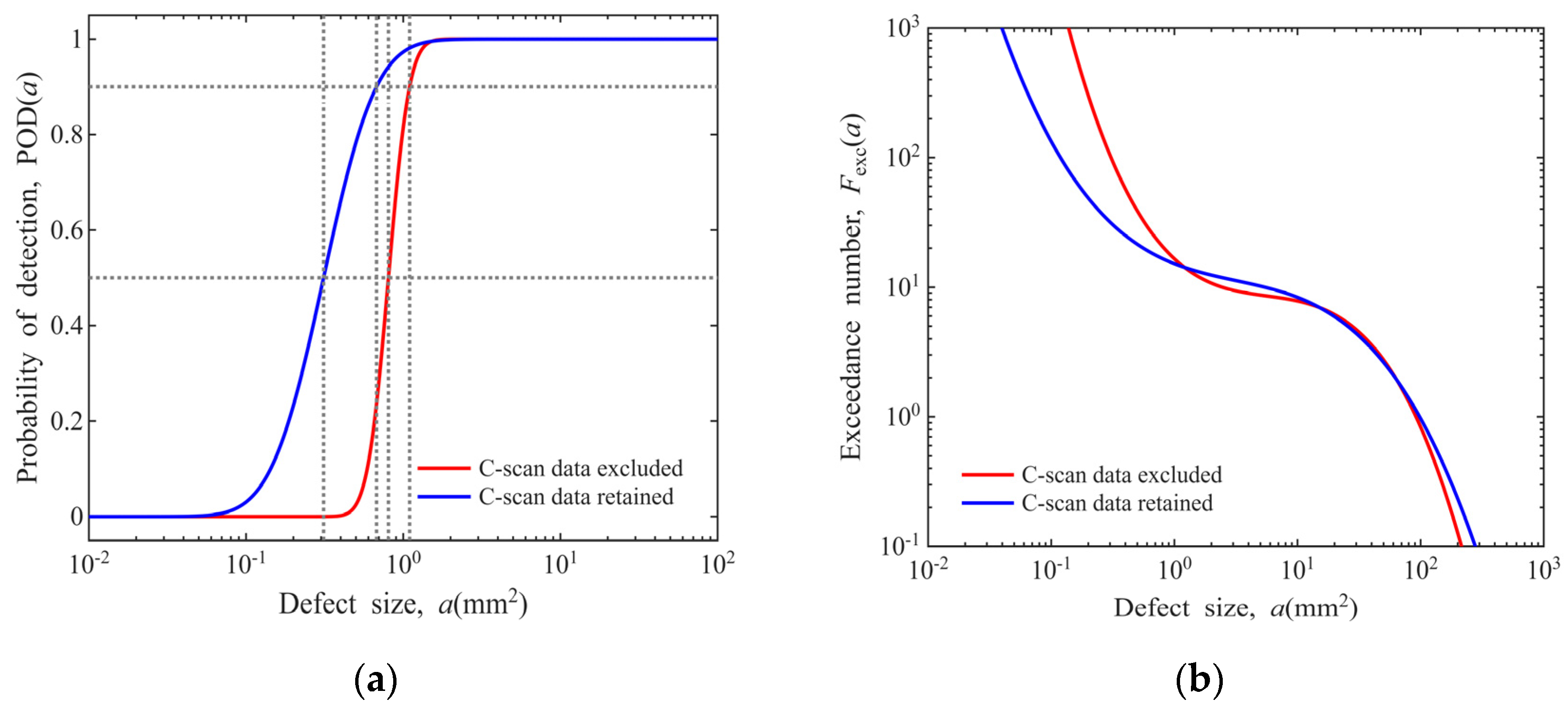
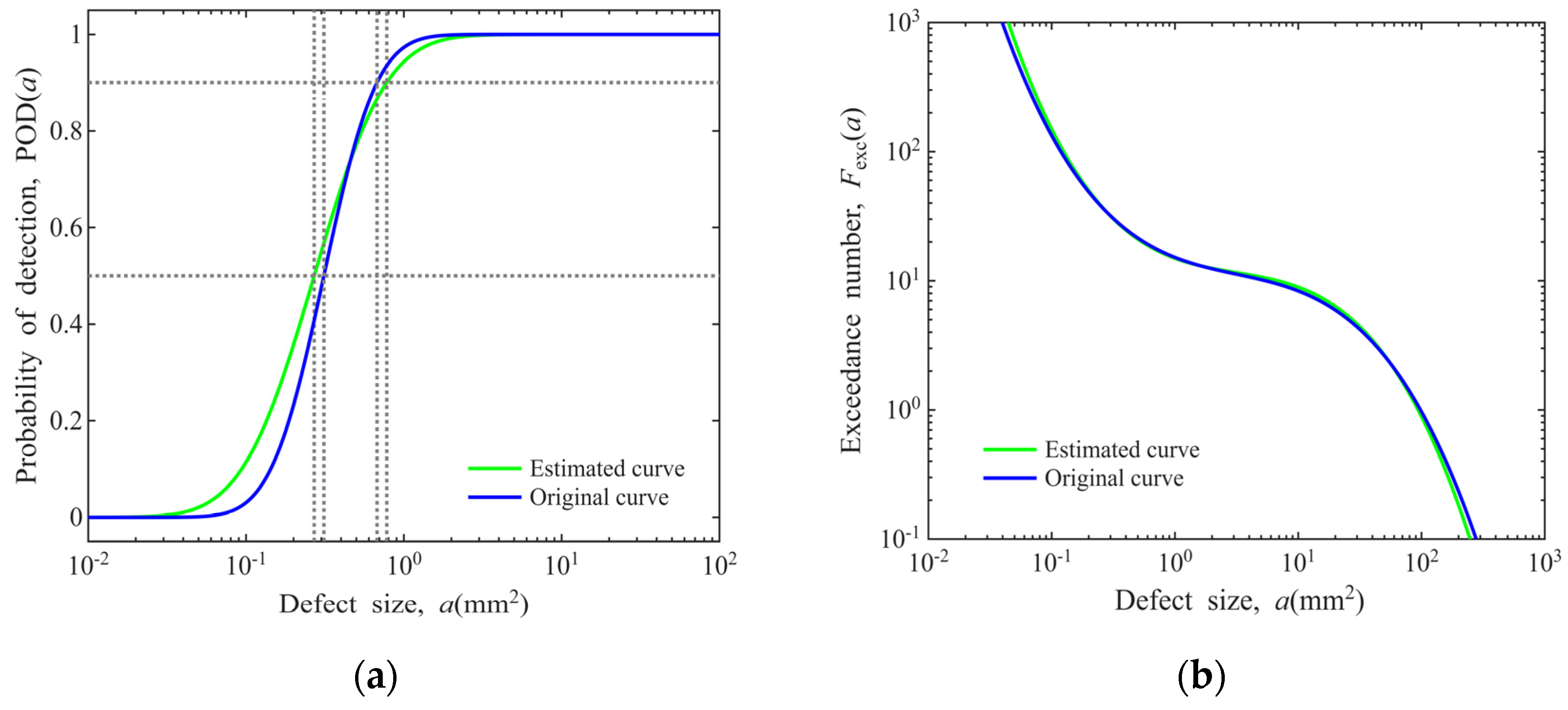
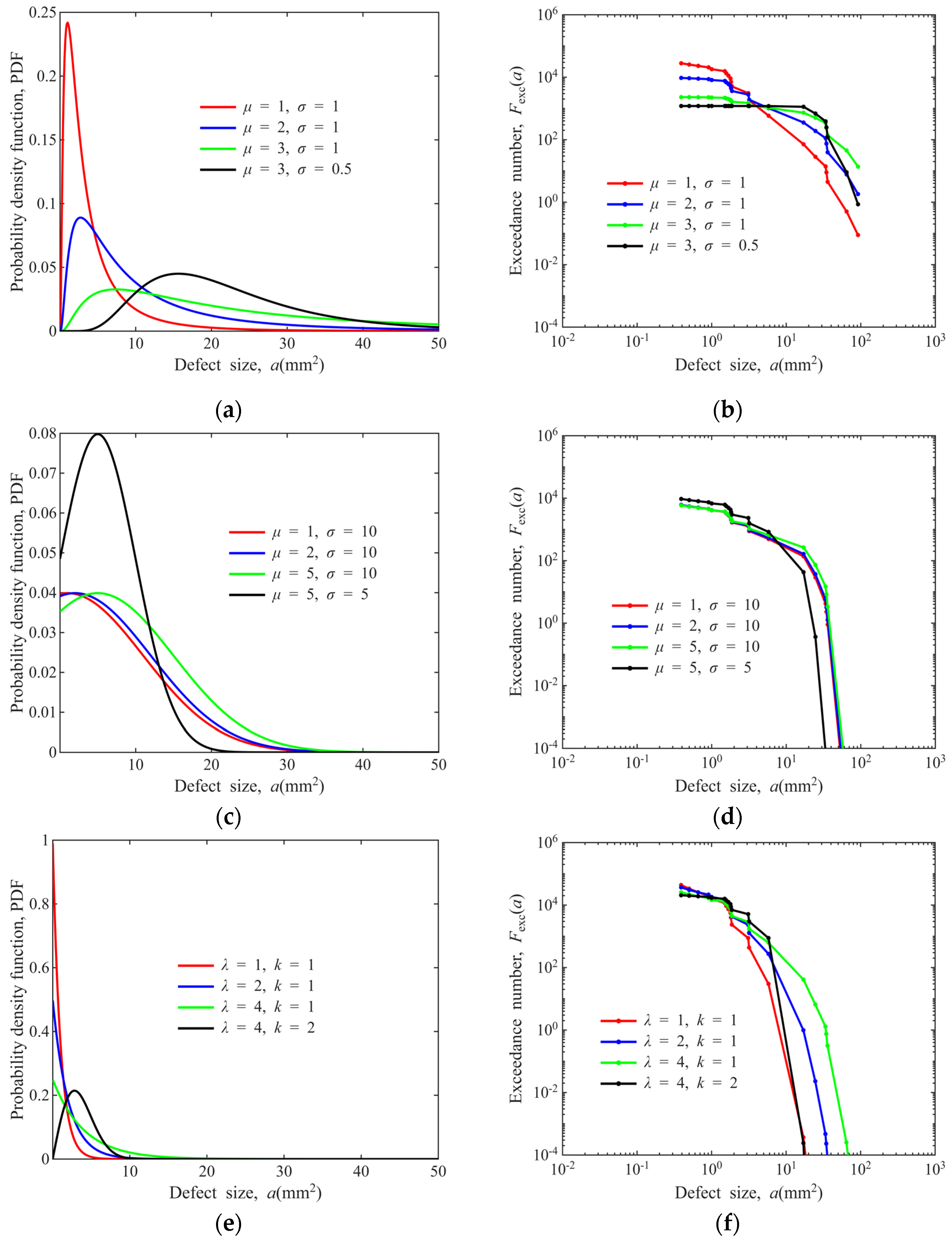
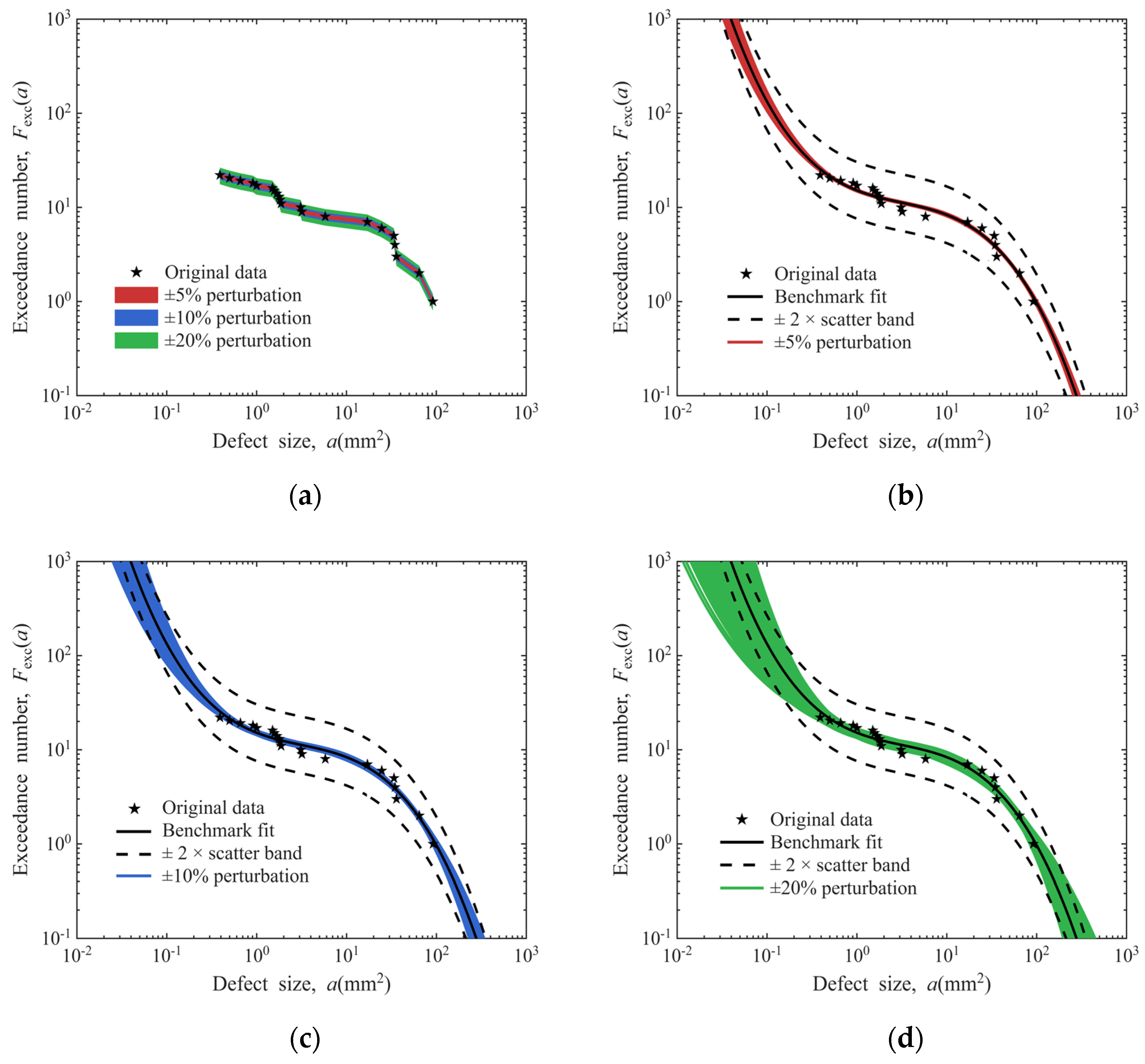
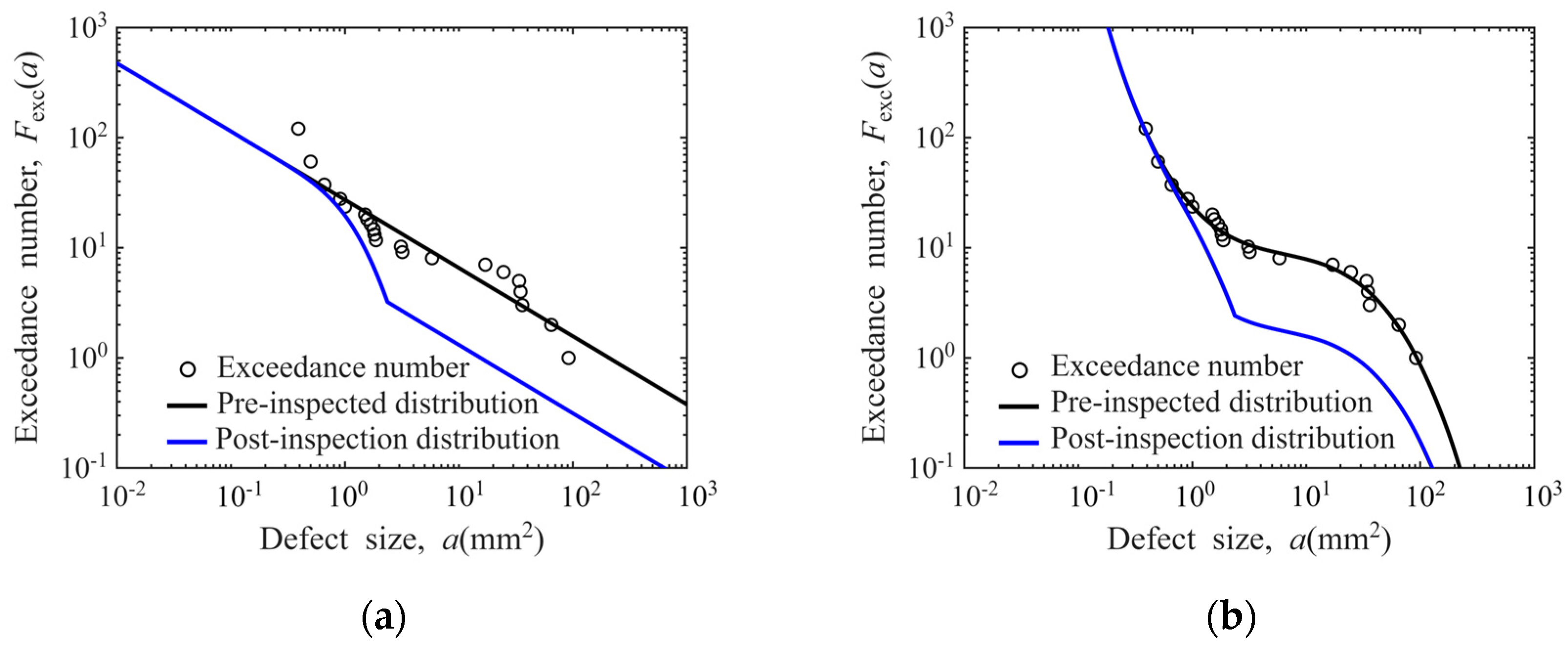
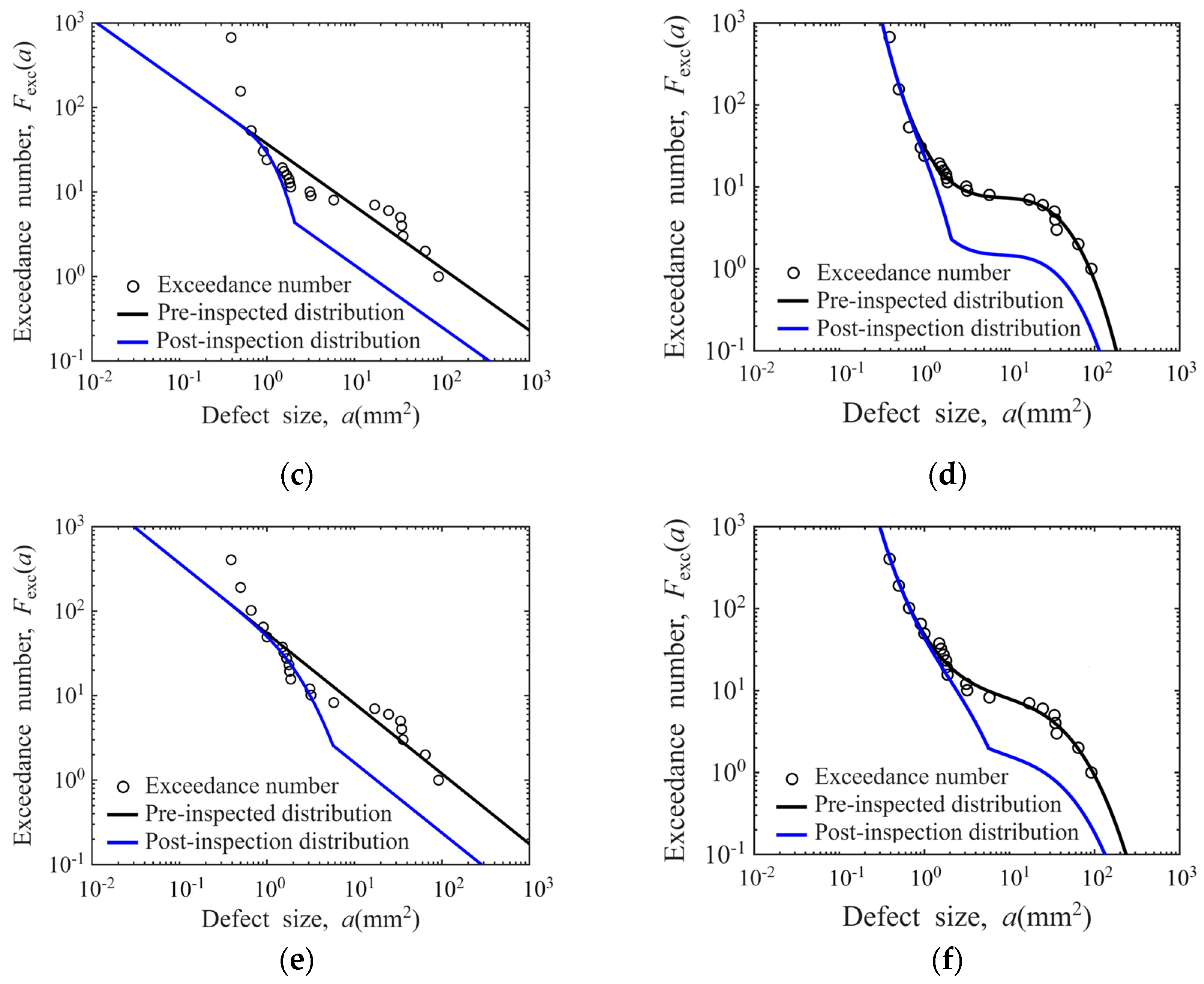
A major quality challenge in the application of titanium alloys is the persistence of substances known as “hard-alpha inclusions”. Although hard-alpha inclusions are extremely rare and typically small in size in high-quality titanium alloys for aero-engine disks, their hard and brittle nature poses a non-negligible threat to the structural integrity of the disks. Due to the extreme scarcity of natural hard-alpha inclusions, most previous studies have focused on “synthetic dense hard-alpha particles” rather than “real porous hard-alpha inclusions”, inevitably over-looking the differences between them. In this work, a method of introducing titanium nitride sponge preforms into the electrode preparation step of the smelting process is proposed and implemented, successfully fabricating real porous hard-alpha inclusions in TC4 titanium alloy disks. On this basis, the detection characteristics of ultrasonic non-destructive testing for such porous hard-alpha inclusions are investigated, and a probability of detection (POD) model for these defects is established for the first time. A defect distribution model of porous hard-alpha inclusions for the probabilistic damage tolerance assessment of disks is also derived. This work reveals that, unlike the “linear” behavior of traditional models, the new defect distribution model adheres to a “cubic polynomial” relationship.
Keywords: ultrasonic testing (UT); porous hard-alpha inclusions; non-destructive evaluation; probability of detection (POD); defect distribution; aero-engine disk; probabilistic damage tolerance ultrasonic testing (UT); porous hard-alpha inclusions; non-destructive evaluation; probability of detection (POD); defect distribution; aero-engine disk; probabilistic damage tolerance