

Review Reports
by
- Sepideh Gholizadeh Khasevani 1,*,
- Ivan Carabante 1 and
- Lale Andreas 1
- et al.
Reviewer 1: Anonymous Reviewer 2: Anonymous
Round 1
Reviewer 1 Report
Comments and Suggestions for AuthorsThis study addresses the application of a bioash–cement binder system for the stabilization/solidification (S/S) of metal-contaminated soils. The authors present an interesting approach to reduce cement usage while maintaining adequate mechanical and leaching performance for soil remediation, specifically in the context of northern Sweden's contaminated soils. The paper's comprehensive evaluation includes laboratory-scale optimization, pilot-scale implementation, and extensive monitoring over nearly two years. However, there are several critical areas for improvement, both in terms of experimental design and the presentation of results. Overall, while the research holds promise, I recommend a major revision to enhance its clarity, precision, and methodological robustness.
- The research hypothesis regarding the optimization of bioash-cement binder formulations for soil stabilization is not sufficiently highlighted in the introduction. The authors should explicitly define the research gap, focusing on how this study advances the existing body of knowledge in soil remediation. A clearer statement of objectives is necessary.
- The binder formulations (bioash and cement ratios) are presented, but the selection process for the specific ratios is not adequately justified. More detailed explanation on why certain ratios were chosen and how they were expected to perform in real-world conditions would strengthen the argument.
- The study could benefit from referencing the paper "Dual effects of Caragana korshinskii introduction on herbaceous vegetation in Chinese desert areas: short-term degradation and long-term recovery". This work provides valuable insights into the impact of plant species on soil properties and remediation processes, which could be relevant for understanding the ecological aspects of soil stabilization techniques, especially in the context of vegetation-based soil recovery. Integrating this perspective may offer a more holistic view of the bioash-based stabilization system's long-term environmental effects.
- While the study includes laboratory and field trials, there is limited discussion on the variability of results between different test batches and their implications on the overall findings. The impact of compaction variability, moisture content, and binder mixing methods should be more clearly discussed.
- The study acknowledges the impact of soil-specific chemistry (DOC levels, mineralogy) but does not provide a sufficient mechanism to predict how different soils might react to the bioash–cement binders. The authors should elaborate on how their findings can be generalized across different types of contaminated soils.
- The authors mention carbonation and mineral transformations in the binder over time. However, the mechanisms underlying these processes are not fully explained. Further detail is needed to understand how these aging effects influence contaminant immobilization and material strength.
- The figures, while informative, lack sufficient labels and references to guide the reader through the data.
- Additionally, I recommend that the authors consider referencing the following works, as they provide useful insights into related studies of soil stabilization and remediation methods: Enhanced prediction of copper-polymetallic deposits in the Kalatag mining district using integrated SVM and GIS technology; Preparation of Ce-Fe2O3/Al2O3 catalyst for simultaneous degradation of benzodiacetone and reduction of Cr(VI) by electro-Fenton process; Enhancement mechanism of electrokinetic remediation of a Cu- and Pb-contaminated loess by constructing a multi-electrode configuration. These references will strengthen the discussion on advanced materials for soil treatment and provide valuable context for understanding the broader applications of the current study.
- While the field trials provide valuable insights, more direct comparisons between lab and field conditions would be useful to highlight any discrepancies and their potential causes.
- The conclusion should emphasize the broader implications of the findings for the future use of bioash-based binders in environmental remediation, and should suggest pathways for improving the binder's effectiveness, particularly in soils with high organic content.
Author Response
- The research hypothesis regarding the optimization of bioash-cement binder formulations for soil stabilization is not sufficiently highlighted in the introduction. The authors should explicitly define the research gap, focusing on how this study advances the existing body of knowledge in soil remediation. A clearer statement of objectives is necessary.
We thank the reviewer for this important comment. We agree that the research hypothesis and objectives should be more clearly articulated in the Introduction to better frame the study. In the revised manuscript, we have explicitly defined the research gap, which focuses on the need for low-cement, bioash-based binders for soil stabilization that maintain adequate mechanical performance while reducing cement consumption. Additionally, we have included a clear statement of objectives, which are now highlighted at the end of the Introduction for clarity.
Text added to the manuscript (1. Introduction section-lines:87-114):
Despite extensive research on cement-based stabilization/solidification of contaminated soils, most studies have remained limited to laboratory-scale testing and have focused primarily on short-term performance using high cement contents[22,38]. There is a lack of integrated studies that combine laboratory optimization with large-scale field application and long-term monitoring, particularly for low-cement binder systems incorporating industrial by-products such as bioash. In addition, the influence of soil-specific properties, especially dissolved organic carbon (DOC), on stabilization performance has remained insufficiently understood under realistic field conditions. This study addresses these gaps by hypothesizing that bioash–cement binders can be optimized to reduce cement consumption while maintaining adequate mechanical strength and long-term immobilization performance, provided that soil chemistry is explicitly considered.
Against this background, this study focused on developing and validating an optimized bioash–cement binder recipe for the S/S of metal-contaminated soils. The work progressed from laboratory-scale optimization to full-scale field implementation, with three main objectives: (1) to identify the optimal bioash–cement ratio for achieving both effective contaminant immobilization and adequate mechanical strength, (2) to assess binder performance under real field conditions through the construction of a noise barrier involving approximately 100 tonnes of treated soil compacted into a 2 m high structure, and (3) to evaluate long-term effectiveness through nearly two years of post-treatment monitoring. This study is one of the few to combine laboratory-scale optimization with large-scale field application and long-term monitoring of bioash-based binders, providing insights into the real-world performance of these systems and highlighting the role of soil-specific properties such as dissolved organic carbon (DOC).
In the first phase, two contaminated soils classified as hazardous soil (HS) and non-hazardous soil (NHS) were treated using different binder formulations (65:35:0, 60:35:5, 50:50:0, and 47.5:47.5:5 soil:bioash:cement, dry weight) to identify the most effective mixture based on trace element immobilization and unconfined compressive strength (UCS). The optimal formulation was subsequently applied to the Näsudden soil (“Pilot soil”) and evaluated at both laboratory and pilot scales. This real-world application provided valuable insight into the long-term stability, environmental performance, and scalability of the bioash–cement binder system. By linking binder composition, mechanical performance, chemical stability, and field-scale durability, this work contributes to the development of low-cement, bioash-based binders for low-load construction applications and sustainable soil remediation.
- Dermatas, D.; Meng, X. Utilization of Fly Ash for Stabilization/Solidification of Heavy Metal Contaminated Soils. Eng. Geol. 2003, 70, 377–394.
- Li, X.; Yang, R.; Li, H.; Yi, H.; Jing, H. Experimental Study on Solidification and Stabilization of Heavy-Metal-Contaminated Soil Using Cementitious Materials. Materials (Basel). 2021, 14, 4999.
2. The binder formulations (bioash and cement ratios) are presented, but the selection process for the specific ratios is not adequately justified. More detailed explanation on why certain ratios were chosen and how they were expected to perform in real-world conditions would strengthen the argument.
We appreciate the reviewer’s valuable feedback. We have now added a more detailed justification for the selection of the binder formulations.
Text added to the manuscript (2.2. Binder Formulation and Specimen Preparation, line:158-168):
The selected binder ratios were designed to reflect realistic stabilization scenarios while prioritizing reduced cement usage. Formulations without cement were included to assess the standalone stabilization potential of bioash. Mixtures containing a low cement fraction (5 wt.%) were selected to evaluate the minimum cement addition required to enhance early strength development and alkalinity. The investigated bioash contents were chosen to balance workability, material availability, and feasibility of large-scale mixing, ensuring that the formulations remained applicable under field conditions rather than optimized solely for laboratory performance. However, formulations with lower bioash ratios resulted in poor compaction and insufficient binder strength under field-relevant conditions. Therefore, these formulat4ions were not considered ideal for practical implementation. The selected formulations were designed to ensure adequate compaction and mechanical stability, which are essential for leaching control and durability in real-world applications.
3.The study could benefit from referencing the paper "Dual effects of Caragana korshinskii introduction on herbaceous vegetation in Chinese desert areas: short-term degradation and long-term recovery". This work provides valuable insights into the impact of plant species on soil properties and remediation processes, which could be relevant for understanding the ecological aspects of soil stabilization techniques, especially in the context of vegetation-based soil recovery. Integrating this perspective may offer a more holistic view of the bioash-based stabilization system's long-term environmental effects.
Thank you for this suggestion. We agree that long-term changes in soil structure driven by vegetation establishment can influence preferential flow pathways and, therefore, the long-term hydrological and geochemical behavior of remediated soils. Although the suggested study is from a semi-arid setting, its core message, i.e., that plant roots can progressively modify macropore networks and soil structure over decadal timescales, with implications for water movement and solute transport—is relevant for interpreting and contextualizing long-term stabilization performance.
Accordingly, we have incorporated this perspective in the Discussion (“Synthesis and Implications”) by adding a short paragraph noting that post-treatment surface evolution (including vegetation colonization and root–macropore development) can alter infiltration patterns and potentially affect long-term leaching behavior. We cite the suggested reference as an example of vegetation-driven structural evolution and clarify that, while climatic conditions differ, the underlying mechanism (root-induced changes in pore connectivity and preferential flow) is transferable and should be considered in long-term field evaluation of stabilized soils used in surface structures (e.g., noise barriers/engineered fills).
Text added to the manuscript (5. Synthesis and Implications, lines: 785-794)
The influence of locally contaminated rainwater – containing trace metals well above Swedish background levels – further complicates interpretation of field leaching, since precipitation represents a continuous contaminant input rather than a chemically neutral infiltrating fluid. In addition, long-term biological colonization should be considered as a secondary but potentially relevant process in field performance: vegetation establishment and root development can alter pore structure, macroporosity, and preferential flow pathways over time, thereby affecting infiltration patterns and solute transport. Evidence from structural (CT-based) studies of root–soil system development (e.g., [59]) indicates that root network evolution can increase macropore connectivity and reorganize soil structure over decadal scales; while the climatic setting differs, the underlying mechanism – root-driven modification of pore networks – supports considering ecological and biological factors when interpreting long-term hydraulic and leaching behavior in field S/S applications.
59. Zhang, E.; Meng, C.; Qu, J.; Zhu, Z.; Niu, J.; Wang, L.; Song, N.; Yin, Z. Dual Effects of Caragana Korshinskii Introduction on Herbaceous Vegetation in Chinese Desert Areas: Short-Term Degradation and Long-Term Recovery. Plant Soil 2025, 1–19.
4. While the study includes laboratory and field trials, there is limited discussion on the variability of results between different test batches and their implications on the overall findings. The impact of compaction variability, moisture content, and binder mixing methods should be more clearly discussed
We appreciate the reviewer’s feedback on the need to clarify the impact of variability in our experimental results. We agree that discussing variability due to factors like compaction, moisture content, and binder mixing methods is important for understanding the overall findings. In the revised manuscript, we have expanded the discussion of these sources of variability and their implications for both the laboratory and field results. address the concern, we have made the following revisions:
Number of Replicates:
We have now systematically reported the number of replicates for all tests, including UCS measurements, leaching tests, and diffusion tests. All tests were performed in triplicate (n=3) to ensure data reliability. This is now explicitly stated in the Methods section for each respective test.
Statistical Comparisons:
We have added statistical comparisons for the UCS, leaching, and diffusion test results. Specifically, we used the t-test to compare the performance of different binder recipes (bioash-to-cement ratios) and soil types. We also report the p-value for each comparison to assess statistical significance. The t-test results and corresponding p-values are now discussed in the Results section to provide more clarity on the differences between treatments.
Text added to the manuscript (Binder Formulation and Specimen Preparation, line:176-181):
For all experimental investigations, including unconfined compressive strength (UCS) testing, batch leaching tests, and diffusion leaching tests, replicates were prepared and analyzed for each soil–binder formulation. Reported values are presented as mean ± standard deviation, reflecting variability between replicate measurements. This variability results from differences that can occur due to slight variations in moisture content, compaction techniques, and binder mixing methods, which are inherent in real-world applications and large-scale operations.
We have now explicitly mentioned the number of replicates for each test:
- For UCS measurements, two replicates (n=2) were performed for each binder formulation for NHS and HS soils, and three replicates (n=3)were performed for Pilot Soil under both laboratory and field conditions. (lines:213-214)
- For leaching tests, three replicates (n=3) were conducted for each sample. (line:217)
- For diffusion tests, three replicates (n=3) were carried out for optimal recipes (35% bioash and 5% cement) for both fine fraction, HS and NHS. (line:227)
This ensures that each test's reliability is properly addressed.
- Statistical Comparisons:
We performed t-tests to compare the performance of different binder recipes and soil types. p-values are reported for each test to indicate statistical significance.
Text added to the manuscript (4.3. Compaction Behavior and Strength Development, lines: 445-451):
Statistical Interpretation of UCS Test Results
No statistically significant difference was observed between the UCS values of HS and NHS using the different binder formulations (p = 0.55, p > 0.05). Both soils demonstrated similar mechanical performance with this specific binder formulation. However, a statistically significant difference was found between lab-compacted and field-compacted Pilot Soil (p = 0.039, p < 0.05). Lab compaction consistently resulted in higher UCS values compared to field compaction, suggesting that field compaction conditions, such as moisture variability and inconsistent mixing, negatively impacted the UCS.
Text added to the manuscript (4.3.1. Batch Leaching Tests (L/S = 10), lines: 566-570):
Statistical Interpretation of batch leaching Results
The p-values for all recipes are greater than 0.9 for both HS and NHS, suggesting no statistically significant difference in the leaching results between the different binder formulations within each soil type. Additionally, all p-values for comparisons between HS and NHS are greater than 0.5, indicating that the leaching results between the two soil types are not statistically significant for any recipe.
Text added to the manuscript (4.3.2. Diffusion Leach Tests, lines:603-608):
Statistical Results for Diffusion Test (HS vs NHS)
For all elements tested (Ni, Co, Cr, Cu, As), the p-values exceed 0.05, indicating that the differences in leaching behavior between HS and NHS are not statistically significant. The p-values for Ni (0.6), Co (0.59), Cr (0.62), Cu (0.52), and As (0.2) suggest that the observed differences are likely due to random variation rather than a true underlying effect. The p-value for As (0.2) further supports the conclusion that there is no significant difference in As leaching between HS and NHS.
5.The study acknowledges the impact of soil-specific chemistry (DOC levels, mineralogy) but does not provide a sufficient mechanism to predict how different soils might react to the bioash–cement binders. The authors should elaborate on how their findings can be generalized across different types of contaminated soils.
We appreciate the reviewer’s suggestion to further elaborate on how the findings of this study can be generalized to other types of contaminated soils. We agree that the chemical composition of the soil, including DOC levels and mineralogy, plays a significant role in the performance of bioash–cement binders. In the revised manuscript, we have included a more detailed explanation of how these soil characteristics influence the stabilization/solidification process and how they could be used to predict the behavior of bioash-based binders in other contaminated soils. Specifically, we discuss the need for pre-screening of soil properties, such as pH, DOC, and mineralogy, to better predict binder performance in diverse soil conditions. We suggest that incorporating simple pre-treatment tests could help guide binder optimization for different contaminated soils.
Thank you for pointing out the need for a more comprehensive explanation of the mechanisms at play. To address this, we have expanded the manuscript to include additional characterization data that enhance the understanding of how soil mineralogy and chemical structure influence the performance of the bioash–cement binder system.
In the revised manuscript, we have added results from Particle Size Distribution, X-ray Diffraction (XRD) analysis, and a detailed examination of the chemical oxide composition of both the binder and treated soils. These additional characterizations provide valuable insights into the mineralogy and oxide content of the soil and binder, which play significant roles in metal immobilization.
Additionally, we have further discussed the effect of dissolved organic carbon (DOC) content on the performance of the bioash-cement binder system. As mentioned earlier, high DOC levels (found in soils like NHS and Pilot) lead to increased leaching of metals like Cu and Ni due to the formation of soluble metal-organic complexes under alkaline conditions. We’ve now clarified that DOC content strongly influences the stability of metal contaminants, with high DOC contributing to metal solubility and leaching, while lower DOC content helps enhance metal immobilization through precipitation and adsorption mechanisms.
Text added to the manuscript (Supporting information figureS1)
The particle size distribution of the soils (HS, NHS, and Pilot Soil) and bioash is presented in the figure above. The curve illustrates the percentage of material passing through each particle size, showing distinct differences in the particle size distributions of the four materials:
HS (Hazardous Soil): This soil exhibits a relatively steep curve, indicating that a majority of the material falls within the coarser fractions, with a substantial amount of particles in the sand size range (greater than 2 mm).
- NHS (Non-Hazardous Soil): Similar to the HS, the NHS soil also shows a high percentage of coarse particles, though there is a slightly more gradual curve indicating a more uniform particle size distribution compared to HS.
- Pilot Soil: This sample shows a mixture of fine and coarse particles, with a more gradual distribution than the HS and NHS soils, suggesting a balance between sand and silt-sized particles.
- Bioash: The bioash has a highly uniform particle size, with almost all the material passing through the finer sieves reflecting its powdery, fine nature. The particle size distribution of bioash is concentrated in the silt and clay ranges, with a steep curve indicating fine particle sizes.
These results indicate that the bioash is significantly finer than the soils, which could impact its reactivity in the stabilization process, particularly for contaminant immobilization.
Figure S1. Particle size distribution of Hazardous Soil (HS), Non-Hazardous Soil (NHS), Pilot Soil, and Bioash. The graph shows the cumulative percentage of particles passing through each particle size, highlighting the distinct differences in particle size distribution.
Text added to the manuscript (Results and discussion, lines:357-374)
4.2. XRD Analysis of Bioash, Cement, and (60%Pilot soil:35%A:5%C) mixture
Figure 2 shows the X-ray diffraction (XRD) patterns for bioash, cement, and the 60% Pilot soil: 35% Bioash: 5% Cement mixture. The XRD pattern of bioash displayed prominent peaks for SiO₂ (quartz) around 2θ = 25°, CaCO₃ (calcite) at 2θ = 29°, and Fe₂O₃ (iron oxide) at 2θ = 36°, indicating the presence of common ash minerals. Smaller peaks at 2θ = 34° and 2θ = 50° corresponded to Al₂O₃ (aluminum oxide) and CaO (calcium oxide), respectively, suggesting cementitious potential [42,43]. The XRD pattern of cement revealed the presence of C3S (Ca₃SiO₅), C2S (Ca₂SiO₄), C3A (Ca₃Al₂O₆), C4AF (Ca₄Al₂Fe₂O₁₂), and CaSO₄, along with amorphous C-S-H phases. The key peaks observed were at 2θ ≈ 29°, 32°, 34° (C3S), 2θ = 30° (C2S), 2θ =15° and 30° (C3A), 2θ =18° and 27° (C4AF), and 2θ = 11° and 20° (CaSO₄), phases that together contribute to the material’s hydration, strength development, and setting properties [44].
The XRD pattern for the mixture showed overlapping peaks from both bioash (mainly SiO₂) and cement (C₃S, C₃A, and C₄AF), suggesting that both materials were present in the mixture. Although no distinct peaks for C-S-H (calcium silicate hydrate) or C-A-S-H (calcium alumino-silicate hydrate) were observed in the 2θ range of 29°–35°, which are typically indicative of hydration reactions, the pattern suggests that no significant crystalline phases have formed from the interaction between bioash and cement. This may imply that the reaction between these two components is still in its early stages or that major crystalline phases did not form under the conditions tested [45].
Figure 2. XRD patterns for bioash, cement, and a 60% pilot soil :35% bioash:5% cement mixture.
- Julphunthong, P.; Joyklad, P.; Manprom, P.; Chompoorat, T.; Palou, M.-T.; Suriwong, T. Evaluation of Calcium Carbide Residue and Fly Ash as Sustainable Binders for Environmentally Friendly Loess Soil Stabilization. Sci. Rep. 2024, 14, 671.
- Jian, C.; Hamamoto, T.; Inoue, C.; Chien, M.-F.; Naganuma, H.; Mori, T.; Sawada, A.; Hidaka, M.; Setoyama, H.; Makino, T. Effects of Wood Ash Fertilizer on Element Dynamics in Soil Solution and Crop Uptake. Agronomy 2025, 15, 1097.
- Jaya, R.P.; Yusak, M.I.M.; Hainin, M.R.; Mashros, N.; Warid, M.N.M.; Ali, M.I.; Ibrahim, M.H.W. Physical and Chemical Properties of Cement with Nano Black Rice Husk Ash. In Proceedings of the AIP conference proceedings; AIP Publishing LLC, 2019; Vol. 2151, p. 20024.
- Foley, E.M.; Kim, J.J.; Taha, M.M.R. Synthesis and Nano-Mechanical Characterization of Calcium-Silicate-Hydrate (CSH) Made with 1.5 CaO/SiO2 Mixture. Cem. Concr. Res. 2012, 42, 1225–1232
Text added to the manuscript (4.1. Composition of soils and binder materials, line: 337-353)
Table S1 presents the major metal oxide composition of the binders and the contaminated soil. The Pilot soil is characterized by a relatively high silicon dioxide (SiO₂) content (67.8 wt.%), with calcium oxide (CaO) at 2.47 wt.%, which is important for its physical properties but not primarily reactive in cementitious processes. The bioash is characterized by a relatively high calcium oxide (CaO) content (33.7 wt.%), which is a key component for cementitious reactions and alkalinity generation during the stabilization/solidification (S/S) method. In addition, bioash contains appreciable amounts of silicon dioxide (SiO₂, 24.1 wt.%) and aluminum oxide (Al₂O₃, 5.96 wt.%), which can participate in pozzolanic reactions and contribute to the formation of secondary binding phases over time. These combined properties make bioash a suitable candidate for use as a low-cement binder in S/S applications.
Portland cement exhibits a strongly Ca-rich composition, with CaO accounting for 63.3 wt.%, while SiO₂ (21.2 wt.%), Al₂O₃ (3.4 wt.%), and Fe₂O₃ (4.1 wt.%) are present at lower levels. The high CaO content of cement is primarily responsible for rapid development and pH increase, which promote precipitation, sorption, and incorporation of contaminants into cementitious matrices. The combination of Ca-rich binders (bioash and cement) with SiO₂- and Al₂O₃-bearing phases supports both short-term cementitious reactions and longer-term pozzolanic processes. These mechanisms contribute to the stabilization and solidification of metal contaminants through pH control, matrix densification, and incorporation of elements into low-solubility solid phases, thereby enhancing both mechanical stability and leaching resistance of the treated soils.
Table S1. Chemical composition of Pilot soil, bioash, and cement.
|
Sample |
SiO2 |
Al2O3 |
Fe2O3 |
CaO |
MgO |
Na2O |
SiO2+Al2O3+ Fe2O3 |
CaO/ SiO2 |
|
Description |
% |
% |
% |
% |
% |
% |
% |
% |
|
Pilot soil |
67.8 |
12.25 |
3.67 |
2.47 |
1.1 |
3.45 |
83.72 |
0.036 |
|
Bioash |
24.1 |
5.96 |
2.81 |
33.7 |
3.88 |
1.22 |
32.87 |
1.39 |
|
Cement |
21.2 |
3.4 |
4.1 |
63.3 |
2.2 |
0.18 |
28.7 |
2.9 |
Text added to the manuscript (4.3.1. Batch Leaching Tests (L/S = 10), lines: 509-517)
A key finding from these results is that stabilization caused a significant increase in Cu and Ni leaching in mixtures with high DOC, especially under highly alkaline conditions. This underscores the strong influence of site-specific soil chemistry on the performance of stabilization.
The observed increase in Cu and Ni leaching under alkaline, DOC-rich conditions suggests that further optimization of the binder system may be required for certain soil types. Potential improvement strategies include the use of additives targeting DOC immobilization (e.g., sorptive carbon-based materials), Fe-based amendments to enhance binding of As and transition metals, and adjustment of cement content or binder composition to better control pH evolution[49,50]. Such approaches could improve the environmental performance of bioash-based stabilization systems while maintaining their mechanical functionality.
49.Palansooriya, K.N.; Shaheen, S.M.; Chen, S.S.; Tsang, D.C.W.; Hashimoto, Y.; Hou, D.; Bolan, N.S.; Rinklebe, J.; Ok, Y.S. Soil Amendments for Immobilization of Potentially Toxic Elements in Contaminated Soils: A Critical Review. Environ. Int. 2020, 134, 105046.
50.Houben, D.; Pircar, J.; Sonnet, P. Heavy Metal Immobilization by Cost-Effective Amendments in a Contaminated Soil: Effects on Metal Leaching and Phytoavailability. J. Geochemical Explor. 2012, 123, 87–94.
Text added to the manuscript (4.3.3. Leaching Behavior of the Pilot Soil in Laboratory and Field Tests, lines:642-660)
Comparison of leaching behavior in laboratory tests for different types of soil
The results clearly indicate that soil chemistry, particularly DOC levels, plays a pivotal role in determining the stabilization and immobilization efficiency of the bioash-cement binder system. DOC content in soils is a critical factor influencing the leaching behavior of trace metals, especially Cu and Ni, due to the formation of organic-metal complexes that increase metal solubility. In soils with high DOC (such as NHS and Pilot soils), leaching of Cu and Ni was more pronounced, as organic ligands enhance the mobility of these metals under high-pH conditions. The complexation between DOC and metals leads to the formation of soluble complexes, reducing the binder's effectiveness for certain metals. Therefore, further optimization of the binder, such as reducing DOC release or adding agents to improve metal retention, is essential for these soils. In contrast, soils with lower DOC (like HS) showed more effective performance from the bioash-cement binder system, as the precipitation of metal hydroxides and sorption onto binder phases (like C-S-H gels) significantly reduced metal solubility and mobility. In these soils, the high calcium content in the binder played a key role in precipitating metals like Zn and Cd, while iron oxides and other phases provided adsorption sites for Pb and As.
These findings suggest that the performance of bioash-cement binders can be generalized by considering soil-specific factors such as DOC levels, pH, and mineral composition. Higher DOC content leads to greater metal leaching, particularly for Cu and Ni, whereas lower DOC content enhances the binder's effectiveness in immobilizing metals. To optimize the system for soils with high DOC, incorporating additives like iron-based amendments or carbonaceous materials (such as activated carbon) could help limit DOC release and improve metal retention.
Text added to the manuscript (4.3.3. Leaching Behavior of the Pilot Soil in Laboratory and Field Tests, lines:697-710)
The observed decrease in pH and EC over time is consistent with carbonation processes in Ca-rich cementitious systems. Carbonation occurs when calcium hydroxide (Ca(OH)₂) reacts with atmospheric CO₂, forming calcium carbonate (CaCO₃). This reaction leads to a gradual reduction in pore solution alkalinity and ionic strength, which is reflected in the declining EC values and the improved long-term stabilization of leached elements [55]. These trends suggest ongoing aging processes within the stabilized material, enhancing chemical stability under field conditions. Specifically, these aging effects likely involve carbonation, mineral transformations, and/or the reduced availability of DOC. The progressive immobilization of trace elements can be attributed to several aging mechanisms associated with cementitious binders. For instance, carbonation promotes the formation of secondary carbonate phases, which can facilitate the co-precipitation or incorporation of metals such as Cu and Ni. Additionally, iron-bearing phases present in both the binder and the soil act as strong sorption sites for metals, particularly for oxy-anions like arsenic (As) [56,57]. At the same time, the continued evolution and densification of C–S–H-type gels reduce pore connectivity, limiting diffusive transport of contaminants. These combined processes provide a mechanistic explanation for the improved long-term leaching performance observed in the pilot-scale trials compared to the earlier laboratory result.
55.Van Gerven, T.; Cornelis, G.; Vandoren, E.; Vandecasteele, C. Effects of Carbonation and Leaching on Porosity in Cement-Bound Waste. Waste Manag. 2007, 27, 977–985.
56.Guo, B.; Liu, B.; Yang, J.; Zhang, S. The Mechanisms of Heavy Metal Immobilization by Cementitious Material Treatments and Thermal Treatments: A Review. J. Environ. Manage. 2017, 193, 410–422.
57.Liu, J.; Wu, D.; Tan, X.; Yu, P.; Xu, L. Review of the Interactions between Conventional Cementitious Materials and Heavy Metal Ions in Stabilization/Solidification Processing. Materials (Basel). 2023, 16, 3444.
6.The authors mention carbonation and mineral transformations in the binder over time. However, the mechanisms underlying these processes are not fully explained. Further detail is needed to understand how these aging effects influence contaminant immobilization and material strength.
We appreciate the reviewer’s comment and agree that further explanation is needed regarding the aging processes, particularly carbonation and mineral transformations, and how these mechanisms influence contaminant immobilization and material strength over time. In the revised manuscript, we have elaborated on the aging effects, specifically the role of carbonation in reducing pore solution pH and the potential formation of secondary phases that may enhance contaminant retention. We also discuss the potential evolution of C–S–H and the role of mineral transformations, such as the formation of carbonates, in the long-term performance of the bioash–cement binder.
Text added to the manuscript (4.3.3. Leaching Behavior of the Pilot Soil in Laboratory and Field Tests, lines:697-710)
The observed decrease in pH and EC over time is consistent with carbonation processes in Ca-rich cementitious systems. Carbonation occurs when calcium hydroxide (Ca(OH)₂) reacts with atmospheric CO₂, forming calcium carbonate (CaCO₃). This reaction leads to a gradual reduction in pore solution alkalinity and ionic strength, which is reflected in the declining EC values and the improved long-term stabilization of leached elements [55]. These trends suggest ongoing aging processes within the stabilized material, enhancing chemical stability under field conditions. Specifically, these aging effects likely involve carbonation, mineral transformations, and/or the reduced availability of DOC. The progressive immobilization of trace elements can be attributed to several aging mechanisms associated with cementitious binders. For instance, carbonation promotes the formation of secondary carbonate phases, which can facilitate the co-precipitation or incorporation of metals such as Cu and Ni. Additionally, iron-bearing phases present in both the binder and the soil act as strong sorption sites for metals, particularly for oxy-anions like arsenic (As) [56,57]. At the same time, the continued evolution and densification of C–S–H-type gels reduce pore connectivity, limiting diffusive transport of contaminants. These combined processes provide a mechanistic explanation for the improved long-term leaching performance observed in the pilot-scale trials compared to the earlier laboratory result.
55.Van Gerven, T.; Cornelis, G.; Vandoren, E.; Vandecasteele, C. Effects of Carbonation and Leaching on Porosity in Cement-Bound Waste. Waste Manag. 2007, 27, 977–985.
56.Guo, B.; Liu, B.; Yang, J.; Zhang, S. The Mechanisms of Heavy Metal Immobilization by Cementitious Material Treatments and Thermal Treatments: A Review. J. Environ. Manage. 2017, 193, 410–422.
57.Liu, J.; Wu, D.; Tan, X.; Yu, P.; Xu, L. Review of the Interactions between Conventional Cementitious Materials and Heavy Metal Ions in Stabilization/Solidification Processing. Materials (Basel). 2023, 16, 3444.
7. The figures, while informative, lack sufficient labels and references to guide the reader through the data.
We appreciate the reviewer’s comment and agree that improving figure clarity and labeling is essential for better guiding the reader through the data. In the revised manuscript, we have updated all figures to ensure they contain clear and consistent labels, figure, and error bars where applicable. We have also ensured that all figures are explicitly referenced in the text, with a concise description of what each figure illustrates.
8. Additionally, I recommend that the authors consider referencing the following works, as they provide useful insights into related studies of soil stabilization and remediation methods: Enhanced prediction of copper-polymetallic deposits in the Kalatag mining district using integrated SVM and GIS technology; Preparation of Ce-Fe2O3/Al2O3 catalyst for simultaneous degradation of benzodiacetone and reduction of Cr(VI) by electro-Fenton process; Enhancement mechanism of electrokinetic remediation of a Cu- and Pb-contaminated loess by constructing a multi-electrode configuration. These references will strengthen the discussion on advanced materials for soil treatment and provide valuable context for understanding the broader applications of the current study.
We appreciate the reviewer’s suggestion and have carefully reviewed the referenced works. While we recognize their contribution to the field of remediation, particularly in the context of advanced materials and pollutant degradation, these studies focus on different methods (e.g., electrokinetic and electro-Fenton processes) that are not directly applicable to the bioash–cement binder approach discussed in our study. Our manuscript primarily focuses on solidification and stabilization techniques for metal-contaminated soils, rather than active pollutant degradation methods. However, to acknowledge their contribution to the broader field of environmental remediation, we have referenced them in the general introduction section under references 3, 5, and 6. This inclusion provides useful context for understanding the broader applications of advanced materials and techniques in soil treatment.
9. While the field trials provide valuable insights, more direct comparisons between lab and field conditions would be useful to highlight any discrepancies and their potential causes.
We appreciate the reviewer’s suggestion and agree that a more direct comparison between laboratory and field conditions would provide useful context for understanding the discrepancies observed in UCS and leaching performance. In the revised manuscript, we have expanded the Discussion to better highlight the differences between laboratory and field trials, focusing on factors that may contribute to the observed discrepancies, such as differences in compaction, moisture content, and environmental conditions. We also added a summary table to provide a clearer comparison between lab and field conditions, including details such as compaction effort, moisture content, and UCS measurements.
Text added to the manuscript (4.3.3. Leaching Behavior of the Pilot Soil in Laboratory and Field Tests, lines:736-768)
Laboratory-Scale Results vs Pilot-Scale Results
While the laboratory trials provided controlled conditions for testing the bioash-cement binder system, the pilot-scale field trials introduced several real-world factors that influenced the results. These discrepancies highlight the variability that can occur when scaling up from laboratory to field applications. The key factors that may explain these differences include compaction variability, moisture content fluctuations, and environmental exposure, which were not present or tightly controlled in the laboratory settings.
- Unconfined Compressive Strength (UCS): Laboratory trials consistently yielded higher UCS values compared to the pilot-scale trials. This difference can be attributed to the greater control over moisture content and compaction during laboratory testing, which led to more uniform binder distribution and stronger material formation. In contrast, the pilot-scale trials involved larger volumes of soil, with less uniform moisture content and compaction methods, which likely resulted in a more heterogeneous material matrix. Despite this, the binder system showed satisfactory mechanical strength at the pilot scale, though not as high as the laboratory results.
- Leaching Behavior: Leaching tests conducted during the laboratory trials showed higher concentrations of trace metals in the leachate compared to the field trials. This discrepancy can be explained by the long-term carbonation and mineral transformation processes occurring in the field. Field conditions, such as exposure to atmospheric CO₂ and fluctuating environmental conditions, contributed to the formation of secondary phases like metal carbonates and hydrated compounds, which reduced contaminant mobility over time. In the laboratory, these processes were not as pronounced due to the controlled curing environment.
- Environmental Factors: While the laboratory-scale trials allowed for precise control over the binder-water interactions, the pilot-scale trials were influenced by factors such as rainfall, temperature fluctuations, and soil heterogeneity. These environmental factors likely impacted both binder hydration and the stabilization of contaminants, leading to variations in performance when compared to the laboratory results. However, these field conditions better reflect the actual behavior of the bioash-cement binder system under real-world applications, providing valuable insights into its long-term stability and environmental performance.
- Implications for Real-World Applications: The differences between the laboratory-scale and pilot-scale results highlight the importance of considering site-specific conditions when applying bioash-cement binder systems in the field. While laboratory trials are critical for binder optimization, pilot-scale trials provide more reliable data for scaling up and long-term performance evaluation. These findings underscore the necessity of further field validation to ensure that the binder formulation maintains its effectiveness in larger-scale, more variable conditions.
10. The conclusion should emphasize the broader implications of the findings for the future use of bioash-based binders in environmental remediation, and should suggest pathways for improving the binder's effectiveness, particularly in soils with high organic content.
We appreciate the reviewer’s suggestion to emphasize the broader implications of our findings in the Conclusion and to suggest pathways for improving the binder’s effectiveness, especially in soils with high organic content. In the revised manuscript, we have strengthened the conclusion by discussing the potential for bioash-based binders in long-term environmental remediation and providing specific recommendations for improving binder performance in soils with high DOC content. We also emphasize the potential for future research to optimize binder formulations and integrate them with other remediation strategies.
Text added to the manuscript (7. Conclusions, lines:830-847)
This study highlights the potential of bioash-based binders as a sustainable alternative for stabilizing metal-contaminated soils, offering significant environmental benefits by reducing cement consumption and lowering CO₂ emissions. The results show that bioash-cement mixtures are effective in immobilizing key contaminants like Zn, Cd, and Pb, making them suitable for low-load applications, such as noise barriers. However, the effectiveness of this binder system is highly influenced by soil-specific factors, particularly dissolved organic carbon (DOC) content. Soils with high DOC, such as NHS and Pilot soils, exhibited increased leaching of metals like Cu and Ni, highlighting the challenges posed by organic matter in the stabilization process.
To further enhance the performance of bioash-based binders, future research should focus on optimizing binder compositions to minimize DOC release and improve metal retention. Potential improvements include incorporating additives, such as iron-based amendments or carbonaceous materials, to reduce the solubility of metal-organic complexes and support long-term immobilization. Additionally, refining the binder’s composition to address the mobility of arsenic in high-DOC soils remains a critical area for optimization.
These findings emphasize the importance of considering soil chemistry and environmental conditions when developing bioash-based stabilization systems. Long-term field monitoring over two years demonstrated significant improvements in contaminant retention, supporting the system's long-term efficacy. This ongoing evaluation will be key to guiding future advancements and expanding the applicability of bioash-based stabilization for a broader range of contaminated soils.
Reviewer 2 Report
Comments and Suggestions for AuthorsGeneral Comment
The submitted manuscript investigates the use of a bioash–cement composite binder as a low-cement stabilization/solidification (S/S) material for metal(oid)-contaminated soils, with a particular focus on both mechanical performance (UCS) and long-term leaching behavior. The study is structured in two phases: (i) laboratory optimization of soil:bioash:cement formulations for two soil types classified as hazardous (HS) and non-hazardous (NHS), followed by (ii) pilot-scale validation through treatment of approximately 100 tonnes of contaminated soil and construction of a 2 m high noise barrier, with monitoring of leachate chemistry over nearly two years.
The topic is relevant and timely, since reducing cement consumption while maintaining adequate performance is essential for sustainable soil remediation. The manuscript provides a useful applied demonstration of scaling S/S from laboratory to field conditions, and the two-year monitoring component is a valuable contribution.
I made some suggestions and comments to improve the manuscript. The authors should take the suggestions into account, revise their manuscript and resubmit it.
Specific Comment 1
The manuscript requires a revision to check/correct writing, formatting and inconsistencies issues. Examples include:
- Section heading: “2. Material and Method” should be “Materials and Methods” (see mdpi template).
- Some sentences are unclear or contain minor grammatical issues (e.g., “on-site treatment are more practical”).
- In Table 1, broken word hyphenation should not appear to improve readability.
- Check units. For example, Table 2 uses “Conc(mg/kg)” for leachate concentrations. Leachate is usually in mg/L.
- …
Specific Comment 2
The Introduction provides a good background but the manuscript should explicitly state its novelty in one paragraph at the end of the Introduction, e.g.:
- laboratory optimization + pilot-scale 100-tonne application + 2-year monitoring
- comparison of HS/NHS/Pilot soils with DOC-dependent behavior
Specific Comment 3
There is confusion in the Results section regarding hazardous vs non-hazardous naming. In Section 4.1 the manuscript states: “two laboratory soils - non-hazardous (HS) and hazardous (NHS)”.
This seems to contradict earlier statements where HS = hazardous soil and NHS = non-hazardous soil (Section 2.1). Please check as this can affect the interpretation of the entire dataset.
I recommend:
- Using consistent soil terminology throughout the paper (HS = hazardous, NHS = non-hazardous).
- Adding a short table early in the Methods summarizing soil types and their main characteristics.
Specific Comment 4
The manuscript includes trace element contents (Table 1), TS/VS/TOC, and binder description. However, a stronger material science analysis should require additional information, such as:
- particle size distribution of soils and bioash
- mineralogy (XRD) or SEM characterization (if available)
- binder oxide composition (XRF results are mentioned but not fully reported in a table).
Since the mechanism is strongly dependent on mineral phases and available Ca/Fe/Al, the absence of mineralogical evidence limits the mechanistic discussion.
Specific Comment 5
UCS values are sometimes reported with variability (example: 696 ± 222 kPa for HS), but the manuscript does not systematically report:
- number of replicates for each UCS measurement
- statistical comparison between recipes and soil types.
Similarly, leaching tests and diffusion tests lack error reporting.
I recommend:
- reporting the number of replicates for each test.
- Adding brief discussions on statistical comparisons.
Specific Comment 6
In Section 2.3 diffusion leaching test, the cumulative leaching formula is presented in a non-standard format and is difficult to read.
I recommend:
- Formatting the equation using mdpi template instructions.
- Defining all variables (C, V, A) in-line and avoid repetition.
Specific Comment 7
Some figures are difficult to read and their graphical resolution is not very good (e.g., Figure 2). Please ensure consistent font size and high-resolution output.
Specific Comment 8
The pilot-scale results are very valuable. However, the discussion could be expanded to better explain the discrepancy between lab and field performance, namely:
- field UCS lower than lab UCS (explained partly by compaction)
- leaching decreased strongly over 2 years (As and Cu reductions)
Specific Comment 9
The authors mention possible ageing processes (carbonation, transformations), but the manuscript would also benefit from:
- linking trends to carbonation theory (pH decrease, EC decrease)
- discussing possible formation of secondary phases binding metals (e.g., carbonates / Fe oxides / C-S-H evolution)
Specific Comment 10
A key outcome is that Cu and Ni leaching increases significantly with stabilization, due to DOC and high pH (Figures 4–5 discussion). This is critical because it challenges the general environmental feasibility of the approach depending on site-specific chemistry.
I recommend:
- Moving this limitation earlier in Results (highlighted as a major finding).
- Provide suggestions for improvement. For example: additives targeting DOC immobilization, Fe-based amendments to bind As and transition metals, and pH-control strategy / optimized cement fraction.
Comments on the Quality of English Language
See Specific Comment 1
Author Response
General Comment
The submitted manuscript investigates the use of a bioash–cement composite binder as a low-cement stabilization/solidification (S/S) material for metal(oid)-contaminated soils, with a particular focus on both mechanical performance (UCS) and long-term leaching behavior. The study is structured in two phases: (i) laboratory optimization of soil:bioash:cement formulations for two soil types classified as hazardous (HS) and non-hazardous (NHS), followed by (ii) pilot-scale validation through treatment of approximately 100 tonnes of contaminated soil and construction of a 2 m high noise barrier, with monitoring of leachate chemistry over nearly two years.
The topic is relevant and timely, since reducing cement consumption while maintaining adequate performance is essential for sustainable soil remediation. The manuscript provides a useful applied demonstration of scaling S/S from laboratory to field conditions, and the two-year monitoring component is a valuable contribution.
I made some suggestions and comments to improve the manuscript. The authors should take the suggestions into account, revise their manuscript and resubmit it.
We would like to thank the reviewer for their positive feedback and for recognizing the relevance and timeliness of the study, especially in terms of reducing cement consumption while maintaining performance. We have carefully addressed all the reviewer’s comments and made substantial revisions to improve the clarity, precision, and methodological robustness of the manuscript. Below are our responses to the specific comments:
Specific Comment 1
The manuscript requires a revision to check/correct writing, formatting and inconsistencies issues. Examples include:
- Section heading: “2. Material and Method” should be “Materials and Methods” (see mdpi template).
- Some sentences are unclear or contain minor grammatical issues (e.g., “on-site treatment are more practical”).
- In Table 1, broken word hyphenation should not appear to improve readability.
Check units. For example, Table 2 uses “Conc(mg/kg)” for leachate concentrations. Leachate is usually in mg/L.
We thank the reviewer for noting this point. We agree that leachate concentrations are commonly reported in mg/L for aqueous samples. In this study, however, leaching results are intentionally expressed as mass of element released per unit dry mass of soil (mg kg⁻¹), which is standard practice in stabilization/solidification (S/S) studies where the objective is to quantify contaminant release from the solid matrix rather than characterize the chemistry of the eluate itself.
Reporting results in mg kg⁻¹ normalizes element release to the amount of treated material and allows direct comparison between tests with different liquid-to-solid ratios, soil types, and leachate volumes. This approach is particularly relevant for S/S systems, where specimen mass is fixed but eluate volumes vary by test design. Expressing results on a mass-of-solid basis therefore avoids dilution effects inherent to mg/L reporting and provides a clearer measure of immobilization efficiency. We have clarified this rationale in the revised manuscript to avoid ambiguity. (lines:222,223)
Specific Comment 2
The Introduction provides a good background but the manuscript should explicitly state its novelty in one paragraph at the end of the Introduction, e.g.:
- laboratory optimization + pilot-scale 100-tonne application + 2-year monitoring
comparison of HS/NHS/Pilot soils with DOC-dependent behavior
We appreciate the reviewer’s suggestion to explicitly state the novelty of the study. In the revised manuscript, we have added a paragraph at the end of the Introduction to clearly define the novelty of our work. The novelty lies in the combination of laboratory optimization, pilot-scale application, and long-term monitoring (2 years), which distinguishes our approach from previous studies. Additionally, we highlight the comparison of different soil types (hazardous vs. non-hazardous) and the DOC-dependent behavior that influences leaching and performance.
Text added to the manuscript (1. Introduction section-lines: 87-114):
Despite extensive research on cement-based stabilization/solidification of contaminated soils, most studies have remained limited to laboratory-scale testing and have focused primarily on short-term performance using high cement contents[22,38]. There is a lack of integrated studies that combine laboratory optimization with large-scale field application and long-term monitoring, particularly for low-cement binder systems incorporating industrial by-products such as bioash. In addition, the influence of soil-specific properties, especially dissolved organic carbon (DOC), on stabilization performance has remained insufficiently understood under realistic field conditions. This study addresses these gaps by hypothesizing that bioash–cement binders can be optimized to reduce cement consumption while maintaining adequate mechanical strength and long-term immobilization performance, provided that soil chemistry is explicitly considered.
Against this background, this study focused on developing and validating an optimized bioash–cement binder recipe for the S/S of metal-contaminated soils. The work progressed from laboratory-scale optimization to full-scale field implementation, with three main objectives: (1) to identify the optimal bioash–cement ratio for achieving both effective contaminant immobilization and adequate mechanical strength, (2) to assess binder performance under real field conditions through the construction of a noise barrier involving approximately 100 tonnes of treated soil compacted into a 2 m high structure, and (3) to evaluate long-term effectiveness through nearly two years of post-treatment monitoring. This study is one of the few to combine laboratory-scale optimization with large-scale field application and long-term monitoring of bioash-based binders, providing insights into the real-world performance of these systems and highlighting the role of soil-specific properties such as dissolved organic carbon (DOC).
In the first phase, two contaminated soils classified as hazardous soil (HS) and non-hazardous soil (NHS) were treated using different binder formulations (65:35:0, 60:35:5, 50:50:0, and 47.5:47.5:5 soil:bioash:cement, dry weight) to identify the most effective mixture based on trace element immobilization and unconfined compressive strength (UCS). The optimal formulation was subsequently applied to the Näsudden soil (“Pilot soil”) and evaluated at both laboratory and pilot scales. This real-world application provided valuable insight into the long-term stability, environmental performance, and scalability of the bioash–cement binder system. By linking binder composition, mechanical performance, chemical stability, and field-scale durability, this work contributes to the development of low-cement, bioash-based binders for low-load construction applications and sustainable soil remediation.
- Dermatas, D.; Meng, X. Utilization of Fly Ash for Stabilization/Solidification of Heavy Metal Contaminated Soils. Eng. Geol. 2003, 70, 377–394.
- Li, X.; Yang, R.; Li, H.; Yi, H.; Jing, H. Experimental Study on Solidification and Stabilization of Heavy-Metal-Contaminated Soil Using Cementitious Materials. Materials (Basel). 2021, 14, 4999.
-
Specific Comment 3
There is confusion in the Results section regarding hazardous vs non-hazardous naming. In Section 4.1 the manuscript states: “two laboratory soils - non-hazardous (HS) and hazardous (NHS)”.
This seems to contradict earlier statements where HS = hazardous soil and NHS = non-hazardous soil (Section 2.1). Please check as this can affect the interpretation of the entire dataset.
I recommend:
- Using consistent soil terminology throughout the paper (HS = hazardous, NHS = non-hazardous).
Adding a short table early in the Methods summarizing soil types and their main characteristics.
We appreciate the reviewer’s attention to the terminology inconsistency. We have thoroughly reviewed the manuscript and corrected the confusion regarding the labeling of HS and NHS soils. We have ensured that HS refers to Hazardous Soil and NHS refers to Non-Hazardous Soil throughout the manuscript. All inconsistencies have been fixed to maintain consistency in terminology.
We have added the following table summarizing the soil types and their key characteristics (including particle size distribution) early in the Methods section. Additionally, we refer to another table (Table S2) for detailed information on metal content and metal oxides as these are reported separately.
Text added to the manuscript (2.1. Raw Materials and Soil Substrates-lines:133-140):
The soil types investigated, their abbreviations, regulatory classification, and application in laboratory and field experiments are summarized in Table 1. The particle size distributions of the soils (HS, NHS, and Pilot soil) are summarized in the Supporting Information (Figure S1) a where it is shown that all the soils consist primarily of coarse particles, isolated using sieving at ≤10 mm.
Table 1. Summary of the soil types, their abbreviations, regulatory classification, particle size distribution, and their application in laboratory and field experiments.
Soil-ID
Abbreviation
Classification
Dominant contaminants
Particle Size Distribution of Soils
Hazardous soil
HS
Hazardous
Laboratory tests
Sandy
Non-Hazardous soil
NHS
Non-Hazardous
Laboratory tests
Sandy
Näsudden soil
Pilot soil
Non-Hazardous
Laboratory and field
Sandy-Silt mix
Text added to the manuscript (Supporting information figureS1)
The particle size distribution of the soils (HS, NHS, and Pilot Soil) and bioash is presented in the figure above. The curve illustrates the percentage of material passing through each particle size, showing distinct differences in the particle size distributions of the four materials:
- HS (Hazardous Soil): This soil exhibits a relatively steep curve, indicating that a majority of the material falls within the coarser fractions, with a substantial amount of particles in the sand size range (greater than 2 mm).
- NHS (Non-Hazardous Soil): Similar to the HS, the NHS soil also shows a high percentage of coarse particles, though there is a slightly more gradual curve indicating a more uniform particle size distribution compared to HS.
- Pilot Soil: This sample shows a mixture of fine and coarse particles, with a more gradual distribution than the HS and NHS soils, suggesting a balance between sand and silt-sized particles.
- Bioash: The bioash has a highly uniform particle size, with almost all the material passing through the finer sieves, reflecting its powdery, fine nature. The particle size distribution of bioash is concentrated in the silt and clay ranges, with a steep curve indicating fine particle sizes.
These results indicate that the bioash is significantly finer than the soils, which could impact its reactivity in the stabilization process, particularly for contaminant immobilization.

Figure S1. Particle size distribution of Hazardous Soil (HS), Non-Hazardous Soil (NHS), Pilot Soil, and Bioash. The graph shows the cumulative percentage of particles passing through each particle size, highlighting the distinct differences in particle size distribution.
-
Specific Comment 4
The manuscript includes trace element contents (Table 1), TS/VS/TOC, and binder description. However, a stronger material science analysis should require additional information, such as:
- particle size distribution of soils and bioash
- mineralogy (XRD) or SEM characterization (if available)
- binder oxide composition (XRF results are mentioned but not fully reported in a table).
Since the mechanism is strongly dependent on mineral phases and available Ca/Fe/Al, the absence of mineralogical evidence limits the mechanistic discussion.
We appreciate the reviewer’s valuable comment regarding the need for a stronger material science analysis in our manuscript. In response, we have made several important additions to provide a more comprehensive understanding of the material properties and their influence on the bioash-cement binder performance.
Text added to the manuscript (Supporting information FigureS1, and Table 1, of the Materials and Methods section for easy reference)
The particle size distribution of soils and bioash was explained in Comment 3.
Text added to the manuscript (Results and discussion, lines:357-374):
4.2. XRD Analysis of Bioash, Cement, and (60%Pilot soil:35%A:5%C) mixture
Figure 2 shows the X-ray diffraction (XRD) patterns for bioash, cement, and the 60% Pilot soil: 35% Bioash: 5% Cement mixture. The XRD pattern of bioash displayed prominent peaks for SiO₂ (quartz) around 2θ = 25°, CaCO₃ (calcite) at 2θ = 29°, and Fe₂O₃ (iron oxide) at 2θ = 36°, indicating the presence of common ash minerals. Smaller peaks at 2θ = 34° and 2θ = 50° corresponded to Al₂O₃ (aluminum oxide) and CaO (calcium oxide), respectively, suggesting cementitious potential [42,43]. The XRD pattern of cement revealed the presence of C3S (Ca₃SiO₅), C2S (Ca₂SiO₄), C3A (Ca₃Al₂O₆), C4AF (Ca₄Al₂Fe₂O₁₂), and CaSO₄, along with amorphous C-S-H phases. The key peaks observed were at 2θ ≈ 29°, 32°, 34° (C3S), 2θ = 30° (C2S), 2θ =15° and 30° (C3A), 2θ =18° and 27° (C4AF), and 2θ = 11° and 20° (CaSO₄), phases that together contribute to the material’s hydration, strength development, and setting properties [44].
The XRD pattern for the mixture showed overlapping peaks from both bioash (mainly SiO₂) and cement (C₃S, C₃A, and C₄AF), suggesting that both materials were present in the mixture. Although no distinct peaks for C-S-H (calcium silicate hydrate) or C-A-S-H (calcium alumino-silicate hydrate) were observed in the 2θ range of 29°–35°, which are typically indicative of hydration reactions, the pattern suggests that no significant crystalline phases have formed from the interaction between bioash and cement. This may imply that the reaction between these two components is still in its early stages or that major crystalline phases did not form under the conditions tested [45].

Figure 2. XRD patterns for bioash, cement, and a 60% pilot soil :35% bioash:5% cement mixture.
- Julphunthong, P.; Joyklad, P.; Manprom, P.; Chompoorat, T.; Palou, M.-T.; Suriwong, T. Evaluation of Calcium Carbide Residue and Fly Ash as Sustainable Binders for Environmentally Friendly Loess Soil Stabilization. Sci. Rep. 2024, 14, 671.
- Jian, C.; Hamamoto, T.; Inoue, C.; Chien, M.-F.; Naganuma, H.; Mori, T.; Sawada, A.; Hidaka, M.; Setoyama, H.; Makino, T. Effects of Wood Ash Fertilizer on Element Dynamics in Soil Solution and Crop Uptake. Agronomy 2025, 15, 1097.
- Jaya, R.P.; Yusak, M.I.M.; Hainin, M.R.; Mashros, N.; Warid, M.N.M.; Ali, M.I.; Ibrahim, M.H.W. Physical and Chemical Properties of Cement with Nano Black Rice Husk Ash. In Proceedings of the AIP conference proceedings; AIP Publishing LLC, 2019; Vol. 2151, p. 20024.
- Foley, E.M.; Kim, J.J.; Taha, M.M.R. Synthesis and Nano-Mechanical Characterization of Calcium-Silicate-Hydrate (CSH) Made with 1.5 CaO/SiO2 Mixture. Cem. Concr. Res. 2012, 42, 1225–1232
Text added to the manuscript (4.1. Composition of soils and binder materials, line: 337-353)
Table S 1 presents the major metal oxide composition of the binders and the contaminated soil. The Pilot soil is characterized by a relatively high silicon dioxide (SiO₂) content (67.8 wt.%), with calcium oxide (CaO) at 2.47 wt.%, which is important for its physical properties but not primarily reactive in cementitious processes. The bioash is characterized by a relatively high calcium oxide (CaO) content (33.7 wt.%), which is a key component for cementitious reactions and alkalinity generation during the stabilization/solidification (S/S) method. In addition, bioash contains appreciable amounts of silicon dioxide (SiO₂, 24.1 wt.%) and aluminum oxide (Al₂O₃, 5.96 wt.%), which can participate in pozzolanic reactions and contribute to the formation of secondary binding phases over time. These combined properties make bioash a suitable candidate for use as a low-cement binder in S/S applications.
Portland cement exhibits a strongly Ca-rich composition, with CaO accounting for 63.3 wt.%, while SiO₂ (21.2 wt.%), Al₂O₃ (3.4 wt.%), and Fe₂O₃ (4.1 wt.%) are present at lower levels. The high CaO content of cement is primarily responsible for rapid development and pH increase, which promote precipitation, sorption, and incorporation of contaminants into cementitious matrices. The combination of Ca-rich binders (bioash and cement) with SiO₂- and Al₂O₃-bearing phases supports both short-term cementitious reactions and longer-term pozzolanic processes. These mechanisms contribute to the stabilization and solidification of metal contaminants through pH control, matrix densification, and incorporation of elements into low-solubility solid phases, thereby enhancing both mechanical stability and leaching resistance of the treated soils.
Table S1. Chemical composition of Pilot soil, bioash, and cement.
Sample
SiO2
Al2O3
Fe2O3
CaO
MgO
Na2O
SiO2+Al2O3+ Fe2O3
CaO/ SiO2
Description
%
%
%
%
%
%
%
%
Pilot soil
67.8
12.25
3.67
2.47
1.1
3.45
83.72
0.036
Bioash
24.1
5.96
2.81
33.7
3.88
1.22
32.87
1.39
Cement
21.2
3.4
4.1
63.3
2.2
0.18
28.7
2.9
Specific Comment 5
UCS values are sometimes reported with variability (example: 696 ± 222 kPa for HS), but the manuscript does not systematically report:
- number of replicates for each UCS measurement
- statistical comparison between recipes and soil types.
Similarly, leaching tests and diffusion tests lack error reporting.
I recommend:
- reporting the number of replicates for each test.
Adding brief discussions on statistical comparisons.
We thank the reviewer for this important comment. To address the concern, we have made the following revisions:
Number of Replicates:
We have now systematically reported the number of replicates for all tests, including UCS measurements, leaching tests, and diffusion tests. All tests were performed in triplicate (n=3) to ensure data reliability. This is now explicitly stated in the Methods section for each respective test.
Statistical Comparisons:
We have added statistical comparisons for the UCS, leaching, and diffusion test results. Specifically, we used the t-test to compare the performance of different binder recipes (bioash-to-cement ratios) and soil types (HS and NHS). We also report the p-value for each comparison to assess statistical significance. The t-test results and corresponding p-values are now discussed in the Results section to provide more clarity on the differences between treatments.
Text added to the manuscript (Binder Formulation and Specimen Preparation, line:176-181):
For all experimental investigations, including unconfined compressive strength (UCS) testing, batch leaching tests, and diffusion leaching tests, replicates were prepared and analyzed for each soil–binder formulation. Reported values are presented as mean ± standard deviation, reflecting variability between replicate measurements. This variability results from differences that can occur due to slight variations in moisture content, compaction techniques, and binder mixing methods, which are inherent in real-world applications and large-scale operations.
We have now explicitly mentioned the number of replicates for each test:
- For UCS measurements, two replicates (n=2) were performed for each binder formulation for NHS and HS soils, and three replicates (n=3) were performed for Pilot Soil under both laboratory and field conditions. (lines:213-214)
- For leaching tests, three replicates (n=3) were conducted for each sample. (line:217)
- For diffusion tests, three replicates (n=3) were carried out for optimal recipes (35% bioash and 5% cement) for both fine fraction, HS and NHS. (line:227)
This ensures that each test's reliability is properly addressed.
- Statistical Comparisons:
We performed t-tests to compare the performance of different binder recipes and soil types. p-values are reported for each test to indicate statistical significance.
Text added to the manuscript (4.3. Compaction Behavior and Strength Development, lines: 445-451):
Statistical Interpretation of UCS Test Results
No statistically significant difference was observed between the UCS values of HS and NHS using the different binder formulations (p = 0.55, p > 0.05). Both soils demonstrated similar mechanical performance with this specific binder formulation. However, a statistically significant difference was found between lab-compacted and field-compacted Pilot Soil (p = 0.039, p < 0.05). Lab compaction consistently resulted in higher UCS values compared to field compaction, suggesting that field compaction conditions, such as moisture variability and inconsistent mixing, negatively impacted the UCS.
Text added to the manuscript (4.3.1. Batch Leaching Tests (L/S = 10), lines: 566-570):
Statistical Interpretation of batch leaching Results
The p-values for all recipes are greater than 0.9 for both HS and NHS, suggesting no statistically significant difference in the leaching results between the different binder formulations within each soil type. Additionally, all p-values for comparisons between HS and NHS are greater than 0.5, indicating that the leaching results between the two soil types are not statistically significant for any recipe.
Text added to the manuscript (4.3.2. Diffusion Leach Tests, lines:603-608):
Statistical Results for Diffusion Test (HS vs NHS)
For all elements tested (Ni, Co, Cr, Cu, As), the p-values exceed 0.05, indicating that the differences in leaching behavior between HS and NHS are not statistically significant. The p-values for Ni (0.6), Co (0.59), Cr (0.62), Cu (0.52), and As (0.2) suggest that the observed differences are likely due to random variation rather than a true underlying effect. The p-value for As (0.2) further supports the conclusion that there is no significant difference in As leaching between HS and NHS.
Specific Comment 6
In Section 2.3 diffusion leaching test, the cumulative leaching formula is presented in a non-standard format and is difficult to read.
I recommend:
- Formatting the equation using mdpi template instructions.
- Defining all variables (C, V, A) in-line and avoid repetition
We thank the reviewer for pointing out the issue with the leaching equation format. We have updated the equation to follow the MDPI template guidelines and have defined all variables in-line to improve readability and clarity.
The equation is now presented in a standard, easier-to-read format, with all variables clearly defined to avoid repetition.
Text added to the manuscript (Diffusion Leach Tests, 235-240):
The cumulative leached amount per unit surface area was calculated according to Equation (1):
where (mg m⁻²) is the cumulative leached amount at time , (mg L⁻¹) is the concentration measured in the leachate at interval , (L) is the volume of leachant collected at interval , (m²) is the exposed surface area of the specimen, and is the number of leaching intervals.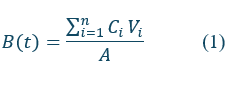
-
Specific Comment 7
Some figures are difficult to read and their graphical resolution is not very good (e.g., Figure 2). Please ensure consistent font size and high-resolution output.
Thank you for the reviewer’s comment. All figures in this manuscript have been updated to meet the MDPI standards for publication.
Specific Comment 8
The pilot-scale results are very valuable. However, the discussion could be expanded to better explain the discrepancy between lab and field performance, namely:
- field UCS lower than lab UCS (explained partly by compaction)
leaching decreased strongly over 2 years (As and Cu reductions)
We appreciate the reviewer’s suggestion to expand the discussion and provide further insight into the discrepancies observed between the laboratory and field performance. We have now added more detailed explanations regarding the factors contributing to the differences in UCS values and leaching behavior between lab-scale and field-scale trials. Specifically, we address how compaction variability and environmental factors in the field influence the performance of the binder.
Text added to the manuscript (Unconfined compressive strength (UCS), 423-443):
Field UCS vs Laboratory UCS
The UCS values measured in the pilot-scale construction were consistently lower than those obtained from laboratory-prepared specimens. This discrepancy can be attributed to differences in preparation and curing conditions. Laboratory specimens were produced under controlled moisture content, homogeneous mixing, and uniform compaction energy. In contrast, field stabilization involved heterogeneous soil conditions, variable moisture distribution, and less controlled compaction, which often result in reduced density and bonding efficiency.
Field compaction methods were less effective than laboratory methods, particularly in terms of compaction energy. For instance, the upper layers of the constructed barrier were compacted using an excavator bucket, which provided significantly less compaction energy than the 250 kg vibratory plate compactor used for the lower layers. This variation in compaction technique likely contributed to the reduced mechanical stability at the surface.
Factors affecting Field UCS:
- Moisture Variability: In the field, moisture content is harder to control than in laboratory tests, and moisture variations can impact both the compaction process and the formation of C-S-H and C-A-H gels, which are critical for strength development.
- Compaction Efficiency: Differences in compaction energy and uniformity can lead to inconsistent strength development. Equipment such as excavator buckets may not provide the same level of compaction efficiency as standard laboratory or vibratory plate compactors.
- Field Soil Conditions: Field soil is often heterogeneous, unlike the uniform soil used in lab tests. Variations in soil texture, organic content, and particle size distribution can influence how the binder interacts with soil particles, which in turn affects UCS results.
Text added to the manuscript (4.3.3. Leaching Behavior of the Pilot Soil in Laboratory and Field Tests, lines:736-768):
Laboratory-Scale Results vs Pilot-Scale Results
While the laboratory trials provided controlled conditions for testing the bioash-cement binder system, the pilot-scale field trials introduced several real-world factors that influenced the results. These discrepancies highlight the variability that can occur when scaling up from laboratory to field applications. The key factors that may explain these differences include compaction variability, moisture content fluctuations, and environmental exposure, which were not present or tightly controlled in the laboratory settings.
- Unconfined Compressive Strength (UCS): Laboratory trials consistently yielded higher UCS values compared to the pilot-scale trials. This difference can be attributed to the greater control over moisture content and compaction during laboratory testing, which led to more uniform binder distribution and stronger material formation. In contrast, the pilot-scale trials involved larger volumes of soil, with less uniform moisture content and compaction methods, which likely resulted in a more heterogeneous material matrix. Despite this, the binder system showed satisfactory mechanical strength at the pilot scale, though not as high as the laboratory results.
- Leaching Behavior: Leaching tests conducted during the laboratory trials showed higher concentrations of trace metals in the leachate compared to the field trials. This discrepancy can be explained by the long-term carbonation and mineral transformation processes occurring in the field. Field conditions, such as exposure to atmospheric CO₂ and fluctuating environmental conditions, contributed to the formation of secondary phases like metal carbonates and hydrated compounds, which reduced contaminant mobility over time. In the laboratory, these processes were not as pronounced due to the controlled curing environment.
- Environmental Factors: While the laboratory-scale trials allowed for precise control over the binder-water interactions, the pilot-scale trials were influenced by factors such as rainfall, temperature fluctuations, and soil heterogeneity. These environmental factors likely impacted both binder hydration and the stabilization of contaminants, leading to variations in performance when compared to the laboratory results. However, these field conditions better reflect the actual behavior of the bioash-cement binder system under real-world applications, providing valuable insights into its long-term stability and environmental performance.
- Implications for Real-World Applications: The differences between the laboratory-scale and pilot-scale results highlight the importance of considering site-specific conditions when applying bioash-cement binder systems in the field. While laboratory trials are critical for binder optimization, pilot-scale trials provide more reliable data for scaling up and long-term performance evaluation. These findings underscore the necessity of further field validation to ensure that the binder formulation maintains its effectiveness in larger-scale, more variable conditions.
Specific Comment 9
The authors mention possible ageing processes (carbonation, transformations), but the manuscript would also benefit from:
- linking trends to carbonation theory (pH decrease, EC decrease)
- discussing possible formation of secondary phases binding metals (e.g., carbonates / Fe oxides / C-S-H evolution)
We appreciate the reviewer’s valuable comment. To address this, we have expanded the Discussion section to better explain the ageing processes, particularly carbonation, and to link these trends to carbonation theory. We have also added a discussion on the possible formation of secondary phases (such as carbonates, Fe oxides, and C-S-H evolution) that play a role in binding metals and improving the stability of the binder over time.
Text added to the manuscript (4.3.3. Leaching Behavior of the Pilot Soil in Laboratory and Field Tests, lines:697-710):
The observed decrease in pH and EC over time is consistent with carbonation processes in Ca-rich cementitious systems. Carbonation occurs when calcium hydroxide (Ca(OH)₂) reacts with atmospheric CO₂, forming calcium carbonate (CaCO₃). This reaction leads to a gradual reduction in pore solution alkalinity and ionic strength, which is reflected in the declining EC values and the improved long-term stabilization of leached elements [55]. These trends suggest ongoing aging processes within the stabilized material, enhancing chemical stability under field conditions. Specifically, these aging effects likely involve carbonation, mineral transformations, and/or the reduced availability of DOC. The progressive immobilization of trace elements can be attributed to several aging mechanisms associated with cementitious binders. For instance, carbonation promotes the formation of secondary carbonate phases, which can facilitate the co-precipitation or incorporation of metals such as Cu and Ni. Additionally, iron-bearing phases present in both the binder and the soil act as strong sorption sites for metals, particularly for oxy-anions like arsenic (As) [56,57]. At the same time, the continued evolution and densification of C–S–H-type gels reduce pore connectivity, limiting diffusive transport of contaminants. These combined processes provide a mechanistic explanation for the improved long-term leaching performance observed in the pilot-scale trials compared to the earlier laboratory result.
55.Van Gerven, T.; Cornelis, G.; Vandoren, E.; Vandecasteele, C. Effects of Carbonation and Leaching on Porosity in Cement-Bound Waste. Waste Manag. 2007, 27, 977–985.
56.Guo, B.; Liu, B.; Yang, J.; Zhang, S. The Mechanisms of Heavy Metal Immobilization by Cementitious Material Treatments and Thermal Treatments: A Review. J. Environ. Manage. 2017, 193, 410–422.
57.Liu, J.; Wu, D.; Tan, X.; Yu, P.; Xu, L. Review of the Interactions between Conventional Cementitious Materials and Heavy Metal Ions in Stabilization/Solidification Processing. Materials (Basel). 2023, 16, 3444.
Specific Comment 10
A key outcome is that Cu and Ni leaching increases significantly with stabilization, due to DOC and high pH (Figures 4–5 discussion). This is critical because it challenges the general environmental feasibility of the approach depending on site-specific chemistry.
I recommend:
- Moving this limitation earlier in Results (highlighted as a major finding).
Provide suggestions for improvement. For example: additives targeting DOC immobilization, Fe-based amendments to bind As and transition metals, and pH-control strategy / optimized cement fraction.
We thank the reviewer for pointing out the importance of addressing the Cu and Ni leaching in relation to DOC and high pH earlier in the manuscript. We agree that this is a critical finding and should be highlighted in the Results section as a major limitation of the bioash-based binder approach under certain conditions. We have moved this discussion earlier in the Results section and provided potential suggestions for improvement in the Conclusion. Additionally, we have added recommendations for additives targeting DOC immobilization, Fe-based amendments, and a pH-control strategy to address the leaching issue in future studies.
Text added to the manuscript (4.3.1. Batch Leaching Tests (L/S = 10), lines: 509-517):
A key finding from these results is that stabilization caused a significant increase in Cu and Ni leaching in mixtures with high DOC, especially under highly alkaline conditions. This underscores the strong influence of site-specific soil chemistry on the performance of stabilization.
The observed increase in Cu and Ni leaching under alkaline, DOC-rich conditions suggests that further optimization of the binder system may be required for certain soil types. Potential improvement strategies include the use of additives targeting DOC immobilization (e.g., sorptive carbon-based materials), Fe-based amendments to enhance binding of As and transition metals, and adjustment of cement content or binder composition to better control pH evolution[49,50]. Such approaches could improve the environmental performance of bioash-based stabilization systems while maintaining their mechanical functionality.
49.Palansooriya, K.N.; Shaheen, S.M.; Chen, S.S.; Tsang, D.C.W.; Hashimoto, Y.; Hou, D.; Bolan, N.S.; Rinklebe, J.; Ok, Y.S. Soil Amendments for Immobilization of Potentially Toxic Elements in Contaminated Soils: A Critical Review. Environ. Int. 2020, 134, 105046.
50.Houben, D.; Pircar, J.; Sonnet, P. Heavy Metal Immobilization by Cost-Effective Amendments in a Contaminated Soil: Effects on Metal Leaching and Phytoavailability. J. Geochemical Explor. 2012, 123, 87–94.
Round 2
Reviewer 1 Report
Comments and Suggestions for AuthorsThe manuscript has undergone substantial revision, and the technical issues raised in the first review have been well addressed. The overall quality has improved significantly. However, the reference framework remains somewhat limited. It is recommended that the authors consider incorporating the following recent and relevant works into the introduction to strengthen the contextual basis of their study: Strength behavior and microscopic mechanisms of geopolymer-stabilized waste clays considering clay mineralogy; Atomistic insights into the hydration behavior of N-A-S-H Gel via Ca2+ substitution: A molecular dynamics simulation study.
Reviewer 2 Report
Comments and Suggestions for AuthorsI received the revised version of the article with revised title “Bioash-based stabilization/solidification for heavy metal(oid) soil remediation: A case study in Northern Sweden” and also the authors’ responses to my previous comments. The authors have improved the article according to all my previous comments and suggestions. I’m globally very satisfied with the new version of the manuscript. Hence, I recommend that the article should be accepted for publication.