Article

Waste-Glass-Derived Porous Silica: Synthesis and Structural Characterization

by
Antônia Millena de Oliveira Lima
1,2,
Manuel Pedro Fernandes Graça
3,*,
Imen Hammami
3,* and
Ana Angélica Mathias Macêdo
1
1
Instituto Federal de Educação Ciência e Tecnologia do Maranhão, Campus Imperatriz, São Luís 65919-050, Brazil
2
Foundation for Research and Scientific and Technological Development of Maranhão (FAPEMA), São Luís 65075-340, Brazil
3
i3N and Physics Department, University of Aveiro, 3810-193 Aveiro, Portugal
*
Authors to whom correspondence should be addressed.
Materials 2026, 19(3), 601; https://doi.org/10.3390/ma19030601
Submission received: 31 December 2025 / Revised: 29 January 2026 / Accepted: 2 February 2026 / Published: 4 February 2026
(This article belongs to the Special Issue Advances in Waste Materials’ Valorization)

Abstract

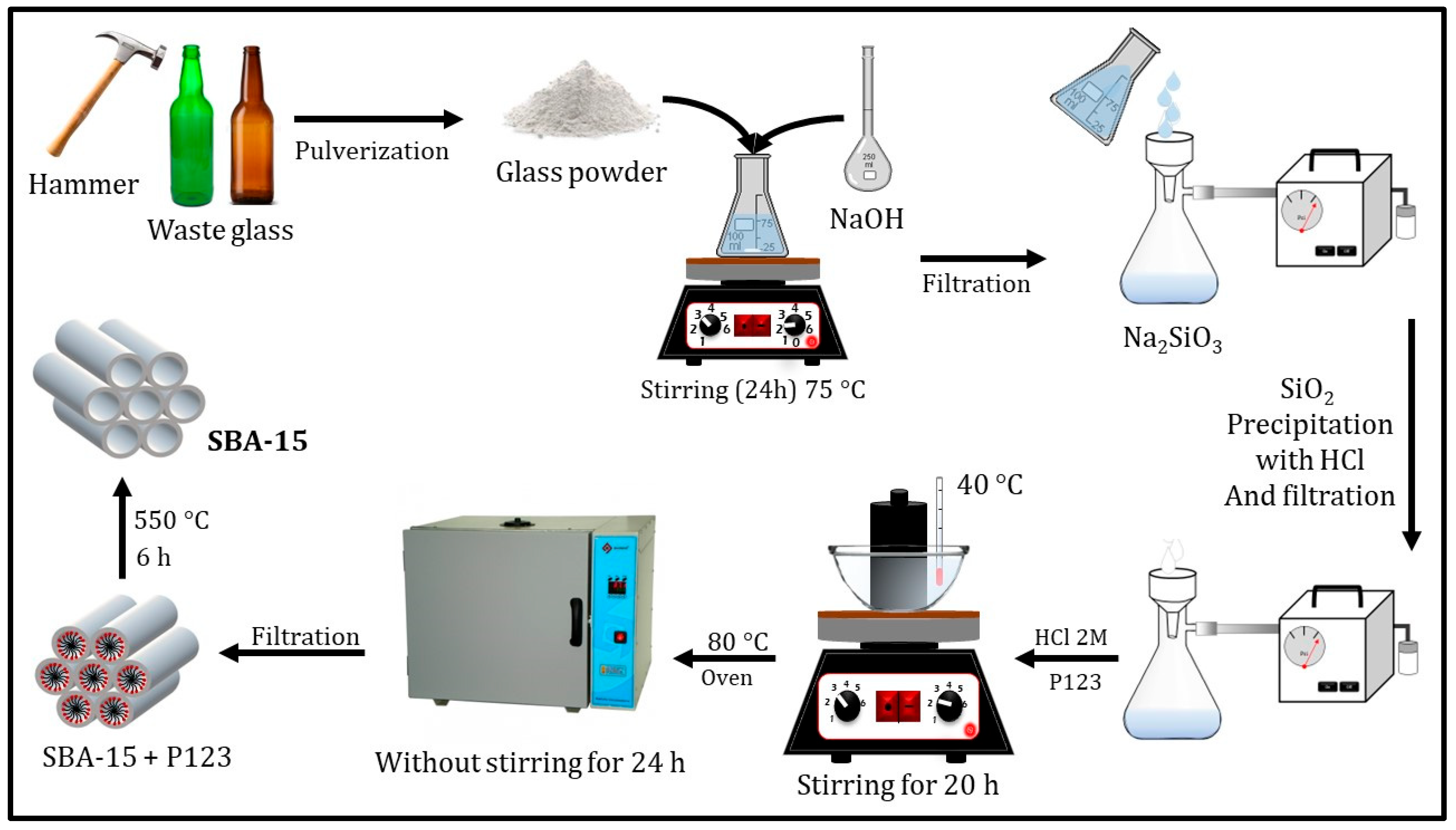
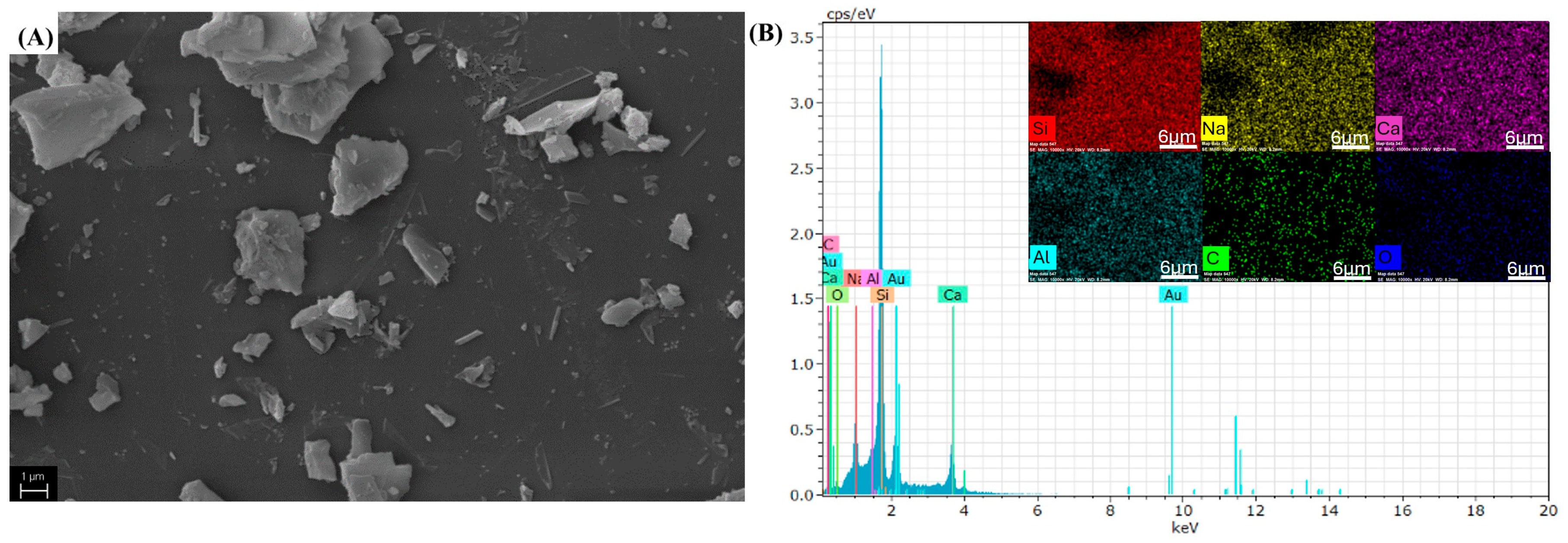
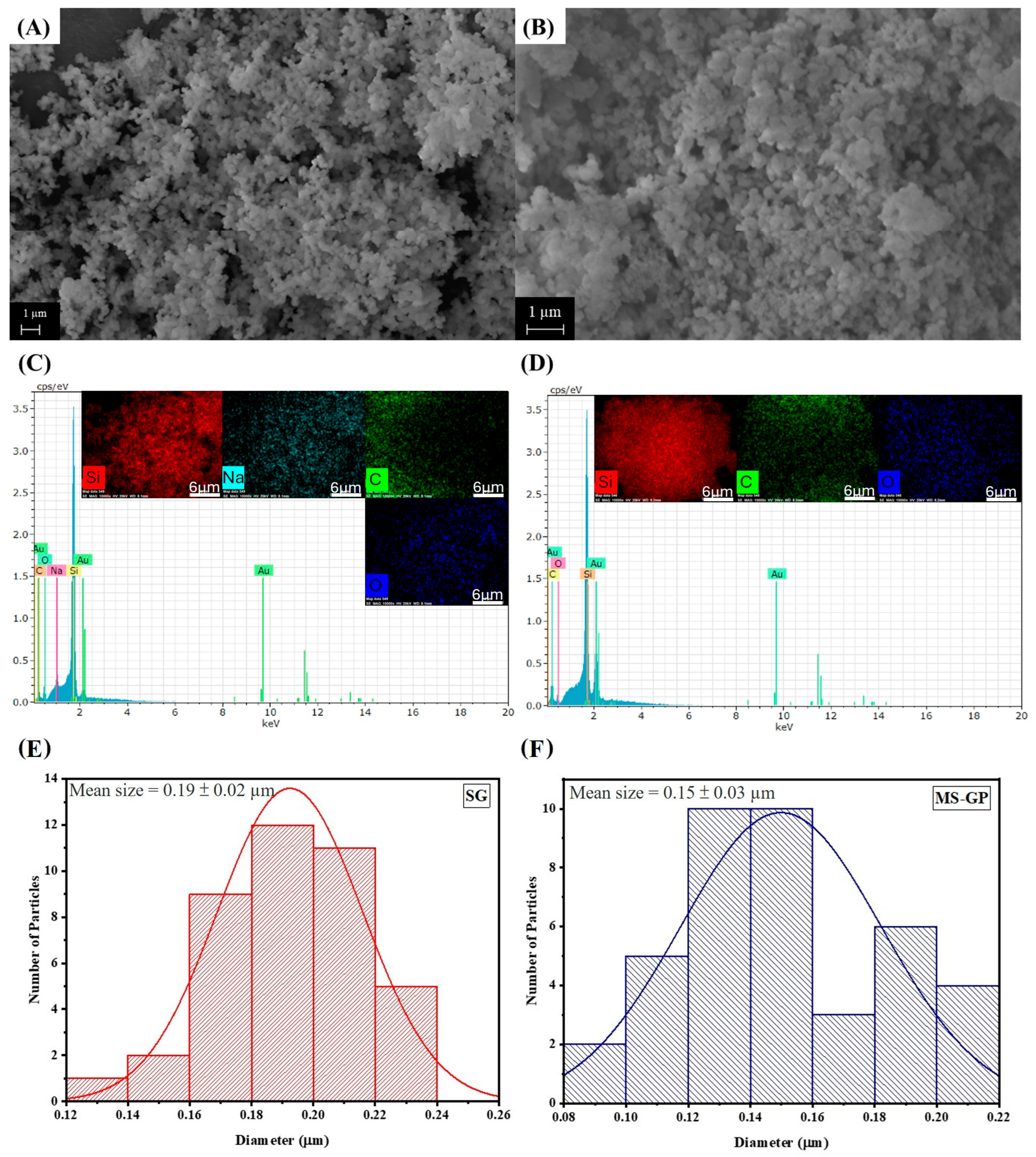
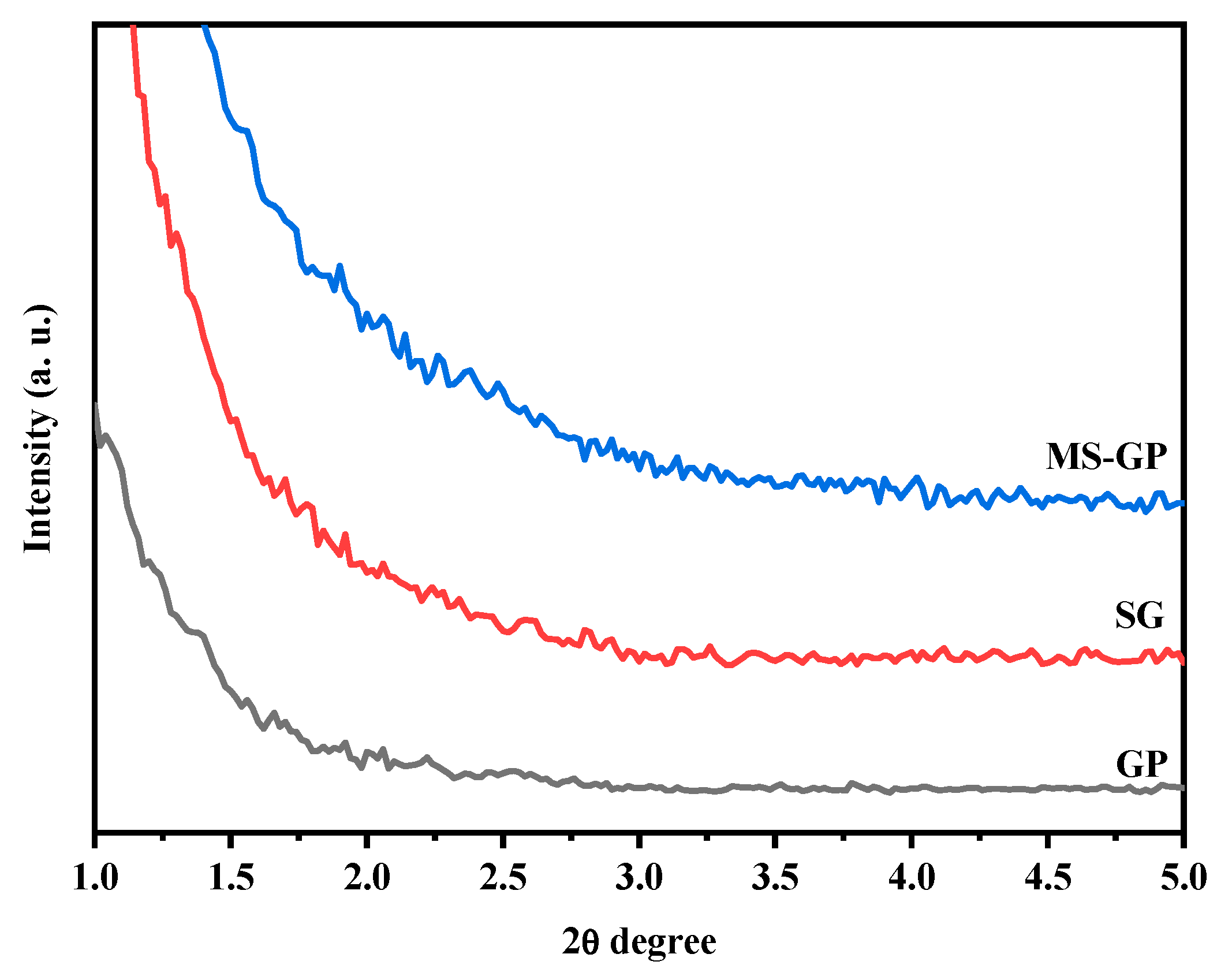
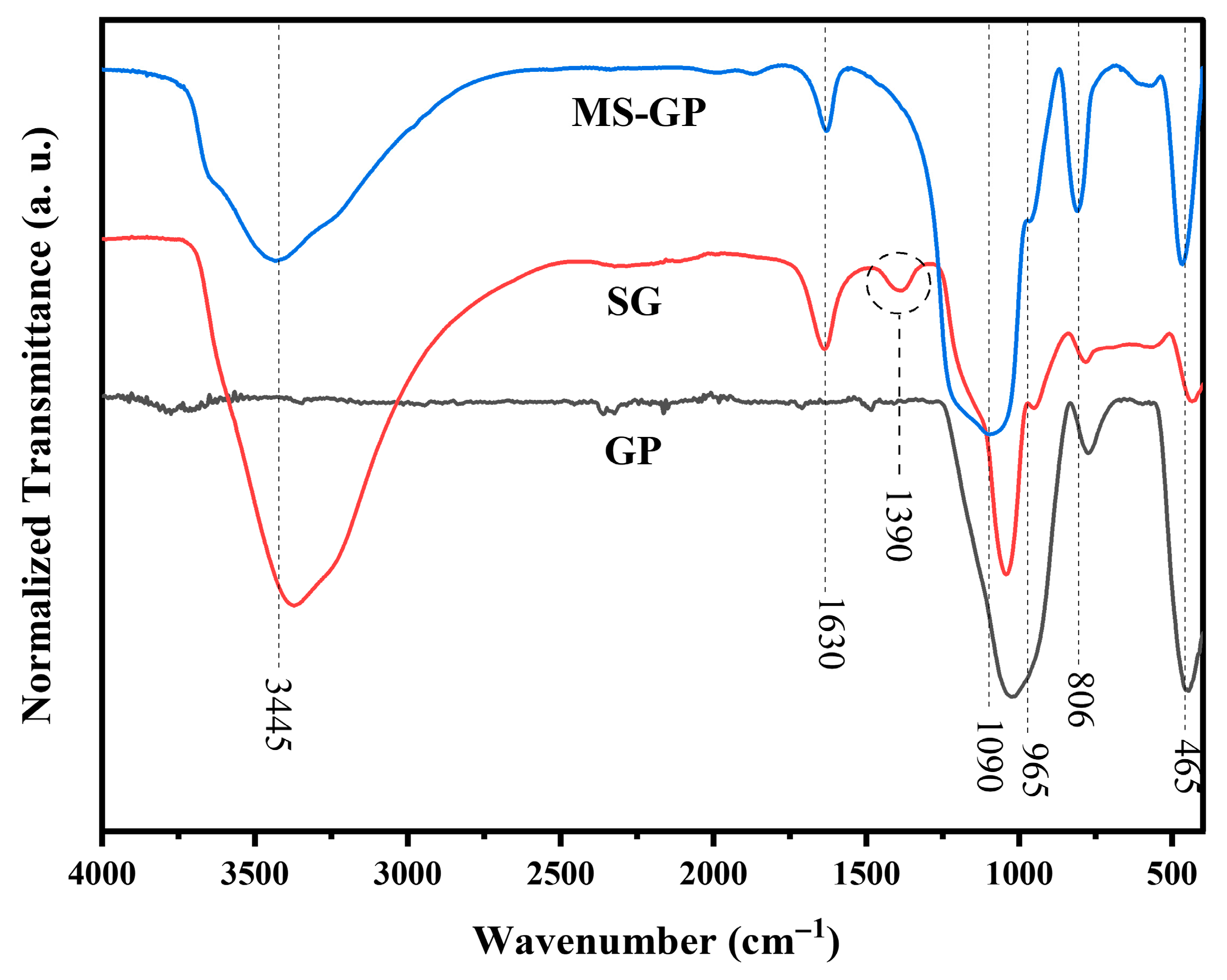
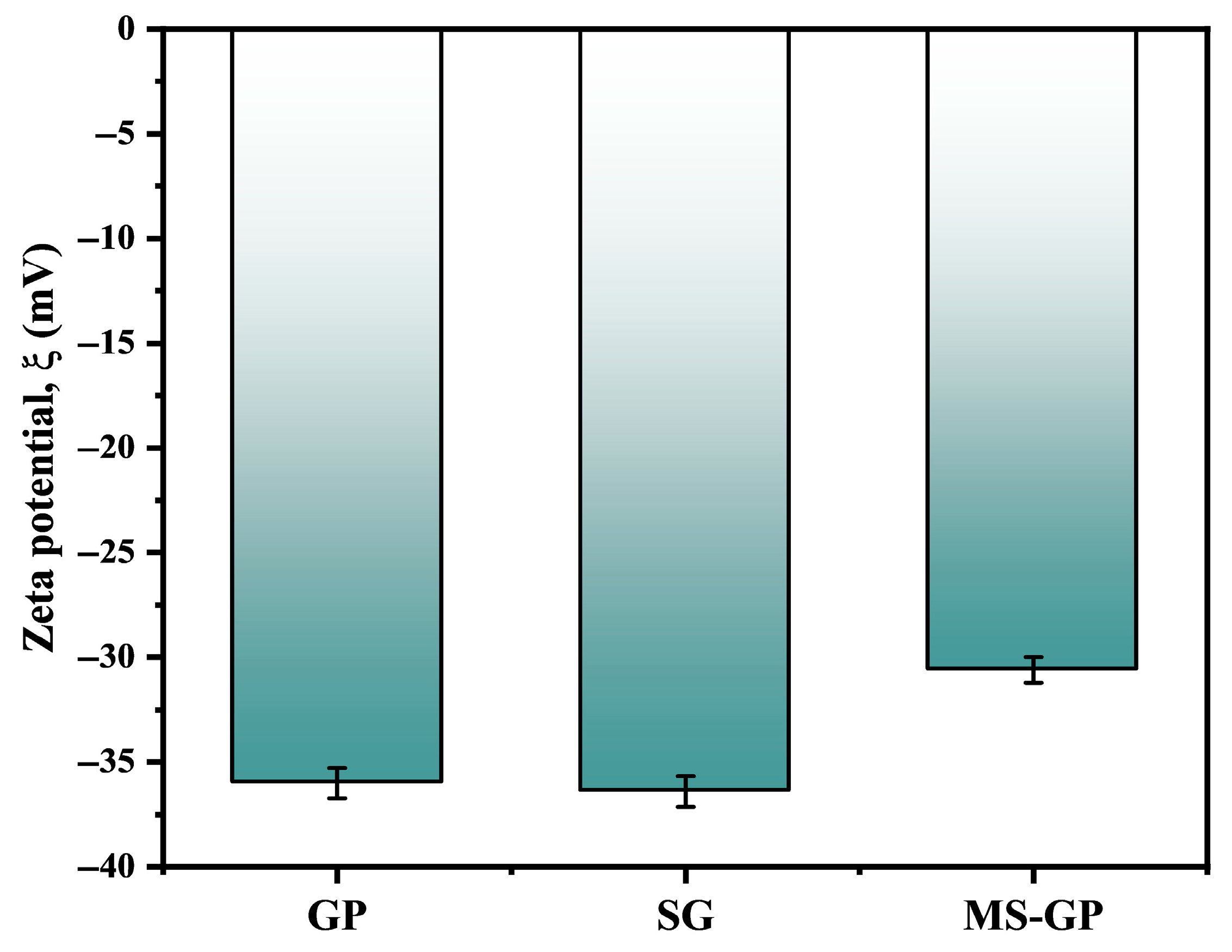
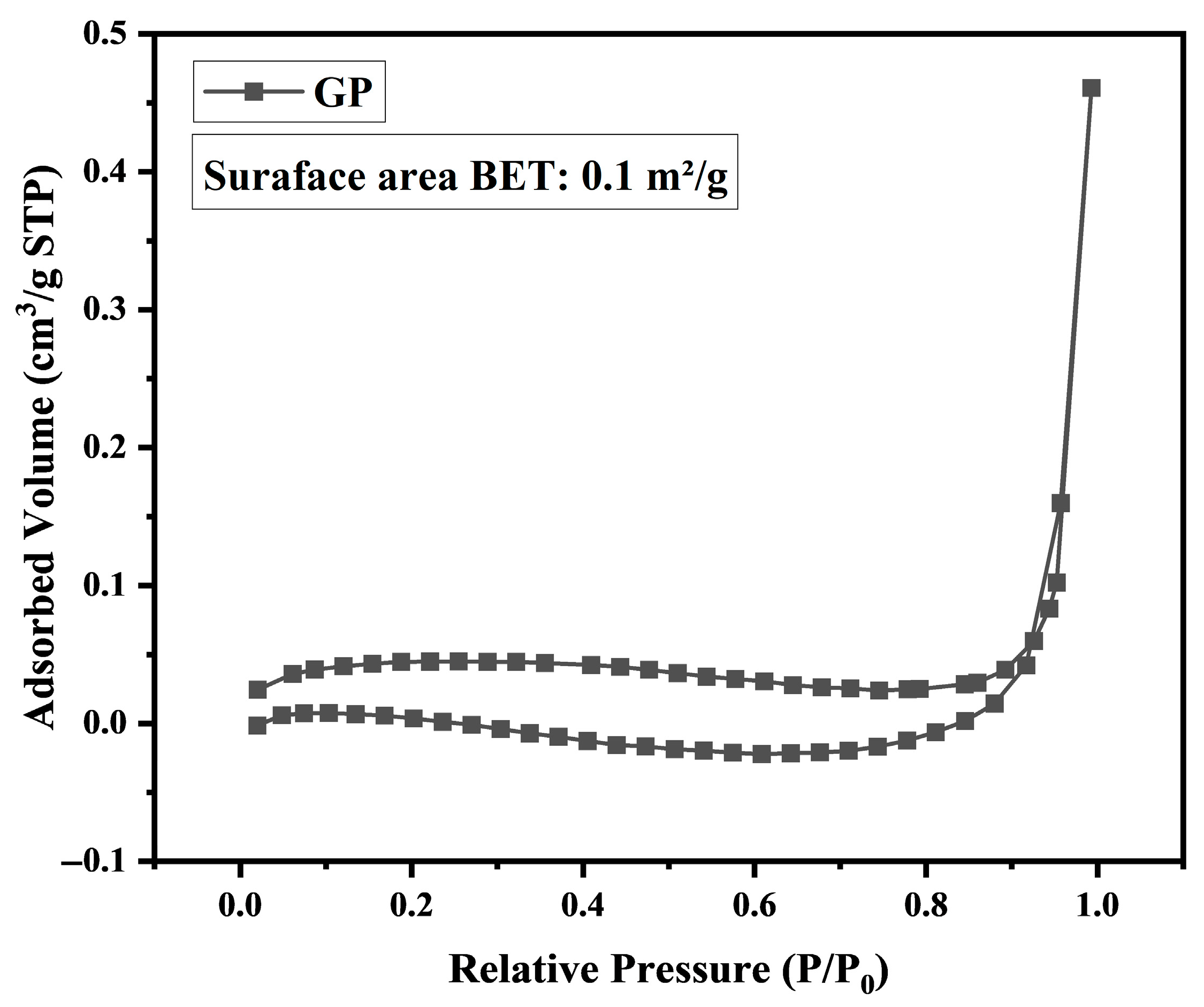
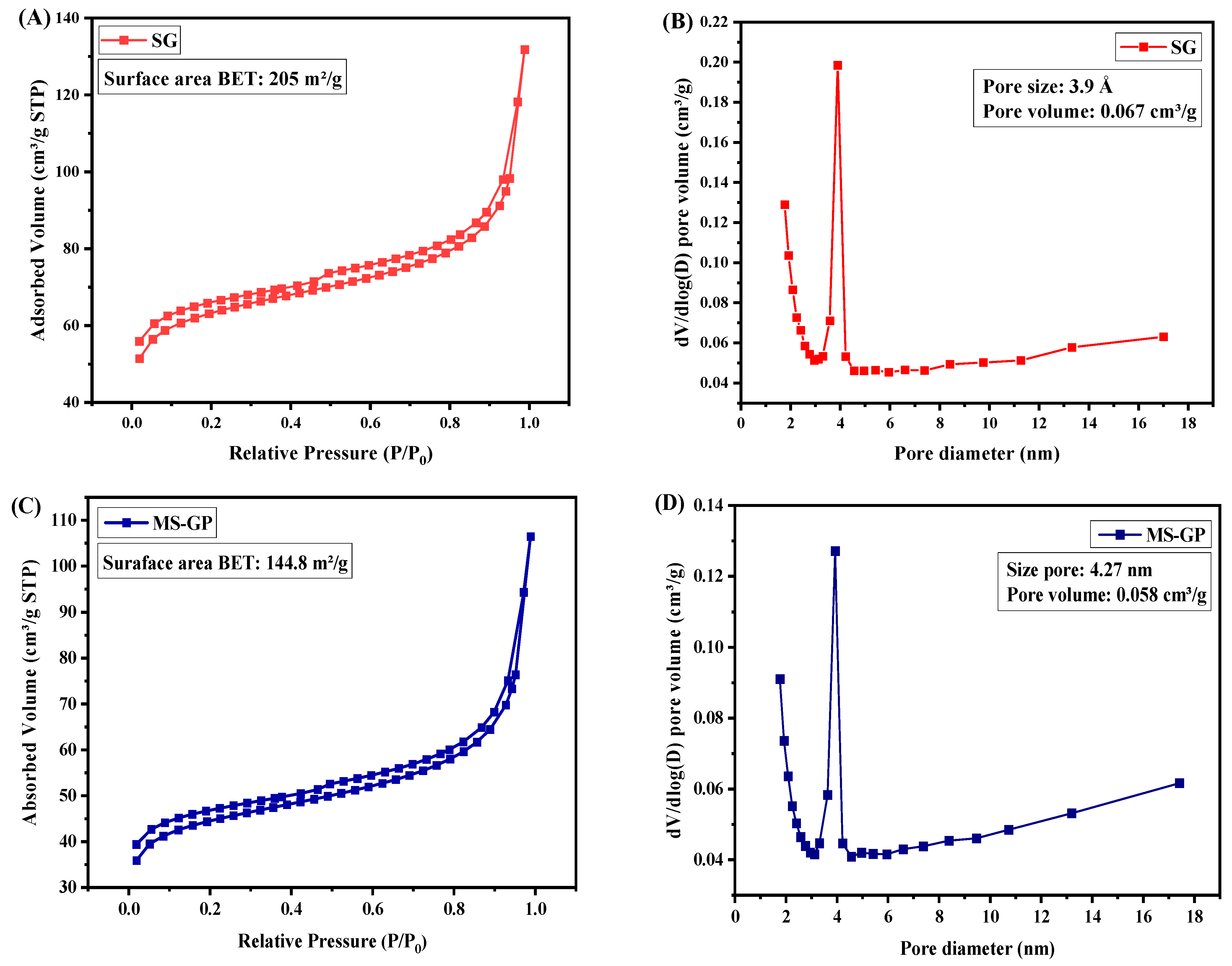
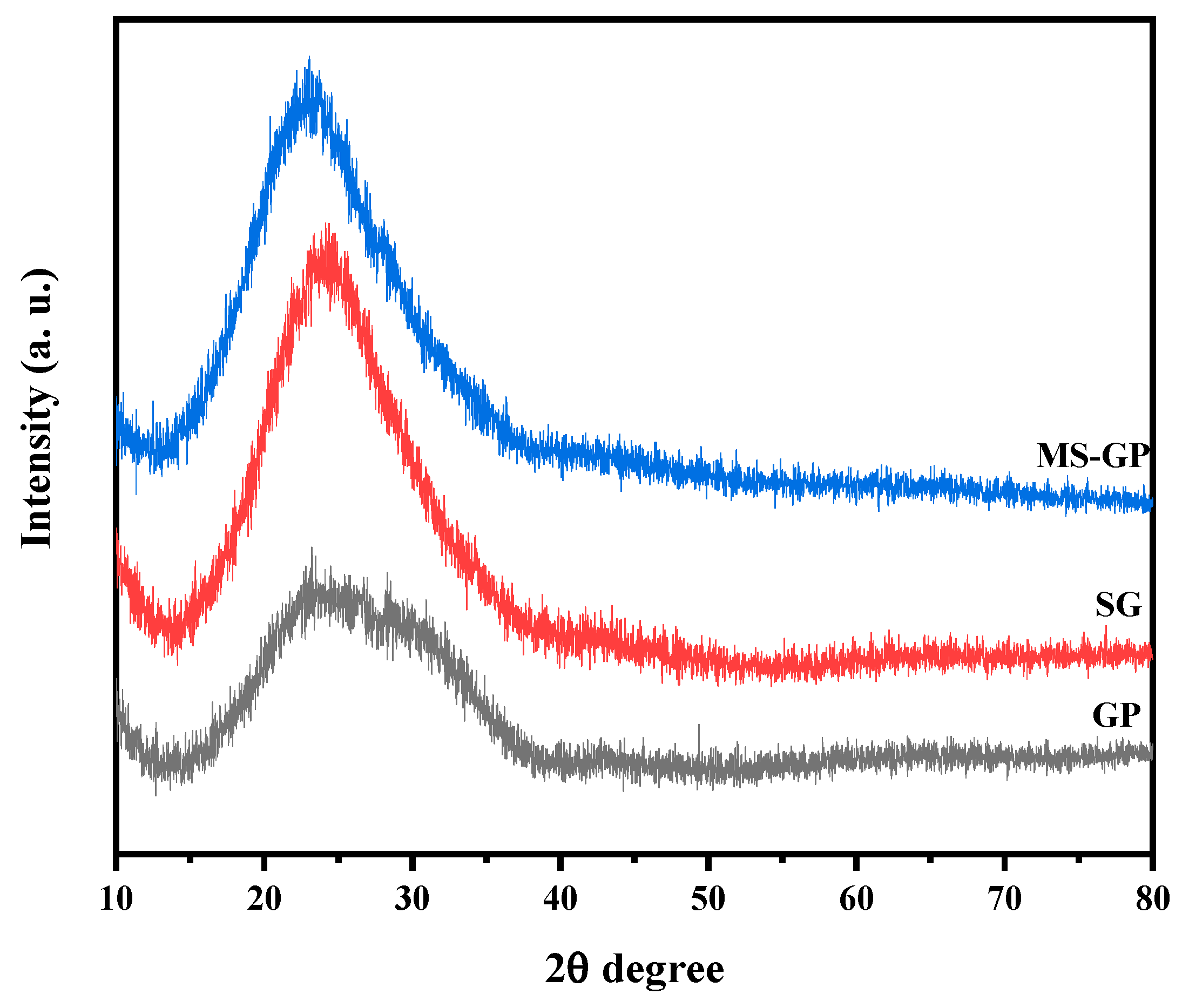
This work reports the reuse of waste glass as a sustainable silica source for the synthesis of mesoporous silica, as an alternative to conventional silica precursors. Silica gel was produced through alkaline dissolution of glass powder using sodium hydroxide and subsequently employed as a precursor for the synthesis of porous silica. The waste-derived glass powder and the synthesized silica-based materials were characterized to assess their structural, morphological, surface, and textural properties. XRD analysis confirmed the amorphous nature of all samples, while FTIR spectra indicated successful silica network formation with modifications in bond connectivity. SEM imaging revealed spherical particles with average diameters of approximately 0.19 ± 0.02 µm for silica gel and 0.15 ± 0.03 µm for the mesoporous silica. Zeta potential measurements indicated a negative surface charge and good colloidal stability in aqueous media. Nitrogen sorption analysis revealed that the specific surface area was limited by the low solubility of silica gel in acidic media, which prevents ideal condensation on the surface of surfactant micelles. The results demonstrate that waste glass-derived silica gel is a promising precursor, although the synthesis conditions did not yield a highly ordered mesostructure, highlighting the need for further control of precursor solubility and pH.
Keywords: waste glass; sodium hydroxide; silica gel; mesoporous waste glass; sodium hydroxide; silica gel; mesoporous