Article

Effect of Dry and Water-Slurry Dosing of Different Silica Fumes on the Mechanical Properties of Standard Mortar

Faculty of Civil Engineering and Geodesy, Military University of Technology, 2 Gen. Sylwestra Kaliskiego Str., 00-908 Warsaw, Poland
*
Author to whom correspondence should be addressed.
Materials 2026, 19(18), 3987; https://doi.org/10.3390/ma19183987 (registering DOI)
Submission received: 18 August 2026 / Revised: 14 September 2026 / Accepted: 16 September 2026 / Published: 19 September 2026
(This article belongs to the Section Construction and Building Materials)

Abstract

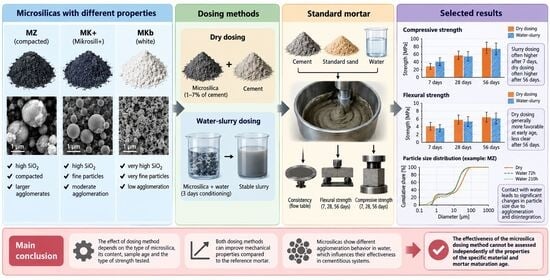
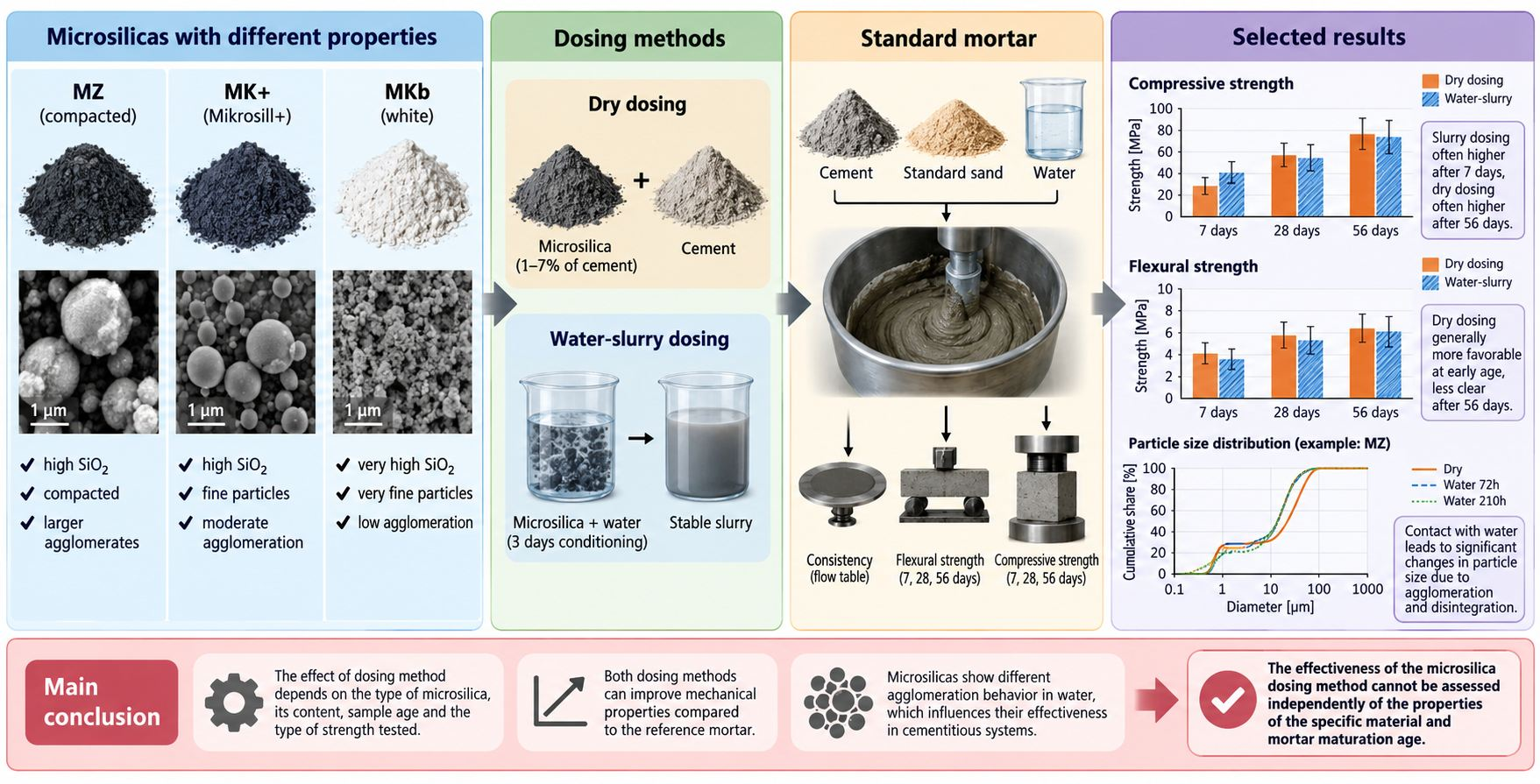
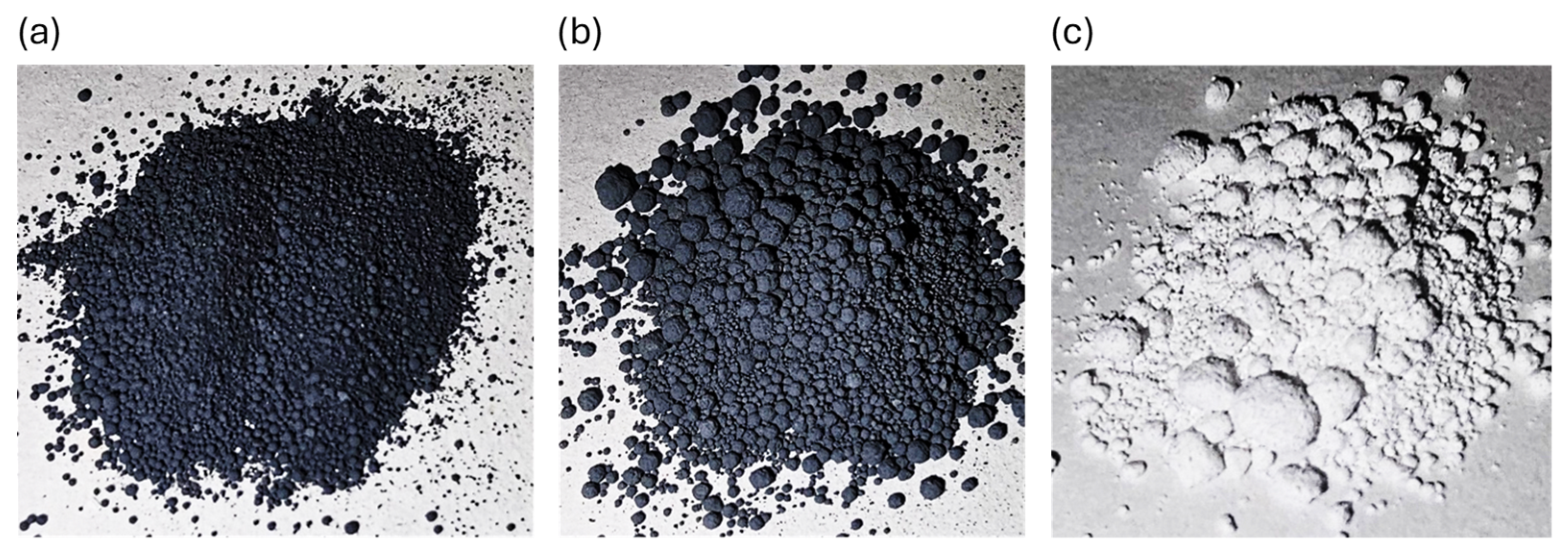
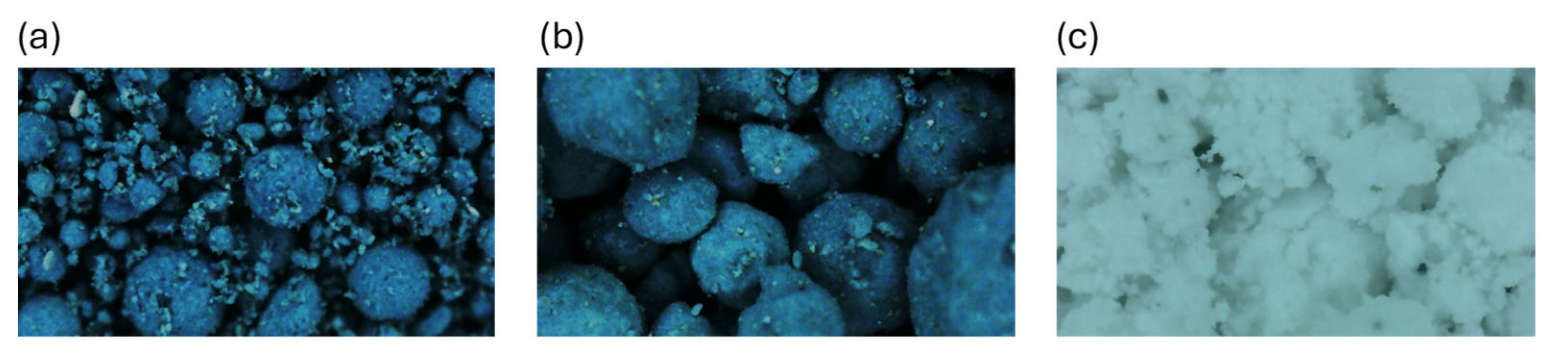
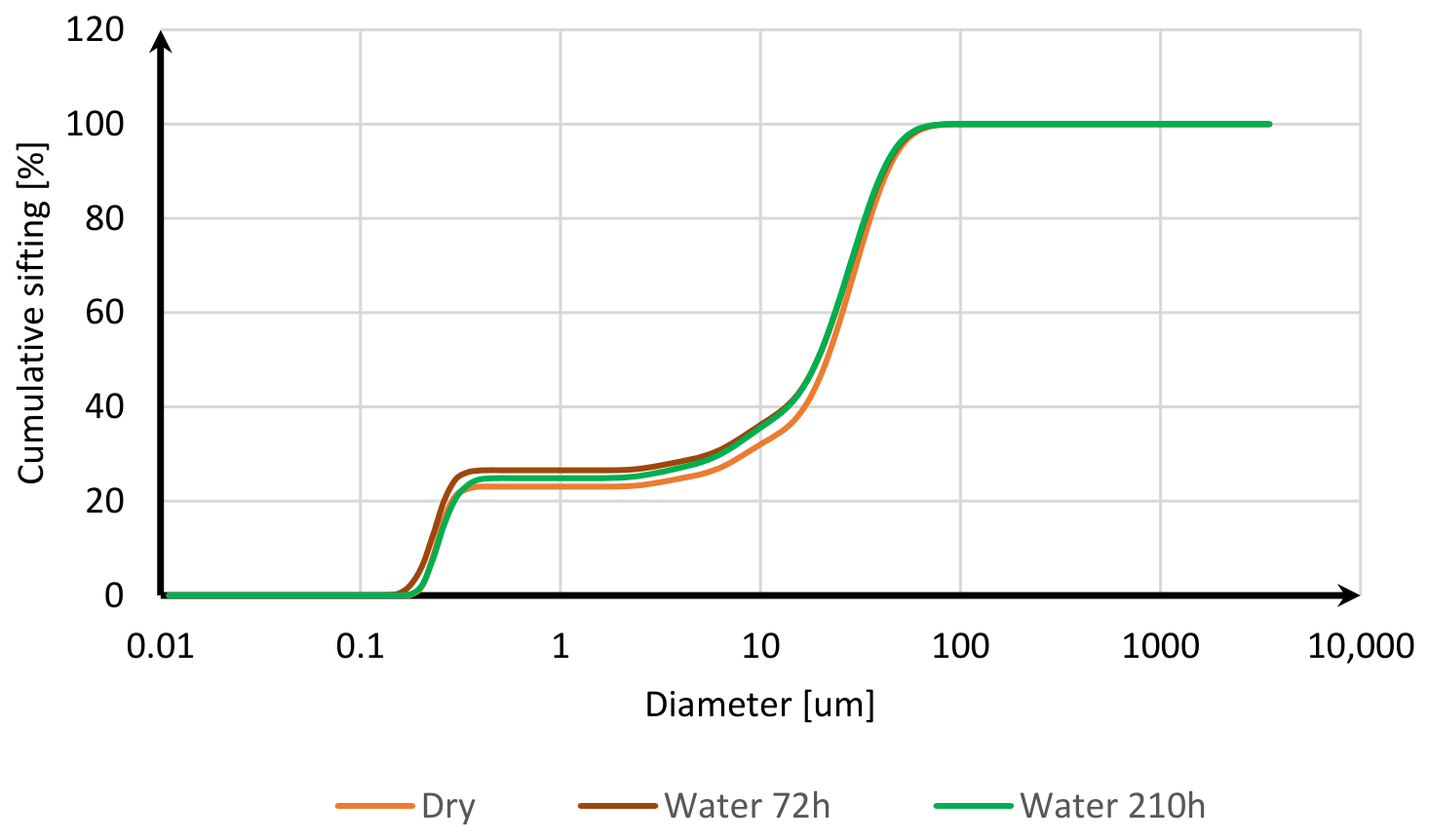
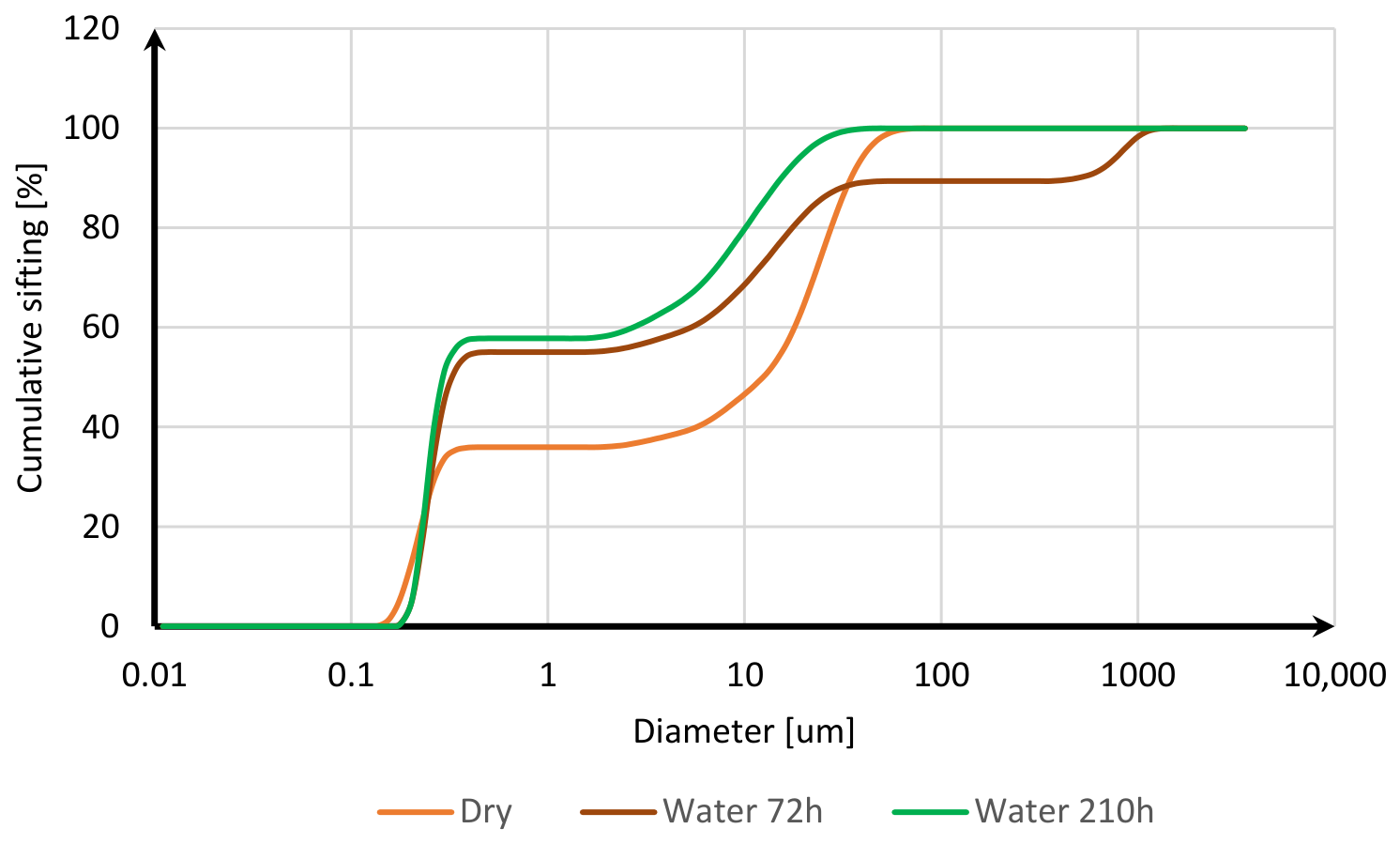
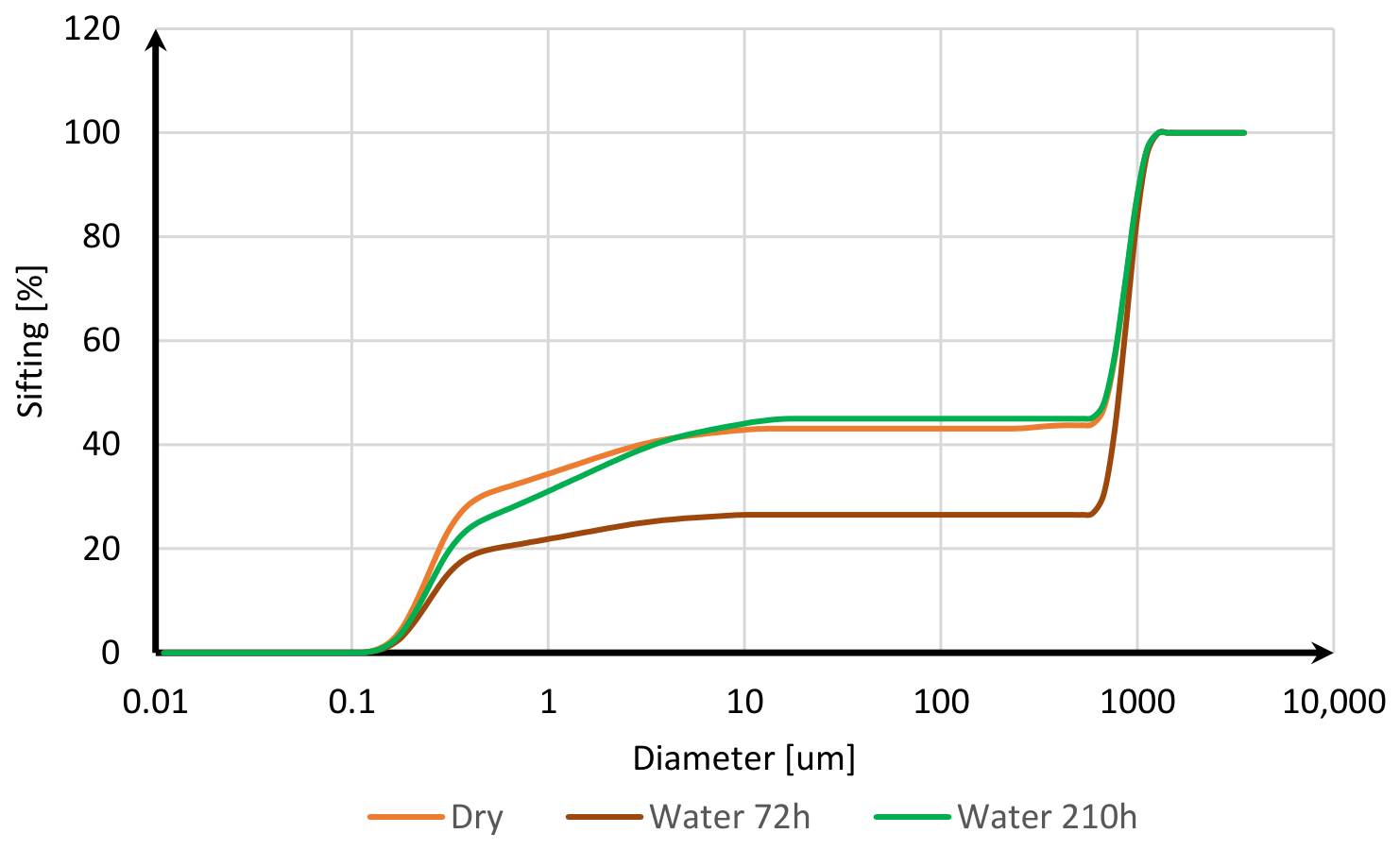
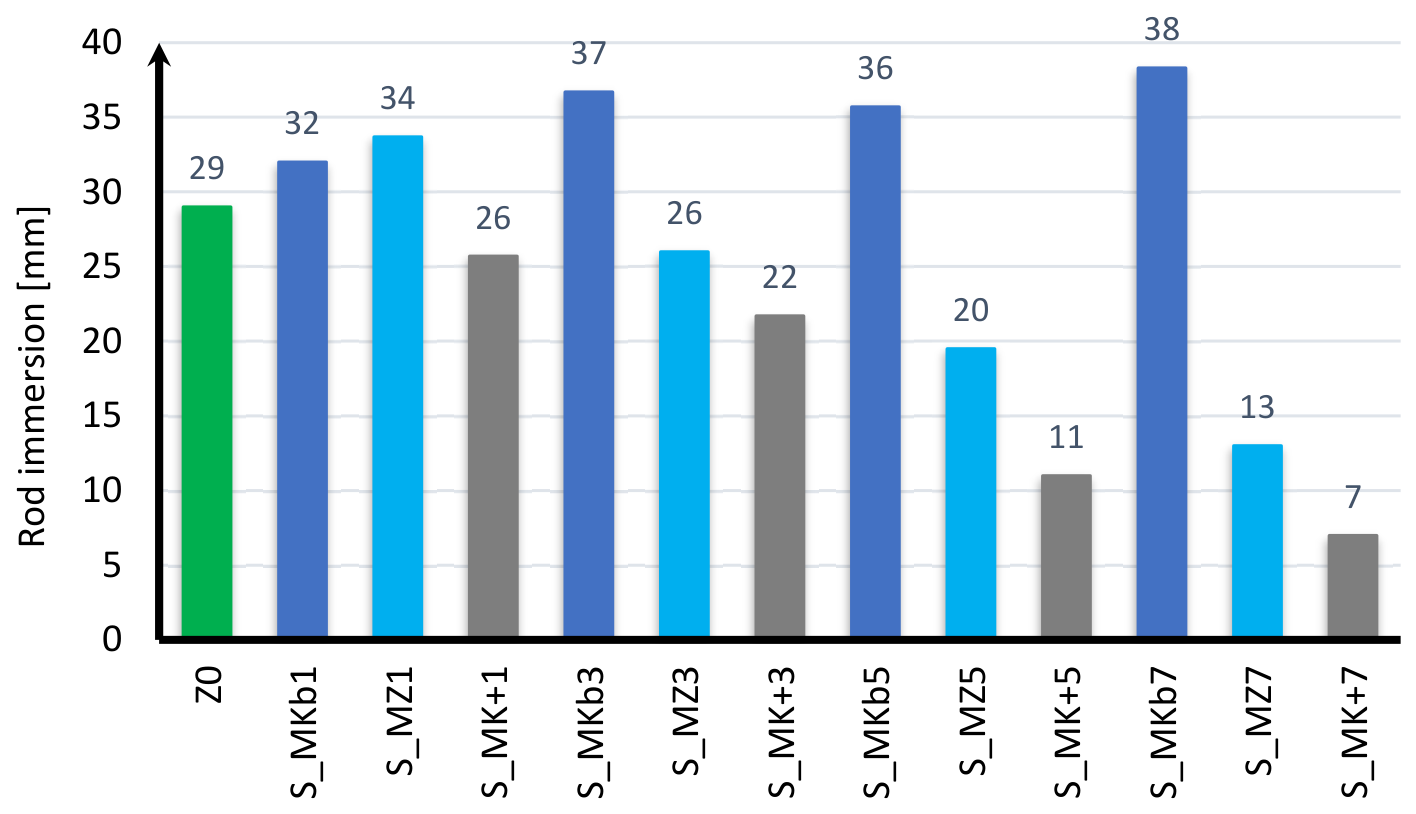
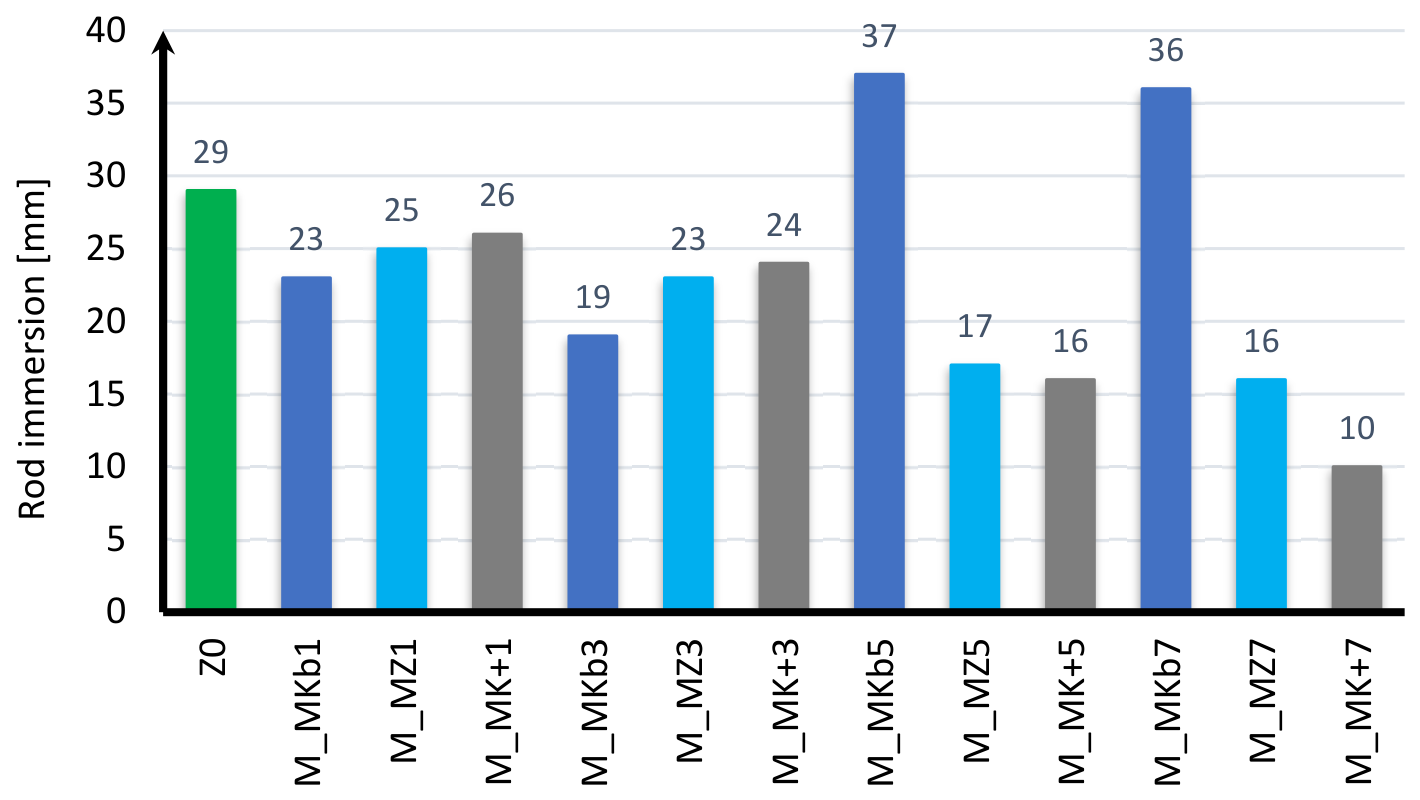
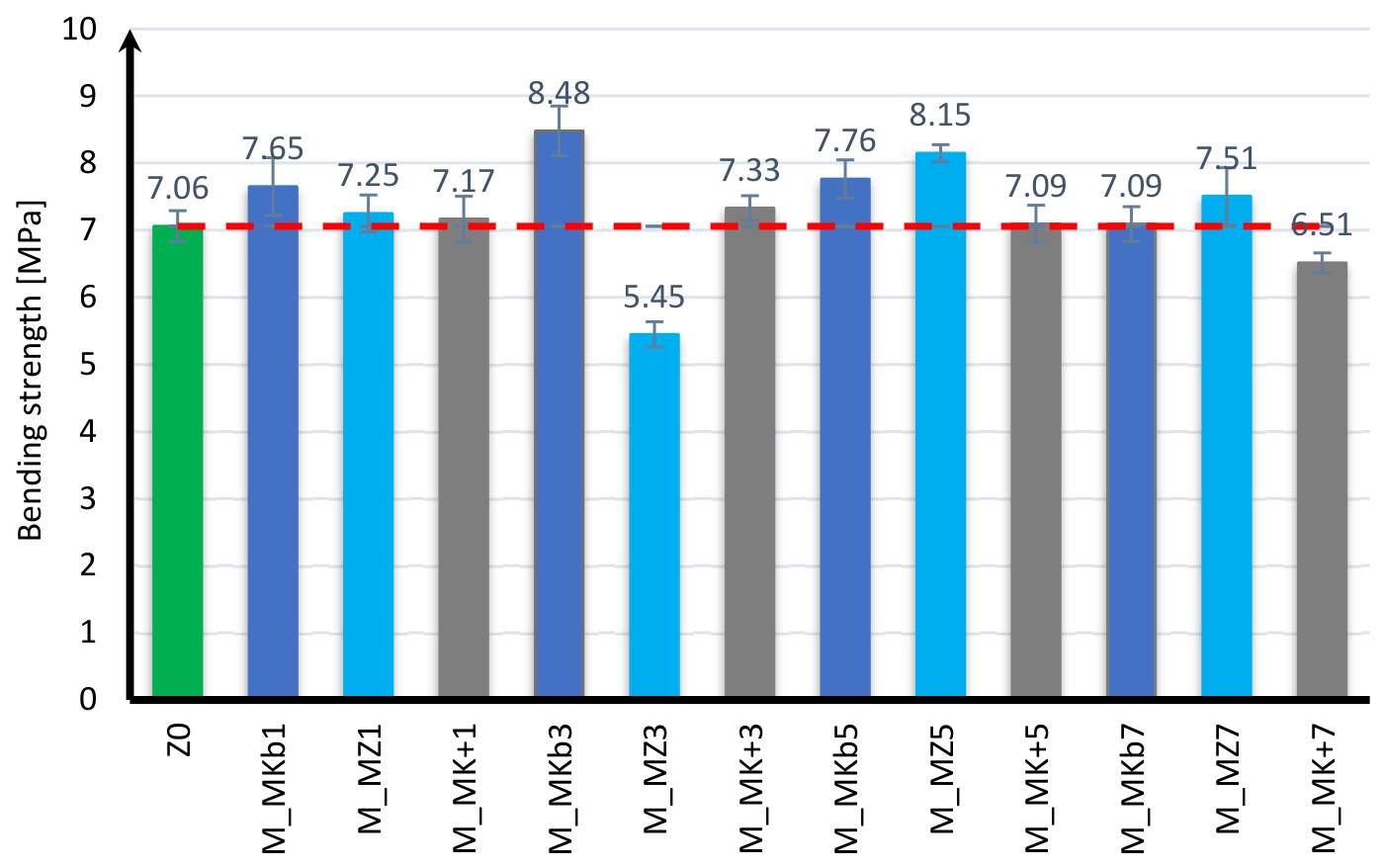
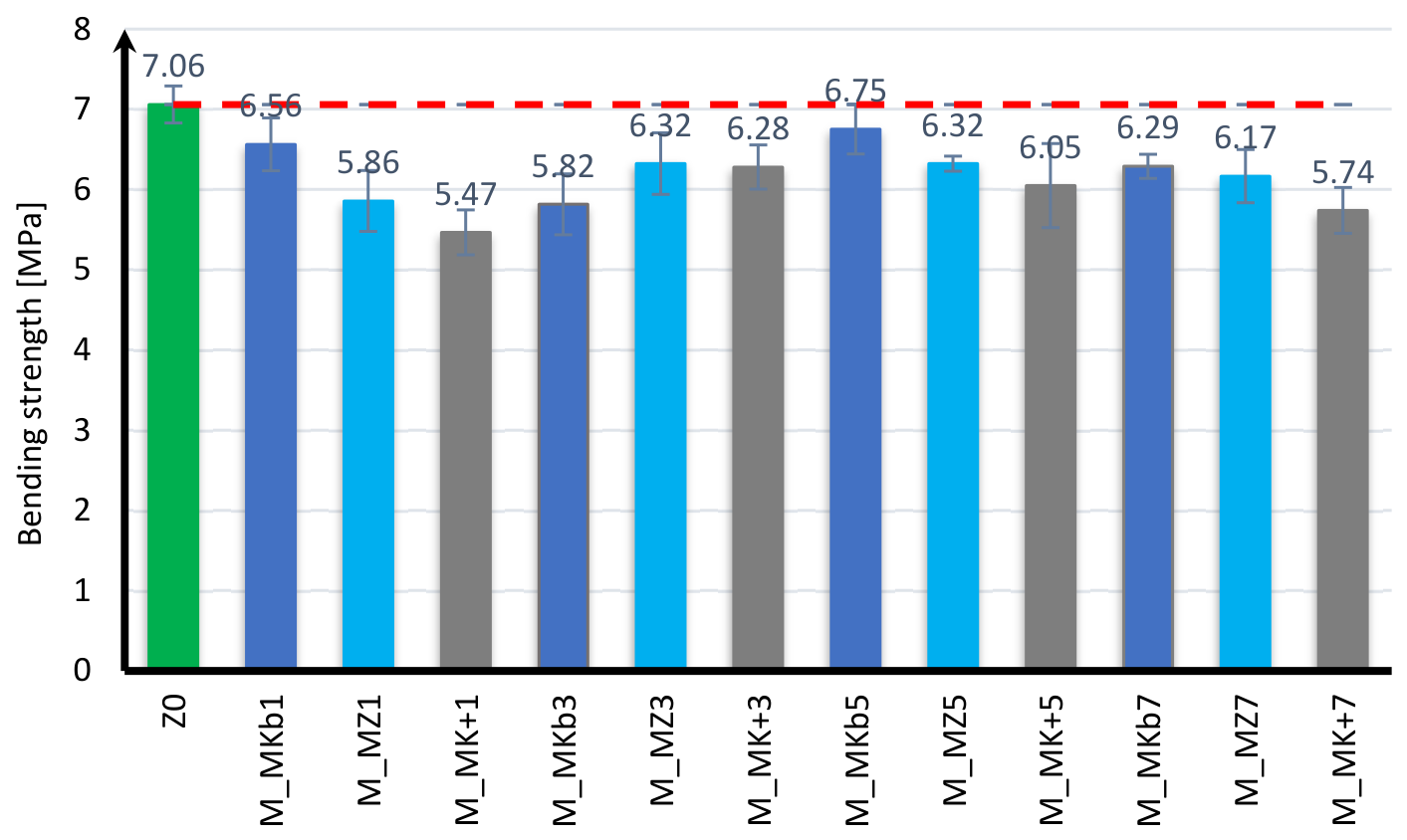
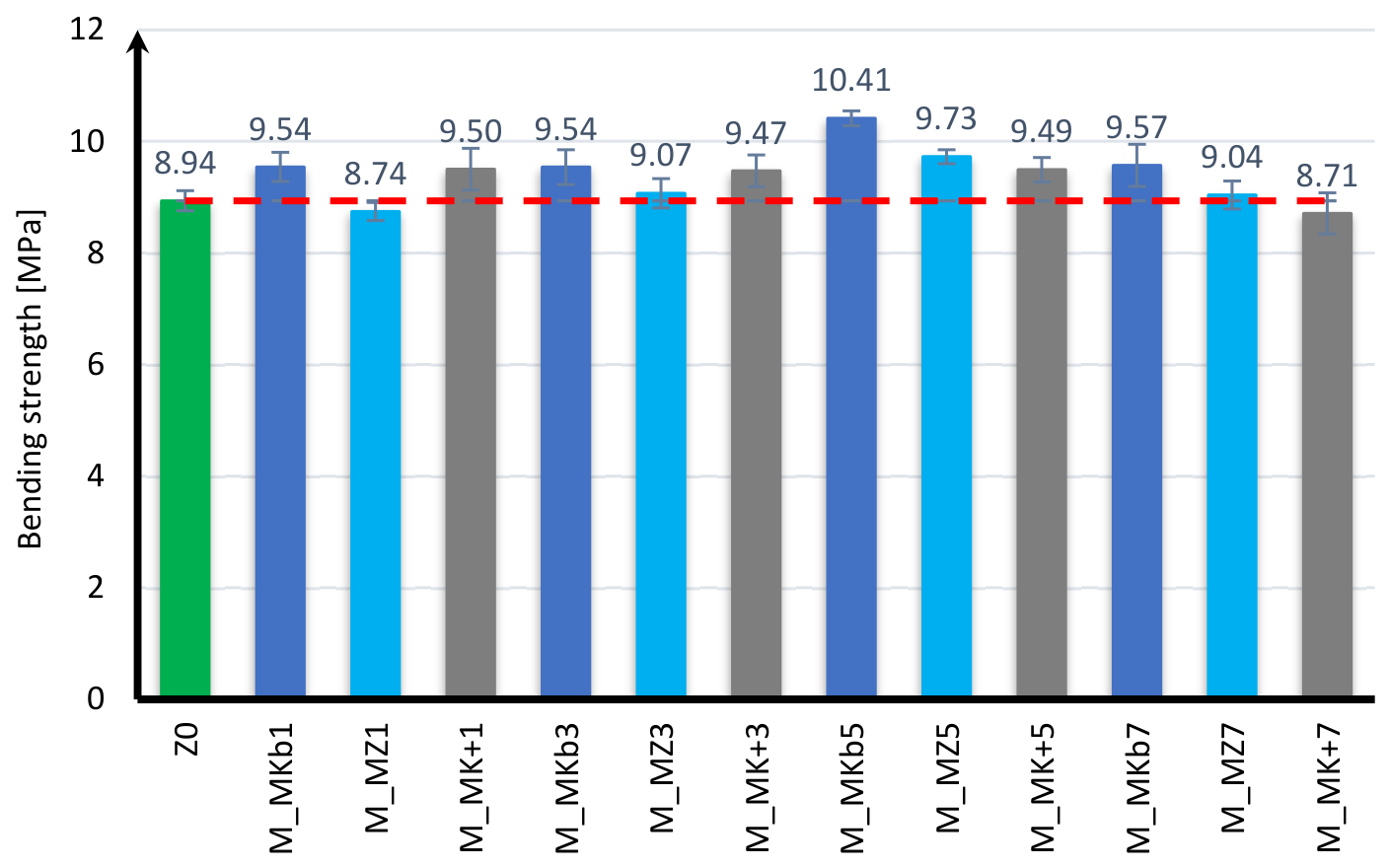
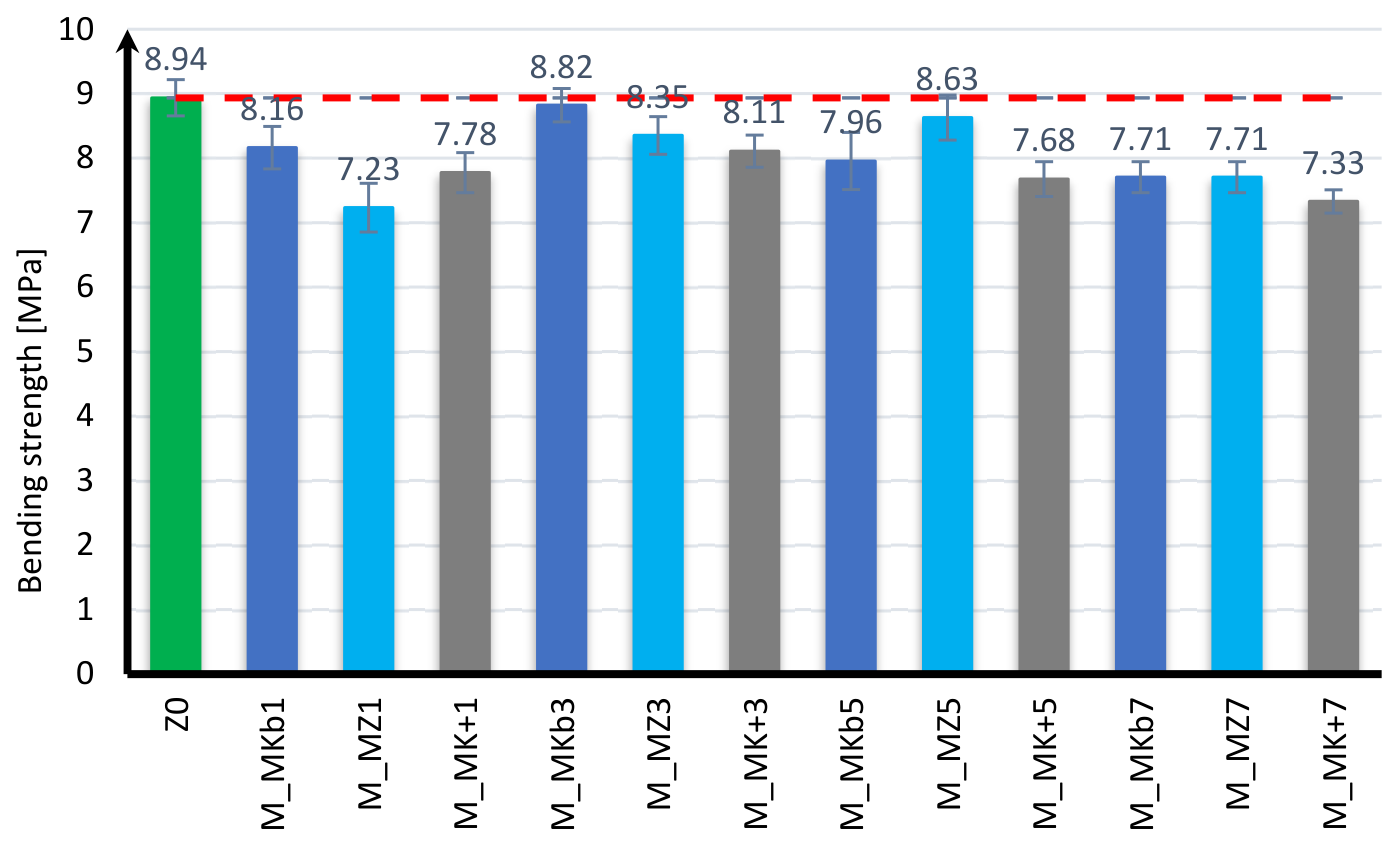
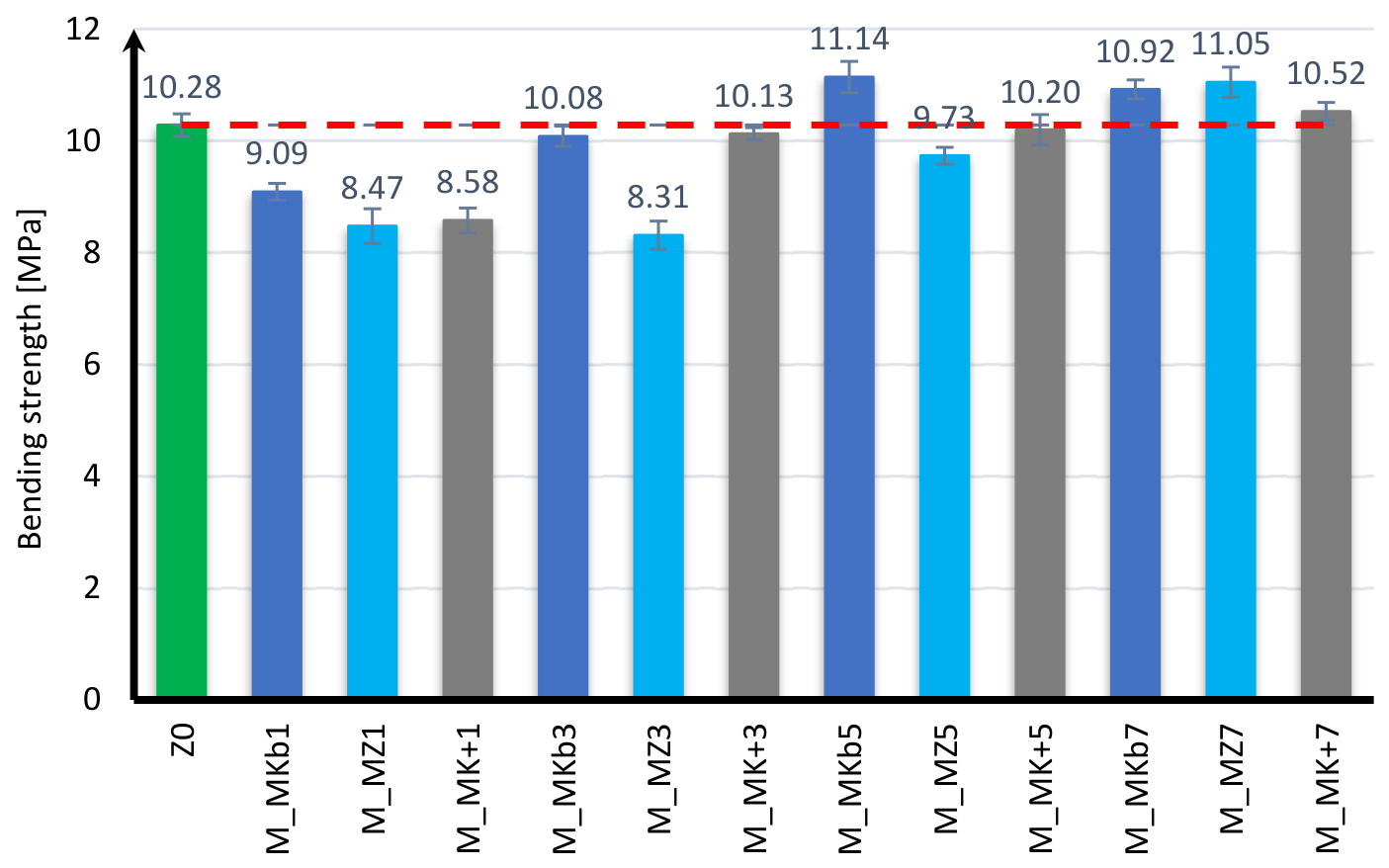
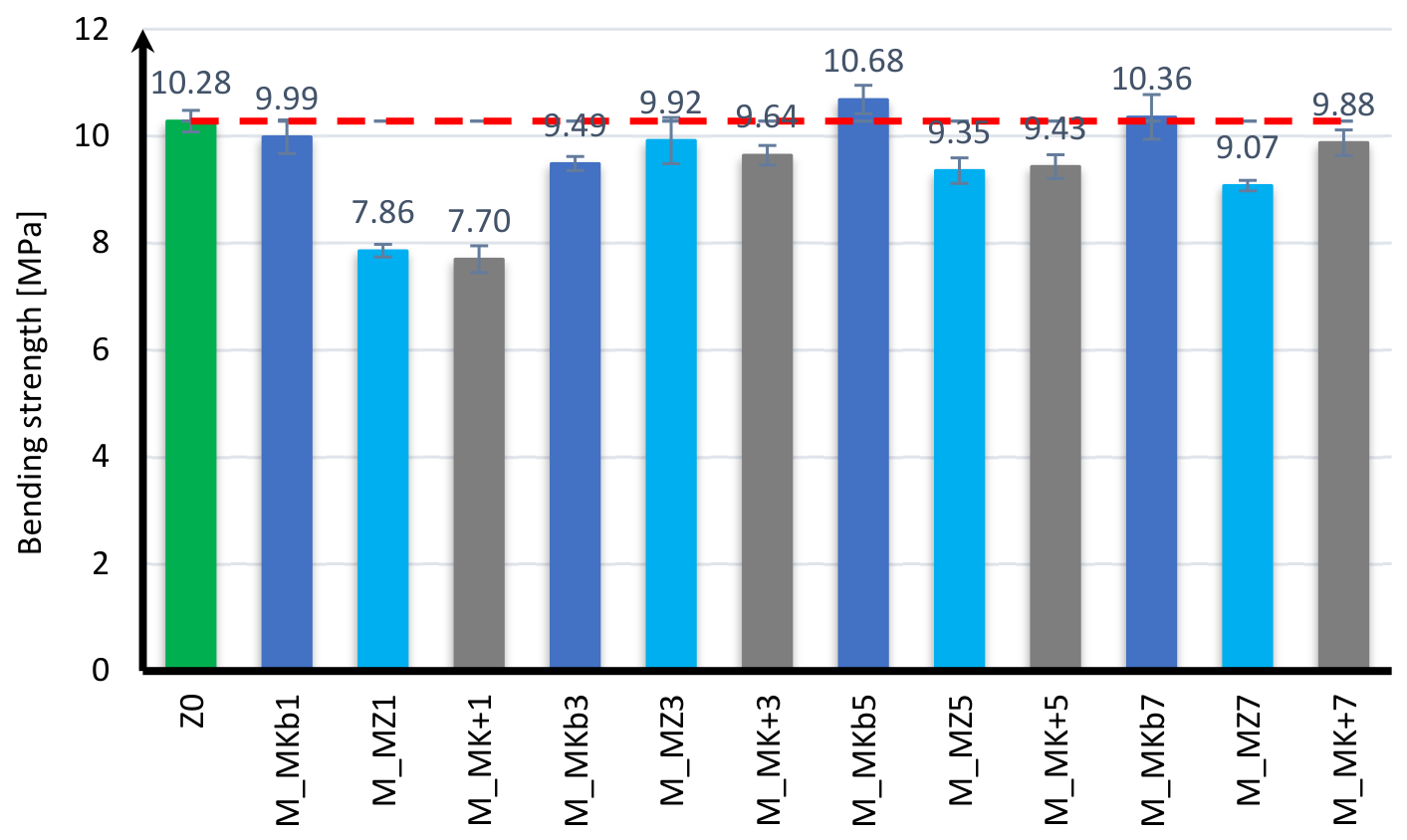
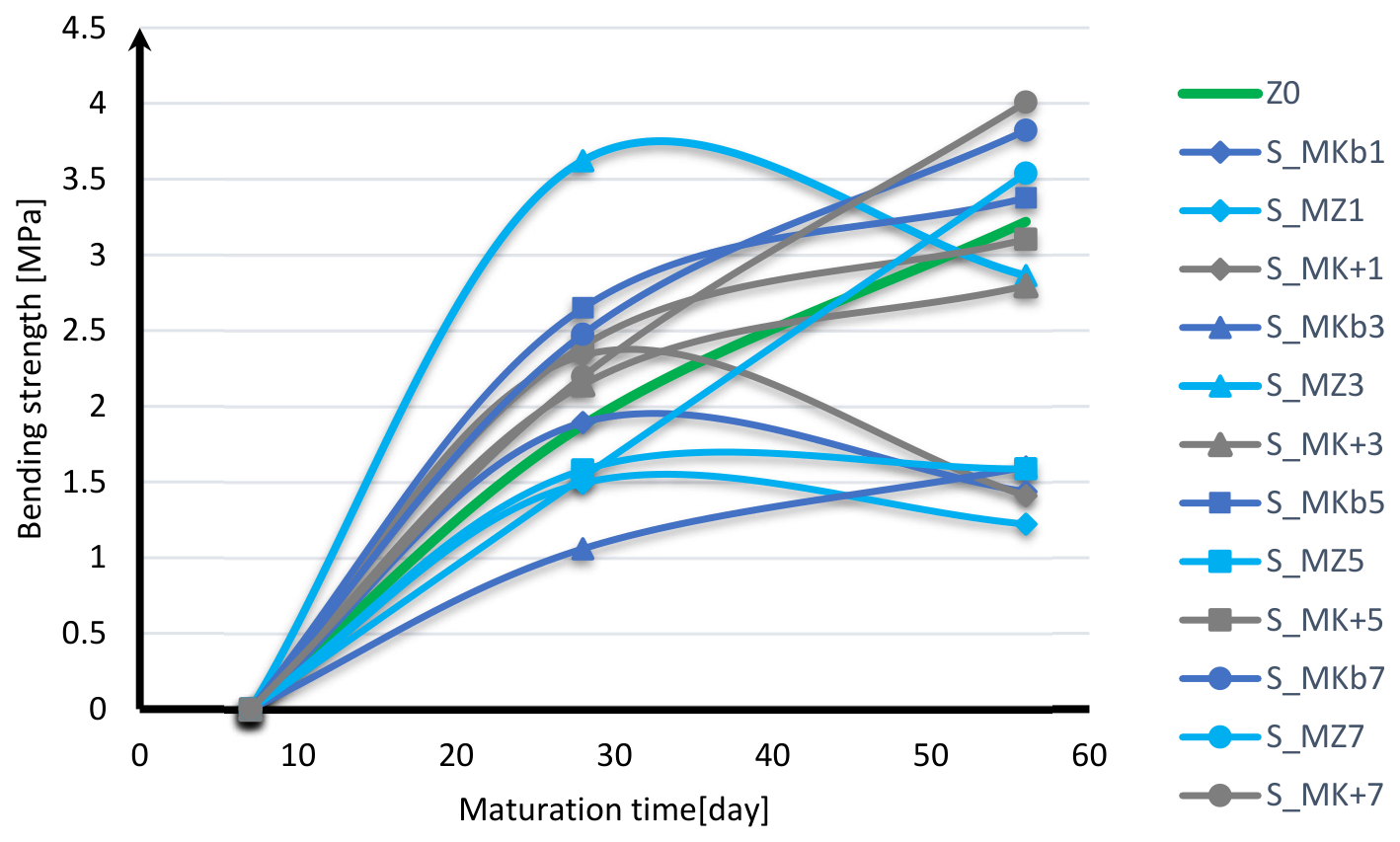
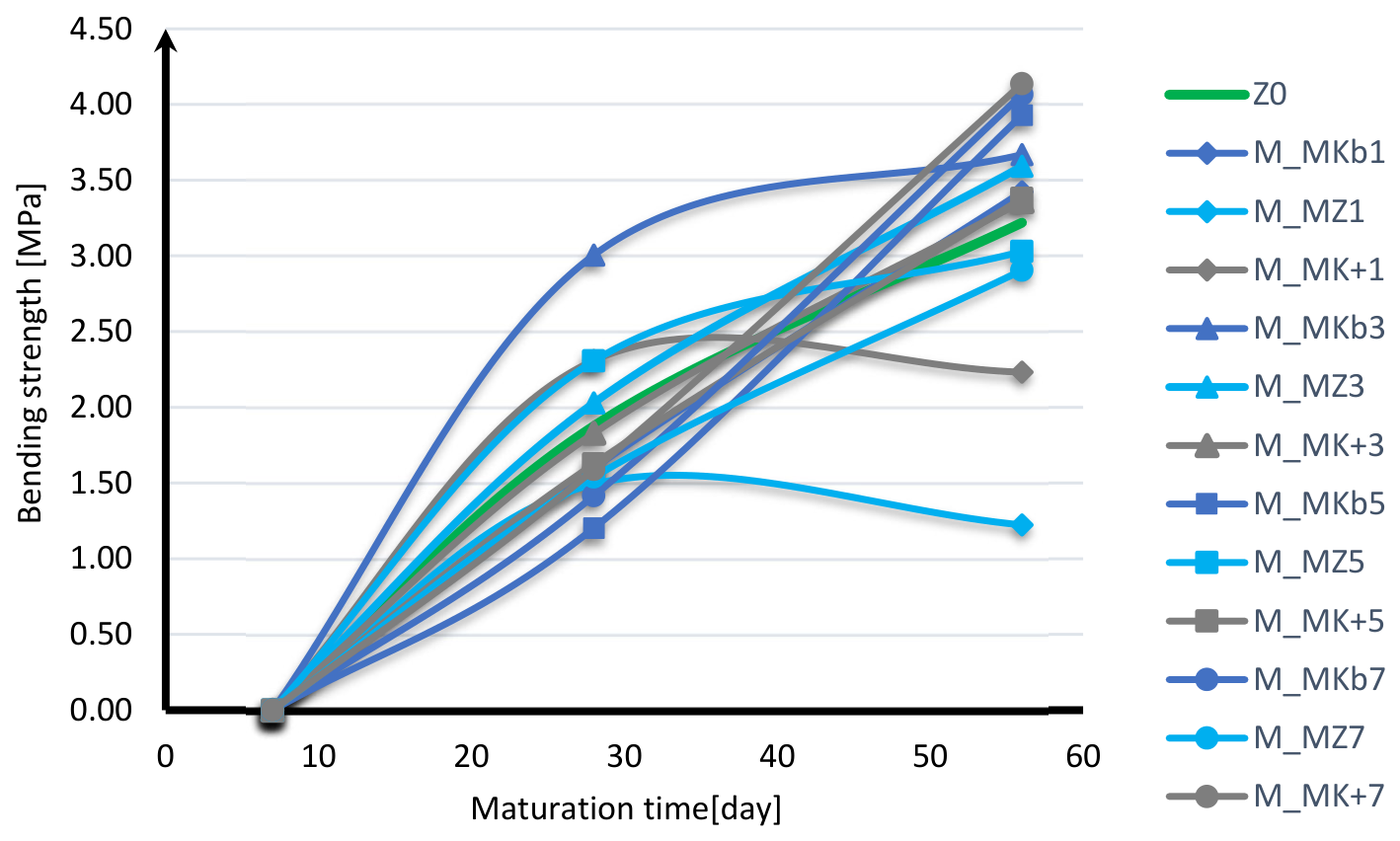
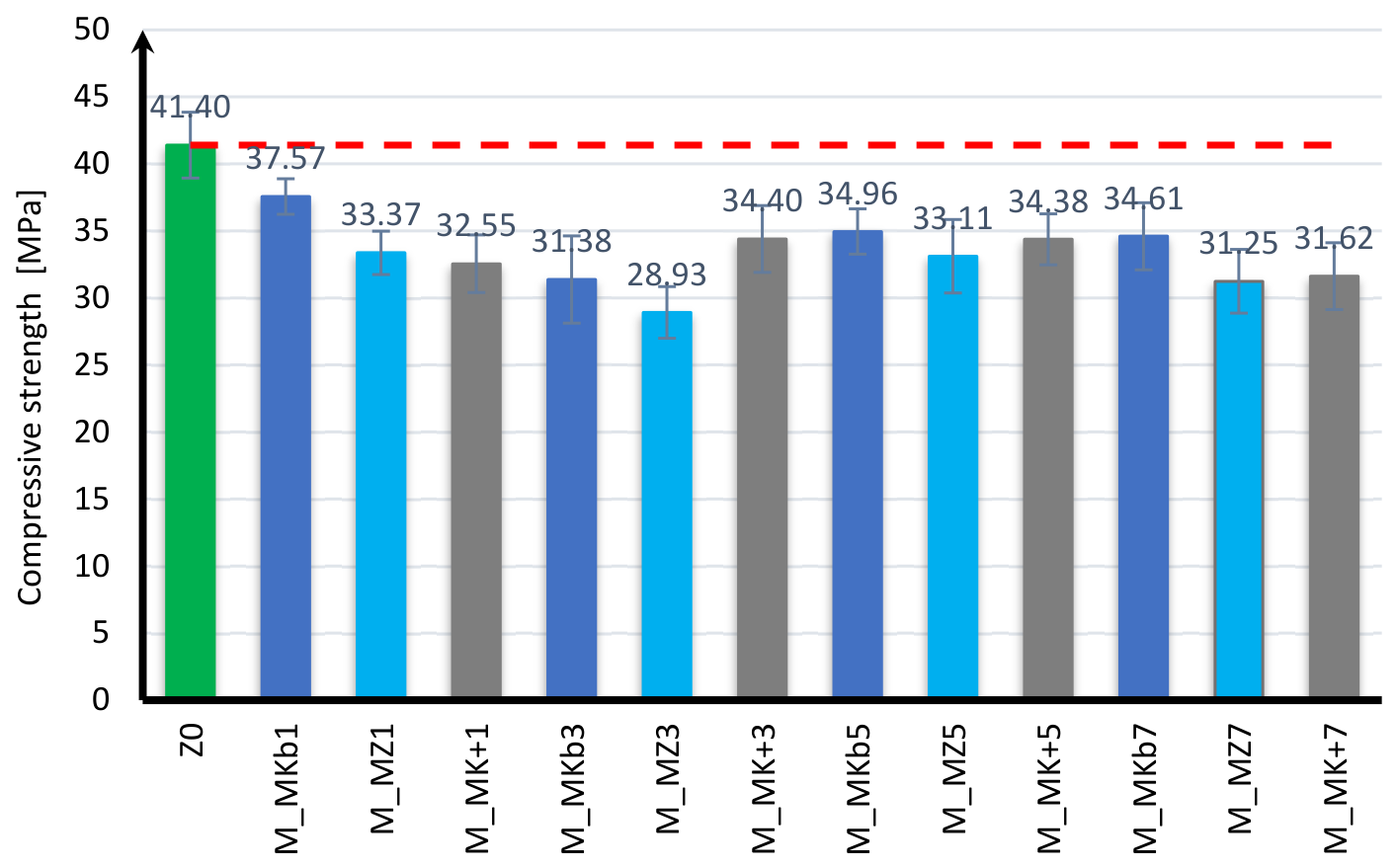
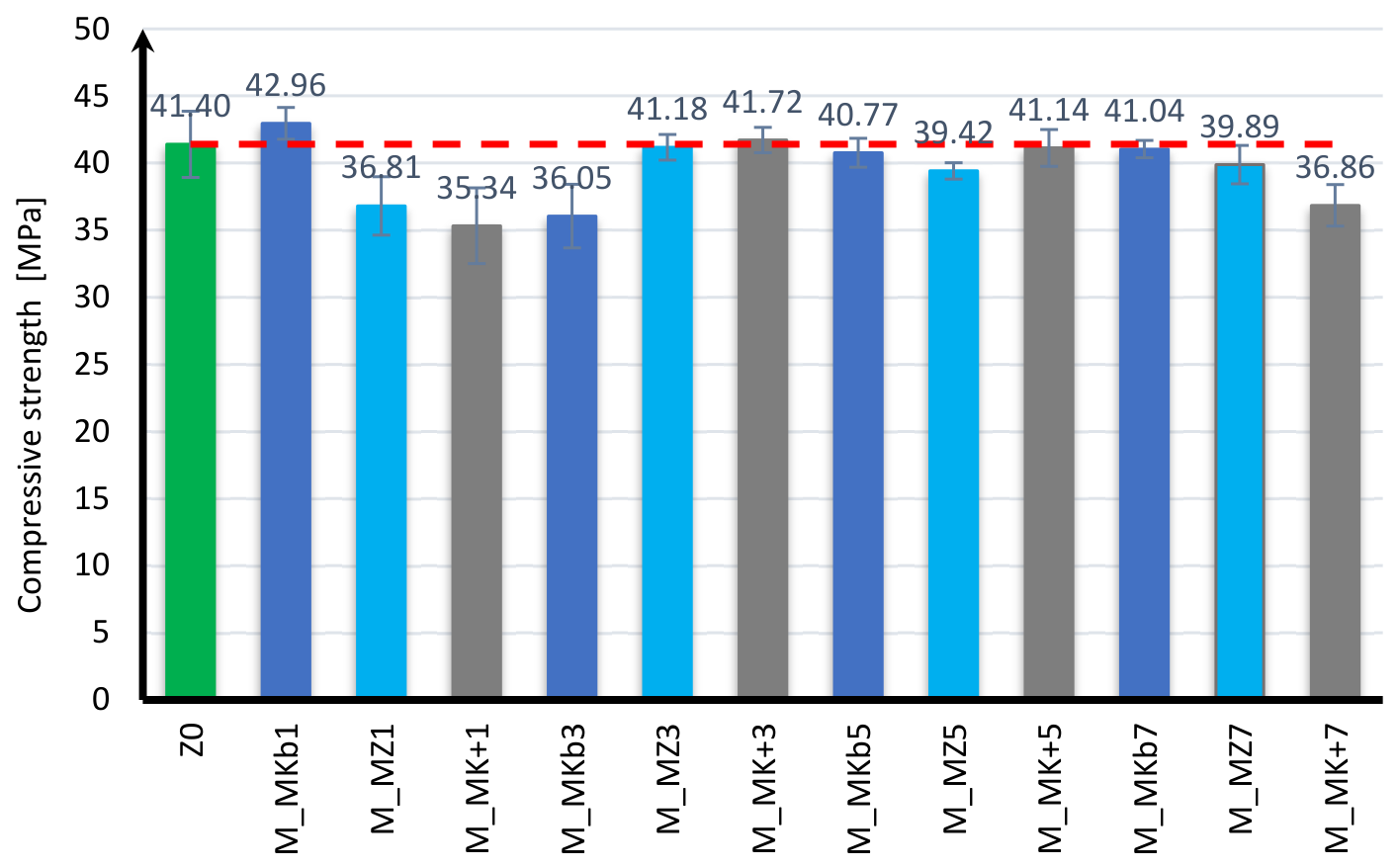
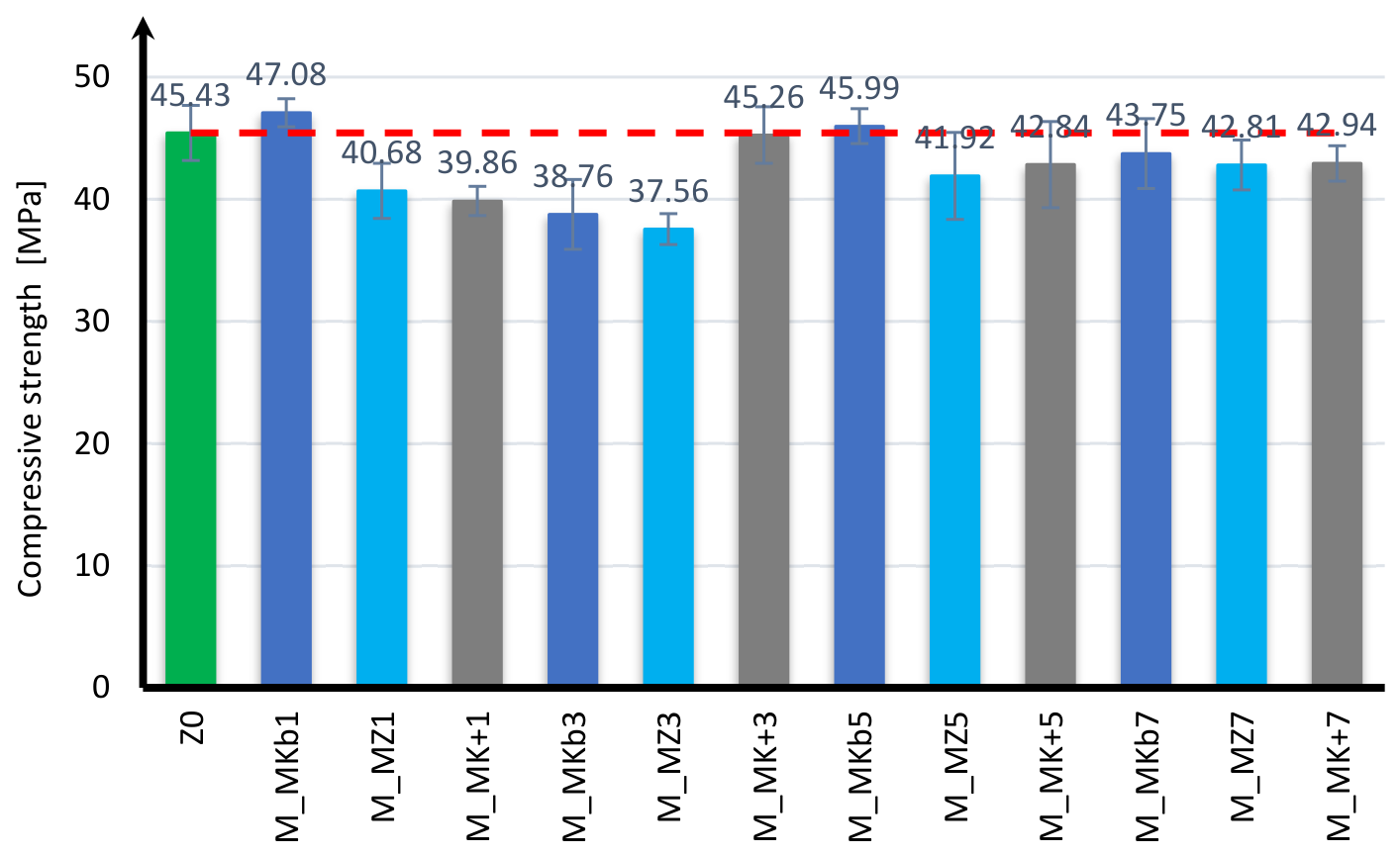
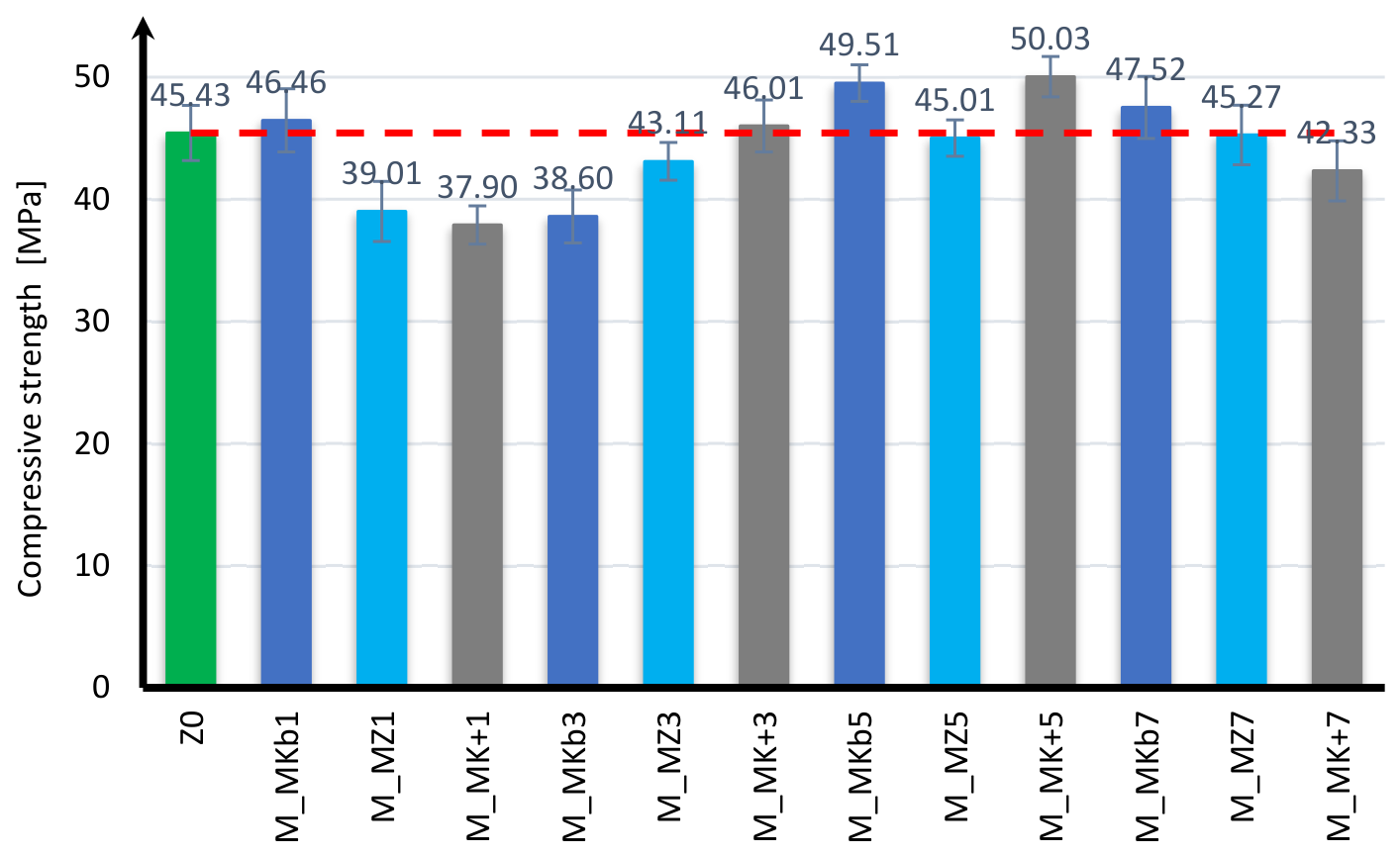
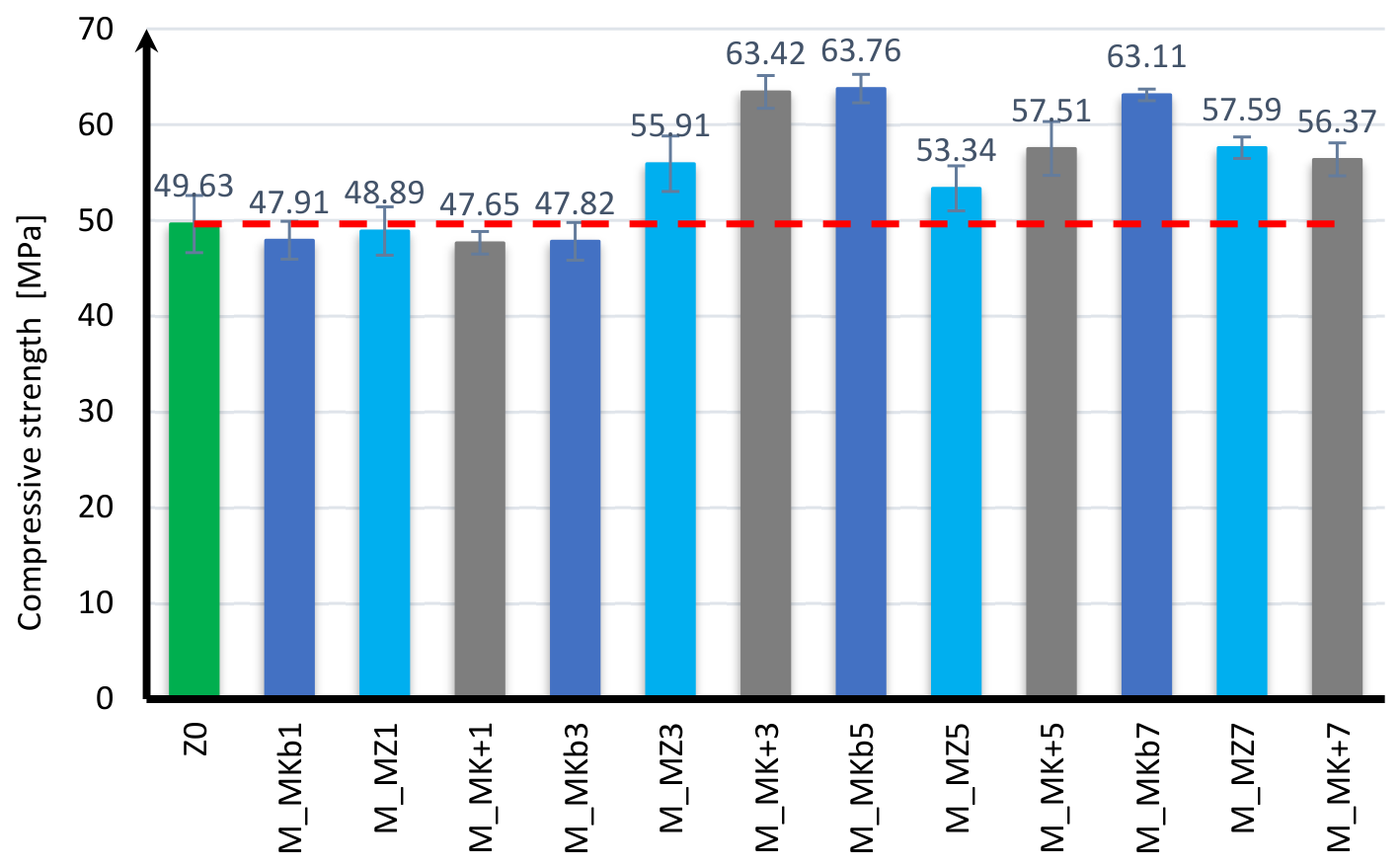
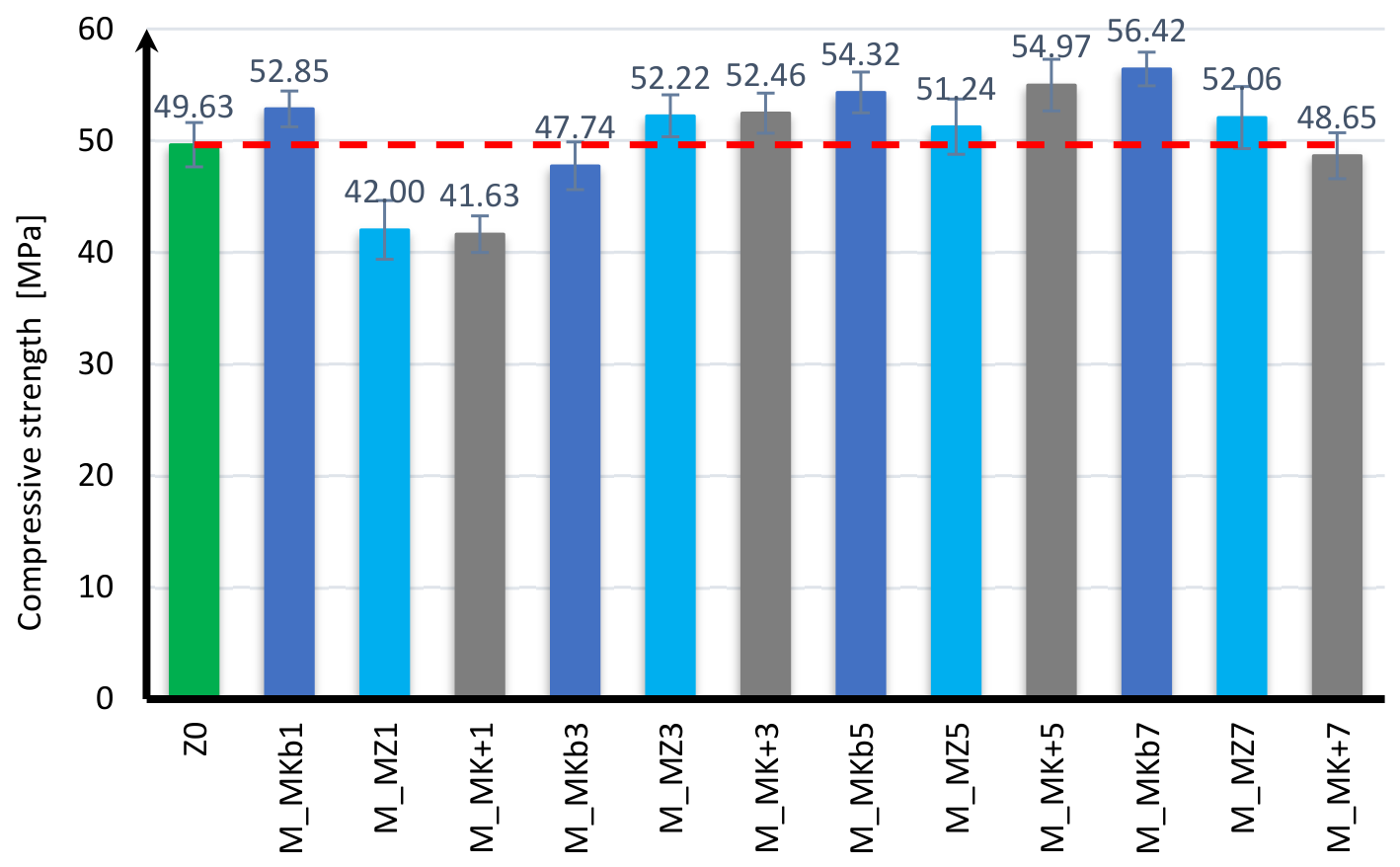
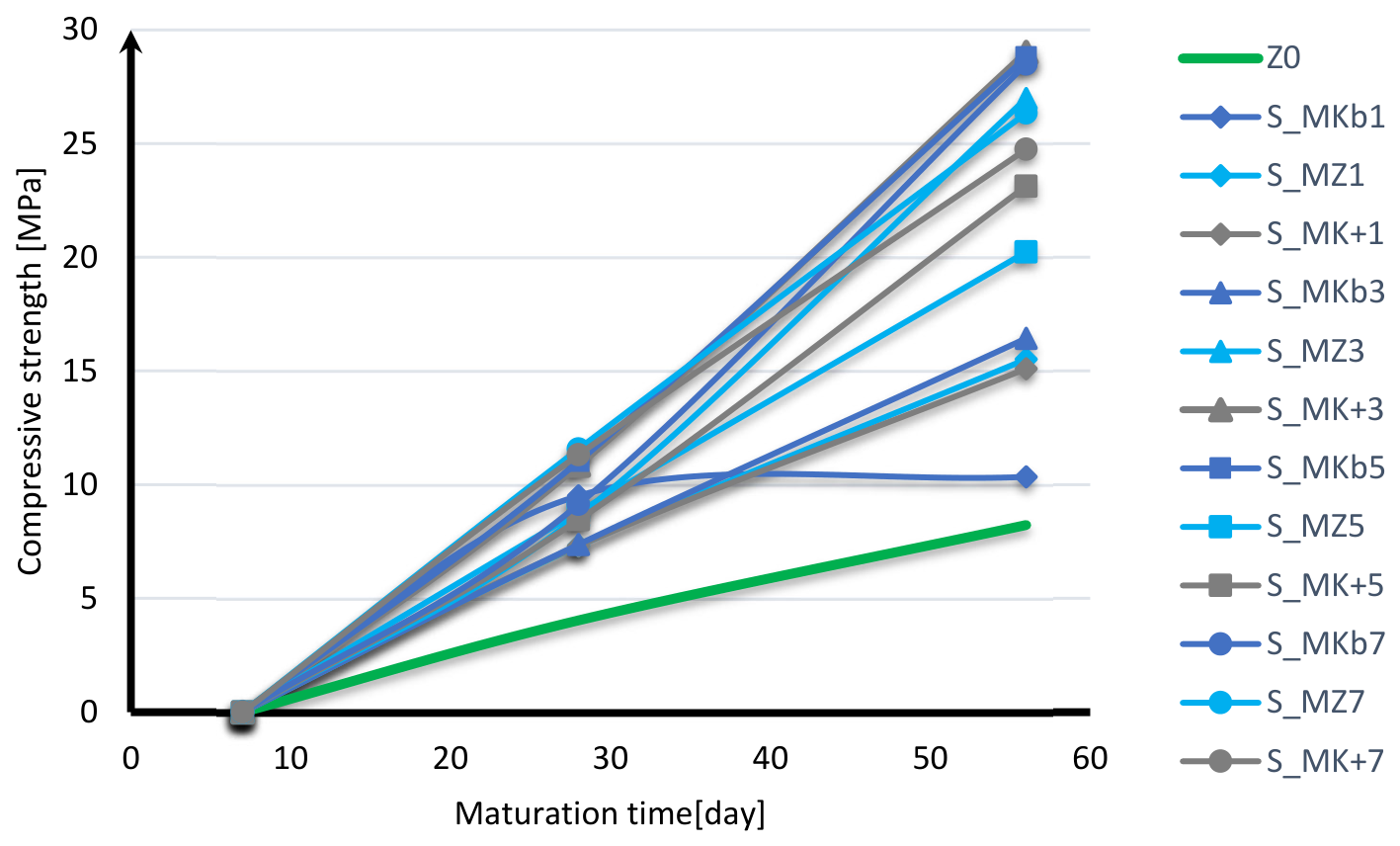
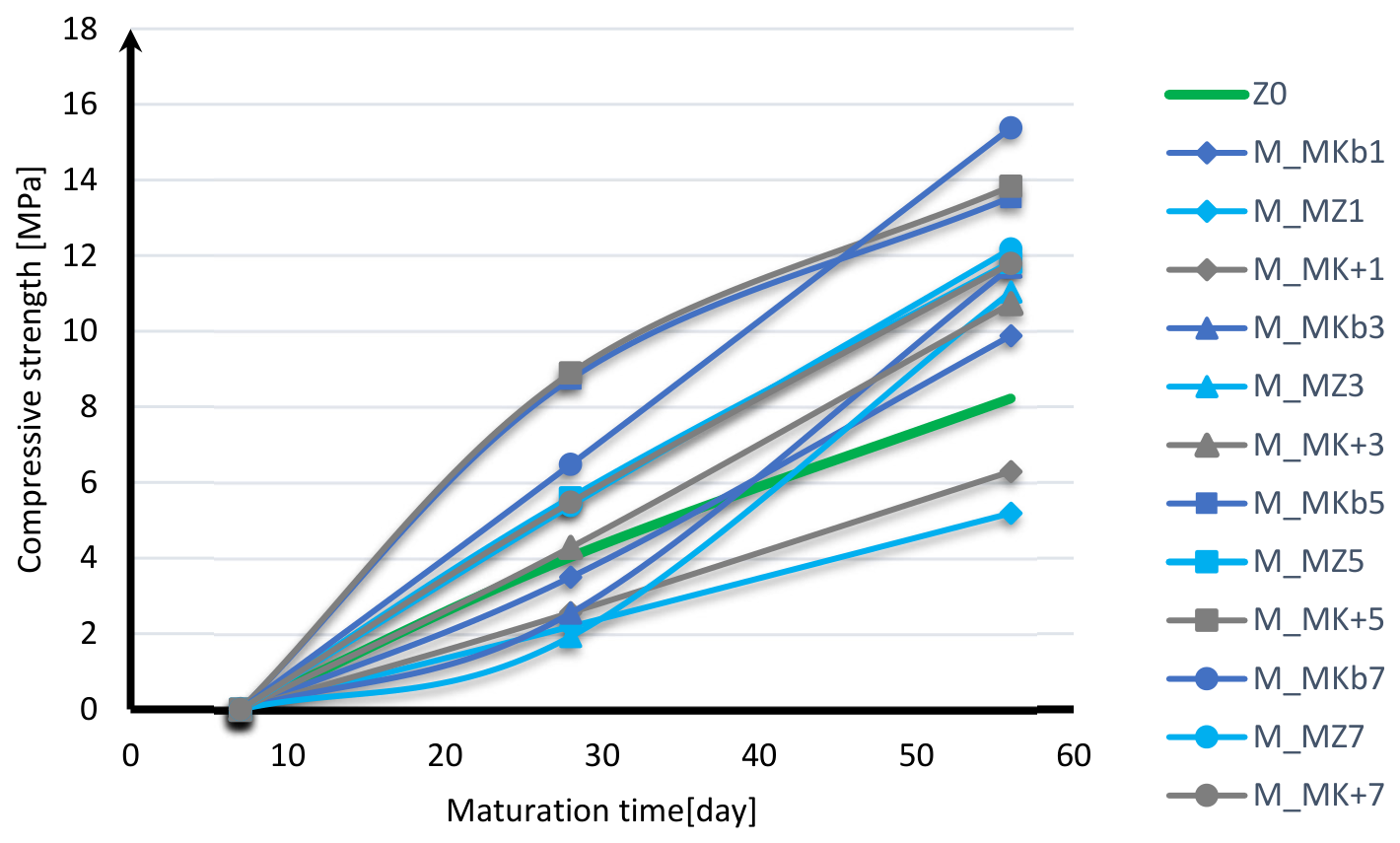
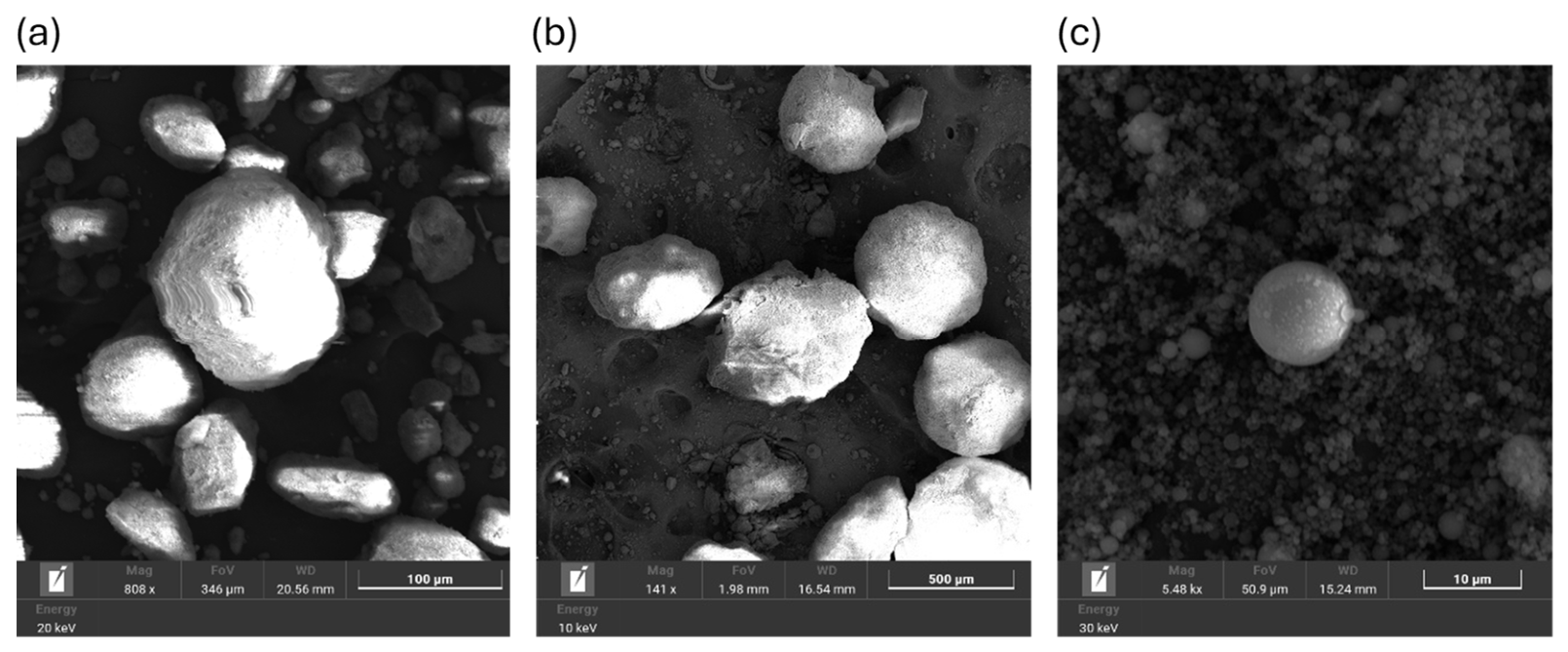
Microsilica is a commonly used additive in cementitious materials due to its high amorphous SiO2 content, very small particle size, and high pozzolanic activity. However, its effectiveness may depend not only on the chemical composition and physical properties of the material but also on the method of its incorporation into the cement mixture. The aim of the study was to evaluate the effect of dry and slurry dosing of three microsilicas with different chemical compositions and grain size characteristics on the consistency and mechanical properties of standard mortar. White microsilica (MKb), compacted microsilica (MZ), and Mikrosill+ microsilica (MK+) were used in the study at concentrations of 1%, 3%, 5%, and 7% by weight of cement. In the slurry dosing method, the microsilica was added to part of the mixing water, and the prepared slurries were conditioned for three days before sample preparation. Material properties were assessed based on particle size distribution analysis and SEM microscopic observations, while mortar properties were assessed based on consistency and bending and compressive strength after 7, 28, and 56 days of curing. The obtained results showed that the effect of dosing method was not clear and depended on the type of microsilica, its content, sample age, and the type of strength tested. In the case of compressive strength, the dosing in the form of an aqueous suspension was more favorable in many systems after 7 days, while after 56 days, in most cases, higher values were obtained for dry-dosed microsilicas. In the case of bending strength, more favorable results were generally obtained at a younger age for dry-dosed microsilicas, while after 56 days, this relationship was less clear. Granulometric analysis revealed differences in the formation and disintegration of agglomerates of the tested microsilicas upon contact with water. The results indicate that the effectiveness of the microsilica dosing method cannot be assessed independently of the properties of the specific material and the mortar maturation age.
Keywords: silica fume; slurry dosing; dry dosing; standard mortar; compressive strength; bending strength; particle size; agglomeration silica fume; slurry dosing; dry dosing; standard mortar; compressive strength; bending strength; particle size; agglomeration
Graphical Abstract