Article

Performance of Handmade Ultra-Lightweight Hanji Treated with Wet-Strength Agents for Paper-Based Cultural Heritage Conservation


1
Conservation and Restoration Center of Paper Heritage, Chungbuk National University, Cheongju 28644, Republic of Korea
2
Department of Wood and Paper Science, College of Agriculture, Life & Environment Science, Chungbuk National University, Cheongju 28644, Republic of Korea
*
Author to whom correspondence should be addressed.
Materials 2026, 19(18), 3986; https://doi.org/10.3390/ma19183986 (registering DOI)
Submission received: 3 August 2026 / Revised: 15 September 2026 / Accepted: 17 September 2026 / Published: 19 September 2026
(This article belongs to the Special Issue Advanced Materials in Cultural Heritage Conservation)

Abstract

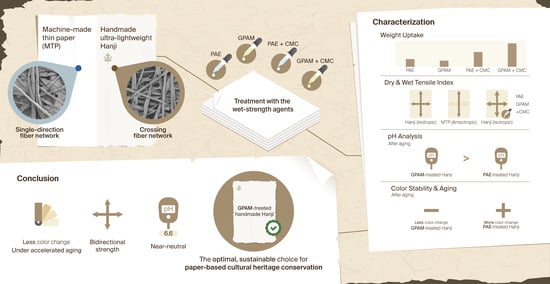
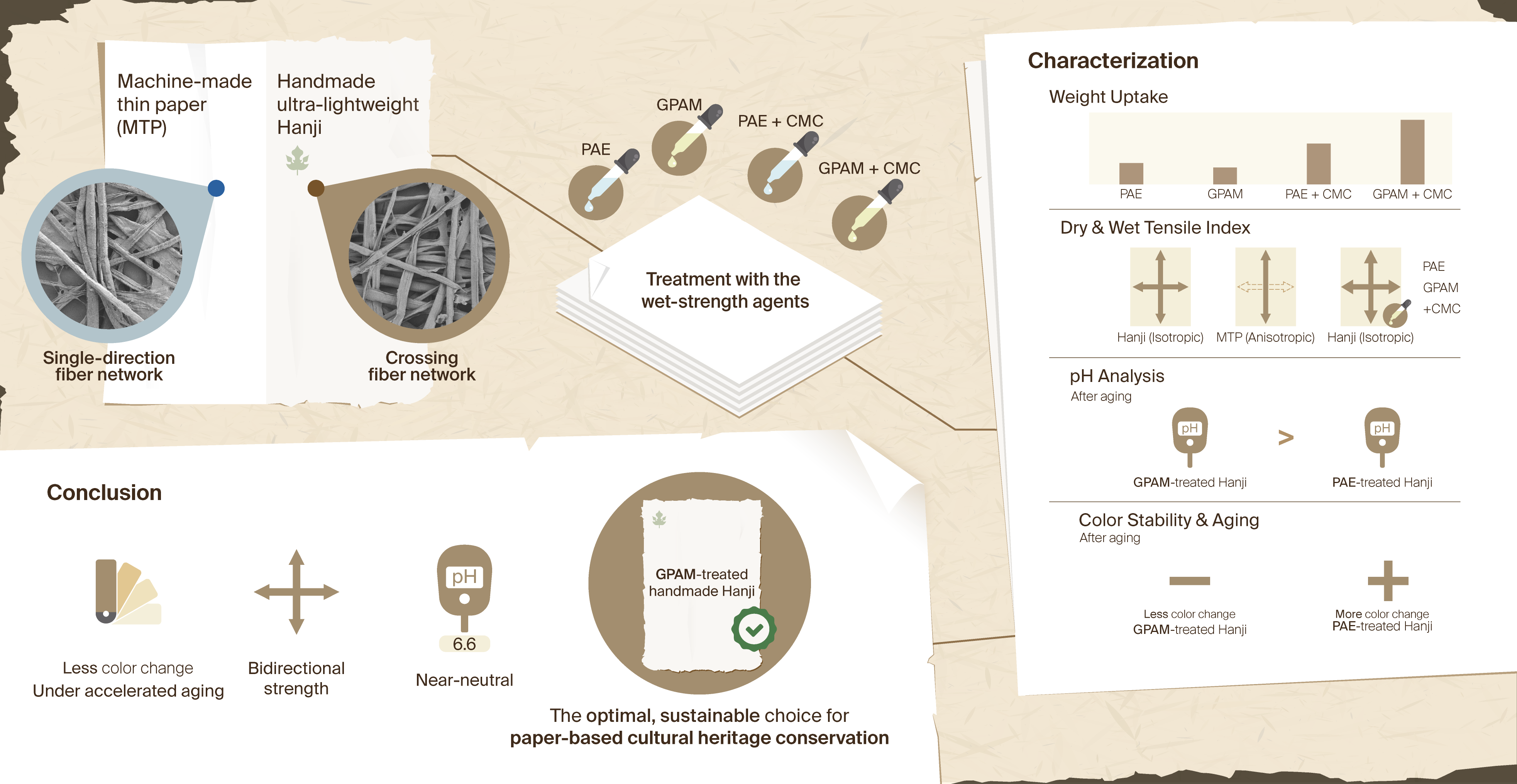
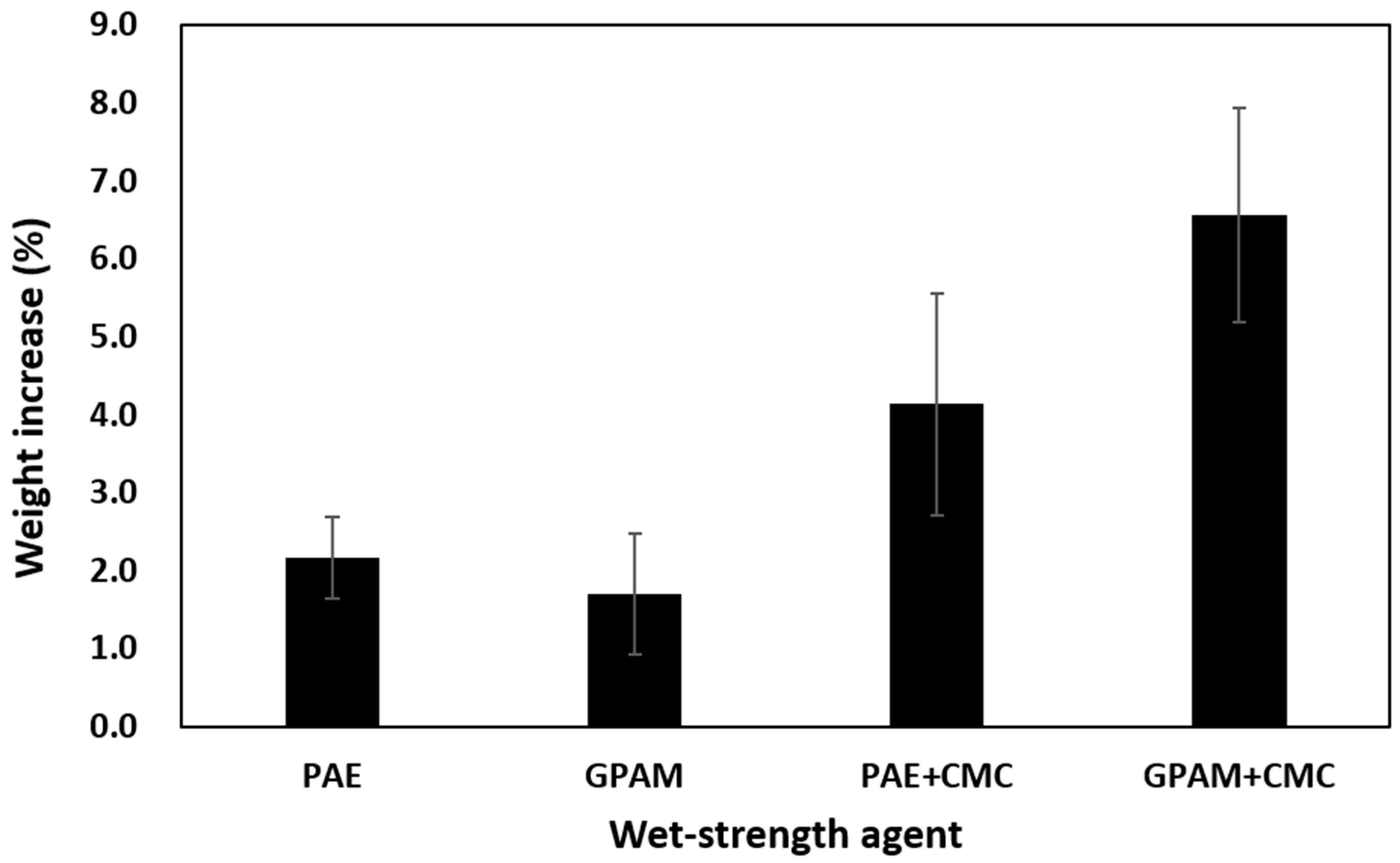
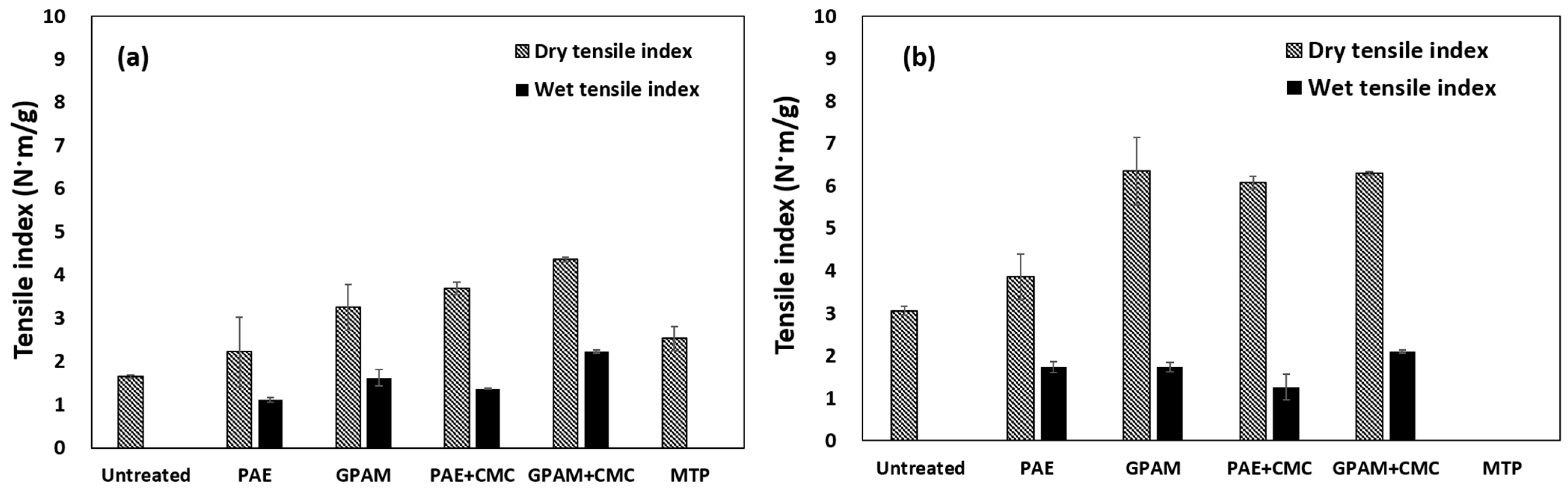
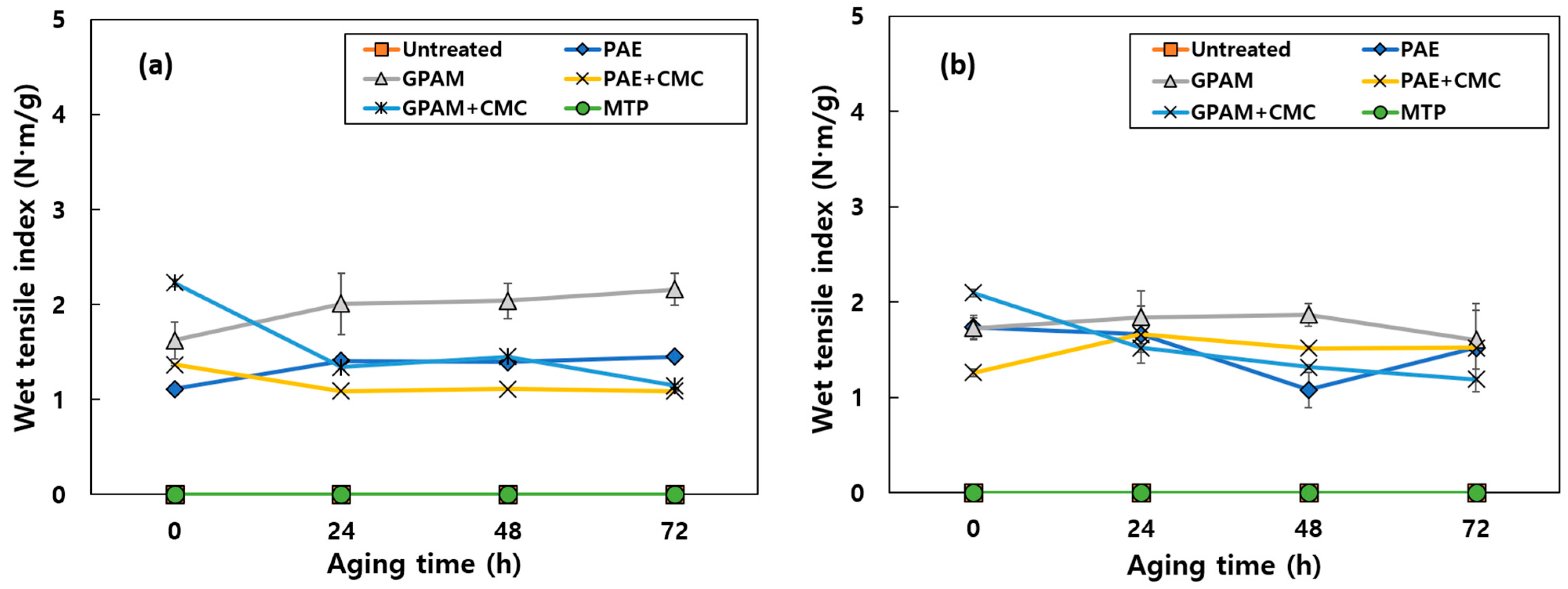
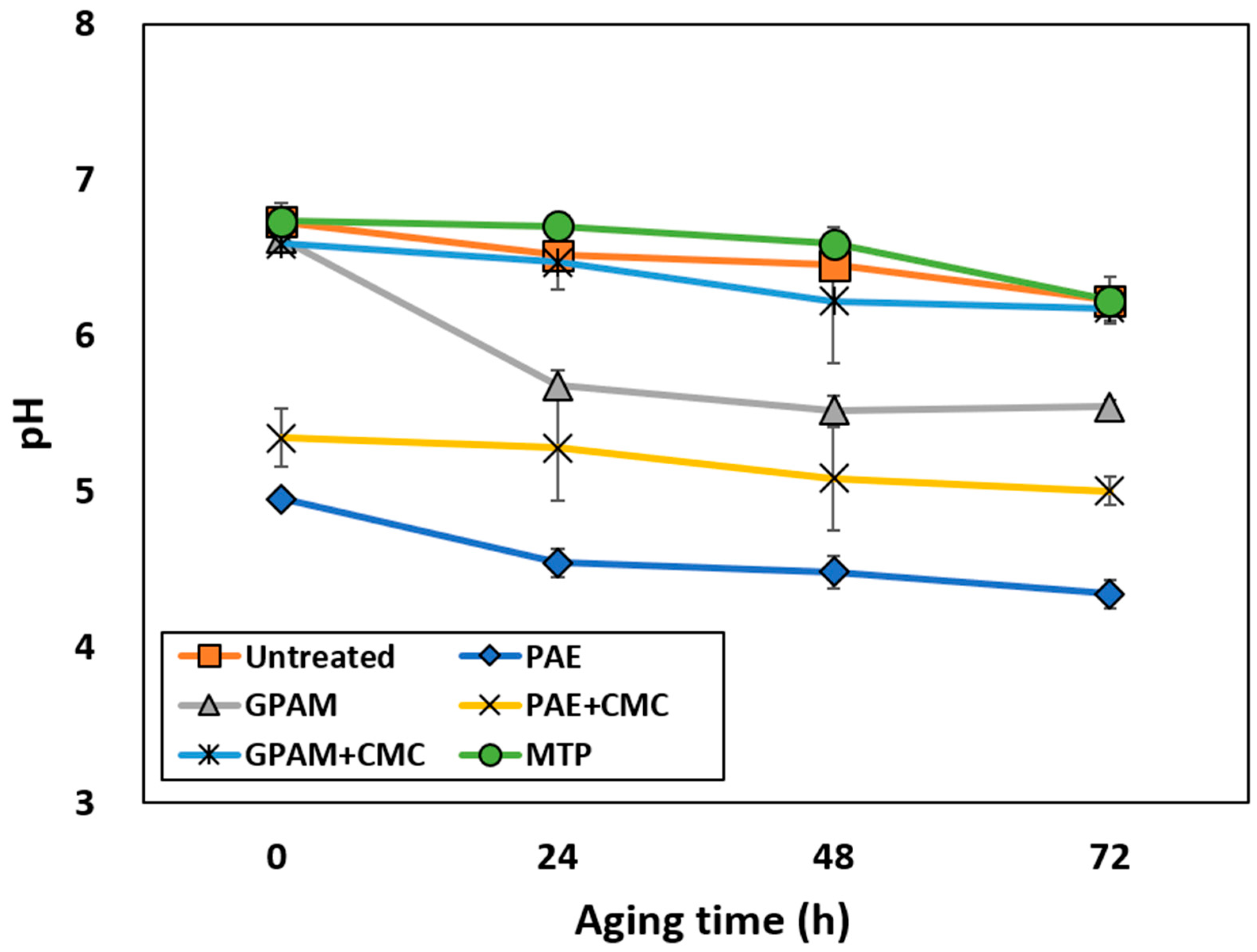
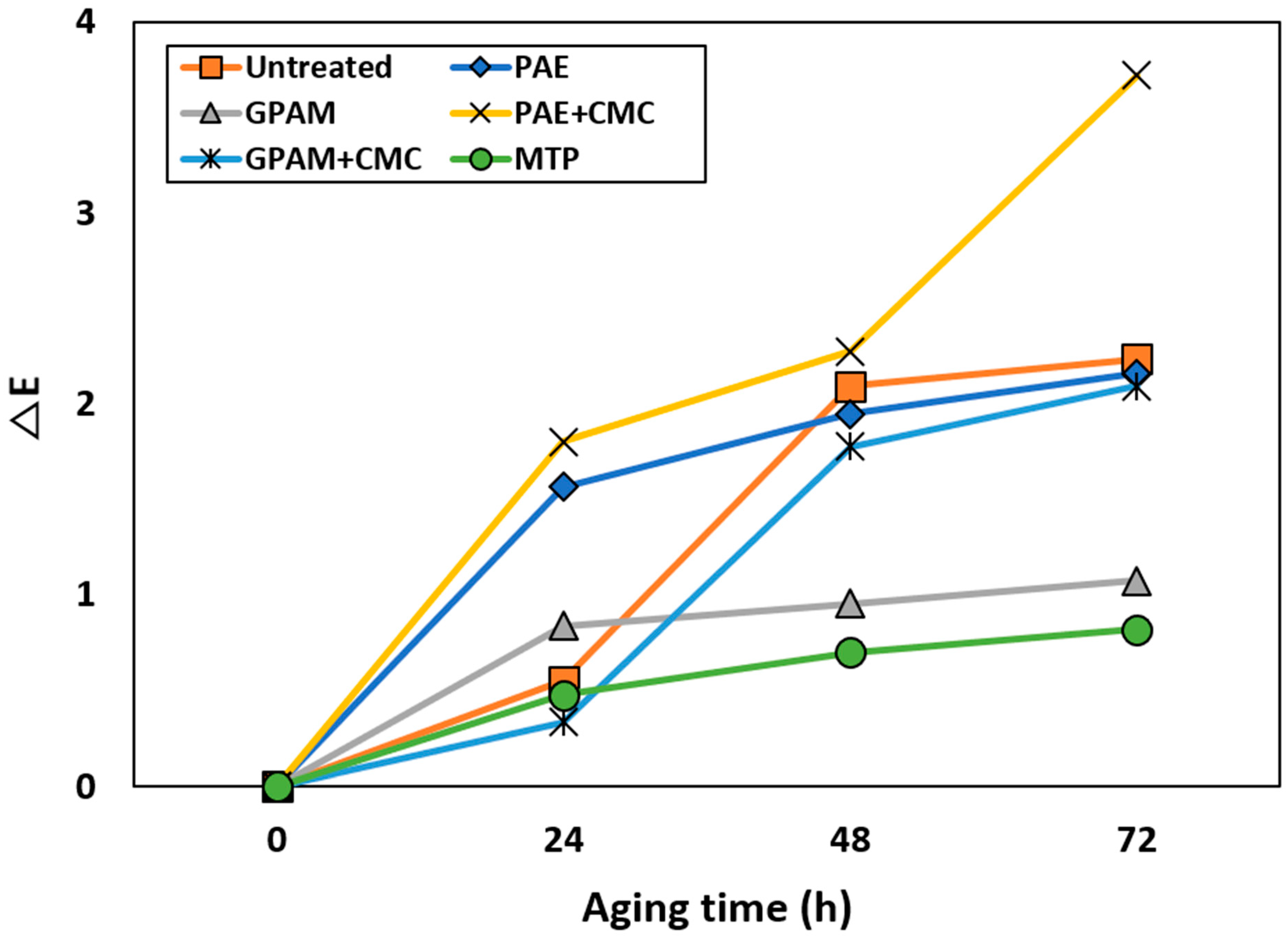
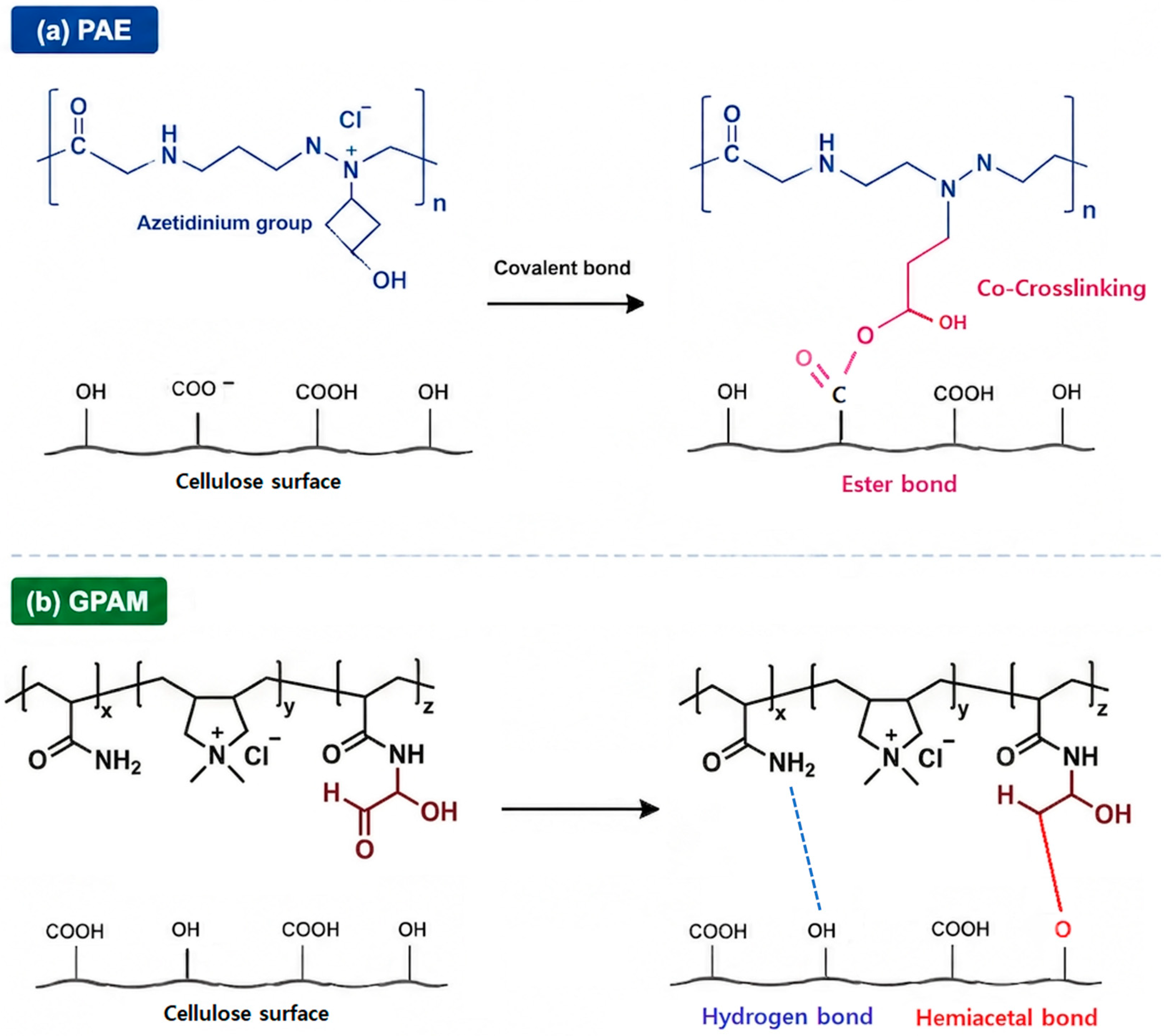
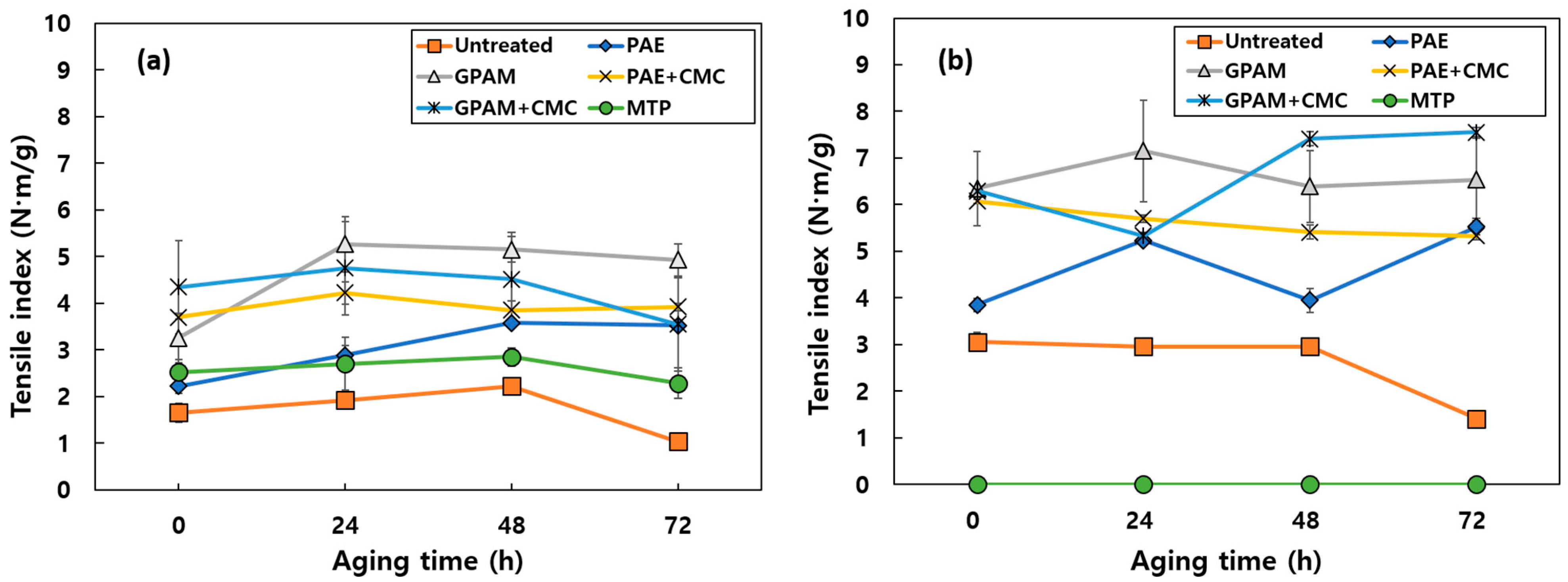
Ultra-lightweight paper is indispensable for conserving paper-based cultural heritage. However, machine-made thin paper (MTP) exhibits pronounced strength anisotropy caused by preferential fiber orientation. This study evaluated handmade ultra-lightweight Hanji (7.2 g/m2) produced from Broussonetia kazinoki bast fiber pulp cooked with traditional plant-ash lye and formed by the oebal method, as a potential alternative to MTP (7.0 g/m2) in paper conservation. Polyamideamine-epichlorohydrin (PAE) and glyoxylated polyacrylamide (GPAM) were applied as wet-strength agents, either alone or combined with carboxymethyl cellulose (CMC). The treated papers were characterized based on weight increase, dry and wet tensile index, pH, color change, and stability after accelerated aging at 80 °C and 65% relative humidity for 72 h. PAE treatment resulted in greater weight uptake than GPAM treatment, while CMC co-treatment further increased weight uptake and tensile strength for both wet-strength agents. Unlike MTP, whose cross-directional strength could not be measured, Hanji retained comparable tensile strength in both directions, reflecting its isotropic fiber network. After aging, GPAM-treated Hanji maintained a higher pH than PAE-treated Hanji and showed less color change, whereas CMC improved strength but reduced color stability. GPAM-treated handmade Hanji provides a more pH-favorable, direction-independent, and potential alternative to MTP for paper-based cultural heritage conservation.
Keywords: Hanji; Korean traditional paper; ultra-lightweight paper; conservation; cultural heritage; wet-strength agents Hanji; Korean traditional paper; ultra-lightweight paper; conservation; cultural heritage; wet-strength agents
Graphical Abstract