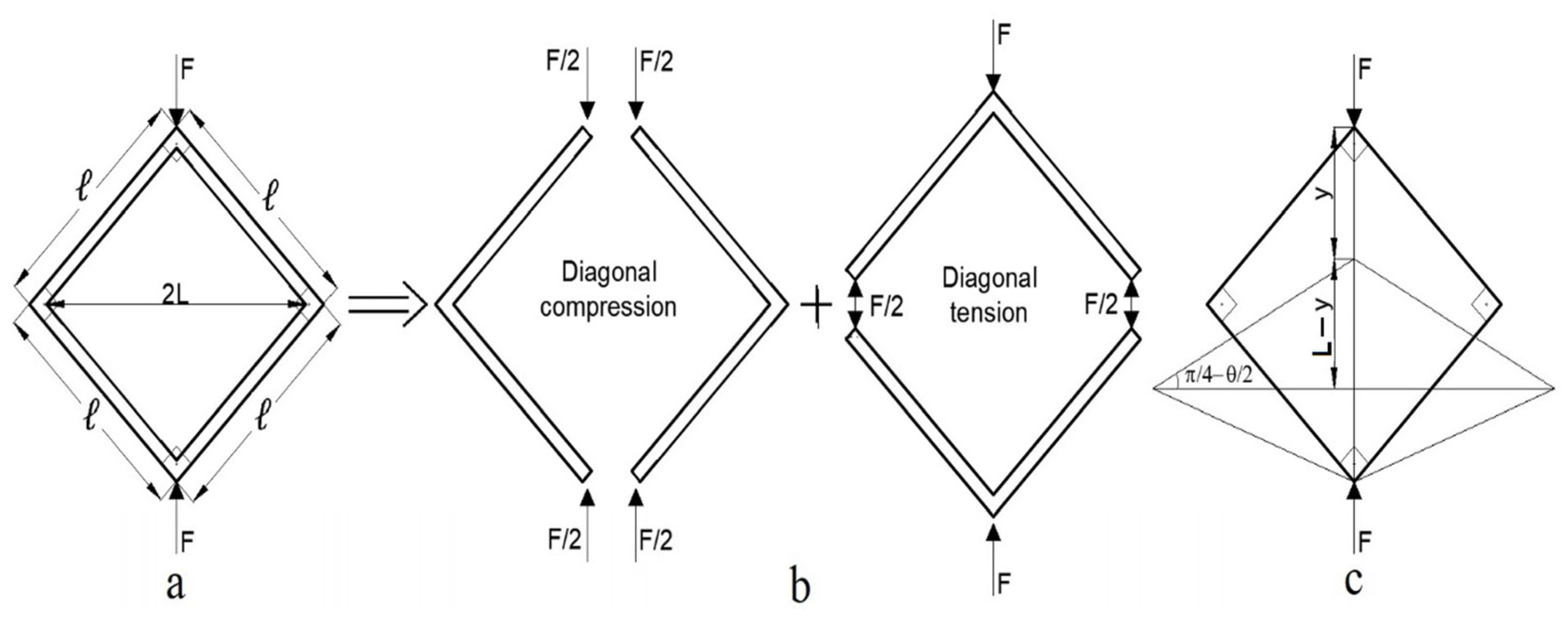
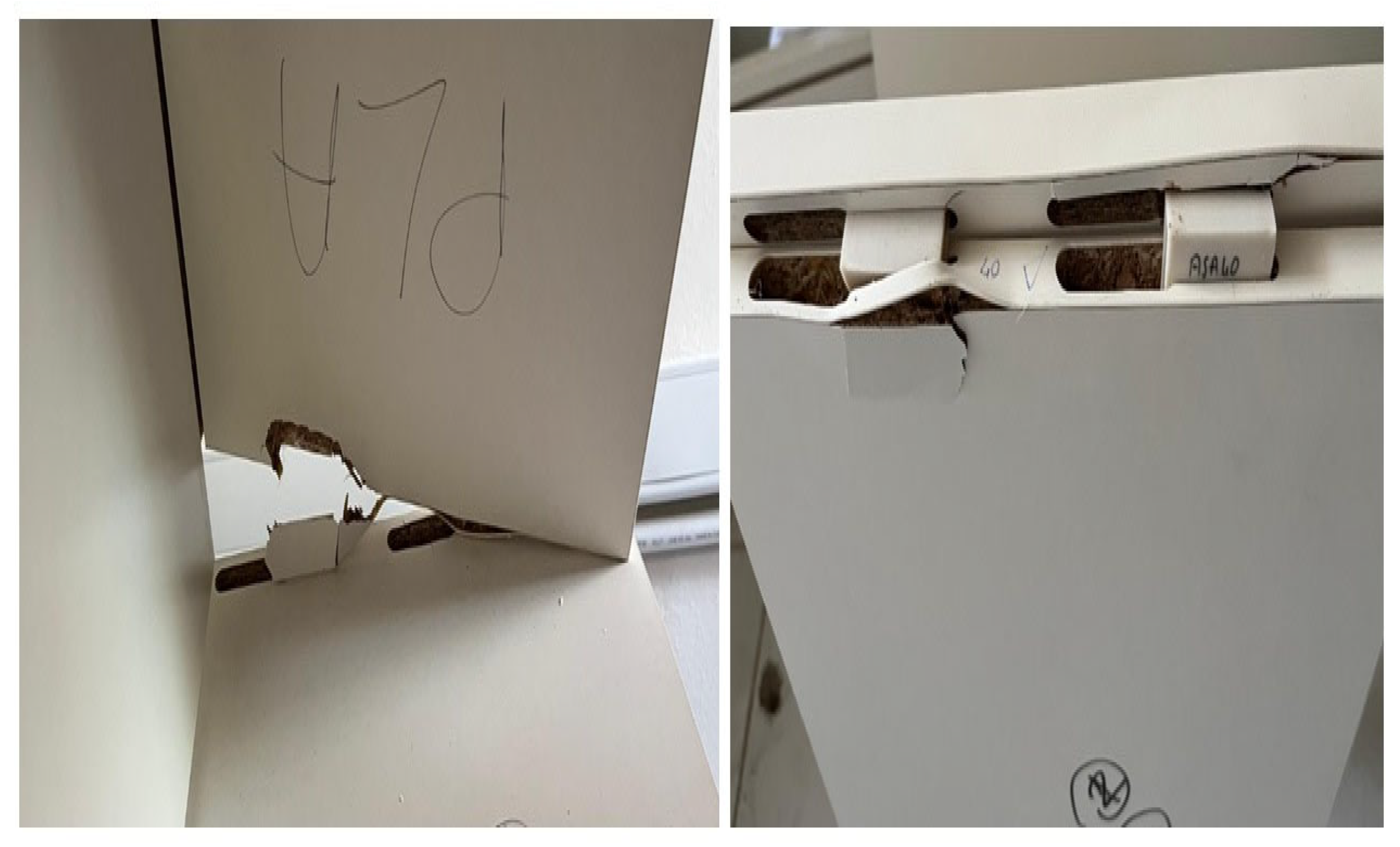
Development and Validation of a Semi-Analytical Predictive Model for Furniture Cabinet Performance from Corner Joints with Auxetic Fasteners



Abstract
Share and Cite
Güray, E.; Kasal, A.; Ergin, E.; Yüksel, M.; Diler, H.; Kuşkun, T. Development and Validation of a Semi-Analytical Predictive Model for Furniture Cabinet Performance from Corner Joints with Auxetic Fasteners. Materials 2026, 19, 2448. https://doi.org/10.3390/ma19122448
Güray E, Kasal A, Ergin E, Yüksel M, Diler H, Kuşkun T. Development and Validation of a Semi-Analytical Predictive Model for Furniture Cabinet Performance from Corner Joints with Auxetic Fasteners. Materials. 2026; 19(12):2448. https://doi.org/10.3390/ma19122448
Chicago/Turabian StyleGüray, Ersan, Ali Kasal, Engin Ergin, Mehmet Yüksel, Harun Diler, and Tolga Kuşkun. 2026. "Development and Validation of a Semi-Analytical Predictive Model for Furniture Cabinet Performance from Corner Joints with Auxetic Fasteners" Materials 19, no. 12: 2448. https://doi.org/10.3390/ma19122448
APA StyleGüray, E., Kasal, A., Ergin, E., Yüksel, M., Diler, H., & Kuşkun, T. (2026). Development and Validation of a Semi-Analytical Predictive Model for Furniture Cabinet Performance from Corner Joints with Auxetic Fasteners. Materials, 19(12), 2448. https://doi.org/10.3390/ma19122448