Effects of Simulated Service Environments on the Microstructure and Interfacial Properties of Ceramic Fiber-Reinforced Al-Matrix Composites
 ,
,
Abstract
1. Introduction
2. Experimental and Numerical Methods
2.1. Material and Specimen Preparation
2.2. Push-Out Test and Interfacial Shear Strength
2.3. Microstructure Characterization
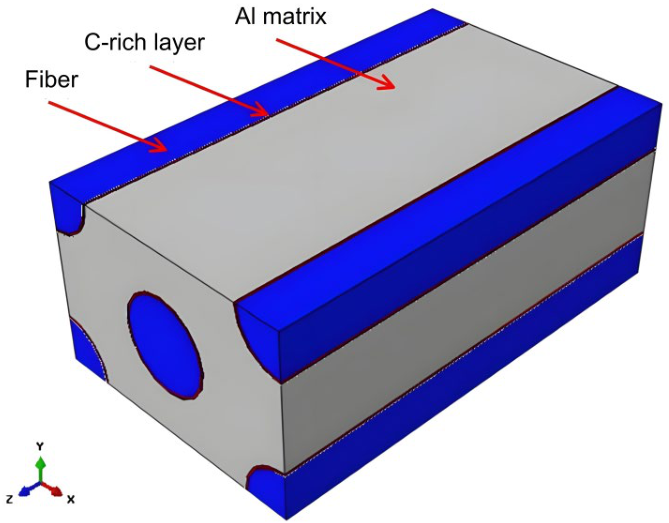
2.4. Three-Dimensional FE Modeling of Thermal Residual Stresses
3. Results and Discussion
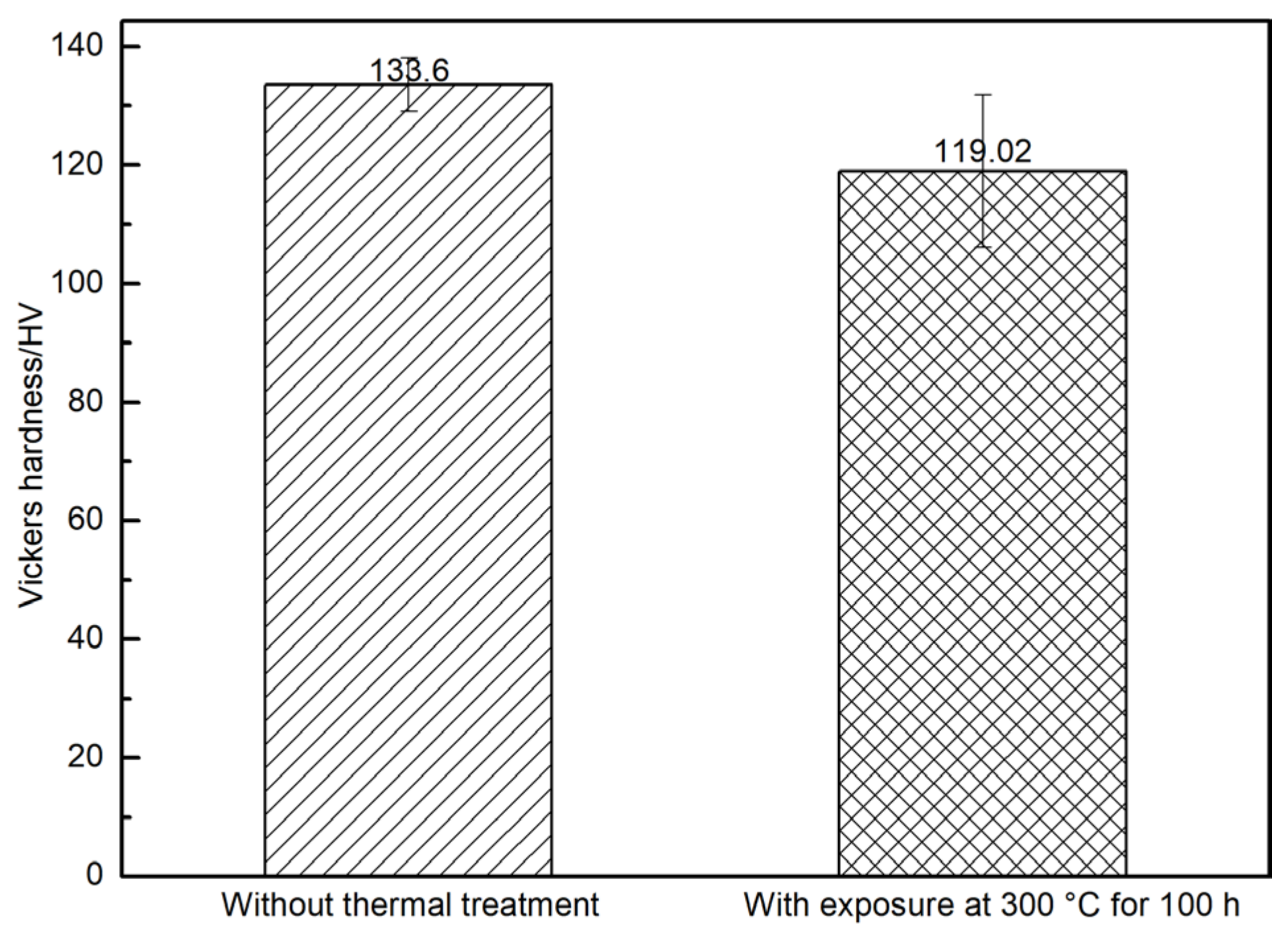
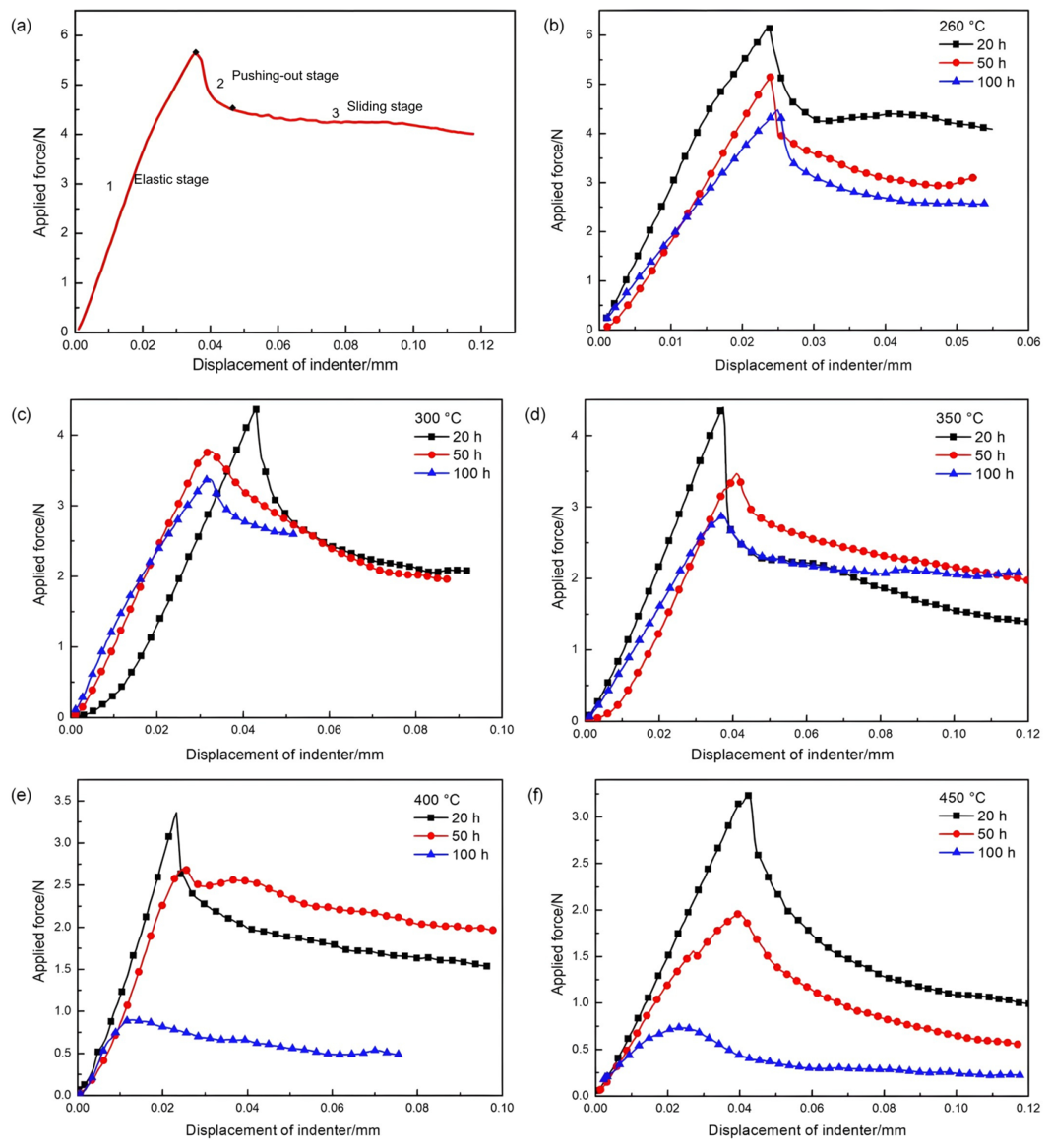
3.1. Effect of Thermal Exposure on Interfacial Shear Strength
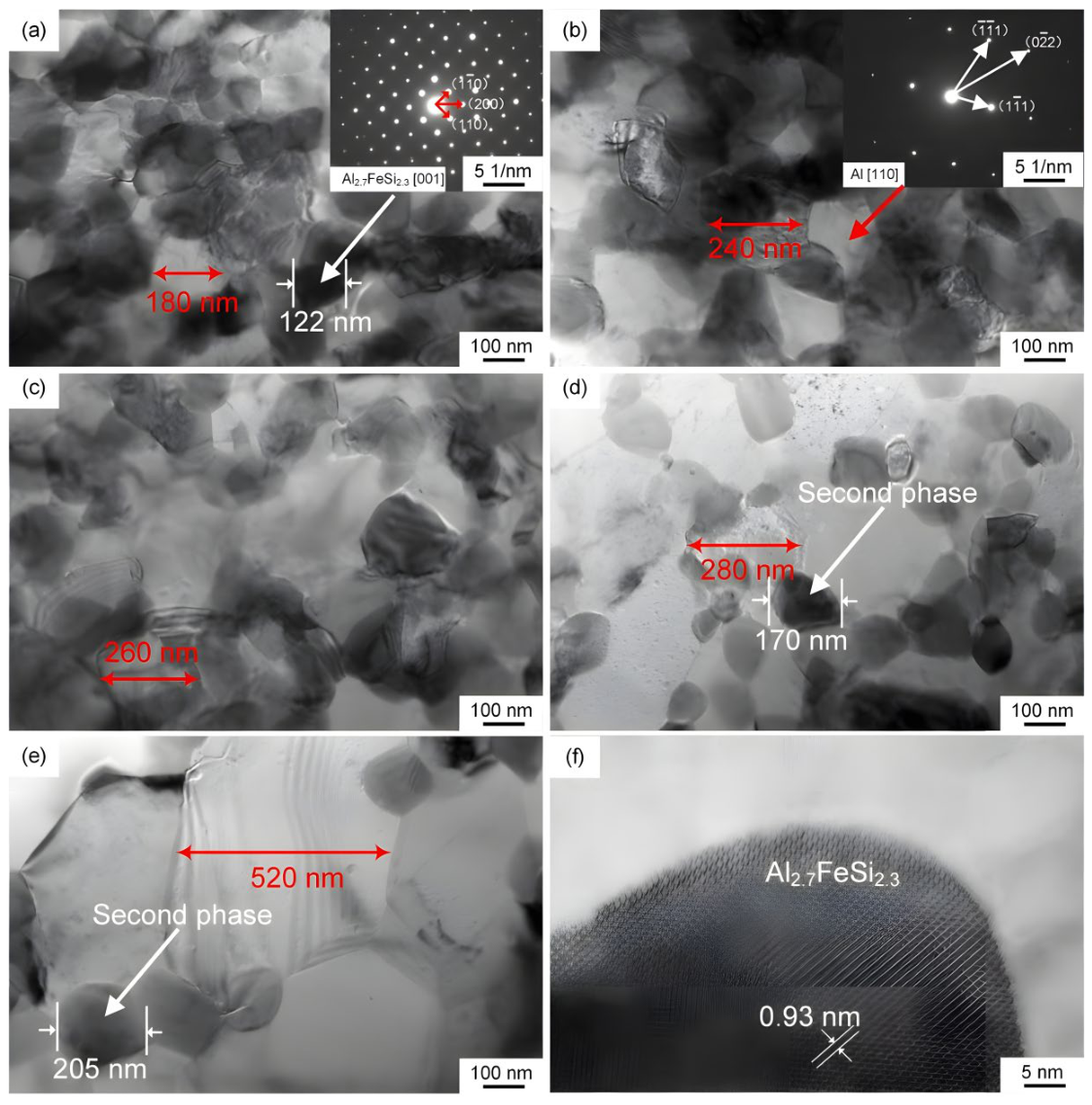
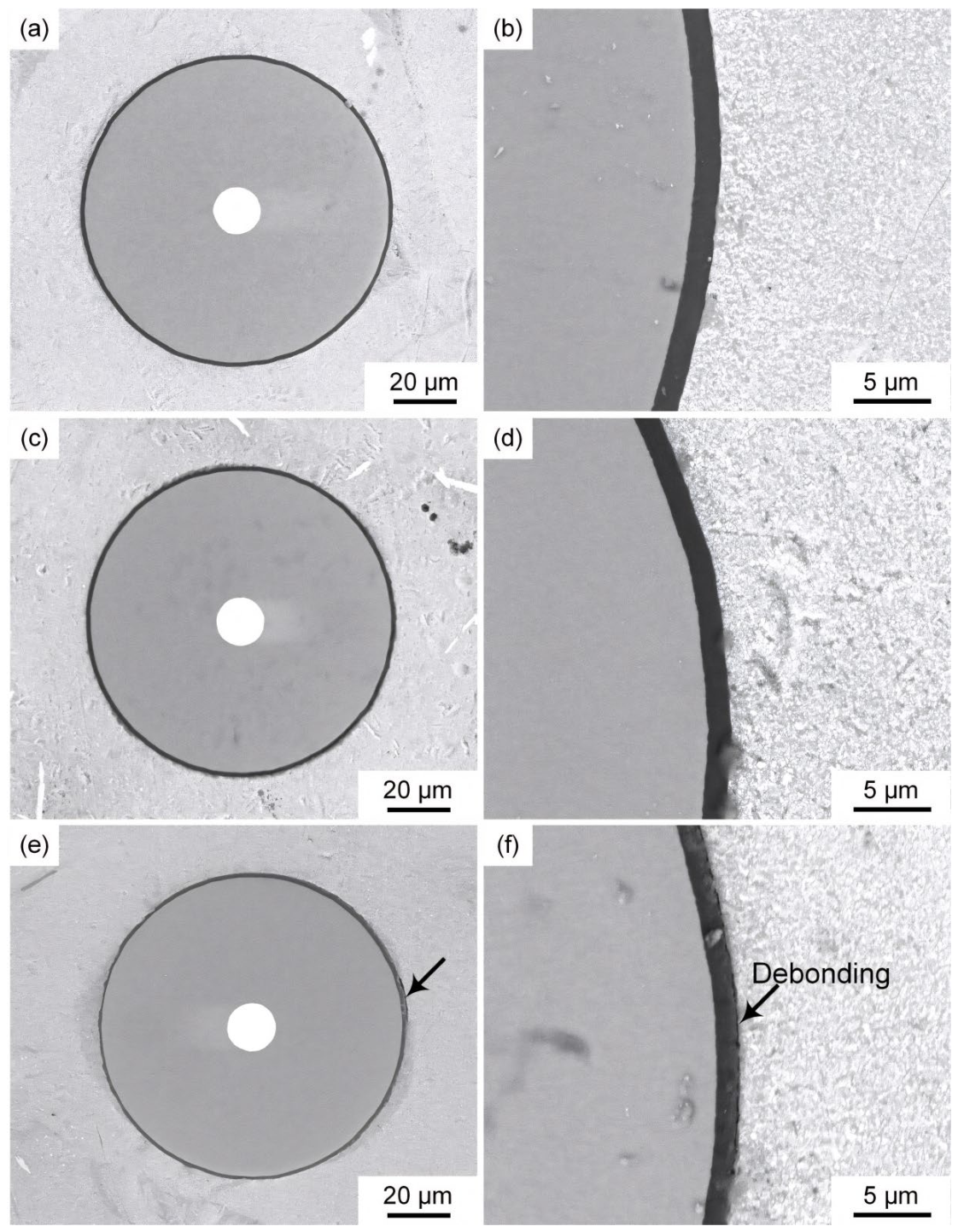
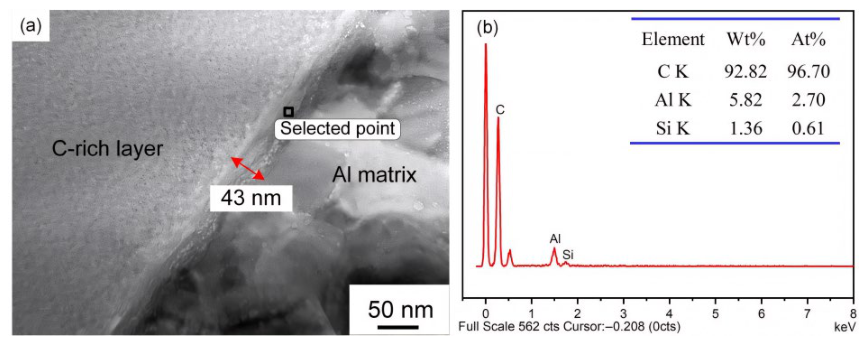
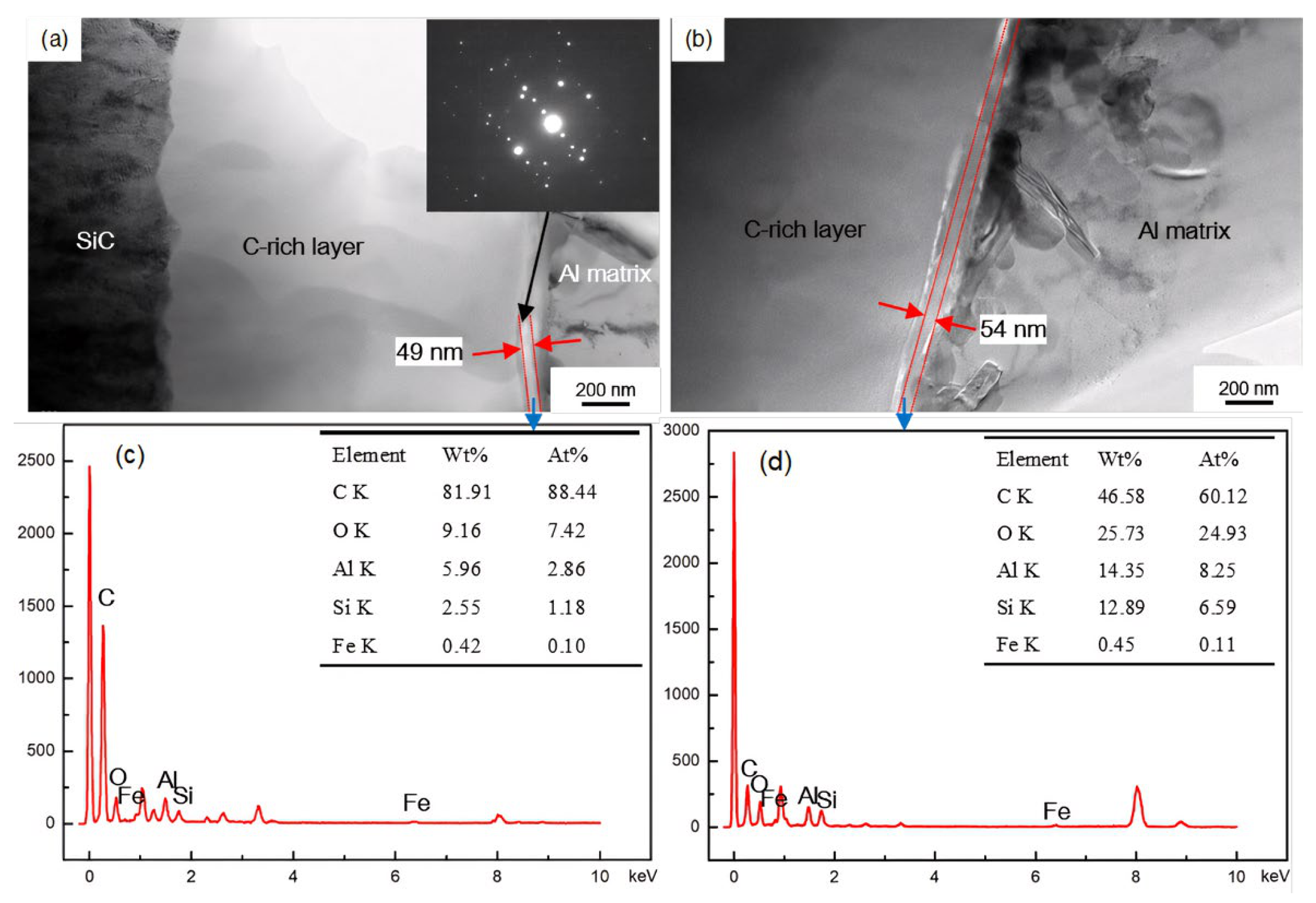
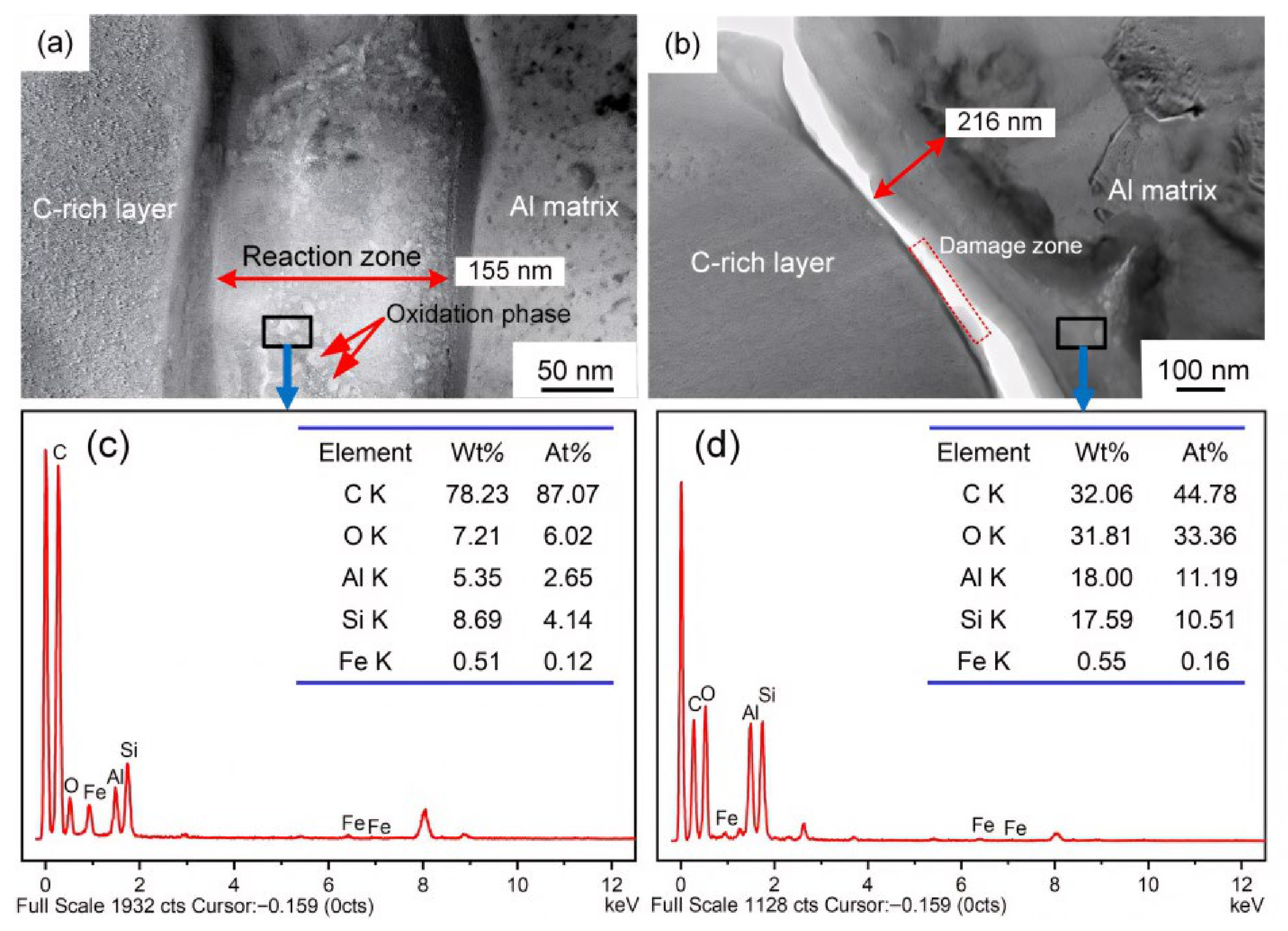
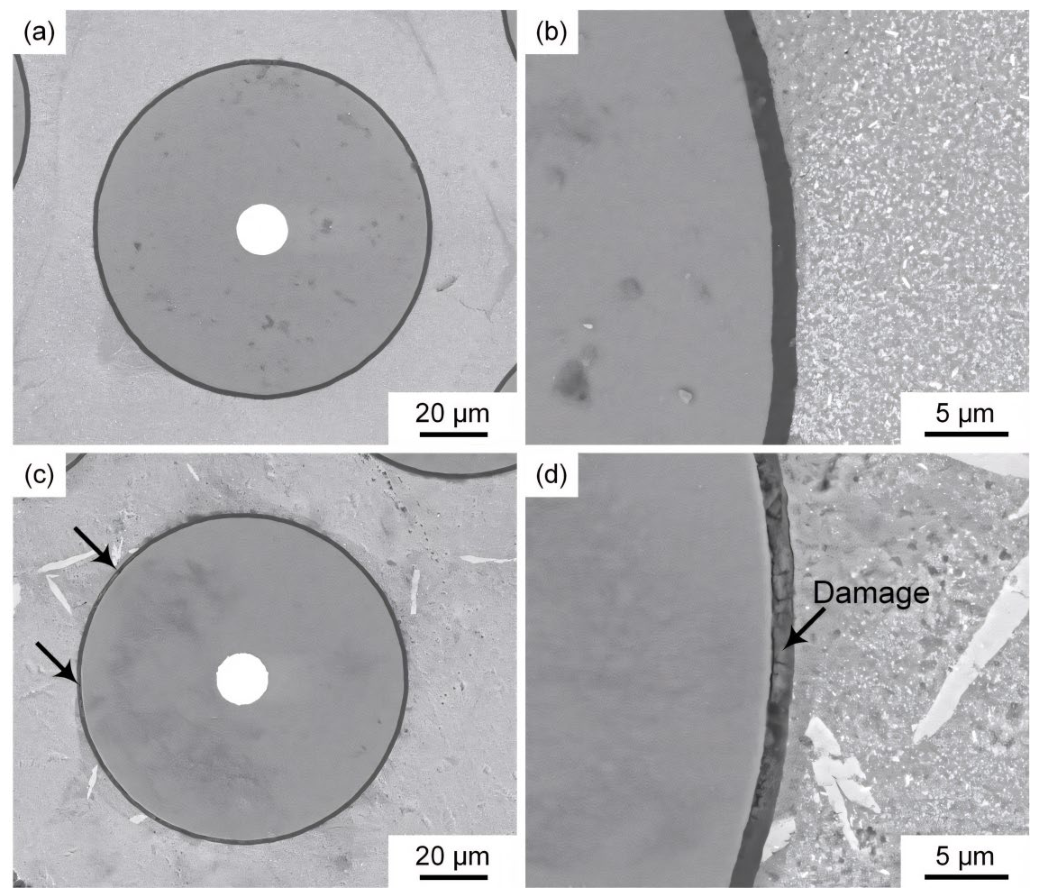
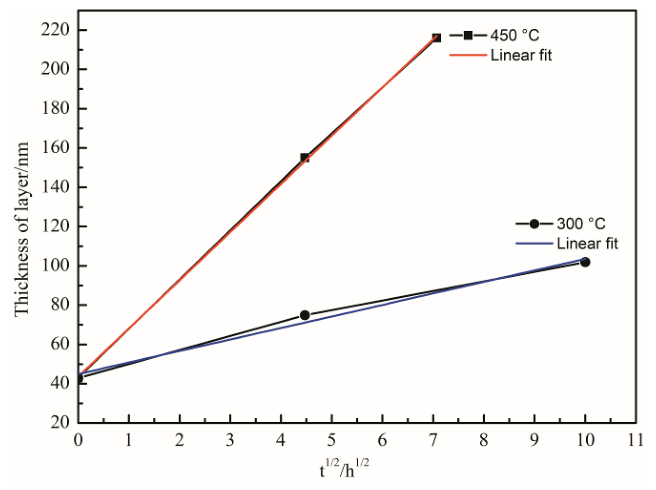
3.2. Microstructural Evolution During Thermal Exposure
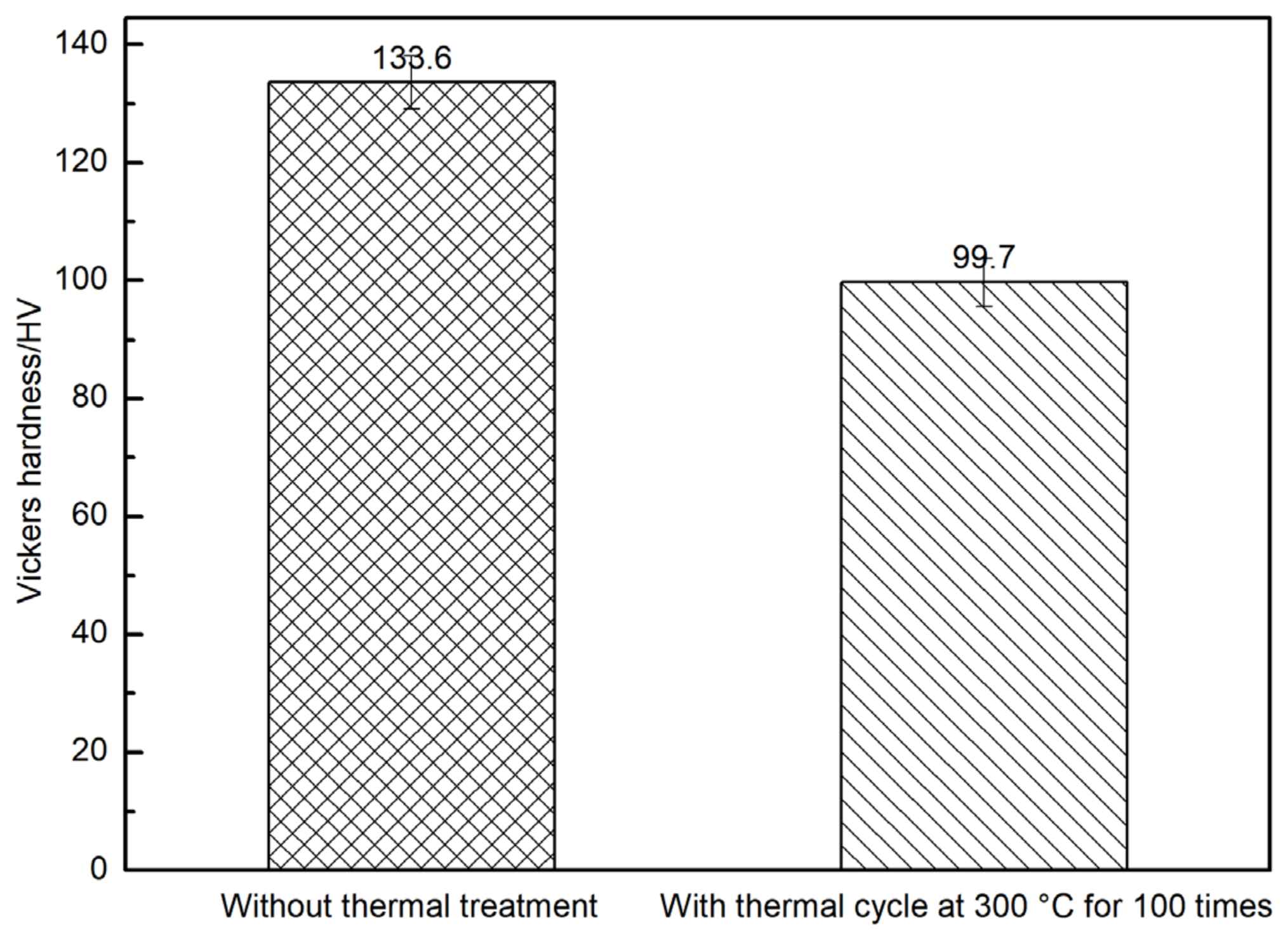
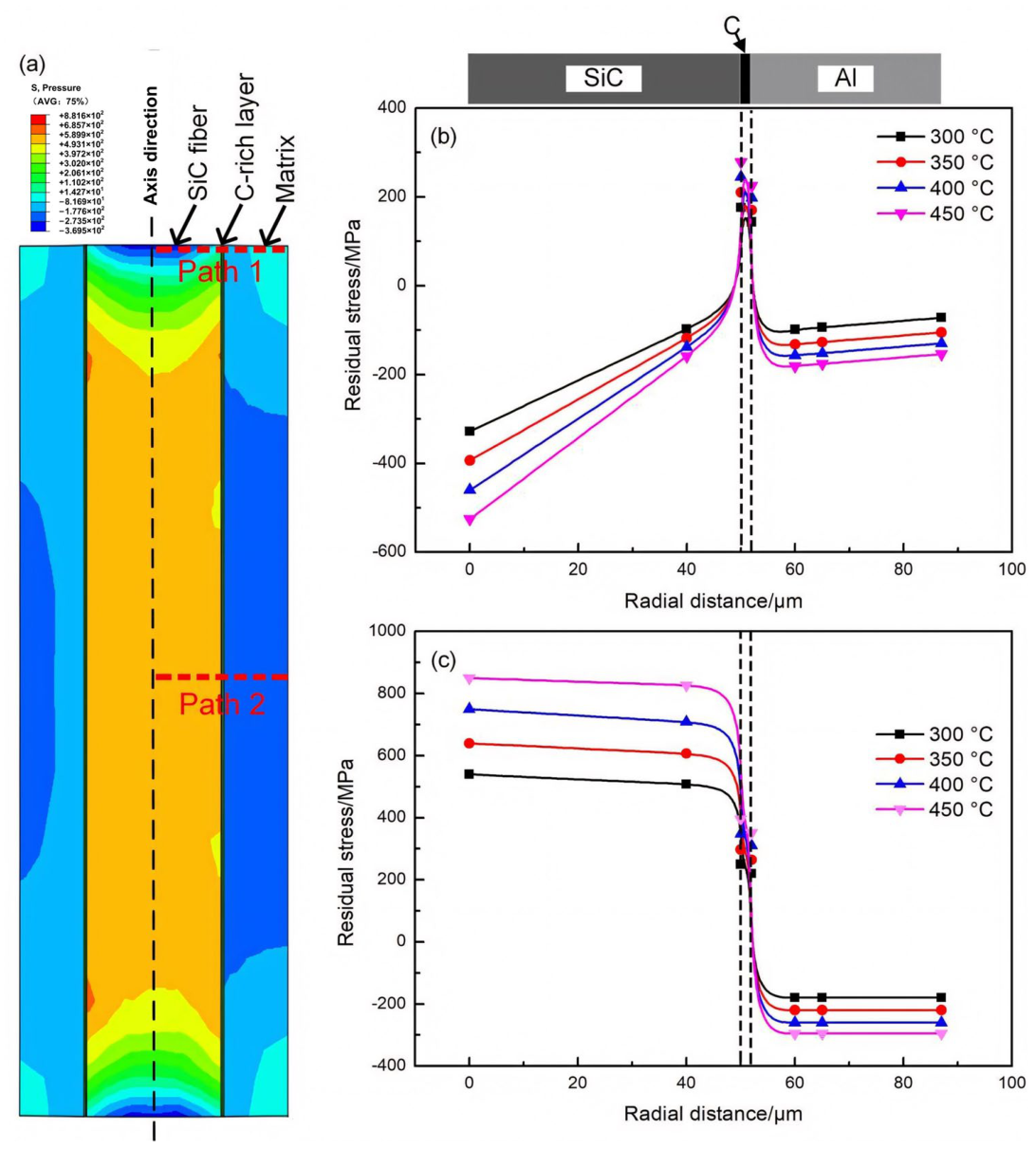
3.3. Effect of Thermal Cycling and Residual Stresses
3.4. Limitations and Applicability of the Simulated Service Environments
4. Conclusions
- (1)
- Thermal exposure degraded the SiCf/AlFe5Si2 interface, with a marked acceleration above ~400 °C. This degradation is associated with reaction-layer thickening, brittle AlxSiOy formation, and matrix softening. The reaction layer followed parabolic growth, and a preliminary two-temperature Arrhenius estimate gave an apparent activation energy of ~150 kJ/mol.
- (2)
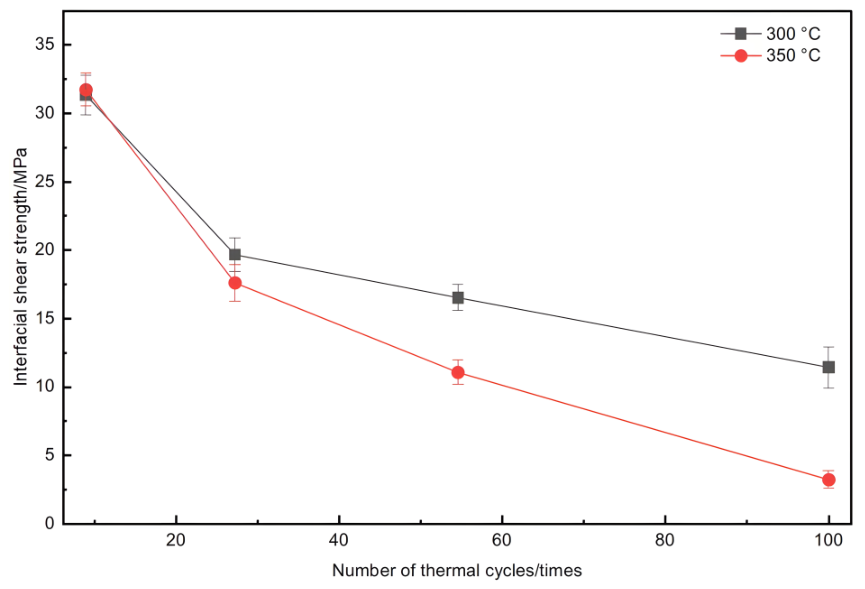
- Thermal cycling caused stronger interfacial deterioration than isothermal exposure at comparable temperature/time levels. Based on interfacial shear-strength retention and observed microstructural integrity, 350 °C (exposure) and 300 °C (cycling) are proposed as conservative, condition-specific engineering limits for the present material system.
- (3)
- Cooling-focused 3D FEM indicated increasing matrix/C-rich-layer stress contrast with increasing peak temperature, supporting a mechanical driving force for interfacial debonding. Since heating/dwell time-dependent effects were not explicitly modeled, the FE results are interpreted as mechanistic trend support rather than standalone life prediction.
Author Contributions
Funding
Data Availability Statement
Conflicts of Interest
References
- Wang, H.; Xing, W.; Chen, S.; Song, C.; Dickey, M.D.; Deng, T. Liquid metal composites with enhanced thermal conductivity and stability using molecular thermal linker. Adv. Mater. 2021, 33, 2103104. [Google Scholar] [CrossRef]
- Liu, H.; Madaleno, U.; Shinoda, T.; Mishima, Y.; Suzuki, T. Interfacial reaction and strength of SiC fibres coated with aluminium alloys. J. Mater. Sci. 1990, 25, 4247–4254. [Google Scholar] [CrossRef]
- Zhang, Y.; Hu, J.; Dong, S.; Li, Y. Influence of the thickness of pyrolytic carbon interphase on the mechanical behavior of SiC/(BN/PyC)/SiC composites. Ceram. Int. 2024, 50, 22085–22093. [Google Scholar] [CrossRef]
- Zhong, Z.; Jiang, X.; Sun, H.; Wu, Z.; Yang, L.; Matamoros-Veloza, A. Recent research on the optimization of interfacial structure and interfacial interaction mechanisms of metal matrix composites: A review. Mater. Adv. Eng. Mater. 2024, 26, 1. [Google Scholar] [CrossRef]
- Chen, L.G.; Lin, S.J.; Chang, S.Y. Analysis of interfacial shear strength of SiC fiber reinforced 7075 aluminum composite by pushout microindentation. Metall. Mater. Trans. A 2005, 36, 1937–1945. [Google Scholar] [CrossRef][Green Version]
- Jiang, Y.Q.; Liu, J.H.; Wu, X.B. A measure of interfacial frictional shear strength of MMC. Chin. J. Mater. Res. 1994, 8, 378–380. [Google Scholar]
- Chu, D.S.; Ma, Y.; Tang, P.J.; Li, P.Y. Effect of thermal exposure on the interface microstructure and interfacial shear strength of the SiC fiber reinforced AlFe5Si2 matrix composite. Appl. Compos. Mater. 2020, 27, 95–105. [Google Scholar] [CrossRef]
- Kozera, R.; Boczkowska, A.; Krawczyk, Z.D.; Kozera, P.; Spychalski, M.; Malek, M.; Kosturek, R. Push-Out Method for Micro Measurements of Interfacial Strength in Aluminium Alloy Matrix Composites. Materials 2021, 14, 5092. [Google Scholar] [CrossRef]
- Wang, Q.; Zhu, Z.; Maryum, P.; Liu, Y.; Xue, T.; Lu, C.; Hu, B.; Zhang, C.; Qin, R. Finite element analysis of the influence of interphase on the thermal residual stress level and distribution of SiCp/6061Al composites. Compos. Interfaces 2021, 28, 1079–1096. [Google Scholar] [CrossRef]
- Jiang, Z.; Lian, J.; Yang, D.; Dong, S. An analytical study of the influence of thermal residual stresses on the elastic and yield behaviors of short fiber-reinforced metal matrix composites. Mater. Sci. Eng. 1998, 248, 256–275. [Google Scholar] [CrossRef]
- Elkind, A.; Barsoum, M.W.; Kangutkar, P. Thermal expansion of silicon carbide monofilaments and silicon carbide–borosilicate composites. J. Am. Ceram. Soc. 1992, 75, 2871–2873. [Google Scholar] [CrossRef]
- Chen, J.K.; Hung, H.Y.; Wang, C.F.; Tang, N.K. Thermal and electrical conductivity in Al–Si/Cu/Fe/Mg binary and ternary Al alloys. J. Mater. Sci. 2015, 50, 5630–5639. [Google Scholar] [CrossRef]
- Mo, L.; Lin, M.; Zhan, M.; Zhao, Y.-J.; Du, J. Experimental and theoretical study of the microstructure evolution and thermal-physical properties of hypereutectic Al–Fe alloys. J. Mater. Res. 2024, 39, 1084–1095. [Google Scholar] [CrossRef]
- Null, M.R.; Lozier, W.W.; Moore, A.W. Thermal diffusivity and thermal conductivity of pyrolytic graphite from 300 to 2700 K. Carbon 1973, 11, 81–87. [Google Scholar] [CrossRef]
- Touloukian, Y.S.; Kirby, R.K.; Taylor, E.E.; Desai, P.D. Thermophysical Properties of Matter; The TPRC Data Series, Vol. 13: Thermal Expansion-Nonmetallic Solids; IFI/Plenum: New York, NY, USA, 1977. [Google Scholar]
- Lin, X.; Xu, Q.; Deng, T.; Yang, B.; Chen, L. Improving thermal conductivity of Al/SiC composites by post-oxidization of reaction-bonded silicon carbide preforms. Sci. Rep. 2024, 14, 67653. [Google Scholar] [CrossRef]
- Yasutomi, Y.; Sawada, J.; Kikuchi, T.; Nakamura, K.; Manabe, Y.; Nagano, K.; Kuroda, H.; Sumi, T.; Kubokawa, H.; Nagai, M.; et al. Effects of the SiC/Al interface reaction on fracture behavior of a composite conductor using SiC fiber reinforced aluminum for next generation power equipment. J. Mater. Sci. 1999, 34, 1583–1593. [Google Scholar] [CrossRef]
- Ochiai, S.; Osamura, K. Tensile strength of fibre-reinforced metal matrix composites with non-uniform fibre spacing. J. Mater. Sci. 1989, 24, 3536–3540. [Google Scholar] [CrossRef]
- Guo, Z.X.; Derby, B. Interfaces in Ti3Al composites reinforced with Sigma SiC fibers. Scr. Metall. Mater. 1994, 30, 89–94. [Google Scholar] [CrossRef]
- Lü, X.-H.; Yang, Y.-Q.; Ma, Z.-J.; Liu, C.-X.; Chen, Y.; Ai, Y.-L. Kinetics and mechanism of interfacial reaction in SCS-6 SiC continuous fiber-reinforced Ti-Al intermetallic matrix composites. Trans. Nonferrous Met. Soc. China 2006, 16, 77–83. [Google Scholar] [CrossRef]
- Breuer, J.; Wilger, T.; Friesel, M.; Herzig, C. Interstitial and substitutional diffusion of metallic solutes in Ti3Al. Intermetallics 1999, 7, 381–388. [Google Scholar] [CrossRef]
- Yasutomi, Y.; Sawada, J.; Iwai, K.; Hase, Y.; Nagano, K.; Kuroda, H.; Sumi, T.; Kogure, H.; Sawai, Y.; Kishi, T. Mechanical properties of SiC fiber after immersion in molten aluminum. J. Ceram. Soc. Jpn. 1998, 106, 1124–1128. [Google Scholar] [CrossRef][Green Version]
- Liu, J.A. Conversion and substitution of various mechanical property indexes of aluminum alloy materials. Light Alloy Fabr. Technol. 2012, 40, 46–52. (In Chinese) [Google Scholar]
- Ananth, C.R.; Chandra, N. Evaluation of interfacial shear properties of metal matrix composites from fibre push-out tests. Mech. Adv. Mater. Struct. 1995, 2, 309–328. [Google Scholar] [CrossRef]
- Chandra, N.; Ananth, C.R. Analysis of interfacial behavior in MMCs and IMCs by the use of thin-slice push-out tests. Compos. Sci. Technol. 1995, 54, 87–100. [Google Scholar] [CrossRef]
- Li, B.; Ouyang, W.; Dong, Y. Investigating the Effects and Mechanisms of Thermal–Vibration-Coupled Stress Relief Treatment on Residual Stress in SiC/Al Composites. Metals 2024, 14, 1195. [Google Scholar] [CrossRef]
- Mousavi, S.F.; Sharifi, H.; Tayebi, M.; Hamawandi, B.; Behnamian, Y. Thermal cycles behavior and microstructure of AZ31/SiC composite prepared by stir casting. Sci. Rep. 2022, 12, 15191. [Google Scholar] [CrossRef]






| Materials | Thermal Conductivity (W/mK) | Specific Heat Capacity (SHC) (J/(kg·°C)) | Coefficient of Thermal Expansion (CTE) (10−6·°C−1) | ||
|---|---|---|---|---|---|
| Temperature (°C) | SHC | Temperature (°C) | CTE | ||
| SiC [11,12] | 83.6 | 107 | 472 | 2.6 | |
| 247 | 1267 | ||||
| aluminum alloy [12,13] | 203 | 880 | 100 | 22.7 | |
| 200 | 23.8 | ||||
| 300 | 24.8 | ||||
| 400 | 25.9 | ||||
| C-rich layer [14,15] | 129 | 710 | 3 | ||
| Condition/Temperature Regime | Dominant Evidence | Primary Degradation Driver(s) | Net Effect on Interfacial Shear Strength |
|---|---|---|---|
| ≤350 °C (thermal exposure) | Matrix hardness drop + slight reaction-layer thickening (TEM) | Matrix softening + mild interfacial reaction | Moderate reduction |
| >400 °C (thermal exposure) | Rapid layer thickening (TEM) + AlxSiOy emergence (XRD/EDS) + debonding morphology | Brittle oxide formation + accelerated interfacial reaction | Sharp reduction |
| Thermal cycling at 300 °C | Larger hardness loss than isothermal + cyclic stress alternation (FEM-supported trend) | Cumulative softening + cyclic stress-assisted damage | Greater reduction than isothermal at the same T |
| Thermal cycling at 350 °C | Carbon-layer rupture/cracking + high stress-gradient indication | Interphase cracking + progressive debonding under cyclic loading | Most severe reduction |
Disclaimer/Publisher’s Note: The statements, opinions and data contained in all publications are solely those of the individual author(s) and contributor(s) and not of MDPI and/or the editor(s). MDPI and/or the editor(s) disclaim responsibility for any injury to people or property resulting from any ideas, methods, instructions or products referred to in the content. |
© 2026 by the authors. Licensee MDPI, Basel, Switzerland. This article is an open access article distributed under the terms and conditions of the Creative Commons Attribution (CC BY) license.
Share and Cite
Chu, D.; Wang, Y.; Zhou, F.; Liu, R.; Zhu, L.; Peng, Q. Effects of Simulated Service Environments on the Microstructure and Interfacial Properties of Ceramic Fiber-Reinforced Al-Matrix Composites. Materials 2026, 19, 1999. https://doi.org/10.3390/ma19101999
Chu D, Wang Y, Zhou F, Liu R, Zhu L, Peng Q. Effects of Simulated Service Environments on the Microstructure and Interfacial Properties of Ceramic Fiber-Reinforced Al-Matrix Composites. Materials. 2026; 19(10):1999. https://doi.org/10.3390/ma19101999
Chicago/Turabian StyleChu, Desheng, Yanhan Wang, Fangrong Zhou, Ronghai Liu, Longchang Zhu, and Qingjun Peng. 2026. "Effects of Simulated Service Environments on the Microstructure and Interfacial Properties of Ceramic Fiber-Reinforced Al-Matrix Composites" Materials 19, no. 10: 1999. https://doi.org/10.3390/ma19101999
APA StyleChu, D., Wang, Y., Zhou, F., Liu, R., Zhu, L., & Peng, Q. (2026). Effects of Simulated Service Environments on the Microstructure and Interfacial Properties of Ceramic Fiber-Reinforced Al-Matrix Composites. Materials, 19(10), 1999. https://doi.org/10.3390/ma19101999