Effect of Calcareous Material Particle Size via Separate Grinding on the Burnability and Microstructure Development of Portland Cement Clinker

Highlights
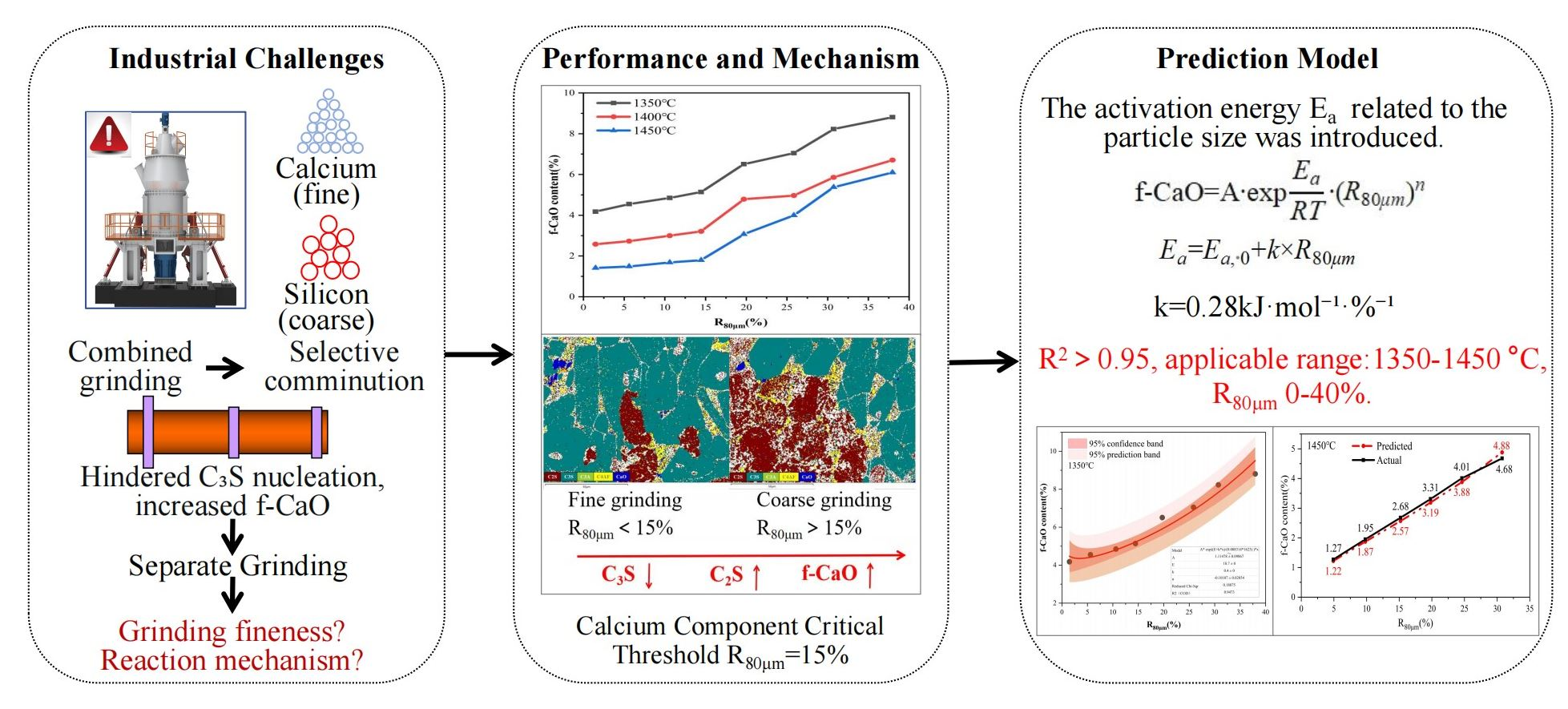
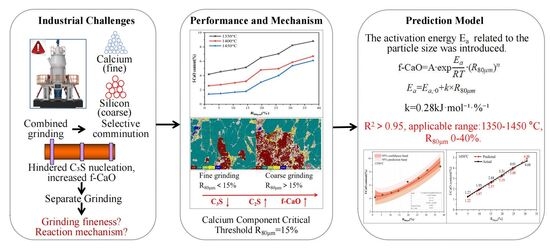
- Reveals a crucial calcium particle size threshold (R80μm).
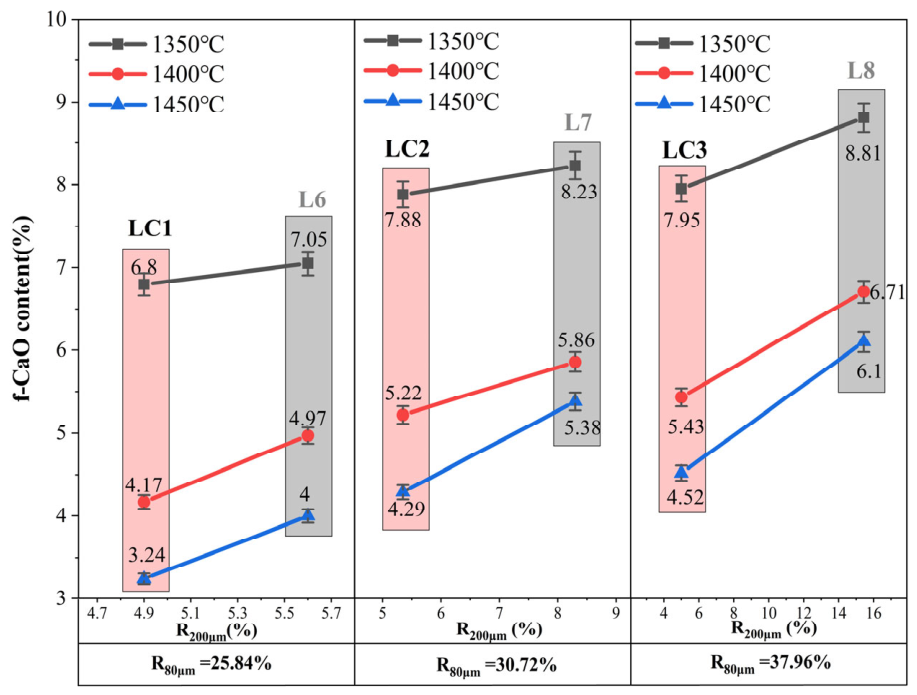
- Particles >200 μm exert a stronger influence on f-CaO than those >80 μm.
- Multi-scale characterization of clinker mineral composition and microstructure.
- Couples temperature and particle size in a semi-empirical reaction kinetics model.
Abstract
1. Introduction
2. Materials and Methods
2.1. Raw Materials and Experimental Design
2.2. Clinker Calcination
2.3. Test Methods
2.3.1. f-CaO Content in Clinkers
- where Wf-CaO: Mass fraction of f-CaO, %;
- TCaO: Titration degree of benzoic acid–absolute ethanol standard titration solution to calcium oxide, mg/mL;
- V: Volume of benzoic acid-absolute ethanol standard titration solution consumed during titration, mL;
- m: Mass of the sample, g.
2.3.2. X-Ray Diffraction
2.3.3. Bogue Calculation for Mineral Content Determination
- -
- C: Content of CaO in clinker, %;
- -
- S: Content of SiO2 in clinker, %;
- -
- A: Content of Al2O3 in clinker, %;
- -
- F: Content of Fe2O3 in clinker, %.
2.3.4. Petrographic Characteristic
2.3.5. BSE Imaging and SEM-EDX
3. Results and Discussion
3.1. Influence of Particle Size on f-CaO Content
3.1.1. R80μm of Calcareous Materials
3.1.2. R200 μm of Calcareous Materials
3.2. Mineral Compositions of Clinkers
3.3. Analysis of Microstructure and Compositional Distribution
3.4. Reaction Kinetics Model
3.4.1. Model Establishment
- A is the pre-exponential factor, encompassing geometric and frequency factors.
- Ea (kJ·mol−1) is the apparent activation energy for the clinker calcining process. It is proposed to be a function of the particle size distribution, rather than a constant.
- R is the universal gas constant (0.008314 kJ·mol−1·K−1).
- T is the absolute sintering temperature (K).
- n is the fineness factor that quantifies the sensitivity of the reaction rate to particle size.
- R80μm is the 80 μm sieve residue (%).
3.4.2. Model Verification and Applicability Analysis
4. Conclusions
- (1)
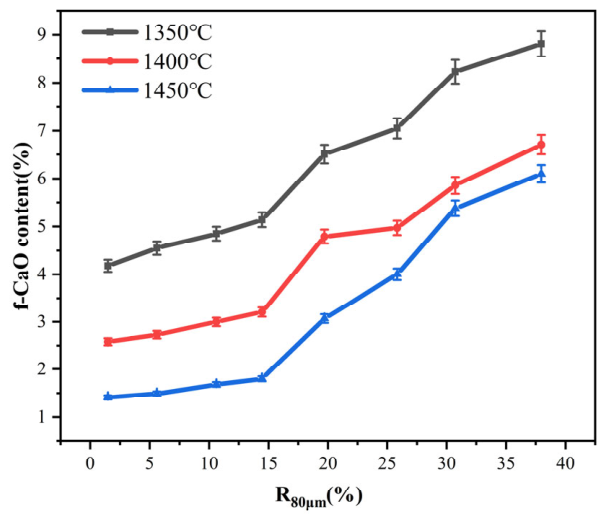
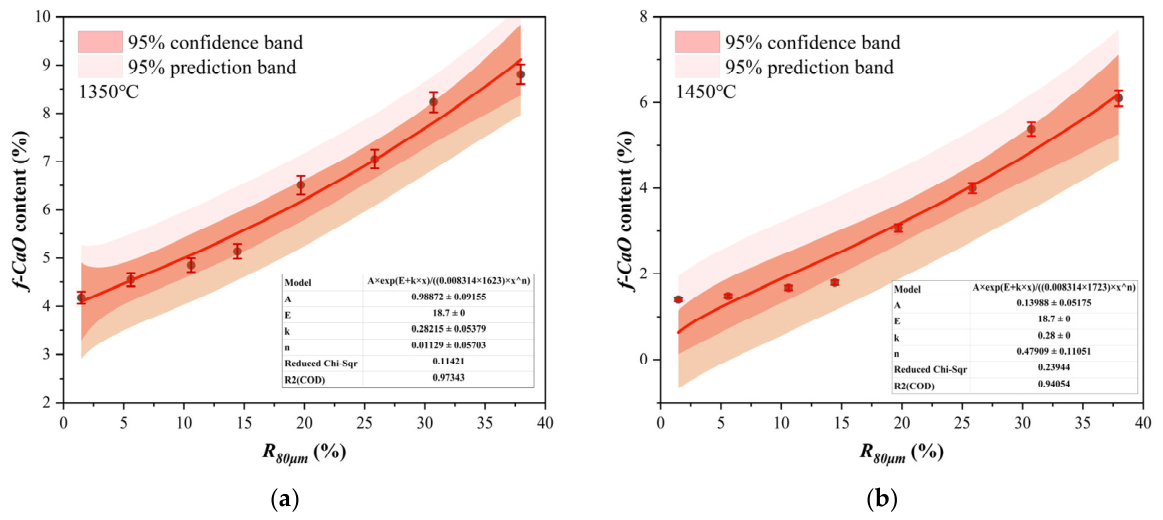
- The fineness of calcium components has been identified as the main factor determining clinker burnability, with a critical threshold (R80μm = 15%). When the particle size falls below this threshold, the raw meal exhibits excellent burnability, with temperature playing the dominant role in influencing f-CaO. In the presence of equivalent levels of f-CaO, the optimal temperature for the reaction can be reduced to 1400 °C. When the particle size exceeds the critical threshold, diffusion limitations intensify, and coarse particles become the dominant factor. The lower reactivity of the samples results in a higher content of unreacted CaO, leading to a significant increase in the f-CaO content in a nonlinear manner.
- (2)
- It is evident that as the proportion of 200 μm coarse particles in the sample increases, there is a concomitant rise in the f-CaO content. Furthermore, 200 μm particles have been demonstrated to exert a greater influence on f-CaO than 80 μm particles. The presence of coarse particles has been shown to significantly prolong the solid-phase diffusion pathways for ions such as Ca2+ and SiO44−, thereby causing the time required for complete reaction to increase exponentially. This hinders the liquid-phase-mediated conversion of C2S and CaO into C3S. Concurrently, coarse particles are not fully wetted or encapsulated by the high-temperature melt. This results in the persistence of isolated, unreacted cores that remain inert during the reaction. The process leads to the localized enrichment of f-CaO.
- (3)
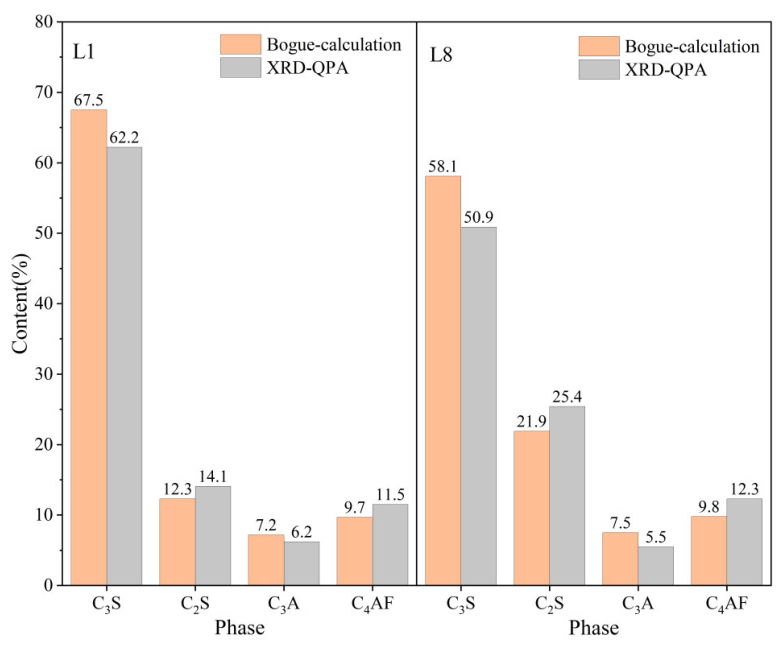
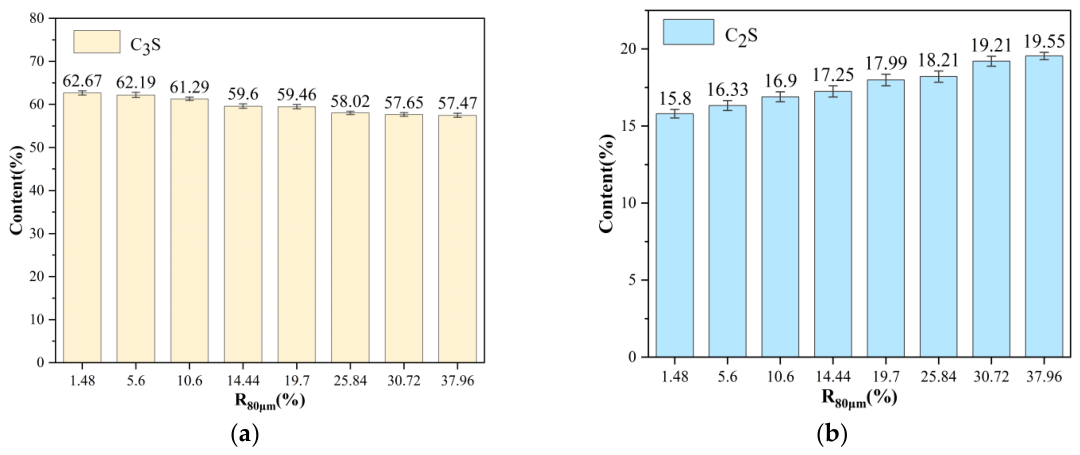
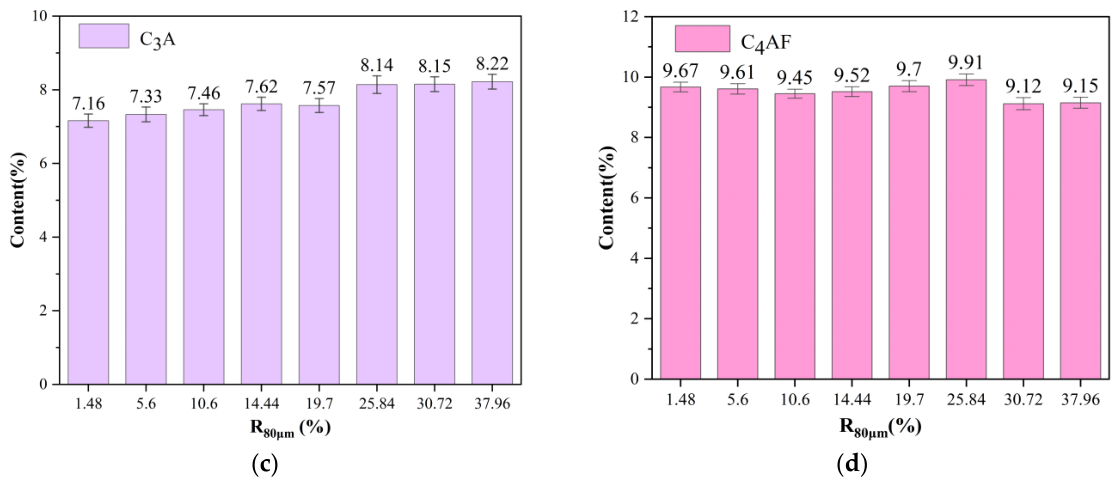
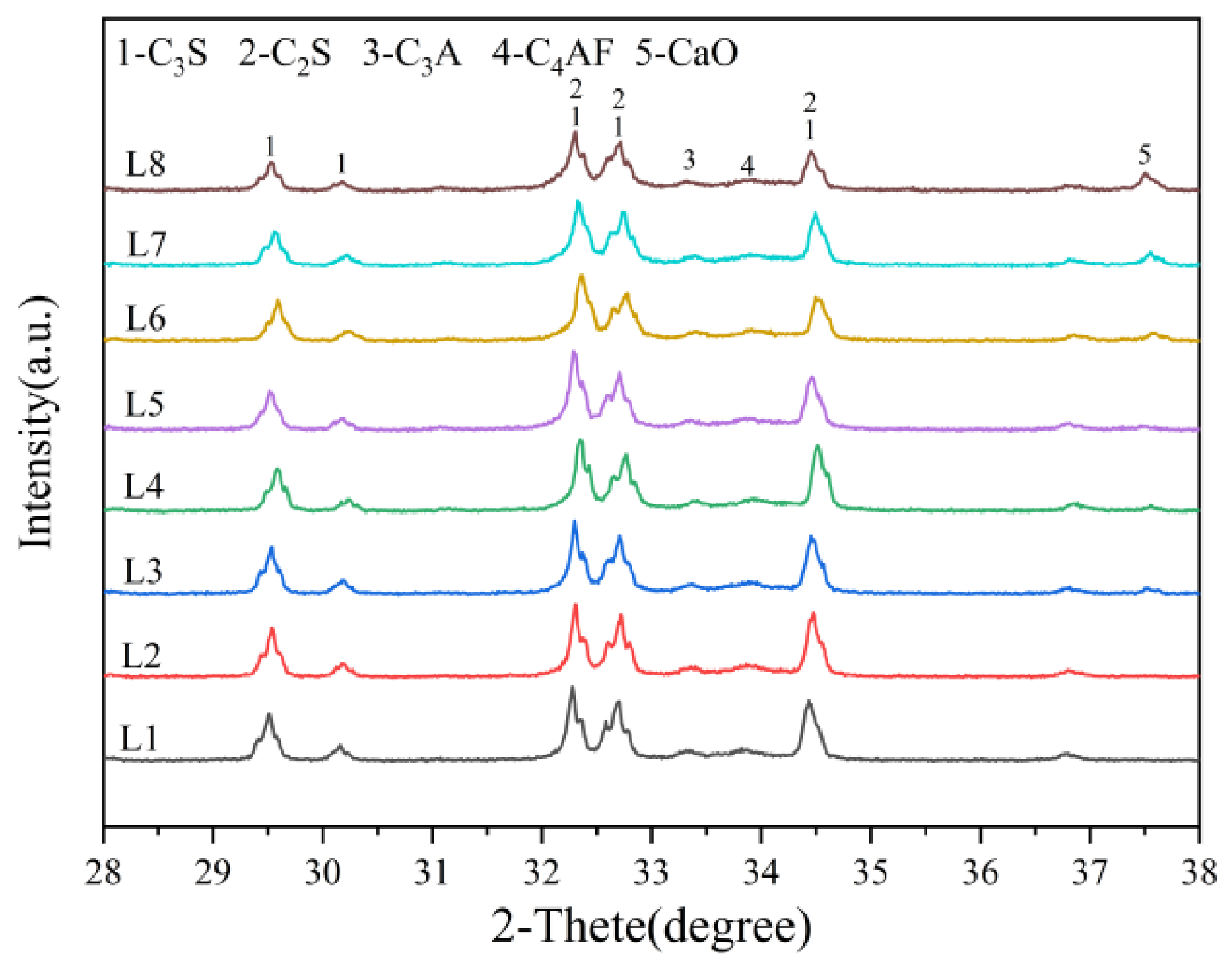
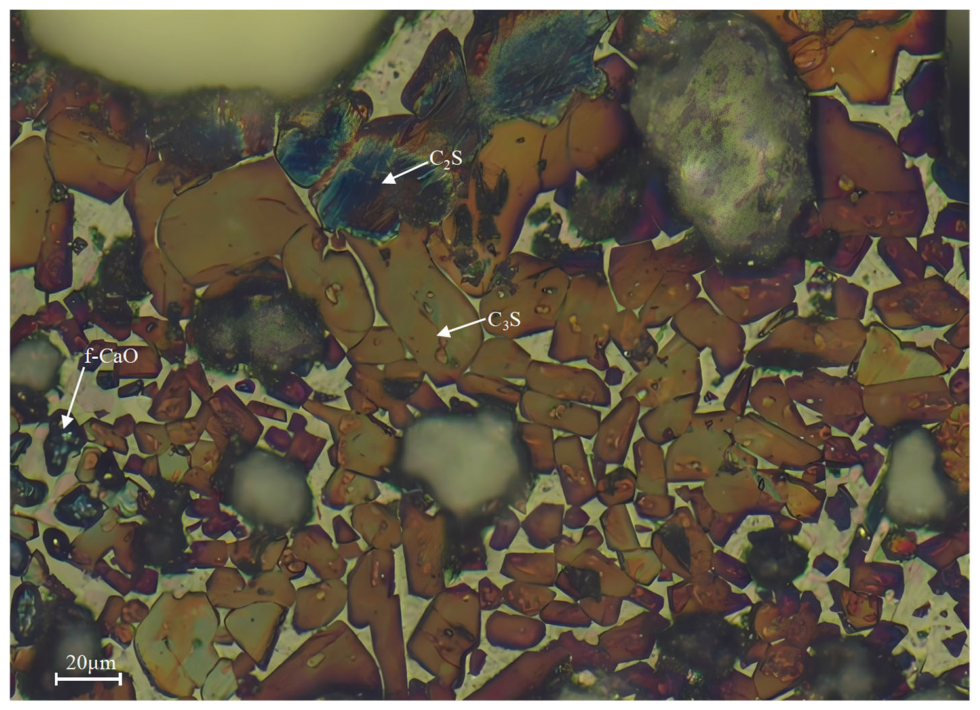
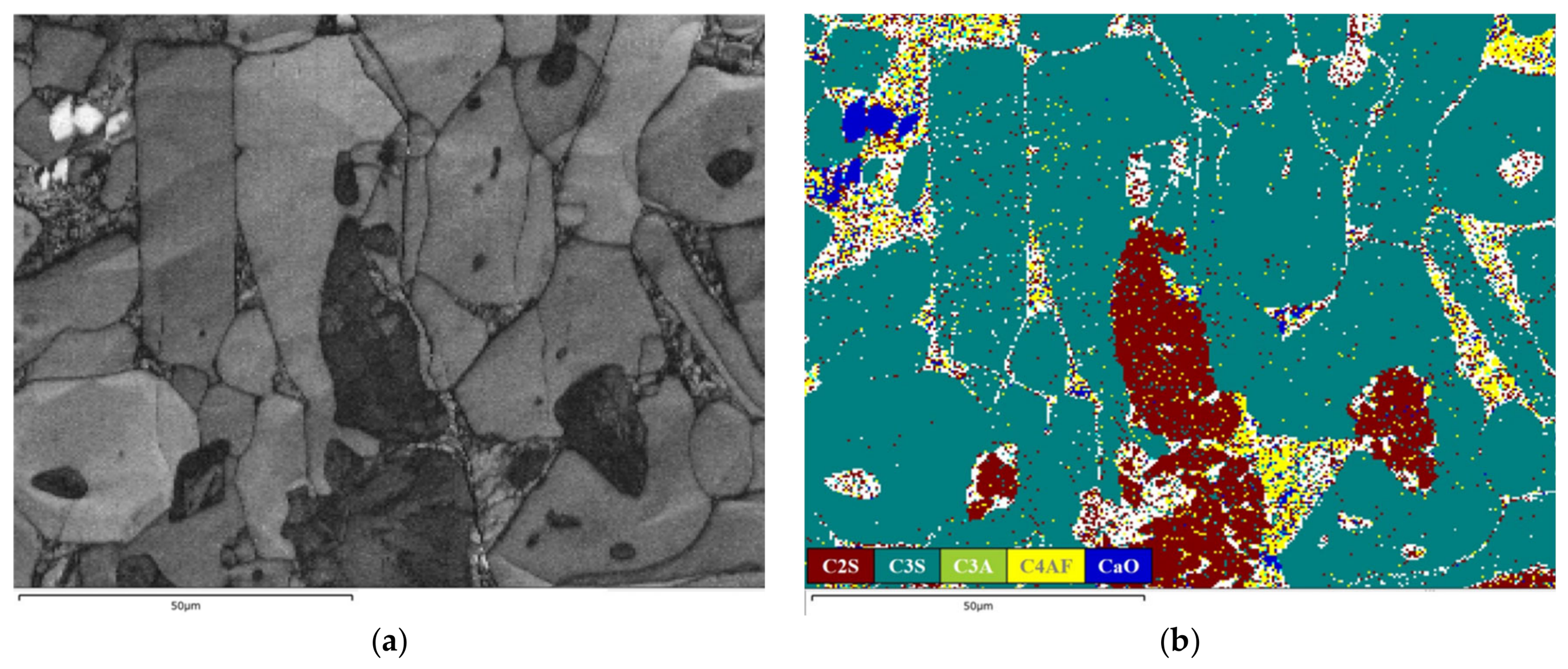
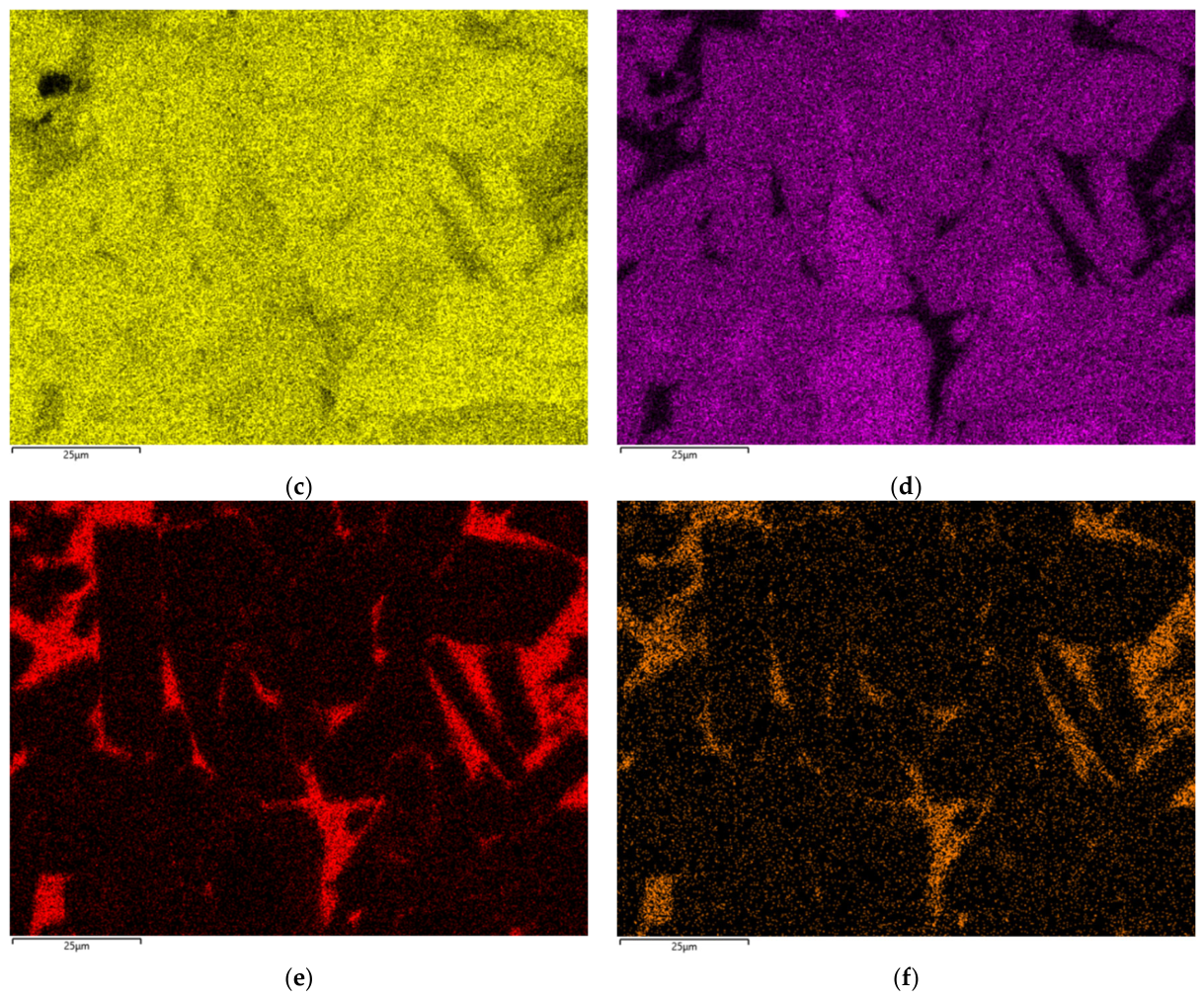
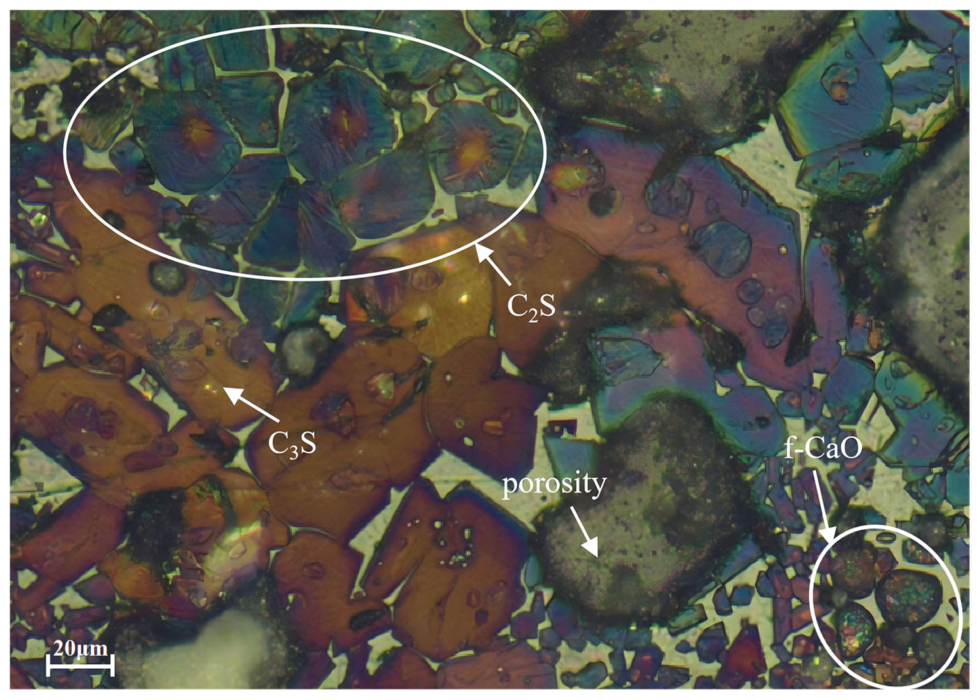
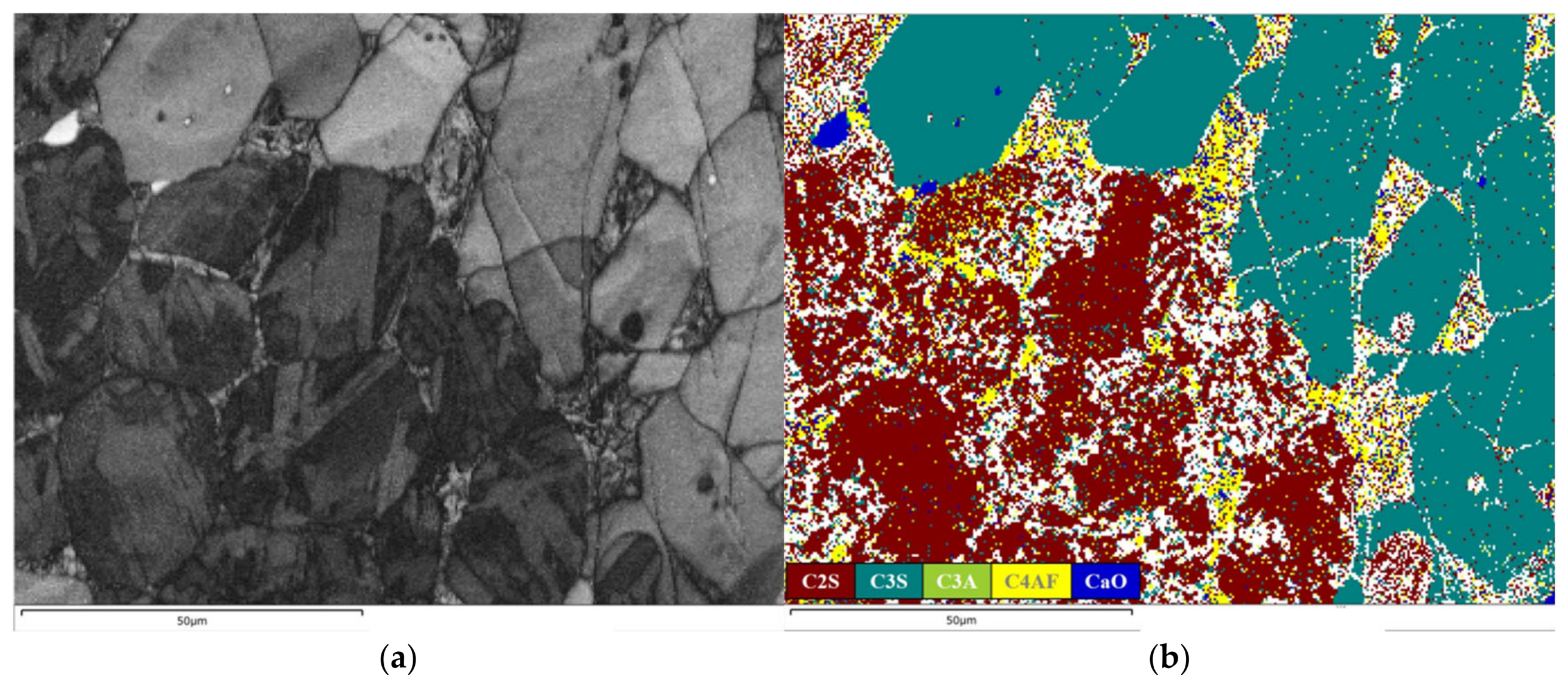
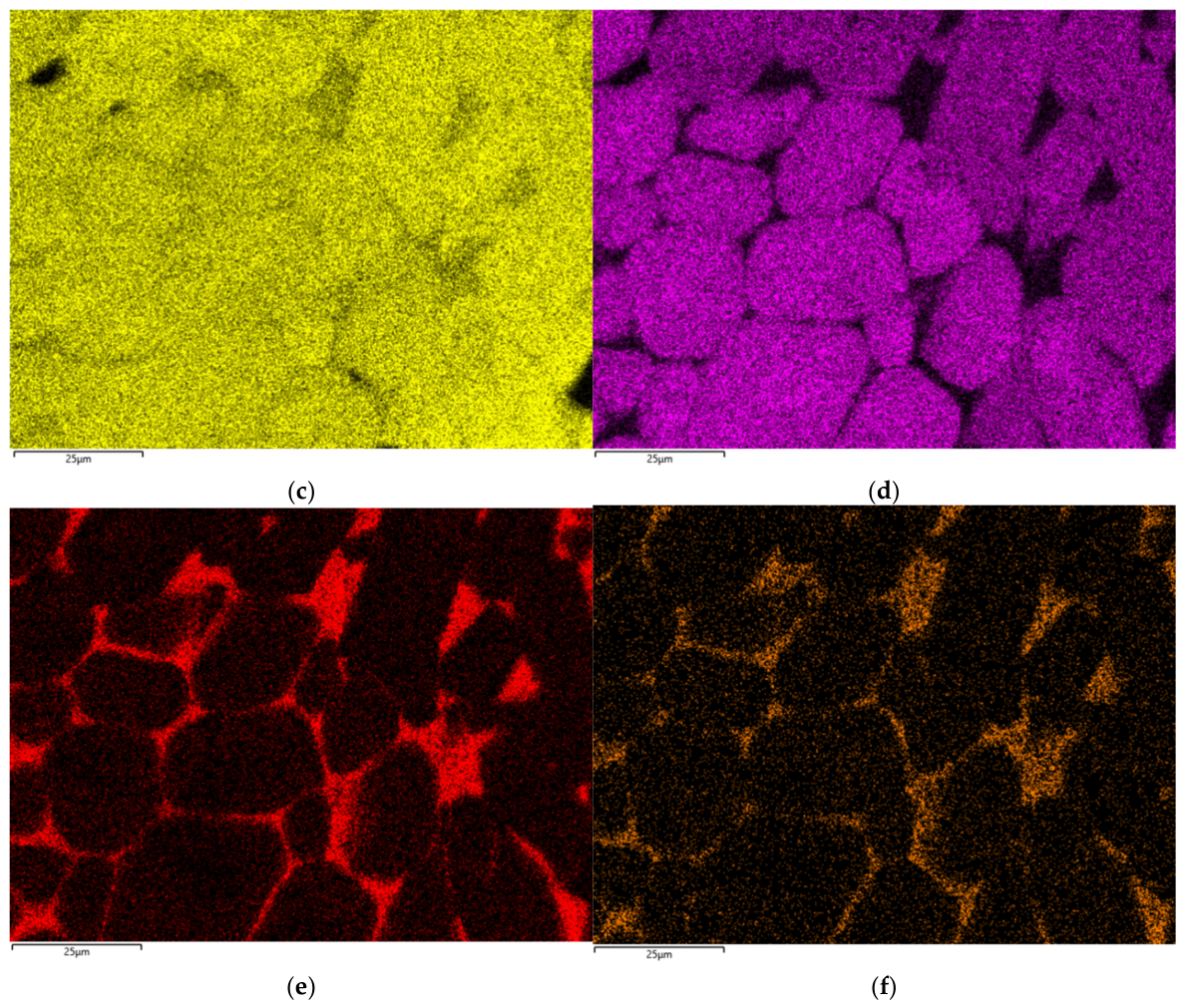
- When the R80μm exceeds the critical threshold, significant changes occur in both the phase composition and the microstructure of the clinker. First, Bogue calculations and QXRD analysis reveal a decrease in alite C3S content, accompanied by a gradual enrichment of belite C2S and f-CaO. The X-ray diffraction pattern transitions from exhibiting sharp and intense C3S peaks to showing enhanced C2S peaks along with clearly identifiable f-CaO reflections. Second, in terms of microstructure, petrographic and BSE-EDX analyses indicate that the clinker evolves from a homogeneous and dense ideal structure rich in C3S to a heterogeneous one characterized by the formation of CaO cores, the presence of C2S agglomerates, and the development of poorly formed C3S crystals.
- (4)
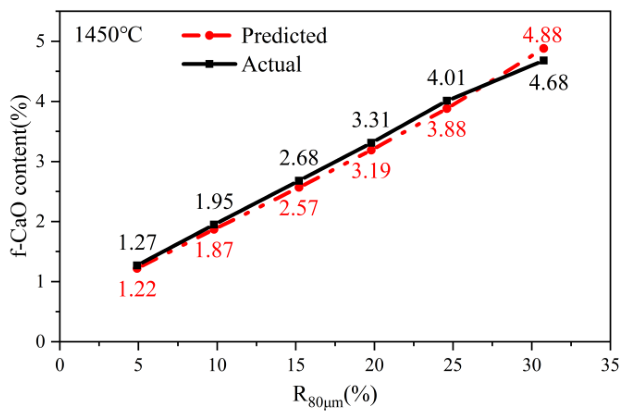
- A semi-empirical reaction kinetic model incorporating fineness-dependent activation energy was developed based on diffusion-controlled kinetics. This approach overcomes the conventional assumption of constant activation energy by establishing a constitutive relationship expressed as . The model exhibited excellent goodness of fit (R2 > 0.95), with an intrinsic activation energy Ea,0 of 18.7 kJ·mol−1 and an incremental factor k of 0.28 kJ·mol−1·%−1, quantitatively revealing the physical mechanism by which coarse particles extend diffusion pathways and increase energy barriers. Validation experiments yielded a relative error of 4.3%, confirming the reliability of the model. For application, the model may serve as a reference for the synergistic optimization of grinding power consumption and sintering energy consumption.
Author Contributions
Funding
Institutional Review Board Statement
Informed Consent Statement
Data Availability Statement
Conflicts of Interest
References
- Antunes, M.; Santos, R.L.; Pereira, J.; Rocha, P.; Horta, R.B.; Colaço, R. Alternative Clinker Technologies for Reducing Carbon Emissions in Cement Industry: A Critical Review. Materials 2022, 15, 209. [Google Scholar] [CrossRef]
- IEA. CO2 Emissions in 2022; IEA: Paris, France, 2023. [Google Scholar]
- Cremona, R.; De Lena, E.; Conversano, A.; Spinelli, M.; Romano, M.C.; Gatti, M. Techno-Economic Assessment of High Temperature Heat Pumps Integrated in MEA-Based Post-Combustion CO2 Capture for Cement Plant. Carbon Capt. Sci. Technol. 2025, 16, 100446. [Google Scholar] [CrossRef]
- IEA. Net Zero Roadmap: A Global Pathway to Keep the 1.5 °C Goal in Reach; IEA: Paris, France, 2023. [Google Scholar]
- Aguirre Castillo, J.; Wilhelmsson, B.; Broström, M.; Eriksson, M. Phase Evolution of Cement Raw Meal in a High-CO2 Atmosphere. Cem. Concr. Res. 2025, 193, 107874. [Google Scholar] [CrossRef]
- Wang, Y.; Cui, S.; Lan, M.; Tian, G.; Liu, L. Influence of Characteristics of Alumina-Silicate Raw Meals on the Formation Process of Clinker. J. Wuhan Univ. Technol. Mater. Sci. Ed. 2014, 29, 966–971. [Google Scholar] [CrossRef]
- Wang, Z.; Tian, P.; Mao, Y. Effects of Grinding Aids on the Grinding Kinetics and Surface Morphological Characterization of Quartz. Adv. Powder Technol. 2023, 34, 104142. [Google Scholar] [CrossRef]
- Nie, D.; Li, W.; Xie, L.; Deng, M.; Ding, H.; Liu, K. Effects of Fineness and Morphology of Quartz in Siliceous Limestone on the Calcination Process and Quality of Cement Clinker. Materials 2024, 17, 3601. [Google Scholar] [CrossRef]
- Ishak, K.E.H.K.; Hashim, S.F.S.; Azizli, K.A.M.; Palaniandy, S.; Hussin, H. Effect of Quartz in Clay on Grindability of Raw Mixes for Cement Production. J. Phys. Sci. 2022, 33, 45–59. [Google Scholar] [CrossRef]
- Christensen, N.H.; Amp, F.L.S. Burnability of Cement Raw Mixes at 1400 °C II: The Effect of the Fineness. Cem. Concr. Res. 1979, 9, 285–294. [Google Scholar] [CrossRef]
- Chatterjee, A.K. Chemistry and Engineering of the Clinker Calcining Process—Incremental Advances and Lack of Breakthroughs. Cem. Concr. Res. 2011, 41, 624–641. [Google Scholar] [CrossRef]
- Kakali, G.; Tsivilis, S. The Effect of Intergrinding and Separate Grinding of Cement Raw Mix on the Burning Process. Cem. Concr. Res. 1993, 23, 651–662. [Google Scholar] [CrossRef]
- Zhang, C.; Liu, S.; Sun, Y.; Li, G.; Zhang, L.; Guan, X.; Liu, Z.; Wang, F. Preparation of High-Magnesium Low-Calcium Binder: Relationship between Calcination Temperature and Carbonation Performance. J. Build. Eng. 2026, 119, 115366. [Google Scholar] [CrossRef]
- Korkmaz, A.V. Evaluation of Chemical, Mineralogical and Clinker Burnability Properties of Mudstones as Cement Raw Materials. Case Stud. Constr. Mater. 2019, 11, e00254. [Google Scholar] [CrossRef]
- GB/T 176-2017; Methods for Chemical Analysis of Cement. Standardization Administration of China (SAC): Beijing, China, 2017.
- Kang, H.; Lee, Y.; Lee, J.; Moon, J. Importance of Amorphous Content, Surface Energy, and Preferred Orientation on the Accurate Quantification of Cement Minerals in Clinkers. J. Build. Eng. 2023, 66, 105887. [Google Scholar] [CrossRef]
- Stutzman, P.; Heckert, A.; Tebbe, A.; Leigh, S. Uncertainty in Bogue-Calculated Phase Composition of Hydraulic Cements. Cem. Concr. Res. 2014, 61–62, 40–48. [Google Scholar] [CrossRef]
- Hanein, T.; Glasser, F.P.; Bannerman, M.N. Thermodynamic Data for Cement Clinkering. Cem. Concr. Res. 2020, 132, 106043. [Google Scholar] [CrossRef]
- Xu, M.; Hu, L.; Zhao, Q.; Dong, Z.; Mo, L. Effects of Fluorite Tailings Content on Formation, Properties and Fluorine Doping Preferences of High-Silica Clinker: Experimental Study and Industrial Verification. J. Build. Eng. 2025, 106, 112612. [Google Scholar] [CrossRef]
- Chen, S.; Yue, X.; Zhou, Y. Influence of Raw Material Fineness on Clinker Burnability and Cement Performance. Materials 2025, 18, 2453. [Google Scholar] [CrossRef]
- Shen, W.; Huang, W.; Min, P. Cement Technology; Wuhan University of Technology Press: Wuhan, China, 1999. [Google Scholar]
- Yu, Z.; Zhu, C.; Lu, T.; Meng, T.; Liu, Y.; Mo, L. Impact of High-Magnesium Limestone Combined with Ion Doping on the Mineralogical Characteristics and Properties of Cement Clinker. Constr. Build. Mater. 2025, 482, 141606. [Google Scholar] [CrossRef]
- Galimberti, M.; Marinoni, N.; Porta, G.D.; Marchi, M.; Dapiaggi, M. Effects of Limestone Petrography and Calcite Microstructure on OPC Clinker Raw Meals Burnability. Mineral. Petrol. 2016, 111, 793–806. [Google Scholar] [CrossRef]
- Crumbie, A.; Walenta, G.; Füllmann, T. Where Is the Iron? Clinker Microanalysis with XRD Rietveld, Optical Microscopy/Point Counting, Bogue and SEM-EDS Techniques. Cem. Concr. Res. 2006, 36, 1542–1547. [Google Scholar] [CrossRef]
- Shim, S.; Lee, T.; Yang, S.; Noor, N.; Kim, J. Calculation of Cement Composition Using a New Model Compared to the Bogue Model. Materials 2021, 14, 4663. [Google Scholar] [CrossRef] [PubMed]
- Stephan, D.; Maleki, H.; Knöfel, D.; Eber, B.; Härdtl, R. Influence of Cr, Ni, and Zn on the Properties of Pure Clinker Phases. Cem. Concr. Res. 1999, 29, 545–552. [Google Scholar] [CrossRef]
- Terzić, A.; Stojanović, J.; Marković, M.; Jelić, I.N.; Savić, A.R.; Radulović, D. Green Materials for Cement Clinker: Assessing Alternative Raw Material Potential. Materials 2026, 19, 741. [Google Scholar] [CrossRef] [PubMed]
- Altun, I.A. Influence of Heating Rate on the Burning of Cement Clinker. Cem. Concr. Res. 1999, 29, 599–602. [Google Scholar] [CrossRef]
- Tiantong, P.; Suriwong, T.; Julphunthong, P. Effects of CaF2-CuO Additives and Various Firing Temperatures on Characteristics of Alite Calcium Sulfoaluminate Clinkers. Case Stud. Constr. Mater. 2021, 14, e00493. [Google Scholar] [CrossRef]
- Dvořák, K.; Všianský, D.; Ravaszová, S.; Jančíků, A. Synthesis of M1 and M3 Alite Polymorphs and Accuracy of Their Quantification. Cem. Concr. Res. 2023, 163, 107016. [Google Scholar] [CrossRef]
- de Matos, P.R.; Andrade Neto, J.S.; Campos, C.E.M.; Snellings, R.; Dinnebier, R.E.; Kirchheim, A.P. Polymorph and Minor Phase Quantification in Portland Clinker by X-ray Powder Diffraction Analysis: Addressing Challenges and Foreign Ion Effects. Cem. Concr. Res. 2025, 190, 107801. [Google Scholar] [CrossRef]
- Her, S.; Park, J.; Cho, S.; Suh, H.; Liu, J.; Sim, S.; Bae, S. Synthesis and Characterization of MgO- and SrO-Doped Cement: Mineralogical Composition and Polymorphism of Cement Clinker Phases. Constr. Build. Mater. 2025, 487, 141994. [Google Scholar] [CrossRef]
- Boháč, M.; Kubátová, D.; Krejčí Kotlánová, M.; Khongová, I.; Zezulová, A.; Novotný, R.; Palou, M.T.; Staněk, T.; Všianský, D. The Role of Li2O, MgO and CuO on SO3 Activated Clinkers. Cem. Concr. Res. 2022, 152, 106672. [Google Scholar] [CrossRef]
- Srivastava, S.; Moukannaa, S.; Isteri, V.; Ramteke, D.D.; Perumal, P.; Adesanya, D.; Kinnunen, P.; Ohenoja, K.; Illikainen, M. Utilization of Calcite-Rich Green Liquor Dregs (GLD) By-Products from Pulp and Paper Industry: Cement Clinker Production and Life Cycle Analysis. Case Stud. Constr. Mater. 2024, 20, e02870. [Google Scholar] [CrossRef]
- Kleiner, F.; Decker, M.; Rößler, C.; Hilbig, H.; Ludwig, H. Combined LA-ICP-MS and SEM-EDX Analyses for Spatially Resolved Major, Minor and Trace Element Detection in Cement Clinker Phases. Cem. Concr. Res. 2022, 159, 106875. [Google Scholar] [CrossRef]
- De la Torre, Á.G.; De Vera, R.N.; Cuberos, A.J.M.; Aranda, M.A.G. Crystal Structure of Low Magnesium-Content Alite: Application to Rietveld Quantitative Phase Analysis. Cem. Concr. Res. 2008, 38, 1261–1269. [Google Scholar] [CrossRef]
- Ludwig, H.; Zhang, W. Research Review of Cement Clinker Chemistry. Cem. Concr. Res. 2015, 78, 24–37. [Google Scholar] [CrossRef]
- Li, X.; Xu, W.; Wang, S.; Tang, M.; Shen, X. Effect of SO3 and MgO on Portland Cement Clinker: Formation of Clinker Phases and Alite Polymorphism. Constr. Build. Mater. 2014, 58, 182–192. [Google Scholar] [CrossRef]
- Stephan, D.; Wistuba, S. Crystal Structure Refinement and Hydration Behaviour of 3CaO·SiO2 Solid Solutions with MgO, Al2O3 and Fe2O3. J. Eur. Ceram. Soc. 2006, 26, 141–148. [Google Scholar] [CrossRef]
- Andrade Neto, J.S.; Mariani, B.B.; Amorim Júnior, N.S.; Ribeiro, D.V. Effects of TiO2 Waste on the Formation of Clinker Phases and Mechanical Performance and Hydration of Portland Cement. Cement 2022, 9, 100036. [Google Scholar] [CrossRef]
- Yang, Y.; Lai, Y.; Wu, K.; Wang, W.; Fang, J.; Gao, Y.; Yang, Z. Effect of Cr2O3 on the Clinkerization and Carbonation Properties of γ-C2S. J. Build. Eng. 2024, 90, 109395. [Google Scholar] [CrossRef]
- Igami, R.; Igarashi, G.; Aili, A.; Minato, D.; Kurihara, R.; Maruyama, I. Clinker Mineral Formation and Thermal Decomposition of Calcium Carbonates in Carbonated Tobermorites: Mechanism of CO2 Release in Low-Temperature Ranges. Cem. Concr. Res. 2025, 197, 107969. [Google Scholar] [CrossRef]
- Xie, L.; Deng, M.; Tang, J.; Liu, K. The Effect of Fluorapatite in Limestones on the Mineral Compositions of Portland Cement Clinkers. Constr. Build. Mater. 2021, 273, 122042. [Google Scholar] [CrossRef]
- Morsli, K.; De la Torre, Á.G.; Zahir, M.; Aranda, M.A.G. Mineralogical Phase Analysis of Alkali and Sulfate Bearing Belite Rich Laboratory Clinkers. Cem. Concr. Res. 2007, 37, 639–646. [Google Scholar] [CrossRef]
- Mai, N.L.; Hoang, N.; Do, H.T.; Pilz, M.; Trinh, T.T. Elastic and Thermodynamic Properties of the Major Clinker Phases of Portland Cement: Insights from First Principles Calculations. Constr. Build. Mater. 2021, 287, 122873. [Google Scholar] [CrossRef]
- He, K. Physical Chemistry of Silicates; Wuhan University of Technology Press: Wuhan, China, 1995. [Google Scholar]
- Li, W.; Tao, C.; Wang, H.; Li, S.; He, M.; Liang, Q.; Jiang, W.; Chen, Y.; Wang, M. Study on Thermal Decomposition Characteristics and Reaction Kinetics of Calcium Carbonate under Particle Accumulation. Cem. Guide New Epoch 2024, 5, 9–15. [Google Scholar]
- Li, C.; Nie, Z.; Cui, S.; Gong, X.; Wang, Z.; Meng, X. The Life Cycle Inventory Study of Cement Manufacture in China. J. Clean. Prod. 2014, 72, 204–211. [Google Scholar] [CrossRef]
- Li, Y.; Liu, Y.; Gong, X.; Nie, Z.; Cui, S.; Wang, Z.; Chen, W. Environmental Impact Analysis of Blast Furnace Slag Applied to Ordinary Portland Cement Production. J. Clean. Prod. 2016, 120, 221–230. [Google Scholar] [CrossRef]




| Samples | L.O.I | SiO2 | Al2O3 | Fe2O3 | CaO | MgO | K2O | Na2O | SO3 | Cl- |
|---|---|---|---|---|---|---|---|---|---|---|
| Limestone | 42.06 | 3.14 | 1.02 | 0.68 | 49.36 | 3.18 | 0.35 | 0.04 | 0.095 | 0.023 |
| Sandstone | 0.73 | 95.18 | 1.43 | 1.37 | 0.04 | 0.35 | 0.36 | 0.04 | 0.020 | 0.007 |
| Fly ash | 6.38 | 51.20 | 26.00 | 7.36 | 5.08 | 1.32 | 1.02 | 0.44 | 0.560 | 0.024 |
| Iron-soil sludge | 1.42 | 60.11 | 4.46 | 23.84 | 4.00 | 3.89 | 0.58 | 0.52 | 0.910 | 0.010 |
| Coal ash | 0.00 | 53.40 | 32.03 | 4.66 | 2.06 | 1.48 | 0.92 | 0.66 | 2.150 | 0.002 |
| Item | Limestone | Sandstone | Fly Ash | Steel Slag | Coal Ash |
|---|---|---|---|---|---|
| Raw meal | 83.17 | 5.50 | 6.44 | 3.82 | 1.07 |
| Diameter (mm) | 36.5 | 30.2 | 25.4 | 19.1 | 15.9 | Total |
|---|---|---|---|---|---|---|
| Number of balls | 43 | 67 | 10 | 71 | 94 | 285 |
| Item | L1 | L2 | L3 | L4 | L5 | L6 | L7 | L8 |
|---|---|---|---|---|---|---|---|---|
| R80μm, % | 1.48 | 5.60 | 10.60 | 14.44 | 19.70 | 25.84 | 30.72 | 37.96 |
| R200μm, % | 0.04 | 0.16 | 0.88 | 1.68 | 3.55 | 5.60 | 7.80 | 15.44 |
| Specific Surface Area (cm2/g) | 9430 | 6610 | 5300 | 4960 | 4600 | 4330 | 3900 | 3430 |
| Item | LC1 | LC2 | LC3 |
|---|---|---|---|
| R80μm, % | 25.84 | 30.28 | 37.62 |
| R200μm, % | 4.90 | 4.95 | 5.00 |
| Specific Surface Area (cm2/g) | 4830 | 4300 | 3860 |
| Parameter | 1350 °C | 1450 °C | Description |
|---|---|---|---|
| A | 0.99 | 0.14 | Pre-exponential factor |
| Ea, 0 | 18.7 kJ·mol−1 | 18.7 kJ·mol−1 | Activation energy |
| k | 0.28 kJ·mol−1·%−1 | 0.28 kJ·mol−1·%−1 | Activation energy increment factor |
| n | 0.01 | 0.48 | Particle size exponent |
Disclaimer/Publisher’s Note: The statements, opinions and data contained in all publications are solely those of the individual author(s) and contributor(s) and not of MDPI and/or the editor(s). MDPI and/or the editor(s) disclaim responsibility for any injury to people or property resulting from any ideas, methods, instructions or products referred to in the content. |
© 2026 by the authors. Licensee MDPI, Basel, Switzerland. This article is an open access article distributed under the terms and conditions of the Creative Commons Attribution (CC BY) license.
Share and Cite
Du, X.; Zhang, R.; Cui, S.; Liu, M.; Nie, W.; Wang, Y.; Liu, X.; Liu, H. Effect of Calcareous Material Particle Size via Separate Grinding on the Burnability and Microstructure Development of Portland Cement Clinker. Materials 2026, 19, 1935. https://doi.org/10.3390/ma19101935
Du X, Zhang R, Cui S, Liu M, Nie W, Wang Y, Liu X, Liu H. Effect of Calcareous Material Particle Size via Separate Grinding on the Burnability and Microstructure Development of Portland Cement Clinker. Materials. 2026; 19(10):1935. https://doi.org/10.3390/ma19101935
Chicago/Turabian StyleDu, Xin, Ruizhi Zhang, Suping Cui, Minghao Liu, Wenhai Nie, Yali Wang, Xuyue Liu, and Hui Liu. 2026. "Effect of Calcareous Material Particle Size via Separate Grinding on the Burnability and Microstructure Development of Portland Cement Clinker" Materials 19, no. 10: 1935. https://doi.org/10.3390/ma19101935
APA StyleDu, X., Zhang, R., Cui, S., Liu, M., Nie, W., Wang, Y., Liu, X., & Liu, H. (2026). Effect of Calcareous Material Particle Size via Separate Grinding on the Burnability and Microstructure Development of Portland Cement Clinker. Materials, 19(10), 1935. https://doi.org/10.3390/ma19101935