Article

Degradation Characteristics of Reed-Based PBAT Mulch and Their Effects on Plant Growth and Soil Properties


1
School of Eco-Environment, Hebei University, Baoding 071000, China
2
Xiong’an Institute of Innovation, Baoding 071700, China
*
Authors to whom correspondence should be addressed.
These authors contributed equally to this work.
Materials 2025, 18(7), 1477; https://doi.org/10.3390/ma18071477
Submission received: 6 January 2025 / Revised: 22 March 2025 / Accepted: 24 March 2025 / Published: 26 March 2025
(This article belongs to the Section Biomaterials)

Abstract

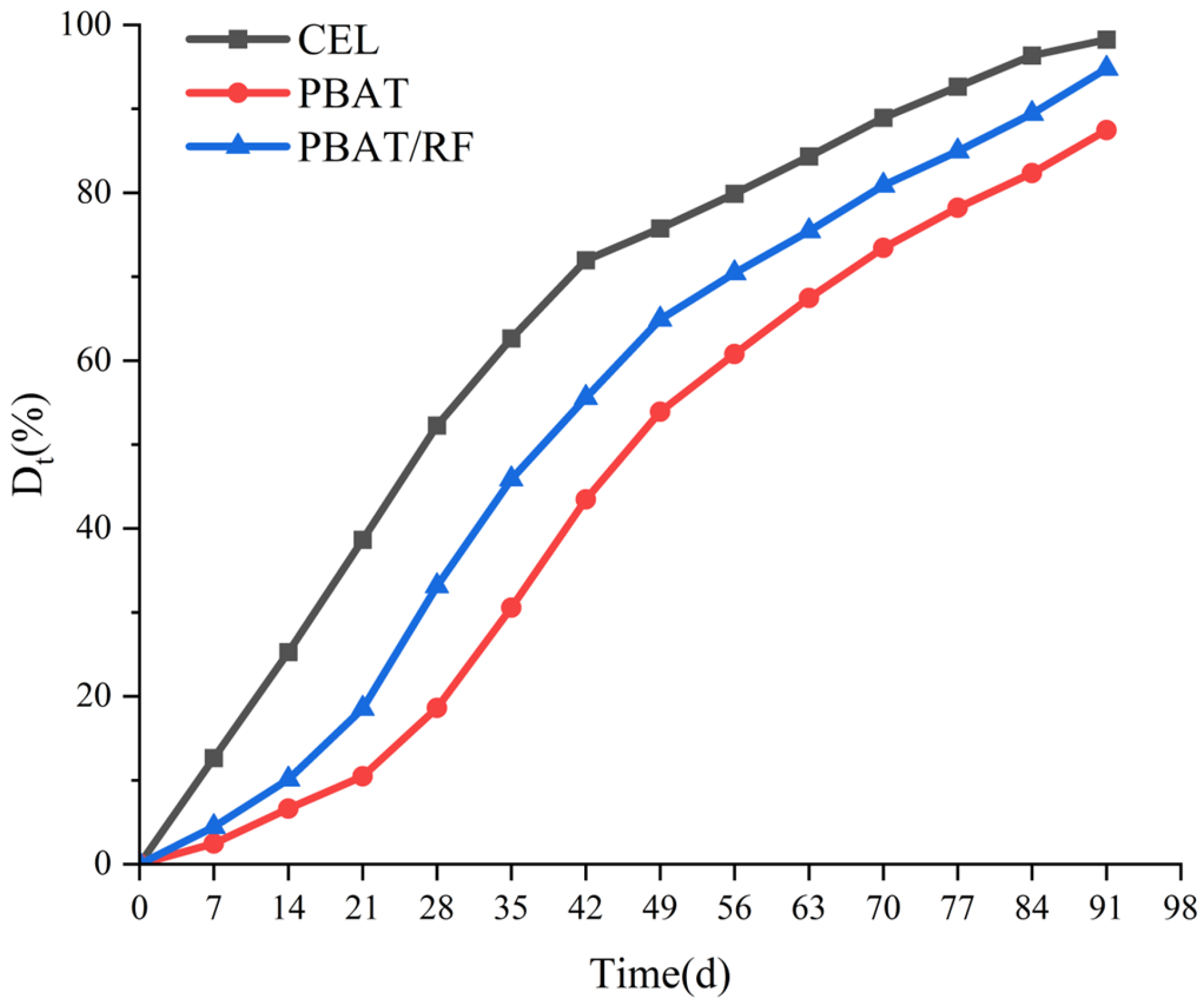
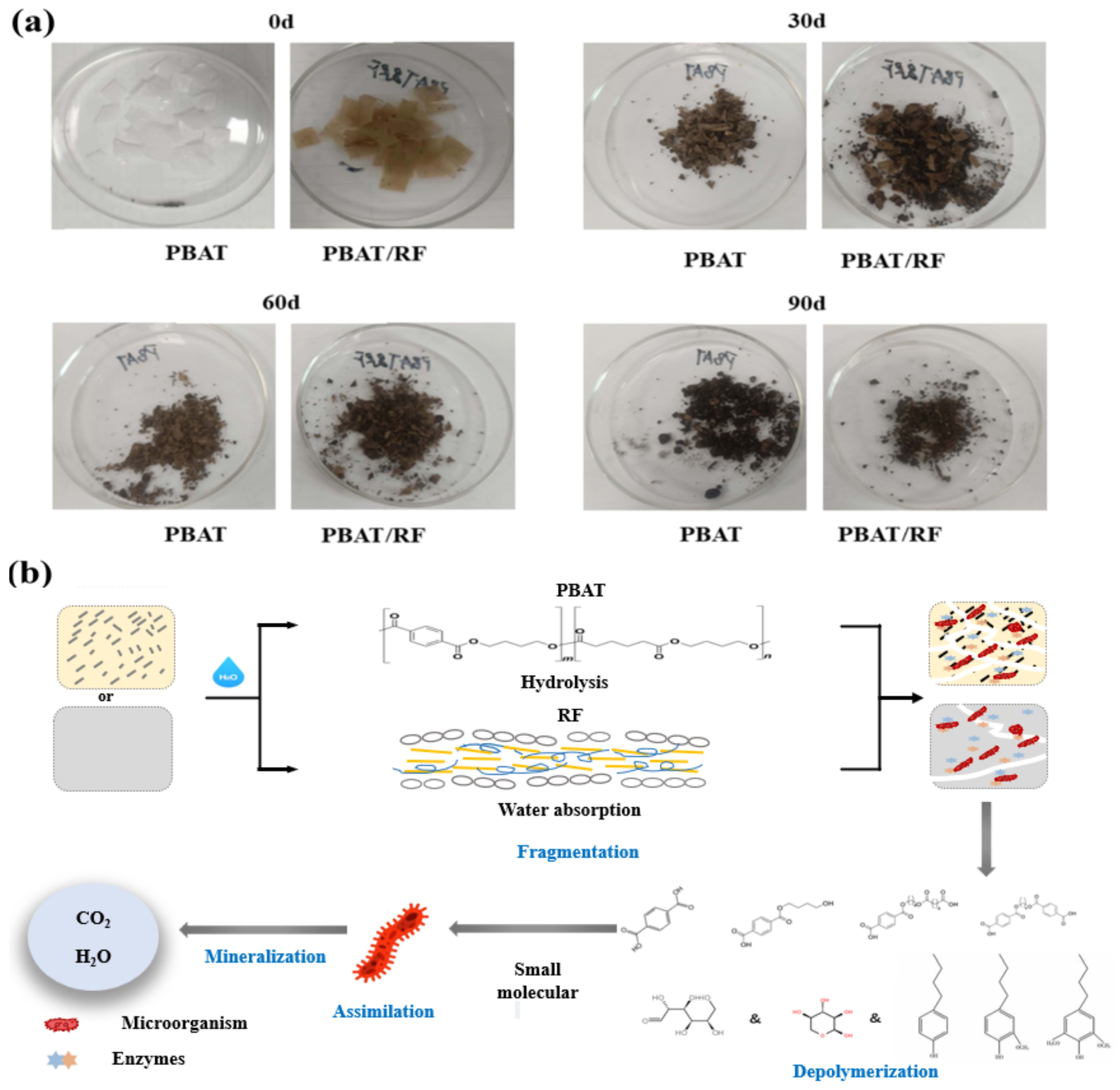
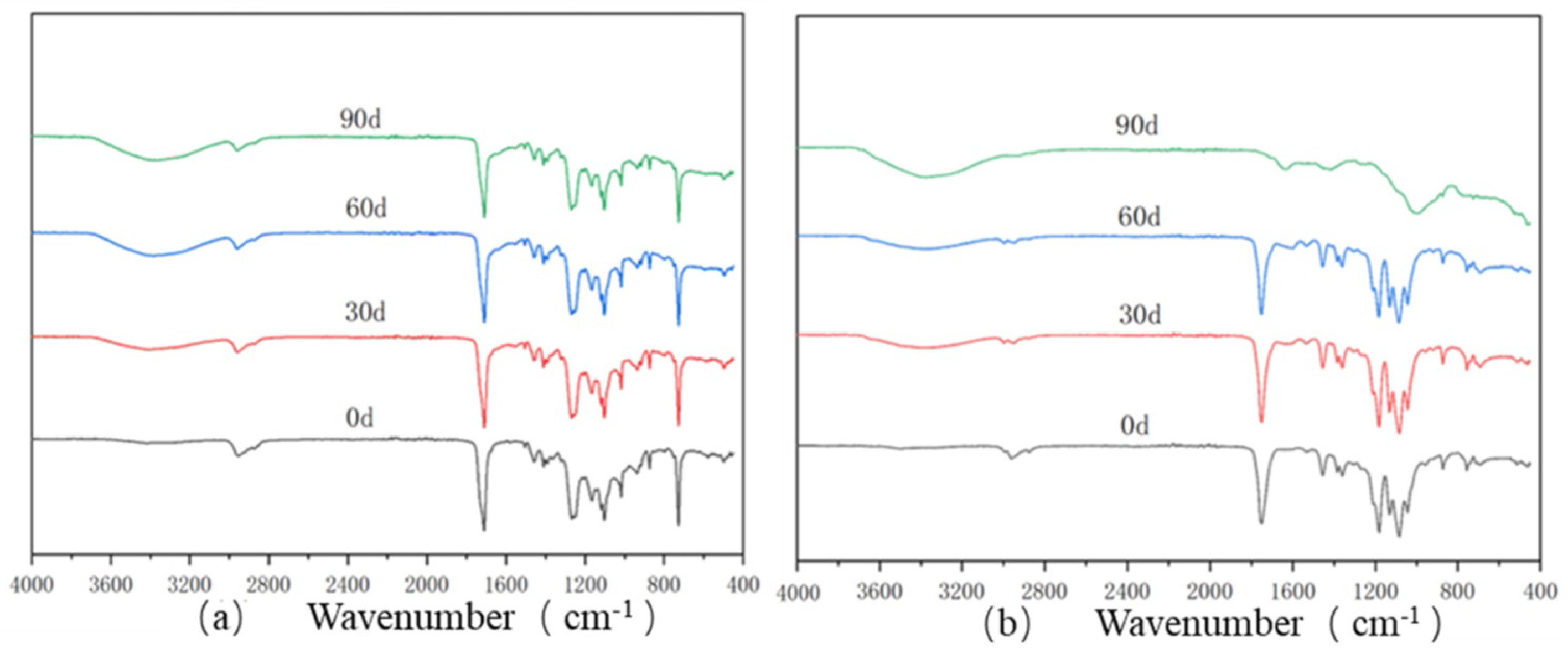
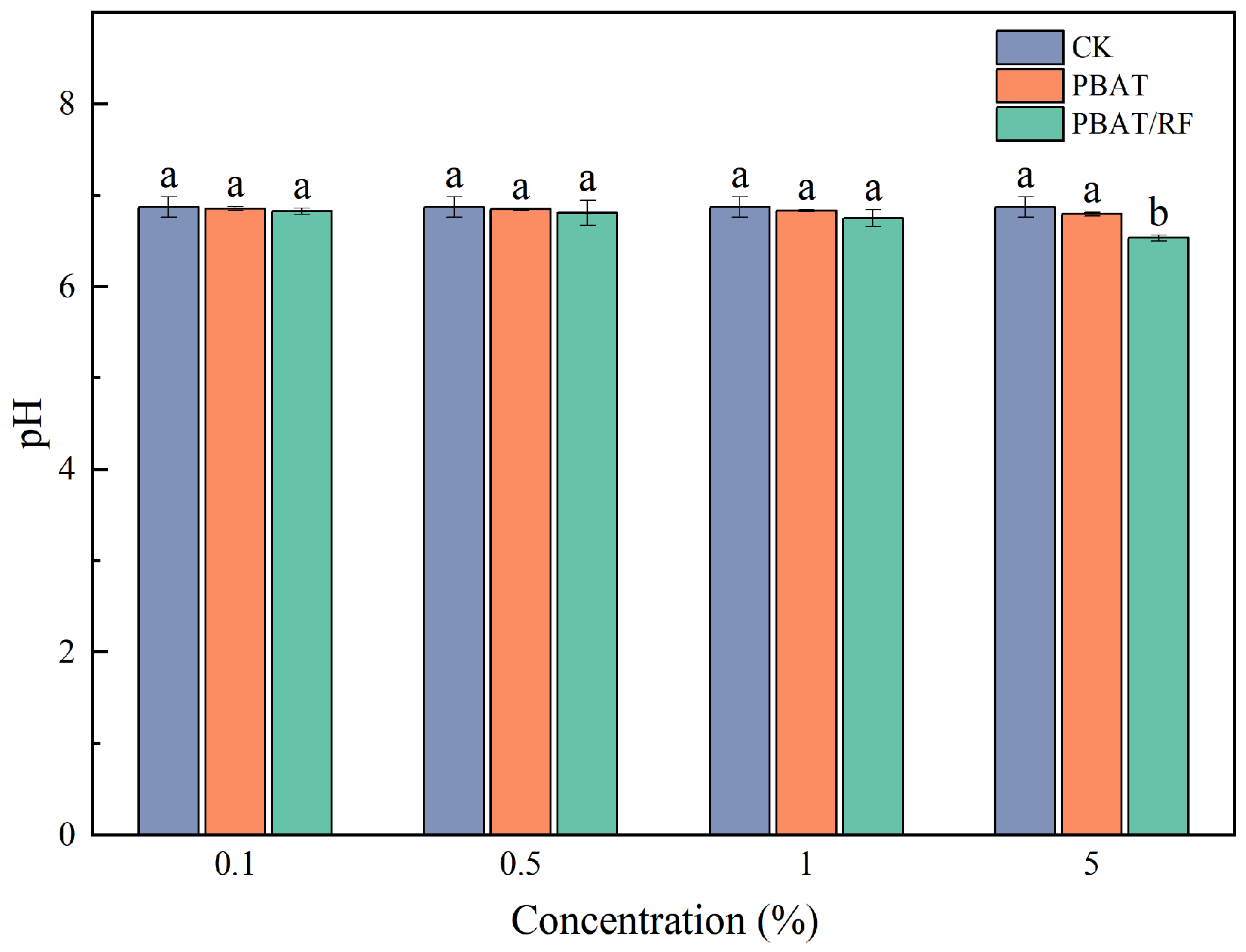
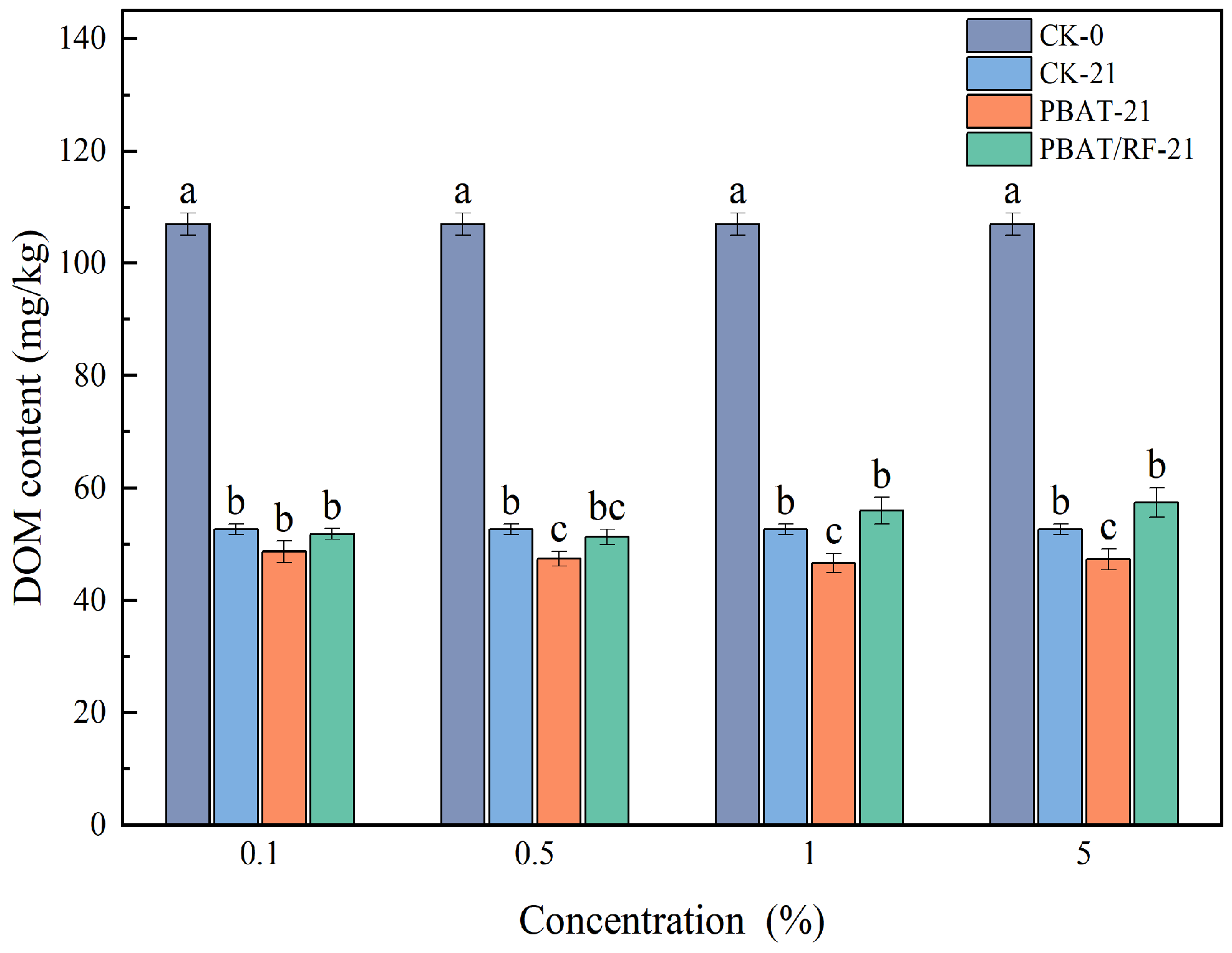
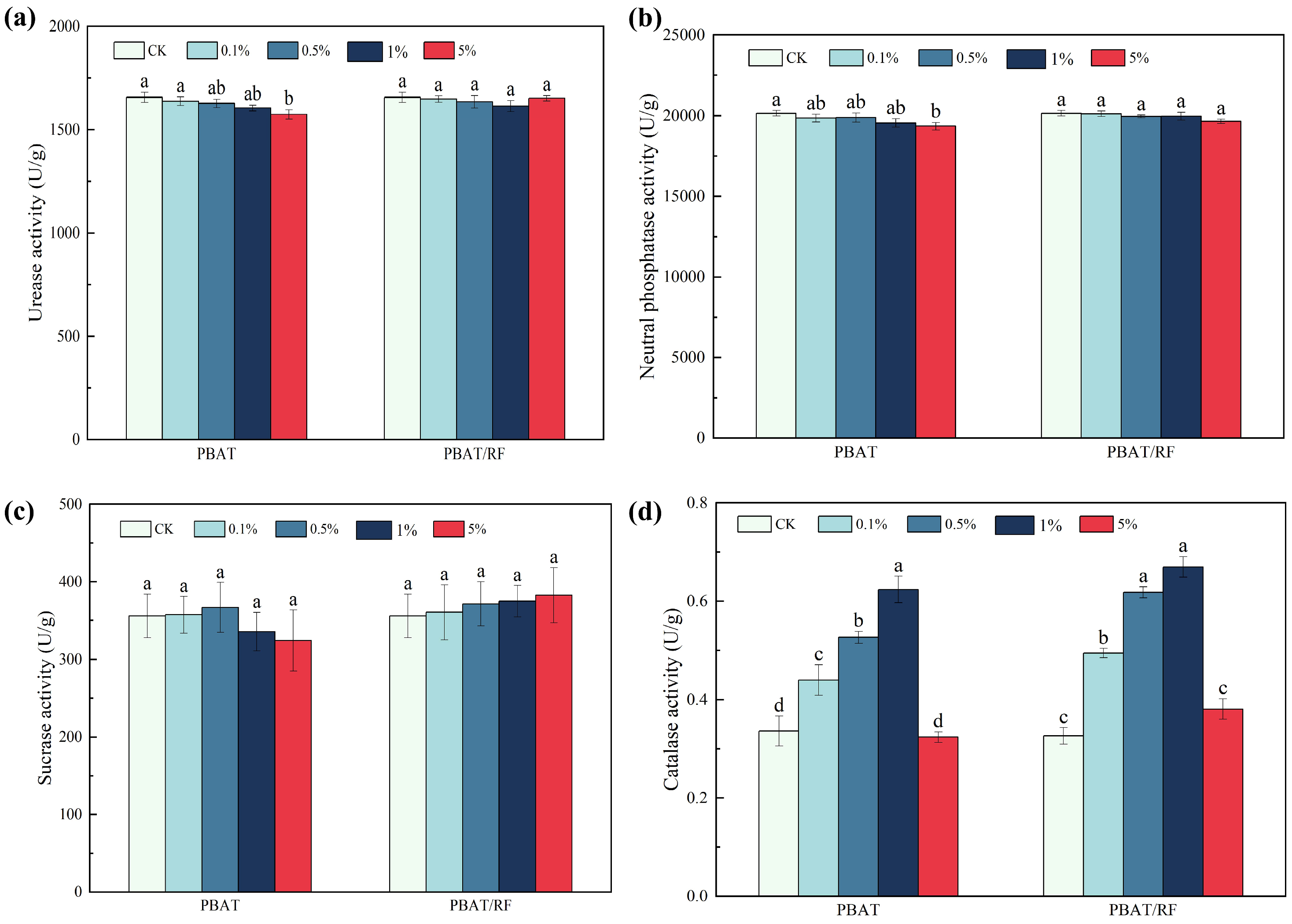
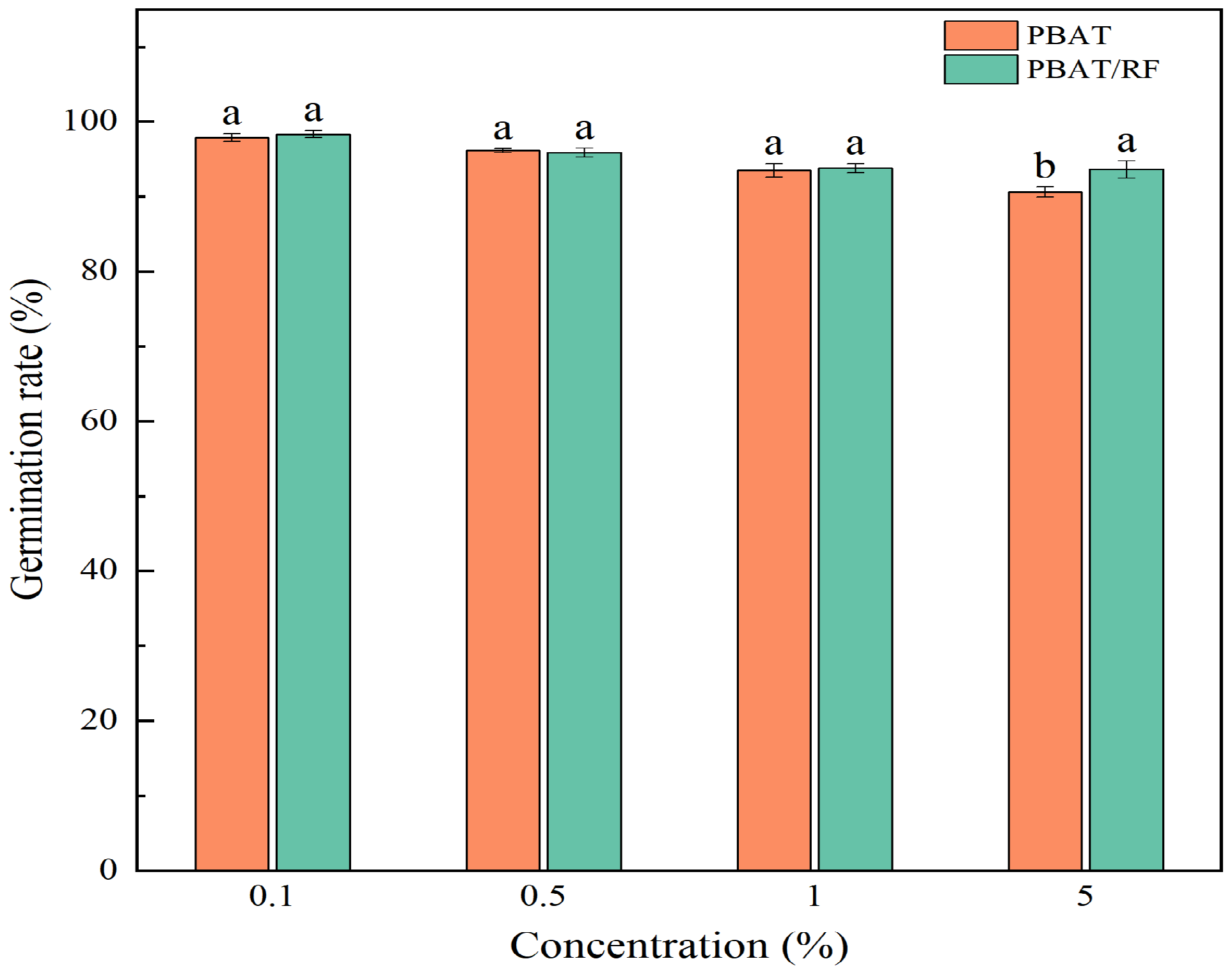
Poly (butylene adipate-co-terephthalate) (PBAT) and PBAT/reed fiber (RF) mulch films were prepared. The molecular structural changes and surface morphological evolution during the degradation process were systematically characterized using Fourier-transform infrared spectroscopy (FTIR) and scanning electron microscopy (SEM). The prepared PBAT/RF mulch film biodegradation rate reached 90.43% within 91 days under controlled composting conditions, which was 9.52% higher than a pure PBAT mulch film. The effects of adding PBAT and PBAT/RF microplastics on soil properties and soybean physiological indicators were dynamic. The study demonstrated that the incorporation of 5% PBAT/RF mulch film fragments into soil led to a 5.1% reduction in soil pH and a 17.2% increase in soluble organic carbon content. While the effects of 5% PBAT/RF on soil urease and neutral phosphatase activities were non-significant, sucrase activity decreased by 7.4% and catalase activity was reduced to 0.38 U/g. Additionally, the addition of 5% PBAT/RF resulted in a soybean germination rate of 93.74%, which was 4.0% higher than that observed in the group treated with 5% PBAT alone. The experimental data revealed a 7.2% reduction in leaf chlorophyll content, with concomitant growth inhibition in the soybean seedlings. The study demonstrated that the PBAT/RF composite film achieved 89% biodegradation within 180 days under field conditions, effectively mitigating post-application effects on agroecosystems compared to conventional polyethylene mulch.
Keywords: poly(butylene adipate-co-terephthalate); reed; mulch film; soil environment; plant growth poly(butylene adipate-co-terephthalate); reed; mulch film; soil environment; plant growth