Article

The Role of Crosslinking Agents in the Development of Collagen–Hydroxyapatite Composite Materials for Bone Tissue Engineering


by
Alina Florentina Vladu
1,2,3,4,
Madalina Georgiana Albu Kaya
5,*,
Roxana Doina Truşcă
2,3,
Ludmila Motelica
2,3,4,6,7,
Vasile-Adrian Surdu
2,3,4,
Ovidiu Cristian Oprea
2,3,6,8,
Rodica Roxana Constantinescu
5,
Bogdan Cazan
1,
Denisa Ficai
3,4,6,8,
Ecaterina Andronescu
2,3,4,6 and
Anton Ficai
2,3,4,6
1
The National Research and Development Institute for Textiles and Leather, Lucretiu Patrascanu, 030508 Bucharest, Romania
2
Science and Engineering of Oxide Materials and Nanomaterials, Faculty of Chemical Engineering and Biotechnologies, National University of Science and Technology POLITEHNICA Bucharest, Gh. Polizu 1-7, 011061 Bucharest, Romania
3
National Center for Micro and Nanomaterials, National University of Science and Technology POLITEHNICA Bucharest, Splaiul Independentei 313, 060042 Bucharest, Romania
4
National Center for Scientific Research for Food Safety, National University of Science and Technology POLITEHNICA Bucharest, Splaiul Independentei 313, 060042 Bucharest, Romania
5
Division of Leather and Footwear Research Institute, The National Research and Development Institute for Textiles and Leather, 93 Ion Minulescu Str., 031215 Bucharest, Romania
6
Academy of Romanian Scientists, Ilfov Street 3, 050044 Bucharest, Romania
7
Research Center for Advanced Materials, Products and Processes, National University of Science and Technology POLITEHNICA Bucharest, 060042 Bucharest, Romania
8
Department of Inorganic Chemistry, Physical Chemistry and Electrochemistry, Faculty of Chemical Engineering and Biotechnologies, National University of Science and Technology POLITEHNICA Bucharest, Gh. Polizu 1-7, 011061 Bucharest, Romania
*
Author to whom correspondence should be addressed.
Materials 2025, 18(5), 998; https://doi.org/10.3390/ma18050998
Submission received: 28 December 2024 / Revised: 24 January 2025 / Accepted: 6 February 2025 / Published: 24 February 2025

Abstract

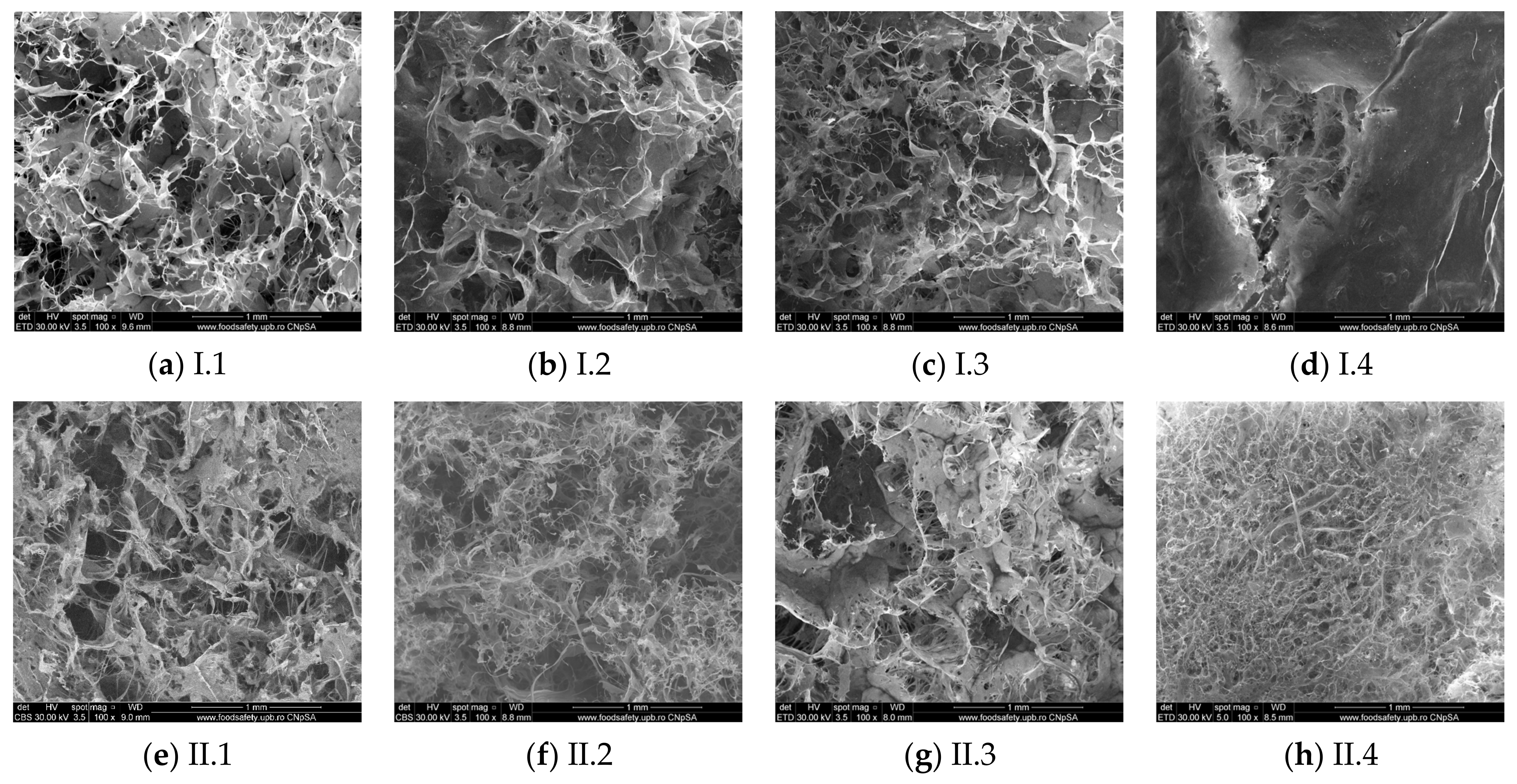
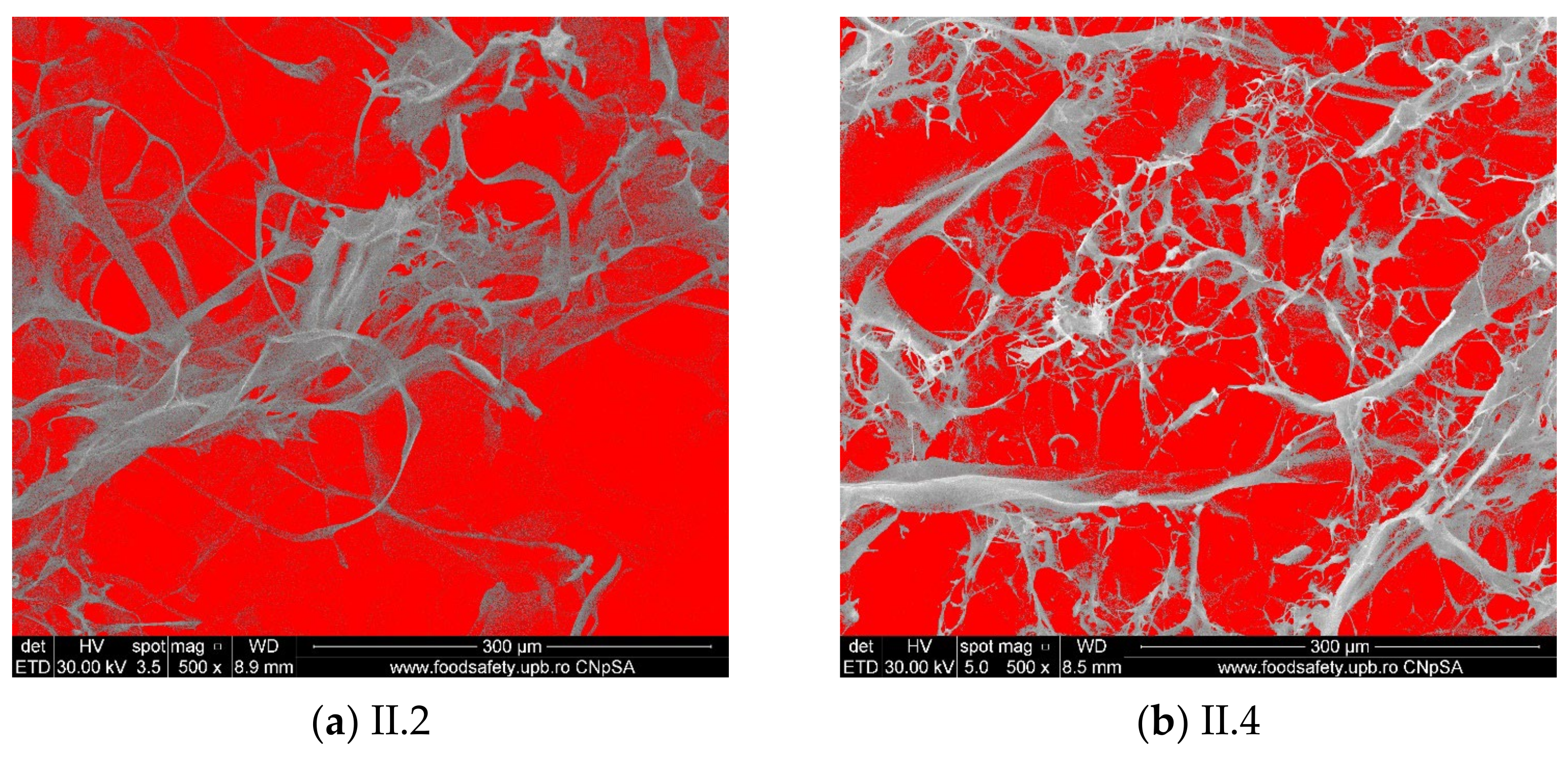
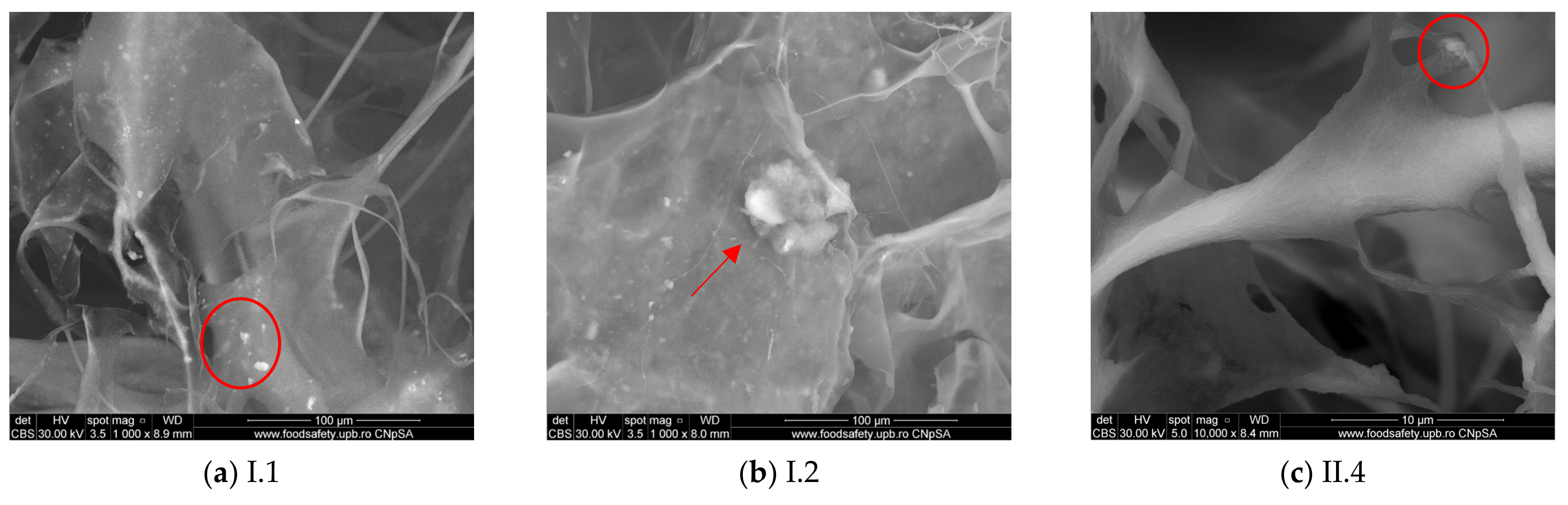
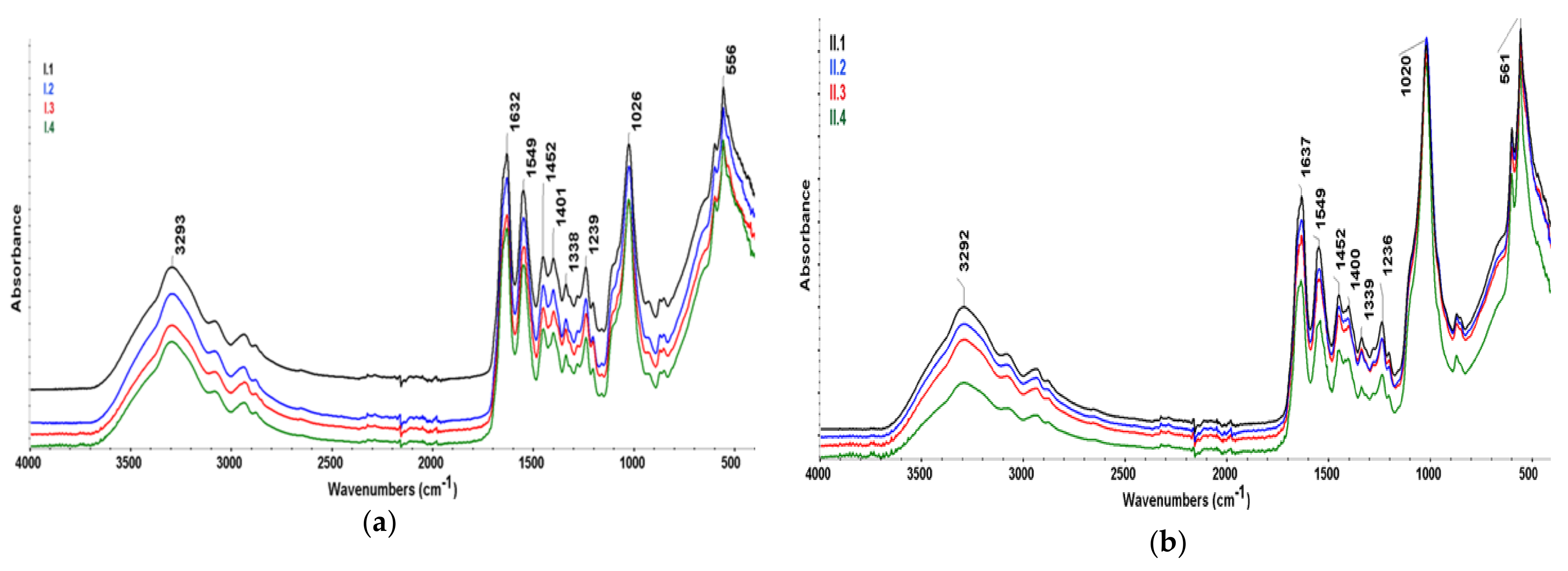
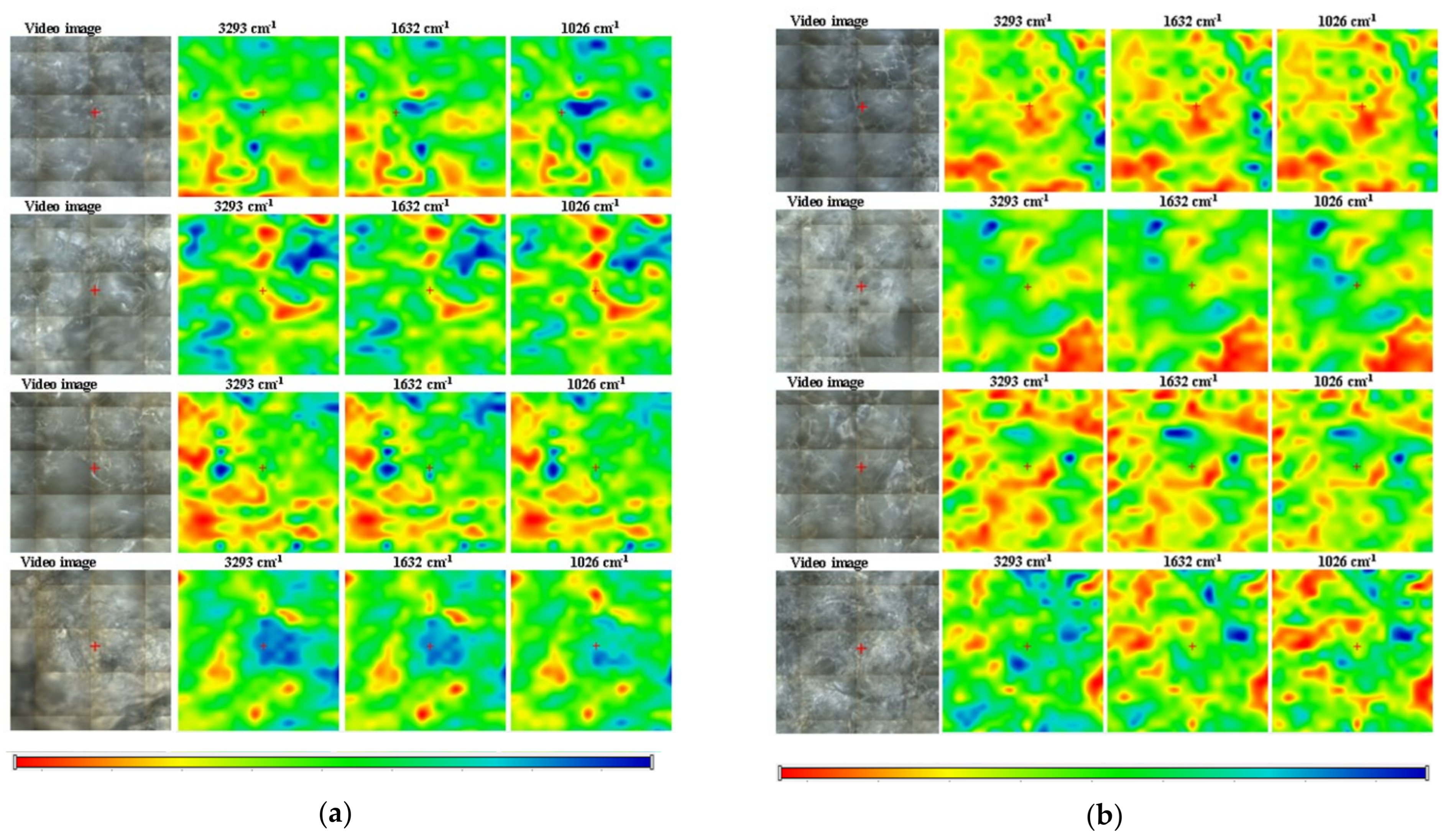
The lack of bone grafts represents a major issue in the orthopedic field, reconstructive surgery, and dentistry. There are several bone conditions that often demand the use of grafts, such as fractures, infections, and bone cancer. The number of bone cancer cases increased in the past few decades and along with it, the need for bone grafting materials. To avoid the use of autografts and allografts there has been an increased interest towards synthetic grafts. This research aims to develop some collagen/hydroxyapatite (Coll/HAp) scaffolds cross-linked with three different agents that could be used in bone tissue engineering (BTE). These scaffolds were obtained with a freeze-drying method after the in situ formation of hydroxyapatite inside the collagen matrix. They were structurally and morphologically characterized and evaluated in terms of antimicrobial activity on E. coli and S. aureus bacterial strains. The results revealed that the scaffolds have porous structures with interconnected pores of suitable dimensions and well-distributed inorganic phases. Coll/HAp samples showed great antibacterial activity even without the use of typically used antibacterial agents. These findings allow us to conclude that these scaffolds are promising candidates for use in BTE and bone cancer treatment after the incorporation of specific antitumoral drugs.
Keywords: composite materials; bone tissue engineering; freeze-drying; in situ hydroxyapatite composite materials; bone tissue engineering; freeze-drying; in situ hydroxyapatite