Article

Ductile Fracture of L360QS Pipeline Steel Under Multi-Axial Stress States

1
School of Civil Engineering and Architecture, Southwest University of Science and Technology, Mianyang 621010, China
2
Deyuan Technology Co., Ltd., Chengdu 610095, China
*
Authors to whom correspondence should be addressed.
Materials 2025, 18(24), 5582; https://doi.org/10.3390/ma18245582
Submission received: 14 November 2025 / Revised: 7 December 2025 / Accepted: 9 December 2025 / Published: 12 December 2025
(This article belongs to the Section Metals and Alloys)

Abstract

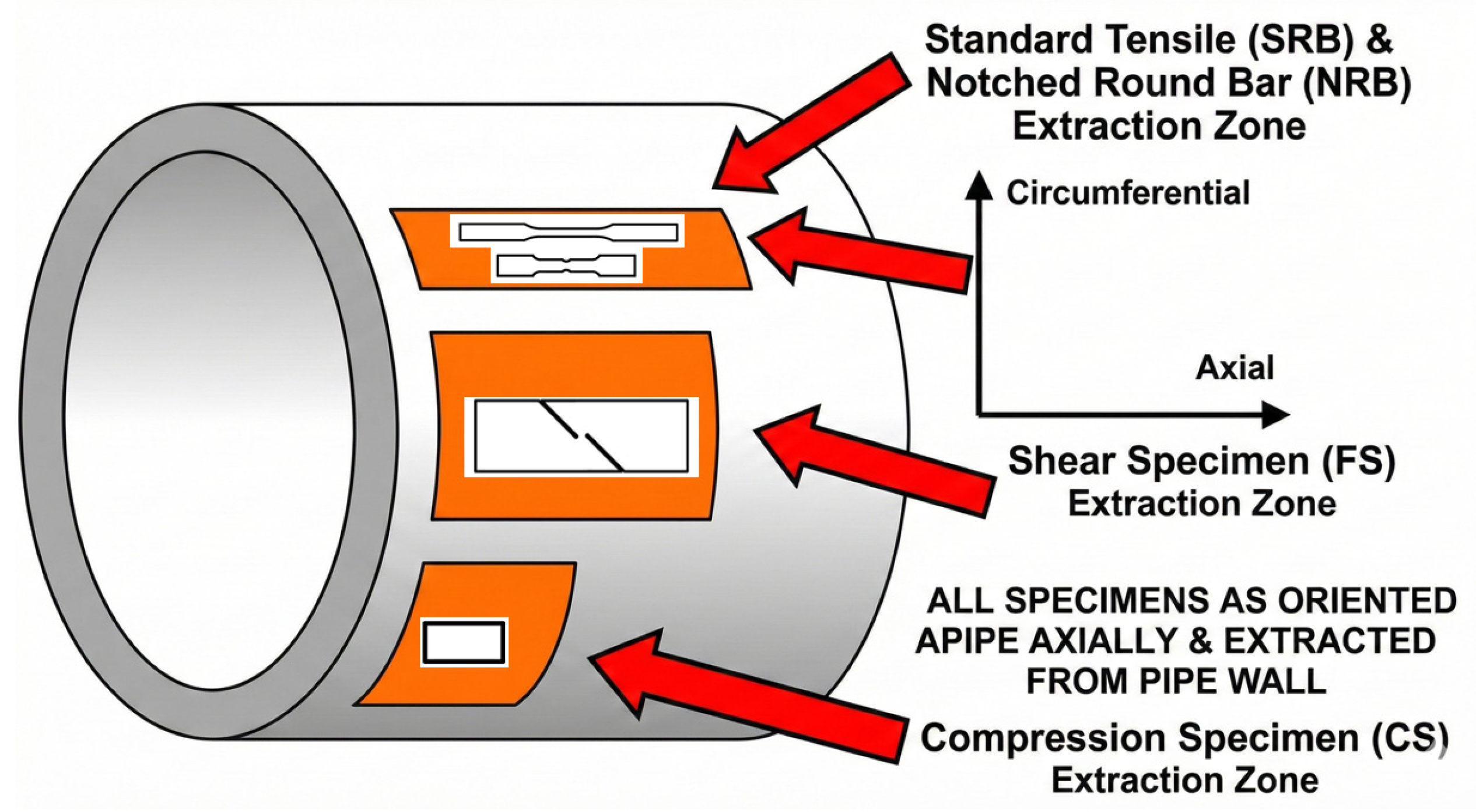
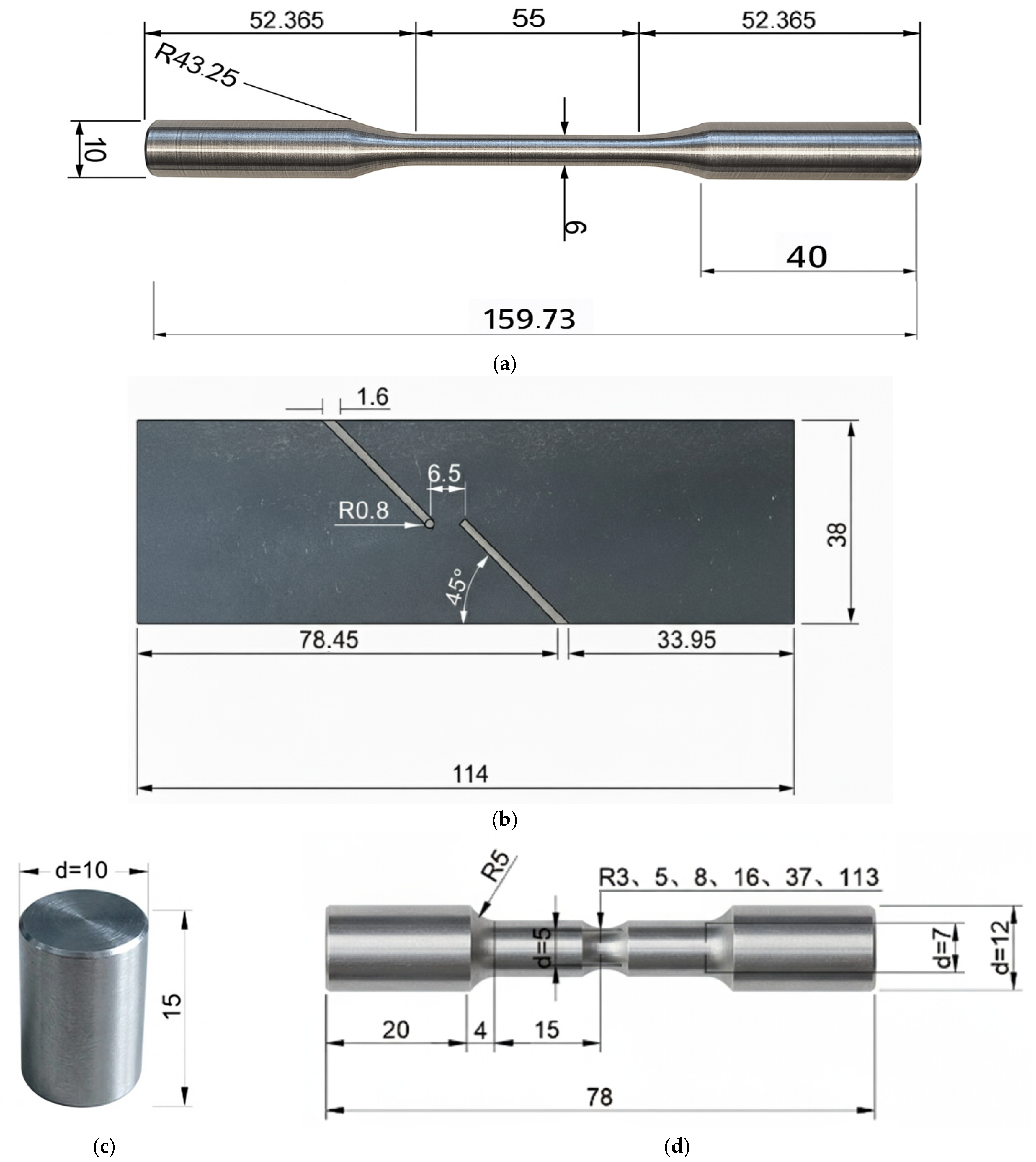
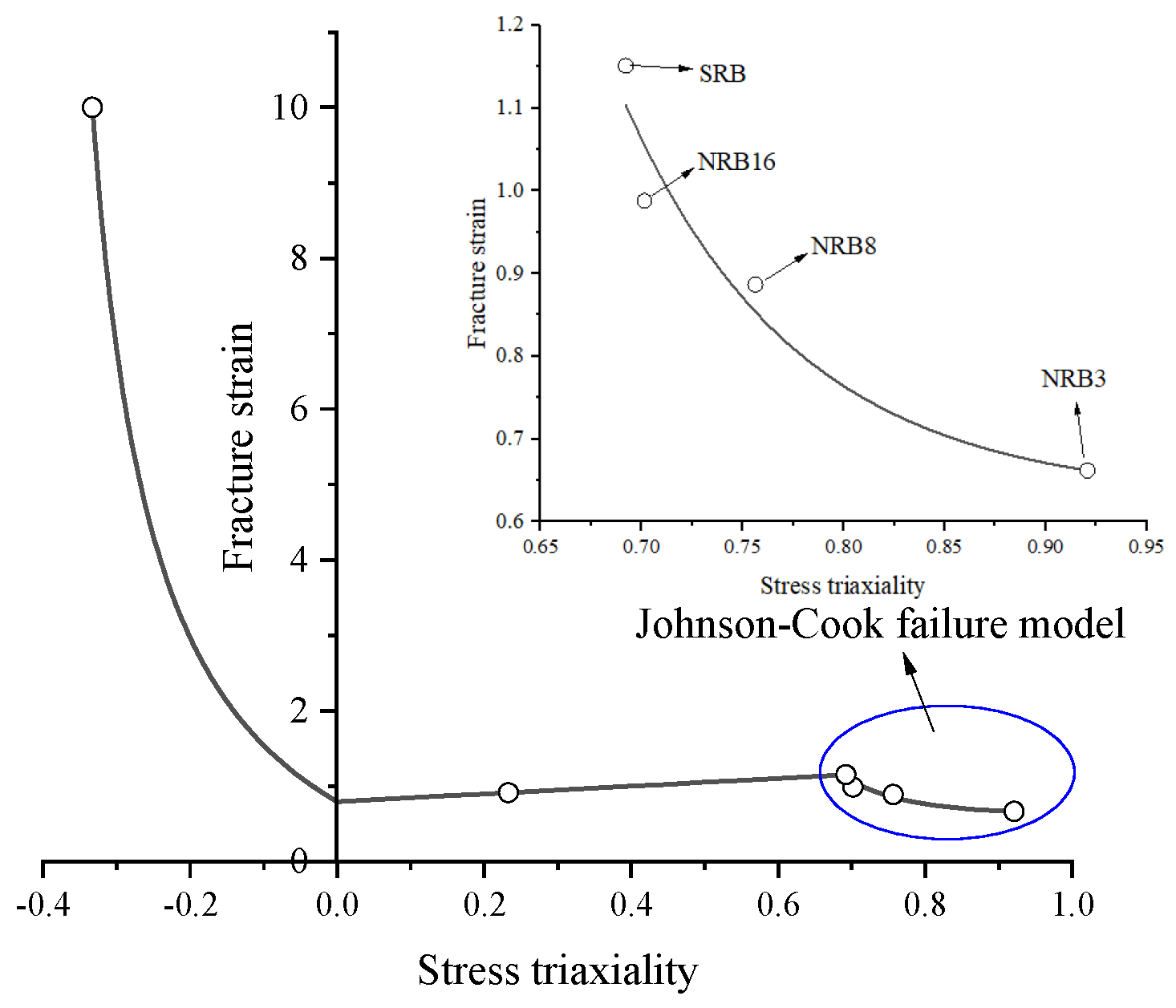
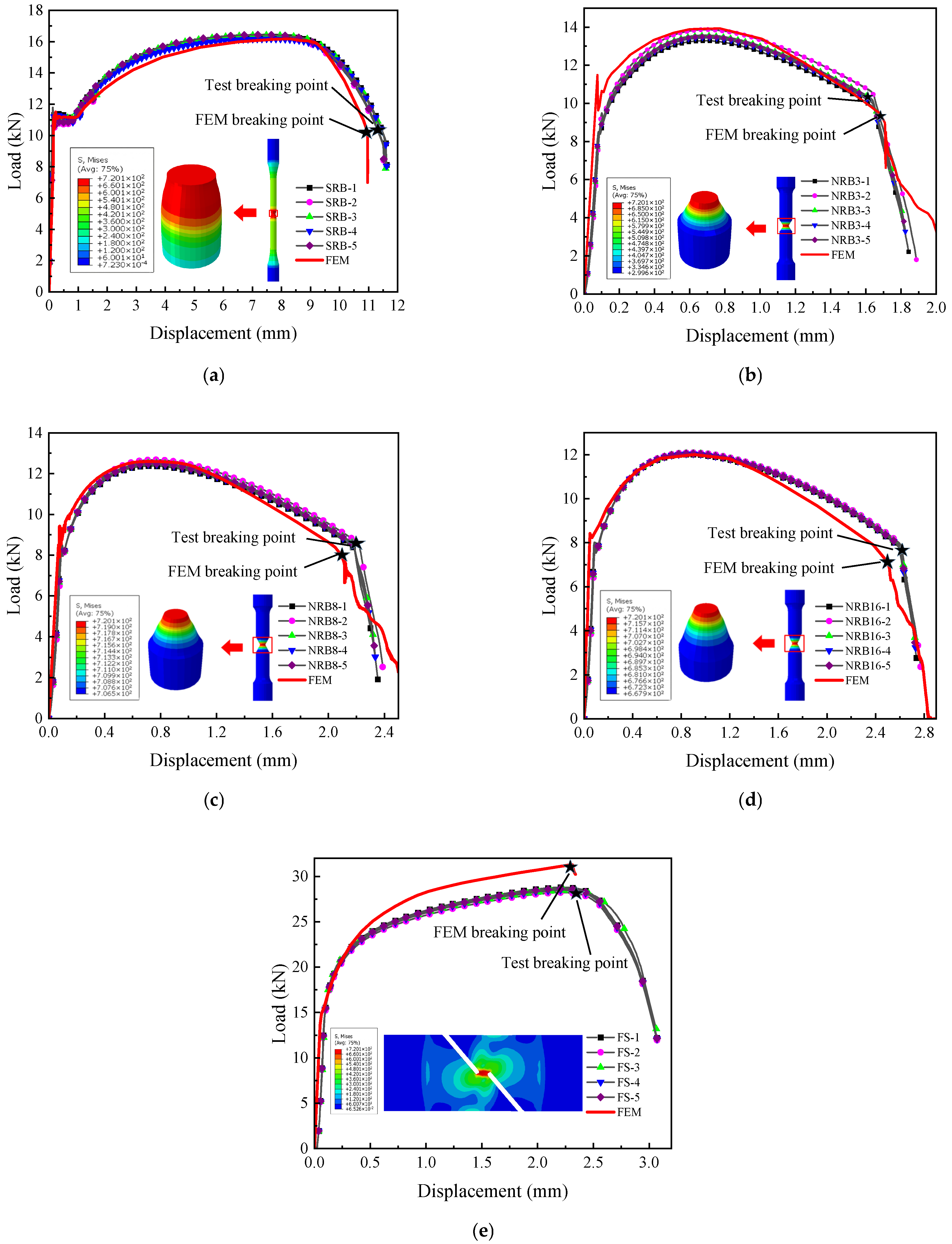
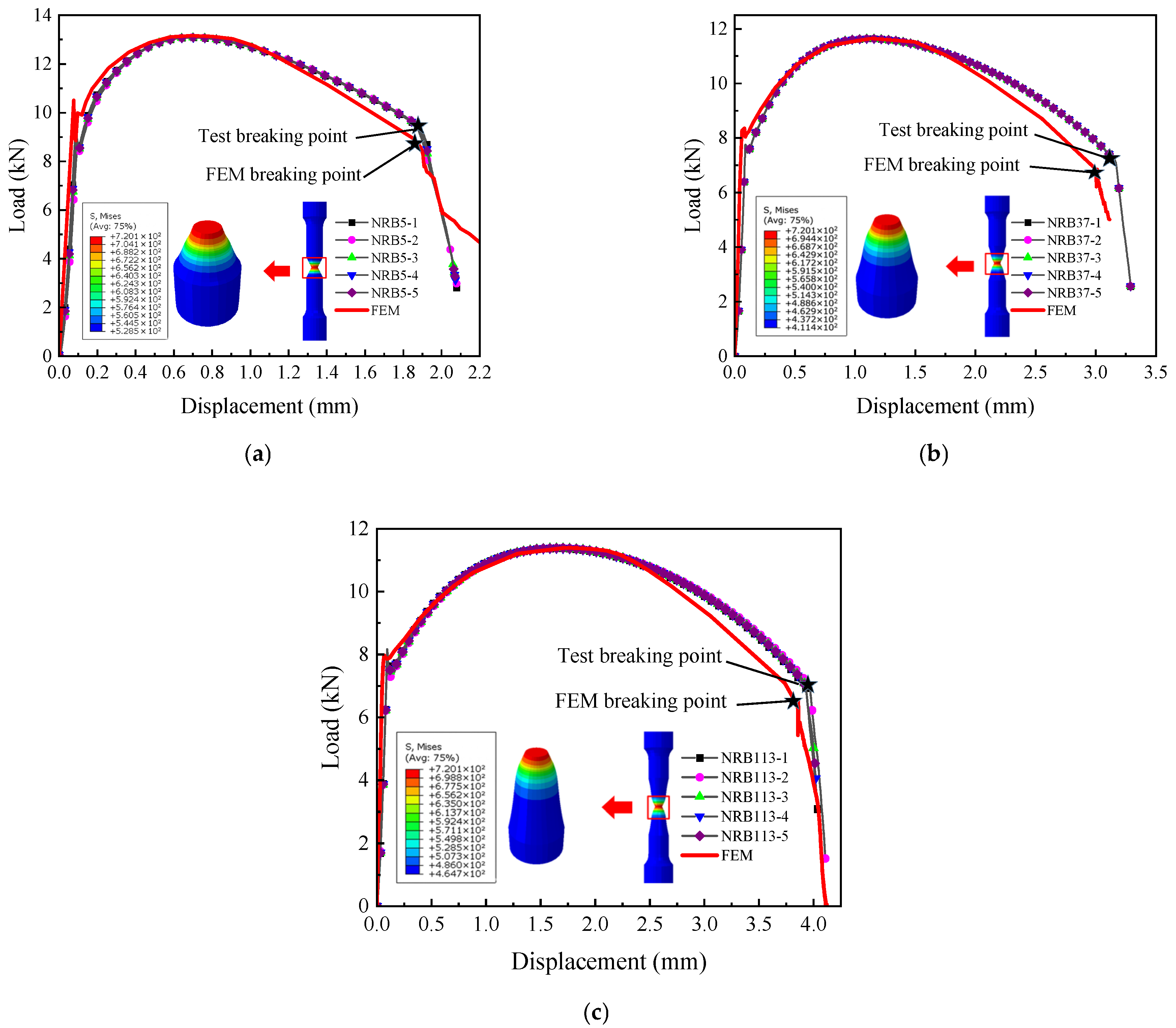
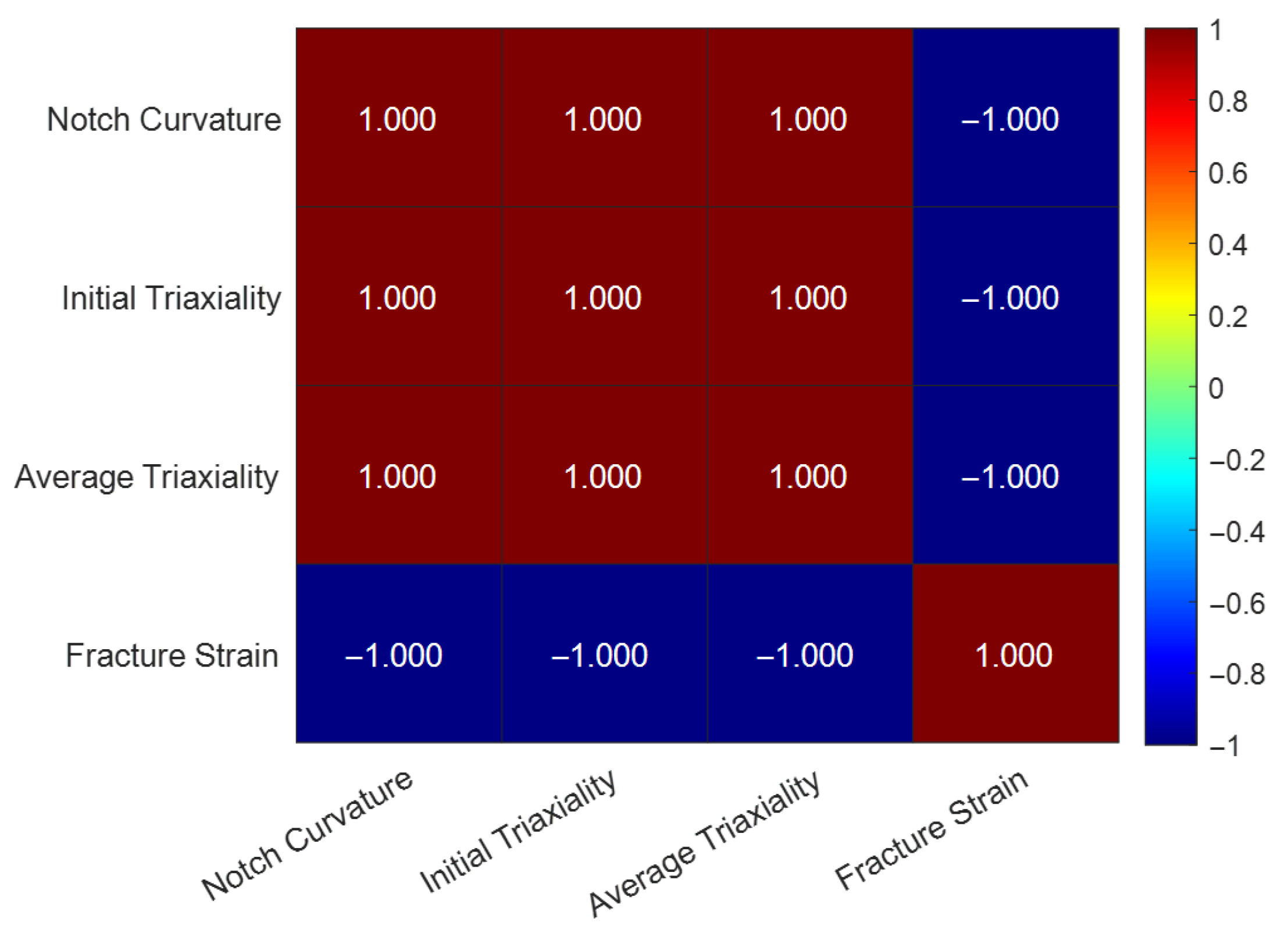
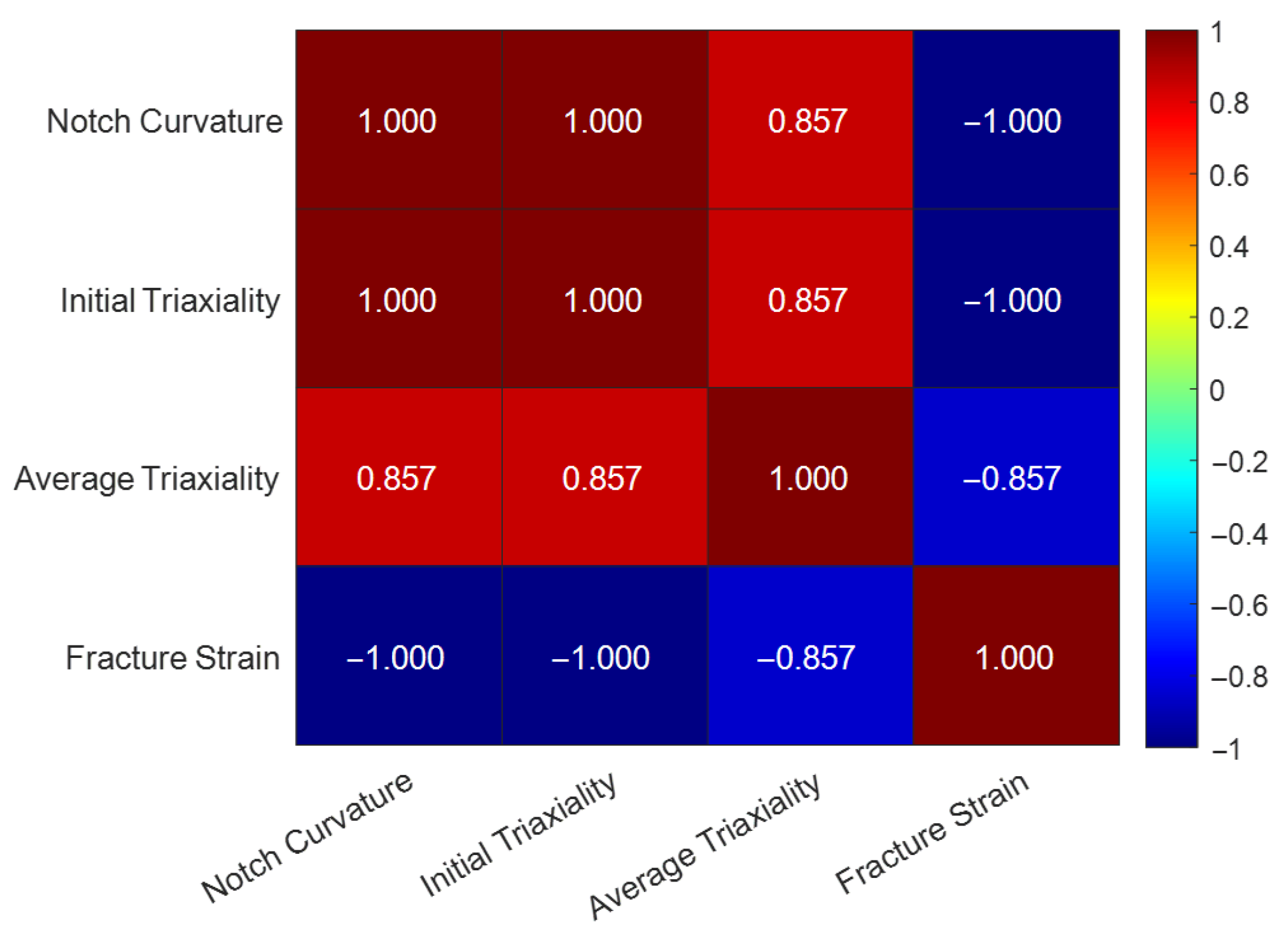
L360QS pipeline steel, due to its high toughness, high strength, resistance to sulfide stress cracking, and resistance to hydrogen-induced cracking, is increasingly being used in pipeline network construction. Its fracture behavior is a critical factor for safe operation in mountainous steep-slope environments, but it has not yet been widely studied. Therefore, this paper conducts extensive experiments on the ductile fracture of L360QS pipeline steel. The tests employed standard tensile, notched tensile, shear, and compression specimens, covering a stress triaxiality range from approximately −0.33 to 0.92. The study combined Ling’s iterative method to establish an elastoplastic constitutive model considering post-necking behavior, and incorporated it into finite element models to extract the average stress triaxiality and equivalent plastic strain at the moment of fracture initiation for each type of specimen. Based on the extracted data, a piecewise ductile fracture model was established: a simplified Johnson–Cook criterion is used in the high triaxiality range, while an empirical function is used to describe fracture behavior in the medium, low, and negative triaxiality ranges. The model was validated using a train–test split approach, predicting fracture displacements for an independent test set of specimens. The results showed all prediction errors were within 5%, demonstrating the model’s high accuracy. Furthermore, a Spearman correlation analysis quantified the influence of geometric factors, revealing that notch curvature has the strongest monotonic relationship in controlling average stress triaxiality and fracture strain. The fracture model established in this paper can accurately predict the fracture behavior of L360QS pipeline steel and provides a reliable basis for failure prediction and safety assessment under complex service conditions (such as mountainous steep slopes).
Keywords: L360QS pipeline steel; ductile fracture; finite element analysis; post-necking behavior; stress triaxiality L360QS pipeline steel; ductile fracture; finite element analysis; post-necking behavior; stress triaxiality