Article

Biomechanical Comparison of Patient-Specific Temporomandibular Joint Prostheses Using Ti6Al4V and CoCrMo Alloys: A Finite Element Analysis


1
Department of Oral and Maxillofacial Surgery, School of Dental Medicine, Bahcesehir University, Istanbul 34357, Turkey
2
Department of Research and Development, TST Medical Devices Co., Ltd., Istanbul 34906, Turkey
3
Department of Orthopedics and Traumatology, Fatsa Meditech Private Hospital, Ordu 52400, Turkey
*
Author to whom correspondence should be addressed.
Materials 2025, 18(21), 4822; https://doi.org/10.3390/ma18214822
Submission received: 28 August 2025 / Revised: 14 October 2025 / Accepted: 17 October 2025 / Published: 22 October 2025
(This article belongs to the Section Biomaterials)

Abstract

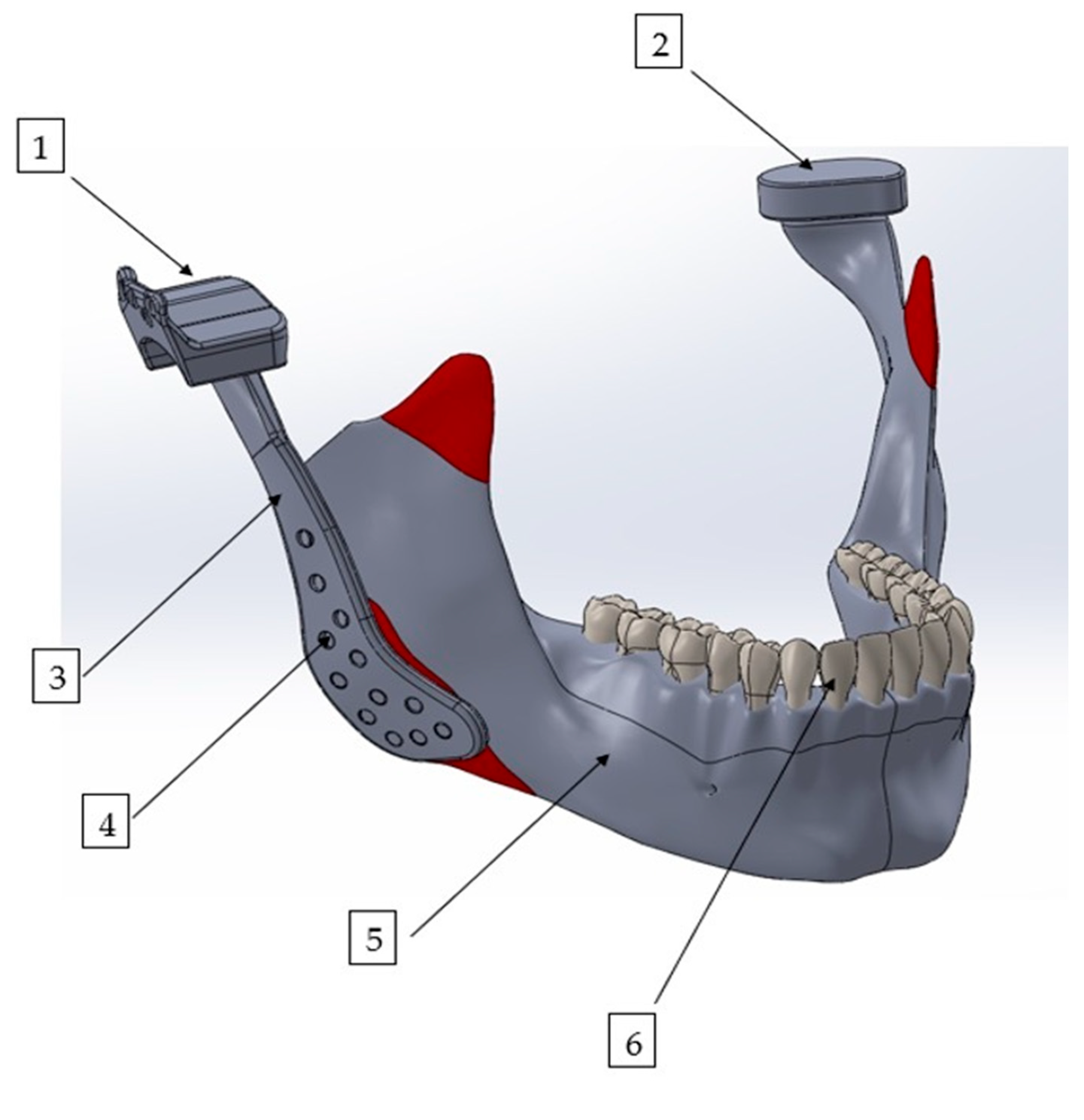
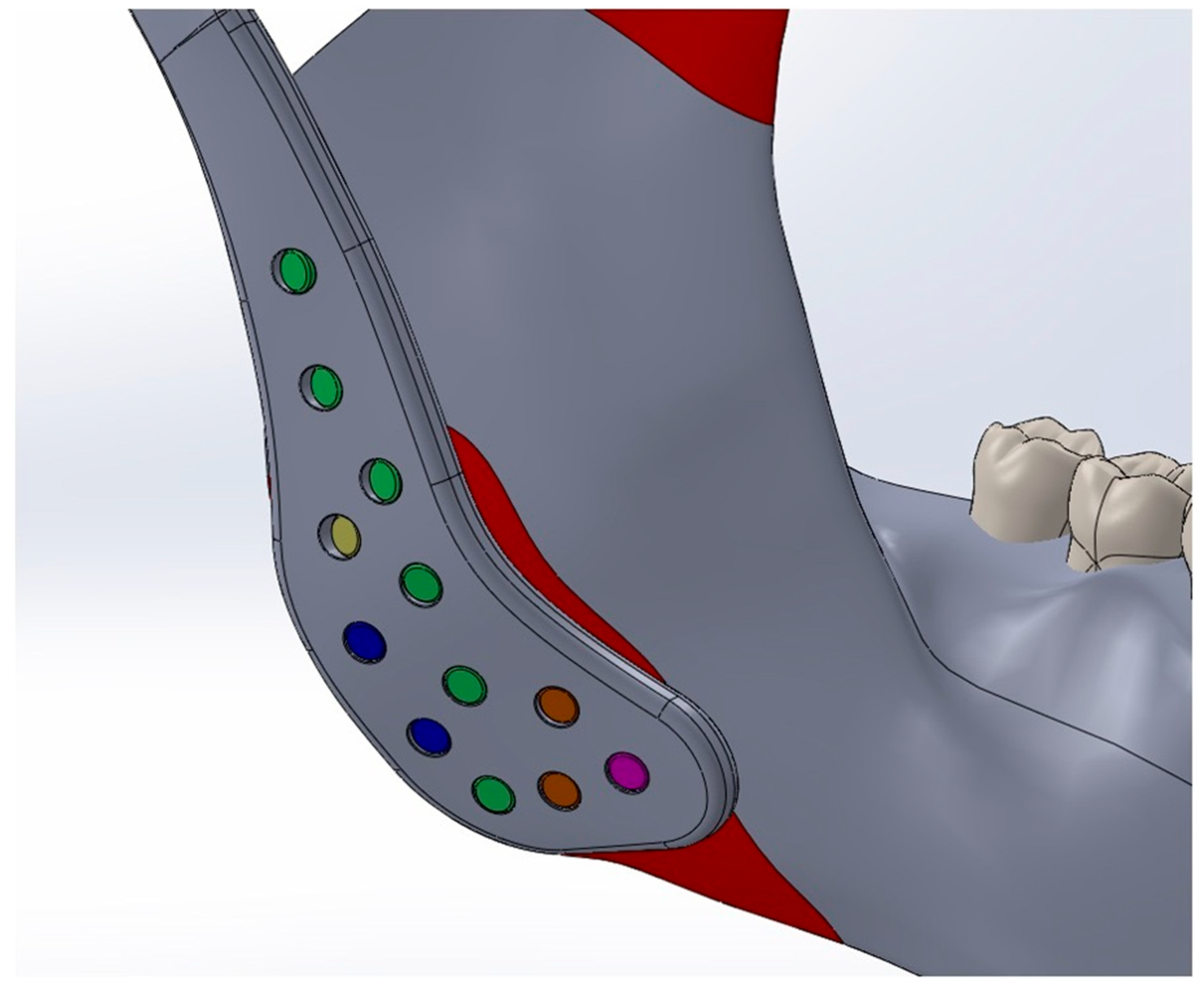
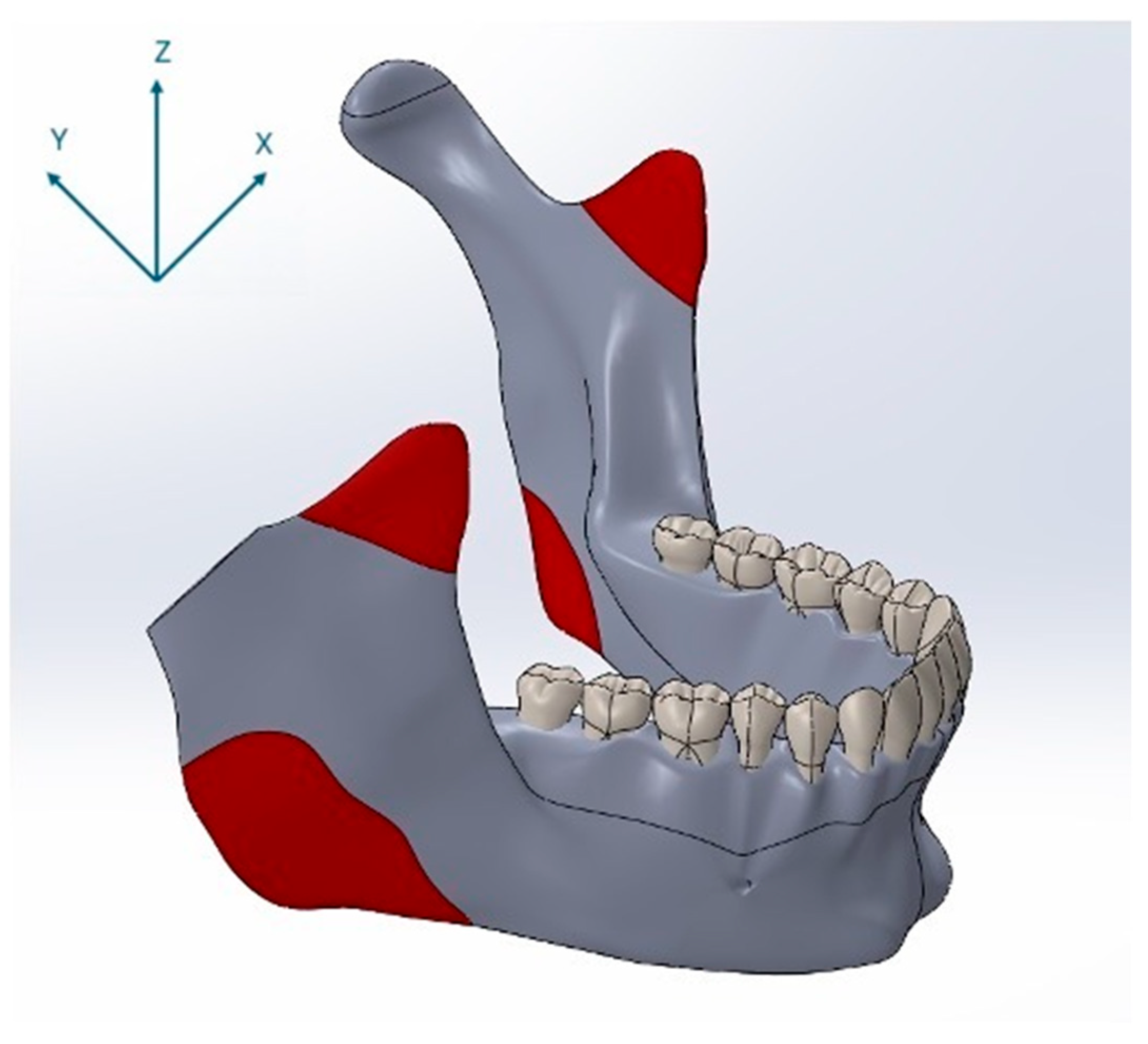
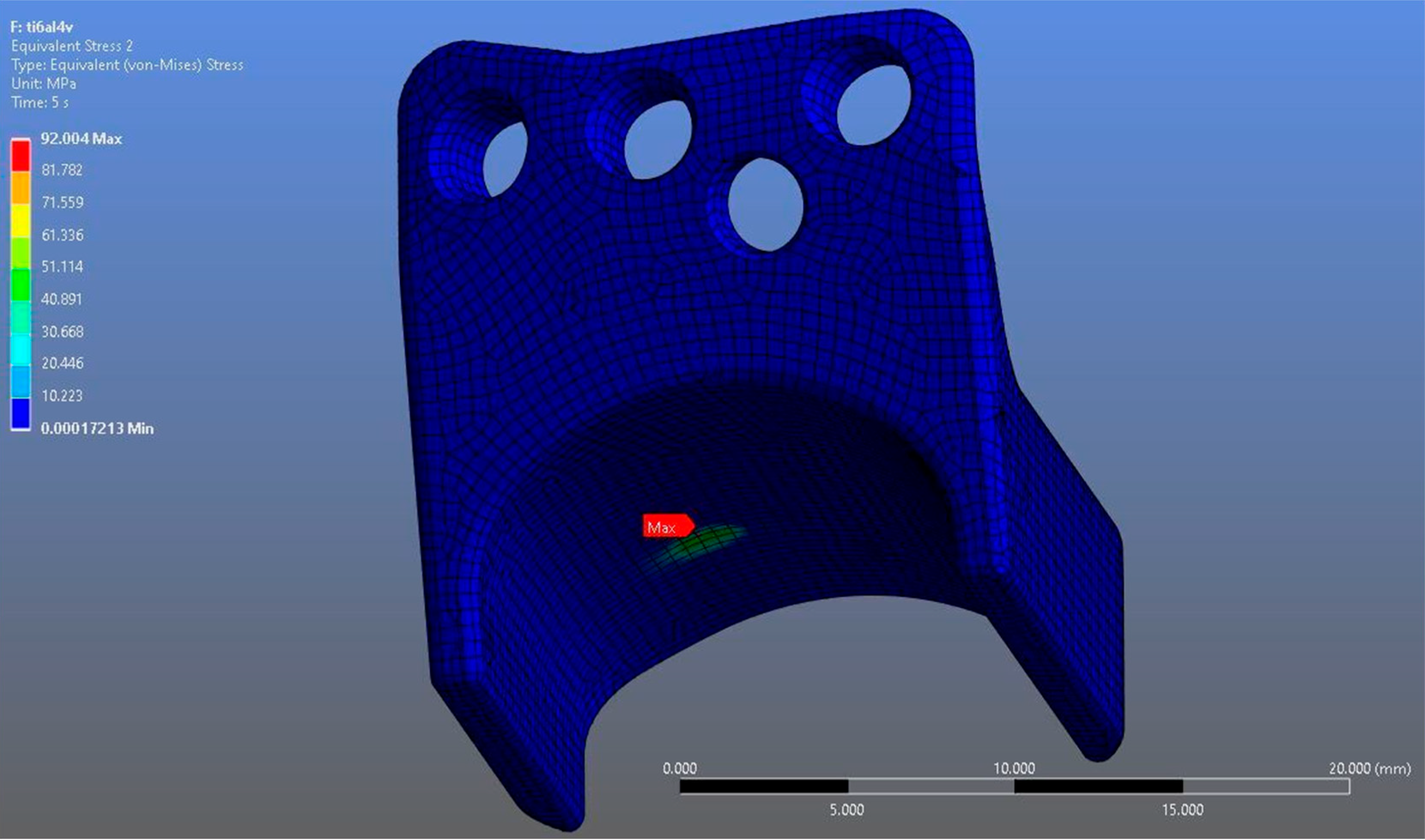
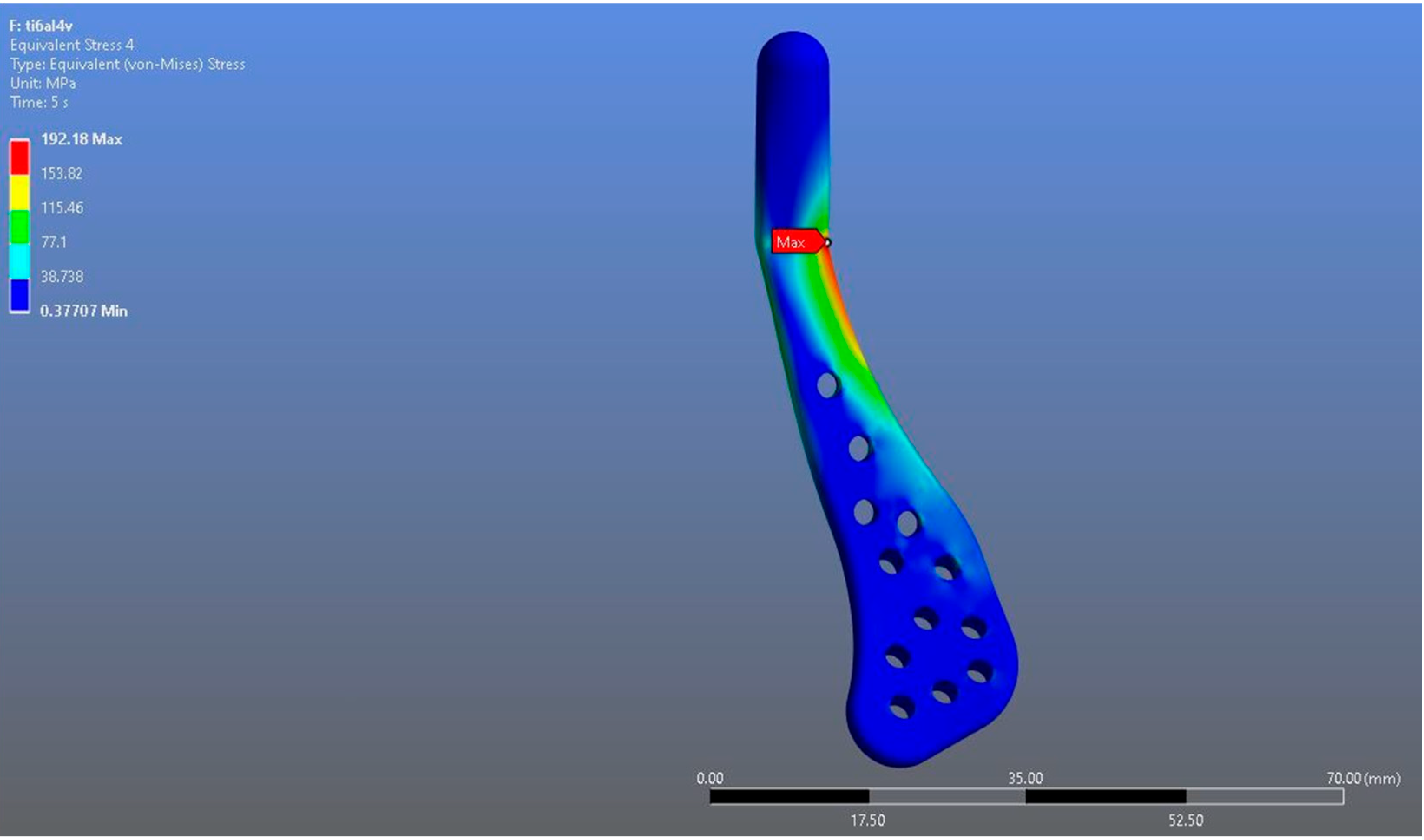
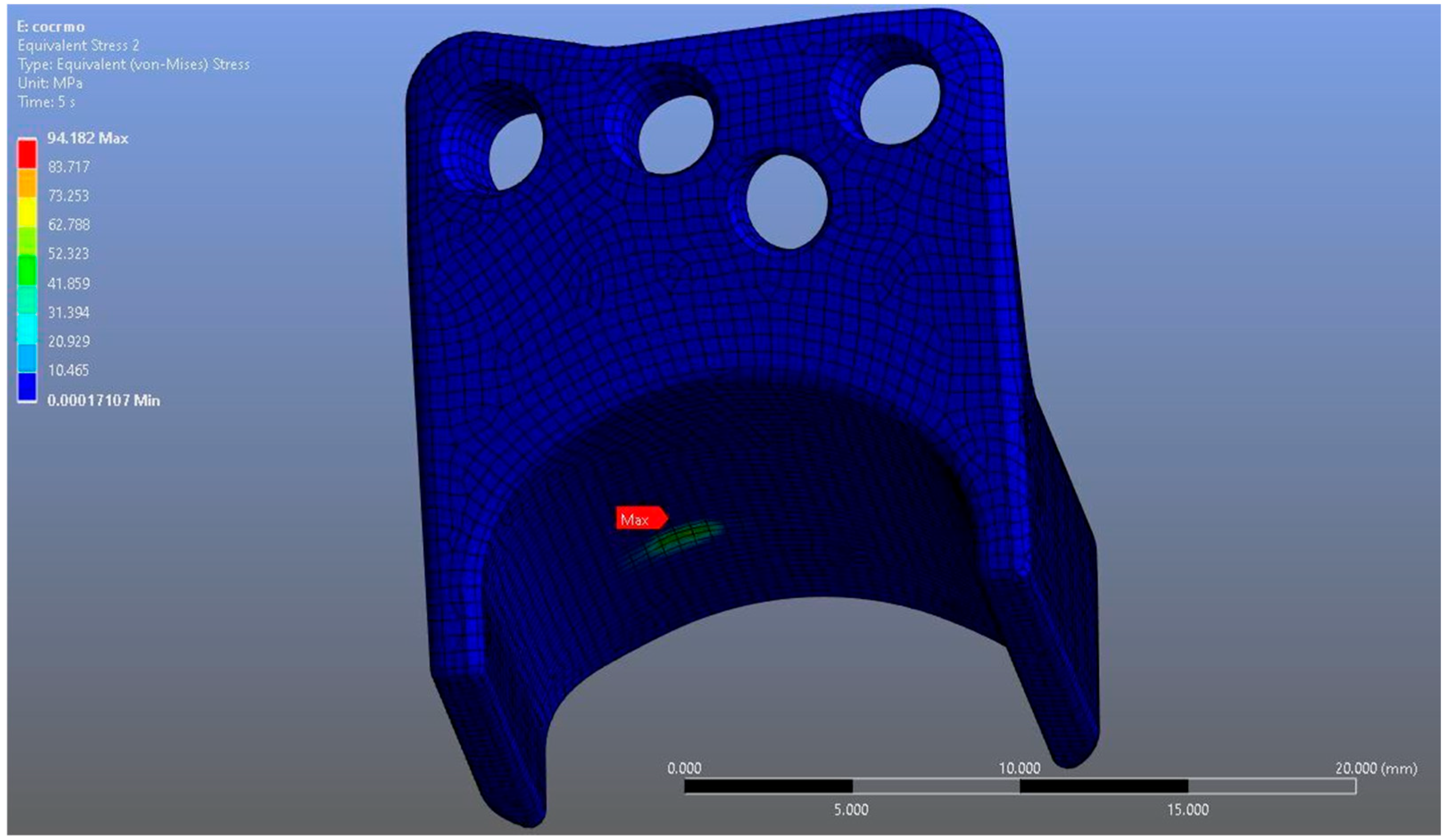
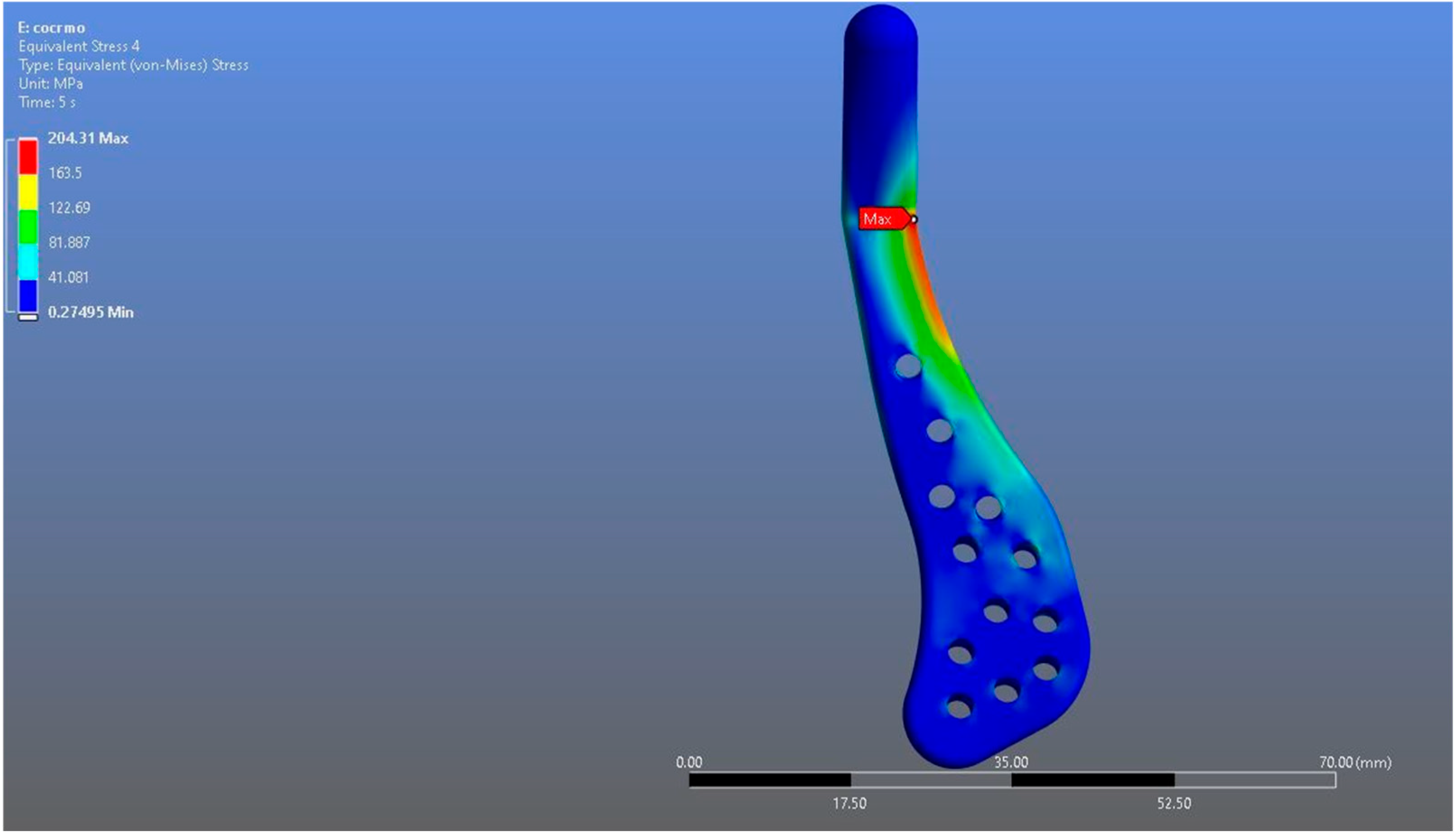
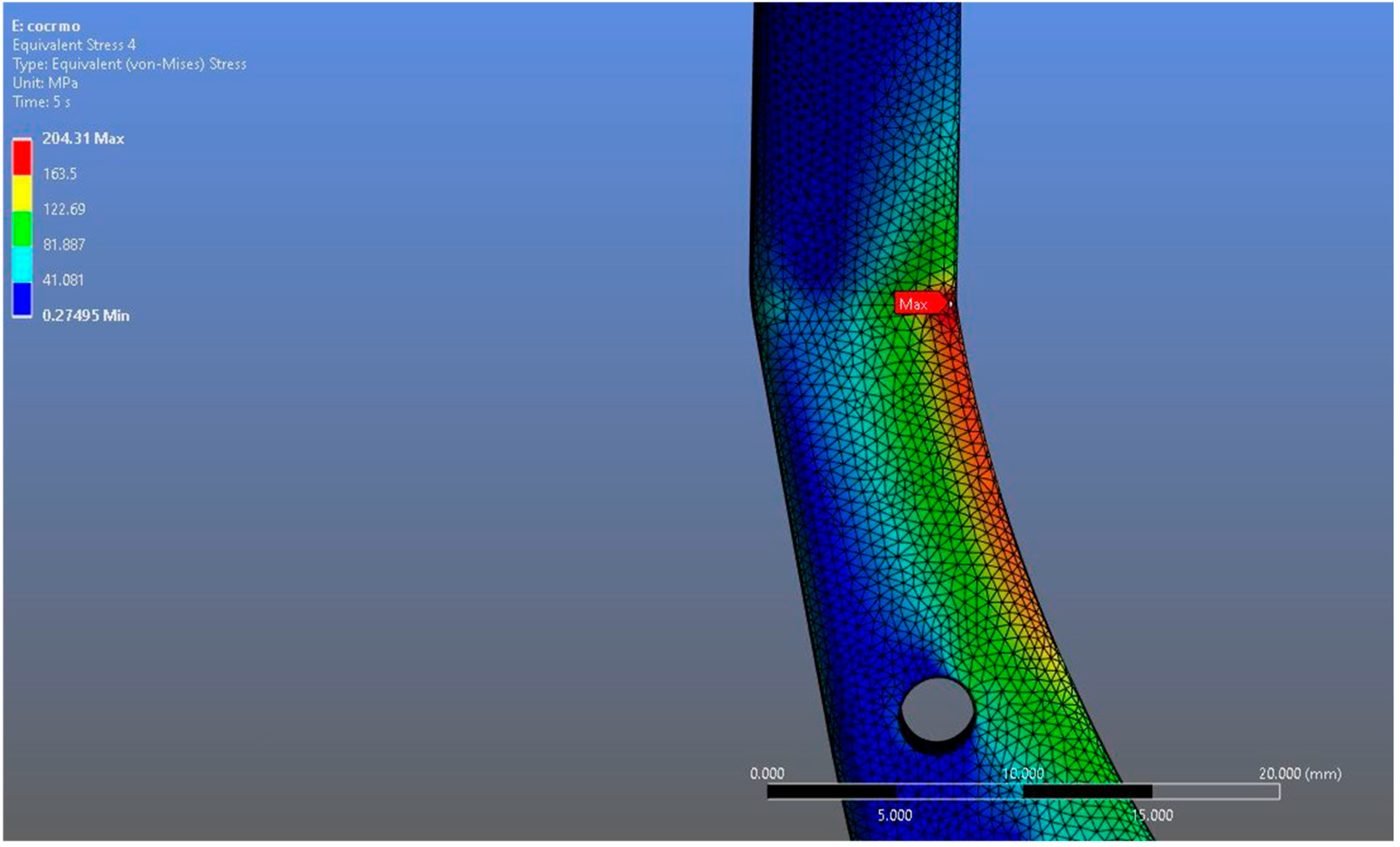
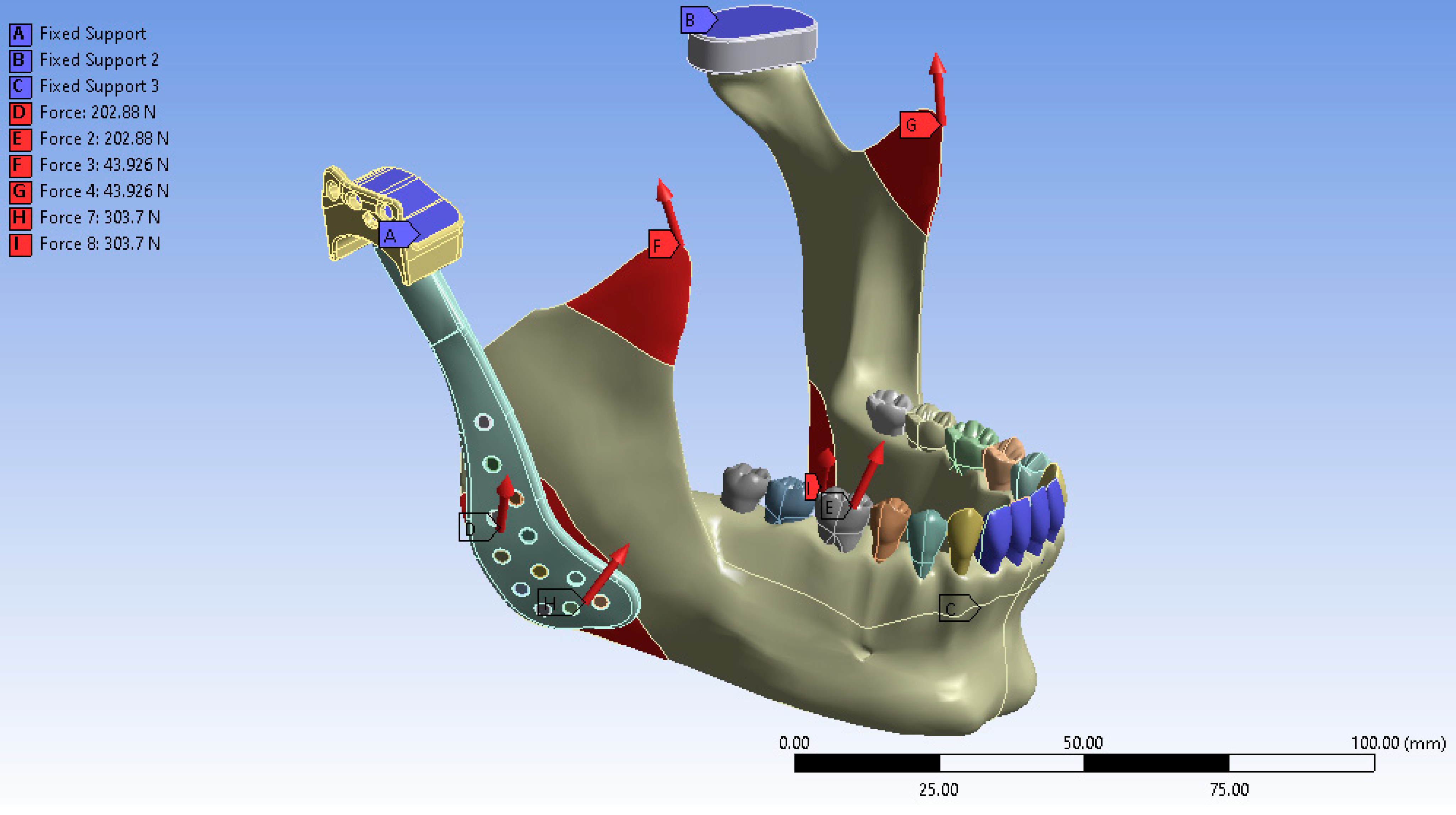
End-stage temporomandibular joint (TMJ) disorders often necessitate total joint replacement, and the selection of biomaterial directly impacts long-term outcomes. Ti6Al4V and CoCrMo are commonly used alloys, yet their biomechanical performance in patient-specific prostheses remains insufficiently compared. This study aimed to evaluate the mechanical response of custom TMJ prostheses fabricated from these alloys using finite element analysis (FEA). A three-dimensional mandibular model was created from computed tomography data, and a patient-specific prosthesis was designed in SolidWorks (Dassault Systèmes, SolidWorks Corp., Waltham, MA, USA) and analyzed in ANSYS Workbench 2022 R1 (Ansys Inc., Canonsburg, PA, USA). Physiological loading was simulated by applying forces at the insertion sites of the temporalis, masseter, and medial pterygoid muscles. In the Ti6Al4V model, maximum von Mises stresses reached 192.18 MPa on the mandibular component and 92.004 MPa on the fossa prosthesis, whereas the CoCrMo model demonstrated higher stresses of 204.31 MPa and 94.182 MPa, respectively. Both alloys exhibited similar stress distributions, but Ti6Al4V generated lower stress magnitudes, indicating more favorable load transfer and a reduced risk of mechanical overload on articulating components. These findings underscore the significance of alloy selection in optimizing TMJ prostheses and demonstrate the value of FEA as a tool for guiding future patient-specific designs.
Keywords: biomechanics; finite element analysis; temporomandibular joint prosthesis; patient-specific implant; Ti6Al4V alloy; CoCrMo alloy biomechanics; finite element analysis; temporomandibular joint prosthesis; patient-specific implant; Ti6Al4V alloy; CoCrMo alloy