Article

Titanium Oxide Formation in TiCoCrFeMn High-Entropy Alloys
by
Dominika Przygucka
1,*,
Adelajda Polkowska
2,
Wojciech Polkowski
2,
Krzysztof Karczewski
1 and
Stanisław Jóźwiak
1
1
Faculty of Advanced Technologies and Chemistry, Military University of Technology, Sylwestra Kaliskiego 2, 00-908 Warsaw, Poland
2
Łukasiewicz Research Network—Krakow Institute of Technology, Zakopiańska 73 Str., 30-418 Krakow, Poland
*
Author to whom correspondence should be addressed.
Materials 2025, 18(2), 412; https://doi.org/10.3390/ma18020412
Submission received: 12 December 2024 / Revised: 2 January 2025 / Accepted: 7 January 2025 / Published: 17 January 2025
(This article belongs to the Special Issue Advanced Science and Technology of High Entropy Materials)

Abstract

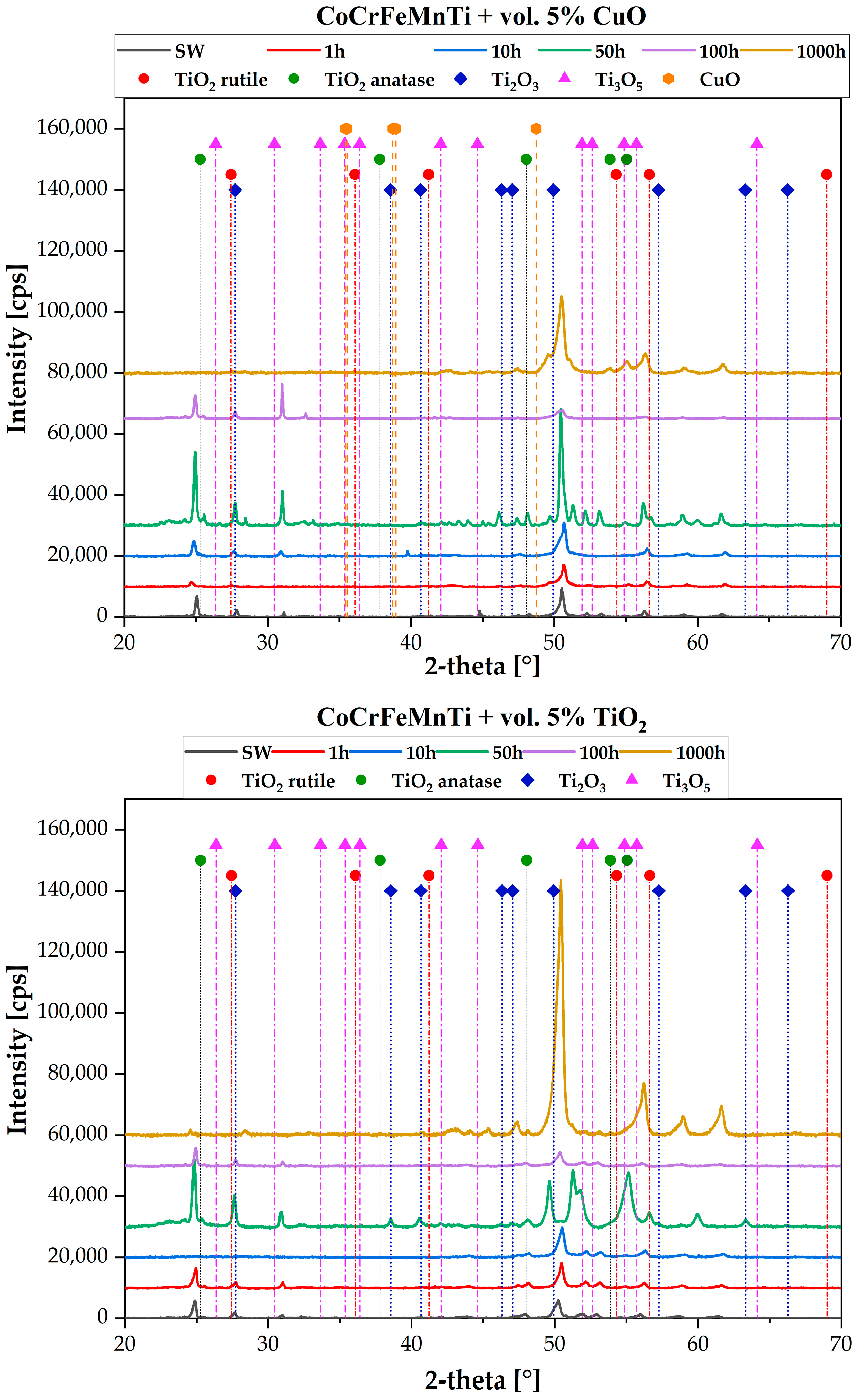
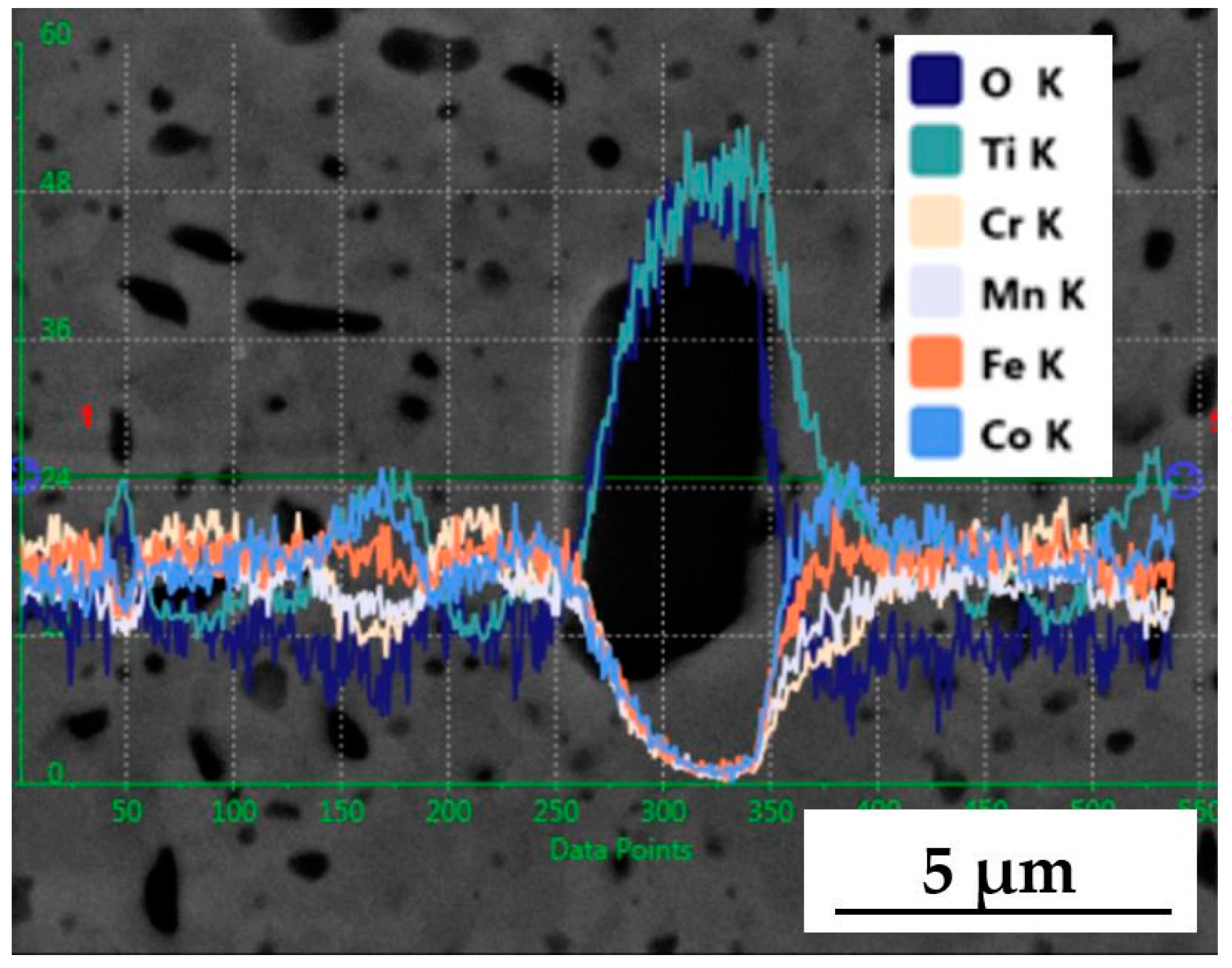
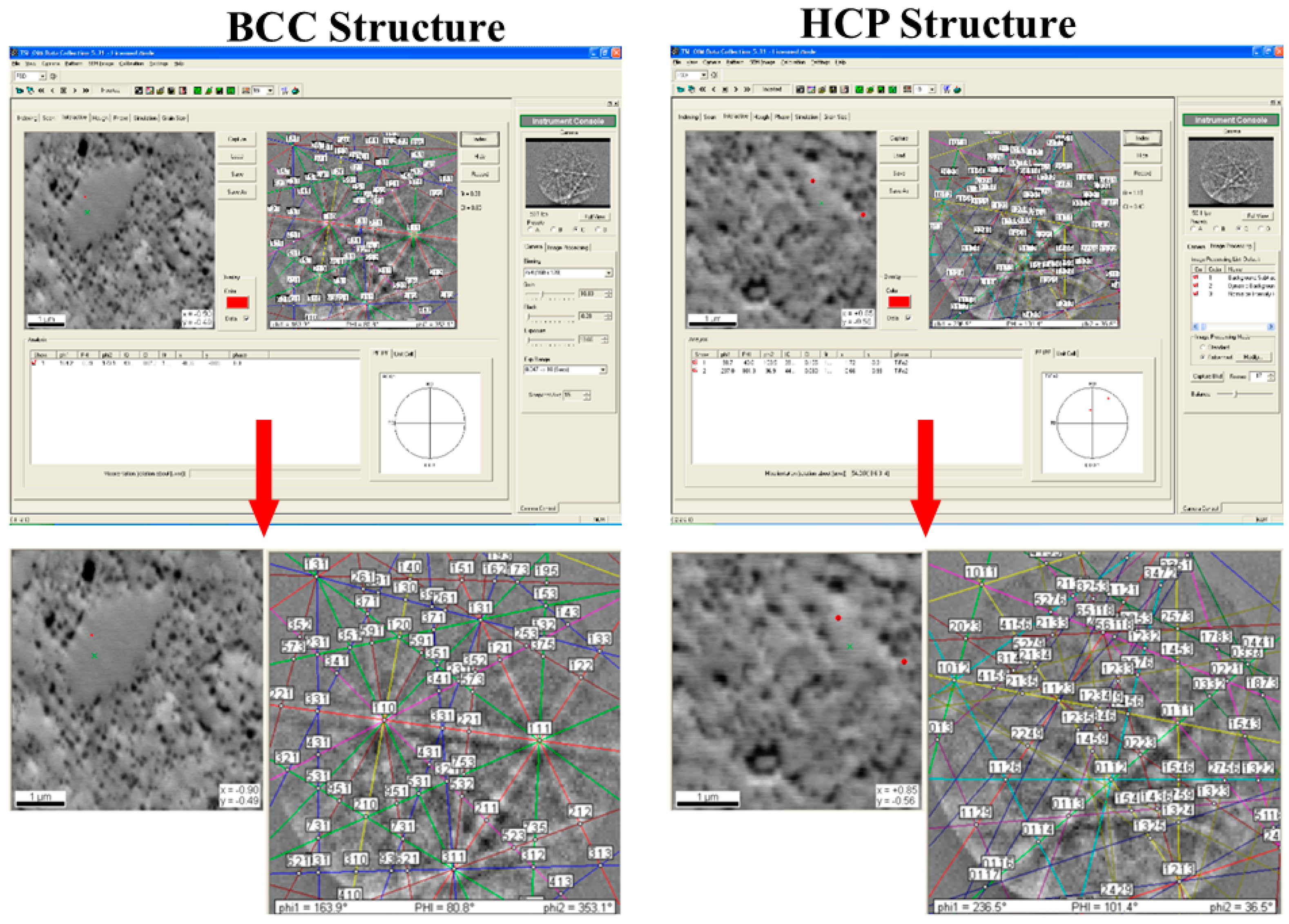
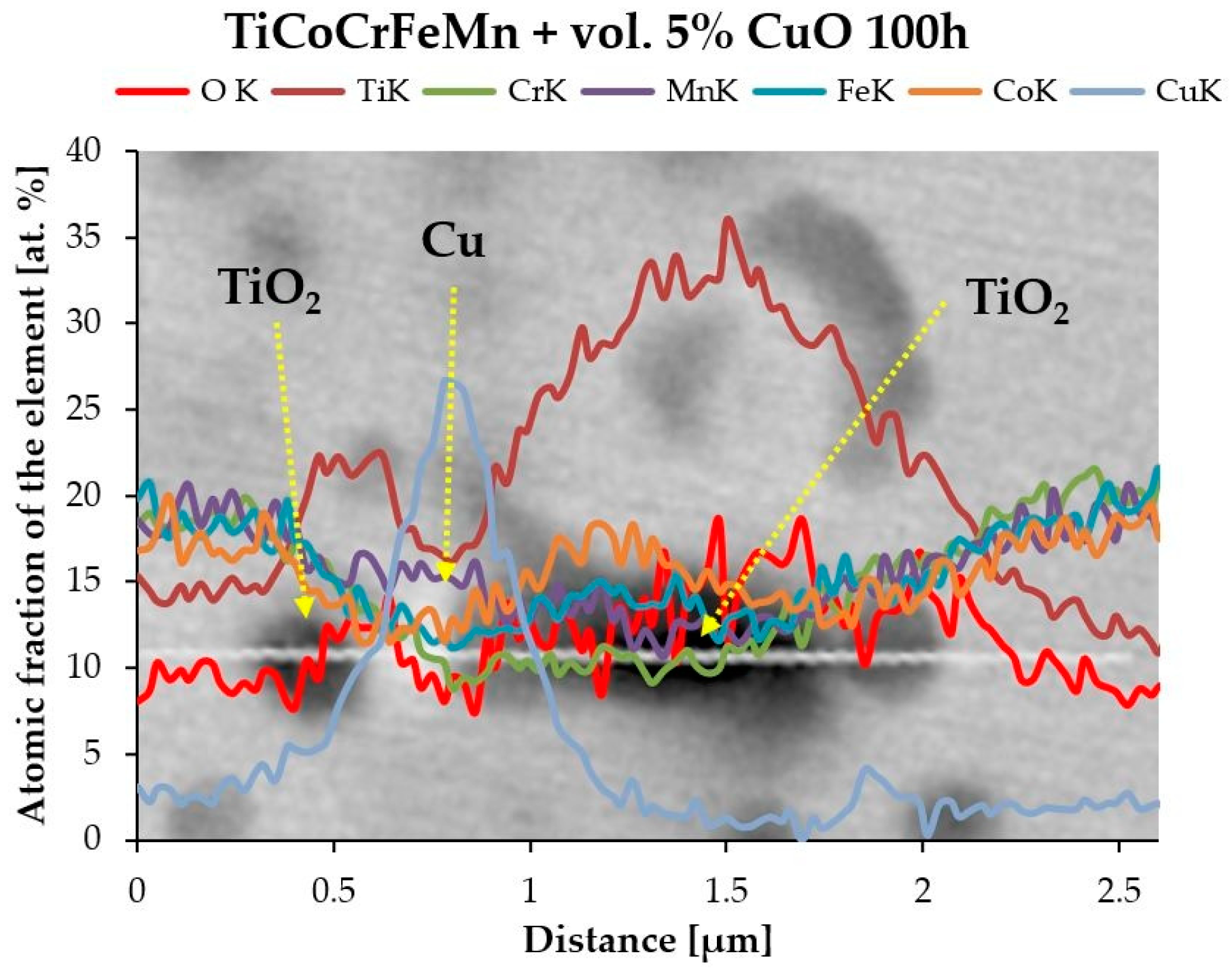
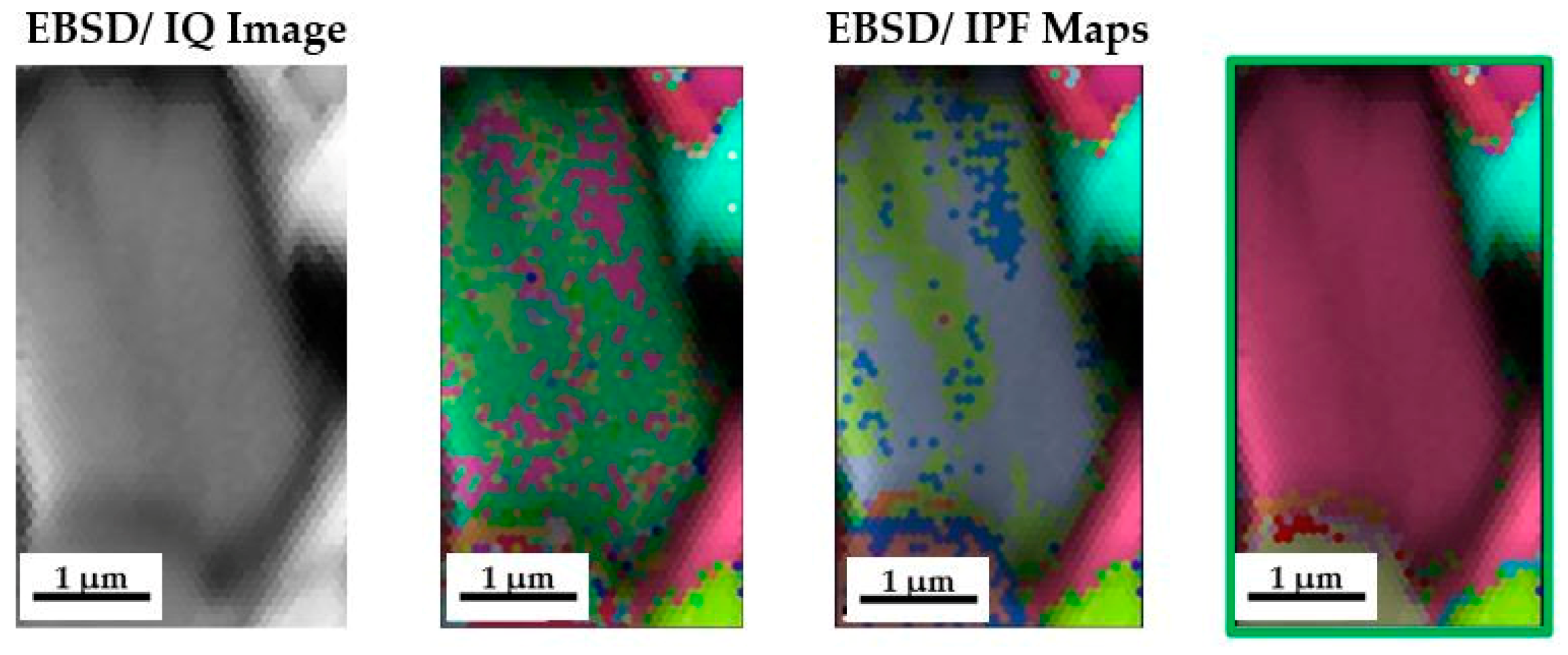
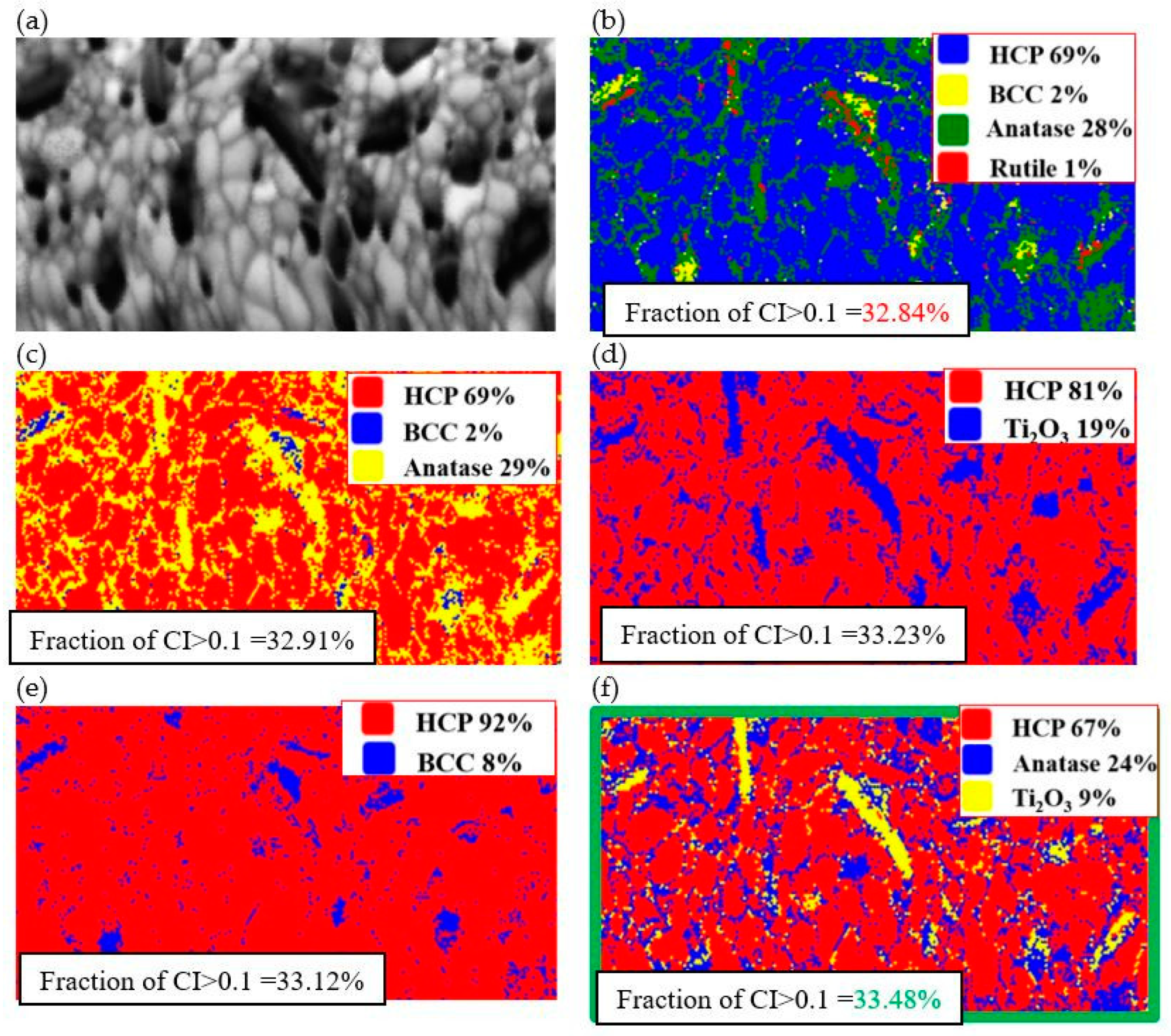
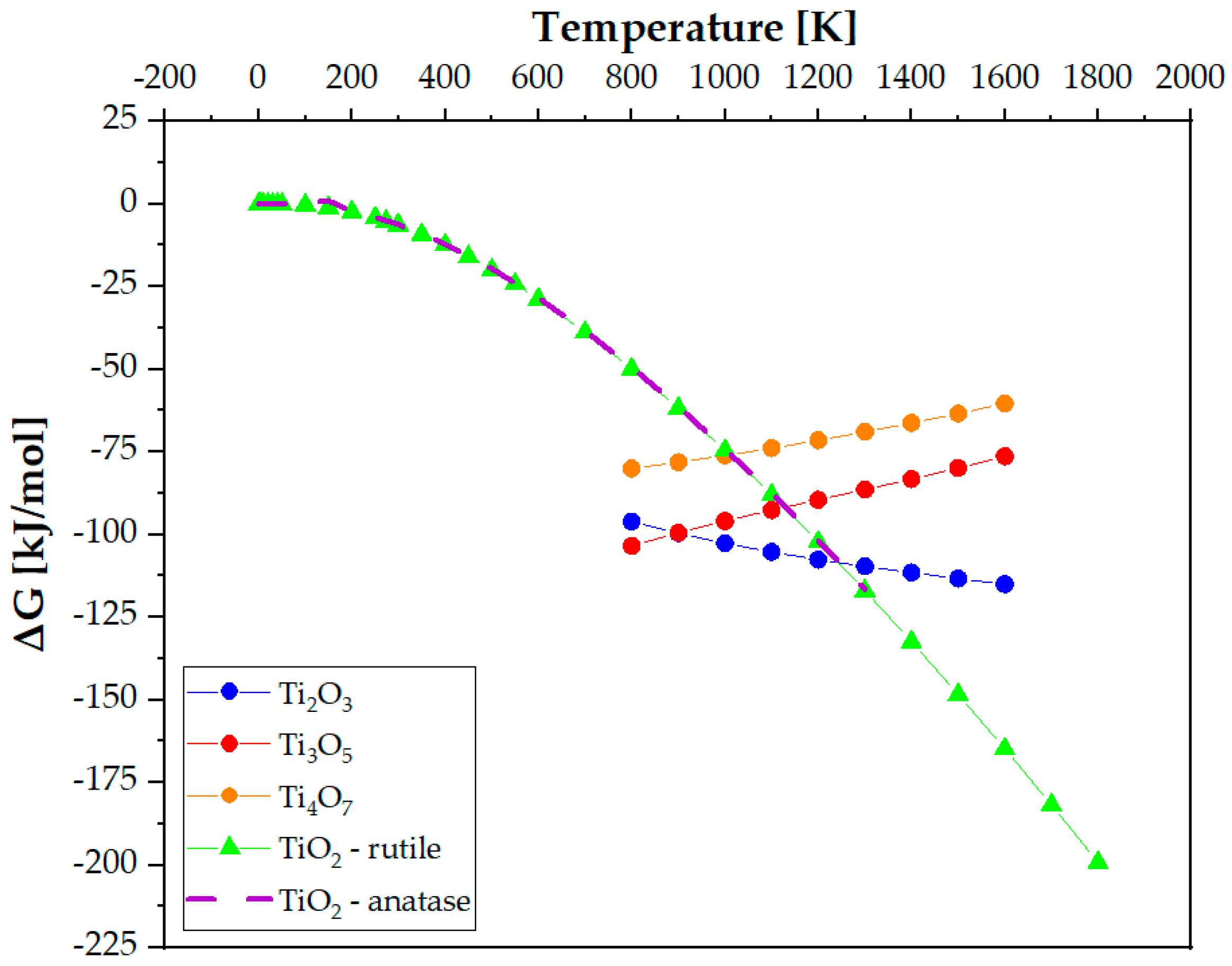
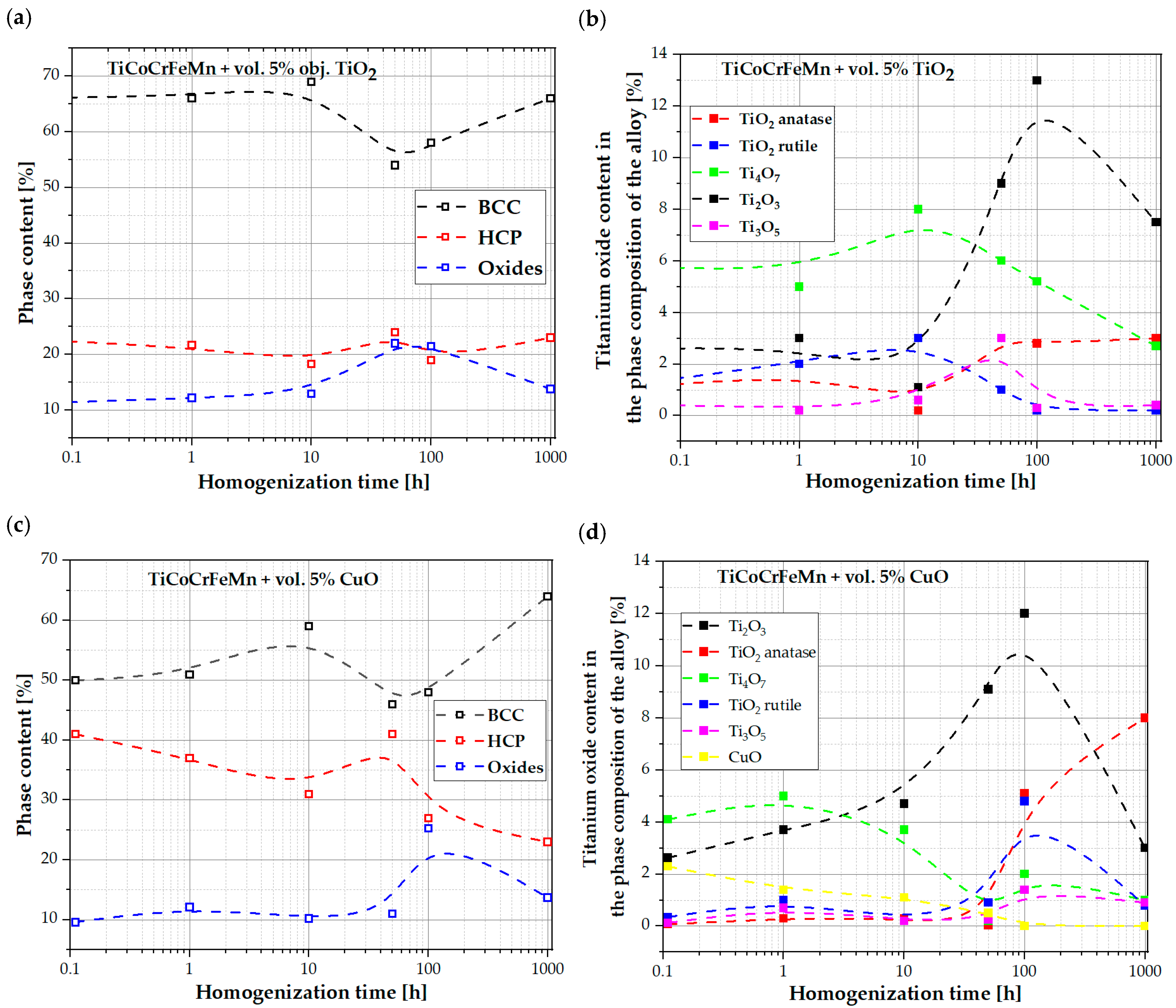
High-entropy materials, characterized by complex chemical compositions, are difficult to identify and describe structurally. These problems are encountered at the composition design stage when choosing an effective method for predicting the final phase structure of the alloy, which affects its functional properties. In this work, the effects of introducing oxide precipitates into the matrix of a high-entropy TiCoCrFeMn alloy to strengthen ceramic particles were studied. The particles were introduced by the ex situ method, such as TiO2 in the form of anatase, and by the in situ method, consisting of the reconstruction of CuO into TiO2. In both cases, it was assumed that after the homogenization process, carried out at 1000 °C, ceramic precipitates in the rutile phase, commonly considered a stable allotropic form of TiO2, would be obtained. However, the microscopic observations and XRD analyses, supported by EDS chemical composition microanalysis and EBSD backscattered electron diffraction, clearly revealed that, regardless of the method of introducing oxides, the final strengthening phase obtained was a mixture of TiO2 in the form of anatase with the Magnelli phase of Ti2O3. In this work, phase reconstruction in the Ti-O system was analyzed using changes in the Gibbs free energy of the identified oxide phases.
Keywords: high-entropy alloys; solid solution; Laves phase; titanium oxides; rutil; anatase; Magnelli phases high-entropy alloys; solid solution; Laves phase; titanium oxides; rutil; anatase; Magnelli phases