Article

Degradation Behavior of Coated Metallic Stents: Influence of In Vitro Fluid-Dynamic Biostability Testing Conditions


by
Muhammad Saqib
1,2,*,
Natalia Beshchasna
1,*,
Gianaurelio Cuniberti
2 and
Joerg Opitz
1,2
1
Fraunhofer Institute for Ceramic Technologies and Systems IKTS, Maria-Reiche-Strasse 2, 01109 Dresden, Germany
2
Institute of Materials Science and Max Bergmann Center of Biomaterials, Technische Universität Dresden, 01062 Dresden, Germany
*
Authors to whom correspondence should be addressed.
Materials 2025, 18(1), 46; https://doi.org/10.3390/ma18010046
Submission received: 7 November 2024 / Revised: 19 December 2024 / Accepted: 22 December 2024 / Published: 26 December 2024

Abstract

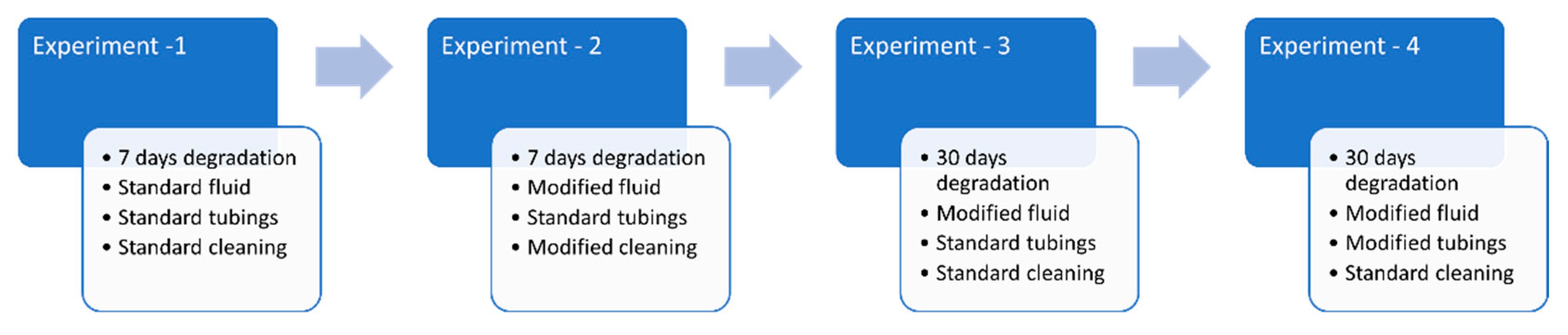
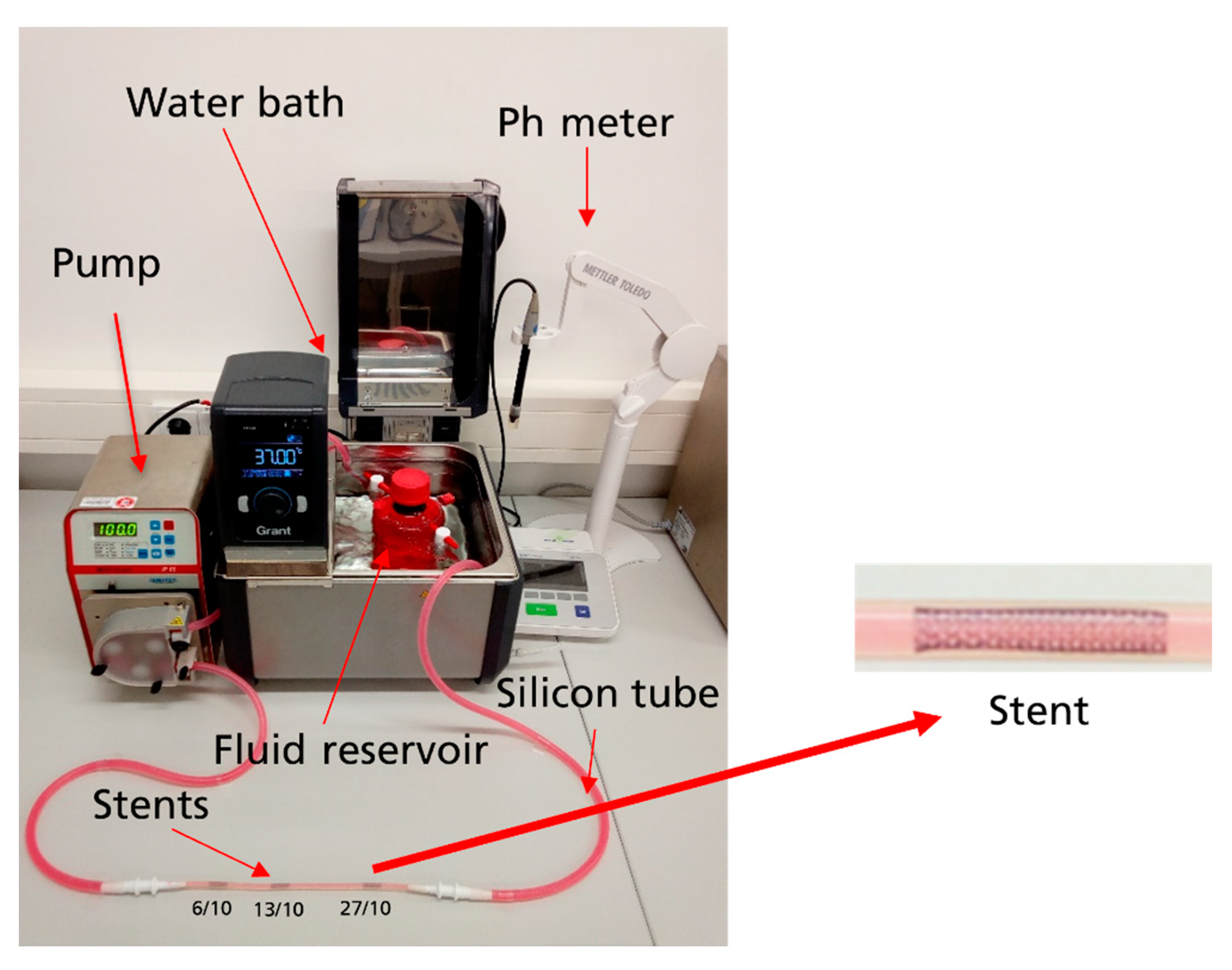
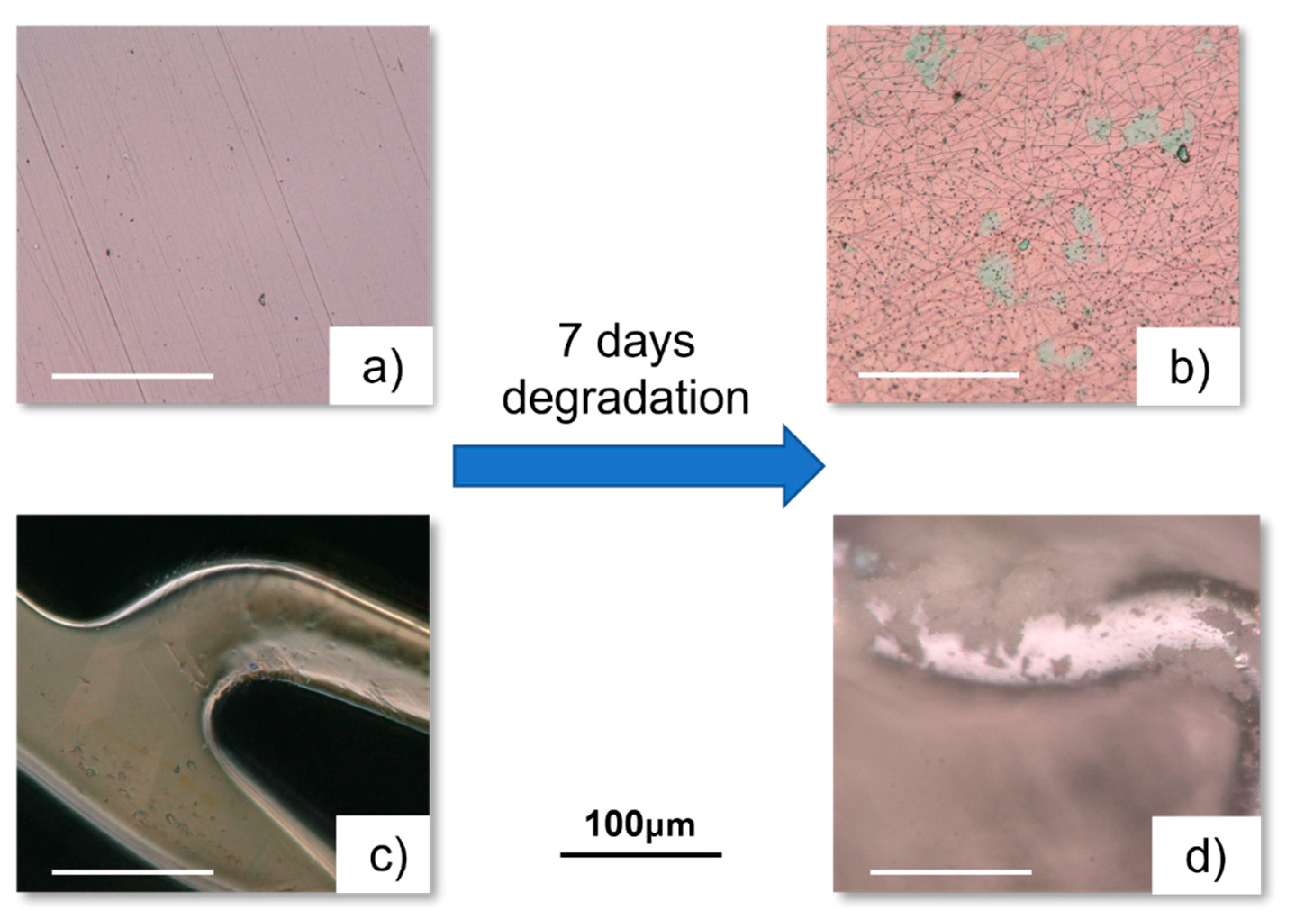
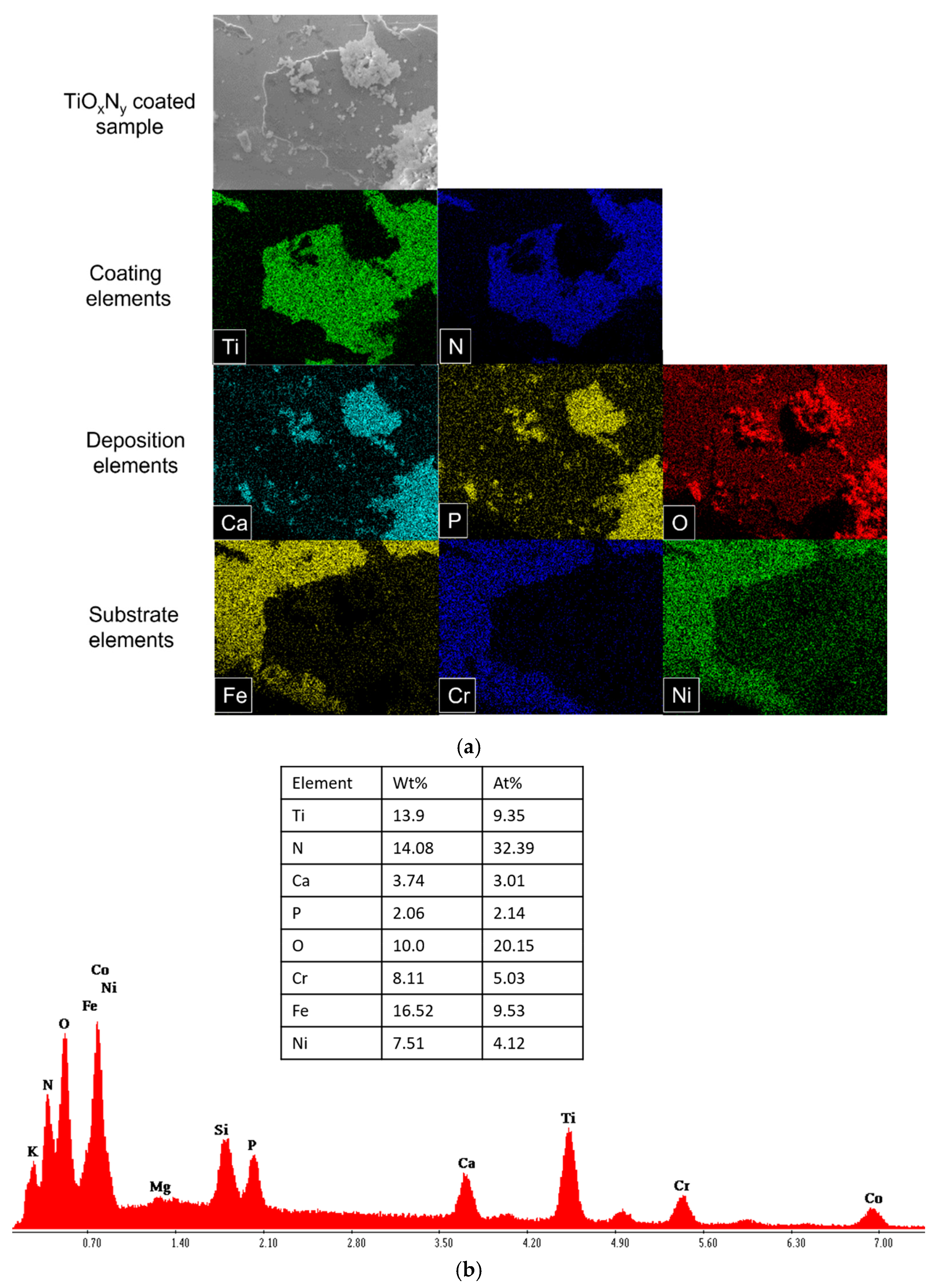
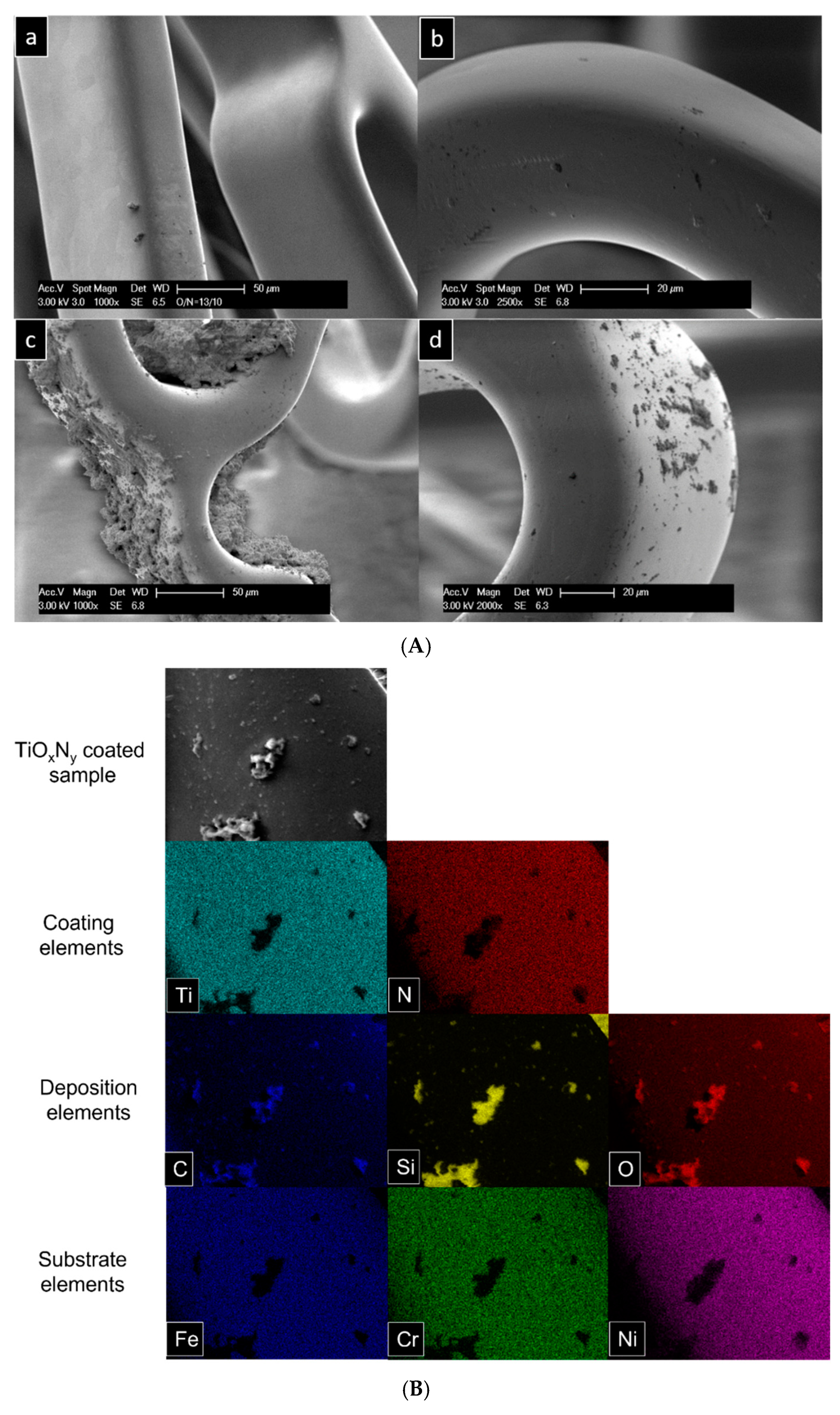
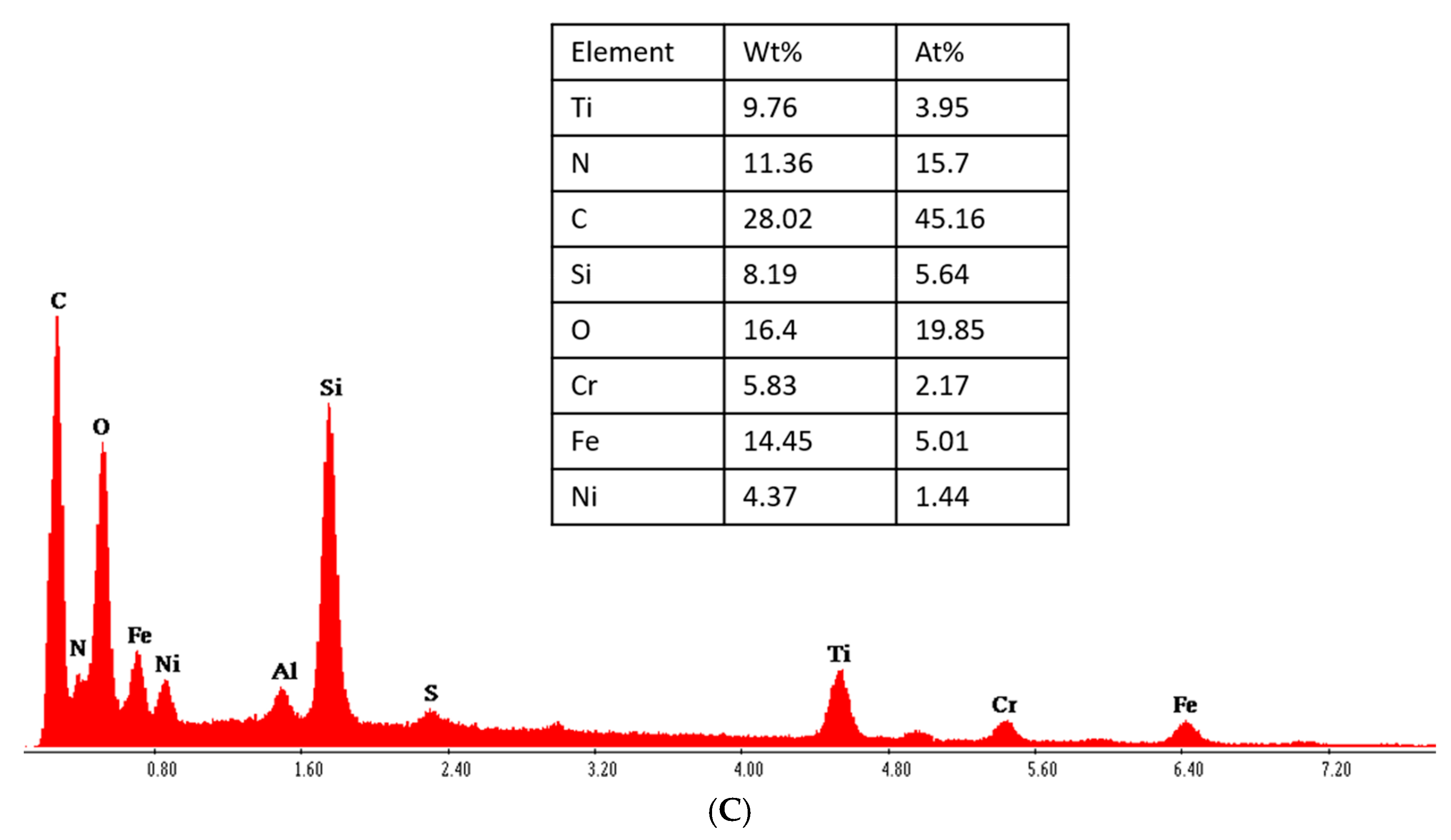
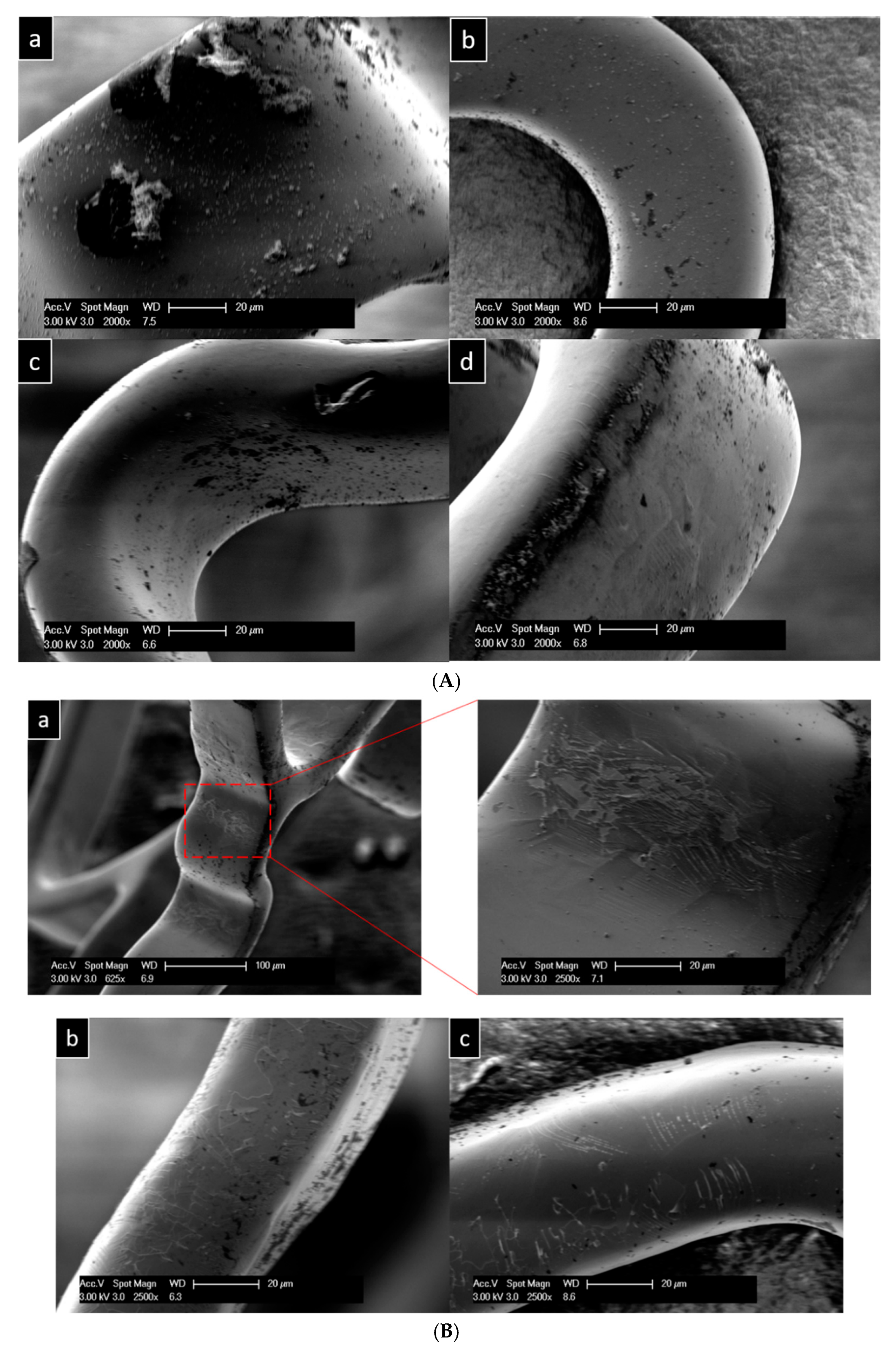
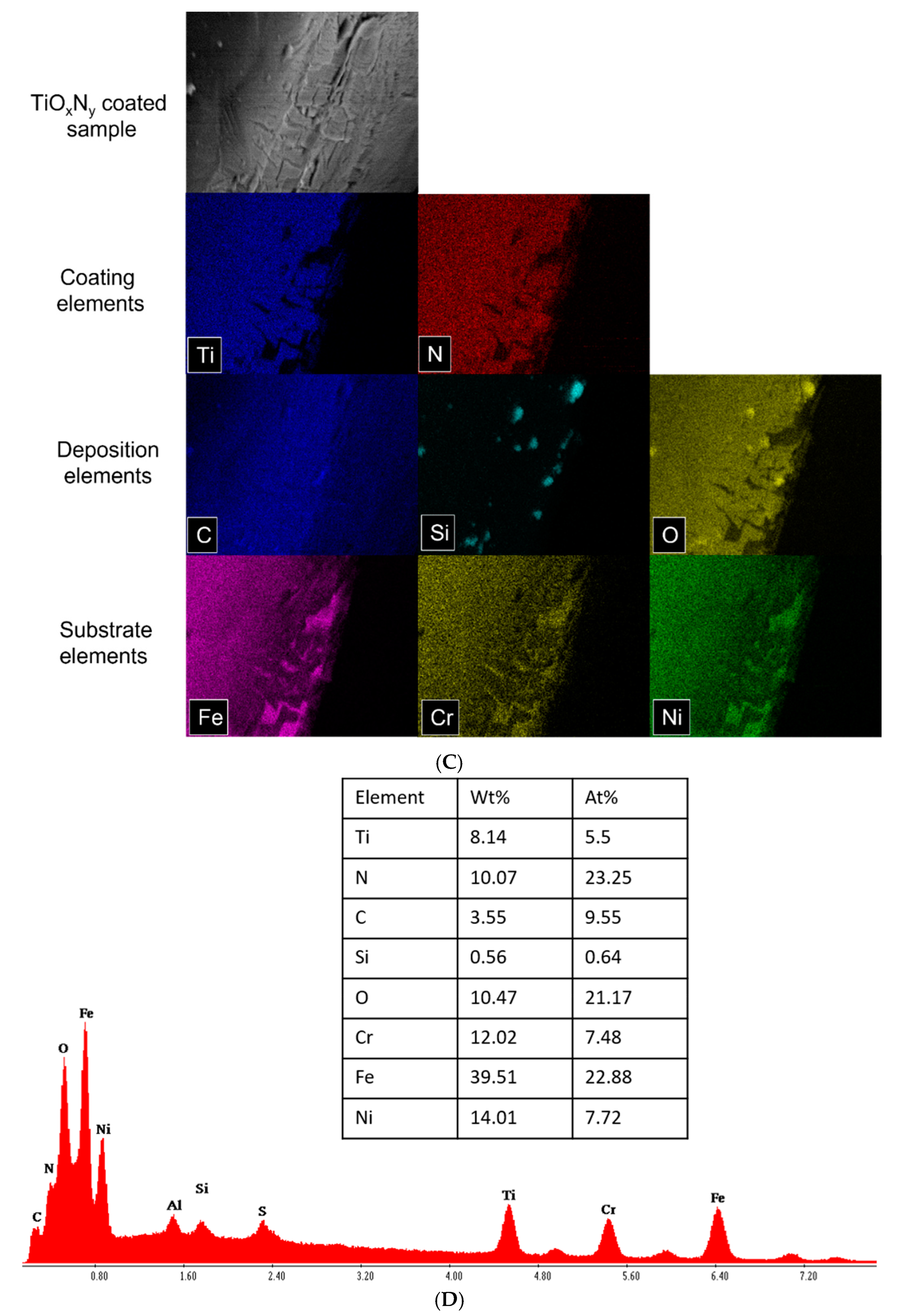
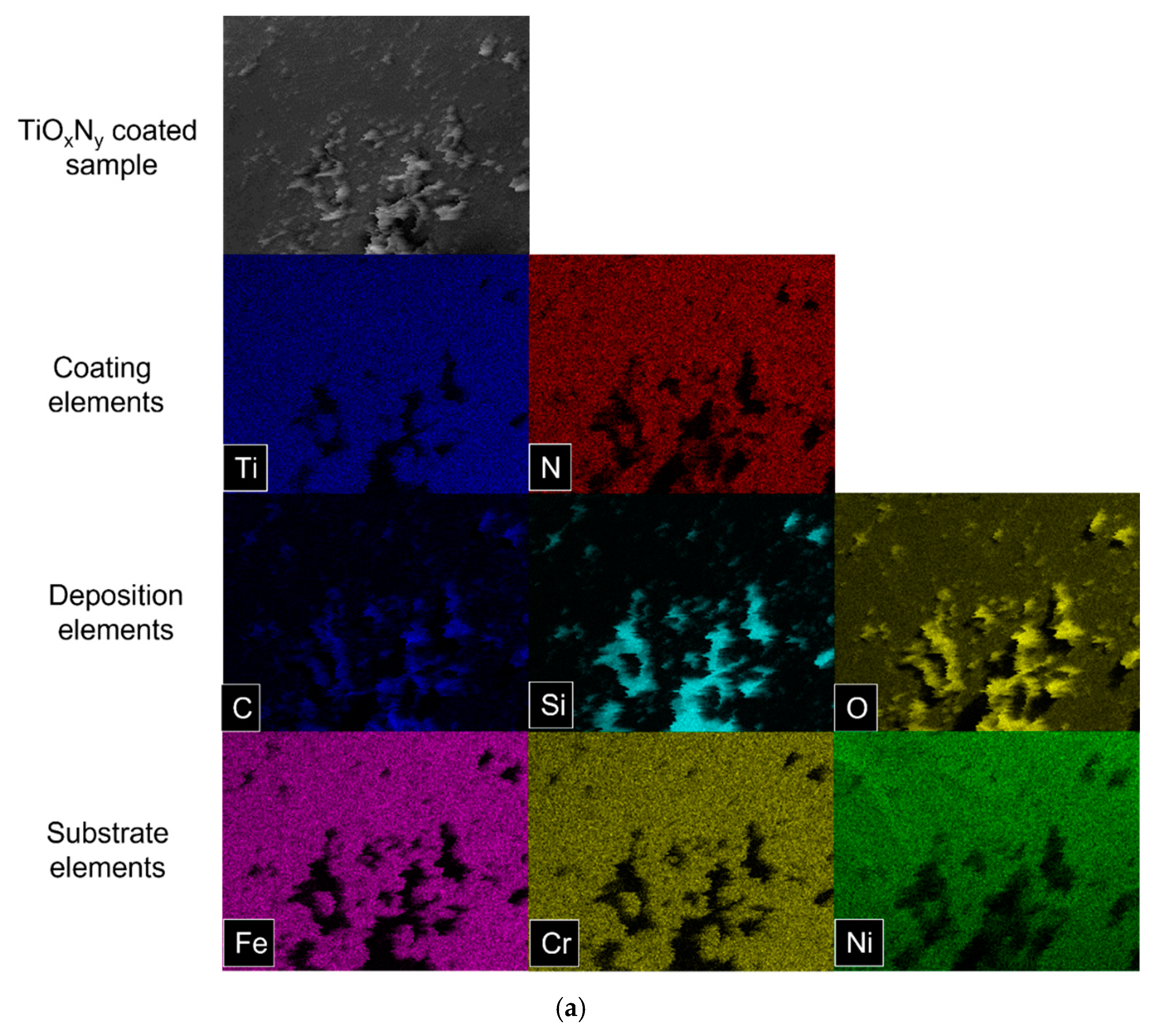
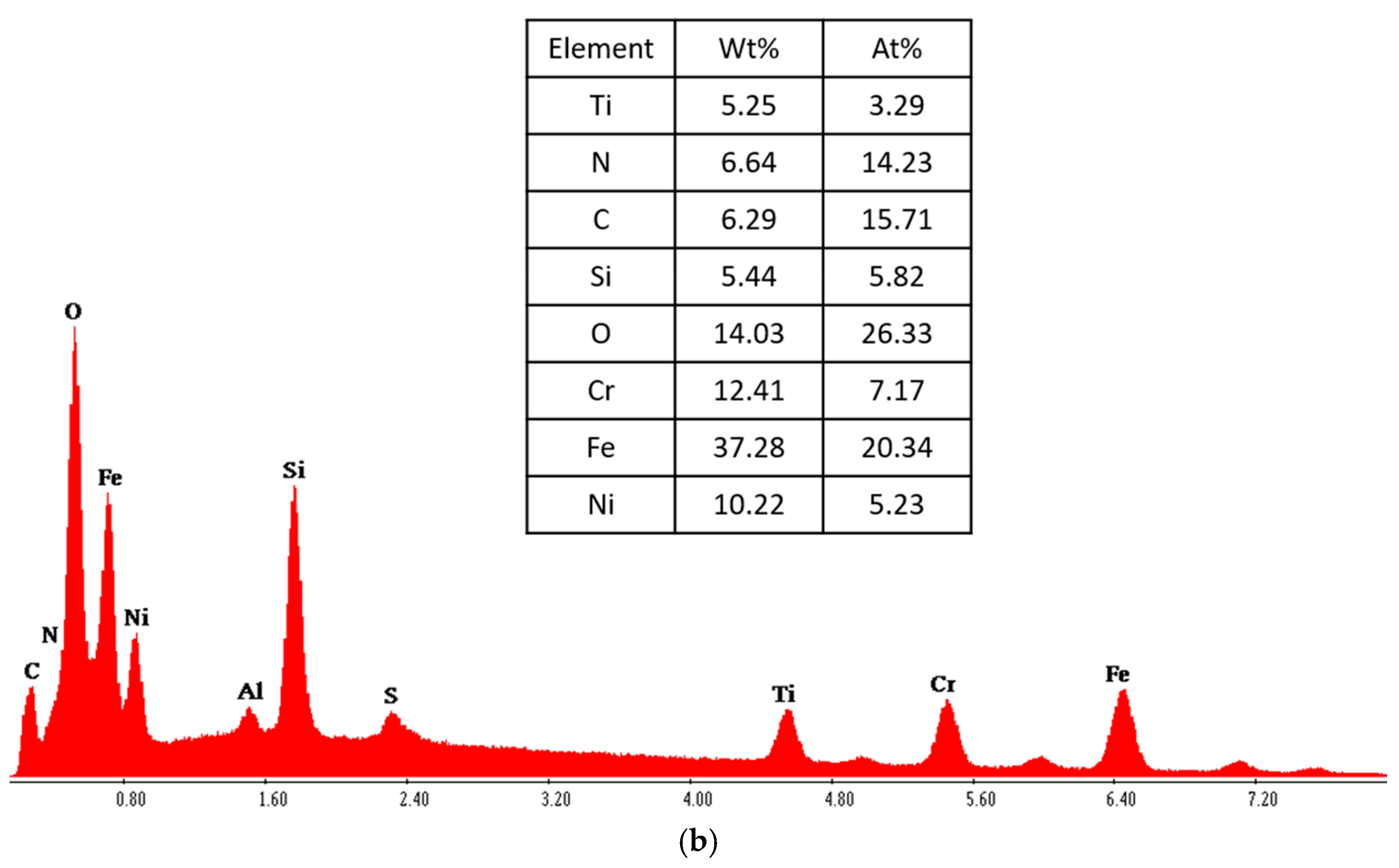
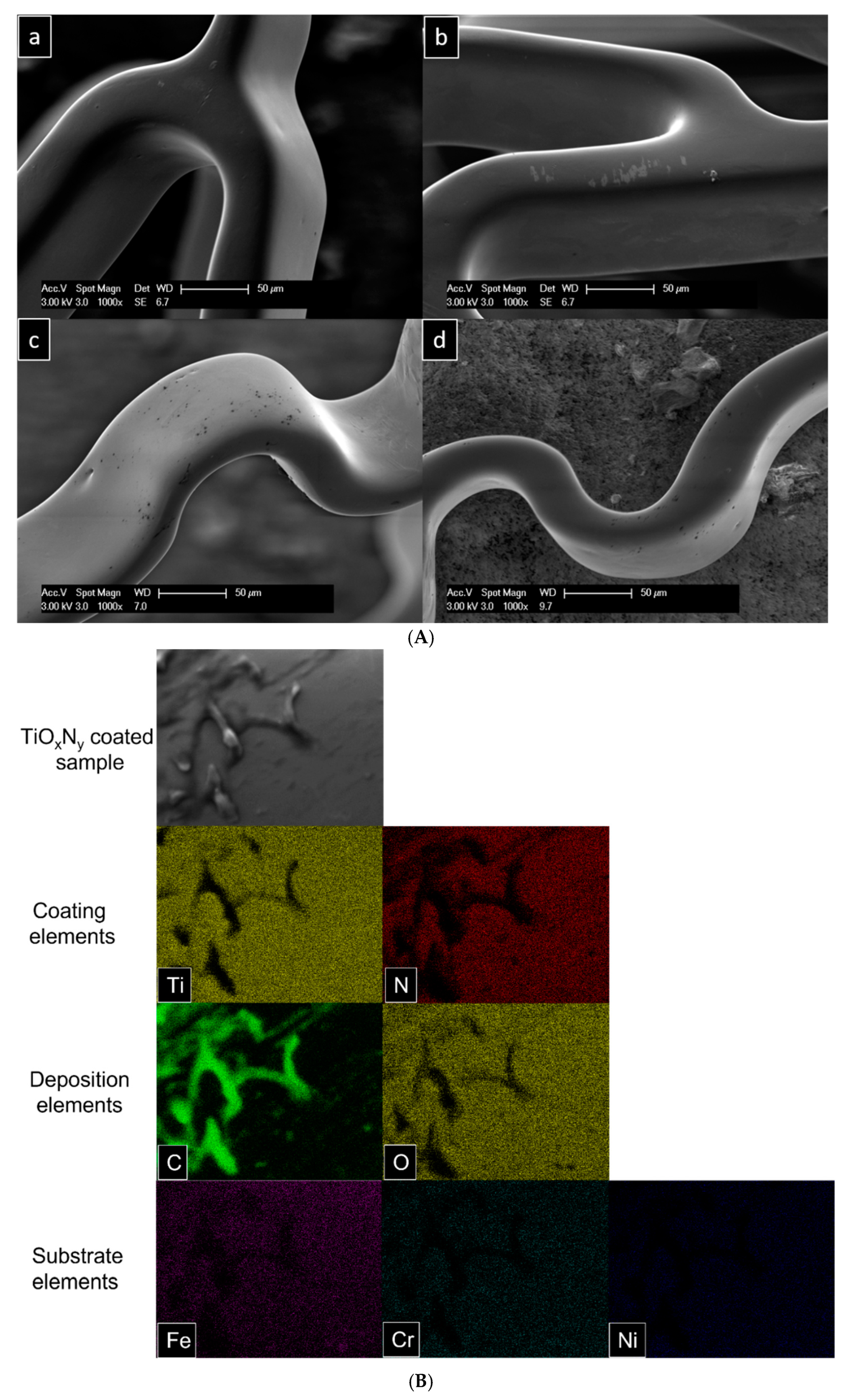
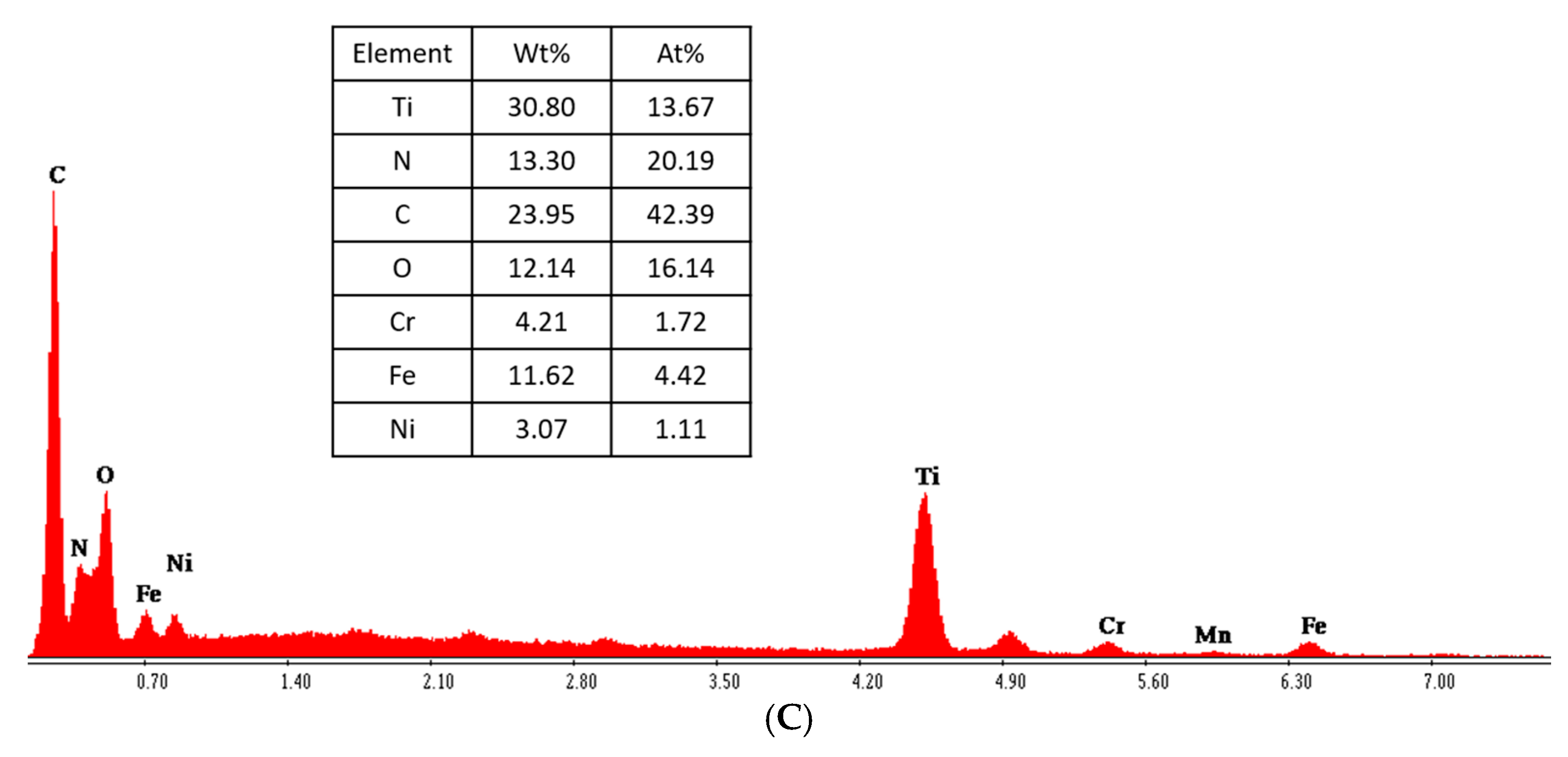
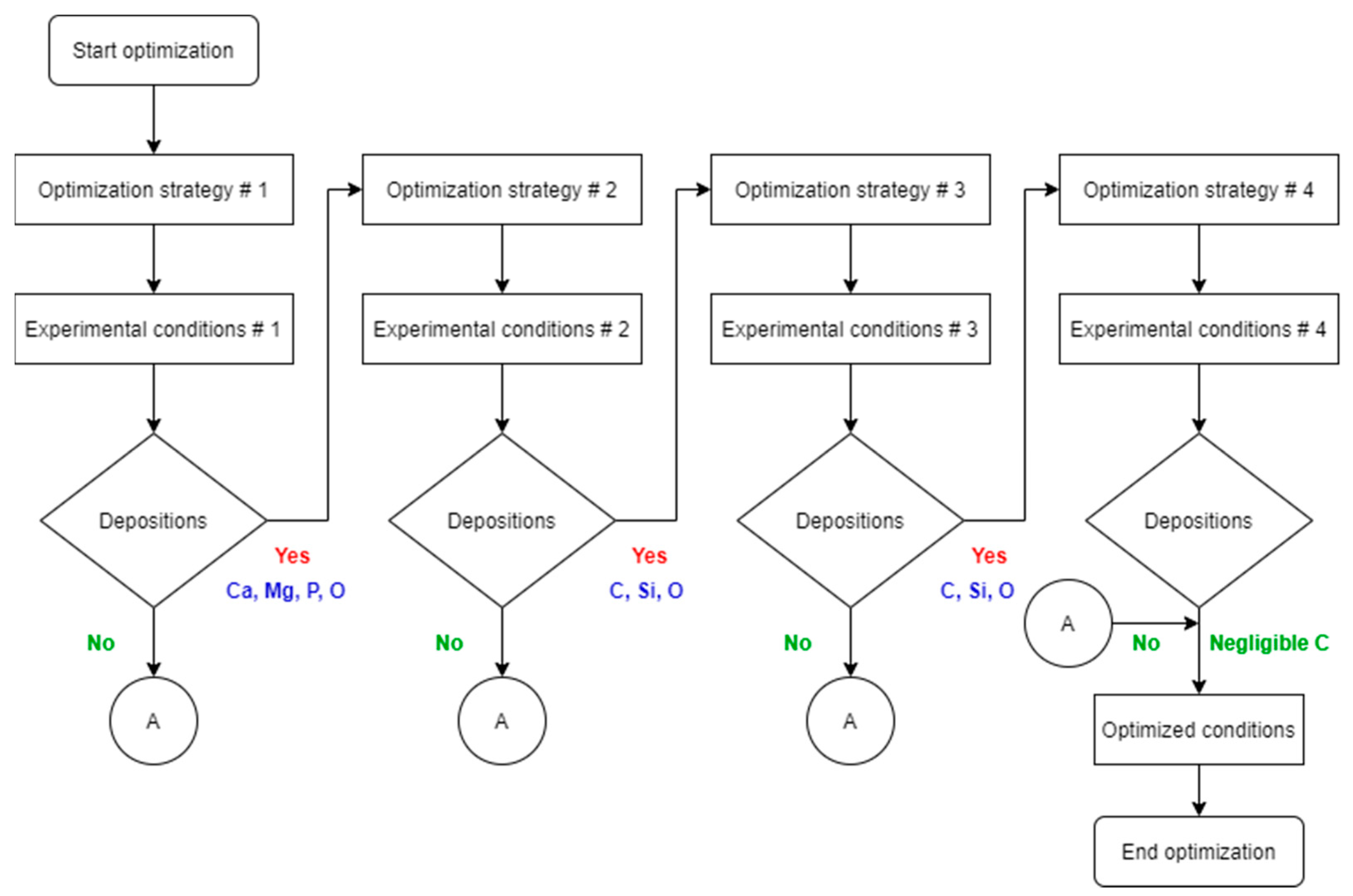
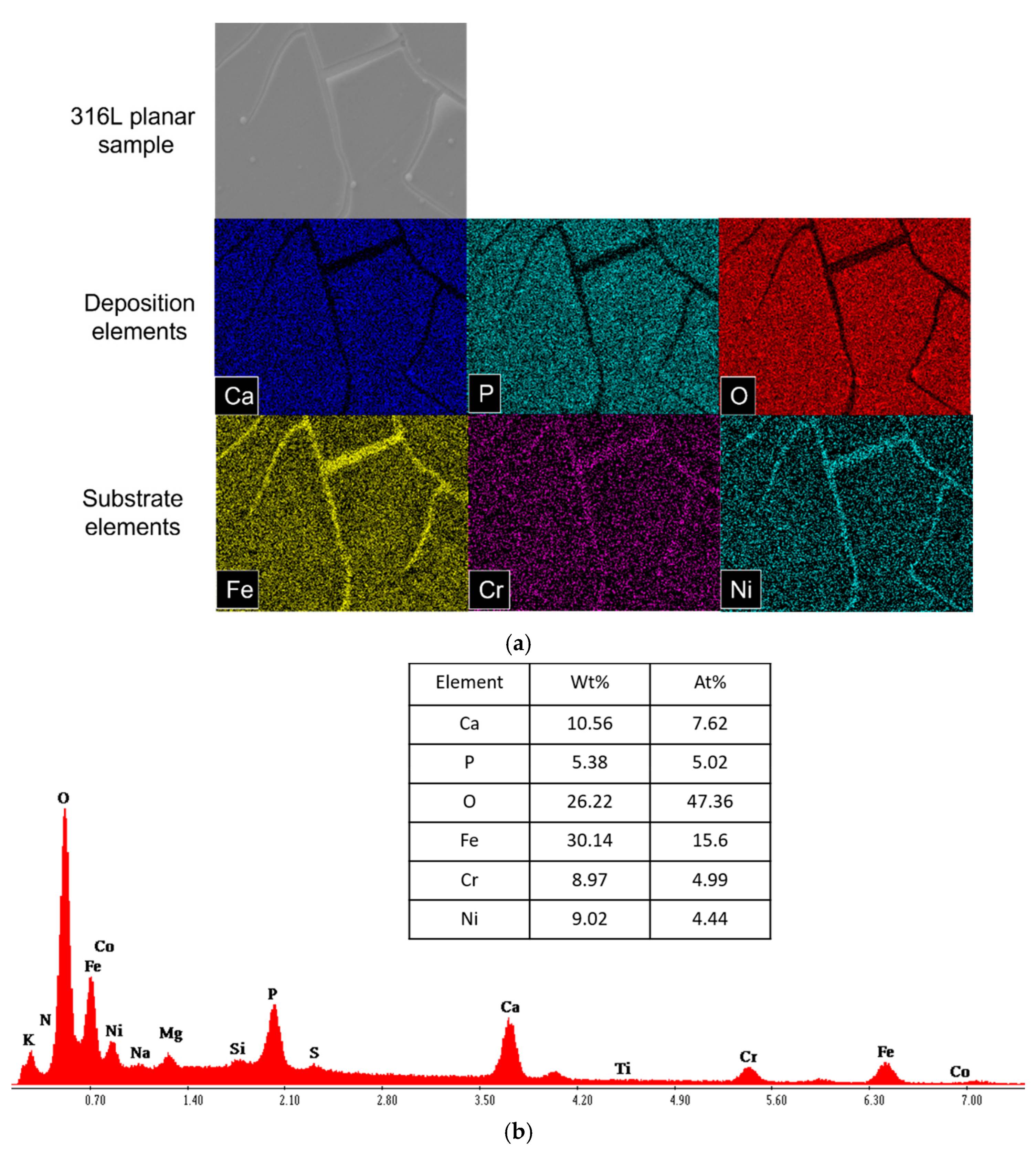
Coated metallic stents are the next generation of metallic stents with improved surface properties. To evaluate the degradation behavior of stents in vitro, different in vitro degradation models can be applied: (i) static immersion test: degradation under static fluid condition, (ii) fluid dynamic test: degradation under flowing fluid, and (iii) electrochemical corrosion test: degradation under the influence of electric potential. During these experimental procedures, stents interact with the simulated blood plasma, and degradation products are formed in the form of depositions on the stent surface, likewise in vivo experiments. These deposited crystals act as a hindrance to the application of important characterization techniques (e.g., mass loss measurement for the calculation of corrosion rate and examining the adhesion of the coating to metallic stents after fluid dynamic exposure). Therefore, to better characterize the coatings, the removal of these depositions is significant. In this work, we investigate the influence of in vitro test conditions in fluid dynamic biostability tests on the biostability of titanium oxynitride (TiOXNY) coated stainless steel stents by adapting various fluid dynamic experimental parameters. The experimental conditions are based on modification in the components of fluid dynamic setup (e.g., tubings), simulated body fluid (SBF), with and without Ca++ and Mg++ ions, and the cleaning procedure (use of water, acetone, and isopropanol). Four different experiments were conducted under various experimental parameter sets. SEM and EDX measurements were used for the identification of degradation products after each experiment. This study highlights the importance of optimized experimental conditions showing negligible depositions when utilizing Puriflex tubing or a comparable artificial vessel, SBF devoid of Ca++ and Mg++ ions, and performing sample cleaning with distilled water in an ultrasonic bath. The presented conditions were optimized for titanium oxynitride coated samples. A similar approach could be applied to other samples with or without some small variation.
Keywords: stent; titanium oxynitride; deposition; degradation product; coated stent; bare metal stent; fluid dynamic test stent; titanium oxynitride; deposition; degradation product; coated stent; bare metal stent; fluid dynamic test