Article

Investigation of the Influence of Machining Parameters and Surface Roughness on the Wettability of the Al6082 Surfaces Produced with WEDM

by
Dimitrios Skondras-Giousios
1,*,
Panagiotis Karmiris-Obratański
2,
Magdalena Jarosz
3 and
Angelos P. Markopoulos
1,2
1
Laboratory of Manufacturing Technology, School of Mechanical Engineering, National Technical University of Athens, 15780 Athens, Greece
2
Advanced Manufacturing Laboratory, Department of Manufacturing Systems, Faculty of Mechanical Engineering and Robotics, AGH University of Krakow, 30-059 Krakow, Poland
3
Department of Physical Chemistry & Electrochemistry, Faculty of Chemistry, Jagiellonian University, Gronostajowa 2, 30-387 Krakow, Poland
*
Author to whom correspondence should be addressed.
Materials 2024, 17(7), 1689; https://doi.org/10.3390/ma17071689
Submission received: 20 February 2024 / Revised: 24 March 2024 / Accepted: 4 April 2024 / Published: 7 April 2024

Abstract

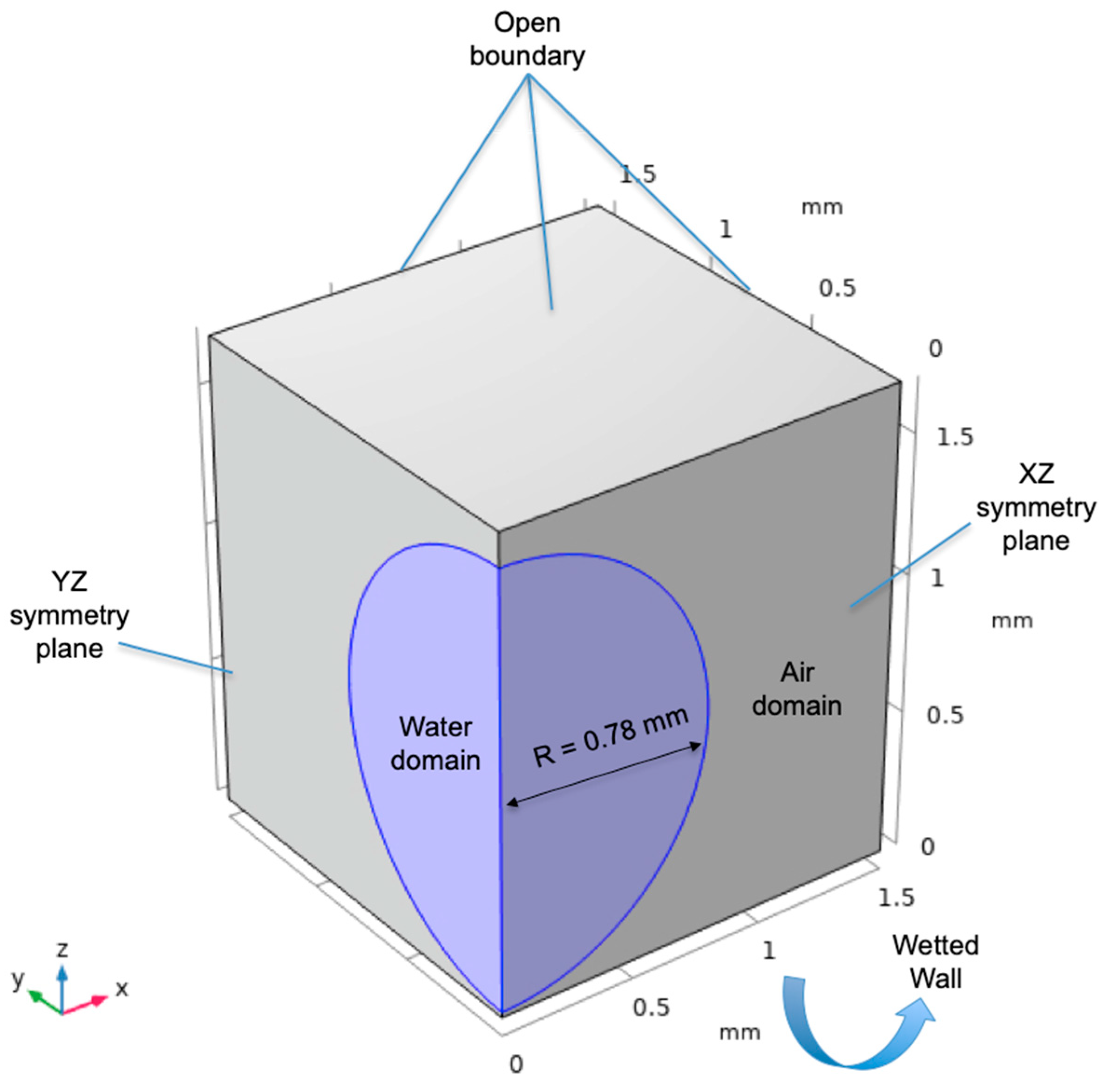
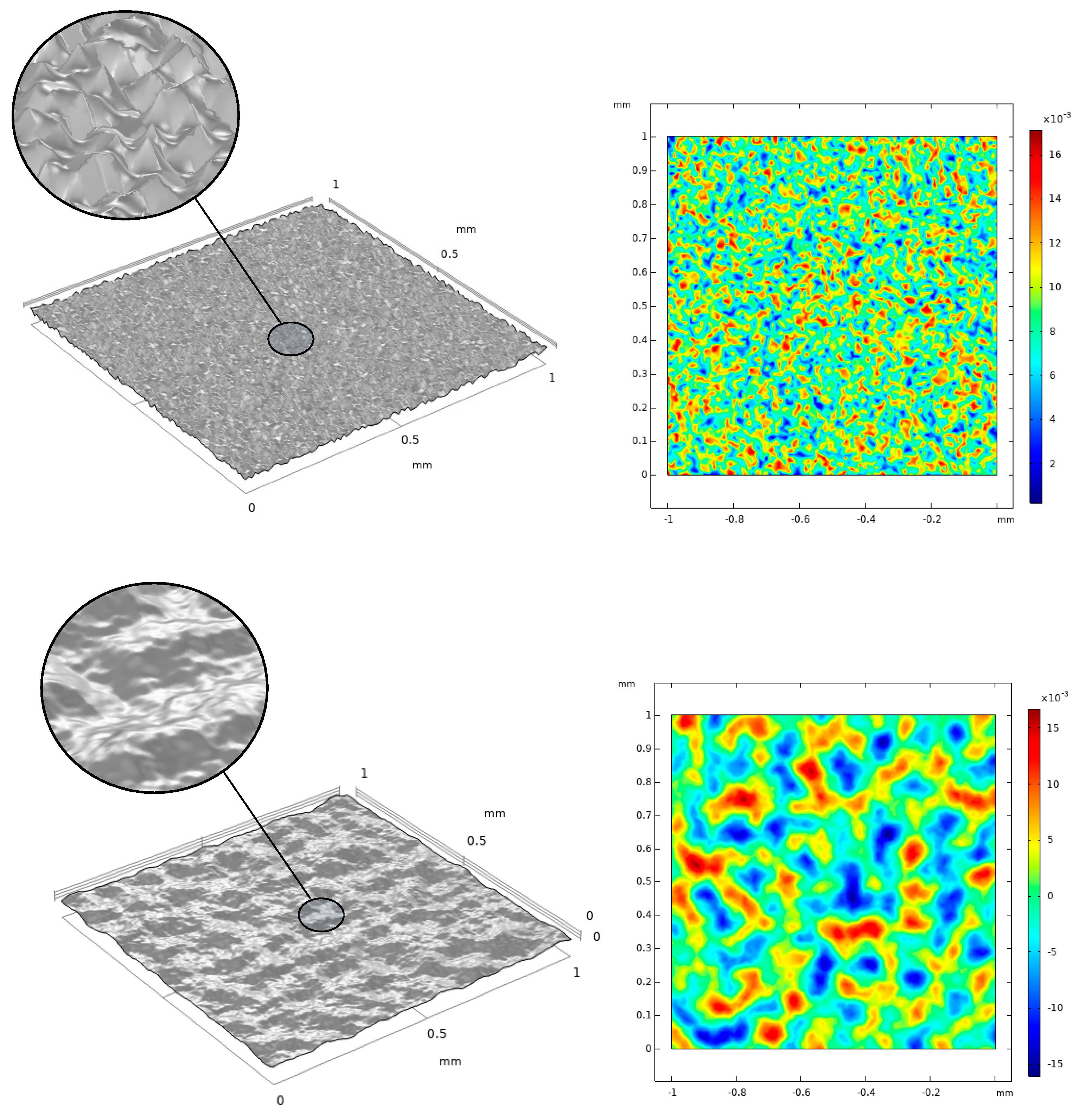
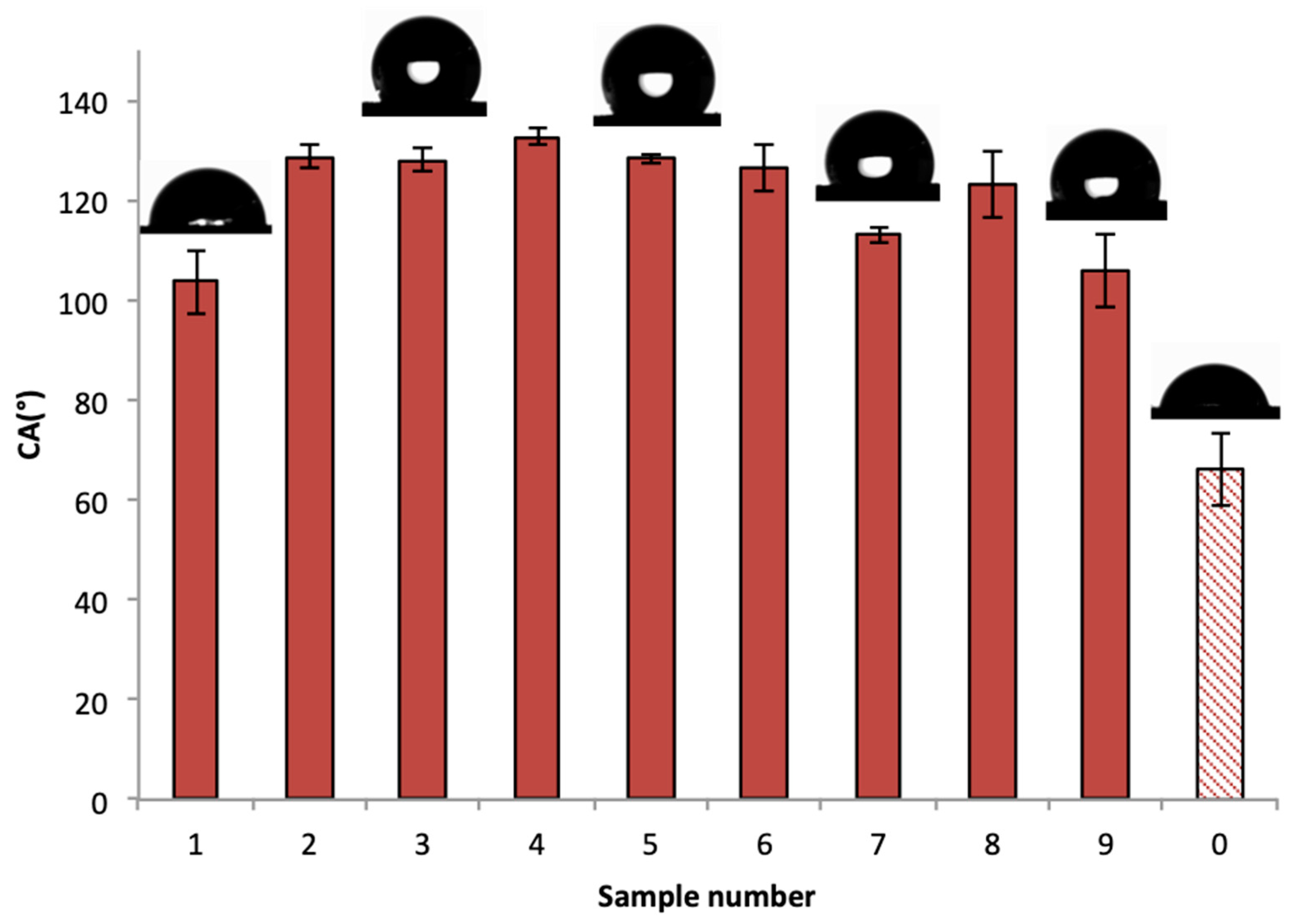
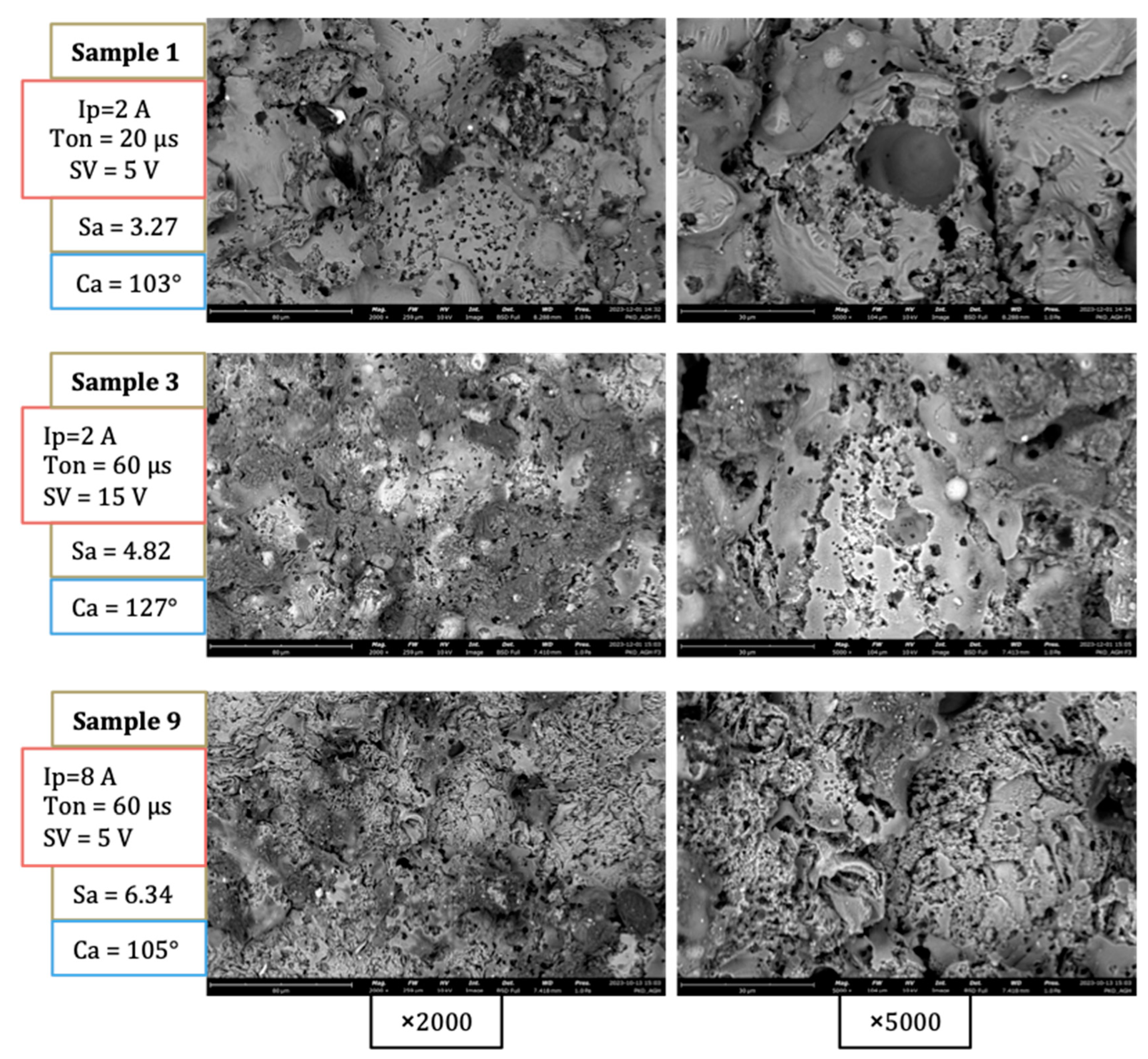
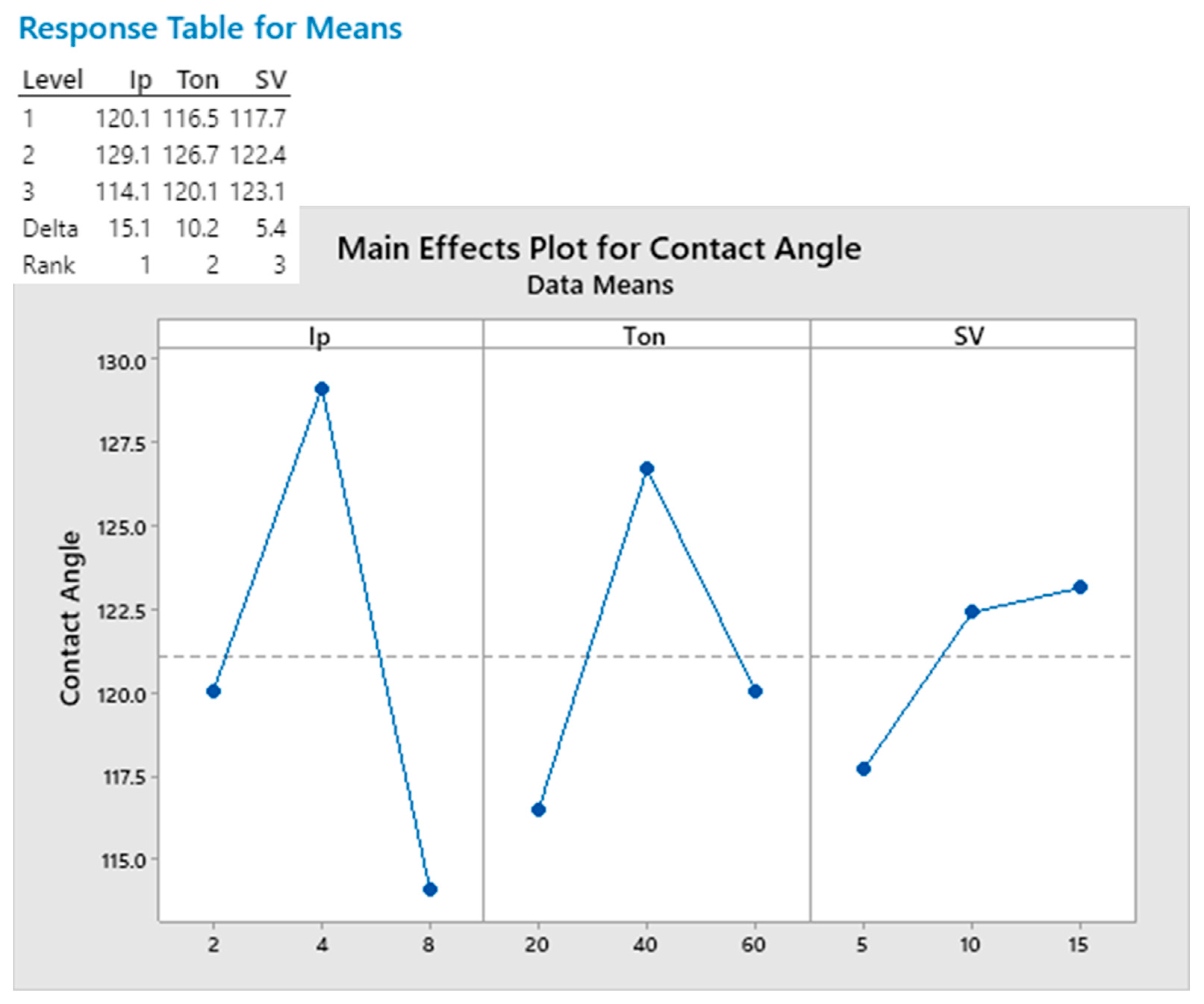
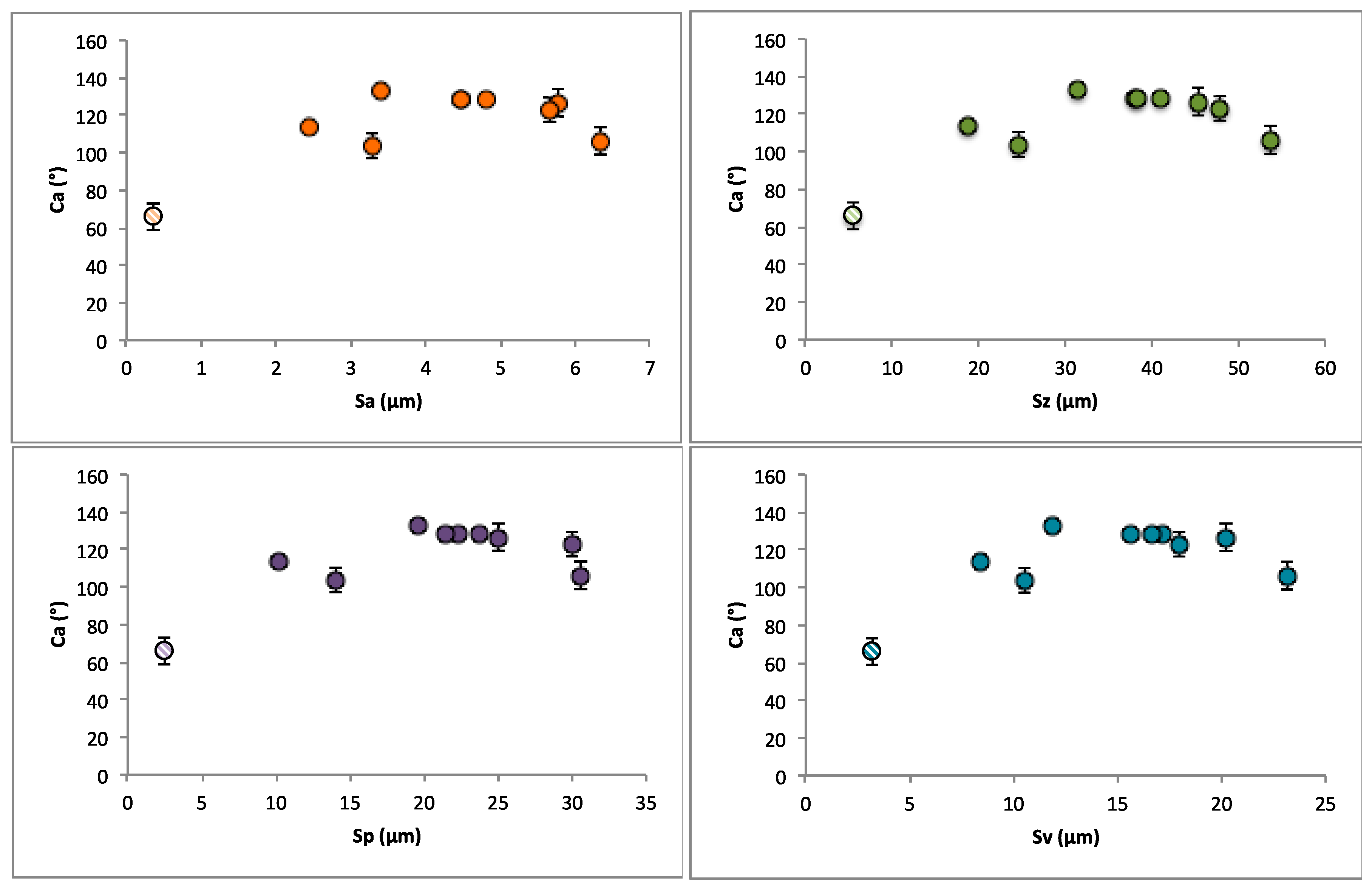
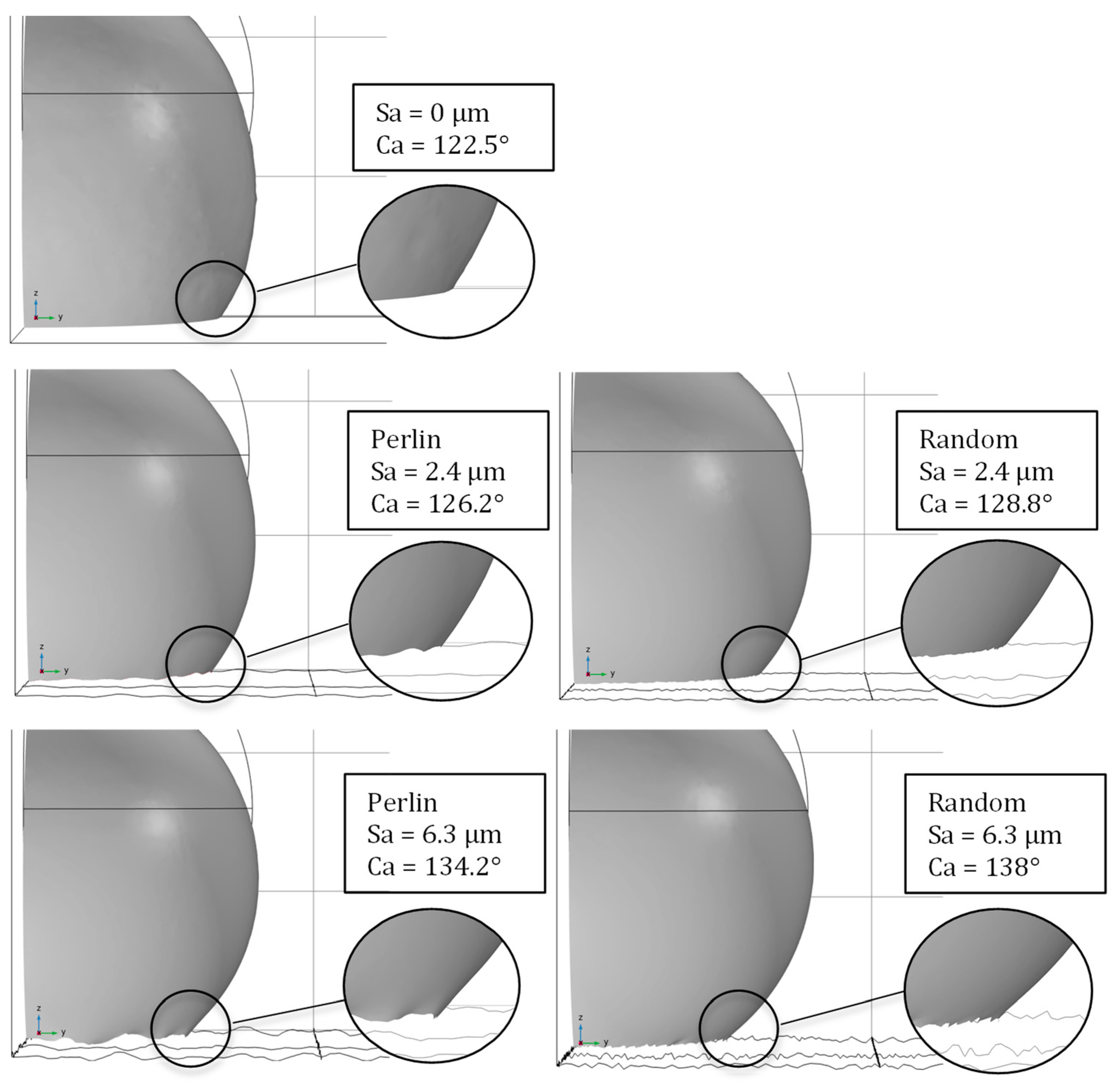
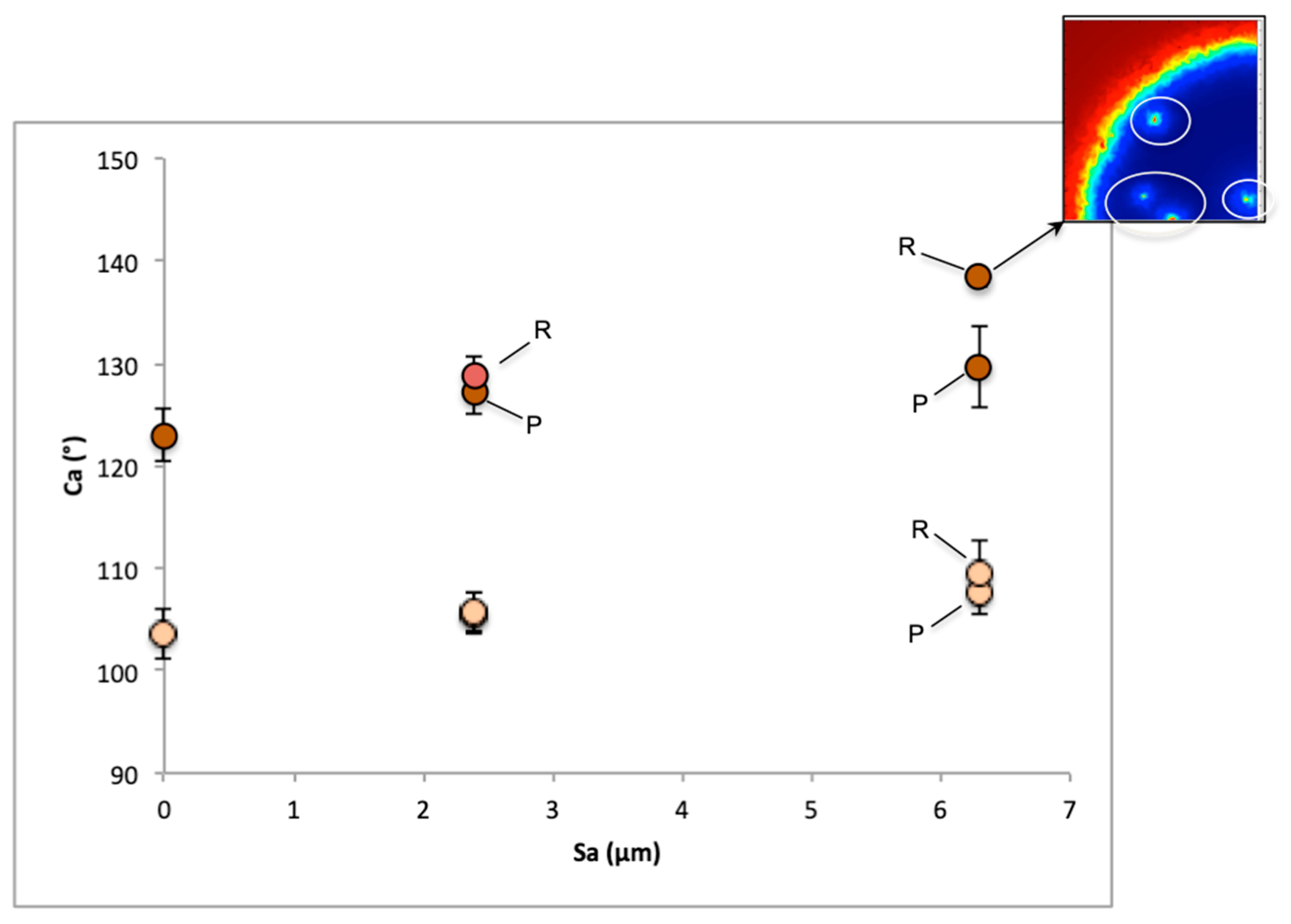
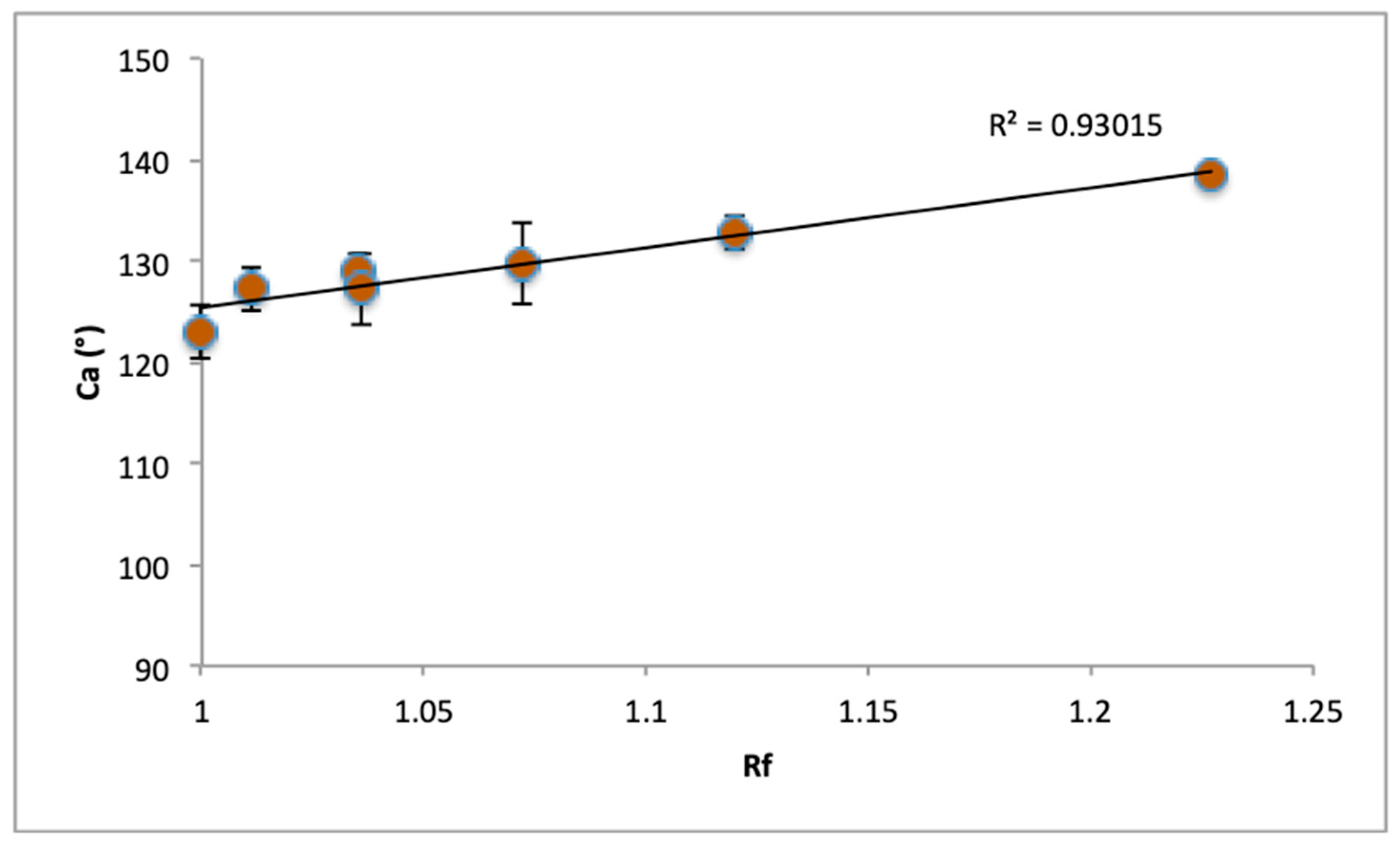
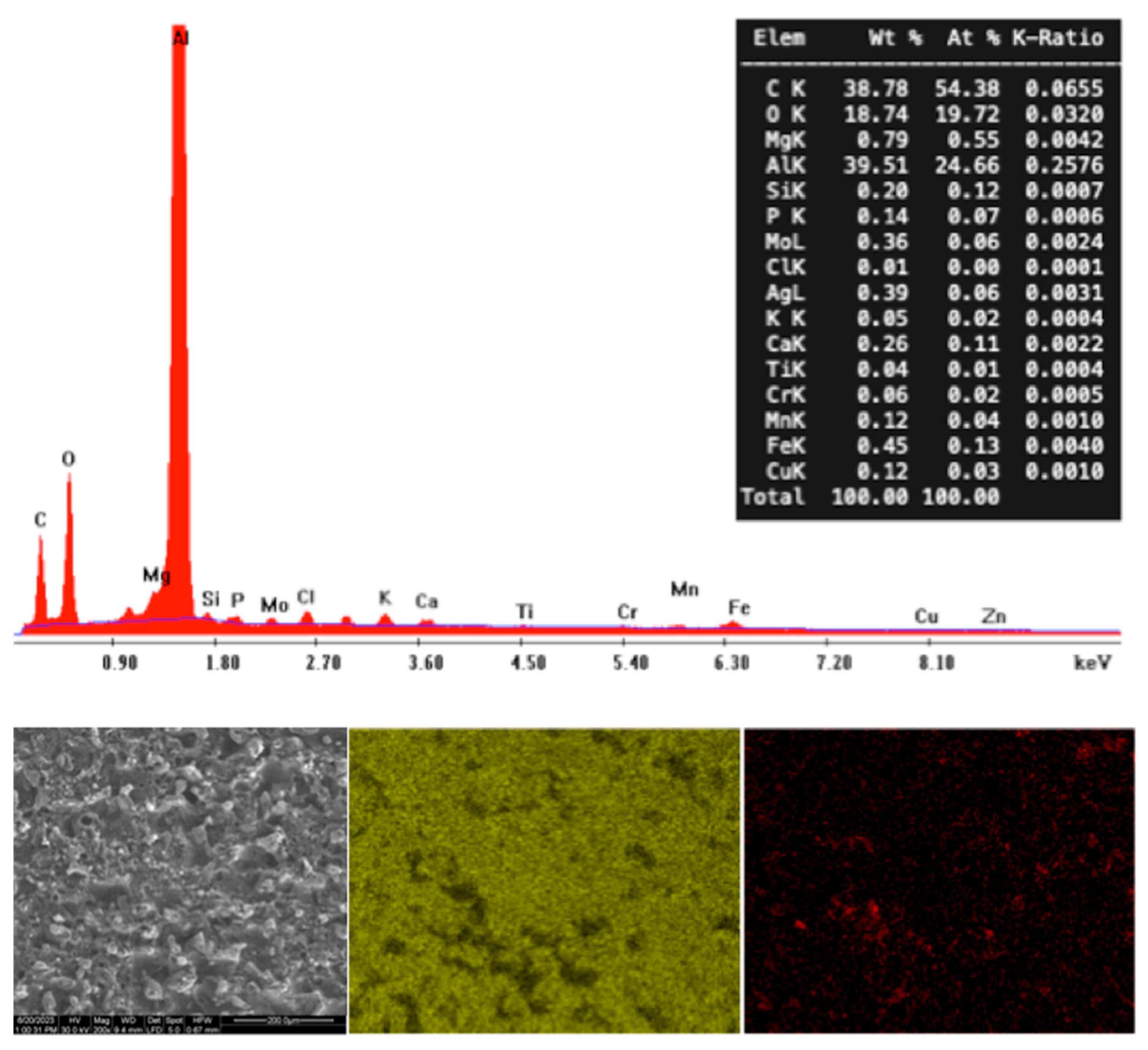
Electrical Discharge Machining (EDM) is a non-conventional machining technique, capable of processing any kind of conductive material. Recently, it has been successfully utilized for producing hydrophobic characteristics in inherently hydrophilic metallic materials. In this work, Wire Electrical Discharge Machining (WEDM) was utilized for producing hydrophobic characteristics on the surface of the aluminum alloy 6082, and various parameters that can affect wettability were investigated. Adopting an orthogonal Taguchi approach, the effects of the process parameter values of peak current, pulse-on time, and gap voltage on the contact angles of the machined surfaces were investigated. After machining, all samples were observed to have obtained hydrophobic properties, reaching contact angles up to 132°. The peak current was identified as the most influential parameter regarding the contact angle, while the gap voltage was the less influential parameter. A contact angle variation of 30° was observed throughout different combinations of machining parameters. Each combination of the machining parameters resulted in a distinct surface morphology. The samples with moderate roughness values (3.4 μm > Sa > 5.7 μm) were found to be more hydrophobic than the samples with high or low values, where the contact angle was measured under 115°. In addition, the finite element modeling of the experimental setup, with parametric surfaces of uniform random and Perlin noise types of roughness, was implemented. Time dependent simulations coupling phase field and laminar flow for the modelingof the wetting of surfaces with different surface roughness characteristics showed that an increase in the Sa roughness and total wetted area can lead to an increase in the contact angle. The combination of experimental and computational results suggests that the complexity of the wettability outcomes of aluminum alloy surfaces processed with WEDM lies in the interplay between variations of the surface chemical composition, roughness, micro/nano morphology, and the surface capability of forming a composite air/water interface.
Keywords: WEDM; machining parameters; hydrophobicity; surface roughness; FEM; stochastic roughness parametric surface WEDM; machining parameters; hydrophobicity; surface roughness; FEM; stochastic roughness parametric surface