Article

Design Method and Teeth Contact Simulation of PEEK Involute Spline Couplings

1
School of Mechanical and Electrical Engineering, Shaanxi University of Science and Technology, Xi’an 710021, China
2
Department of International Applied Technology, Yibin University, No. 8. Luke, Wuliangye Avenue, Yibin 644002, China
*
Author to whom correspondence should be addressed.
Materials 2024, 17(1), 60; https://doi.org/10.3390/ma17010060
Submission received: 17 November 2023 / Revised: 13 December 2023 / Accepted: 19 December 2023 / Published: 22 December 2023
(This article belongs to the Special Issue Advanced Machining Technology for Modern Engineering Materials)

Abstract

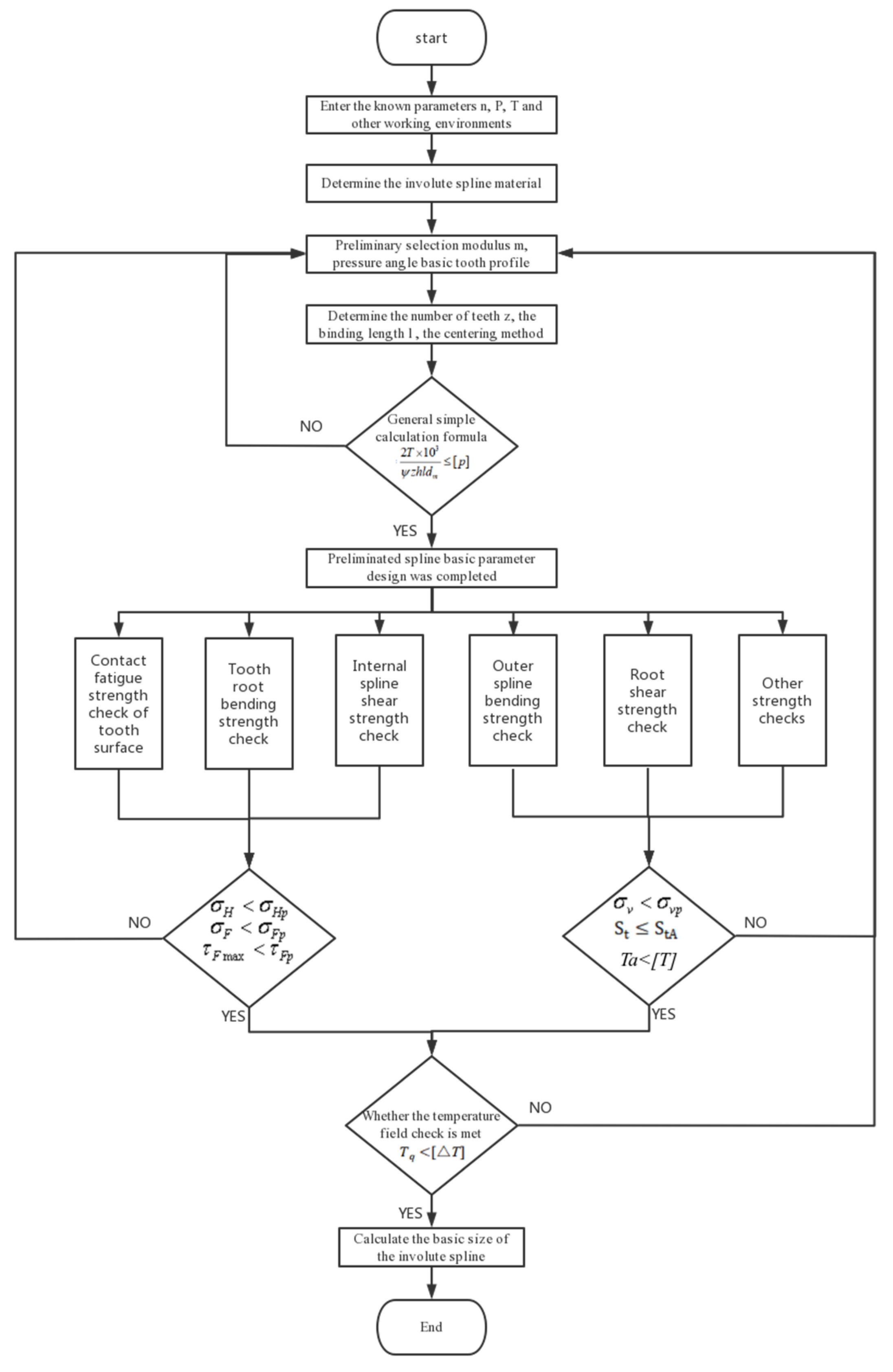
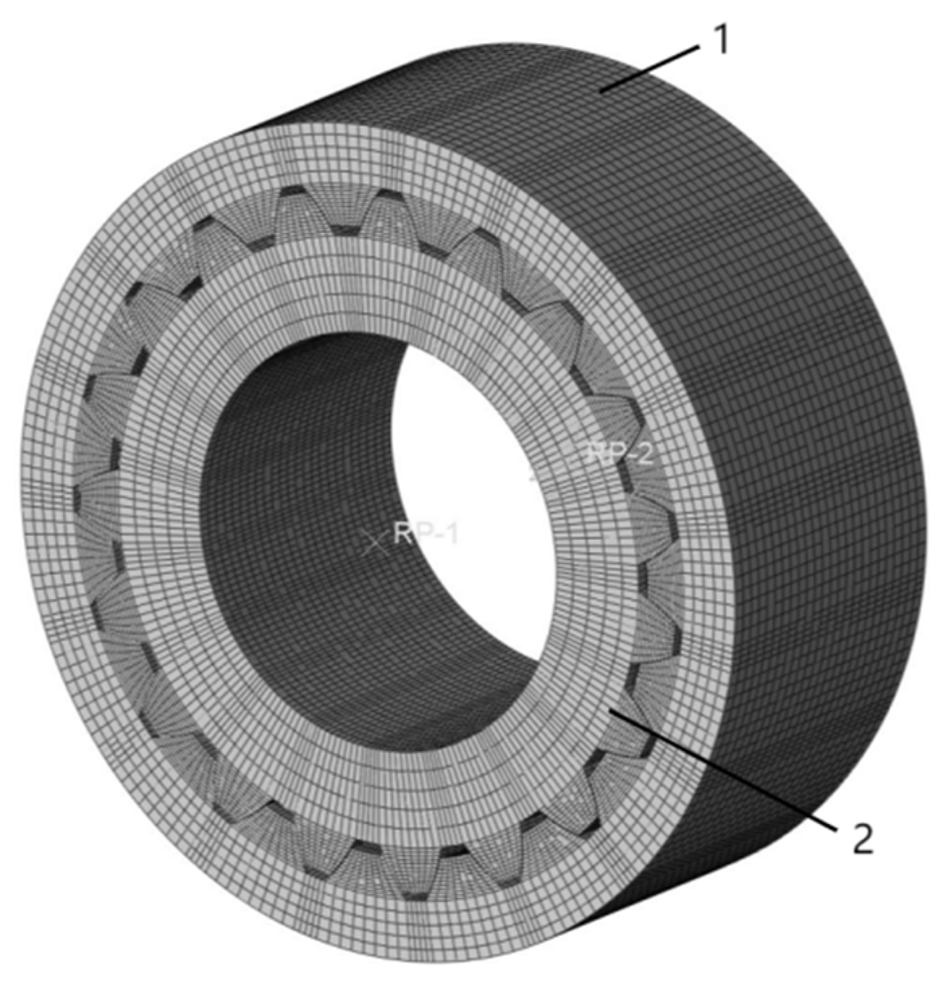
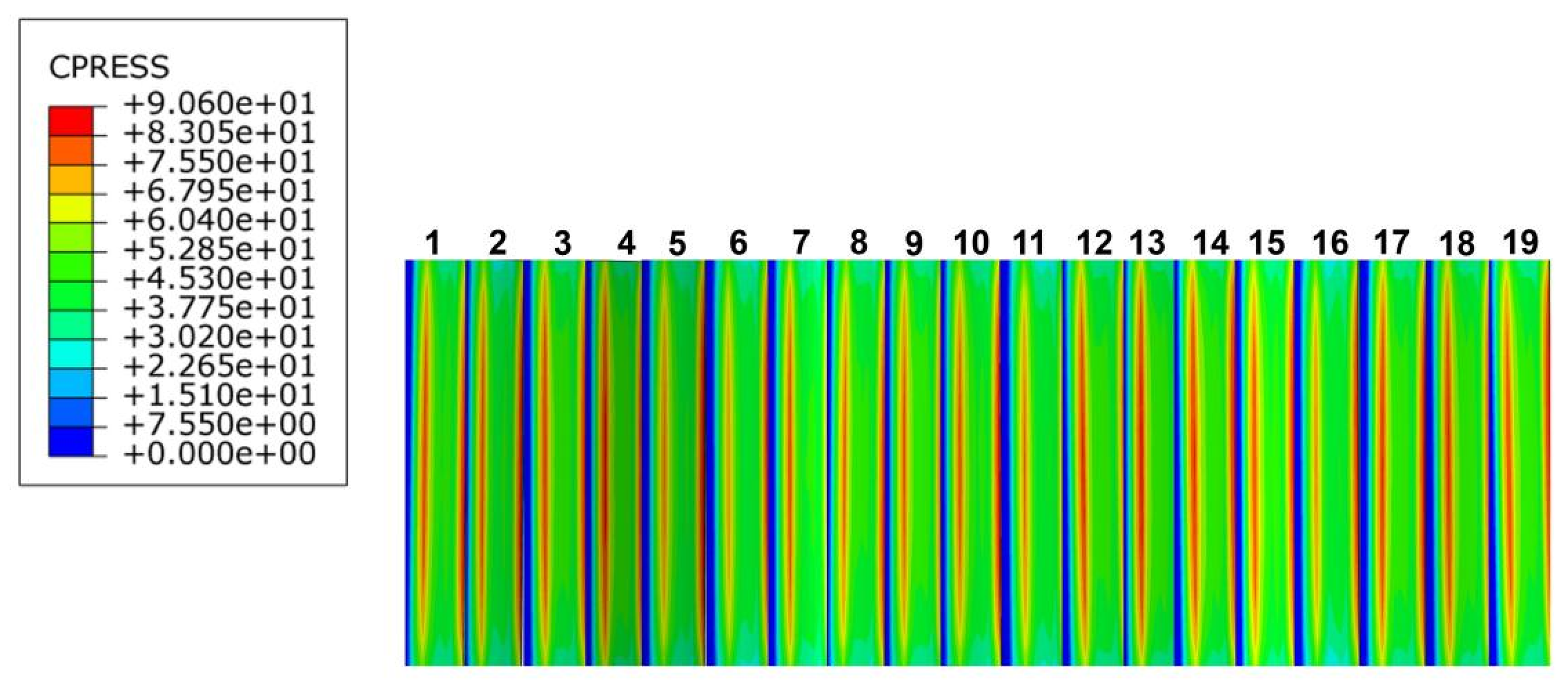
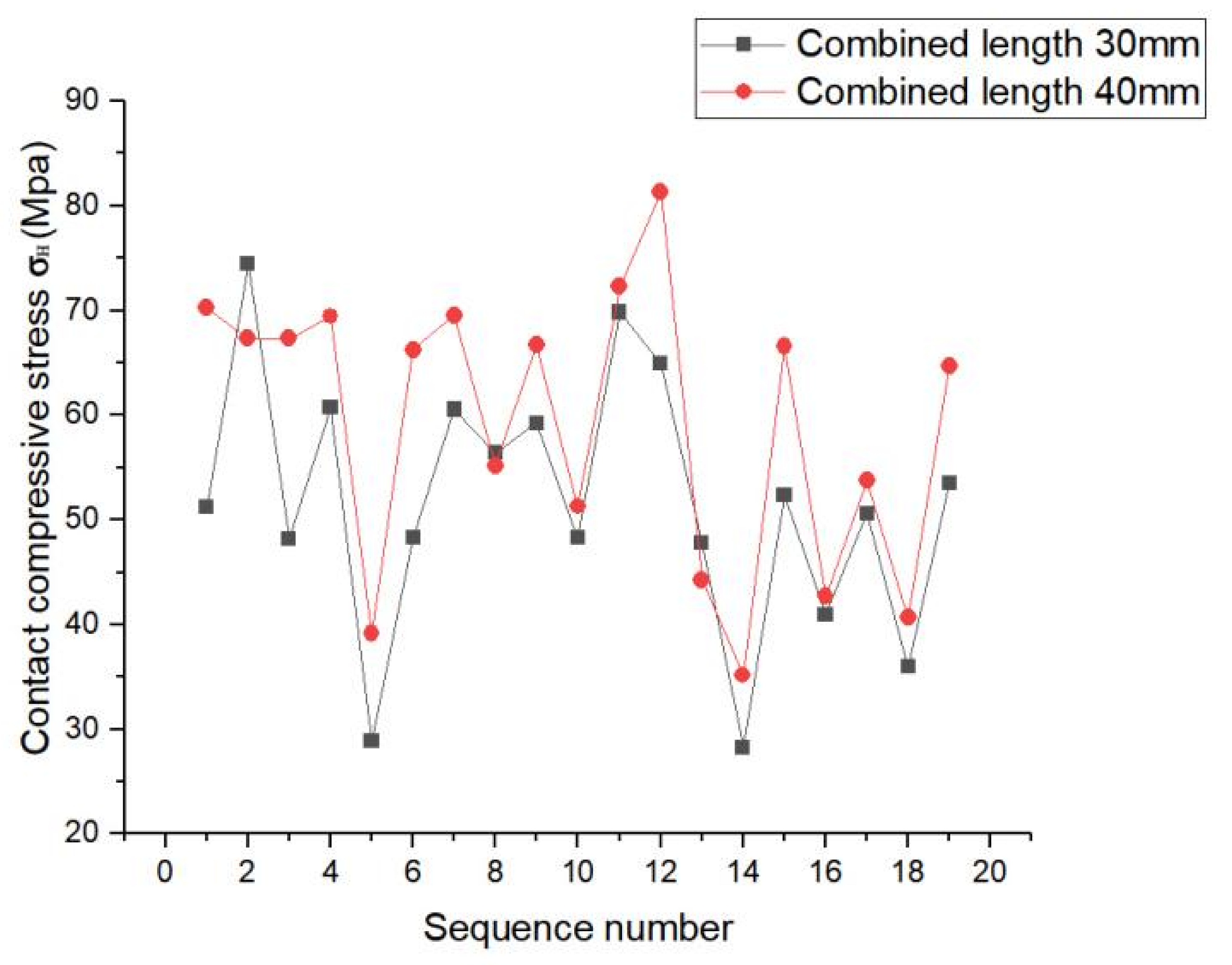
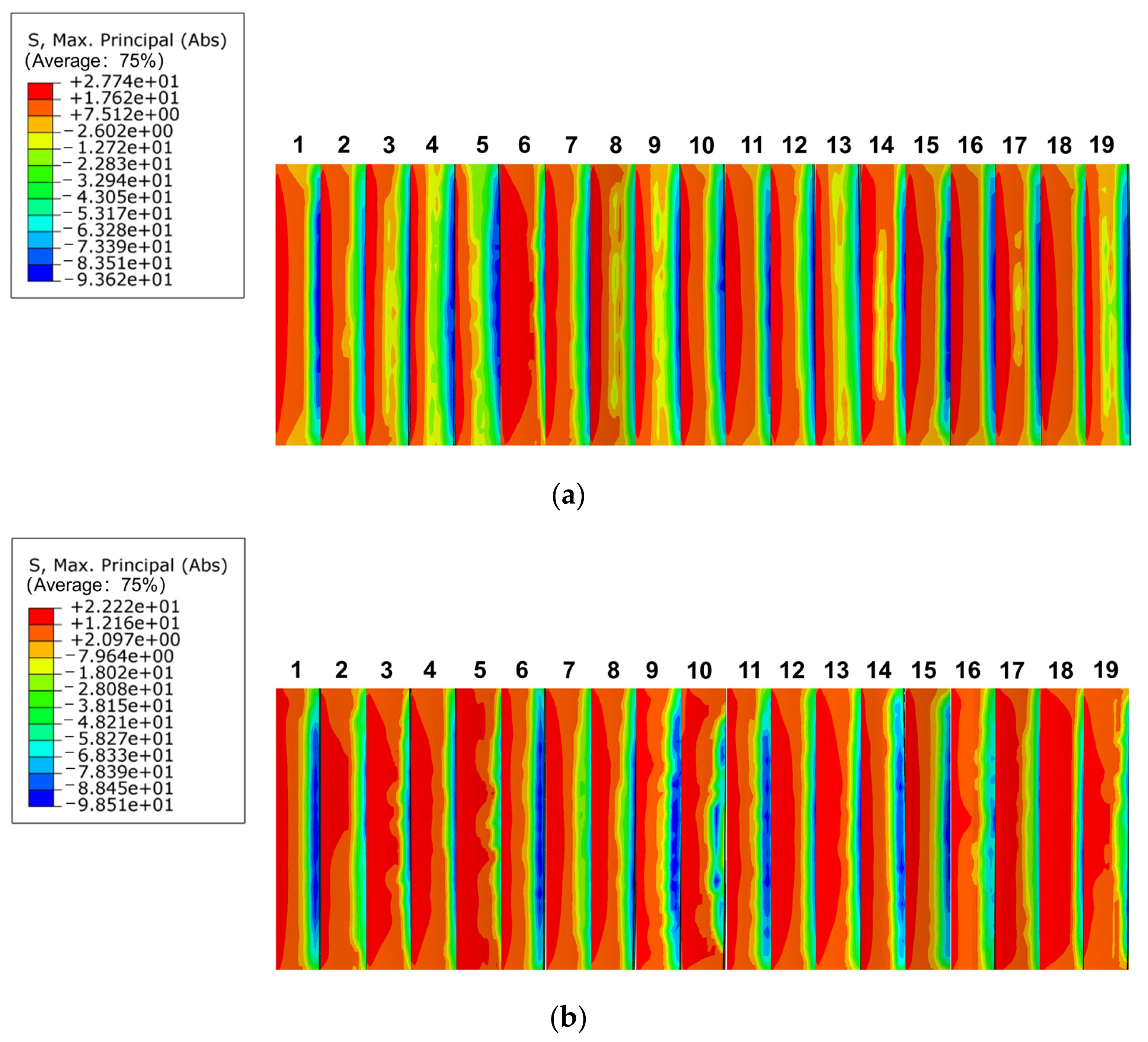
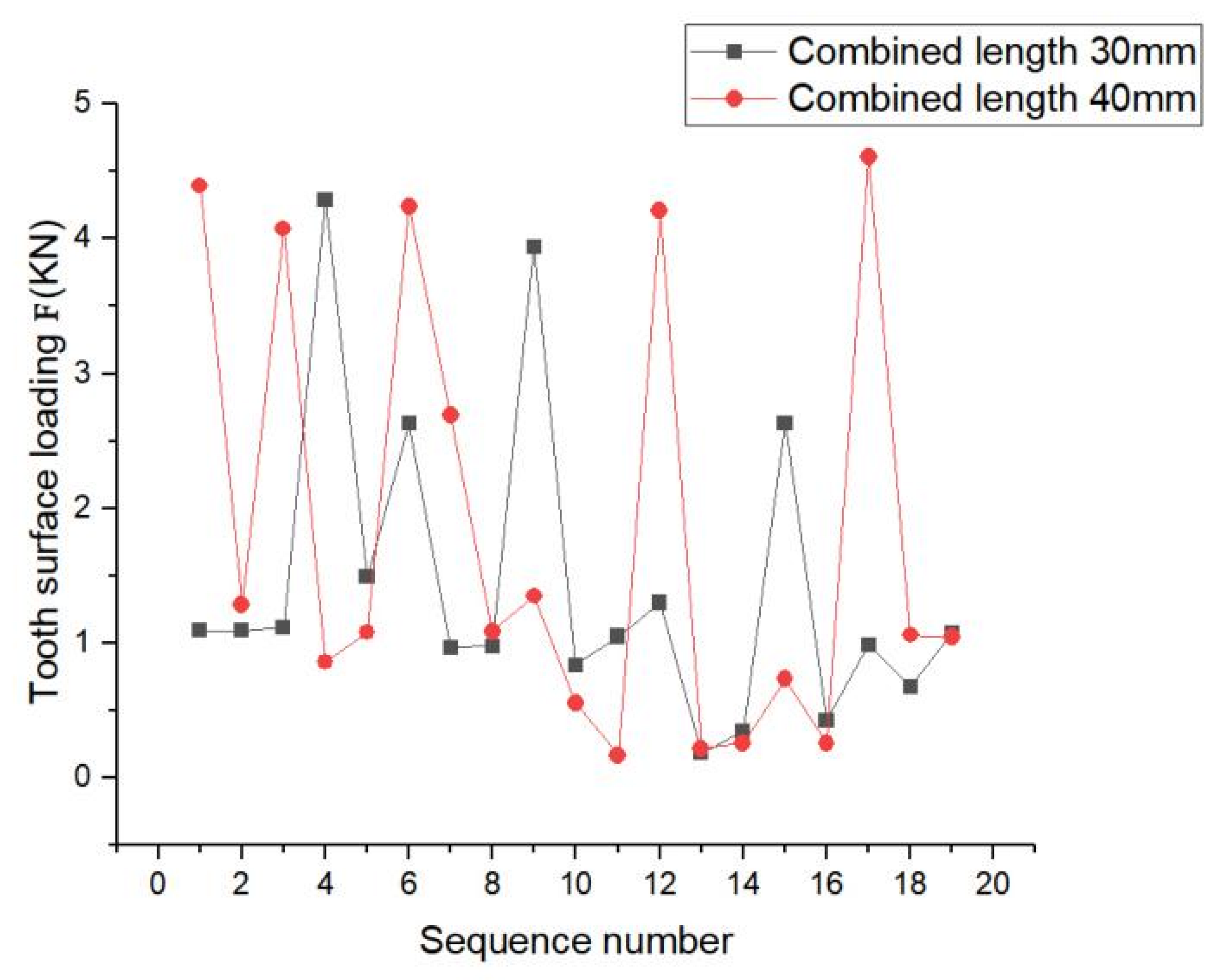

In order to design an involute spline made of PEEK (polyetheretherketone)-based material with better performance and improve the design rules of involute splines, initially, an involute splines design theory for PEEK (polyetheretherketone)-based materials is presented, which combines international standards (ISO 4156, 1. 2. 3, 2005), American standards (ANSI B92.2M. 1989), and traditional empirical formulas. Second, using the involute splines calibration method in international standards as a guide, we developed the involute splines calibration method for PEEK-based materials by estimating the impact of energy consumption caused by viscoelasticity on temperature field calibration. Next, the contact characteristics of the designed spline were analyzed using ABAQUS2022 software to confirm the accuracy and reliability of the design and calibration methods. Finally, finite element simulation was used to analyze the influence of different pressure angles, moduli, combined lengths, and other parameters on the contact characteristics of the spline in order to realize the optimal design of PEEK-based material involute splines, to offer a theoretical foundation and improved design methodology for cylindrical straight-tooth involute splines.
Keywords: contact characteristic analysis; involute splines design; material viscoelasticity; optimized design; PEEK (polyetheretherketone) contact characteristic analysis; involute splines design; material viscoelasticity; optimized design; PEEK (polyetheretherketone)