Article

Effect of Nb-Ti Microalloyed Steel Precipitation Behavior on Hot Rolling Strip Shape and FEM Simulation

1
National Engineering Research Centre for Advanced Rolling Technology, University of Science and Technology Beijing, Beijing 100083, China
2
Digital Intelligence Department, Xinyu Iron and Steel Co., Ltd., Xinyu 338001, China
*
Author to whom correspondence should be addressed.
Materials 2024, 17(3), 651; https://doi.org/10.3390/ma17030651
Submission received: 29 December 2023 / Revised: 24 January 2024 / Accepted: 25 January 2024 / Published: 29 January 2024
(This article belongs to the Section Metals and Alloys)

Abstract

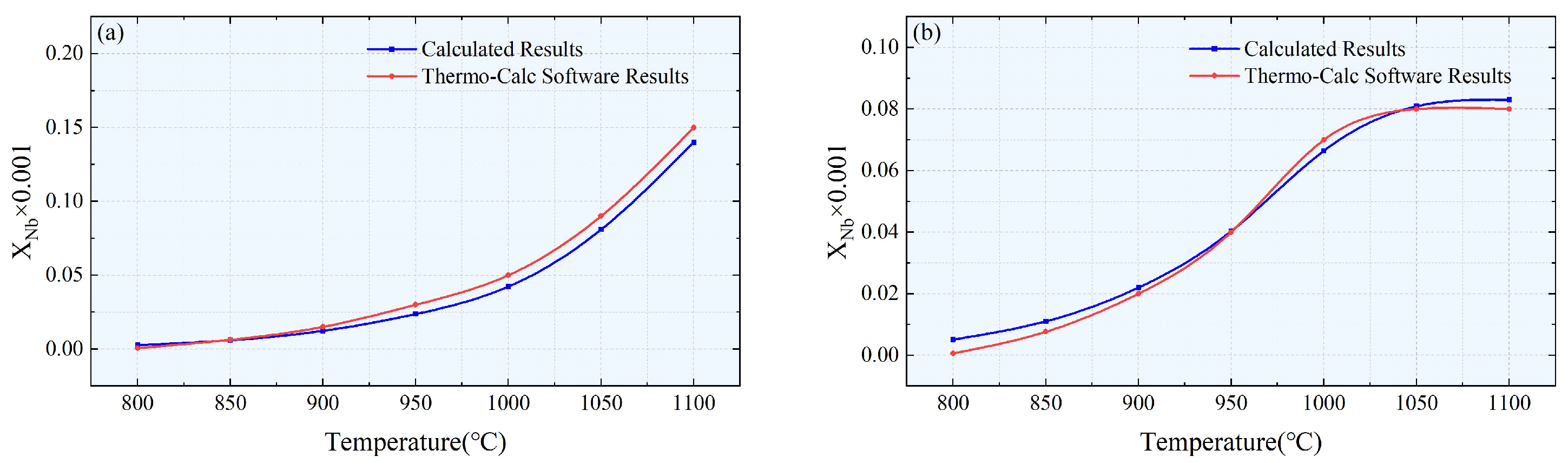
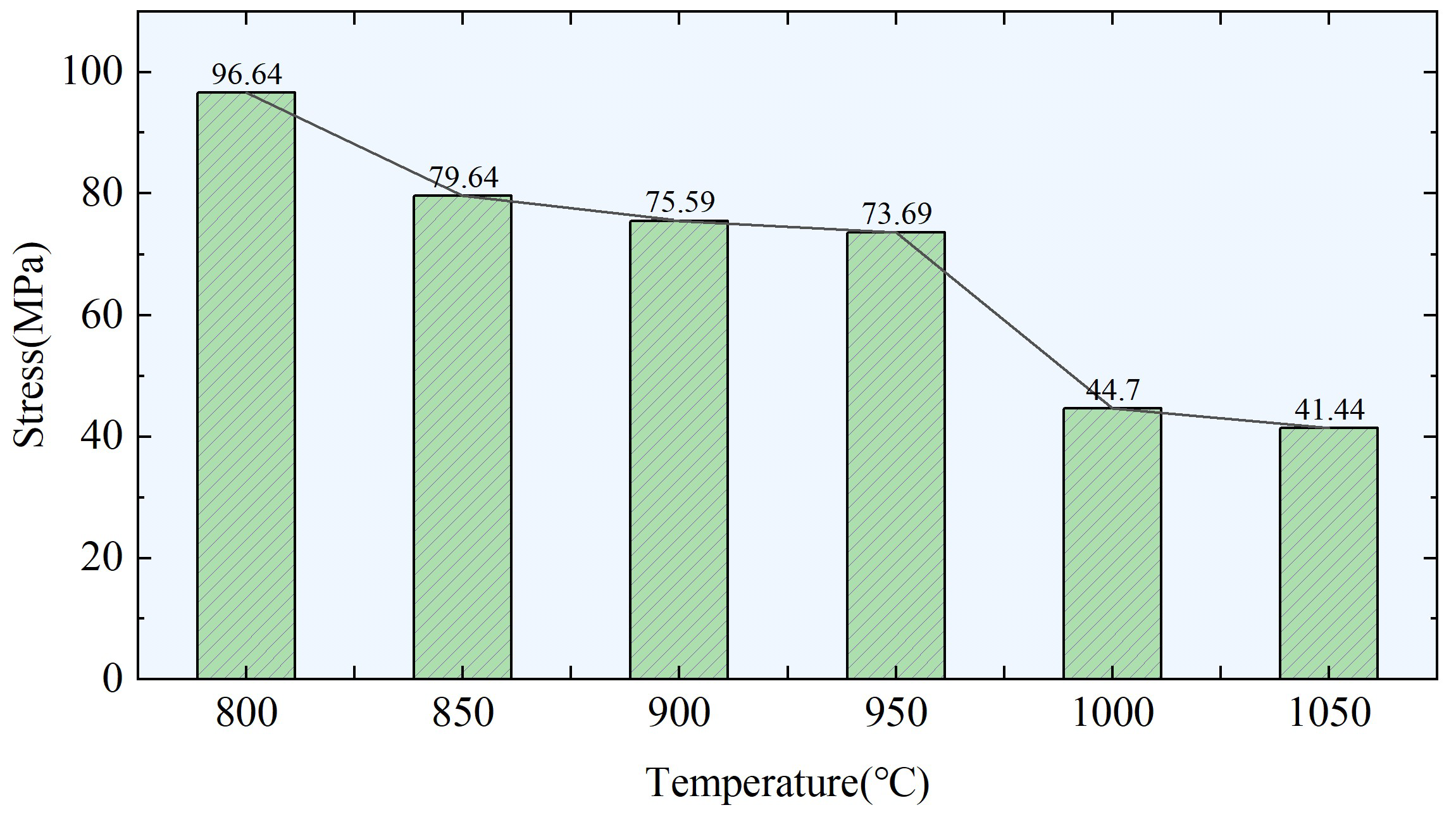
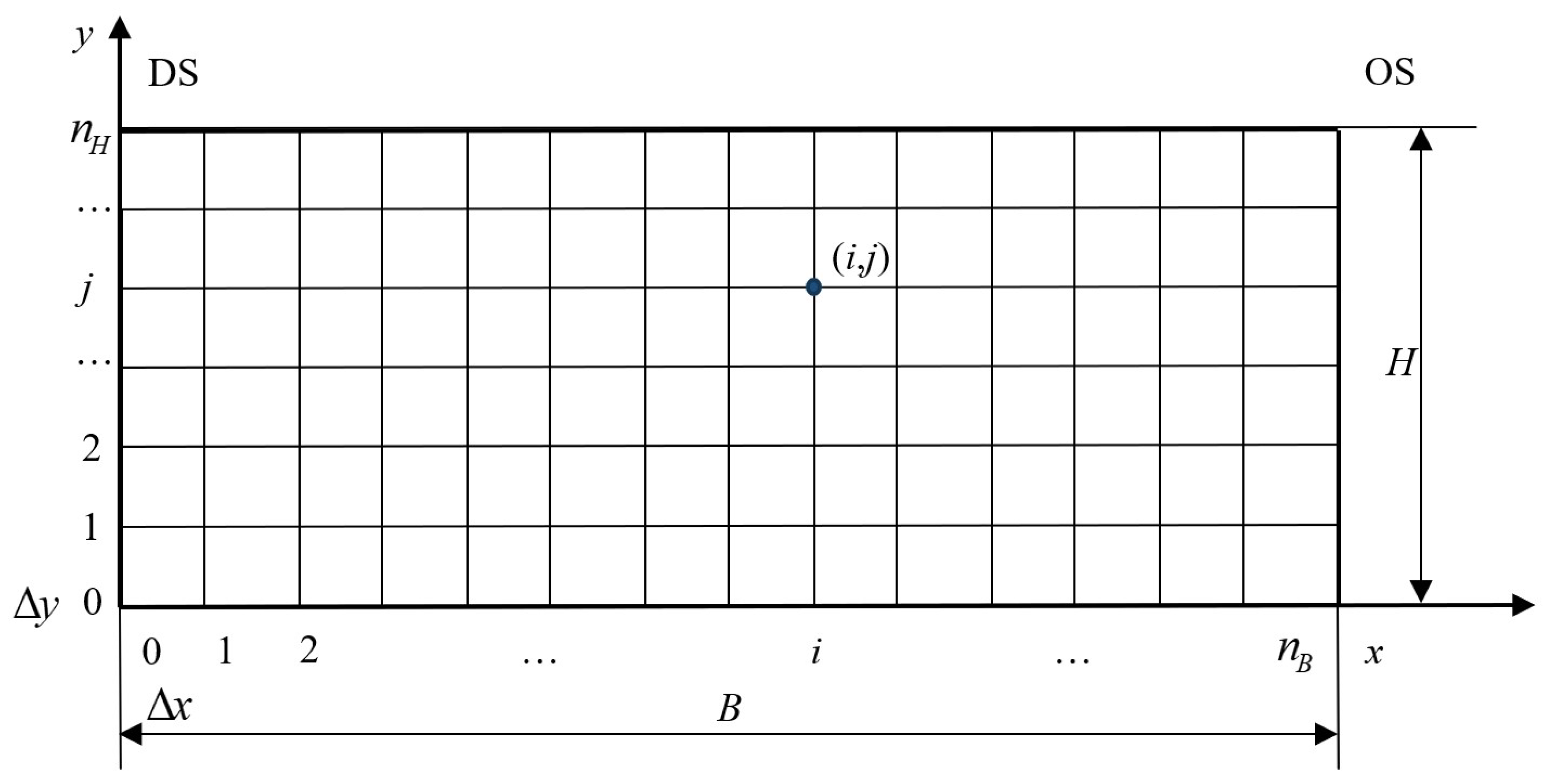
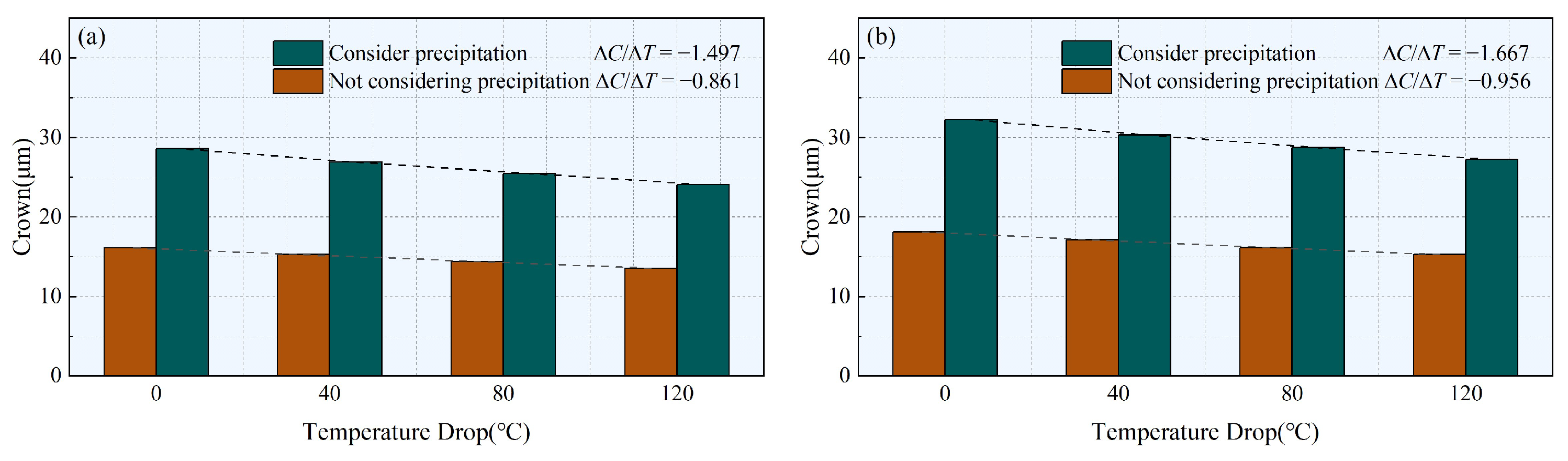
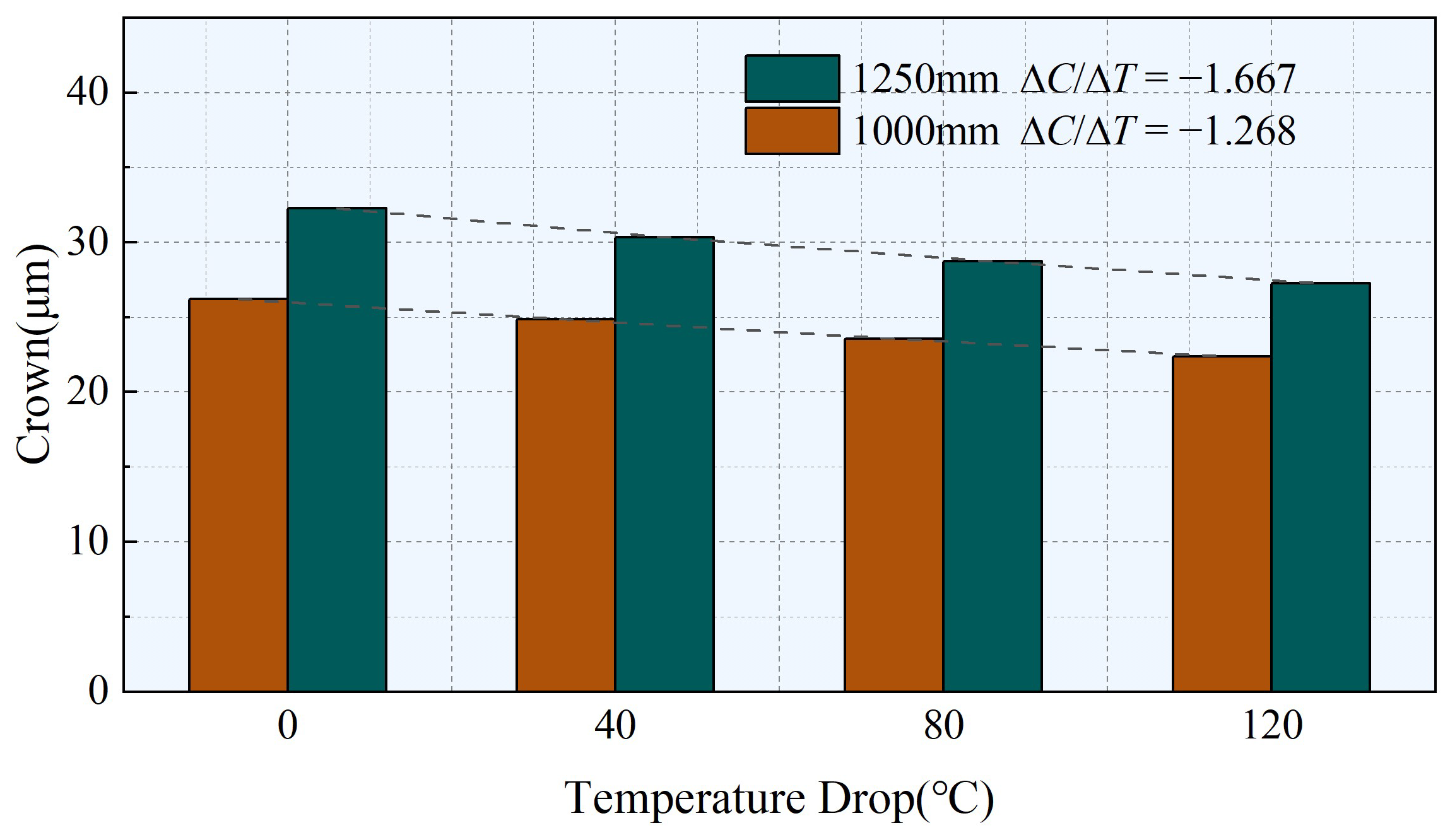
Strip shape control is a hotspot and challenge in strip rolling, where the development trend of rolling technology is towards high strength, high toughness, and a large width-to-thickness ratio. The influence of material microstructure evolution on strip shape control is being increasingly emphasized. In this paper, a Nb-Ti microalloyed steel is taken as the research object. Thermodynamic and kinetic models focusing on the precipitation of the austenite phase are established to quantify the precipitation process. A coupled model of rolls and strips is built using ABAQUS 2022 software, where the precipitation strengthening model and high-temperature constitutive model are embedded into the finite element model (FEM) through subroutines. A two-dimensional alternating differential model is employed to acquire real-time temperature differences in the width direction of the strip. The effects of precipitation inclusion and exclusion on the strip crown under different operating conditions are compared and analyzed. The results indicate that as the temperature decreases, the strengthening effect increases, reaching around 40 MPa at temperatures above 1000 °C and 96.6 MPa at 800 °C. Furthermore, the inclusion of crown in the precipitation consideration is more sensitive to overall temperature changes, but as the strip width decreases, the sensitivity of crown to temperature decreases. The research findings of this paper provide guidance for improving strip shape control and reducing abnormalities during the rolling process.
Keywords: microalloyed steel; finish rolling; precipitation; strip shape; control optimization microalloyed steel; finish rolling; precipitation; strip shape; control optimization