Article

Synthesis and Characterization of Cellulose Microfibril-Reinforced Polyvinyl Alcohol Biodegradable Composites


by
Fatemeh Mahdiyeh Boroujeni
,
Gabriella Fioravanti
and
Ronald Kander
*
School of Design and Engineering, Kanbar College, Thomas Jefferson University, Philadelphia, PA 19144, USA
*
Author to whom correspondence should be addressed.
Materials 2024, 17(2), 526; https://doi.org/10.3390/ma17020526
Submission received: 20 November 2023 / Revised: 3 January 2024 / Accepted: 16 January 2024 / Published: 22 January 2024
(This article belongs to the Special Issue Sustainable Lignocellulosic Materials)

Abstract

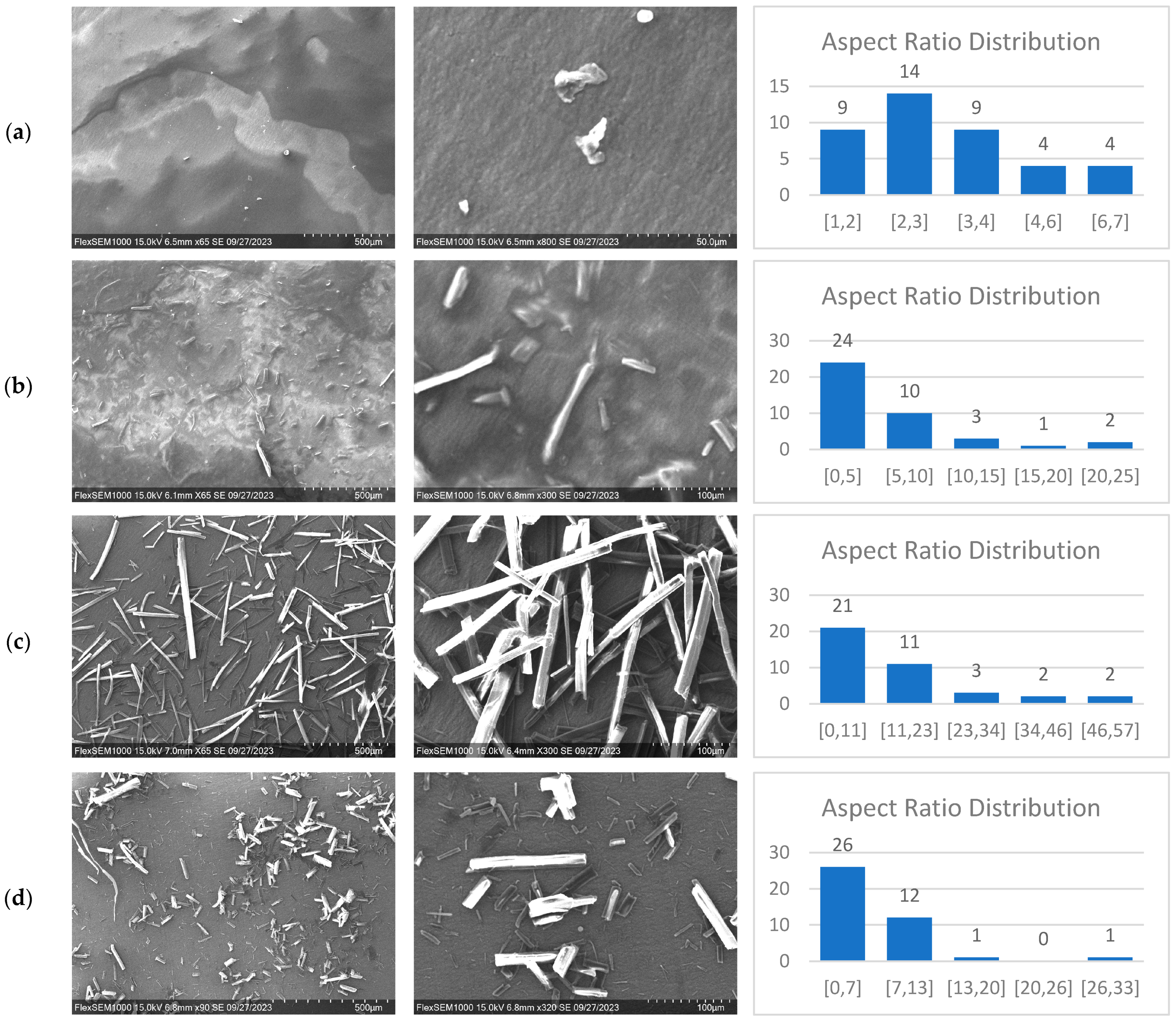
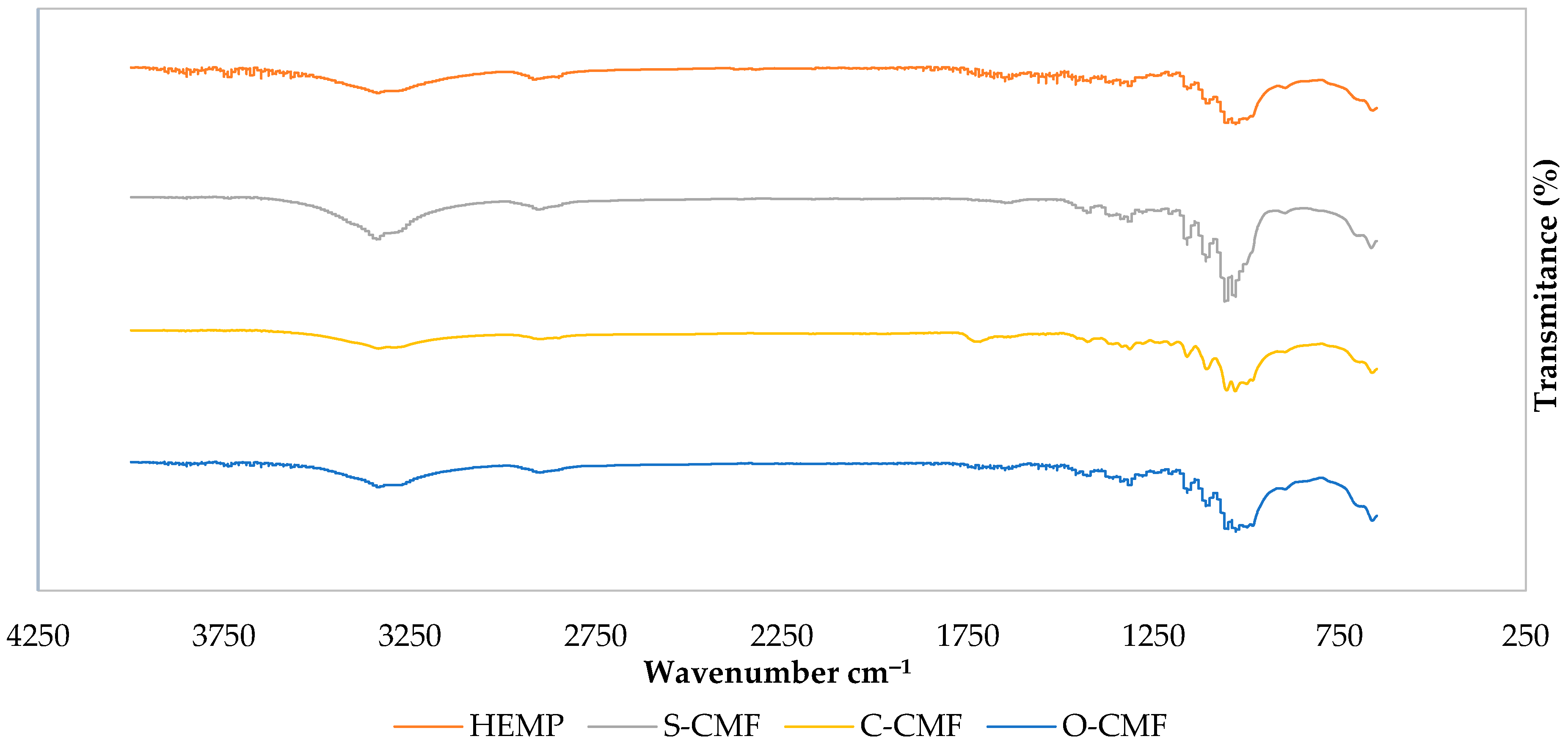
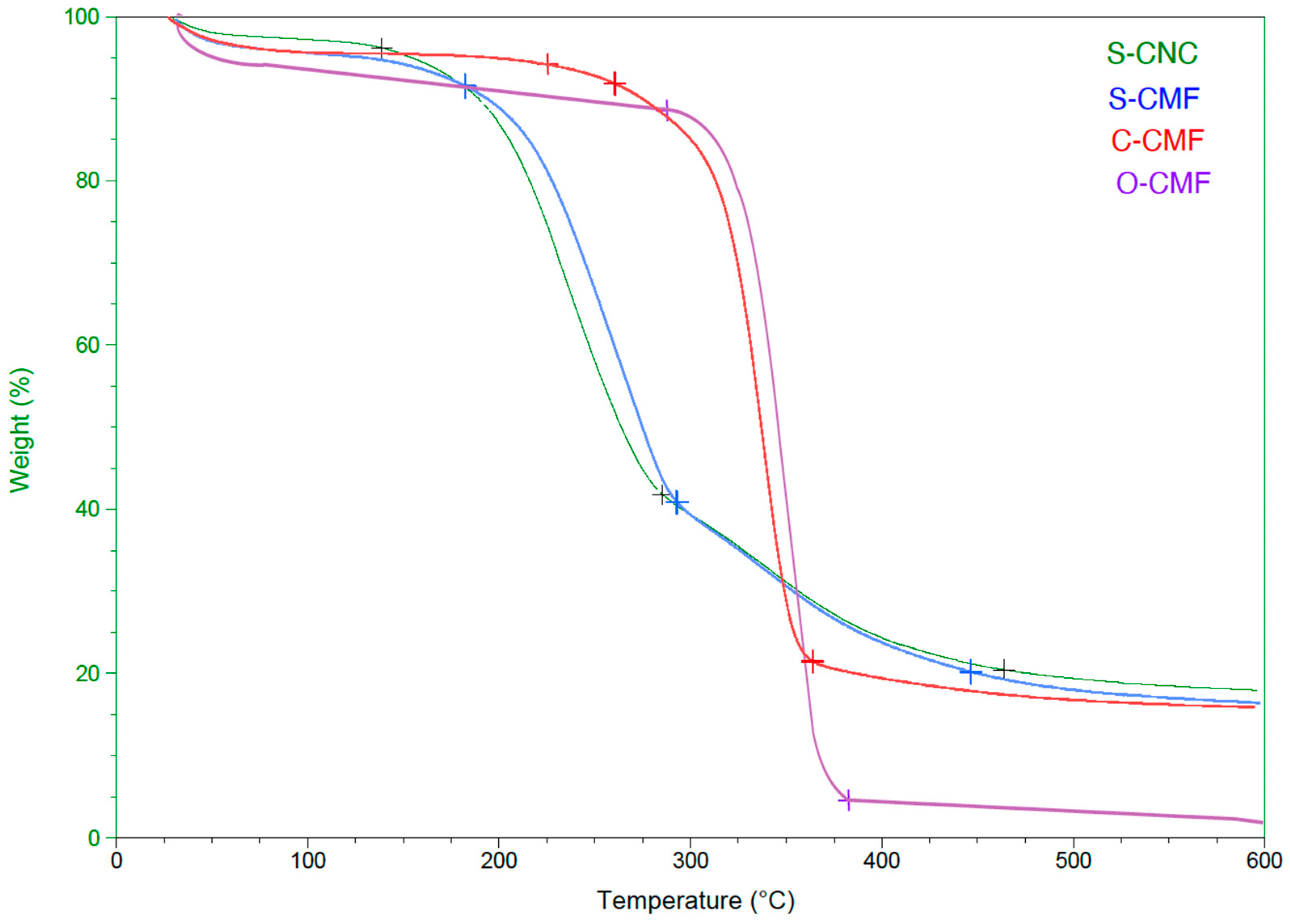
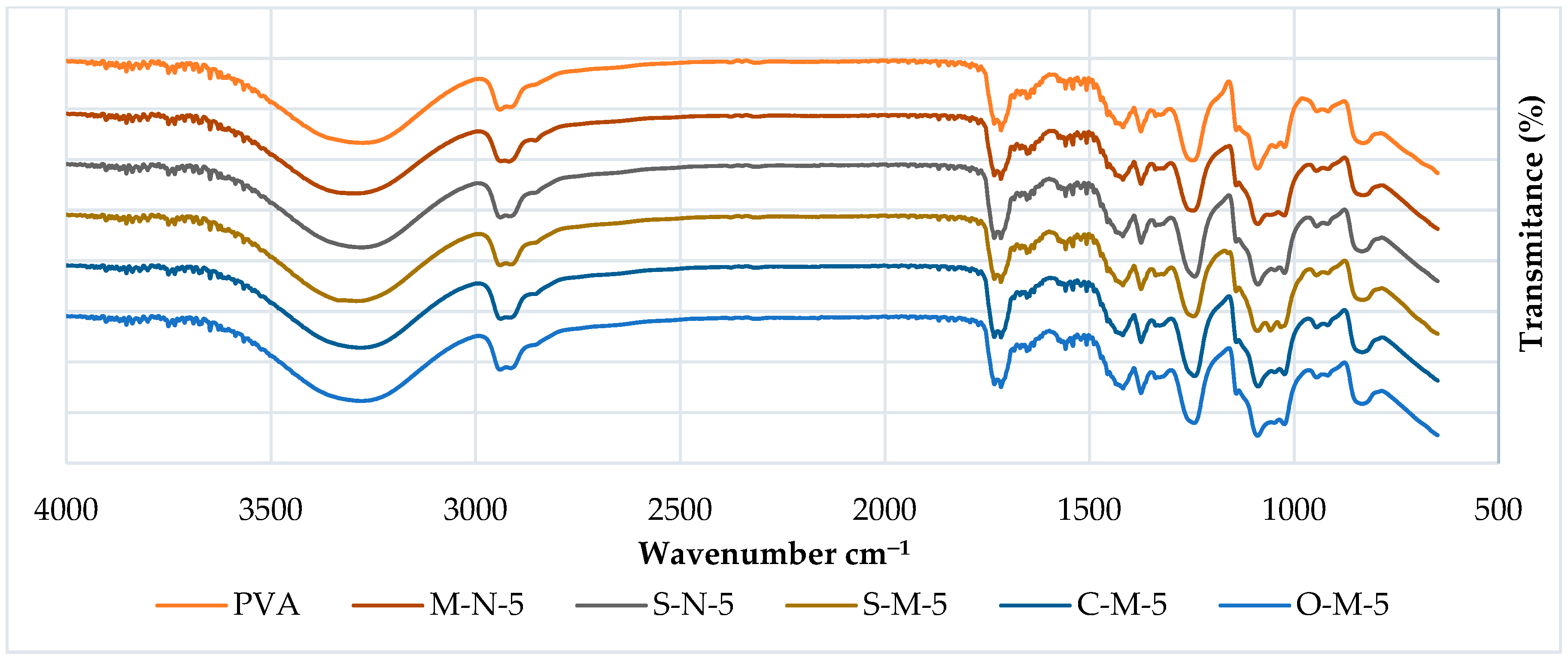
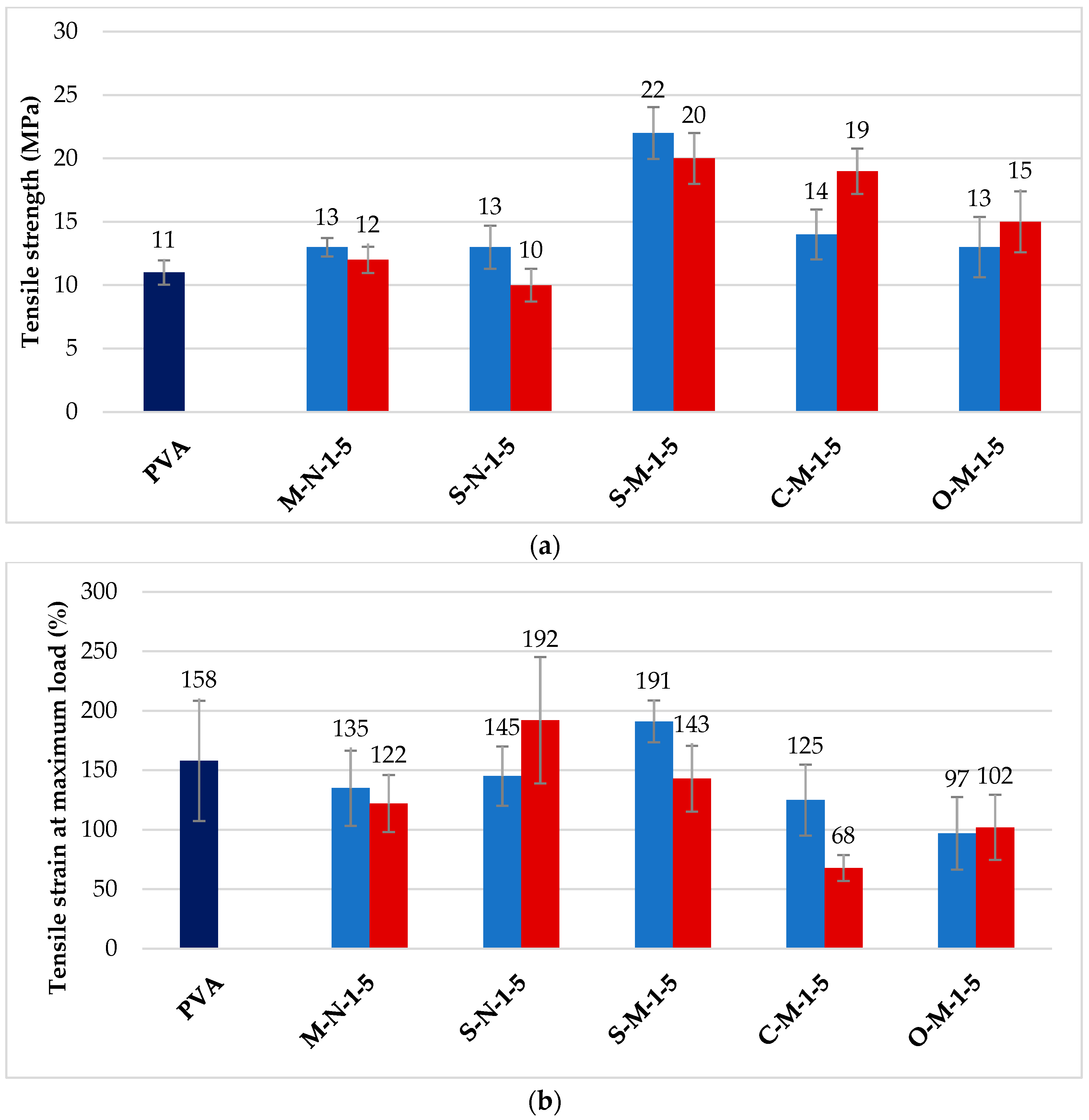
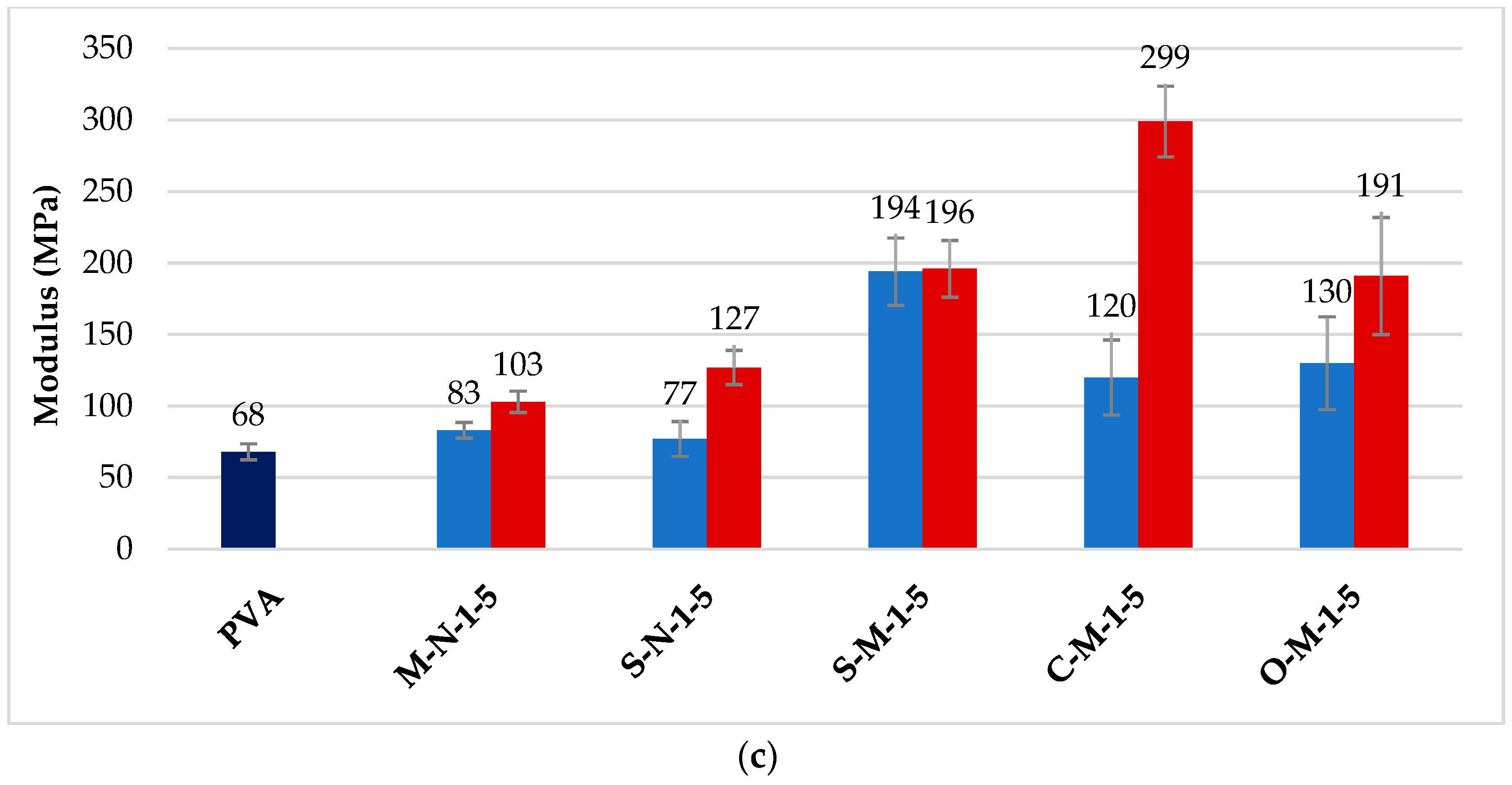
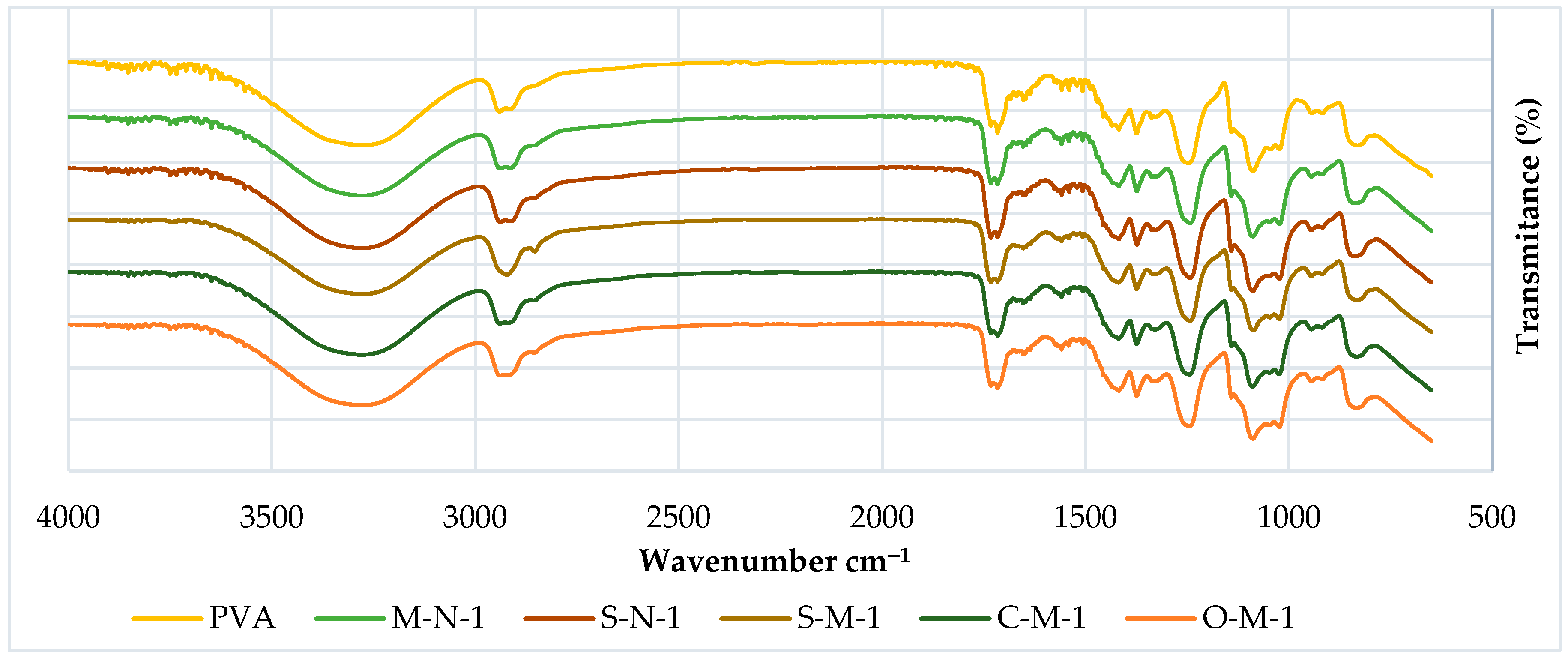
The pursuit of an environmentally sustainable manufacturing process requires the substitution of less damaging and recyclable solutions for harmful reagents. This study aims to assess the effectiveness of using cellulose microfibrils synthesized via different hydrolysis reactions as reinforcing agents in polyvinyl alcohol (PVA) at varying concentrations. The investigation explores the morphology, thermal properties, and chemical behavior of the cellulose particles. The cellulose microfibrils (CMFs) produced using citric acid exhibited the highest yield and aspect ratio. Notably, particles from organic acids demonstrated greater thermal stability, with oxalic acid-derived particles displaying the maximum thermal degradation temperature. Subsequently, cast films of PVA reinforced with the cellulose microfibrils underwent comprehensive analyses, including Fourier transfer infrared (FTIR) spectroscopy, thermal degradation temperature (Td), differential scanning calorimetry (DSC), and tensile strength tests. The thermal behavior of cast films experienced notable changes with the addition of cellulose particles, evidenced by increased melting and crystallinity temperatures, along with a rise in the degree of crystallinity. The incorporation of cellulose particles led to a substantial improvement in mechanical properties. Films containing CMF displayed higher Young’s modulus, and the sample incorporating 5% CMF derived from citric acid exhibited the most significant increase in modulus.
Keywords: biomass; cellulose nanocrystals; cellulose microfibrils; organic acid; biocomposites; polyvinyl alcohol; biodegradable; sustainability biomass; cellulose nanocrystals; cellulose microfibrils; organic acid; biocomposites; polyvinyl alcohol; biodegradable; sustainability