Article

Tribological Research of Resin Composites with the Fillers of Glass Powder and Micro-Bubbles

by
Juozas Padgurskas
1,*,
Vitoldas Vilčinskas
1,
Muhammad Ibnu Rashyid
2,
Muhammad Akhsin Muflikhun
2,
Raimundas Rukuiža
1,* and
Aušra Selskienė
3
1
Department of Mechanical, Energy and Biotechnology Engineering, Vytautas Magnus University, Akademija, LT-53361 Kauno r, Lithuania
2
Department of Mechanical and Industrial Engineering, Faculty of Engineering, Gadjah Mada University, Jln. Grafika No.2, Yogyakarta 55281, Indonesia
3
Department of Characterisation of Materials Structure, State Research Institute Center for Physical Sciences and Technology, Savanorių Ave. 231, LT-02300 Vilnius, Lithuania
*
Authors to whom correspondence should be addressed.
Materials 2024, 17(15), 3764; https://doi.org/10.3390/ma17153764
Submission received: 5 June 2024 / Revised: 25 July 2024 / Accepted: 29 July 2024 / Published: 31 July 2024
(This article belongs to the Special Issue Advances in Tribological and Other Functional Properties of Materials)

Abstract

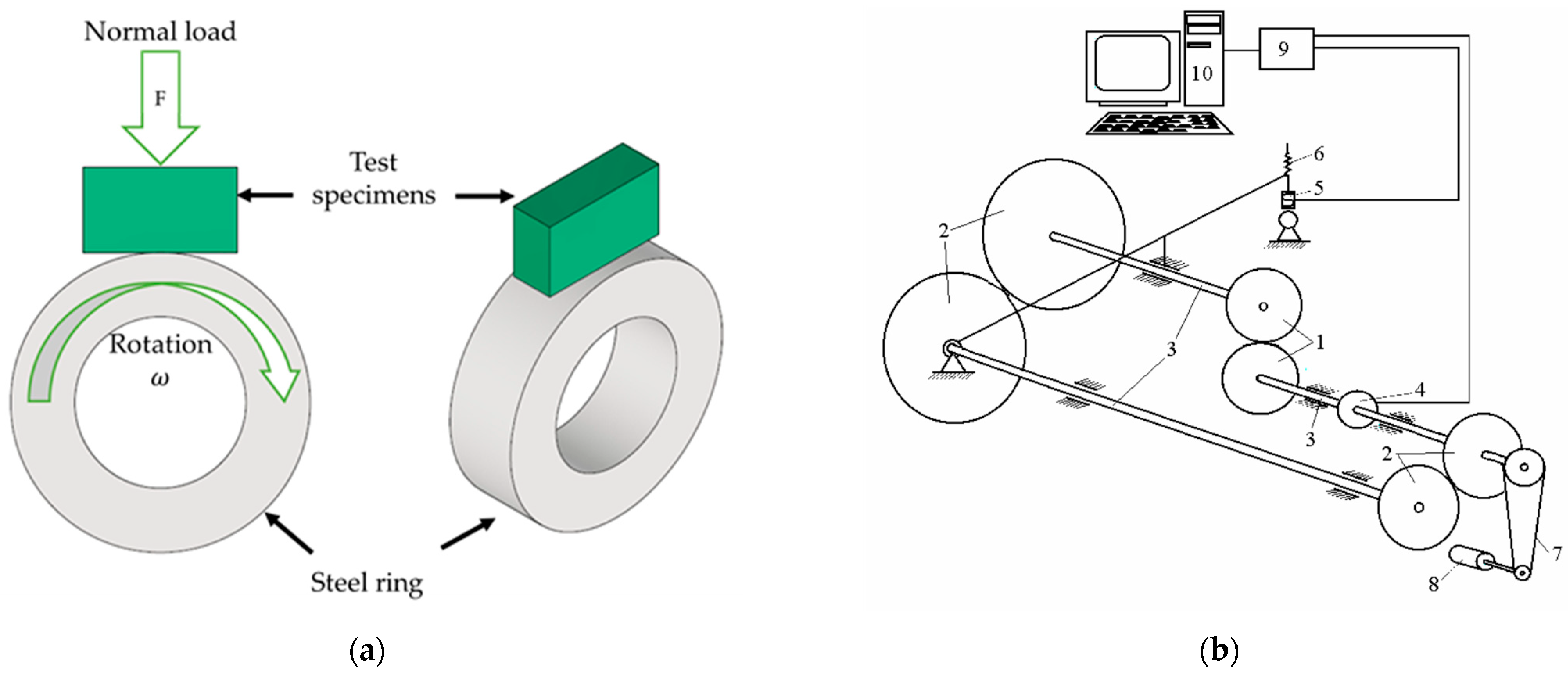
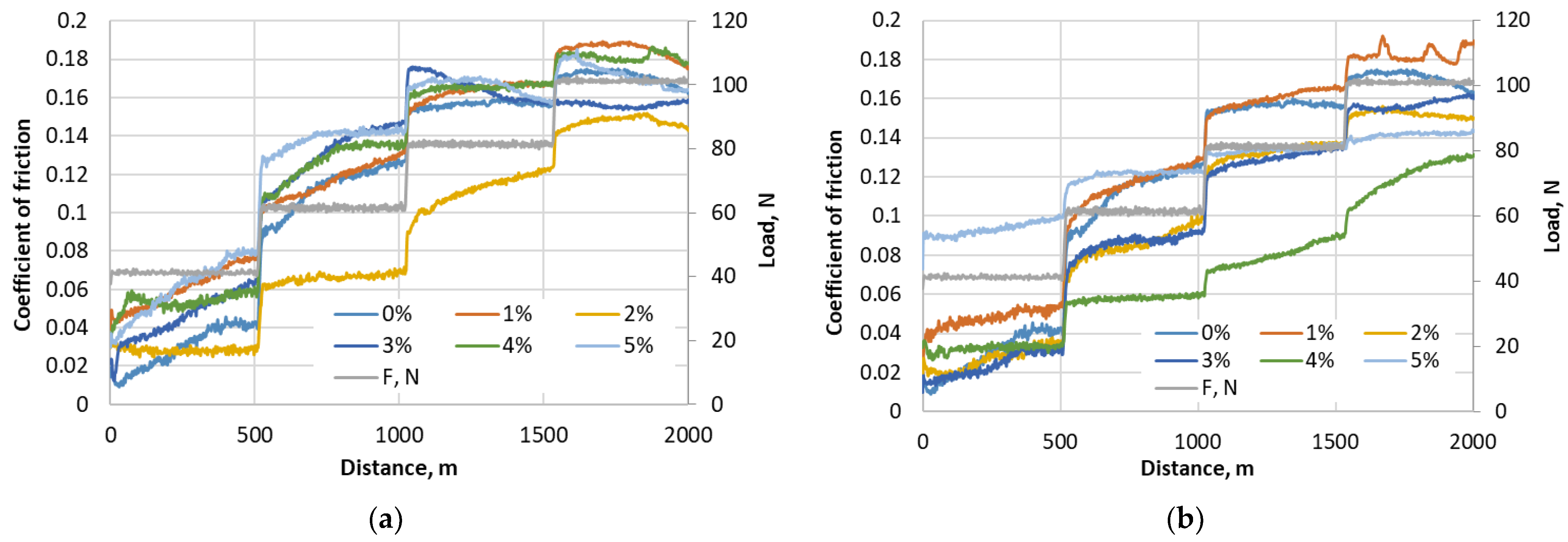
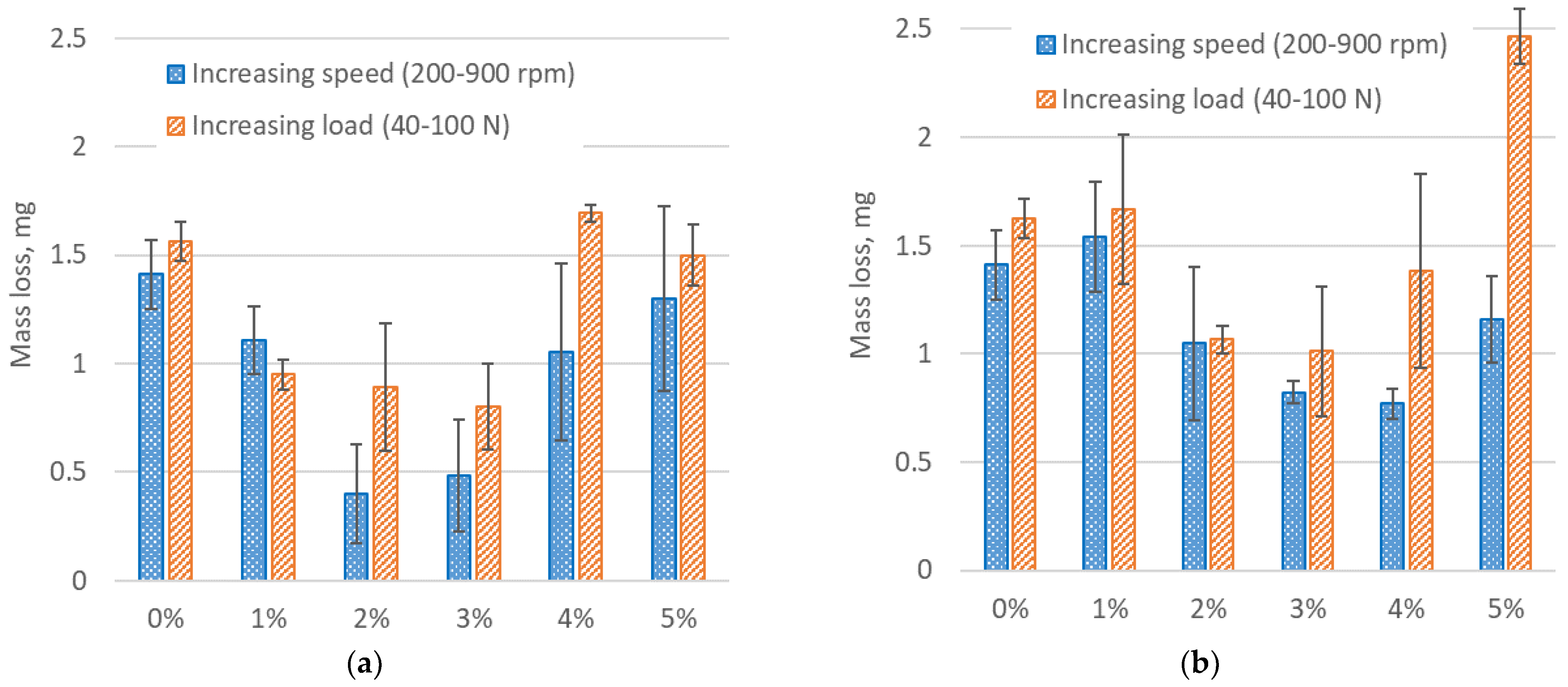
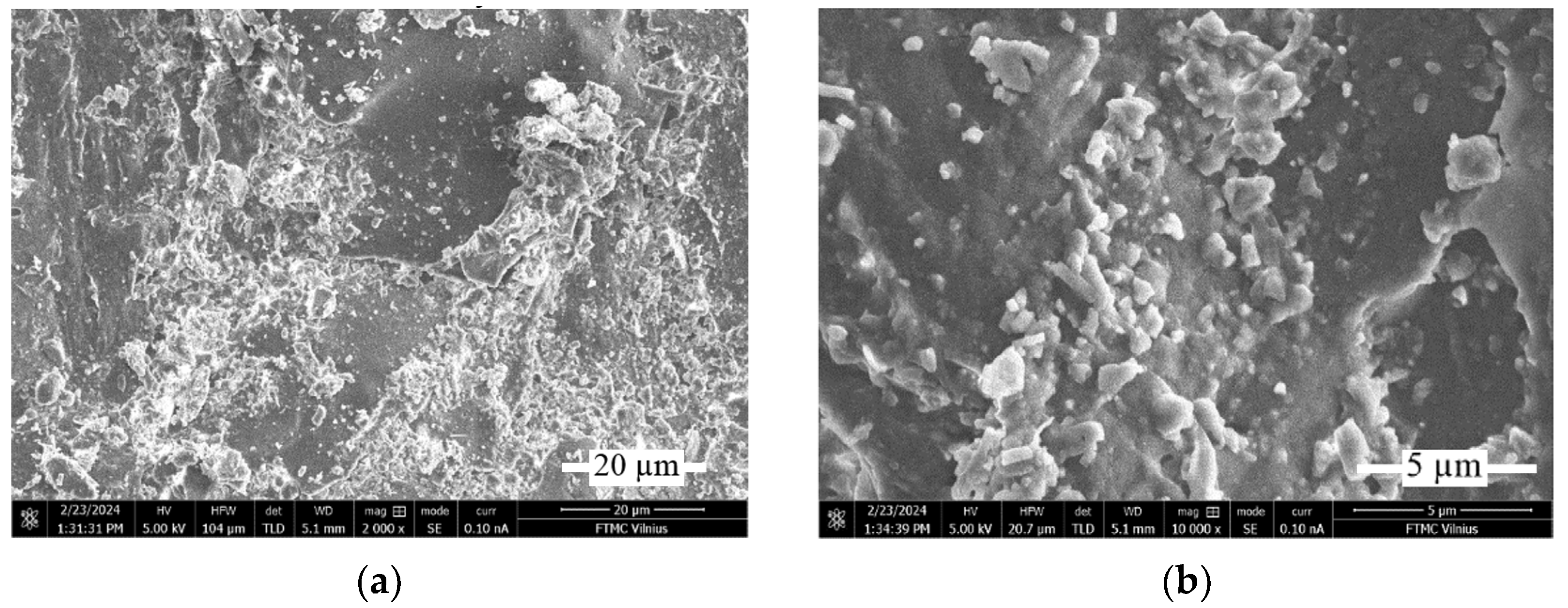
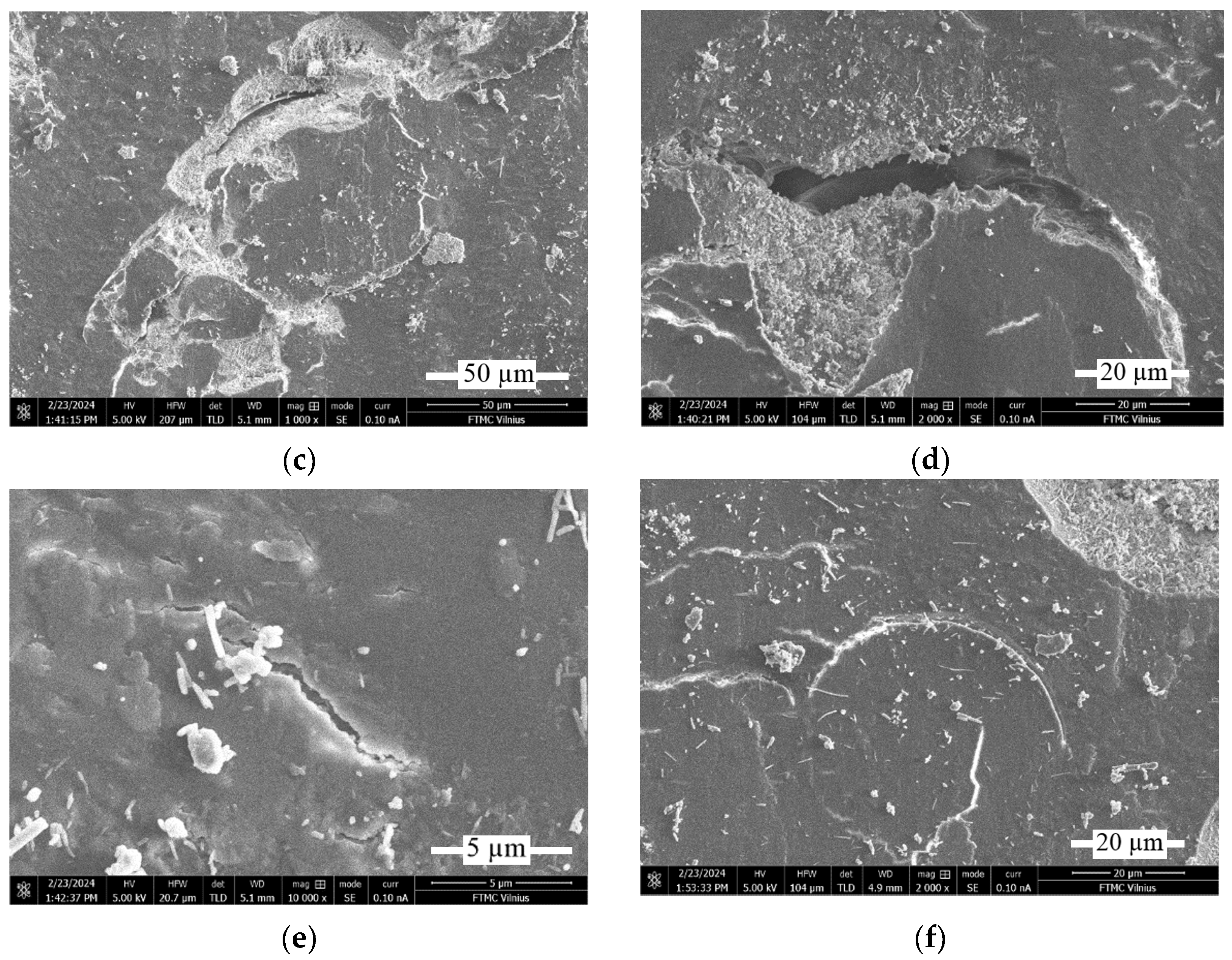
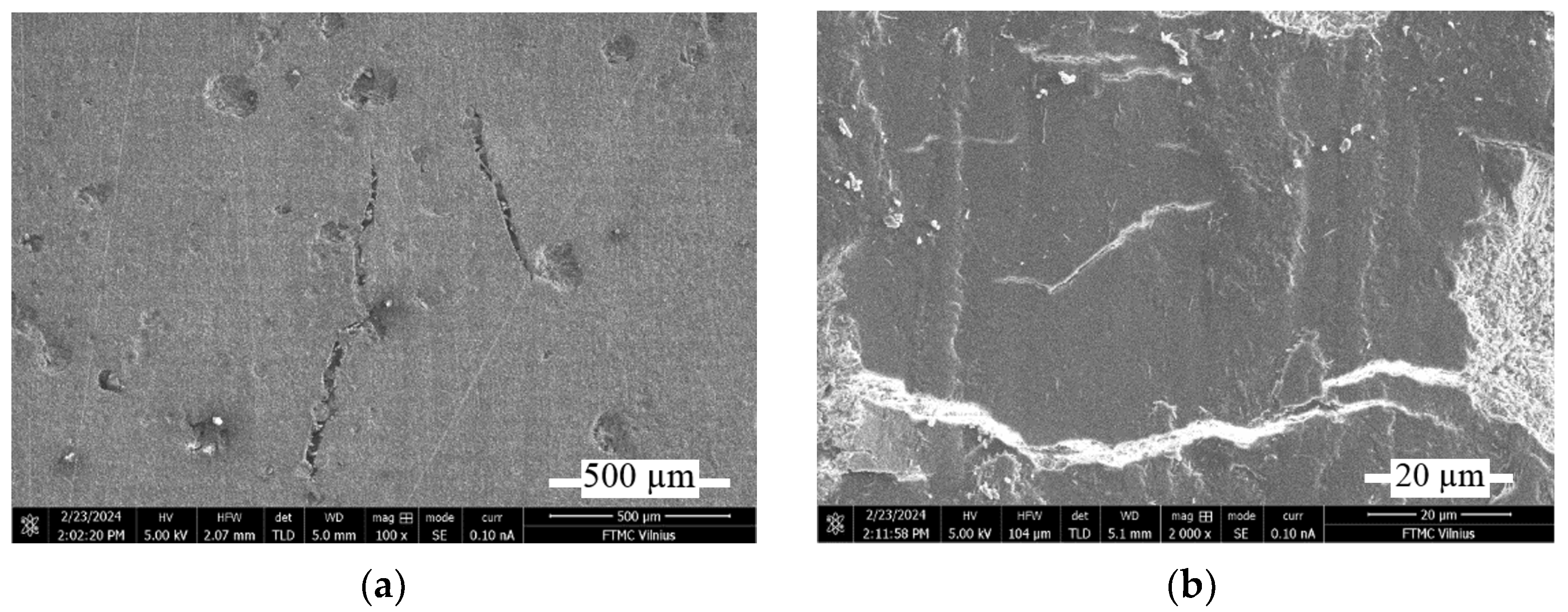
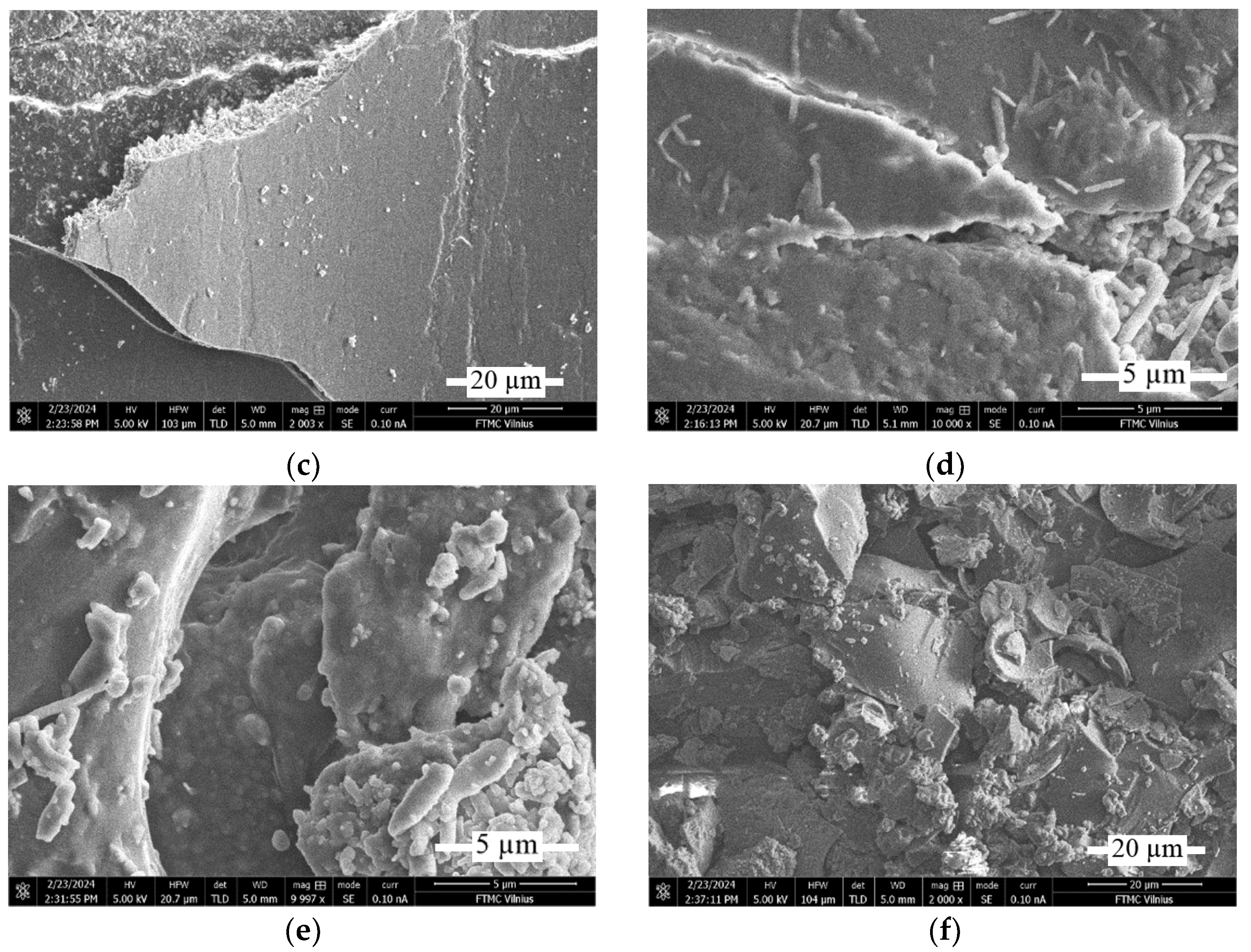
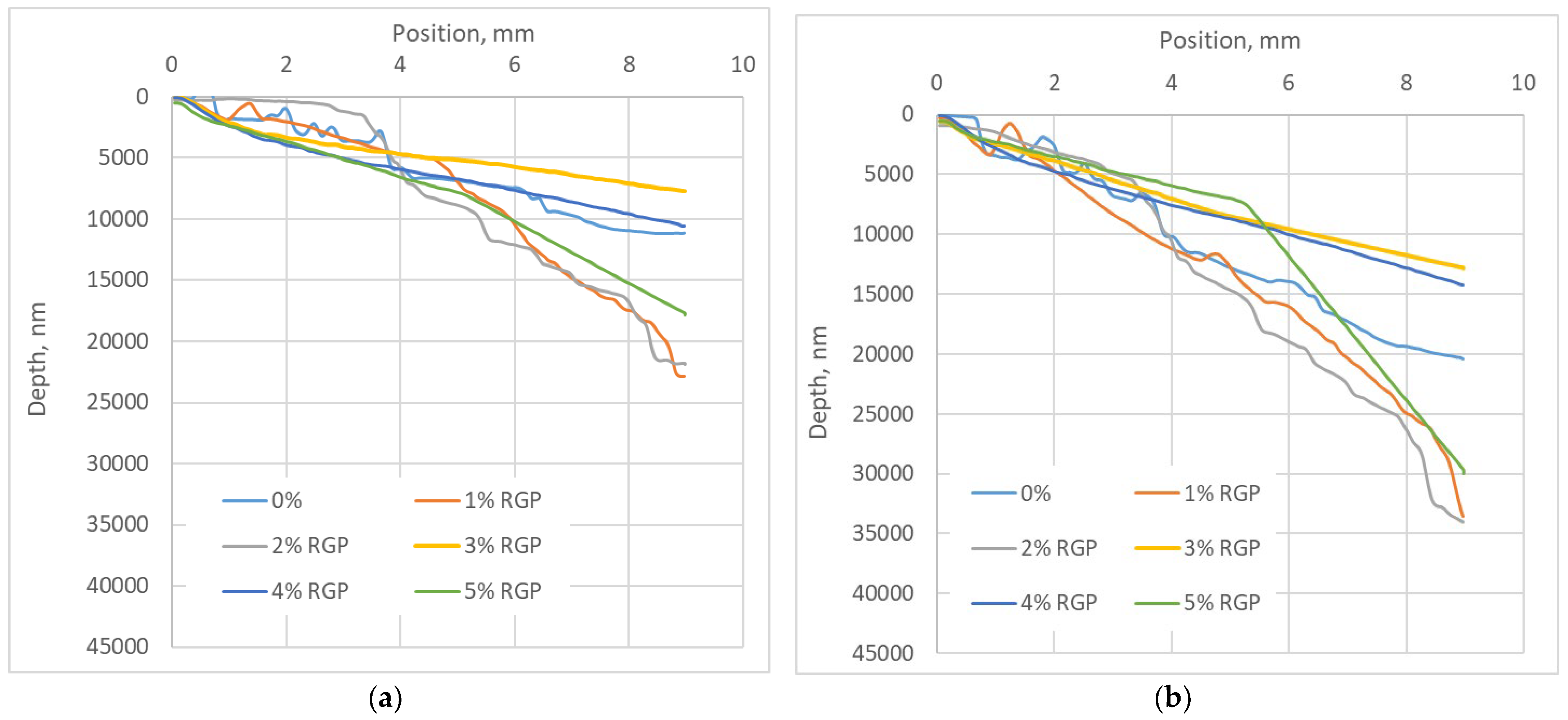
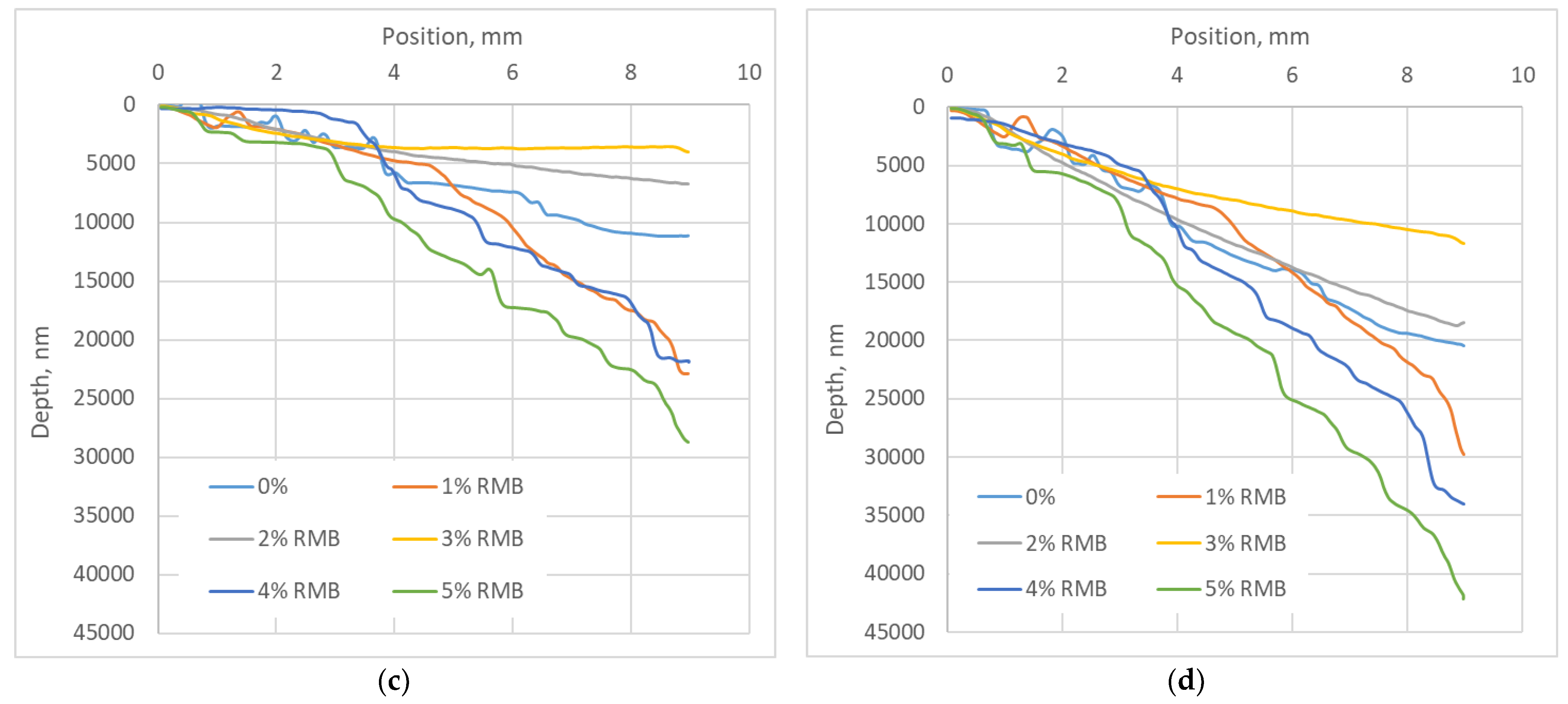
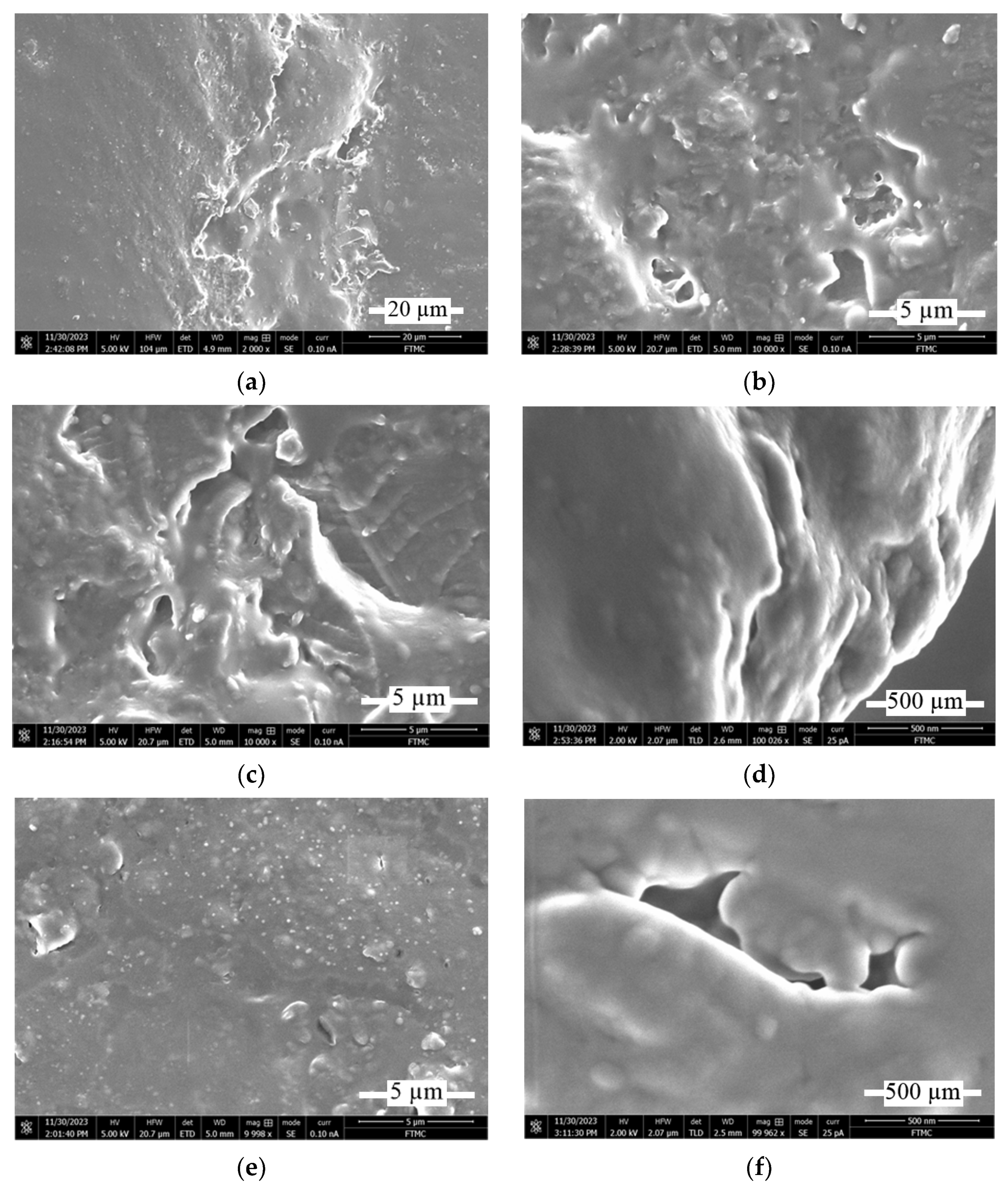
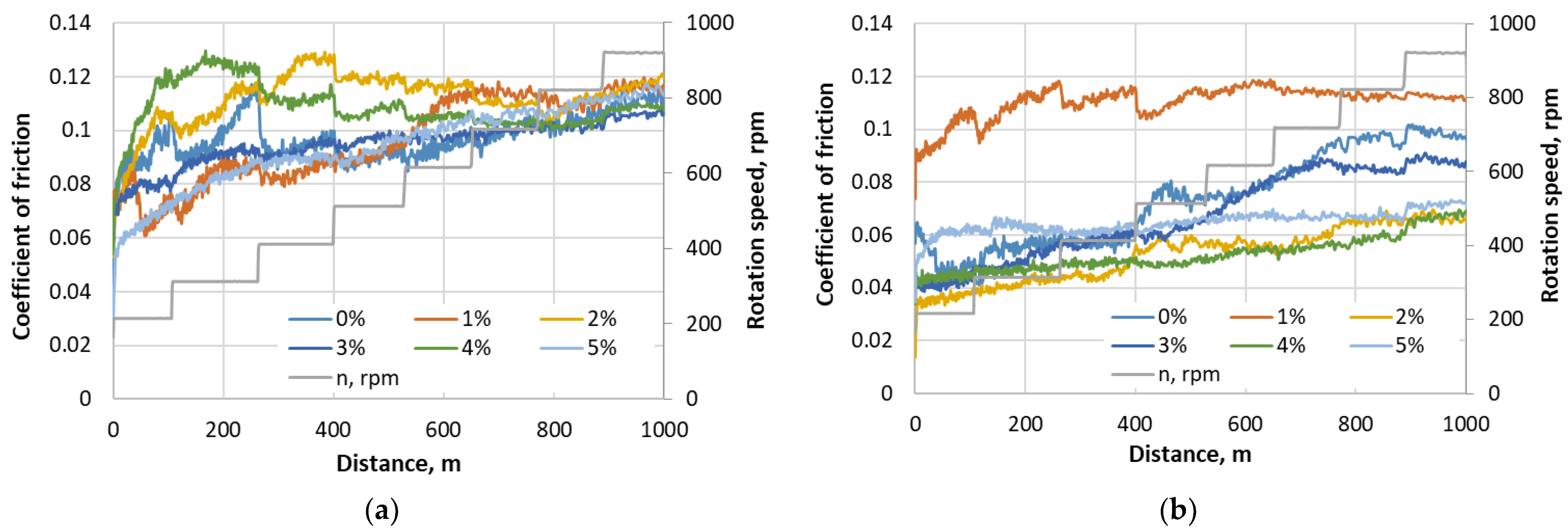
This study investigates the tribological properties of resin composites reinforced with the fillers of glass powder and micro-bubbles. Resin composites were prepared with varying concentrations from 1% to 5% wt of fillers. Tribological tests were conducted using a block-on-ring scheme under dry friction conditions. The measurements of friction coefficient and wear values were performed under variable rotation speeds and loading conditions. The study showed that resin composites with 2–3% glass powder fillers and resin composites with 3–4% micro-bubbles exhibited optimal tribological properties. The resin glass powder modifications reduce the wear by 63% and resin micro-bubbles reduce wear by 32%. SEM analysis of the surfaces revealed surface imperfections and structural damage mechanisms, including abrasive and fatigue wear. The study concludes that specific filler concentrations improve the friction and wear resistance of resin composites, highlighting the importance of material preparation and surface quality in tribological performance. The increased wear resistance on both composites would hopefully expand the usage of additive manufactured composite, namely industrial moving components such as polymer gear, wheel, pulley, etc.
Keywords: resin composite; glass powder fillers; micro-bubbles; friction coefficient; wear; surface analysis resin composite; glass powder fillers; micro-bubbles; friction coefficient; wear; surface analysis