Article

Optimizing the Utilization of Steel Slag in Cement-Stabilized Base Layers: Insights from Freeze–Thaw and Fatigue Testing


1
College of Hydraulic and Civil Engineering, Xinjiang Agricultural University, Urumqi 830052, China
2
College of Civil Engineering and Architecture, Jiaxing University, Jiaxing 314001, China
*
Authors to whom correspondence should be addressed.
Materials 2024, 17(11), 2576; https://doi.org/10.3390/ma17112576
Submission received: 16 April 2024 / Revised: 18 May 2024 / Accepted: 23 May 2024 / Published: 27 May 2024
(This article belongs to the Section Construction and Building Materials)

Abstract

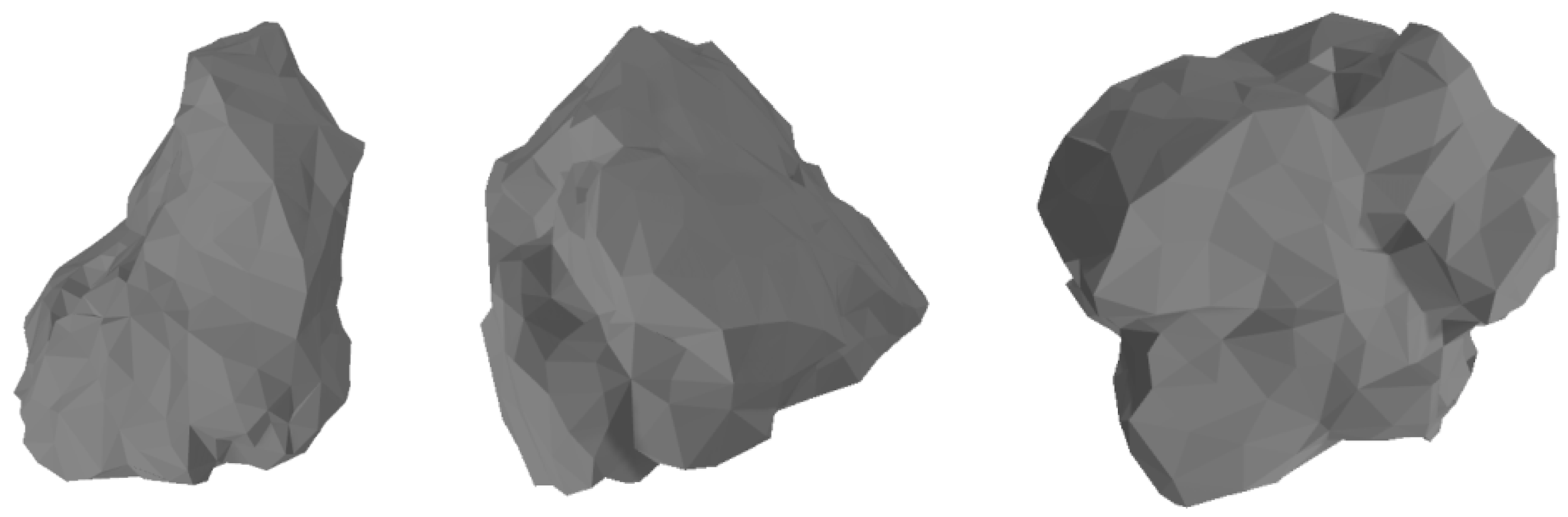
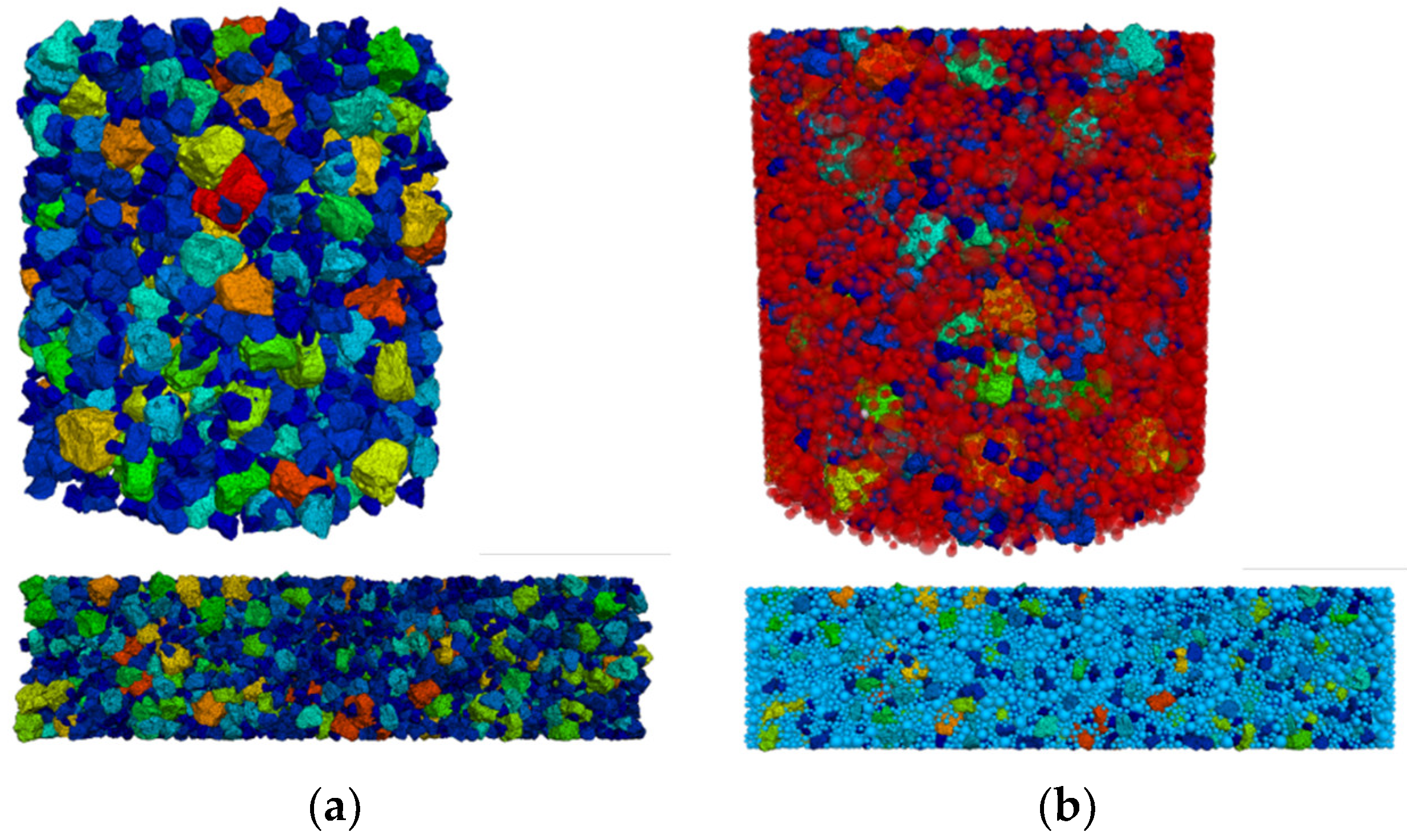
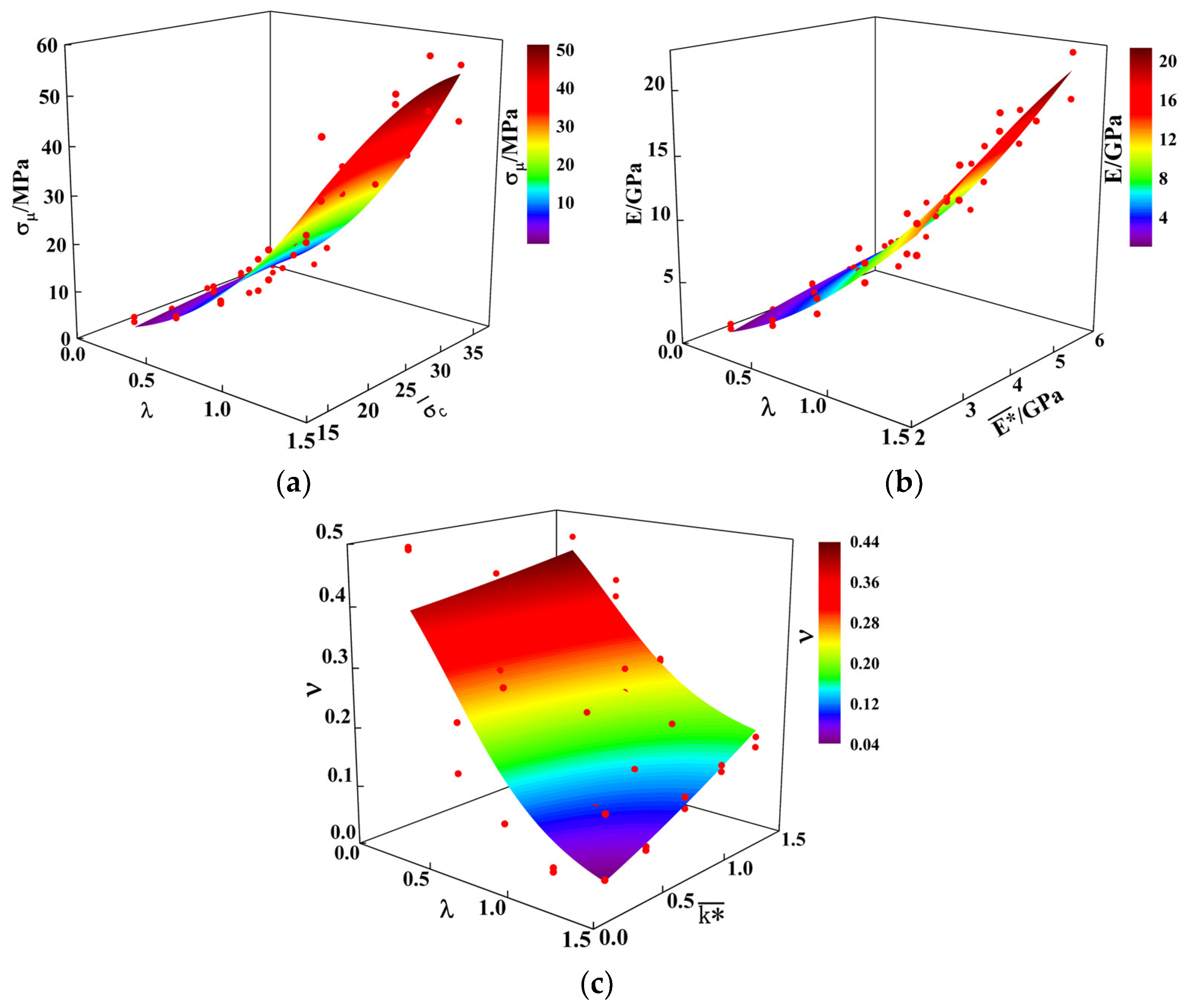
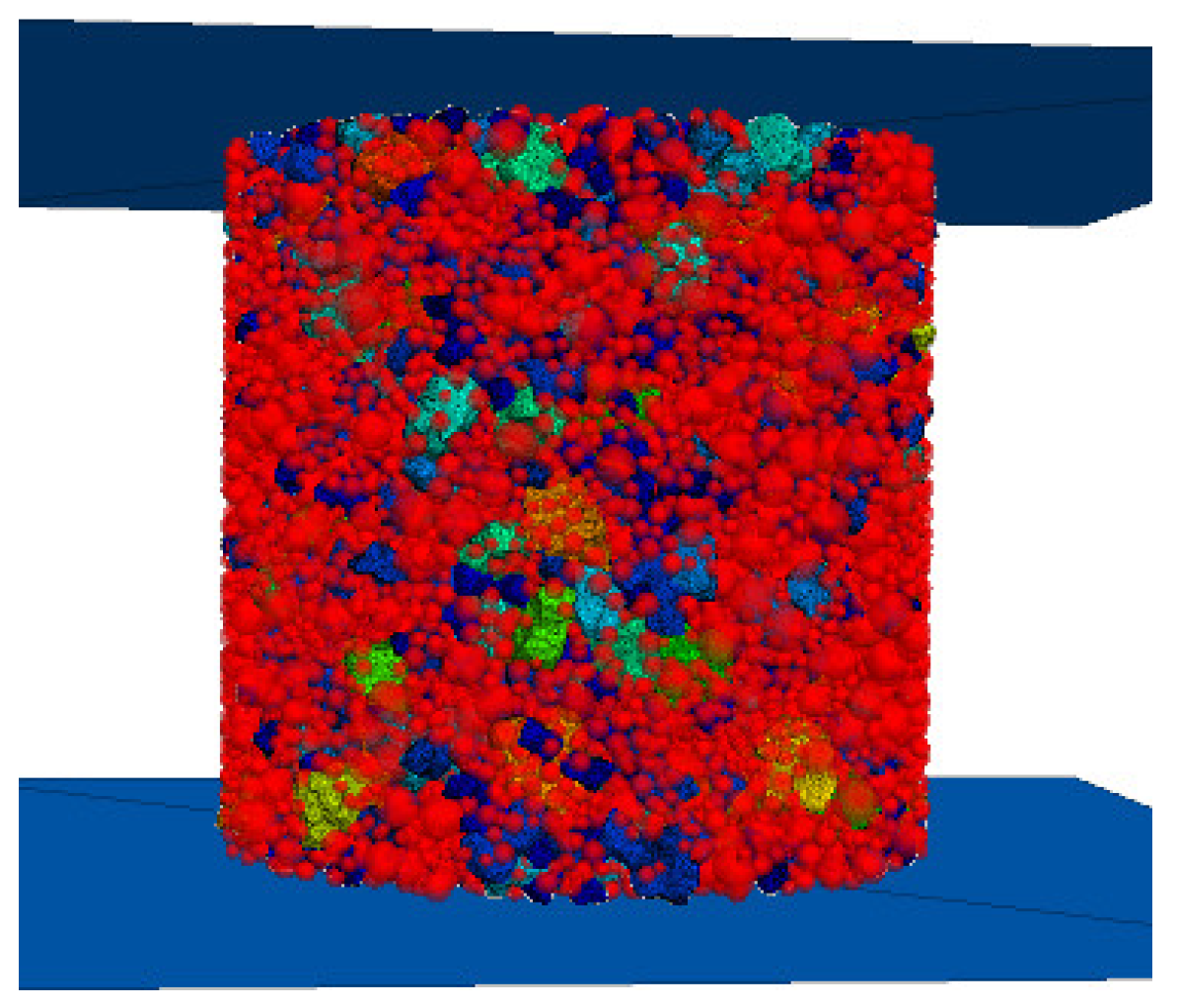
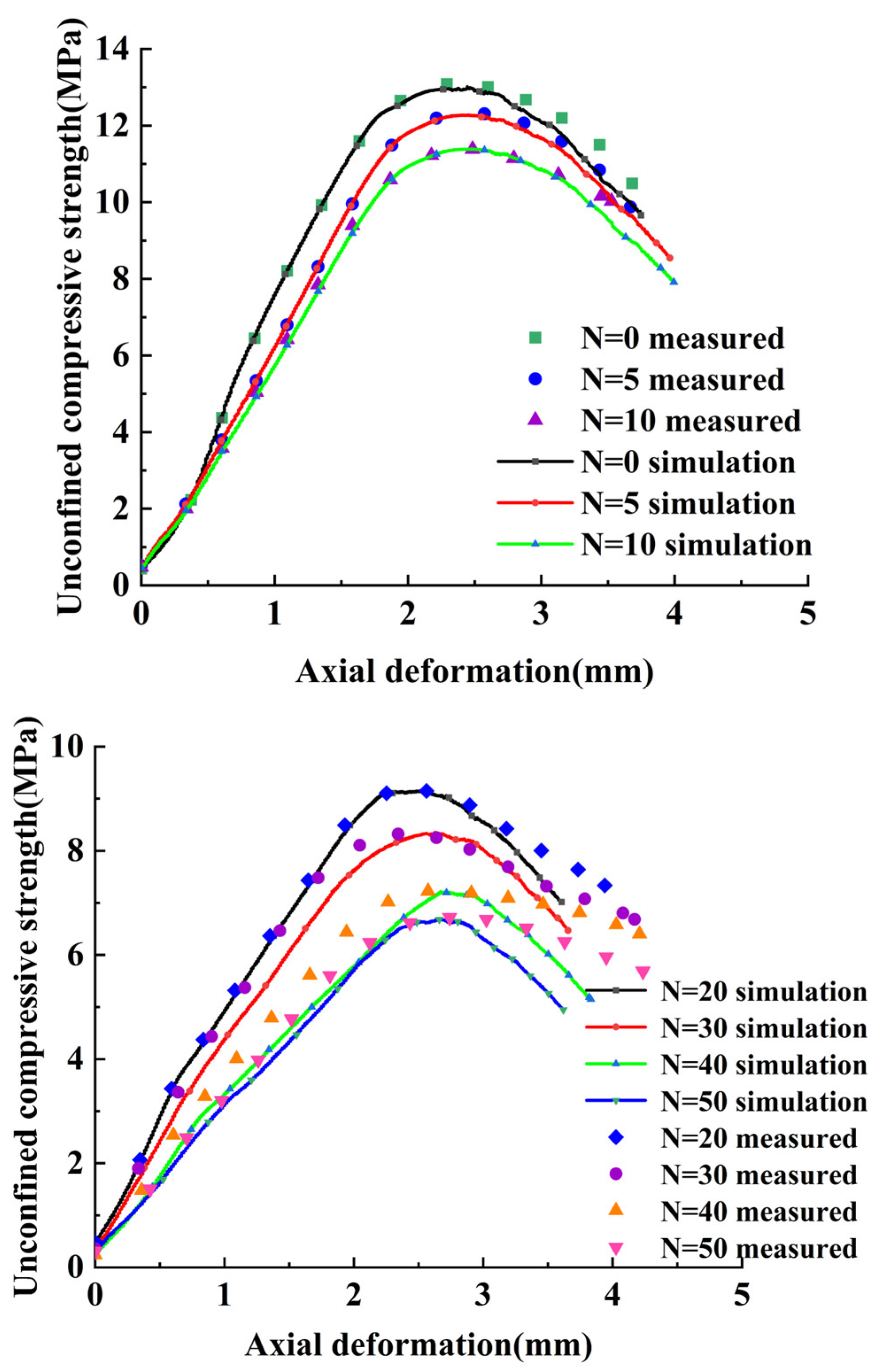
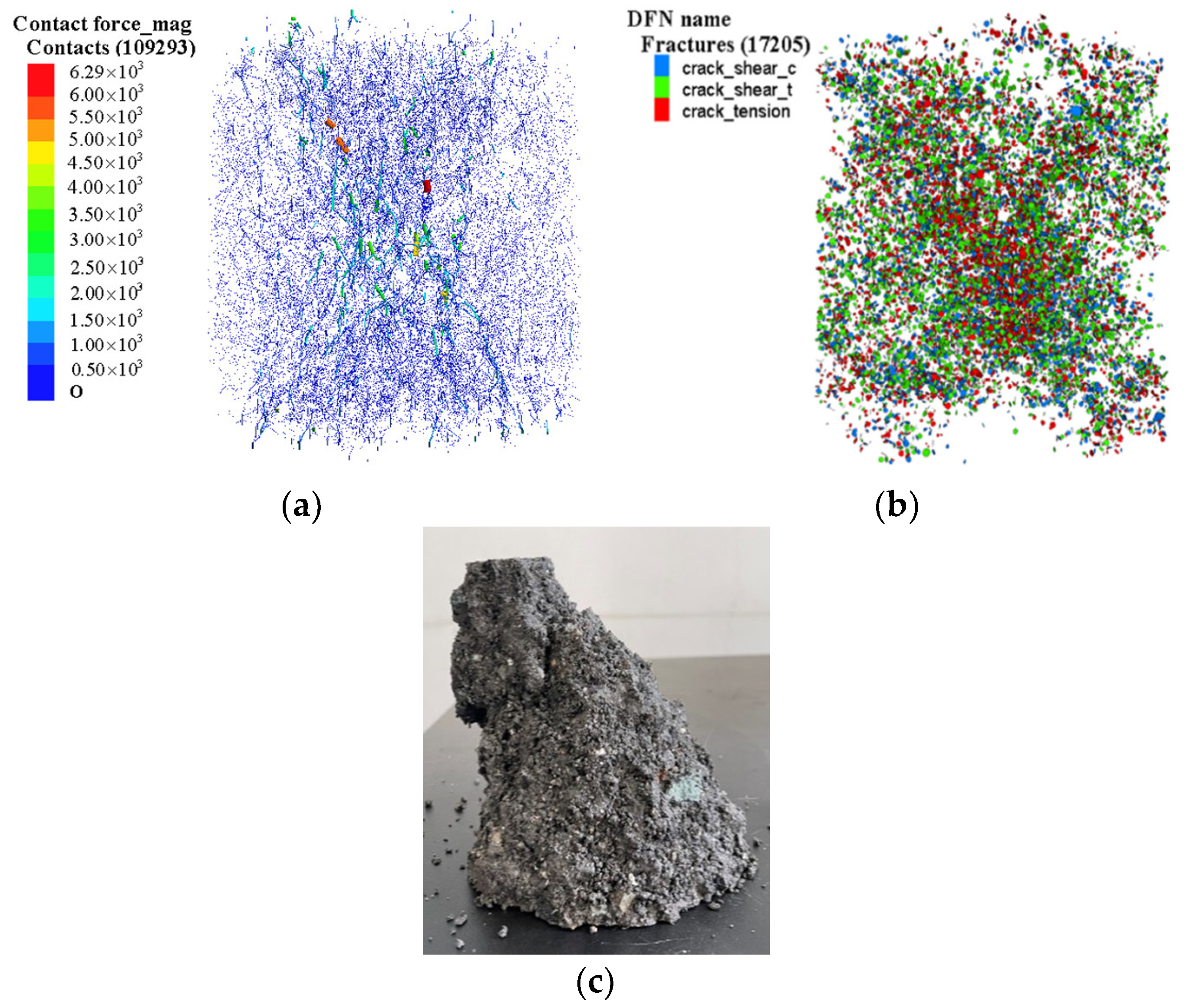
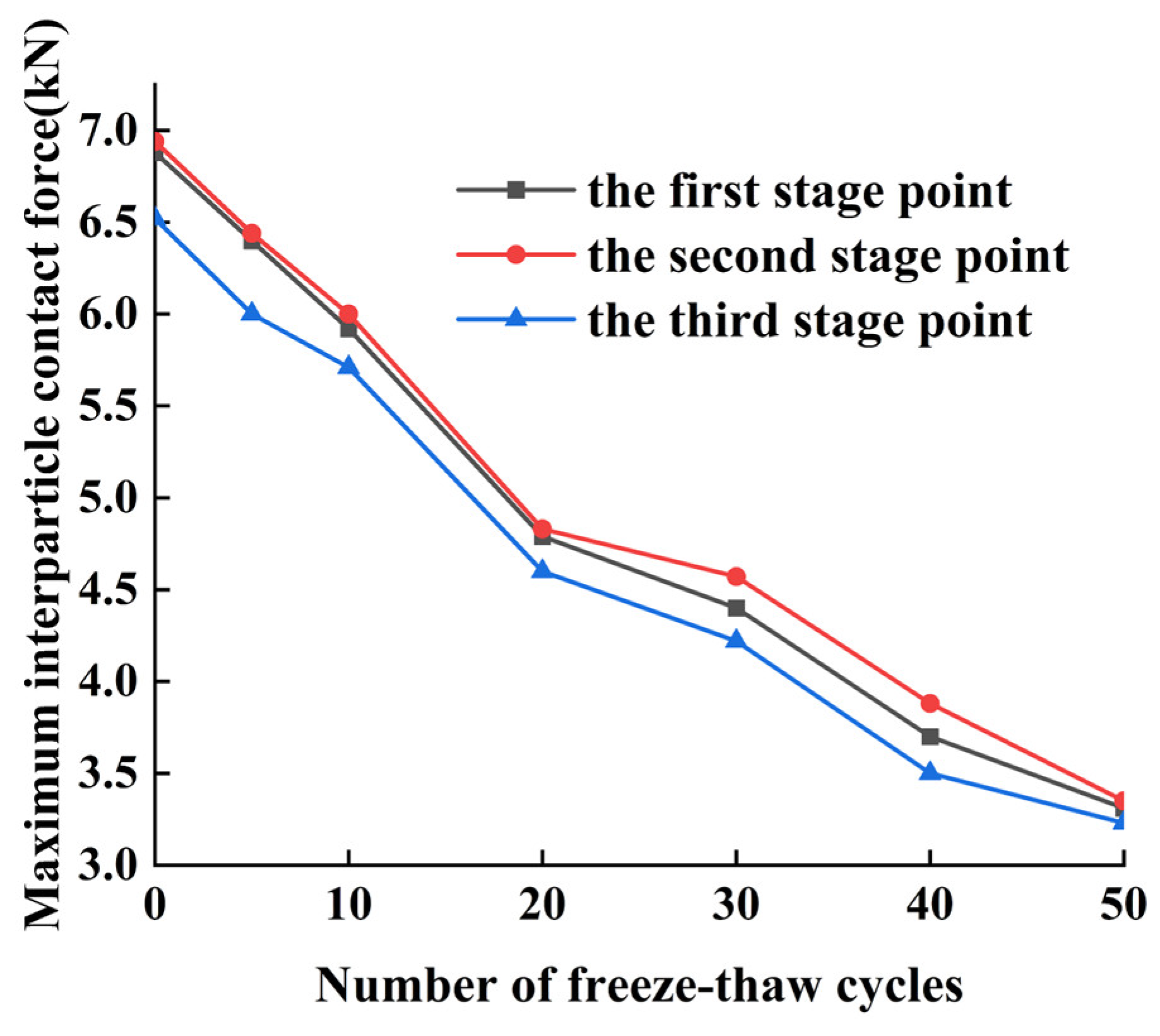
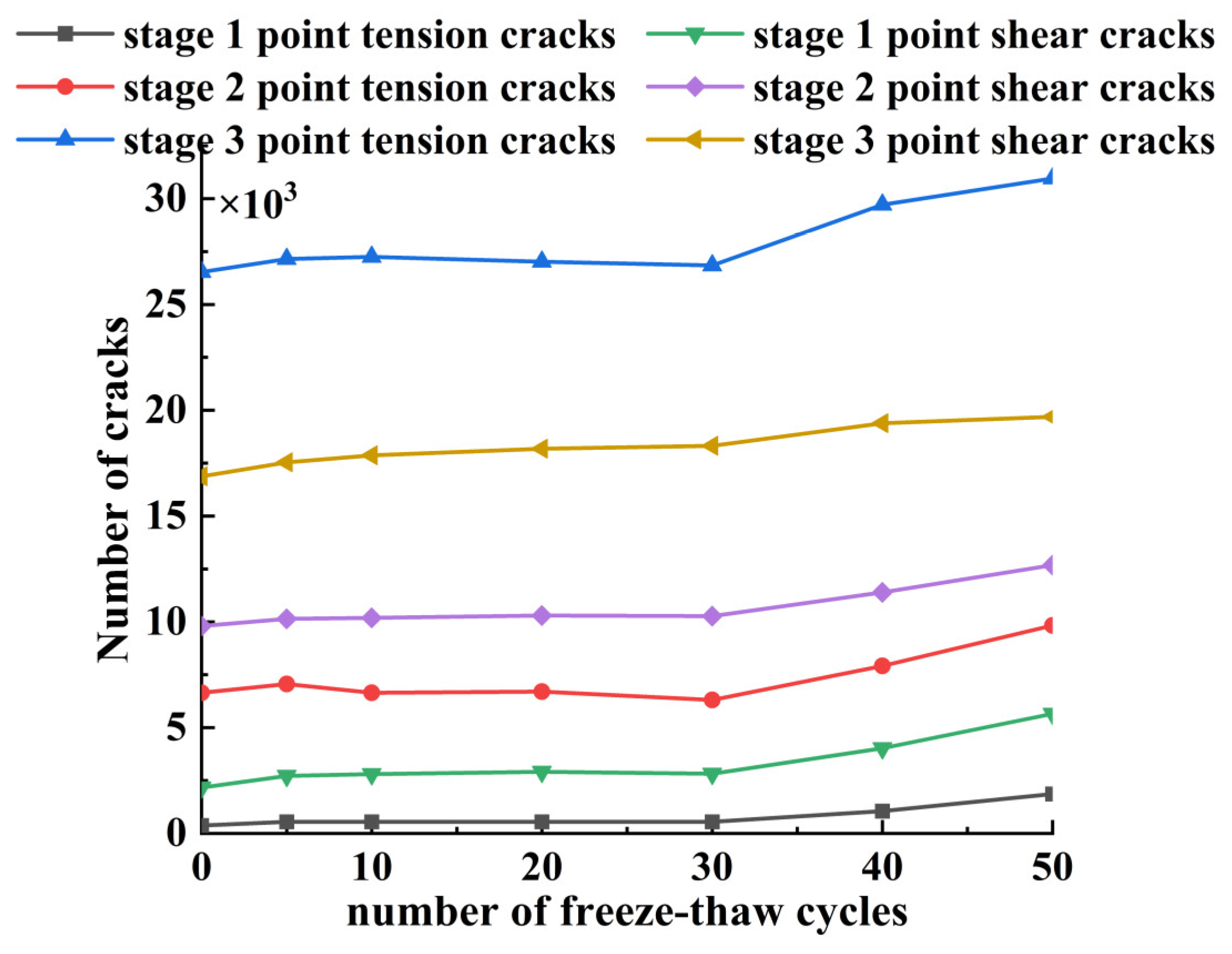
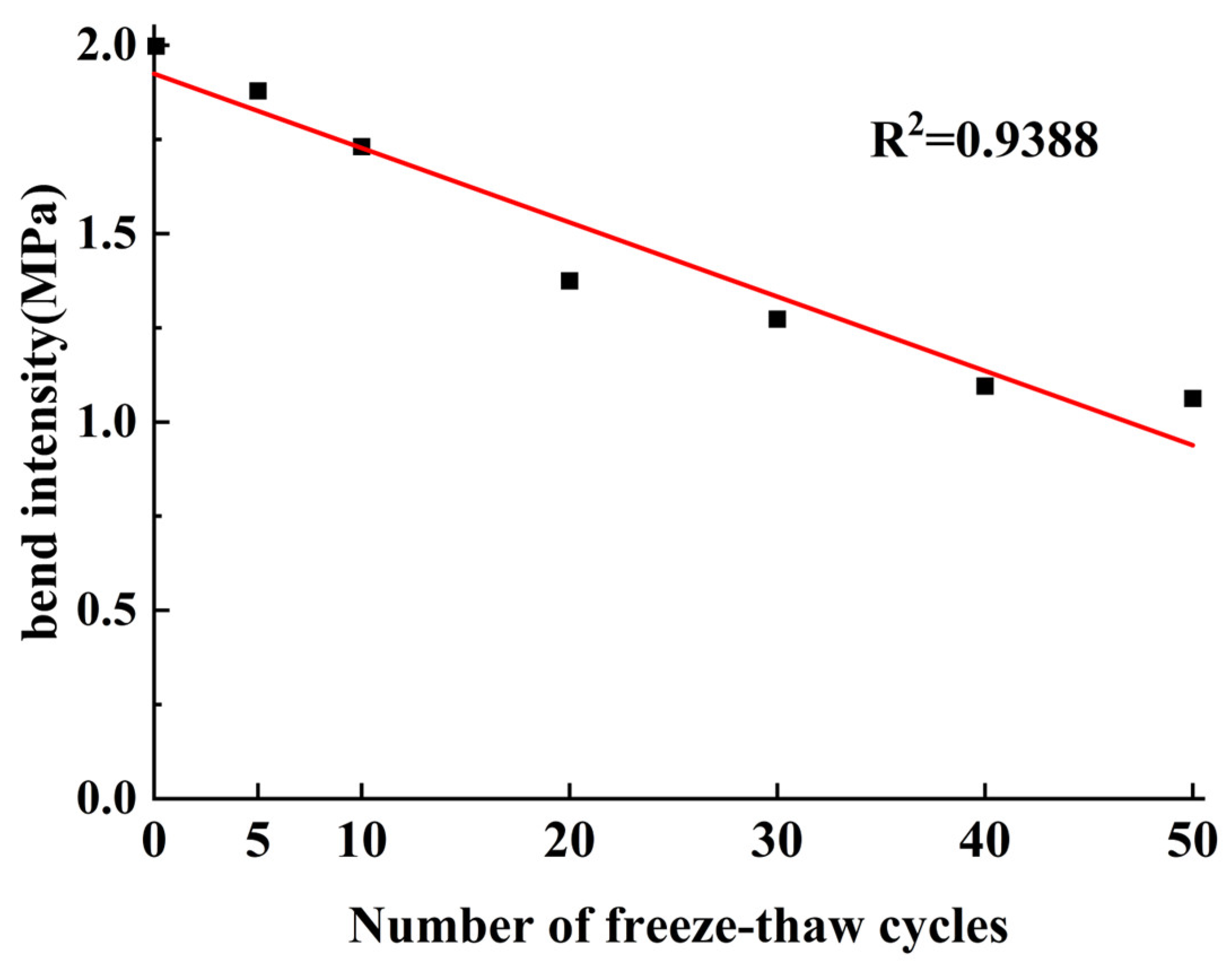
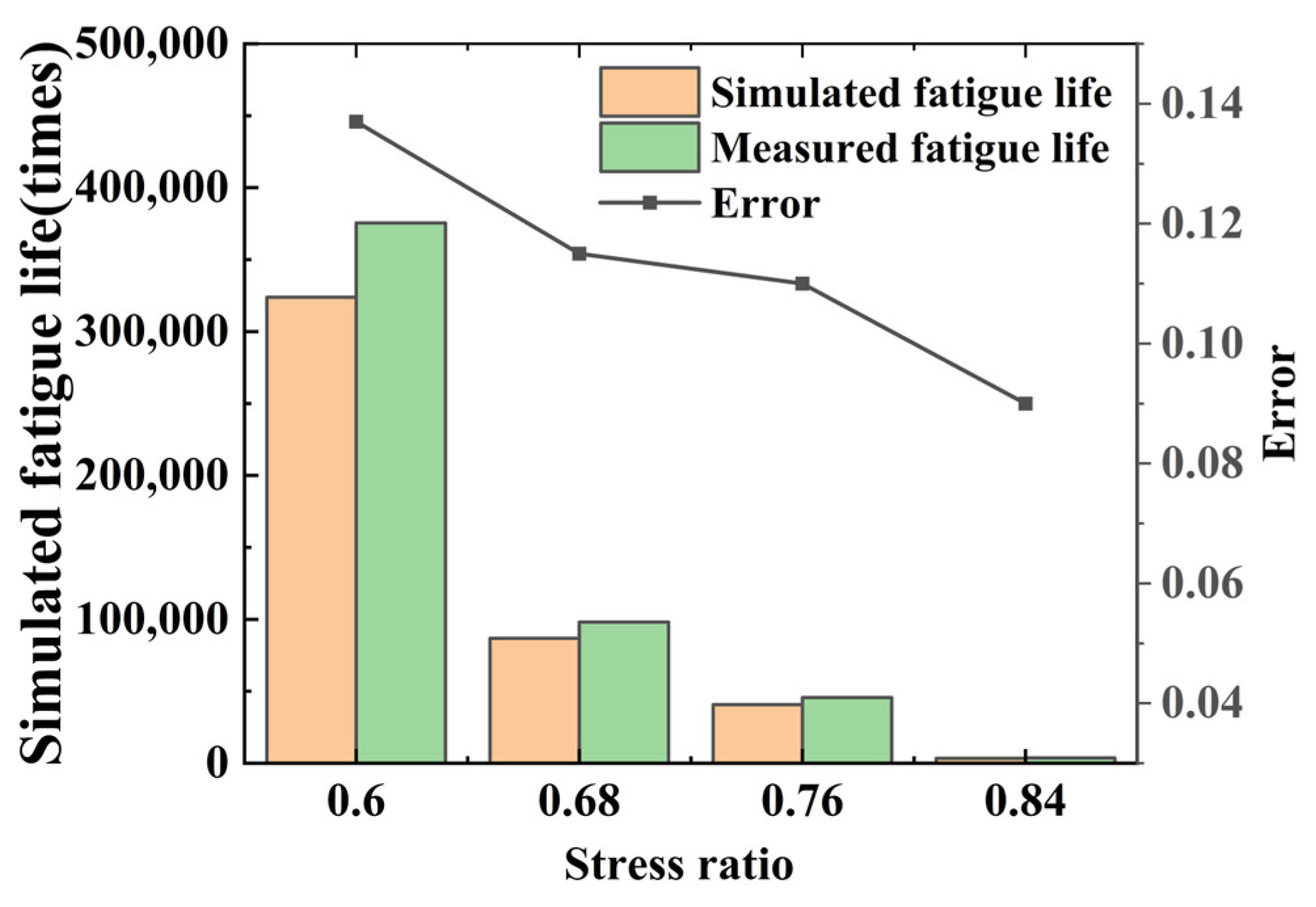
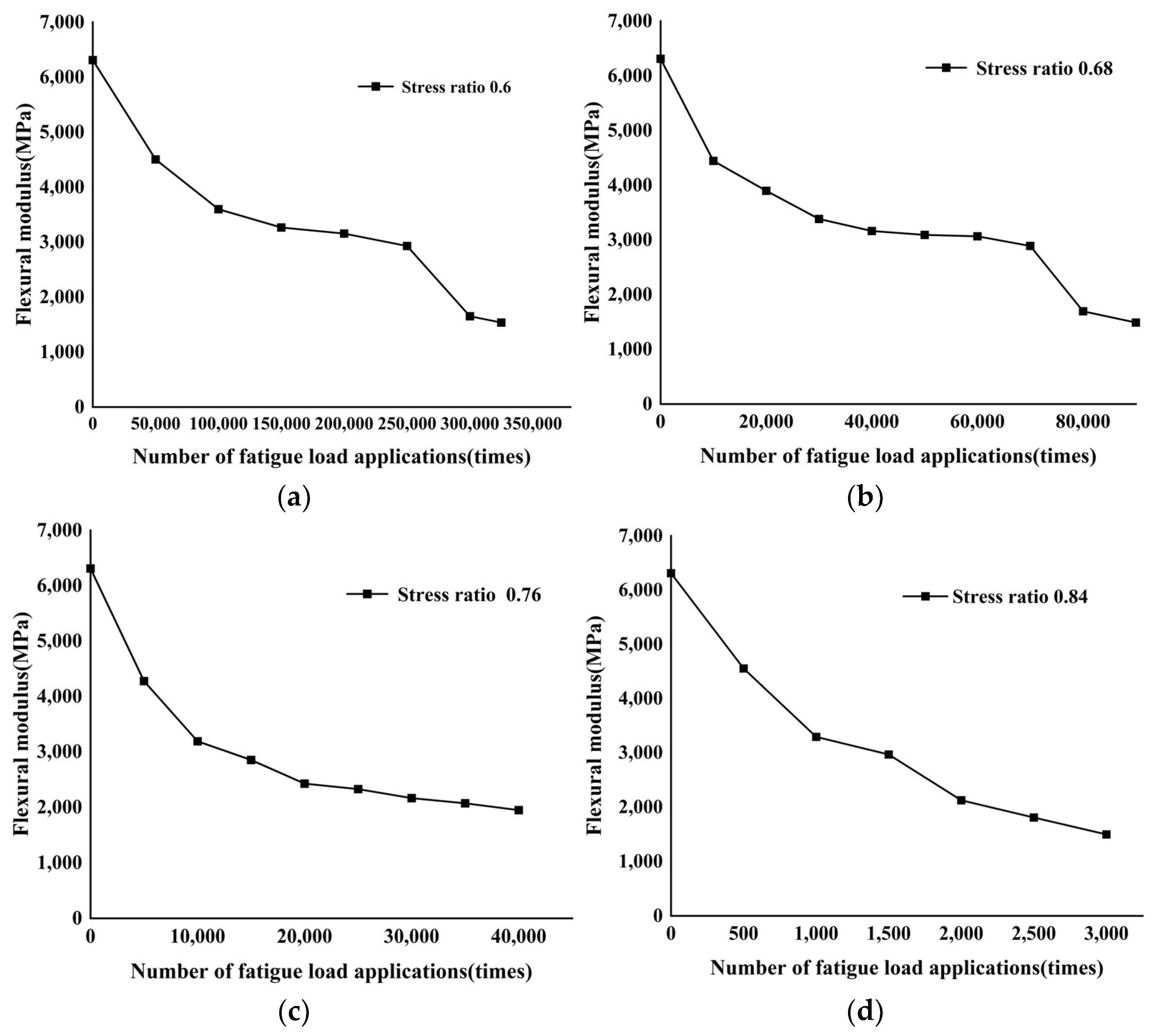
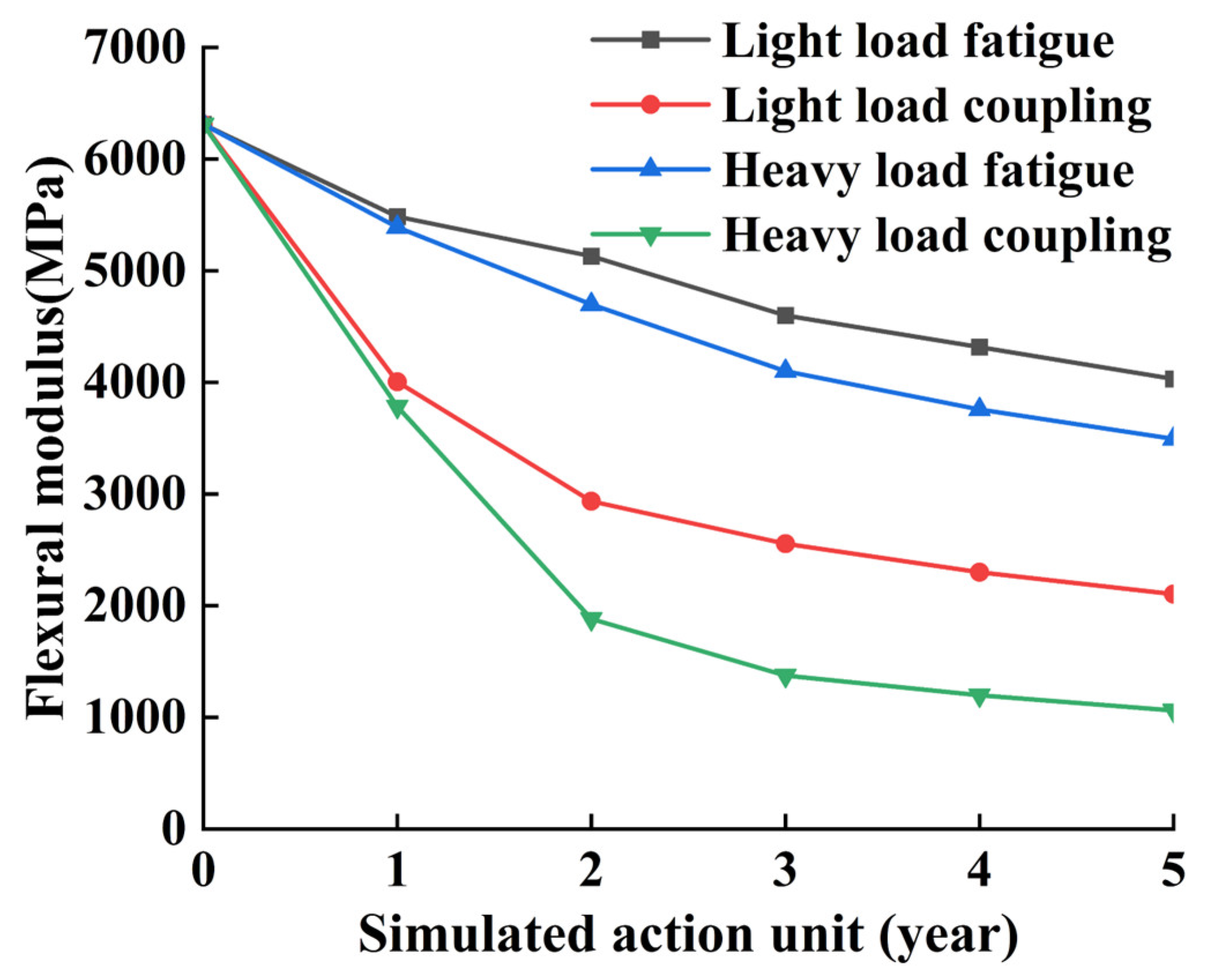
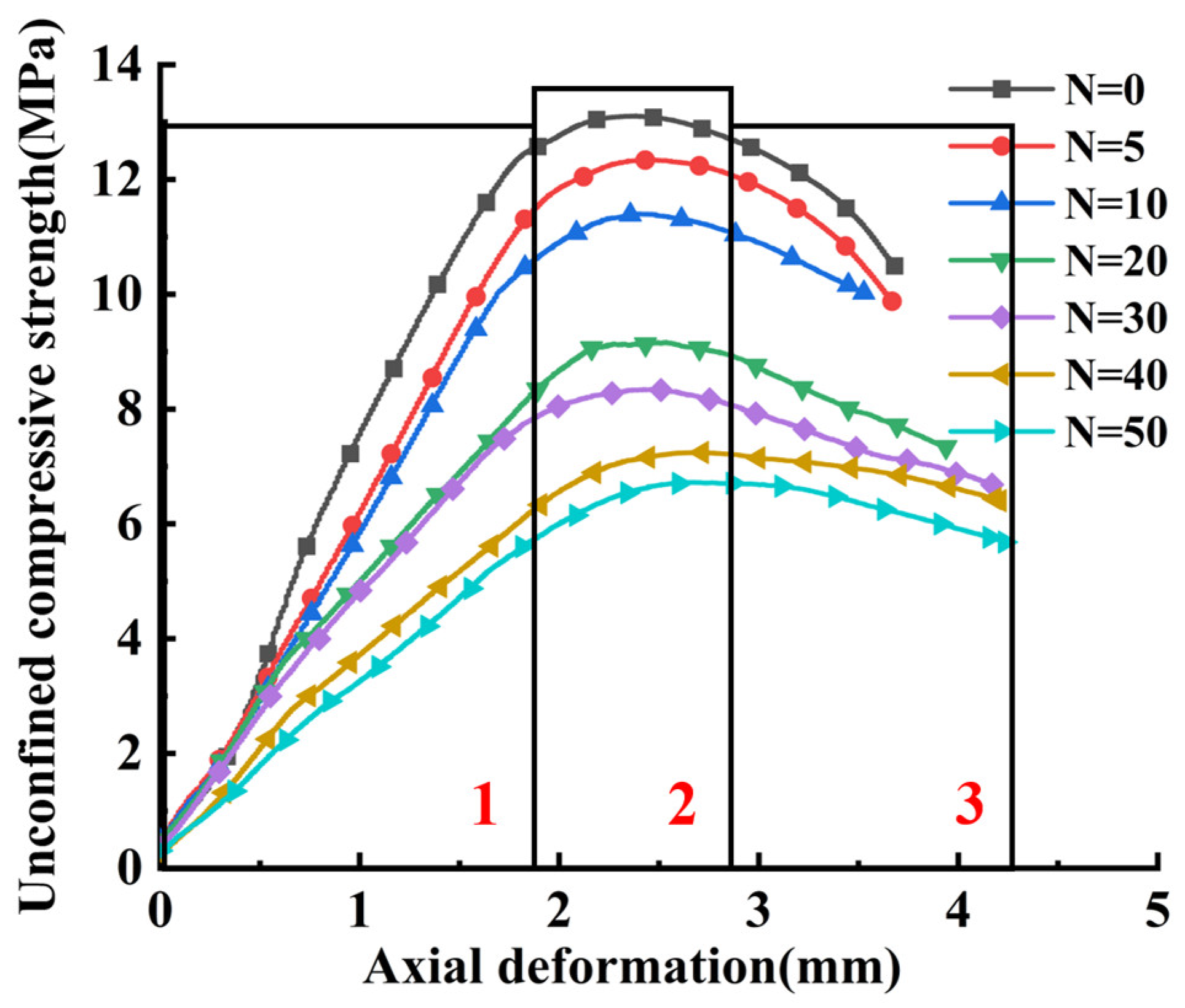
This paper presents a study on the mechanical properties of cement-stabilized steel-slag-based materials under freeze–thaw cycles for a highway project in Xinjiang. Using 3D scanning technology the specimen model conforming to the real steel slag shape was established. The objectives of the study are as follows: to explore the sensitivity between the macro- and micro-parameters of the specimen and to establish a non-linear regression equation; and to study the changes in mechanical properties of materials under freeze–thaw cycles, fatigue loading, and coupled freeze–thaw cycle–fatigue loading. The results show that there are three stages of compression damage of the specimen, namely, linear elasticity, peak plasticity, and post-peak decline. Maximum contact forces between cracks and particles occur mainly in the shear zone region within the specimen. The compression damage of the specimen is a mixed tensile–shear damage dominated by shear damage. When freeze–thaw cycles or fatigue loads are applied alone, the flexural strength and fatigue life of the specimens show a linear relationship of decline. The decrease in flexural modulus at low stress is divided into the following: a period of rapid decline, a relatively smooth period, and a period of fracture, with a tendency to change towards linear decay with increasing stress. In the case of freeze–thaw–fatigue coupling, the flexural modulus of the specimen decreases drastically by about 50% in the first 2 years, and then enters a period of steady decrease in flexural modulus in the 3rd–5th years.
Keywords: cement-stabilized steel slag mixture; discrete element method simulation; freeze–thaw damage; fatigue life; coupled load–freeze–thaw cycle analysis cement-stabilized steel slag mixture; discrete element method simulation; freeze–thaw damage; fatigue life; coupled load–freeze–thaw cycle analysis