Article

Evaluation of the Surface Topography of Microfinishing Abrasive Films in Relation to Their Machining Capability of Nimonic 80A Superalloy


by
Katarzyna Tandecka
1,*,
Wojciech Kacalak
1,
Filip Szafraniec
1,
Michał Wieczorowski
2 and
Thomas G. Mathia
3
1
Department of Engineering and Informatics Systems, Faculty of Mechanical Engineering and Energy, Koszalin University of Technology, 75-620 Koszalin, Poland
2
Faculty of Mechanical Engineering, Institute of Applied Mechanics, Poznan University of Technology, 3 Piotrowo St., 60-965 Poznan, Poland
3
Laboratoire de Tribologie et Dynamique des Systemes (LTDS), Ecole Centrale de Lyon, Centre National de la Recherche Scientifique, 69134 Lyon, France
*
Author to whom correspondence should be addressed.
Materials 2024, 17(10), 2430; https://doi.org/10.3390/ma17102430
Submission received: 24 April 2024 / Revised: 14 May 2024 / Accepted: 16 May 2024 / Published: 18 May 2024

Abstract

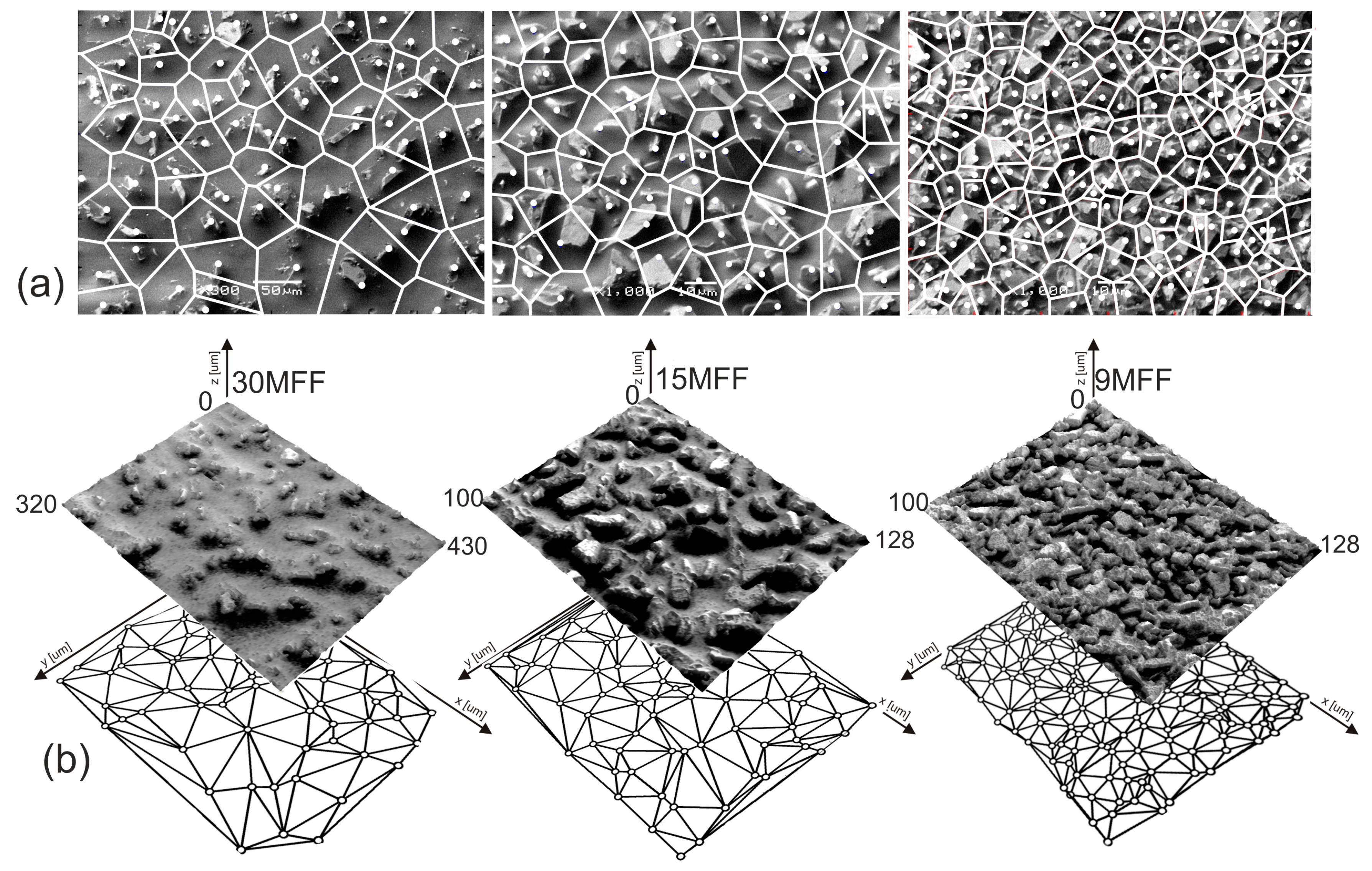
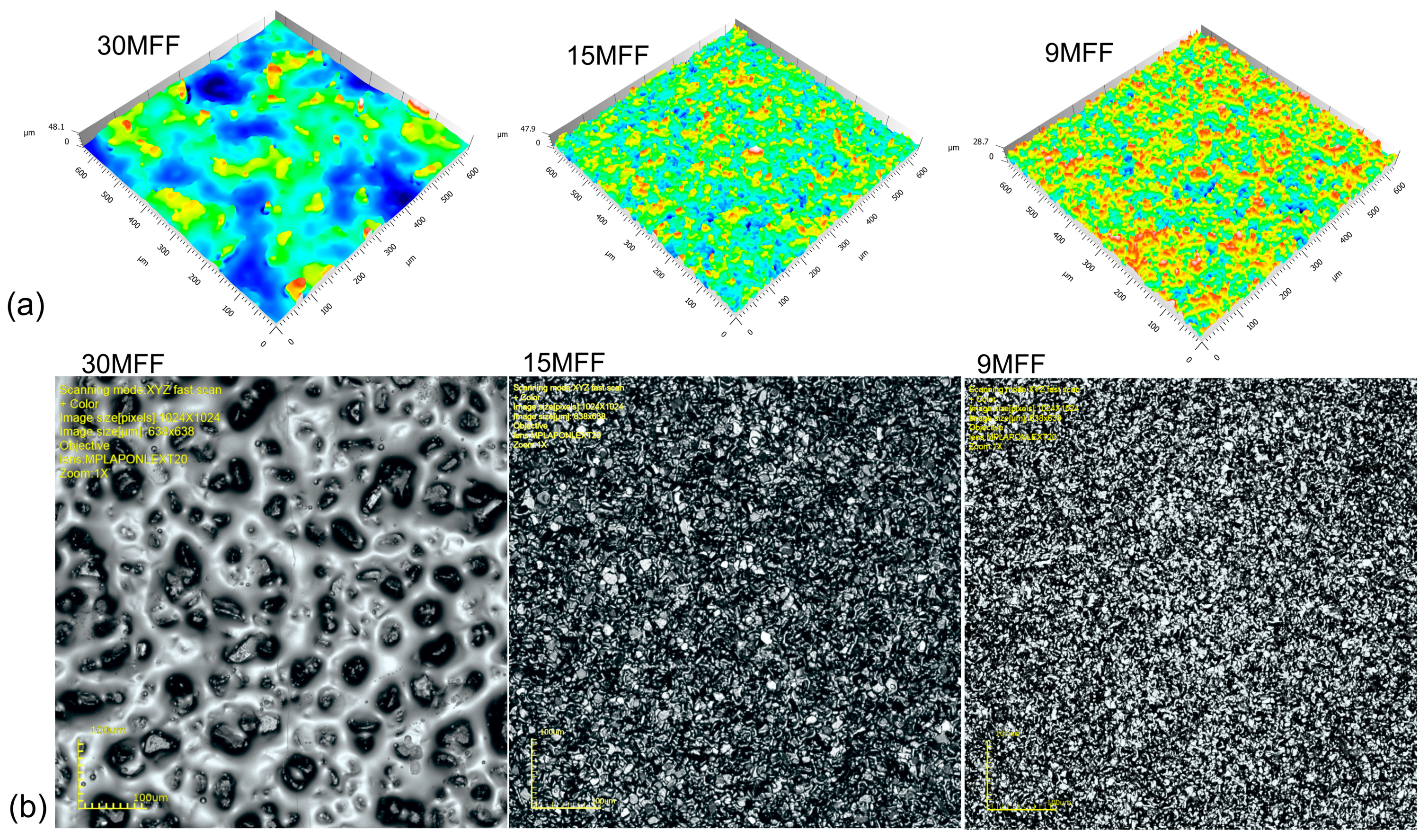
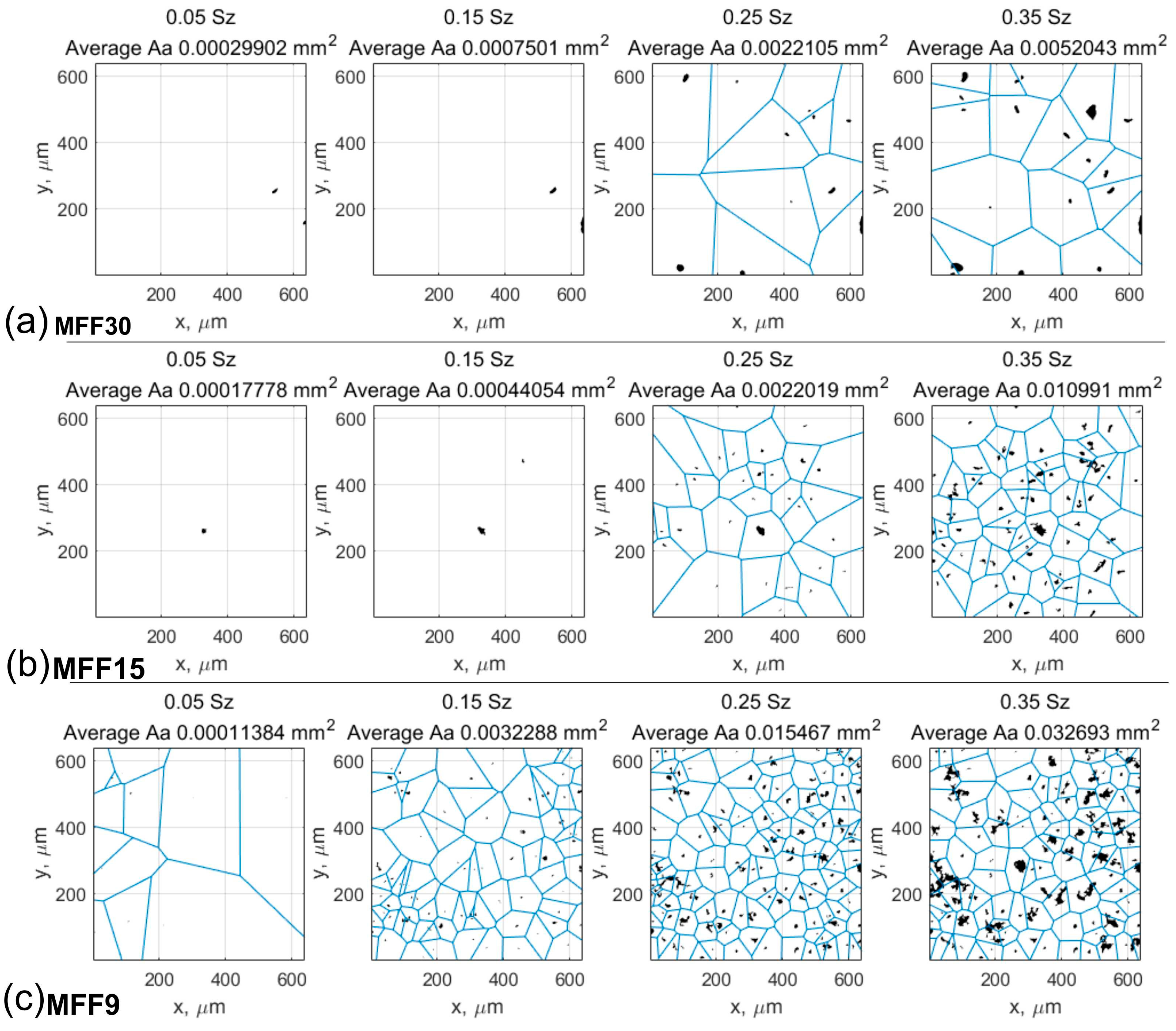
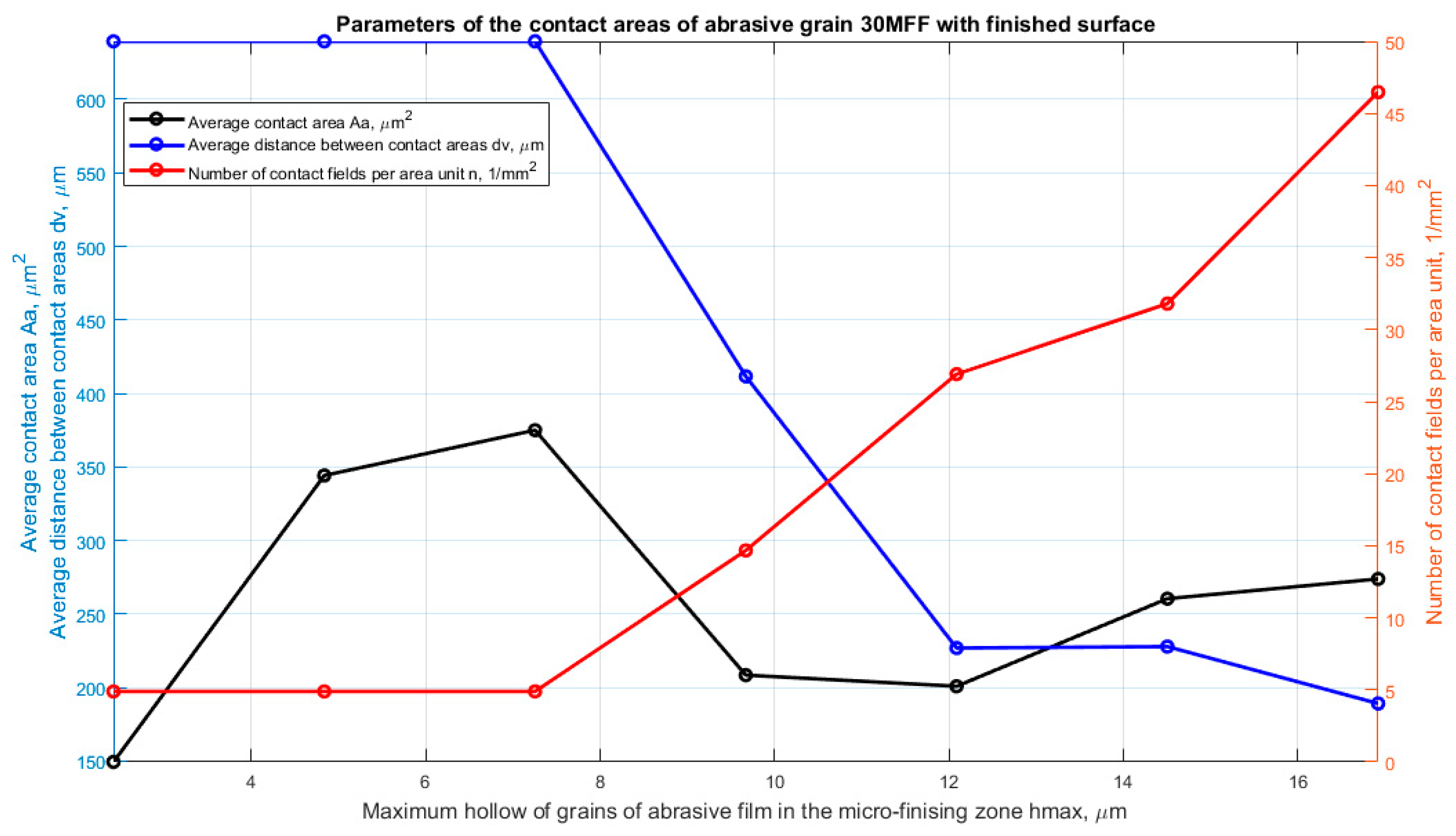
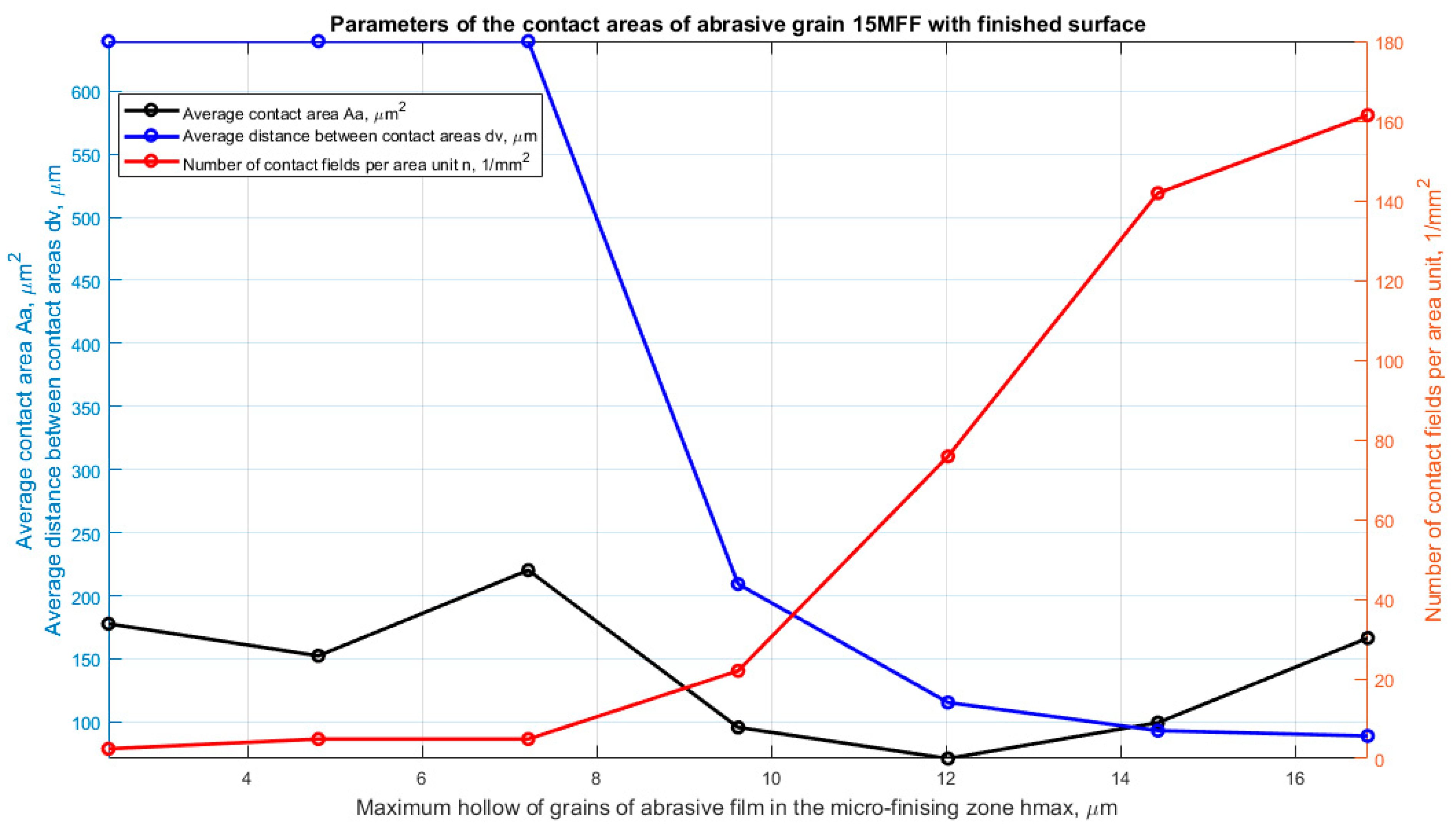
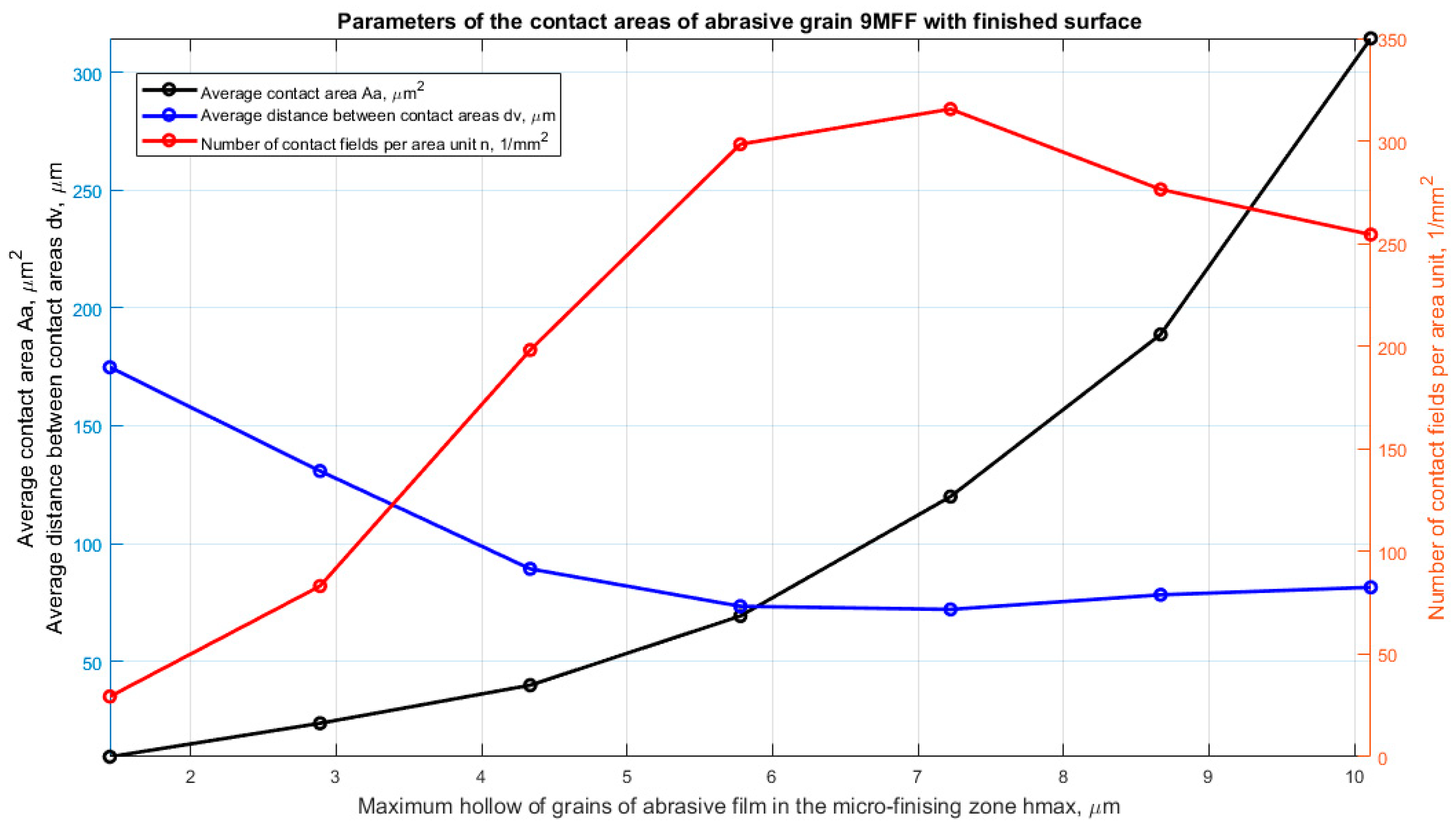
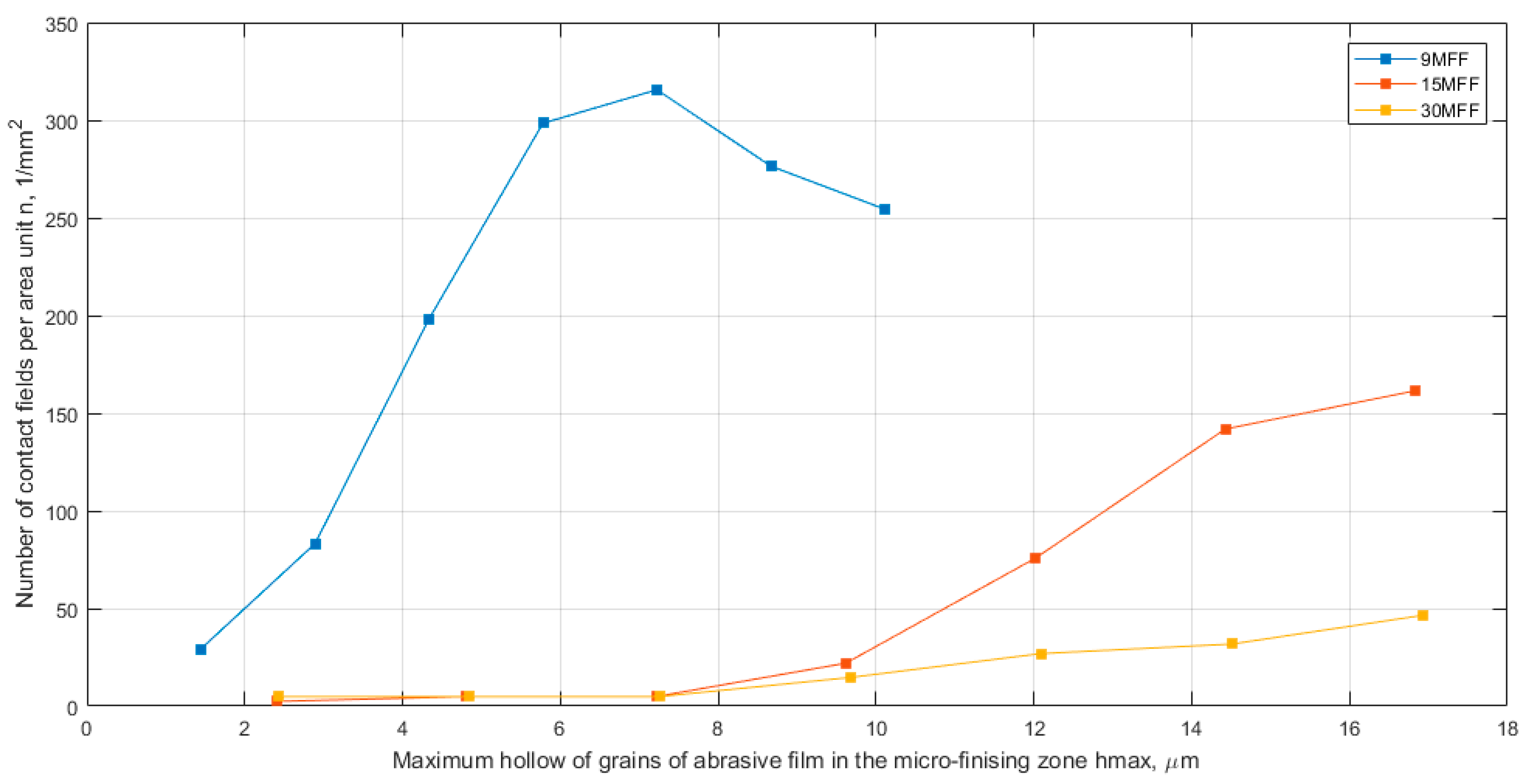
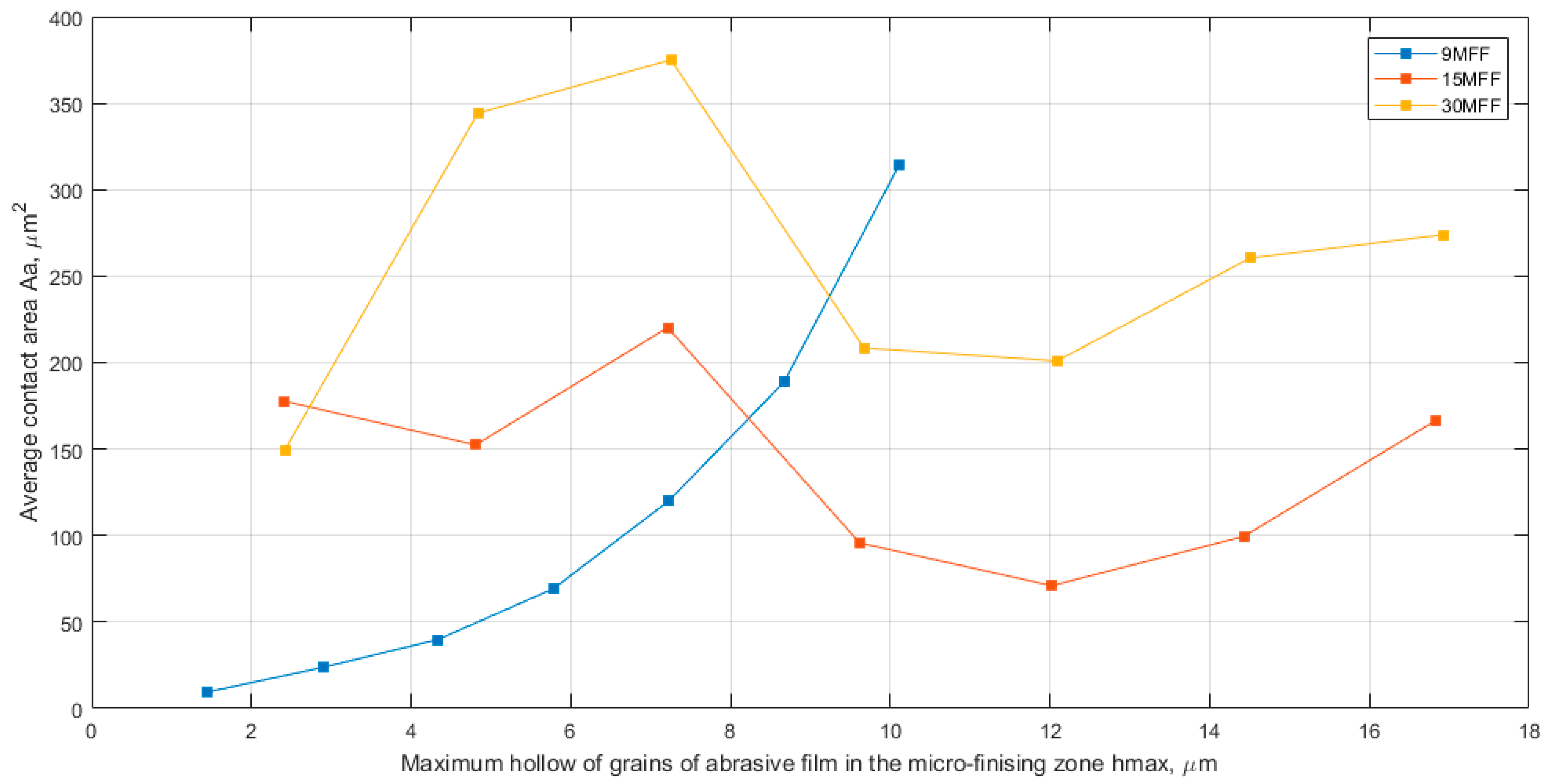
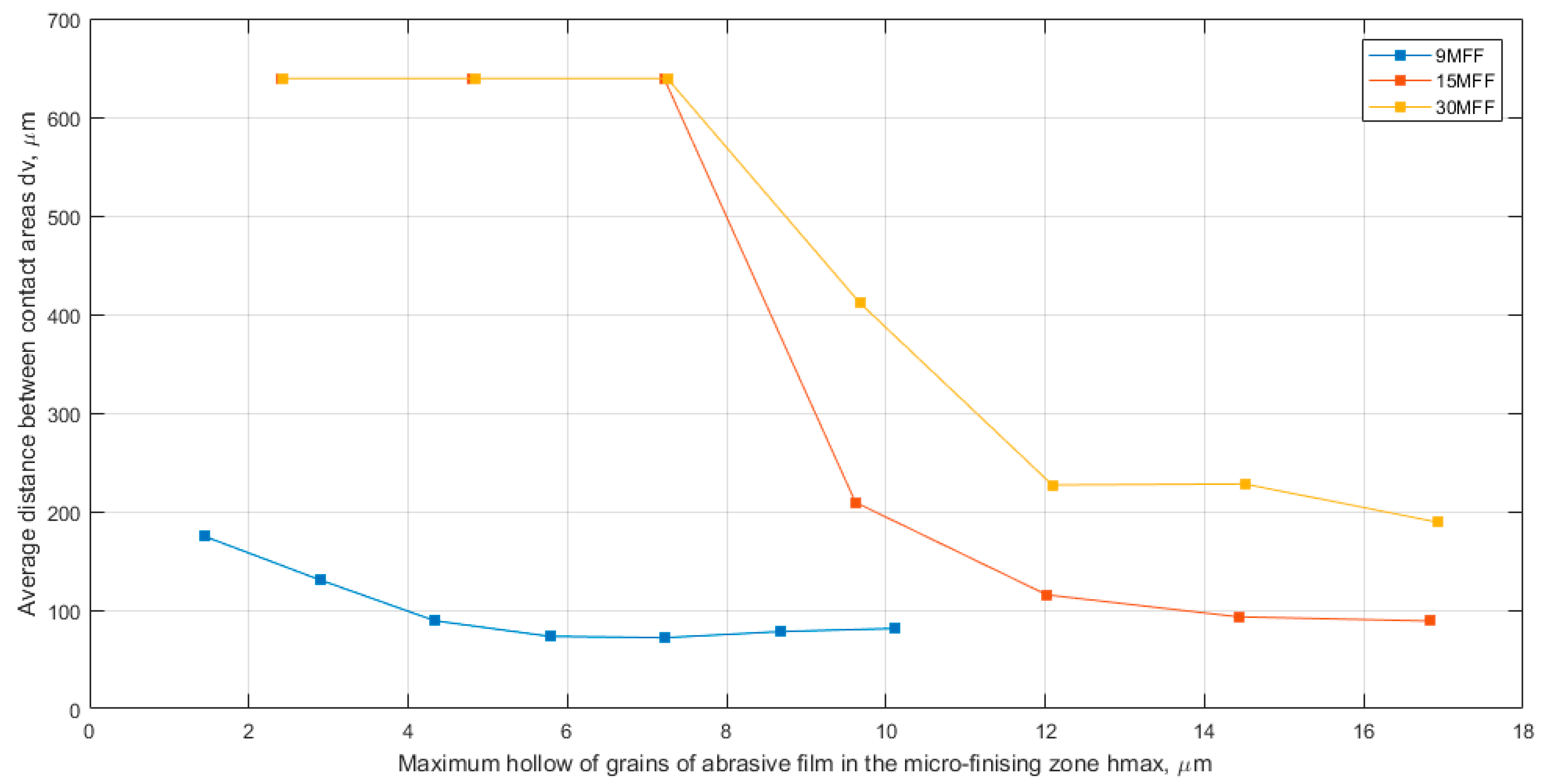
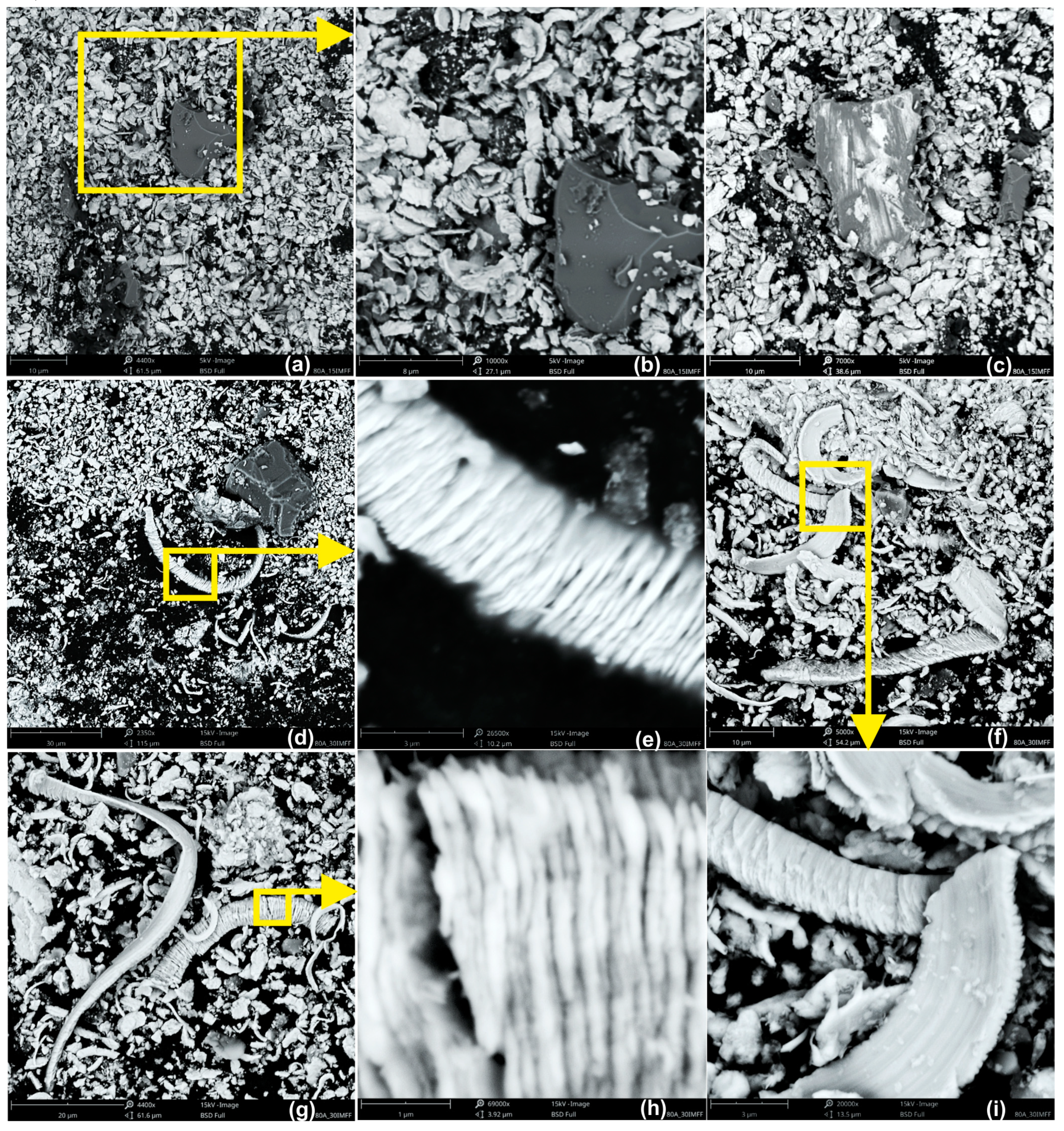
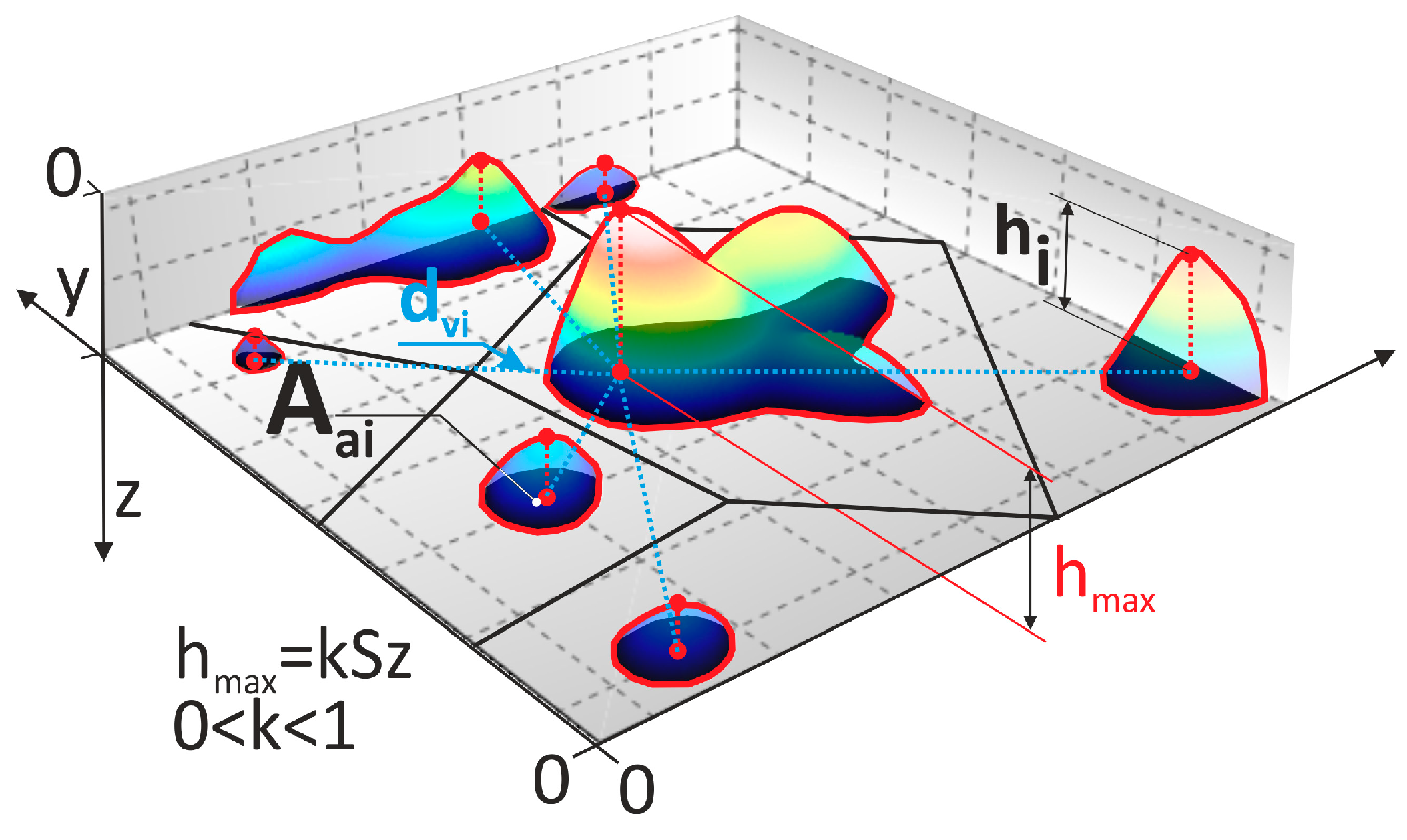
This study investigates the surface topography of microfinishing abrasive films and their machining capability on the Nimonic 80A superalloy, a high-performance nickel-based alloy commonly used in aerospace and gas turbine engine applications. Surface analysis was conducted on three abrasive films with nominal grain sizes of 30, 15, and 9 μm, exploring wear patterns, contact frequency, and distribution. To assess the distribution of grain apexes, Voronoi cells were employed. Results revealed distinct wear mechanisms, including torn abrasive grains and cracked bond surfaces, highlighting the importance of efficient chip removal mechanisms in microfinishing processes. Larger grain sizes exhibited fewer contacts with the workpiece but provided more storage space for machining products, while smaller grain sizes facilitated smoother surface finishes. The research demonstrated the effectiveness of microfinishing abrasive films in reducing surface irregularities. Additionally, surface analysis of worn abrasive tools provided insights into wear mechanisms and chip formation, with the segmentation of microchips contributing to efficient chip removal. These findings underscore the significance of selecting appropriate abrasive films and implementing effective chip removal mechanisms to optimize microfinishing processes and improve surface finishing quality in advanced material machining applications. It is worth emphasizing that no prior research has investigated the microfinishing of components crafted from Nimonic 80A utilizing abrasive films, rendering this study truly unique in its contribution to the field.
Keywords: surface finishing; abrasive film; finishing; abrasion; superfinishing; superalloy; machining capability; Nimonic 80A; Voronoi cells; nickiel material surface finishing; abrasive film; finishing; abrasion; superfinishing; superalloy; machining capability; Nimonic 80A; Voronoi cells; nickiel material