Article

Experimental Study of Thermally Damaged Concrete under a Hygrothermal Environment by Using a Combined Infrared Thermal Imaging and Ultrasonic Pulse Velocity Method

1
National Engineering Research Center of High-Speed Railway Construction Technology, Central South University, Changsha 410075, China
2
School of Civil Engineering, Central South University, Changsha 410075, China
3
Logistic Management Office, Guangdong Pharmaceutical University, Guangzhou 510006, China
4
School of Civil Engineering, Guangzhou University, Guangzhou 510006, China
*
Author to whom correspondence should be addressed.
Materials 2023, 16(3), 1040; https://doi.org/10.3390/ma16031040
Submission received: 1 December 2022 / Revised: 4 January 2023 / Accepted: 16 January 2023 / Published: 24 January 2023

Abstract

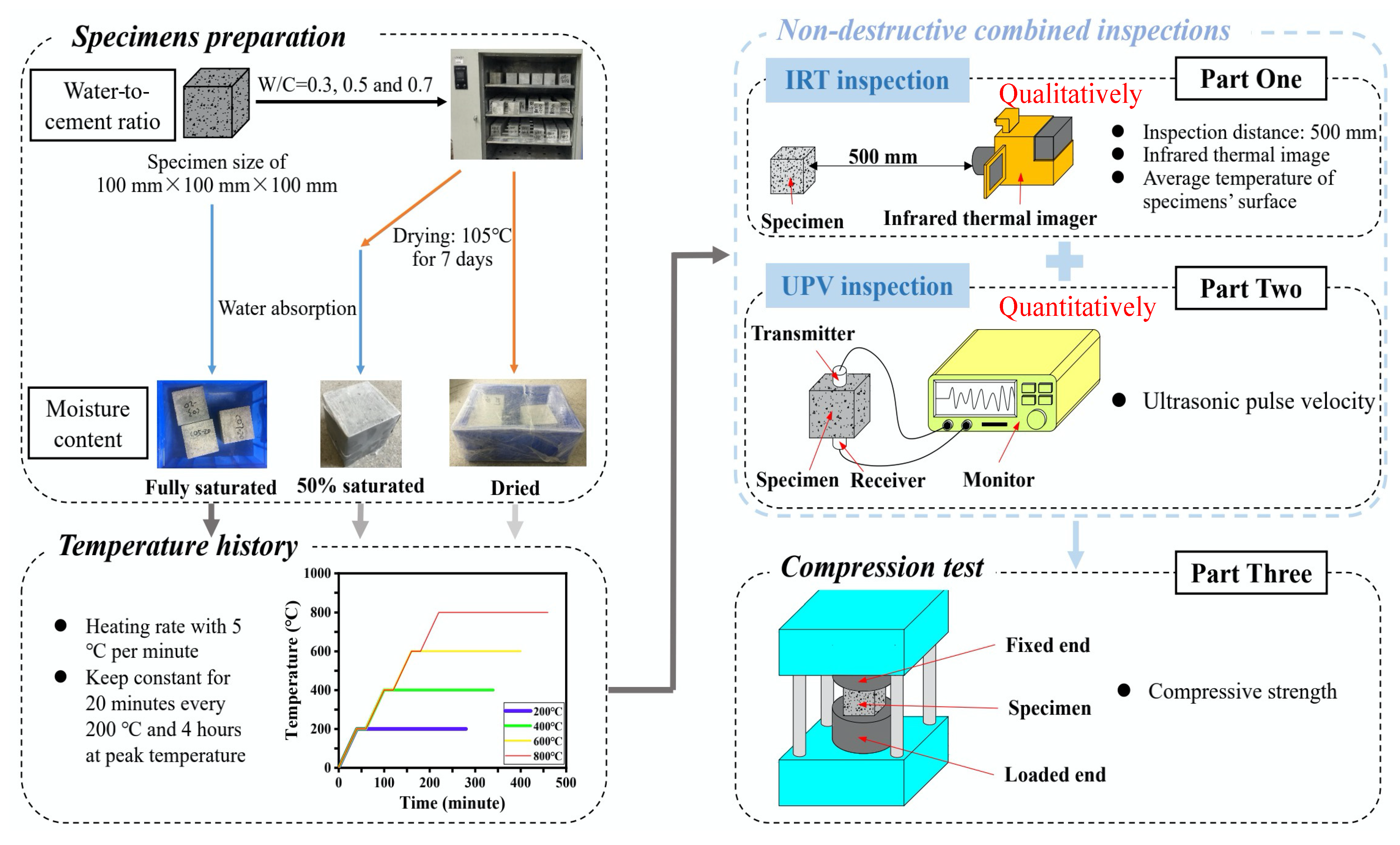
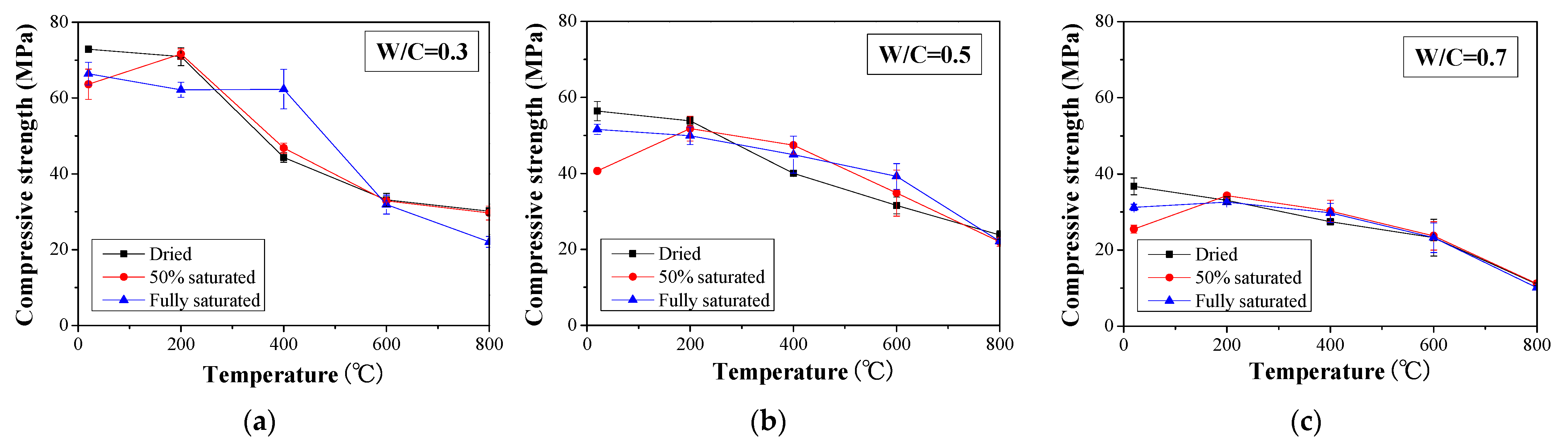
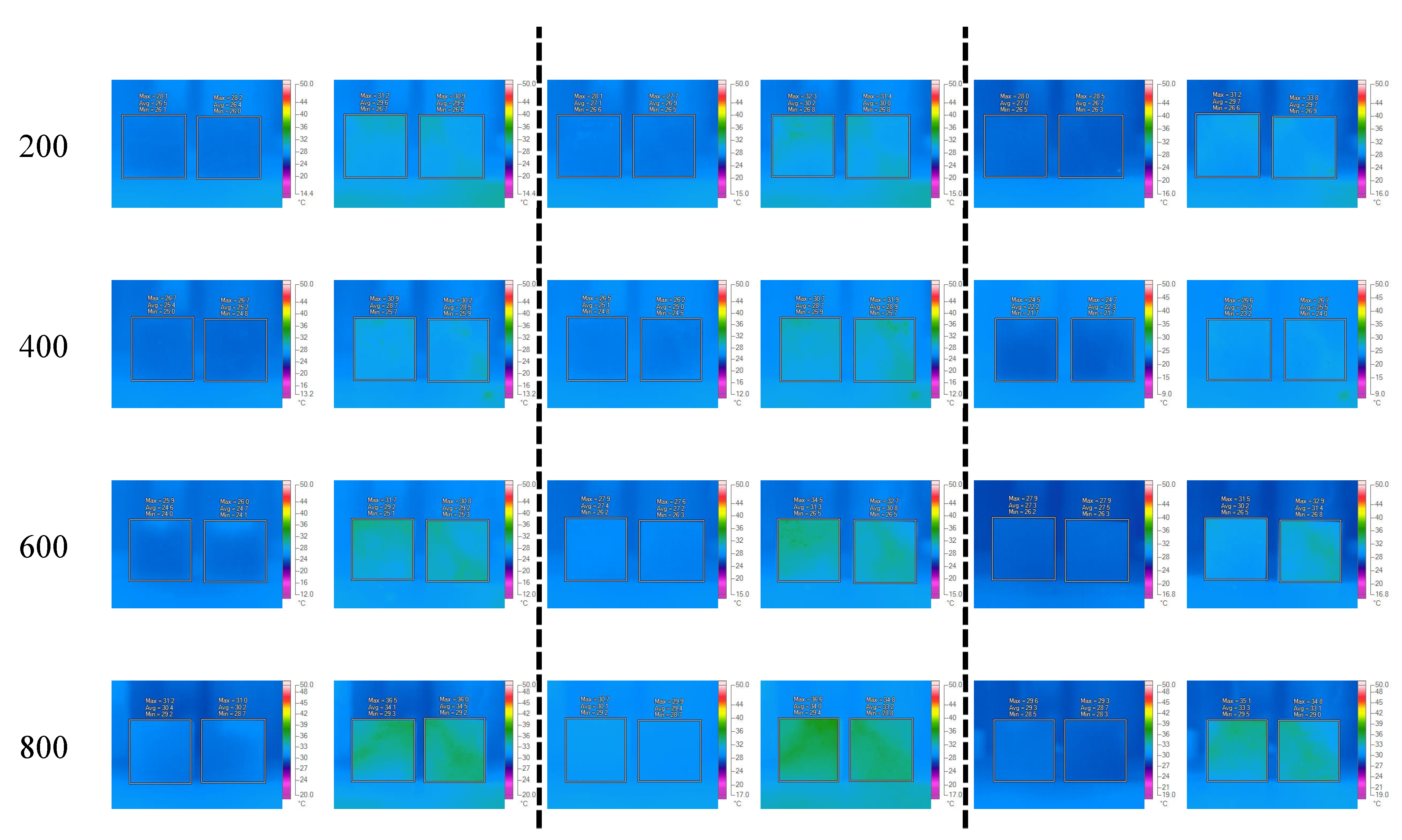
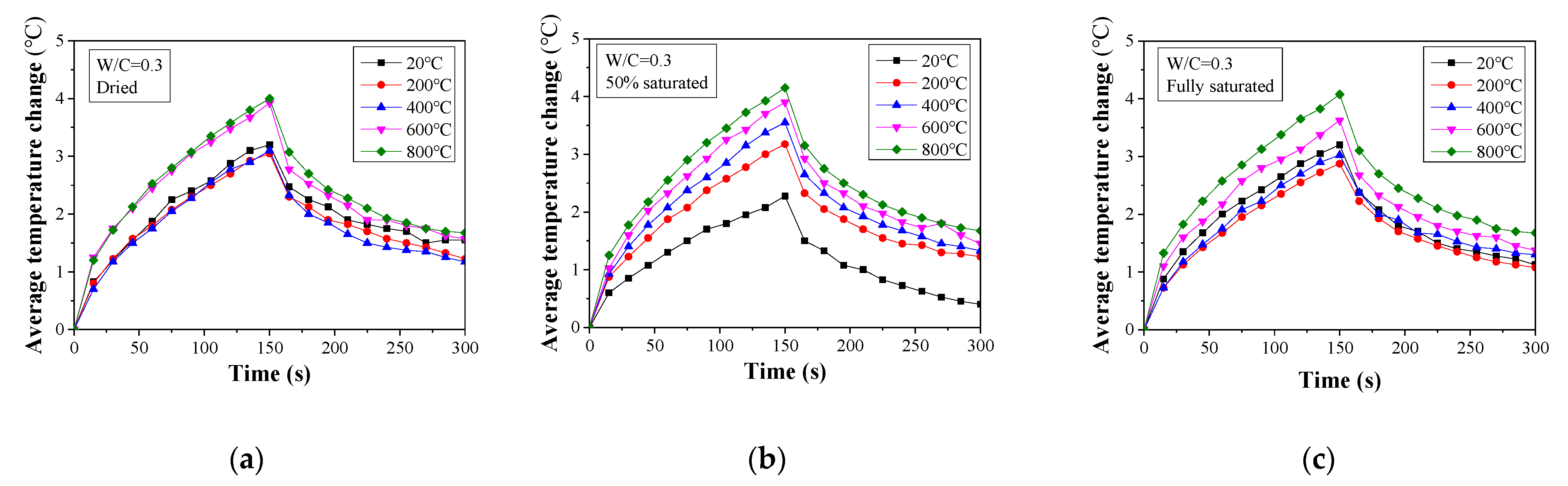
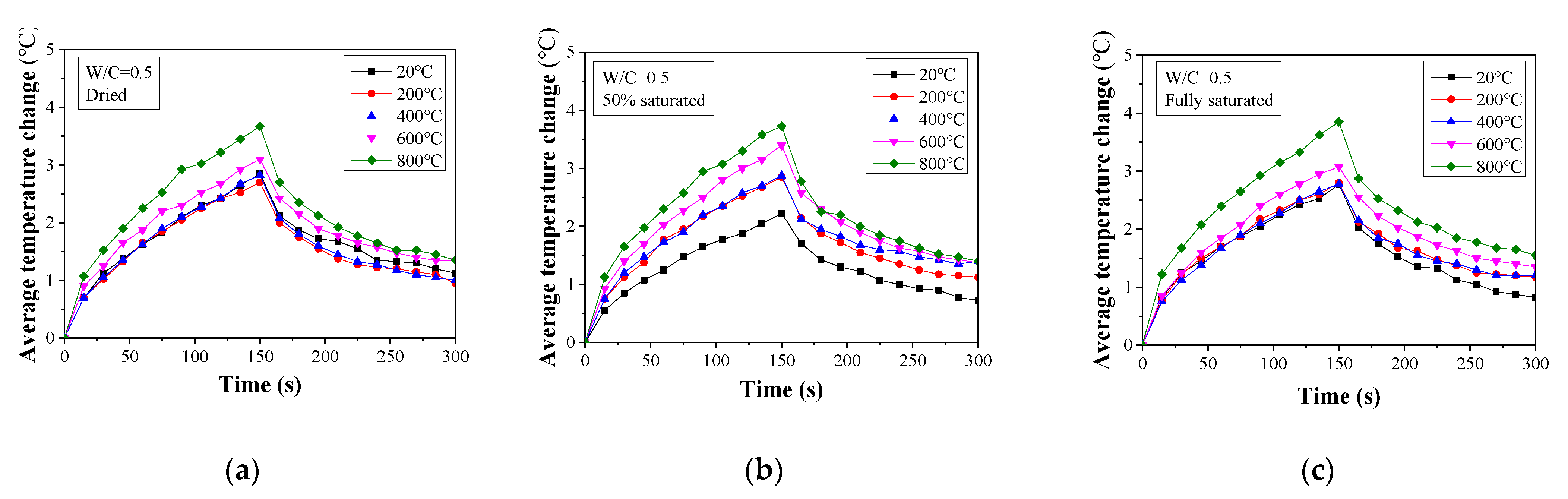
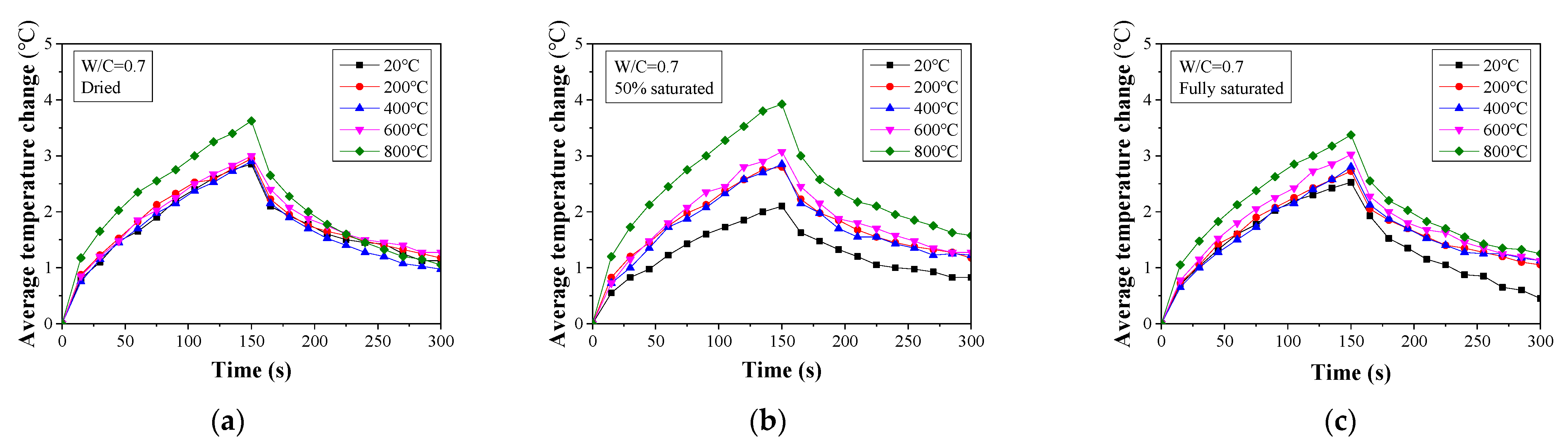
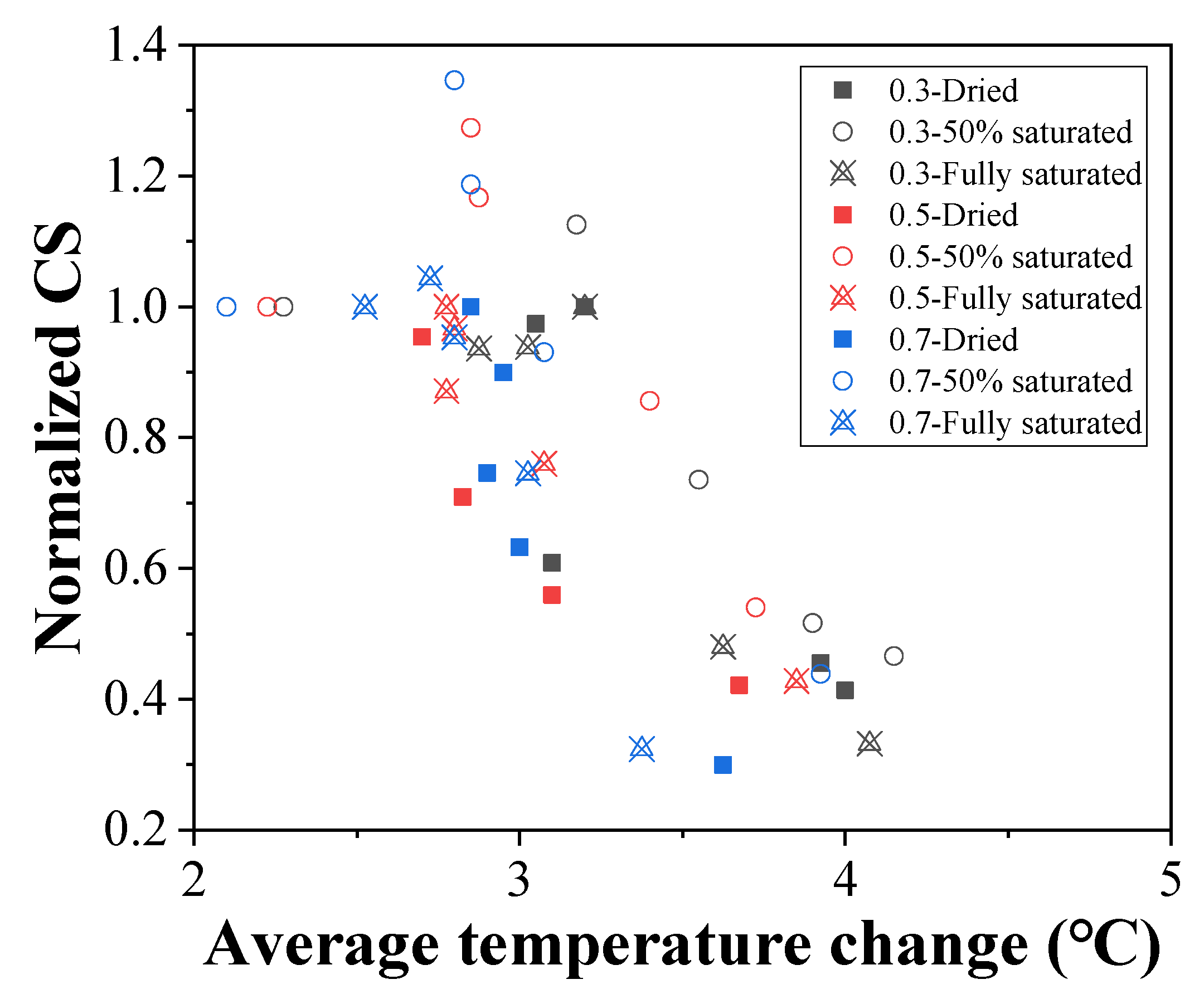
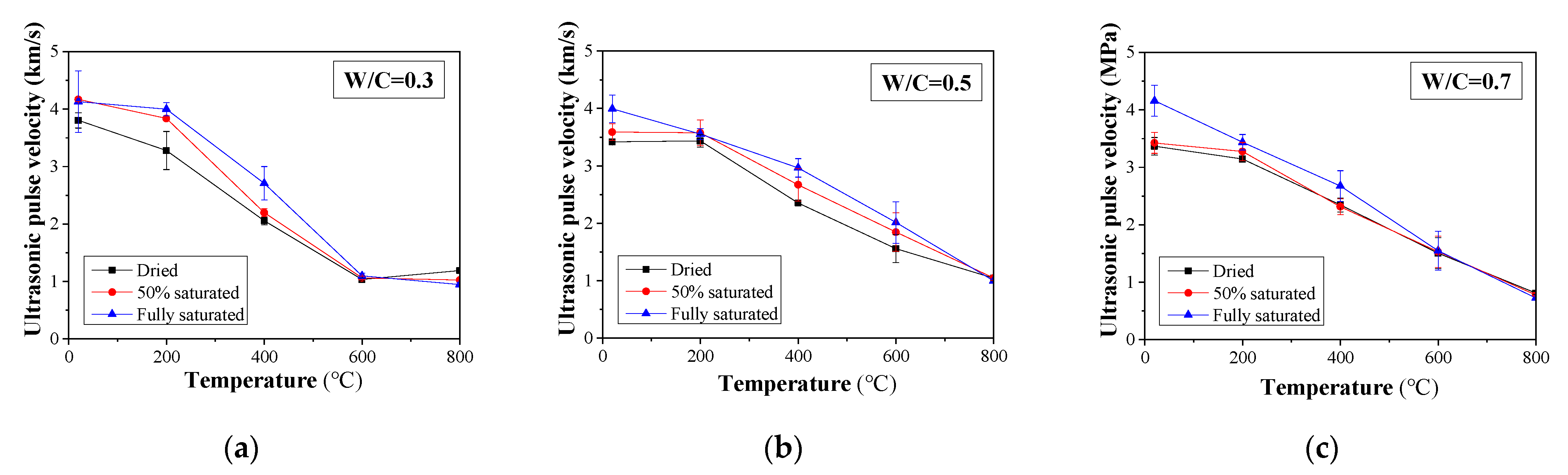
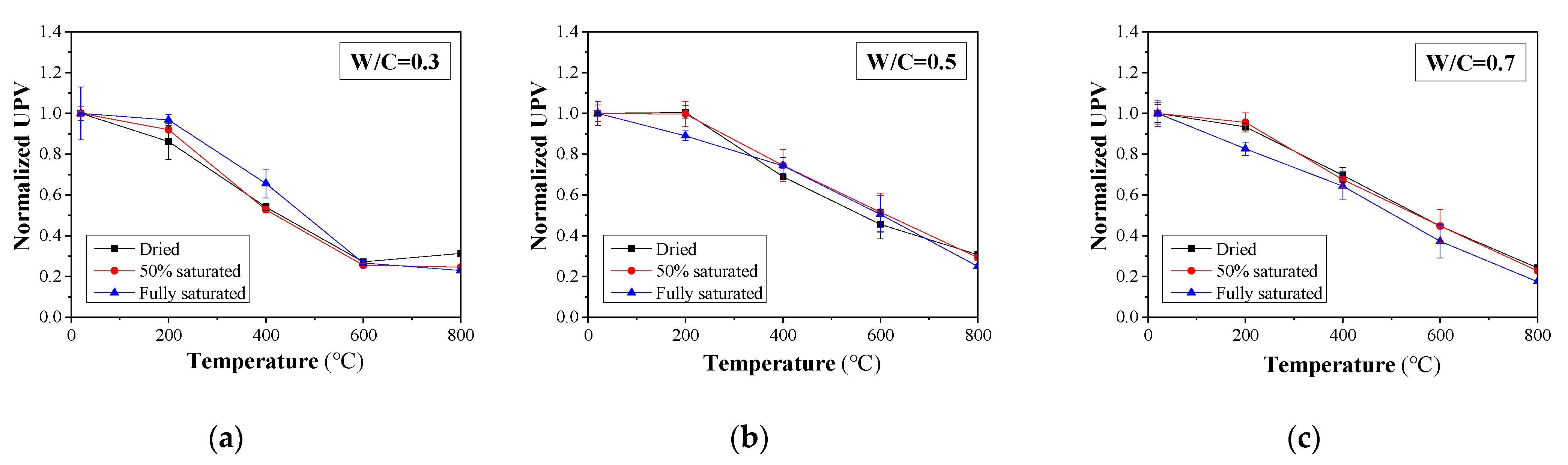
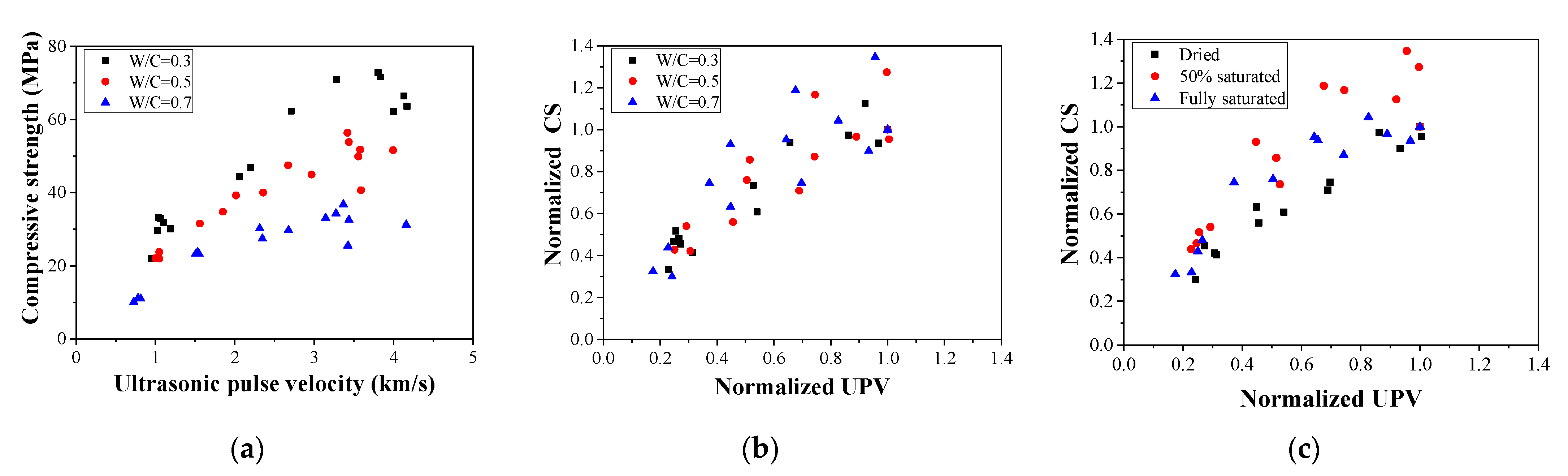
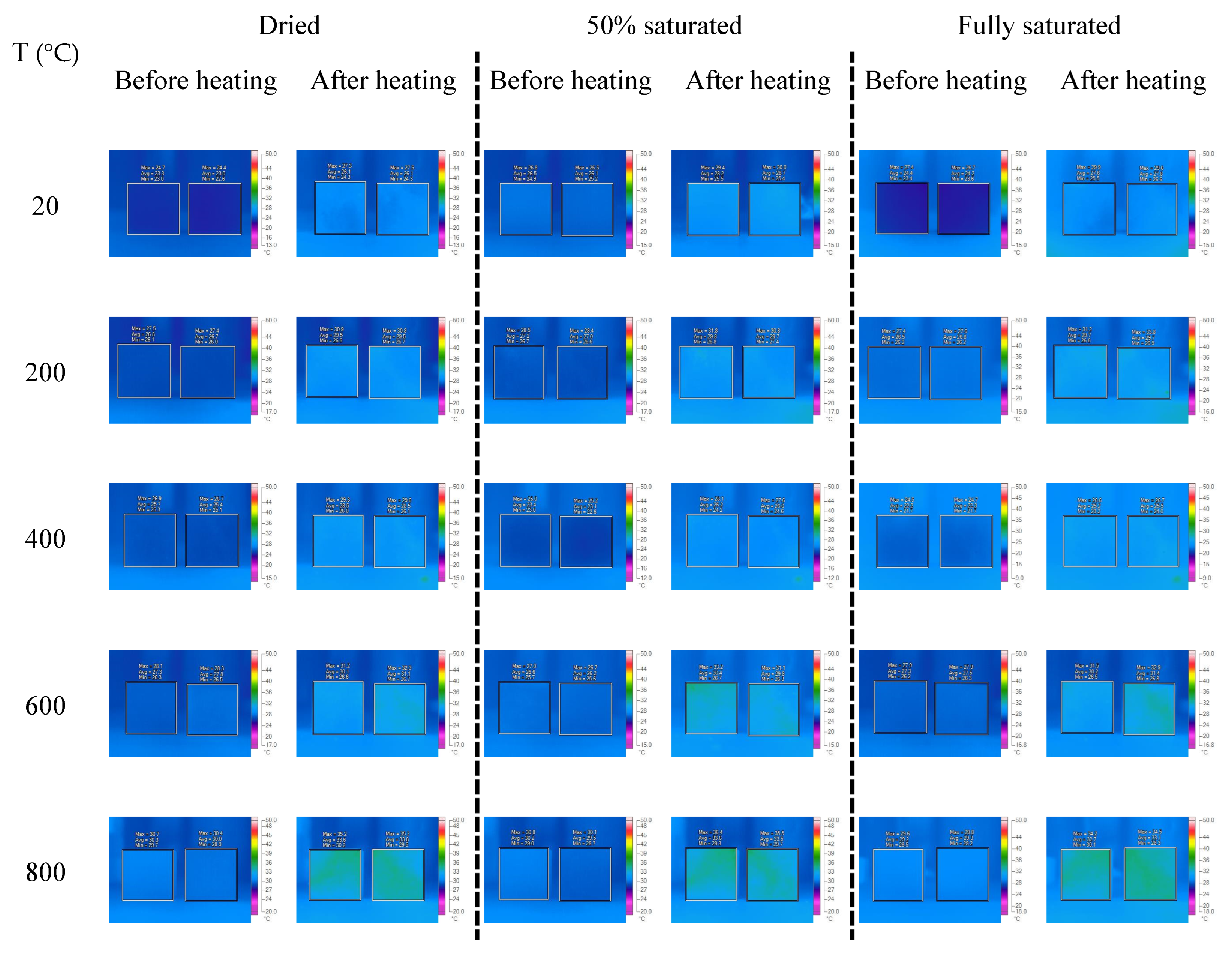
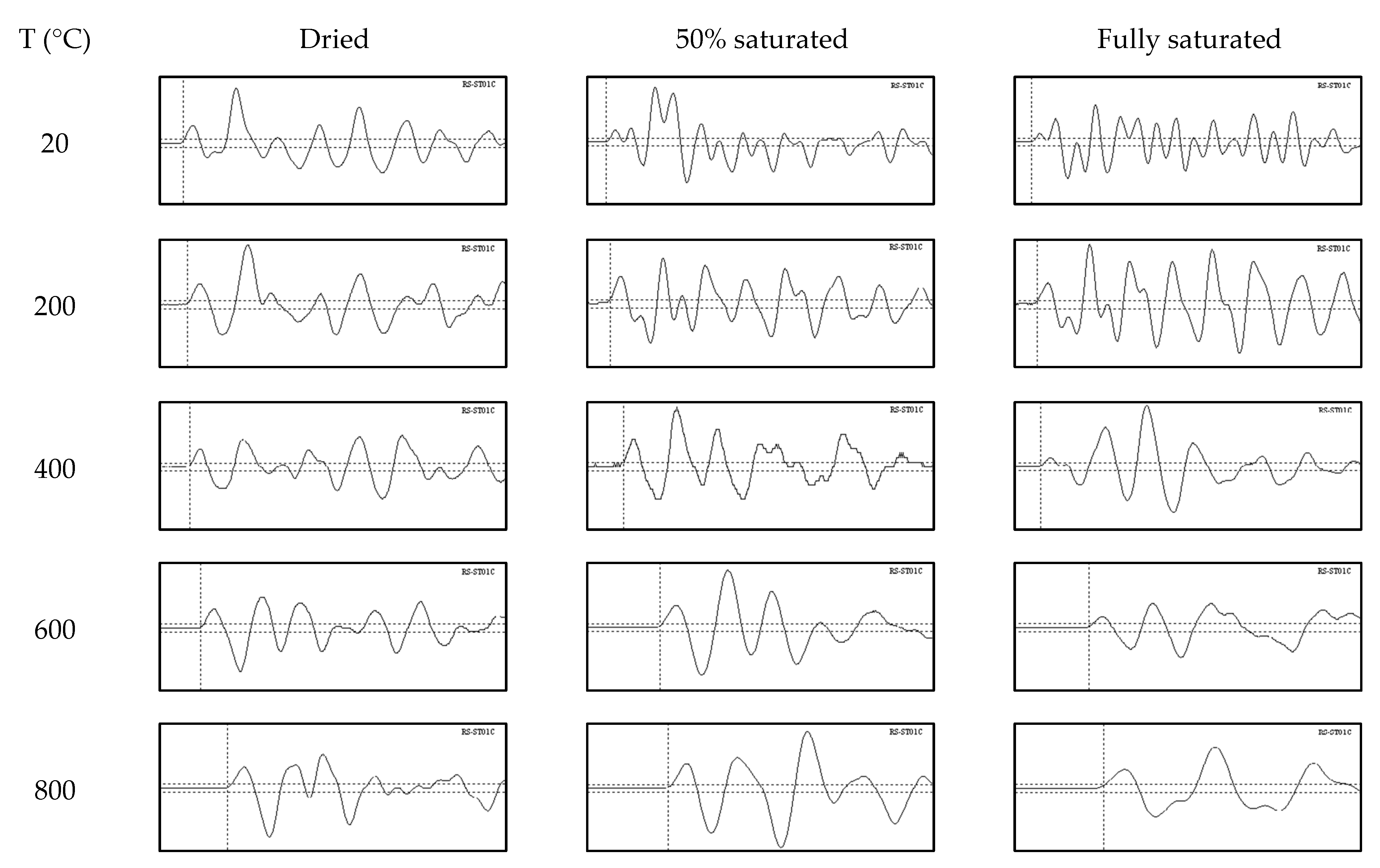
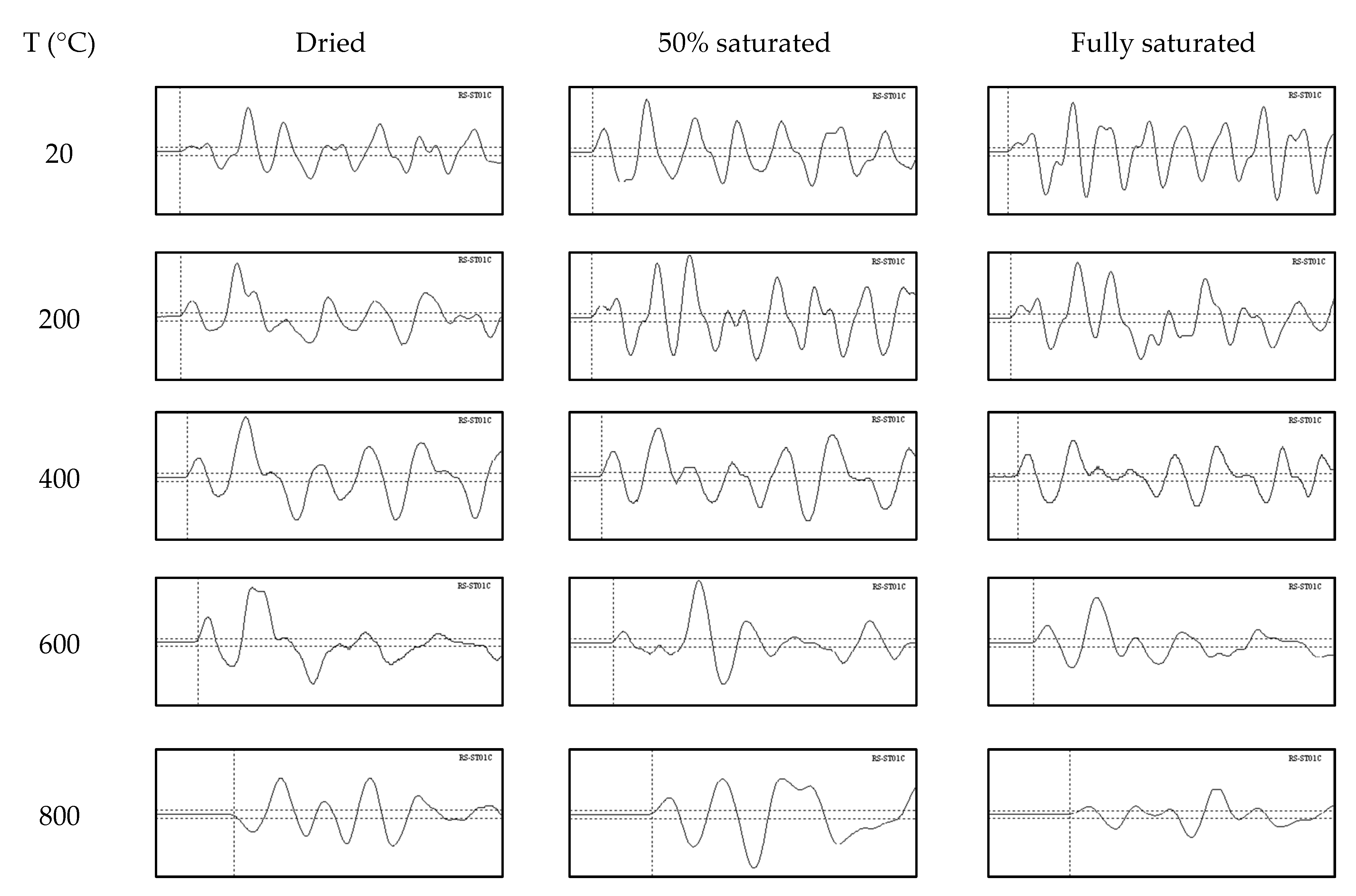
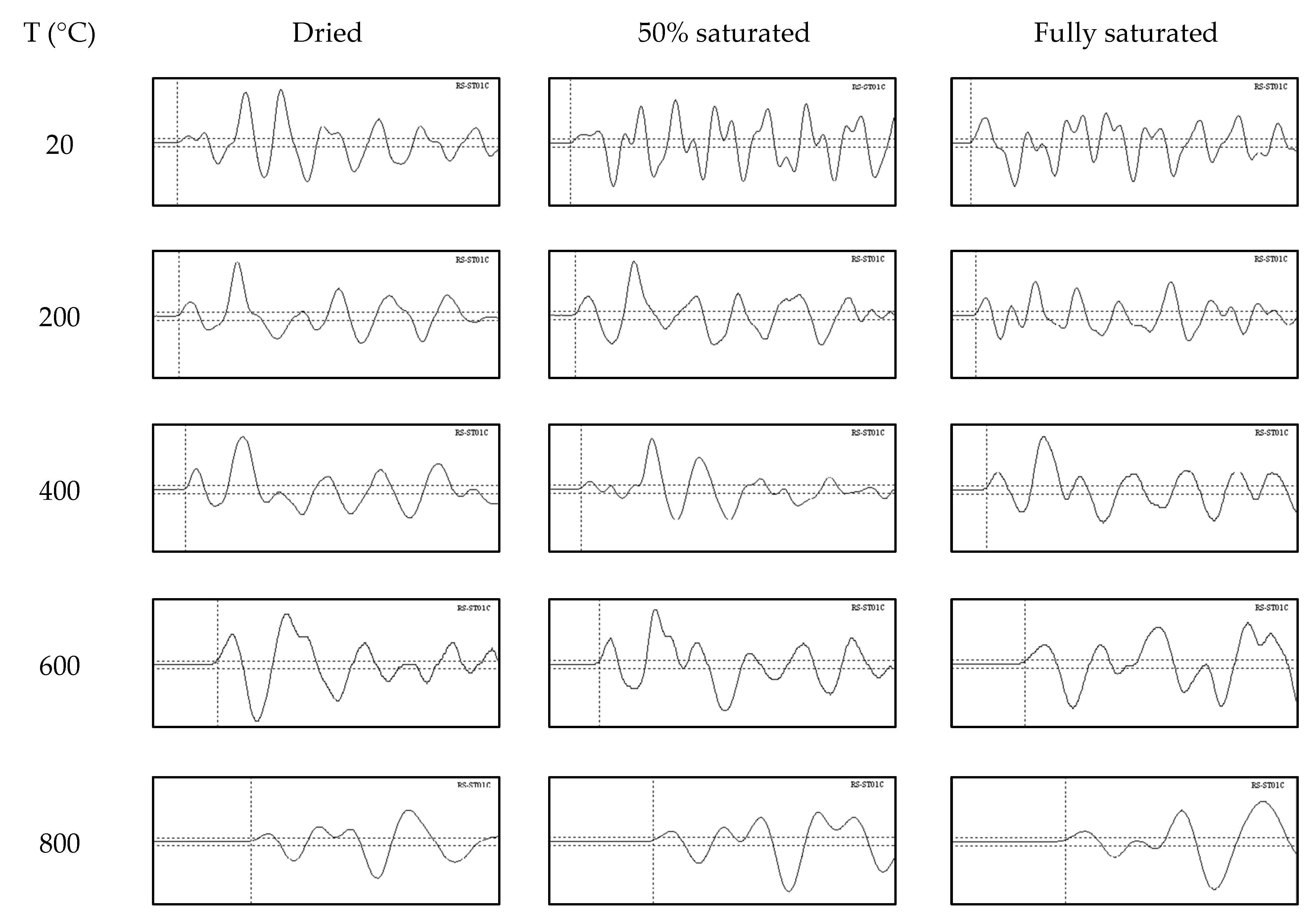
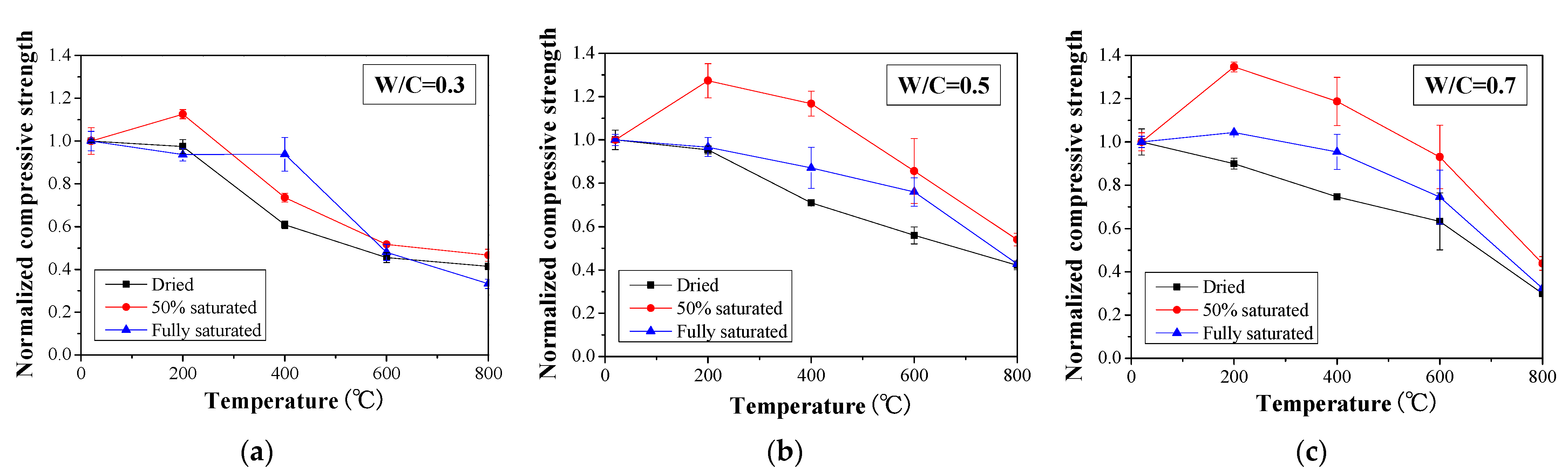
This paper proposes a combined inspection method for thermally damaged concrete under a hygrothermal environment. Experiments were conducted to verify the feasibility of the proposed method. Concrete samples with different water–cement ratios (W/C = 0.3, 0.5, 0.7) and moisture contents (dried, 50% saturated, fully saturated) were exposed to elevated temperatures of 200 °C, 400 °C, 600 °C, and 800 °C for 4 h. After cooling to room temperature, infrared thermal imaging (IRT), ultrasonic pulse velocity (UPV) measurements, and mechanical tests were carried out for the damaged concrete samples. The mechanical behavior of thermally damaged concrete with different degrees of water saturation was examined based on mechanical testing. The results show that water can affect the compressive strength and UPV of concrete under certain circumstances, and the residual strength and the heating temperature of the thermally damaged concrete can be evaluated by IRT and UPV measurements. When 50% saturated concrete specimens with a W/C ratio of 0.3, 0.5, and 0.7 are exposed to 200 °C, 12.6%, 27.4%, and 34.6% increases in normalized compressive strength were observed before dropping to approximately 40% at 800 °C. With various moisture contents, the normalized compressive strength variation can be up to 40% at 400 °C in cases with W/C = 0.5 and 0.7. As for UPV, it generally decreases with the increase in moisture content when the peak temperature is 800 °C. On the contrary, whether concrete is saturated or not, there is little difference in temperature change in IRT detection. To obtain a more precise evaluation of concrete structures, IRT can be used to scan a large area to determine the damaged concrete area and areas suspected to be damaged, while UPV could be used to detect concrete members in suspected areas after the completion of IRT scanning.
Keywords: thermal damage; concrete; hygrothermal environment; ultrasonic pulse velocity (UPV); infrared thermal imaging (IRT) thermal damage; concrete; hygrothermal environment; ultrasonic pulse velocity (UPV); infrared thermal imaging (IRT)