Article

Interface Microstructure and Properties of Vacuum-Hot-Rolled 55#/316L Clad Rebars

1
School of Mechanical and Electrical Engineering, Central South University, Changsha 410083, China
2
Hunan Provincial Engineering Research Centre for Laminated Metal Composites, Changsha 410083, China
3
Technology Centre, Guangxi Liuzhou Iron and Steel Group Ltd., Liuzhou 545002, China
4
Hunan Santai New Materials Ltd., Loudi 417000, China
*
Author to whom correspondence should be addressed.
Materials 2023, 16(2), 571; https://doi.org/10.3390/ma16020571
Submission received: 4 December 2022 / Revised: 28 December 2022 / Accepted: 3 January 2023 / Published: 6 January 2023

Abstract

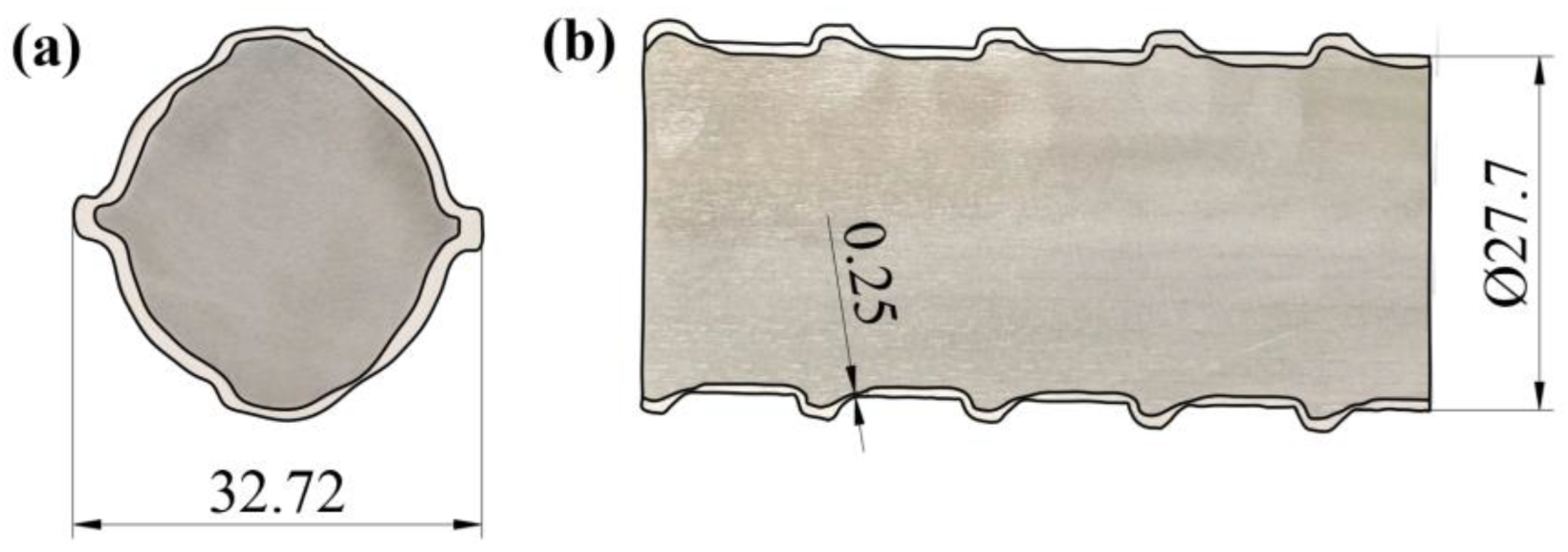
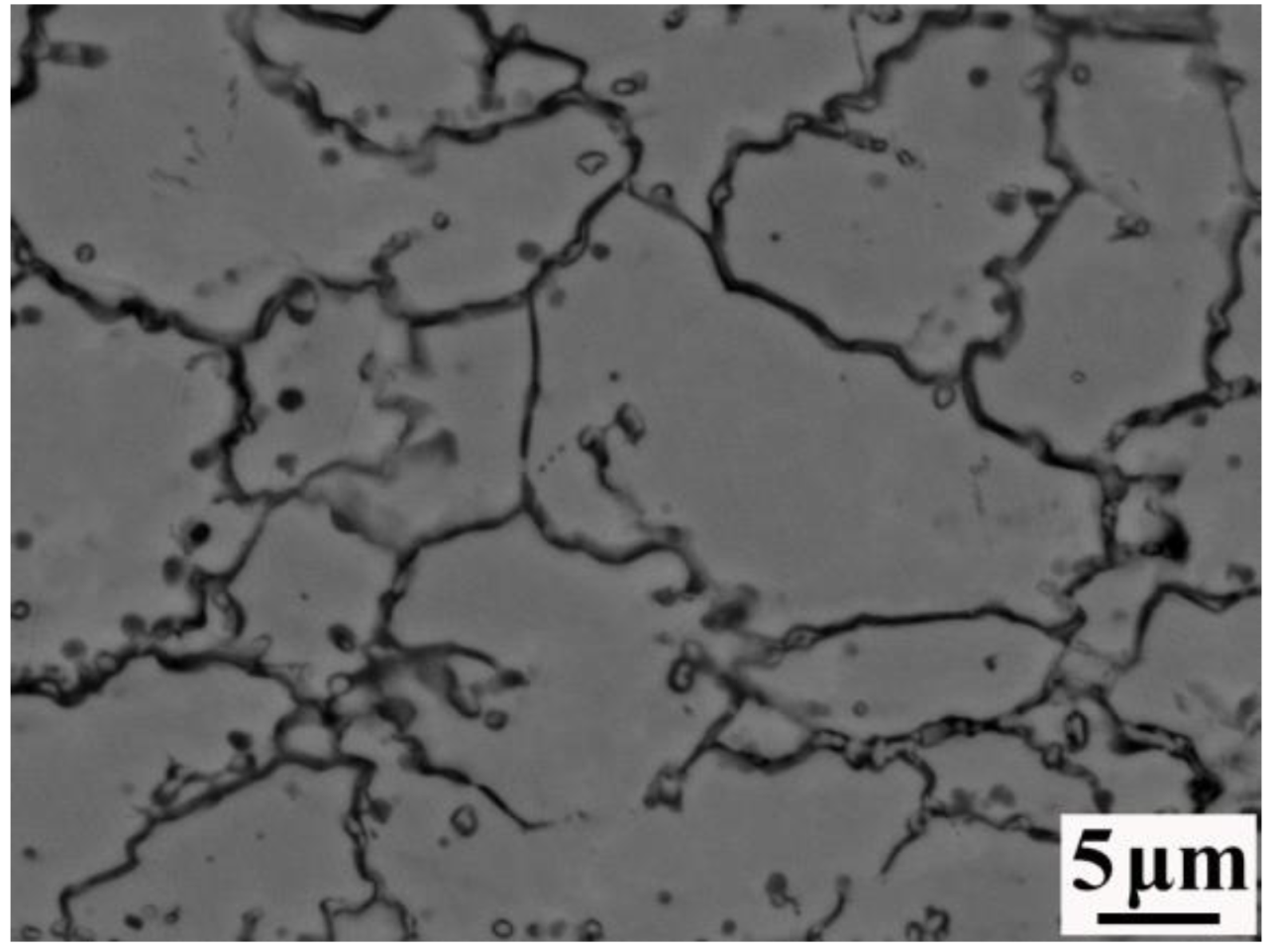
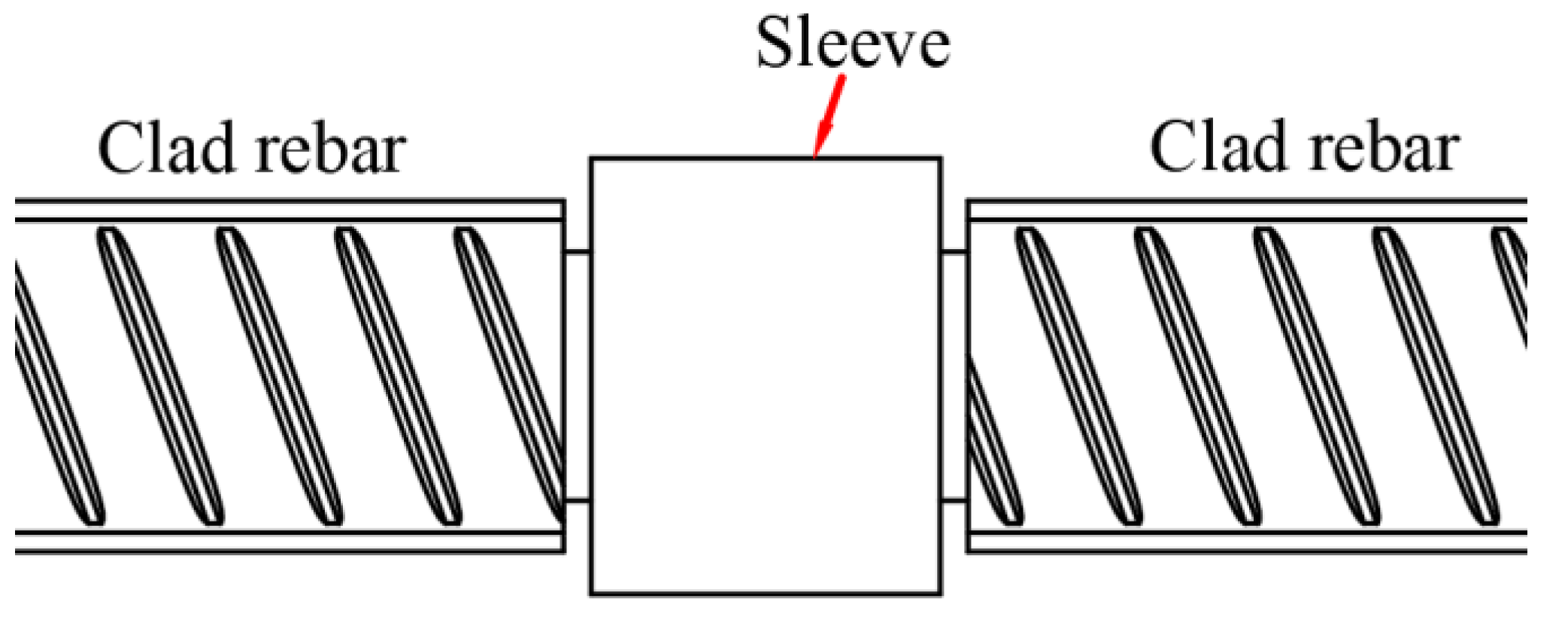
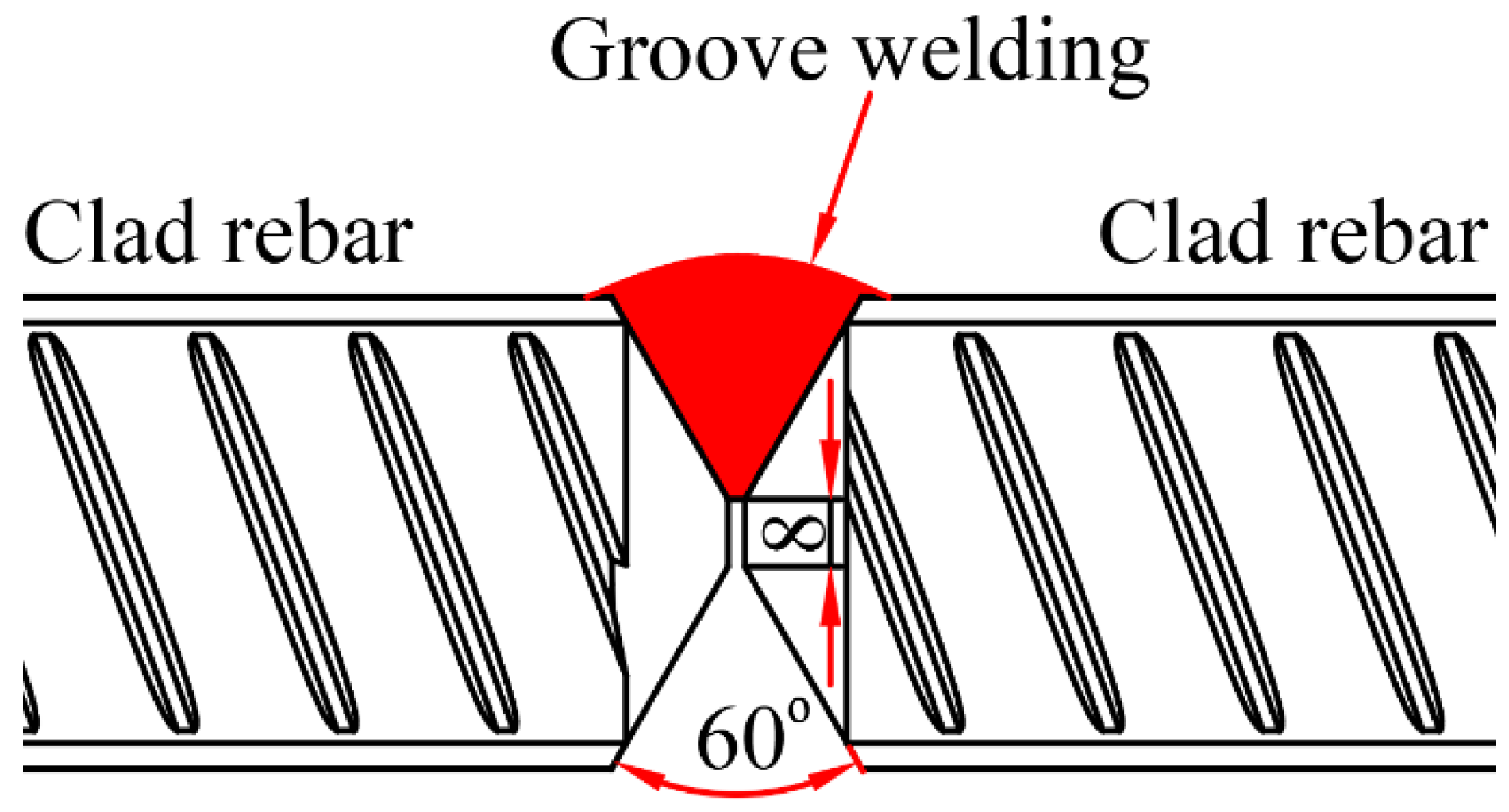
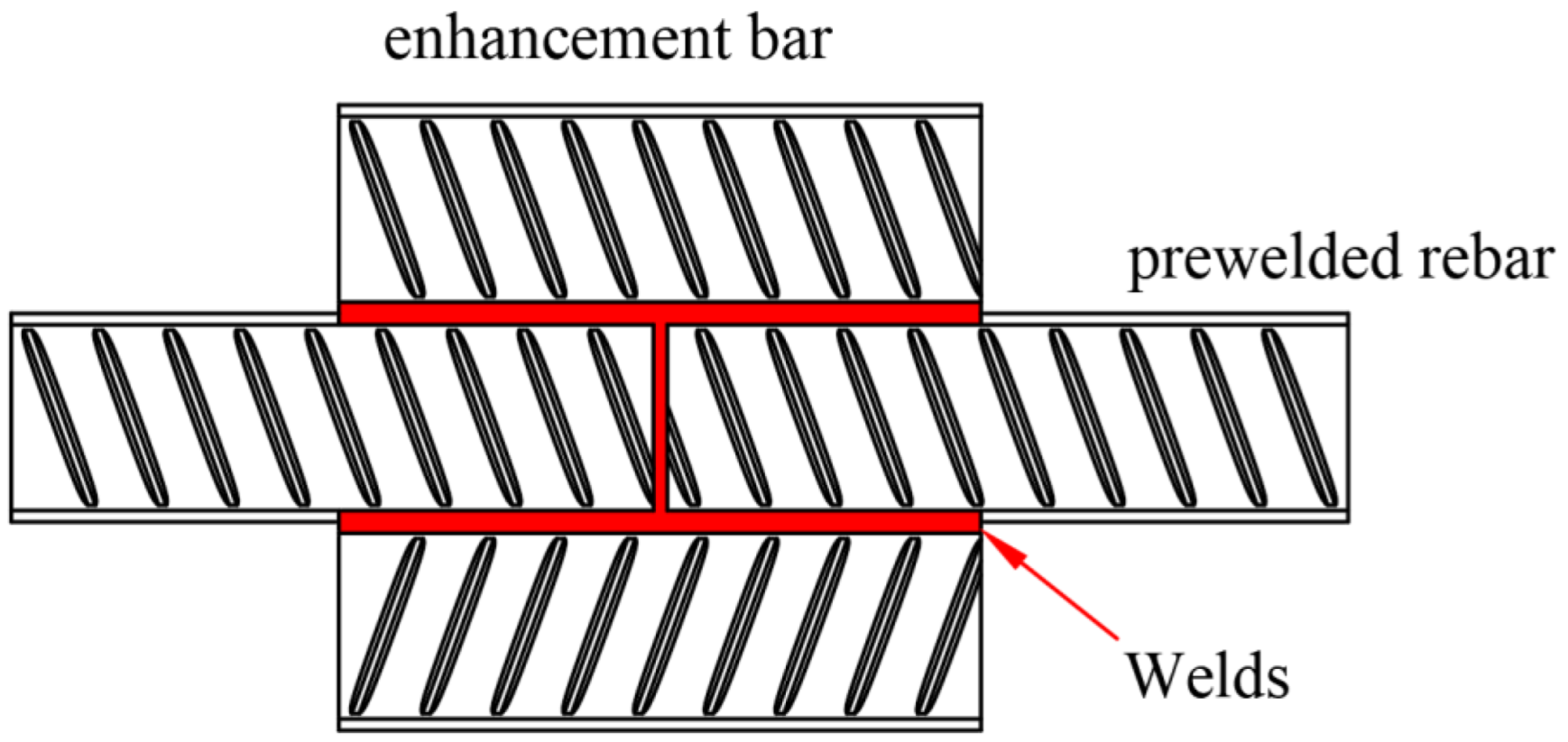
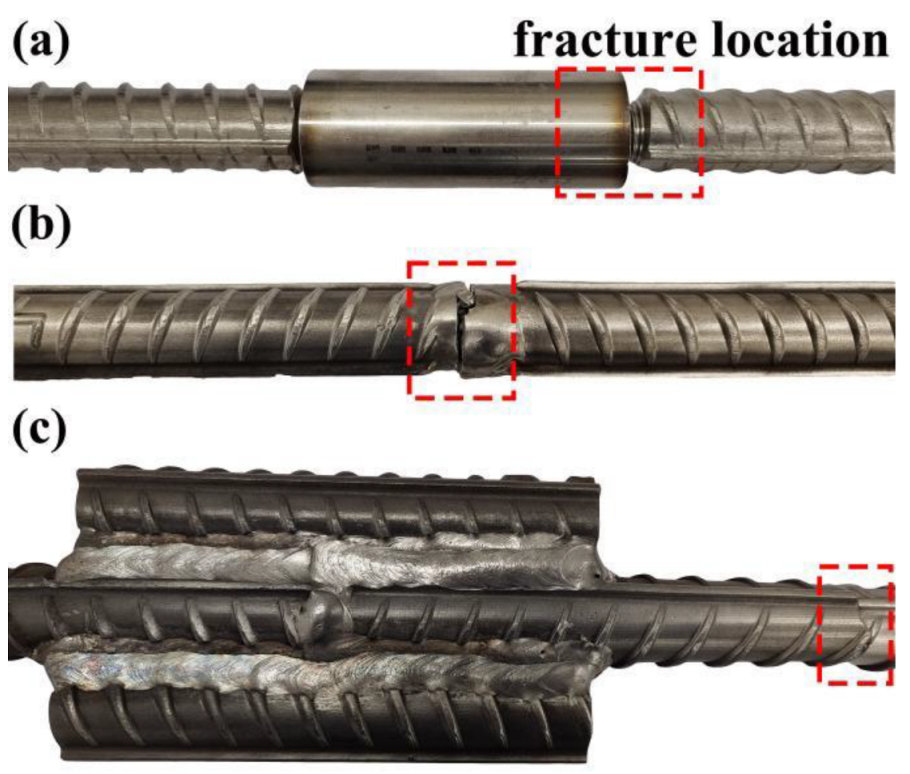
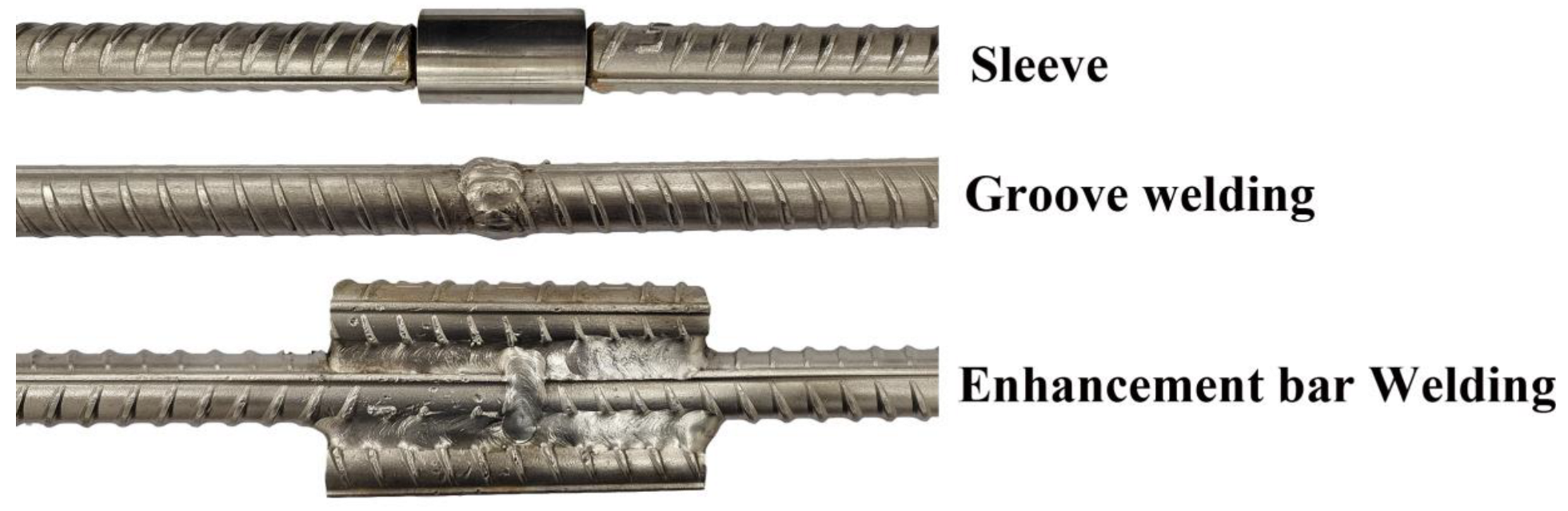
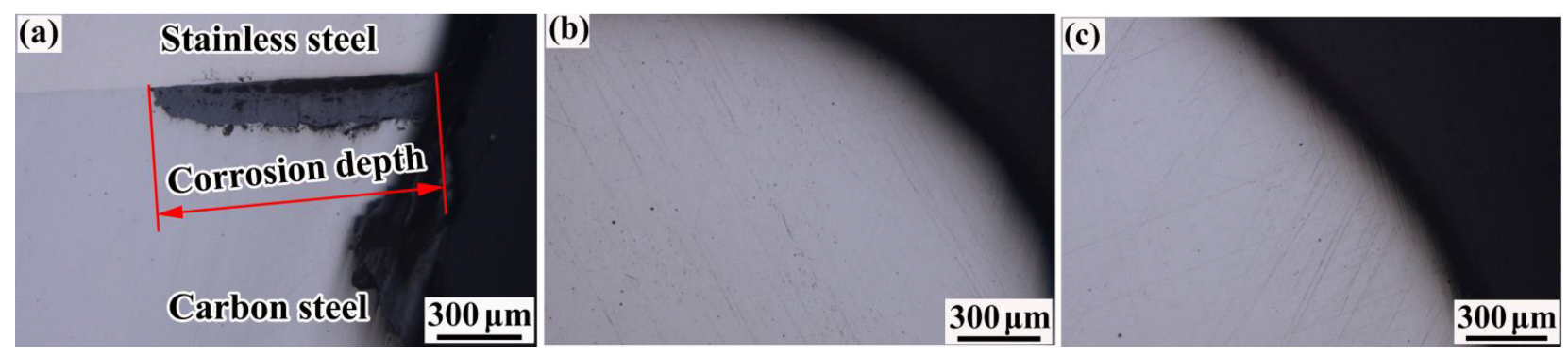
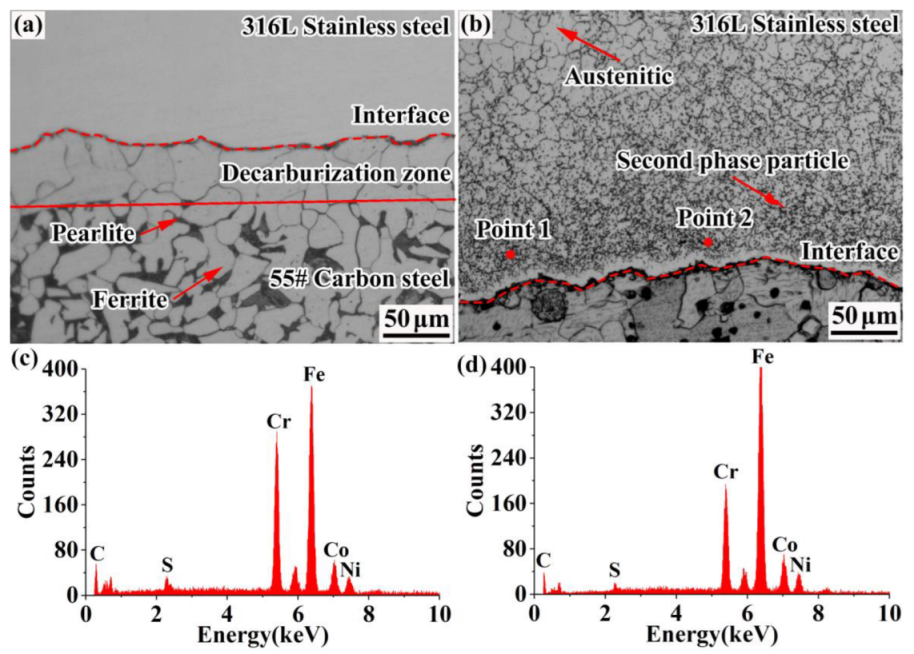
The existing process for the preparation of cladded rebars is too complicated for large-scale industrial production. Therefore, this paper proposes a 55#/316L rebar preparation method based on vacuum hot rolling. The microstructure and mechanical properties of the composite interface of the rebar, along with the connecting technique, were studied using transmission electron microscopy, X-ray diffraction, and Vickers hardness testing. The obtained results showed that the minimum thickness of the 55#/316L rebar cladding was 0.25 mm, which was twice that of the M 329M/M 329-11 design standard used in the United States of America. Due to the diffusion of carbon, large numbers of second-phase particles were precipitated on the stainless-steel side, which resulted in intergranular chromium depletion. After multi-pass hot rolling, the minimum bonding strength of the composite interface reached 316.58 MPa, which was considerably higher than the specified value of 210 MPa. In addition, we designed three different types of rebar connection joints: sleeve, groove-welded, and bar-welded. According to the tensile test, the bar-welded joint had higher yield strength (385 MPa) and tensile strength (665 MPa) than the base rebar (376.6 MPa and 655 MPa), as well as a very high corrosion resistance.
Keywords: clean-interface assembly; second-phase particles; metallurgical bonding clean-interface assembly; second-phase particles; metallurgical bonding