Article

Continuous Extrusion Forming Technology of Magnesium Alloy Thin-Walled Tubules

1
School of Materials Science and Engineering, Henan University of Science and Technology, Luoyang 471023, China
2
Collaborative Innovation Center of Nonferrous Metals of Henan Province, Luoyang 471023, China
3
School of Materials Science and Engineering, Dalian University of Technology, Dalian 116024, China
*
Author to whom correspondence should be addressed.
Materials 2023, 16(17), 5803; https://doi.org/10.3390/ma16175803
Submission received: 15 July 2023 / Revised: 16 August 2023 / Accepted: 21 August 2023 / Published: 24 August 2023

Abstract

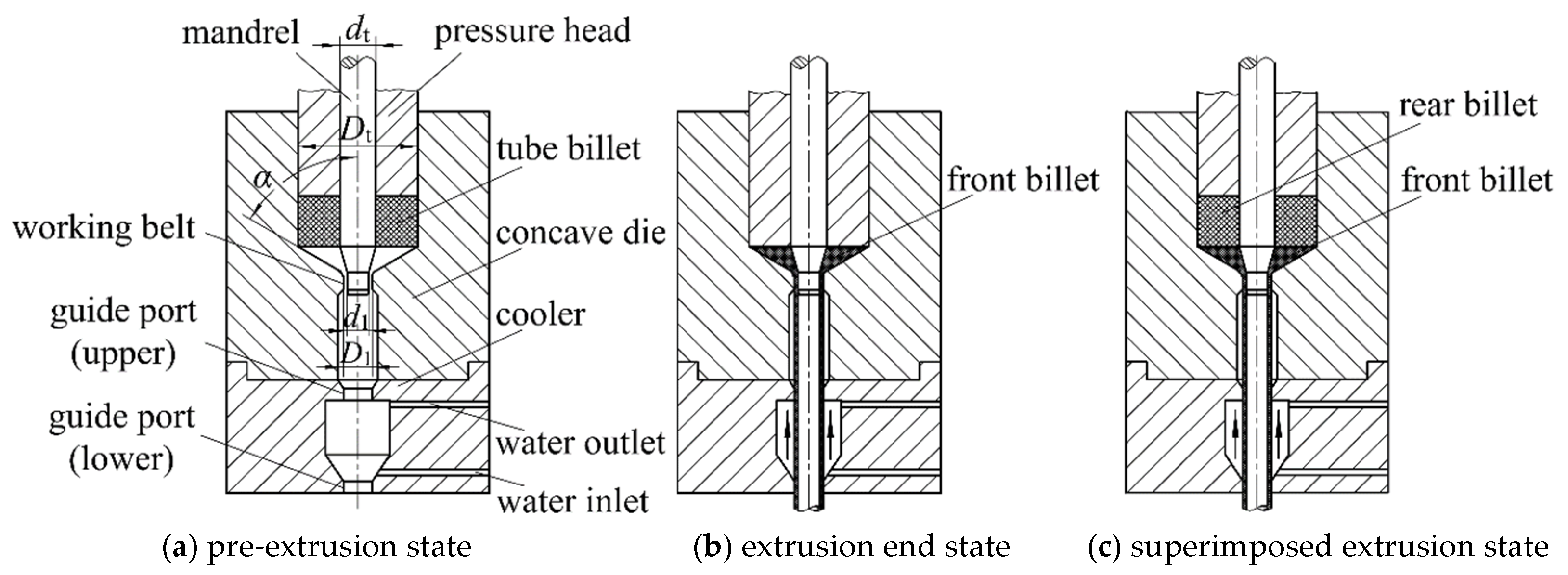
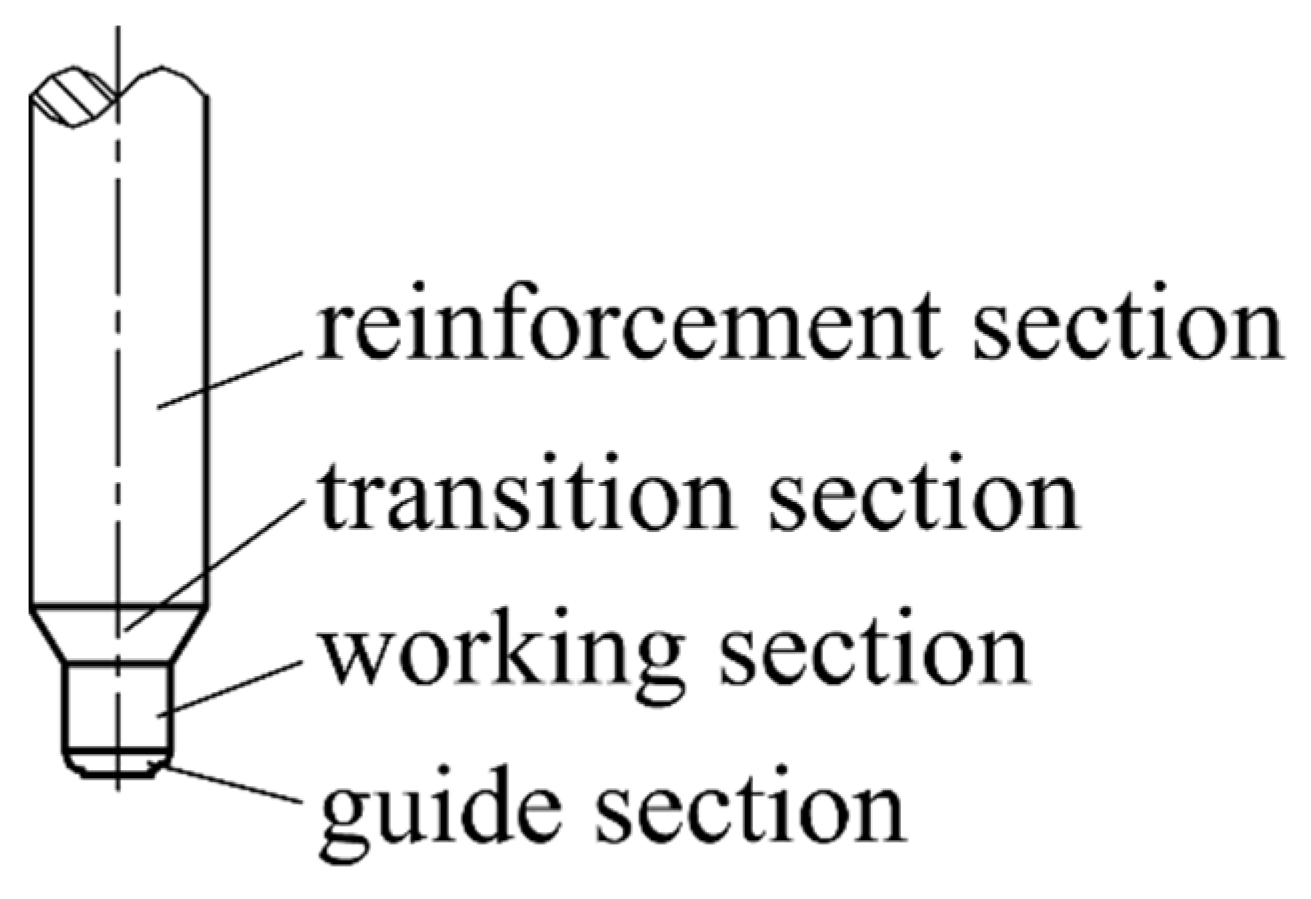
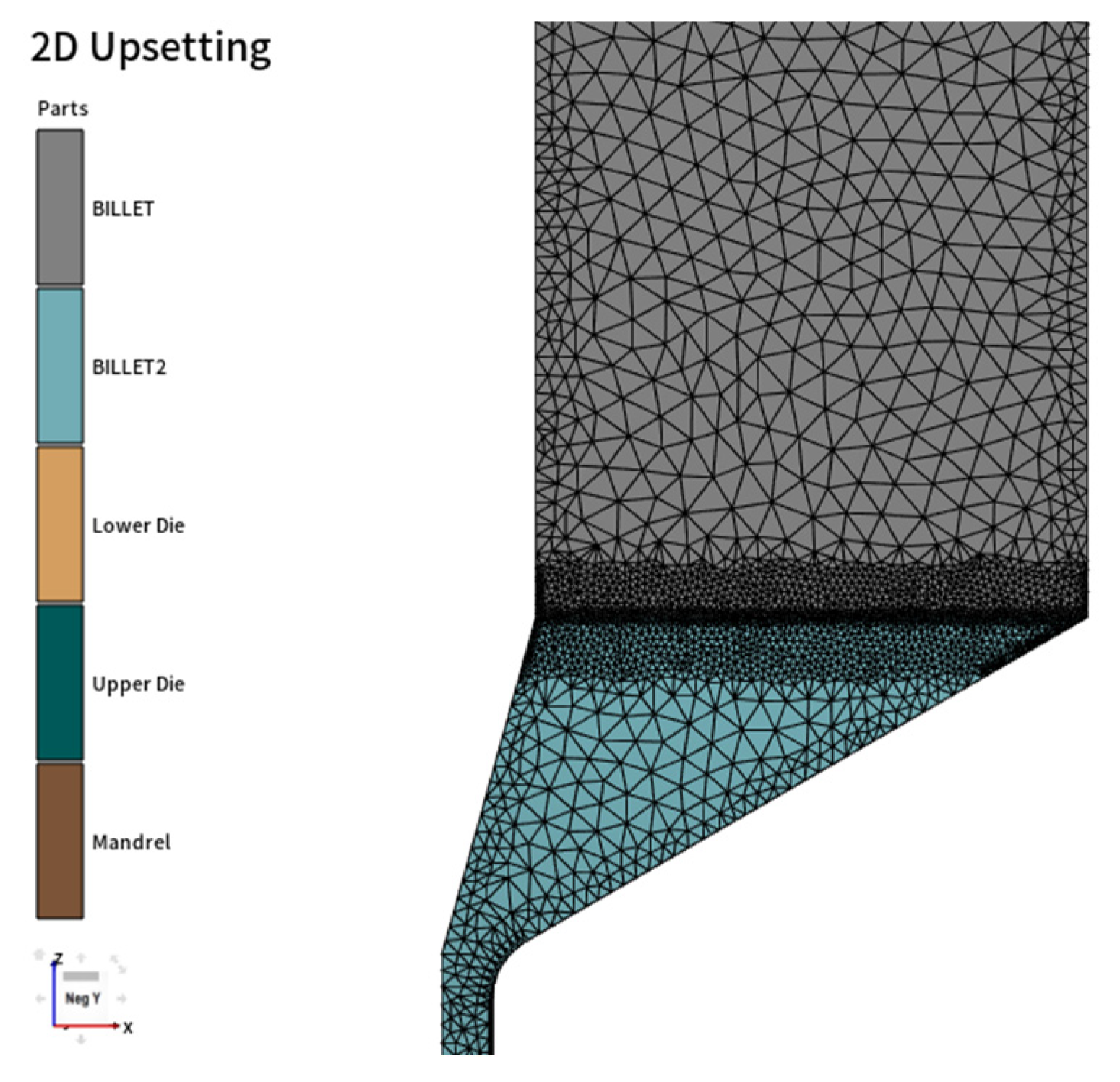
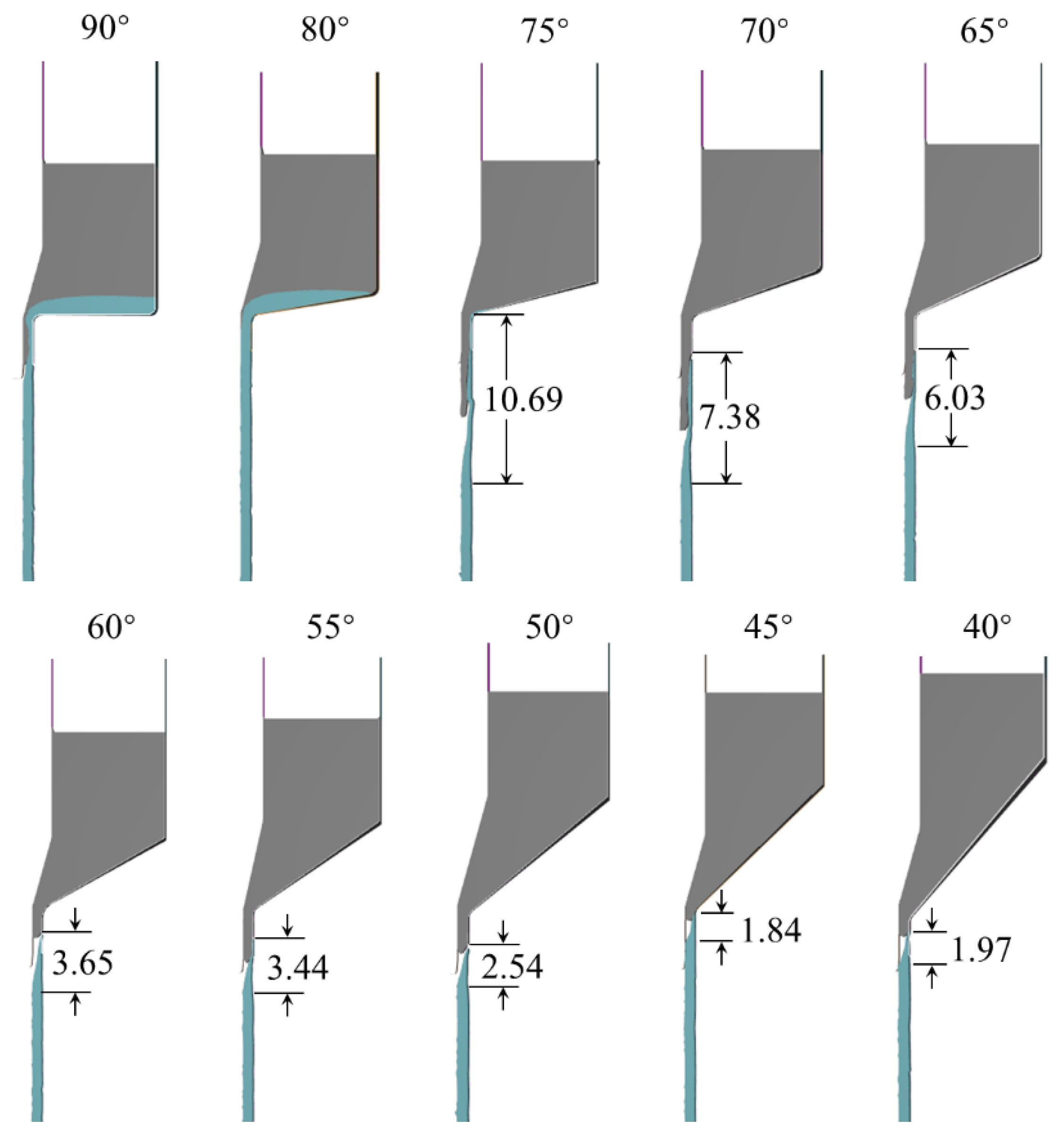
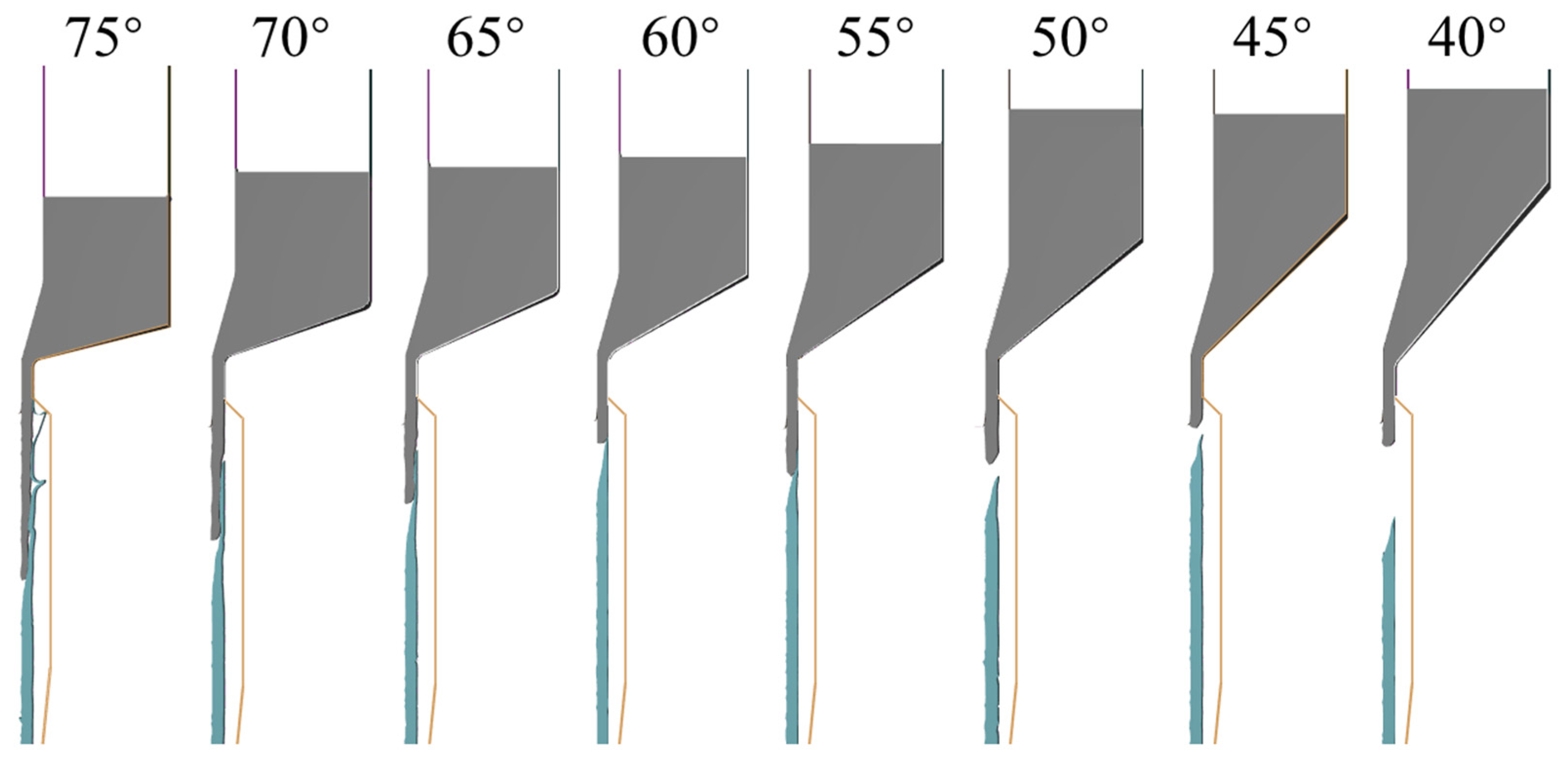
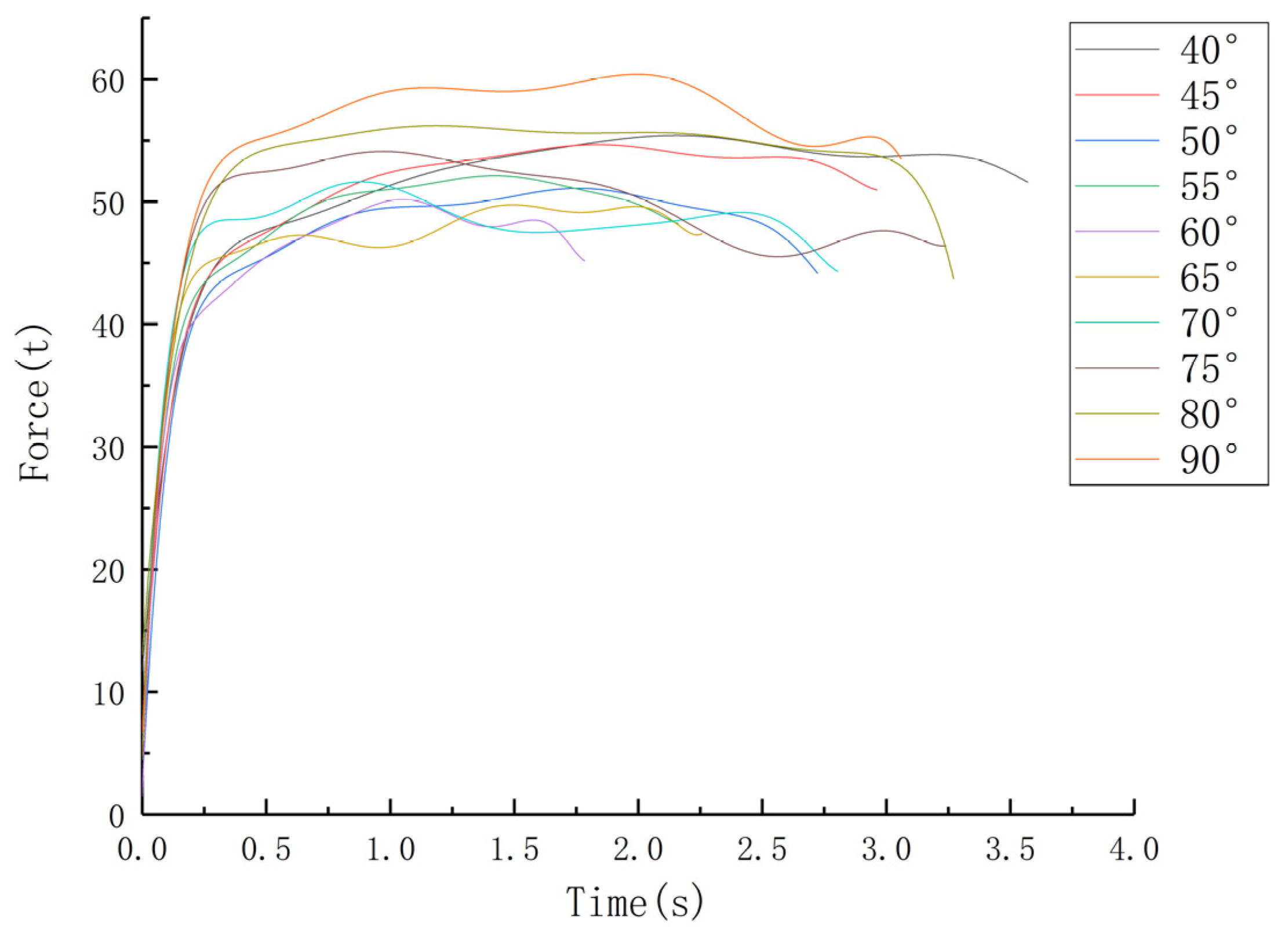
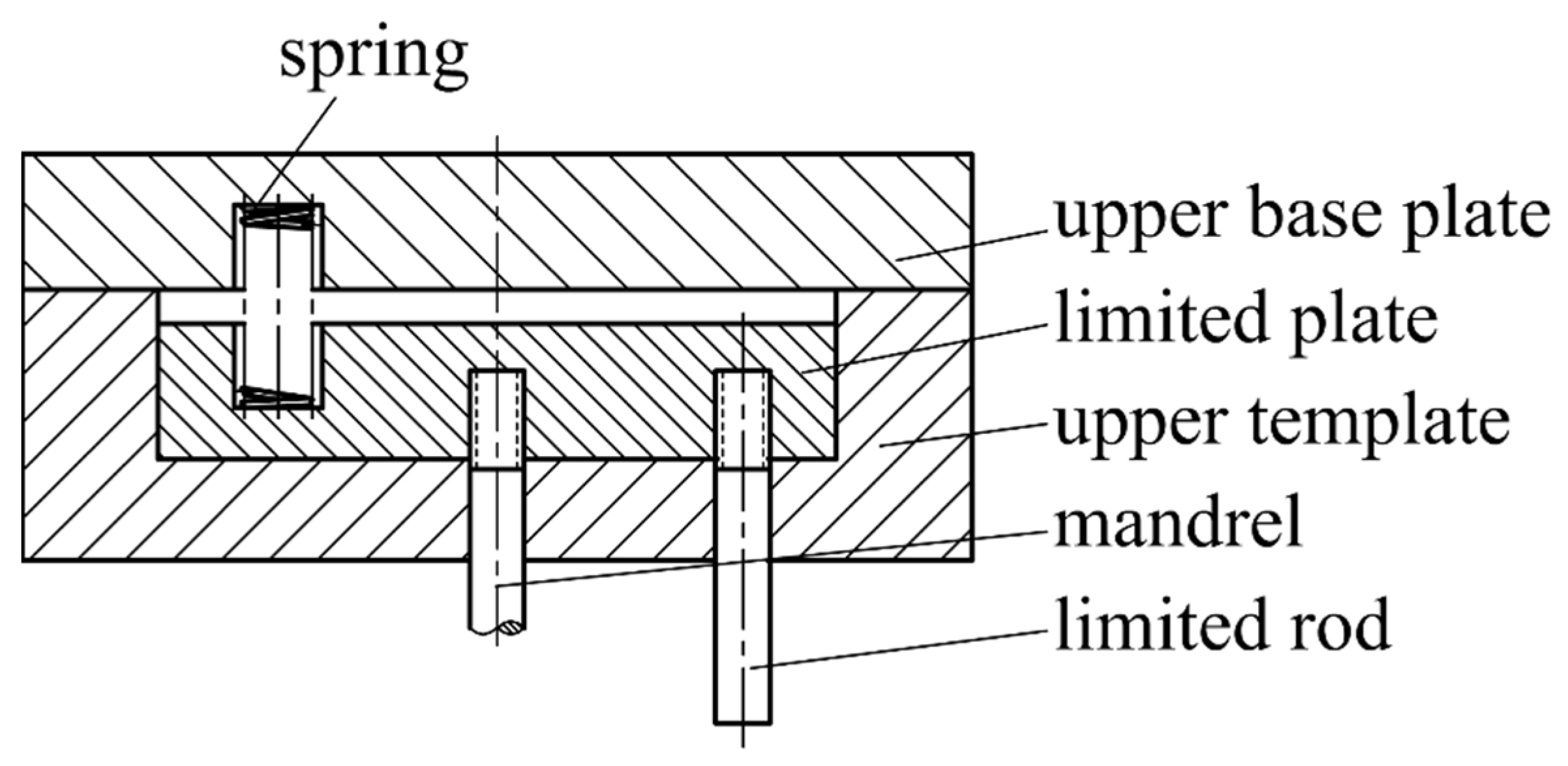
This paper proposes a new technology of superimposed billet extrusion-forming for thin-walled magnesium alloy tubes. This process represents an improvement over the current technology, which suffers from low production efficiency, poor forming accuracy, and low material utilization. We developed a detailed forming process and mold structure, in which the excess material of the front billet is extruded out of the mold as the rear billet pushes on the front one. Through continuous extrusion, online direct water cooling, and cutting, the automated continuous production of thin-walled tubules is achieved. The optimization of the mandrel structure and its hovering action is also included, with the aim of improving the lifespan of the mandrel and the accuracy of tube size. The numerical simulation method evaluates the effect of the die angle (α) on the tube, formed using FORGE NXT 1.1. The results show that for an angle of less than 70°, the defect length of the tube decreases as the die angle decreases, forming an ordered flow of superimposed billets. If the angle is less than 50°, the two adjacently formed tubes separate automatically, with no need for the subsequent cutting process. The best choice of die angle is about 50°, which takes into account the effect of the change in extrusion force.
Keywords: magnesium alloy; thin-walled tubule; continuous forming; extrusion mold; superimposed billet extrusion method magnesium alloy; thin-walled tubule; continuous forming; extrusion mold; superimposed billet extrusion method