Article

Study on Physical Properties of Desulfurized Electrolytic Manganese Residue Cement and Properties of Mortar

1
School of Civil and Hydraulic Engineering, Ningxia University, Yinchuan 750021, China
2
Tian Yuan Manganese Industry Group Co., Ltd., Zhongwei 755100, China
*
Author to whom correspondence should be addressed.
Materials 2023, 16(11), 4035; https://doi.org/10.3390/ma16114035
Submission received: 26 March 2023 / Revised: 13 May 2023 / Accepted: 19 May 2023 / Published: 28 May 2023
(This article belongs to the Special Issue Development and Research of Cementitious Materials)

Abstract

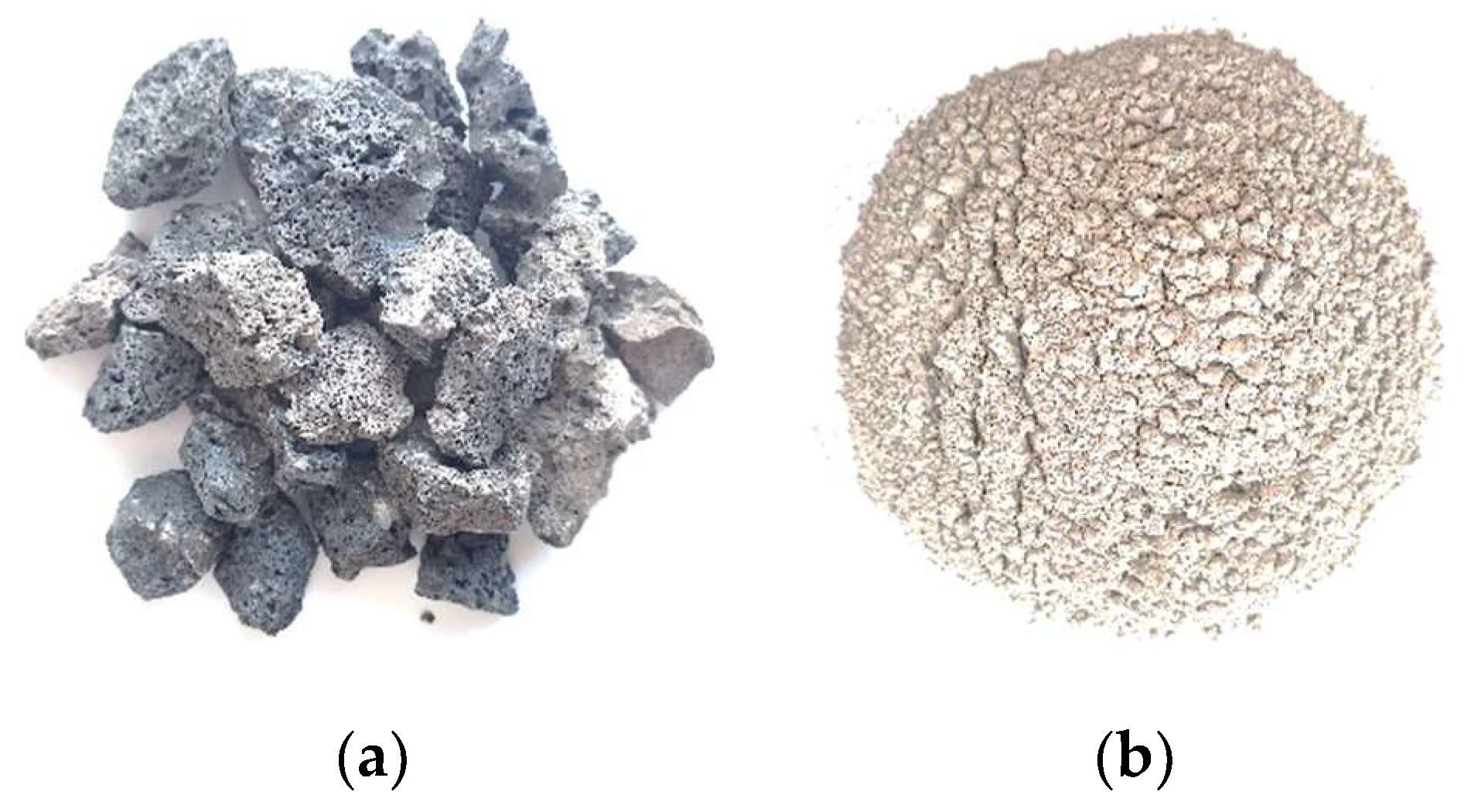
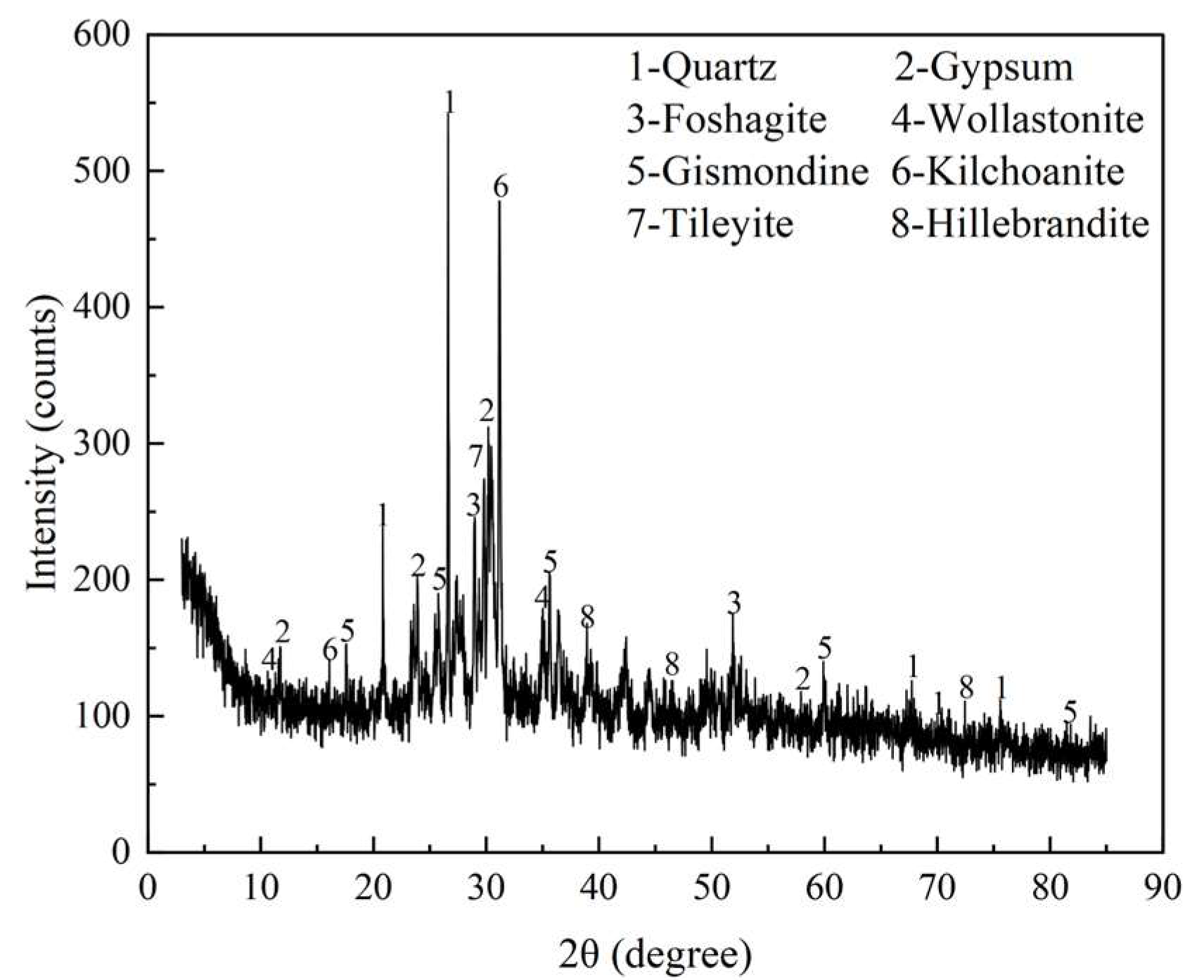
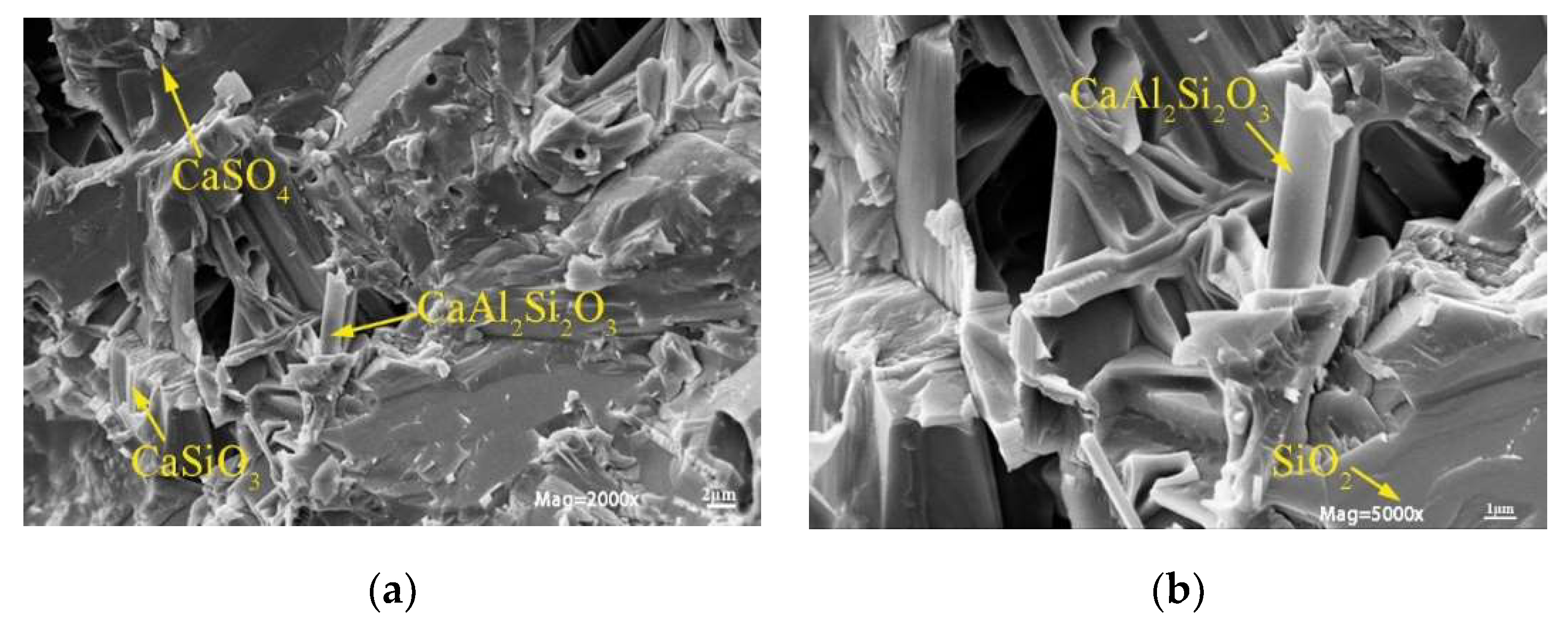
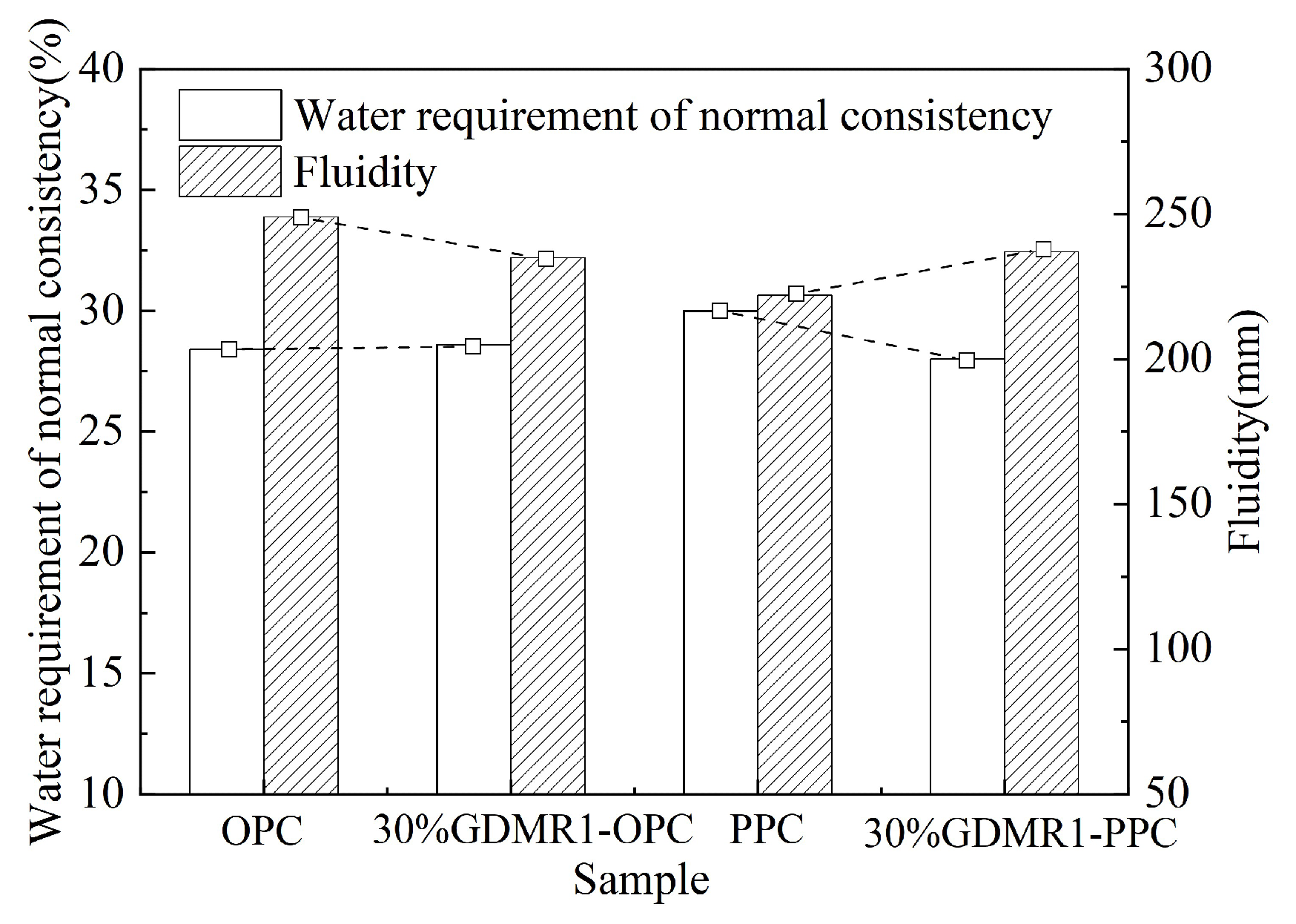
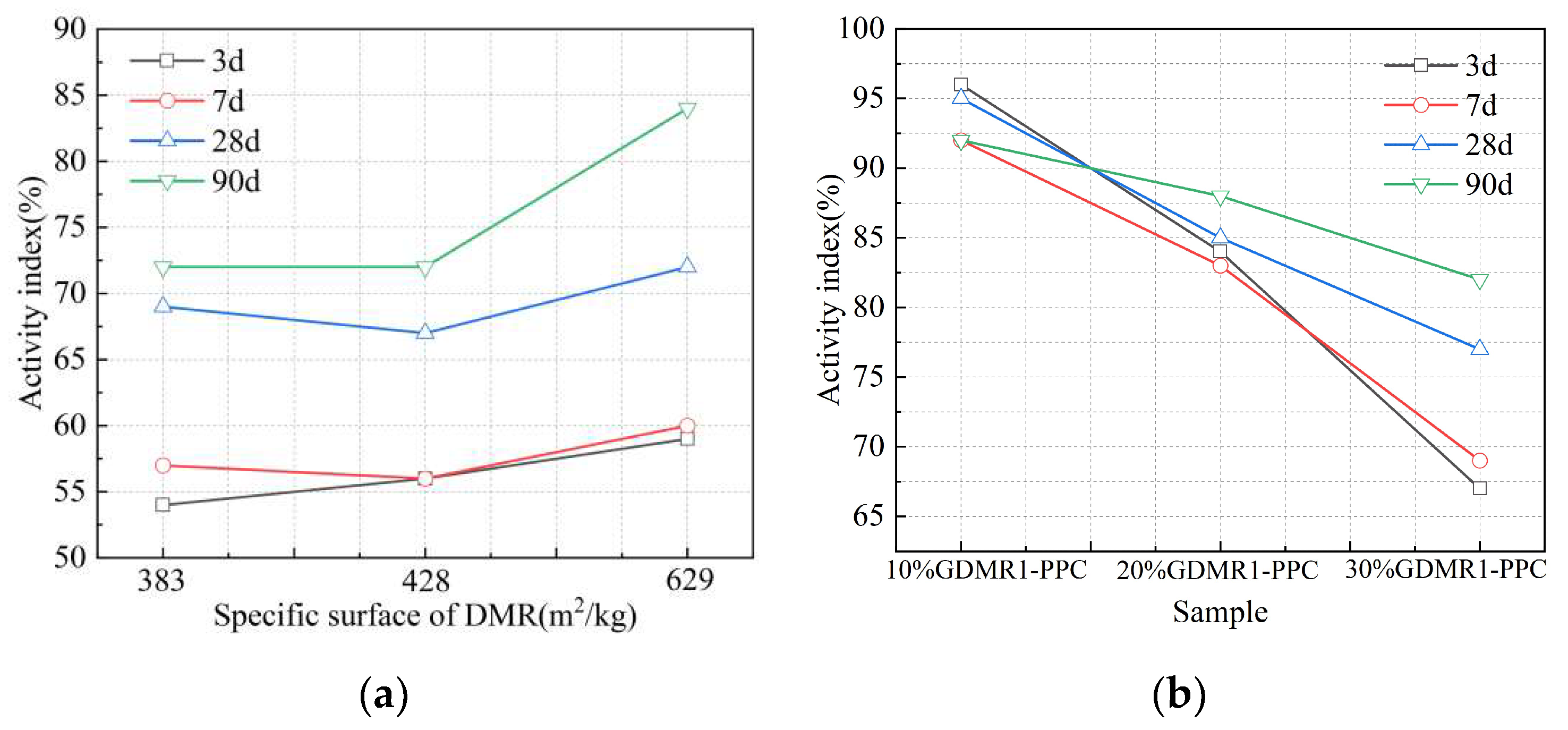
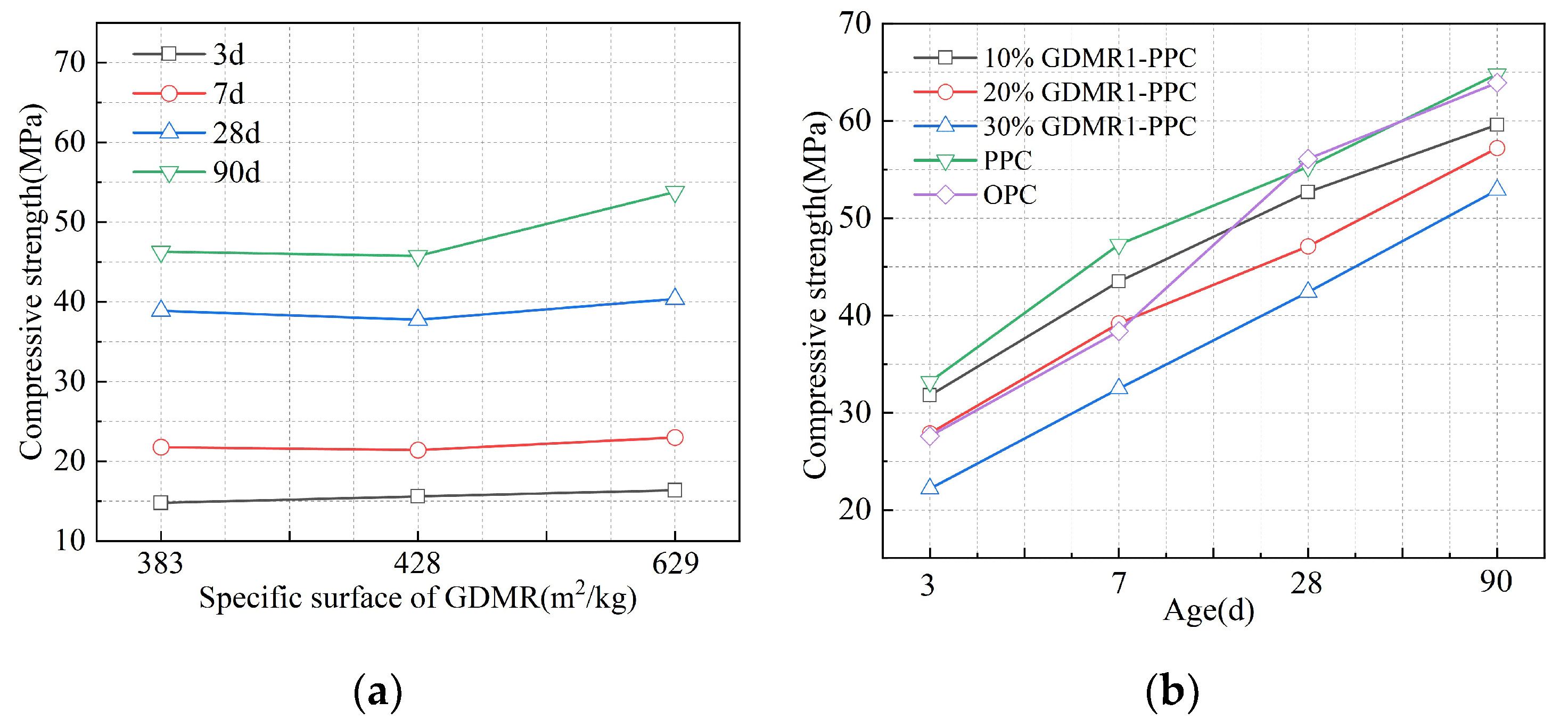
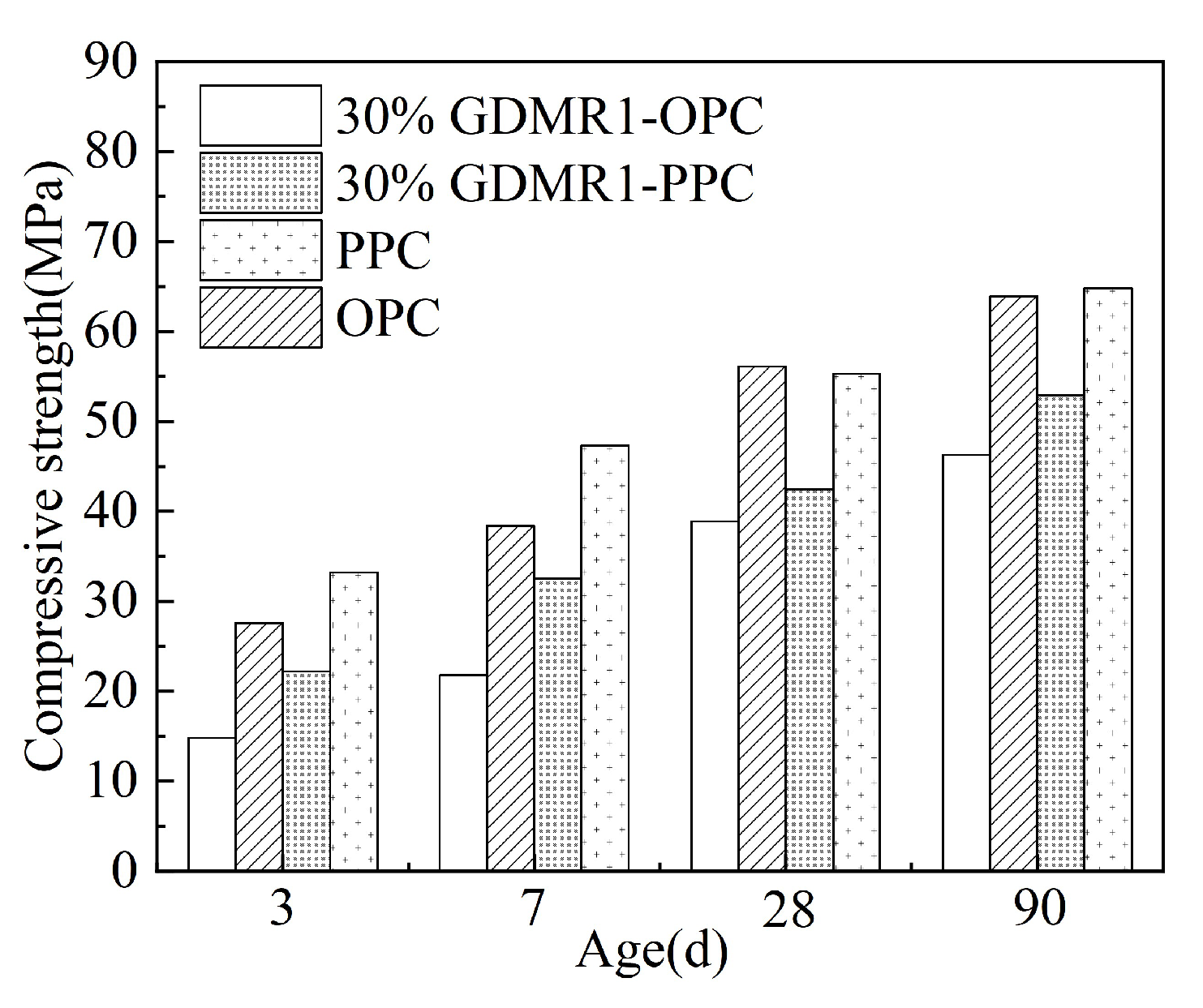
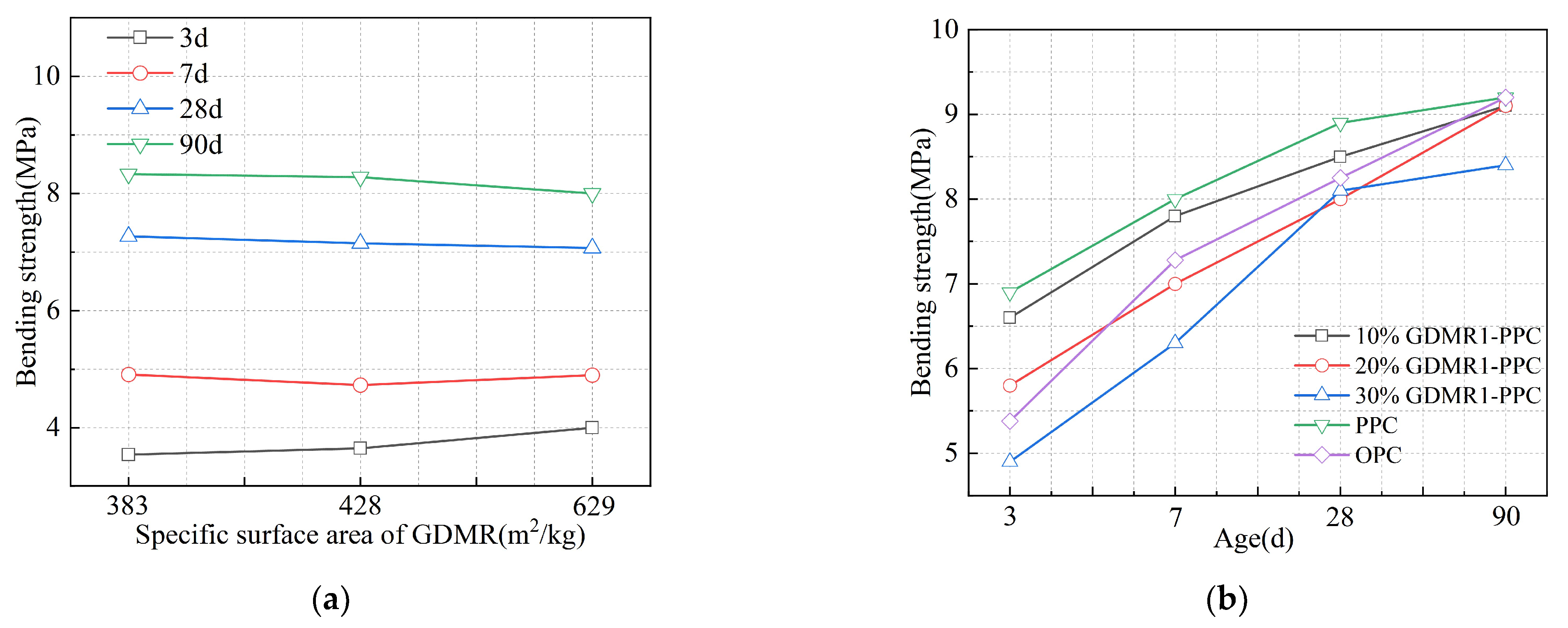
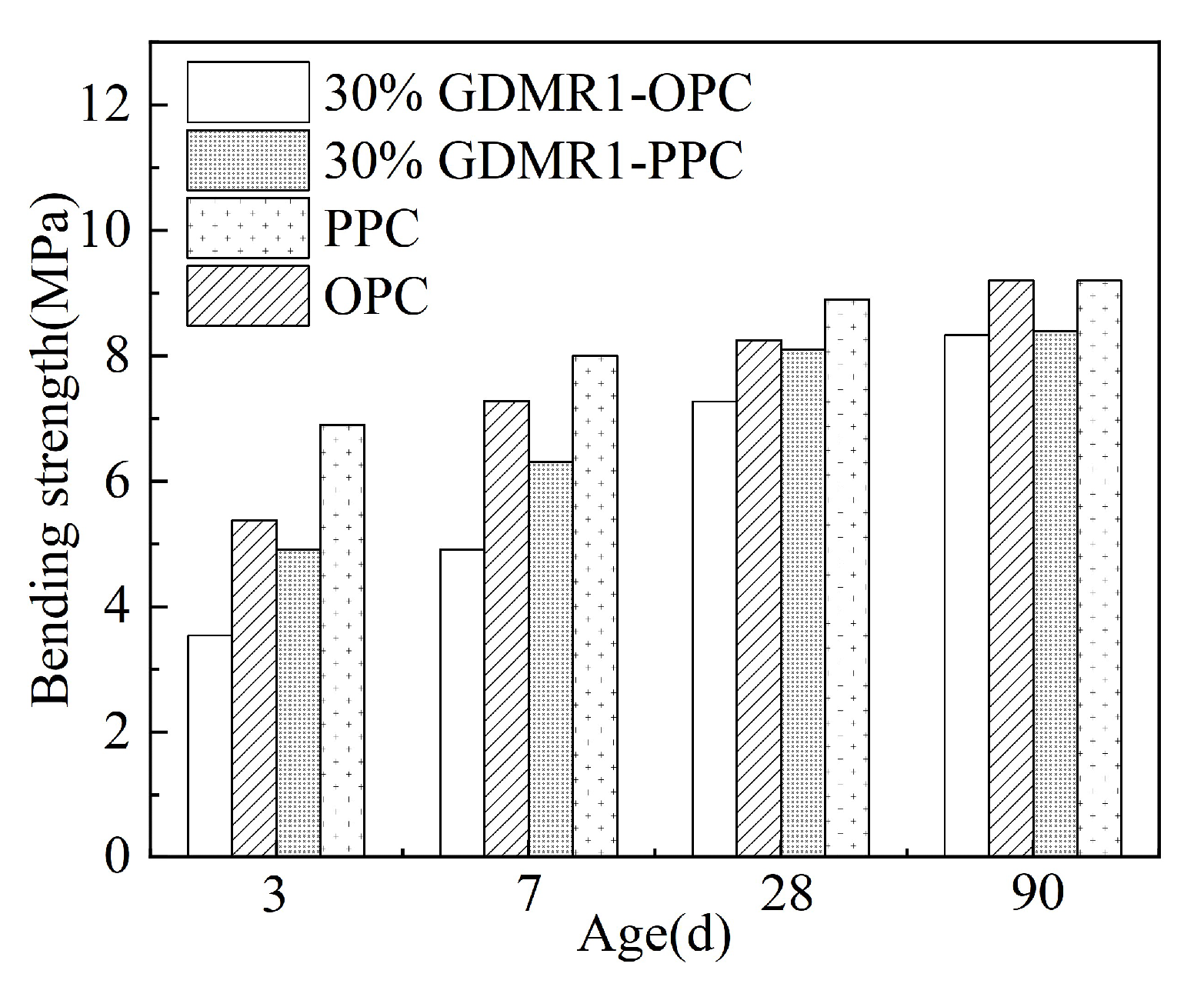
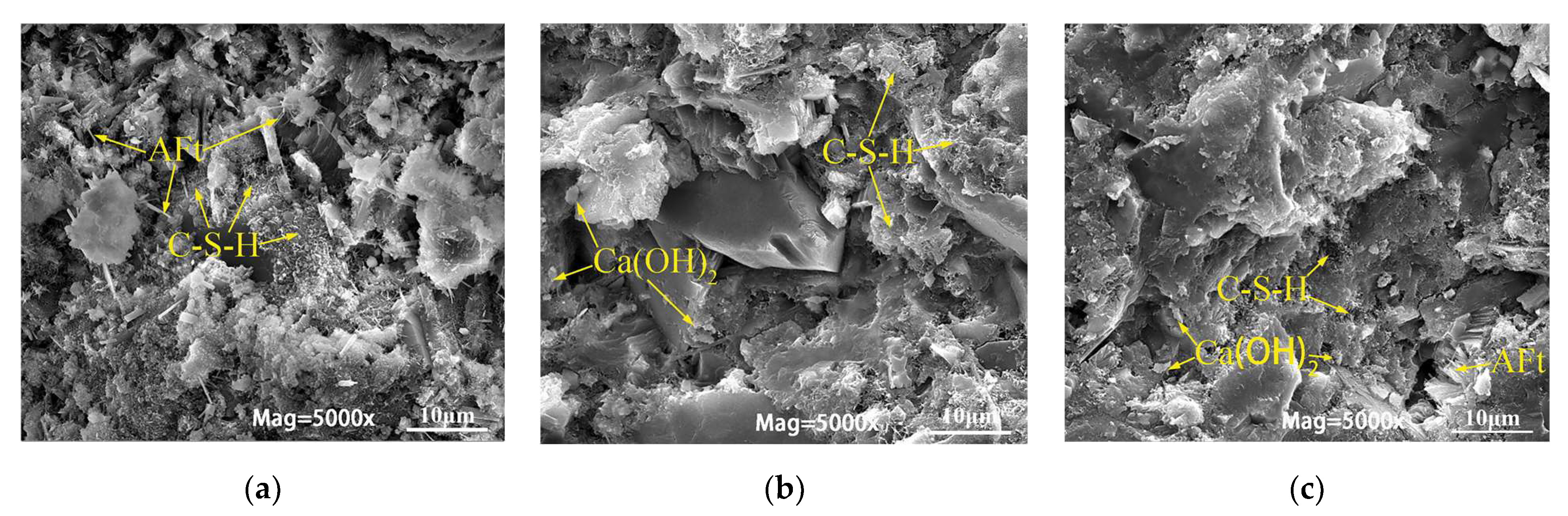
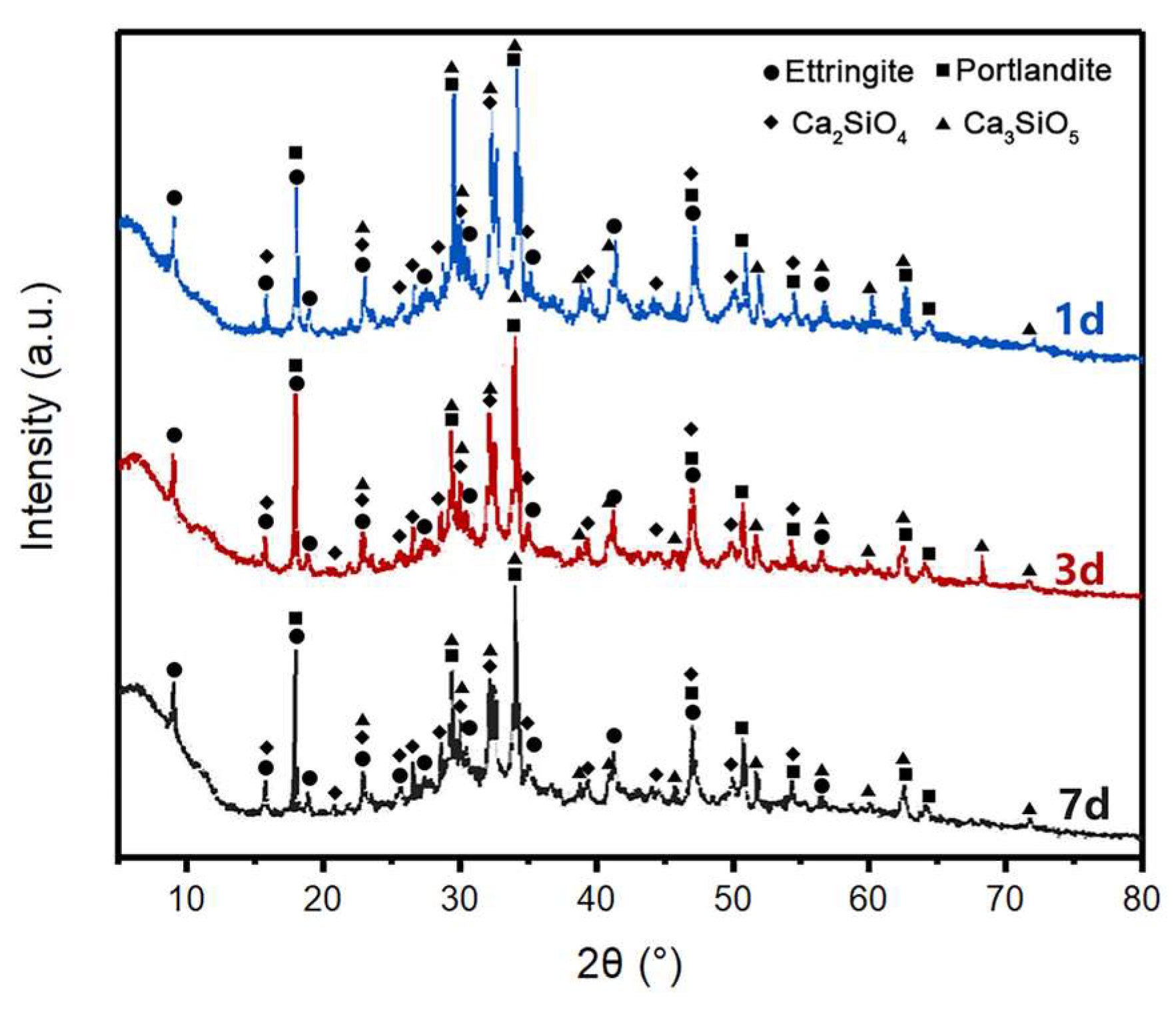
The desulfurized electrolytic manganese residue (DMR) was prepared by calcination and desulfurization of industrial waste electrolytic manganese residue, and the original DMR was ground to prepare DMR fine powder (GDMR) with specific surface areas of 383 m2/kg, 428 m2/kg, and 629 m2/kg. The effects of particle fineness and content of GDMR (GDMR content=0%, 10%, 20%, 30%) on the physical properties of cement and the mechanical properties of mortar were studied. After that, the leachability of heavy metal ions was tested, and the hydration products of GDMR cement were analyzed using XRD and SEM. The results show that the addition of GDMR can regulate the fluidity and water requirement for the normal consistency of cement, delay the hydration process of cement, increase the initial setting and final setting time of cement, and reduce the strength of cement mortar, especially the strength of early age mortar. As the fineness of GDMR increases, the reduction of bending strength and compressive strength decreases, and the activity index increases. The content of GDMR has a significant effect on short-term strength. With the increase in GDMR content, the strength reduction degree becomes higher and the activity index decreases. When the content of GDMR was 30%, the 3D compressive strength and bending strength decreased by 33.1% and 29%. When the content of GDMR in cement is less than 20%, the maximum limit of leachable heavy metal content in cement clinker can be met.
Keywords: electrolytic manganese residue; desulfurization; cement; physical properties; mechanical properties of mortar electrolytic manganese residue; desulfurization; cement; physical properties; mechanical properties of mortar