Article

Additive Manufacturing of WC-Co Specimens with Internal Channels

1
Department of Machining Technology, University of West Bohemia, Univerzitni 8, 301 00 Pilsen, Czech Republic
2
Institute for Virtual Product Development, Aalen University of Applied Sciences, Beethovenstr. 1, 73430 Aalen, Germany
3
Materials Research Institute Aalen, Aalen University of Applied Science, Beethovenstr. 1, 73430 Aalen, Germany
4
Department of Materials and Engineering Metallurgy, University of West Bohemia, Univerzitni 8, 301 00 Pilsen, Czech Republic
*
Author to whom correspondence should be addressed.
Materials 2023, 16(11), 3907; https://doi.org/10.3390/ma16113907
Submission received: 3 April 2023 / Revised: 12 May 2023 / Accepted: 18 May 2023 / Published: 23 May 2023
(This article belongs to the Special Issue Developments in Additive Manufacturing and 3D Printing)

Abstract

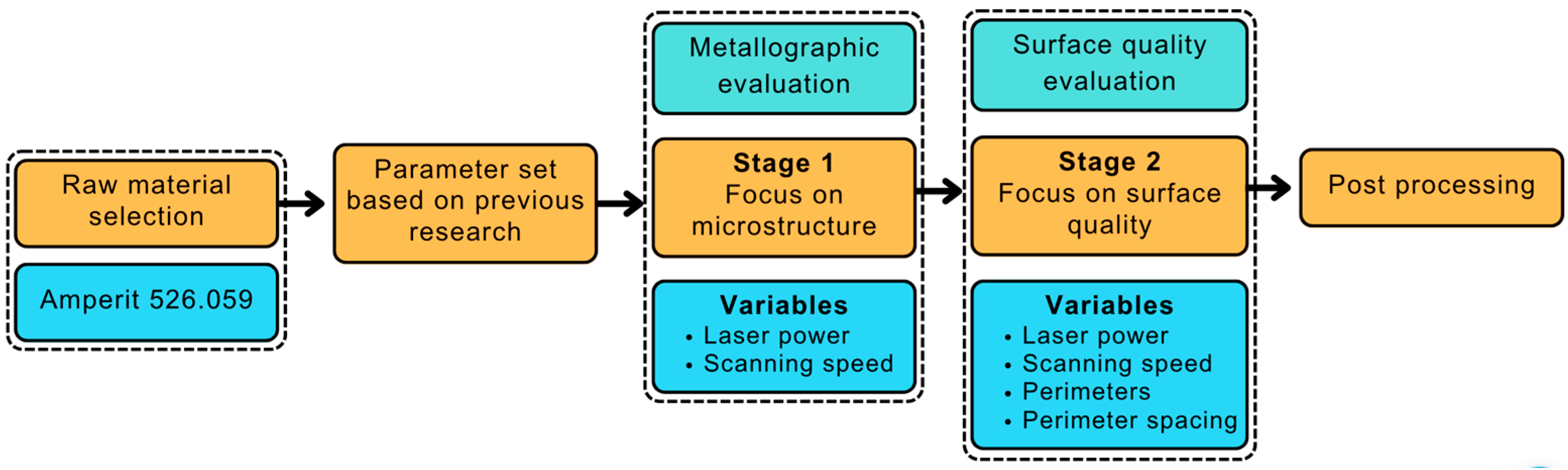
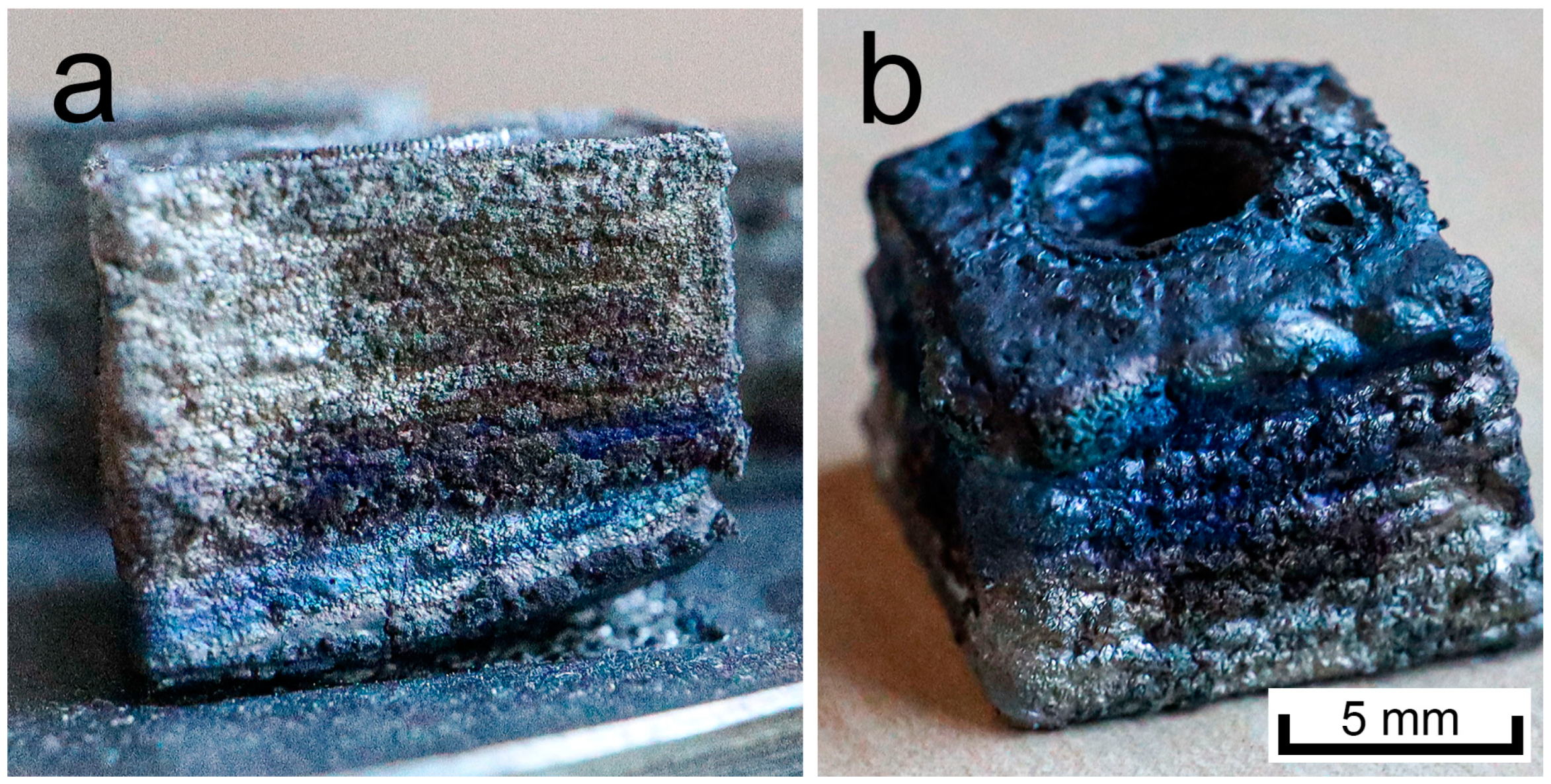
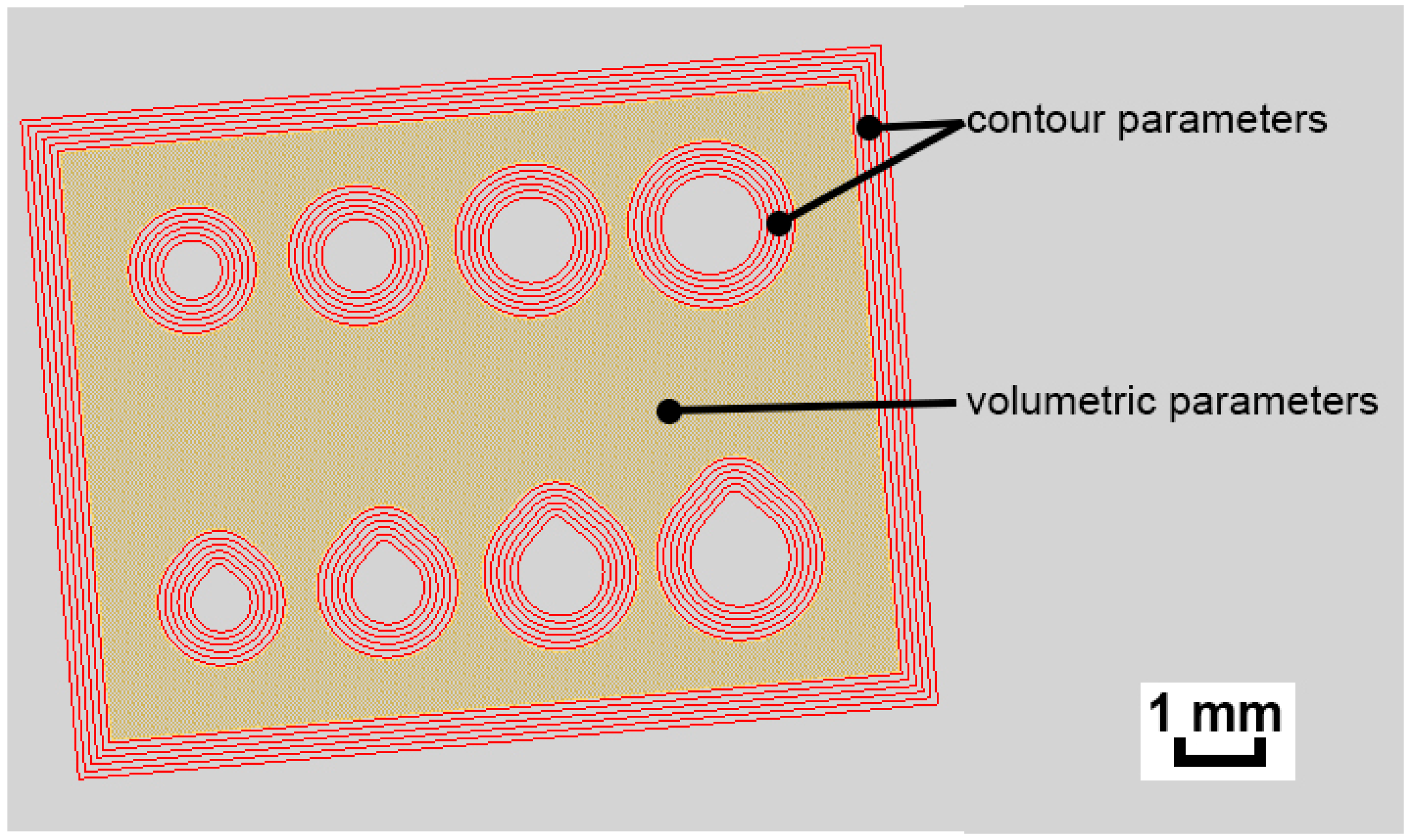
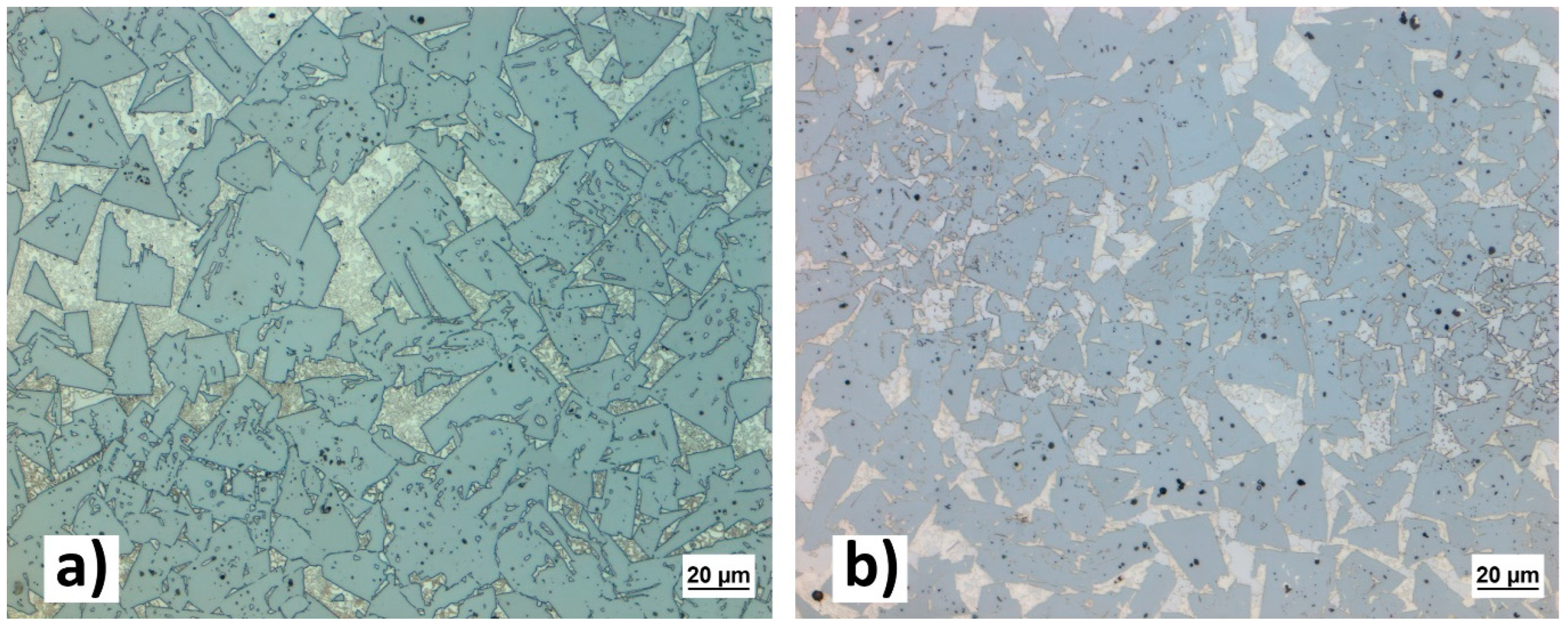
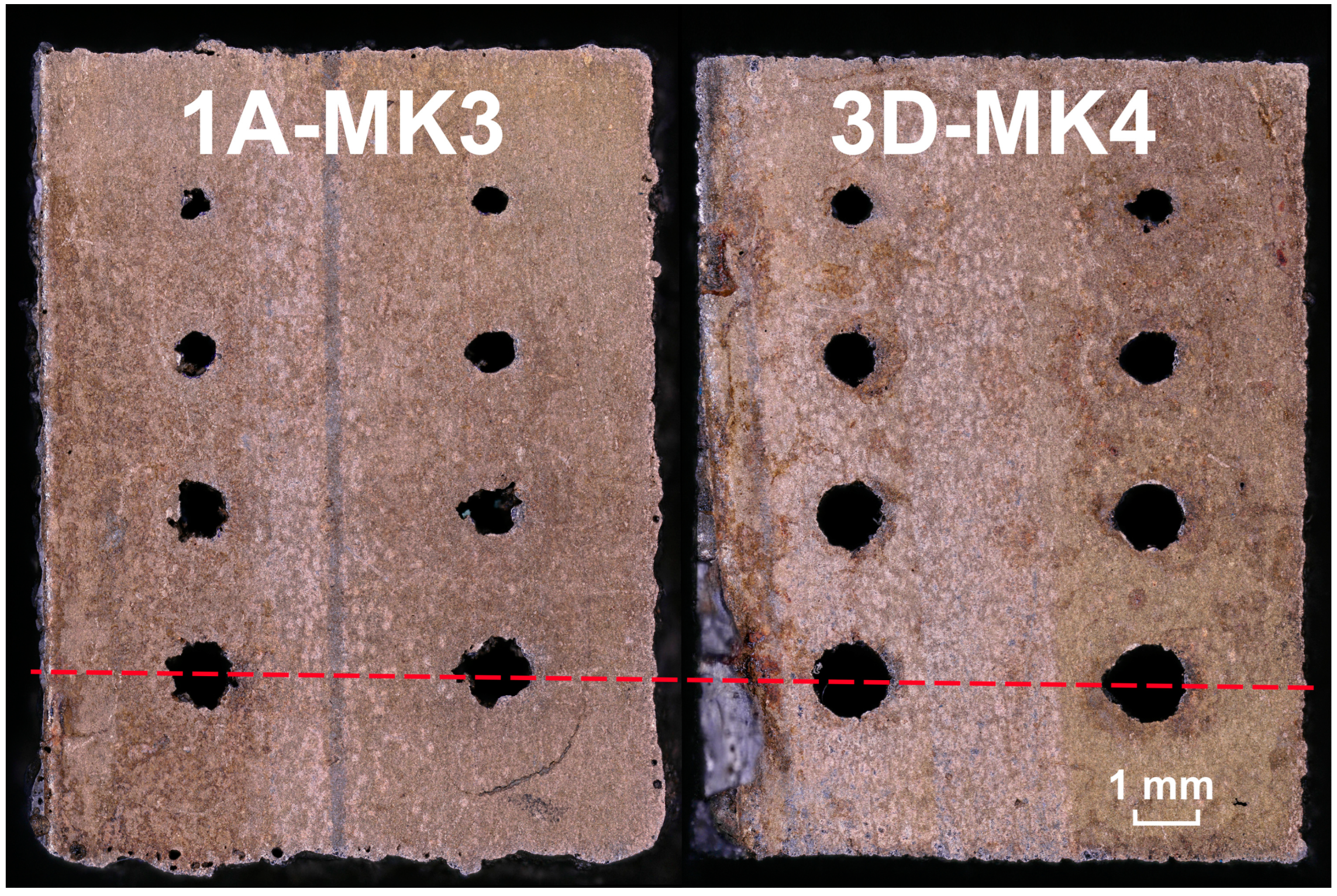
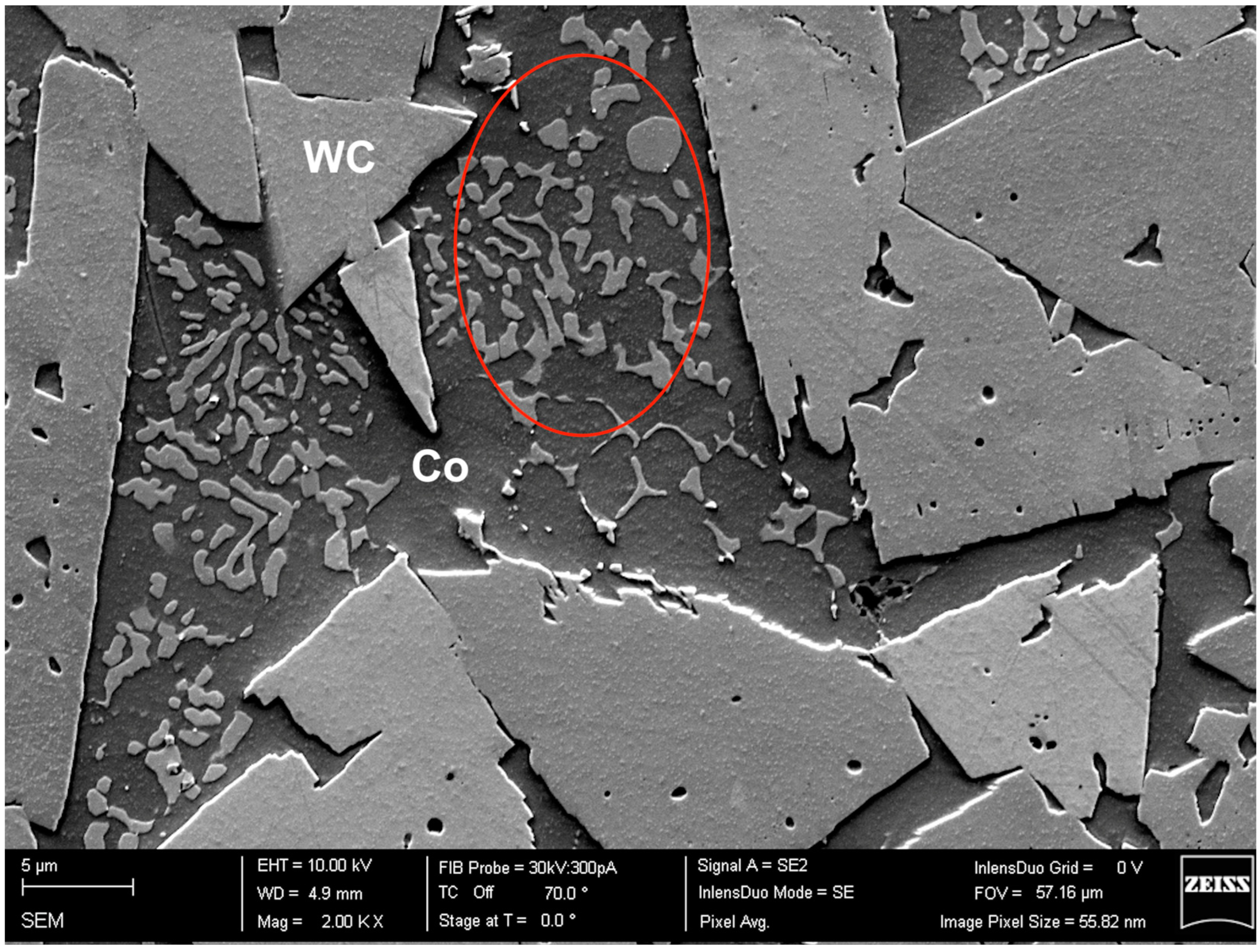
Most material removal in modern manufacturing is currently performed using tools with indexable inserts. Additive manufacturing allows for the creation of new, experimental insert shapes and, more importantly, internal structures, such as channels for coolant. This study deals with developing a process for efficiently manufacturing WC-Co specimens with internal coolant channels with a focus on obtaining a suitable microstructure and surface finish, especially inside the channels. The first part of this study covers the development of process parameters to achieve a microstructure without cracks and with minimal porosity. The next stage focuses solely on improving the surface quality of the parts. Special attention is given to the internal channels, where true surface area and surface quality are evaluated, as these characteristics greatly influence coolant flow. To conclude, WC-Co specimens were successfully manufactured and a microstructure with low porosity and no cracks was achieved and an effective parameter set was found. We have developed a process that produces parts with a surface roughness comparable to those of standard SLS manufacturing of steel parts, while still providing a high-quality internal microstructure. The most suitable parameter set resulted in a profile surface roughness of Ra 4 μm and Rz 31 μm and areal surface roughness of Sa 7 µm and Sz 125 µm.
Keywords: 3D printing; preheating; additive manufacturing; efficient cooling; tungsten carbide; indexable insert 3D printing; preheating; additive manufacturing; efficient cooling; tungsten carbide; indexable insert