Article

Miscibility and Optimization of the Liquid Rubber Content in the Resins of Light-Cured Dental Composites


Faculty of Mechanical Engineering, Lublin University of Technology, Nadbystrzycka 36, 20-618 Lublin, Poland
*
Author to whom correspondence should be addressed.
Materials 2023, 16(1), 87; https://doi.org/10.3390/ma16010087
Submission received: 19 October 2022 / Revised: 24 November 2022 / Accepted: 17 December 2022 / Published: 22 December 2022
(This article belongs to the Special Issue Biomaterials and Mechanics in Dentistry)

Abstract

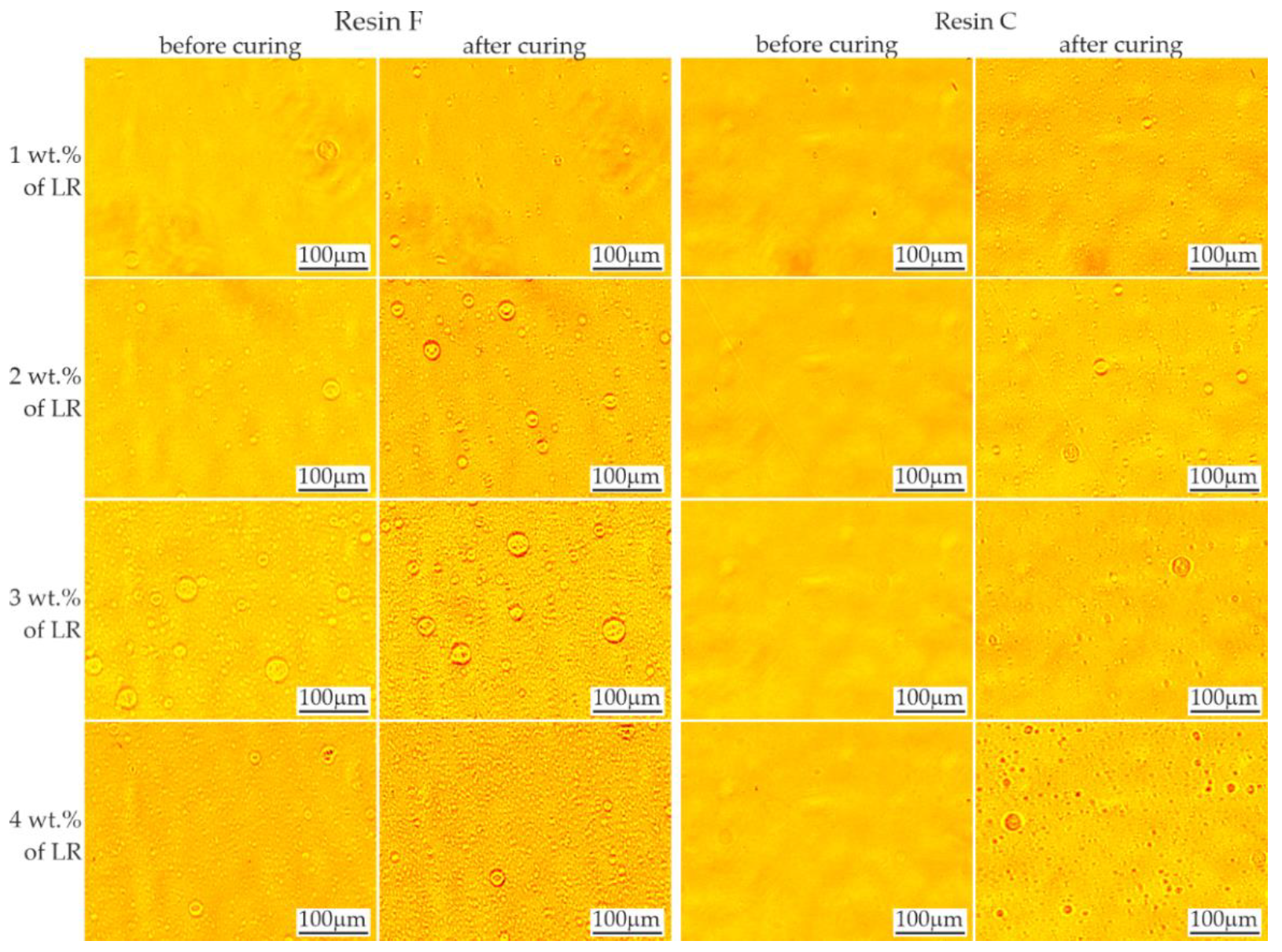
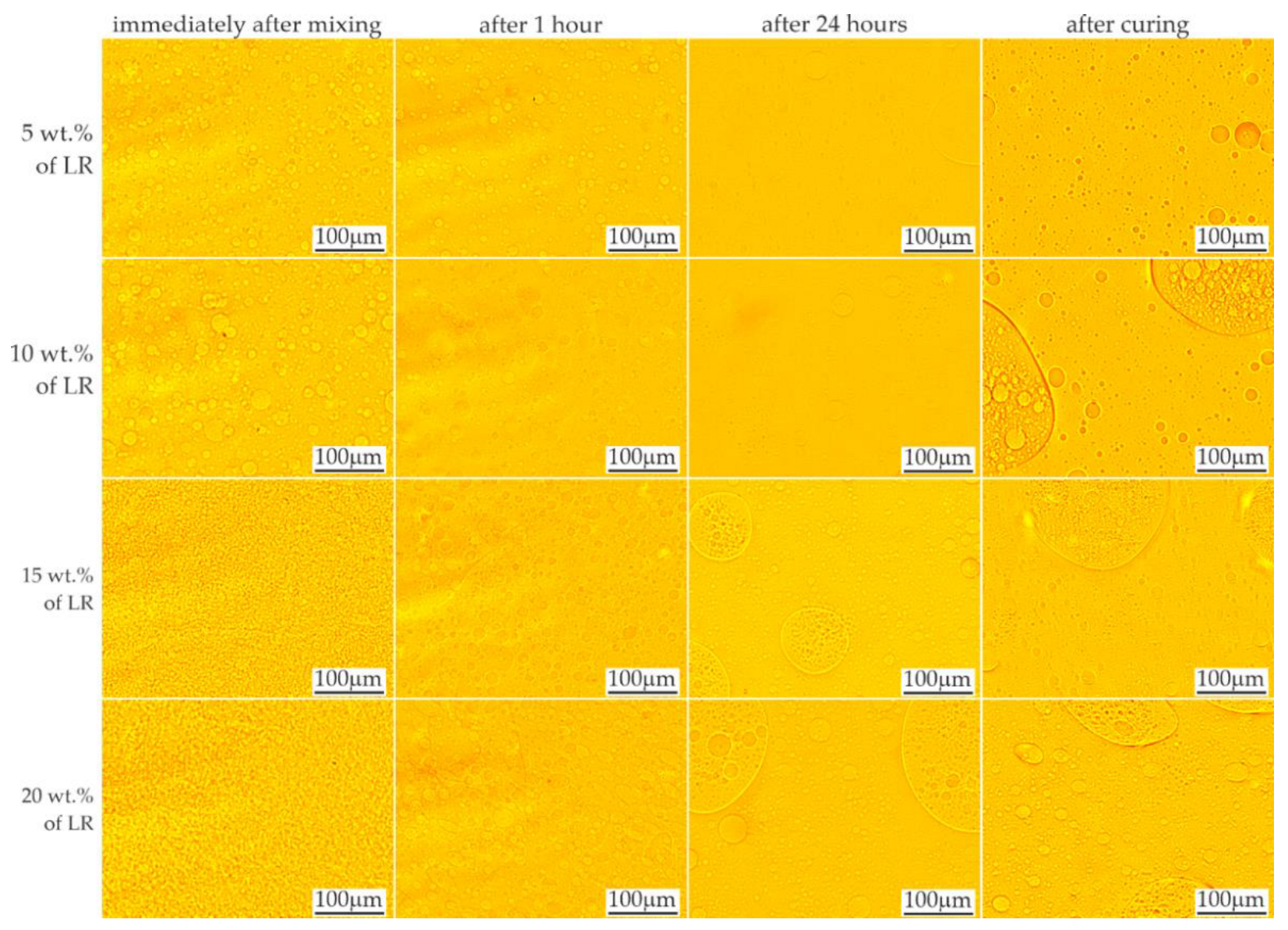
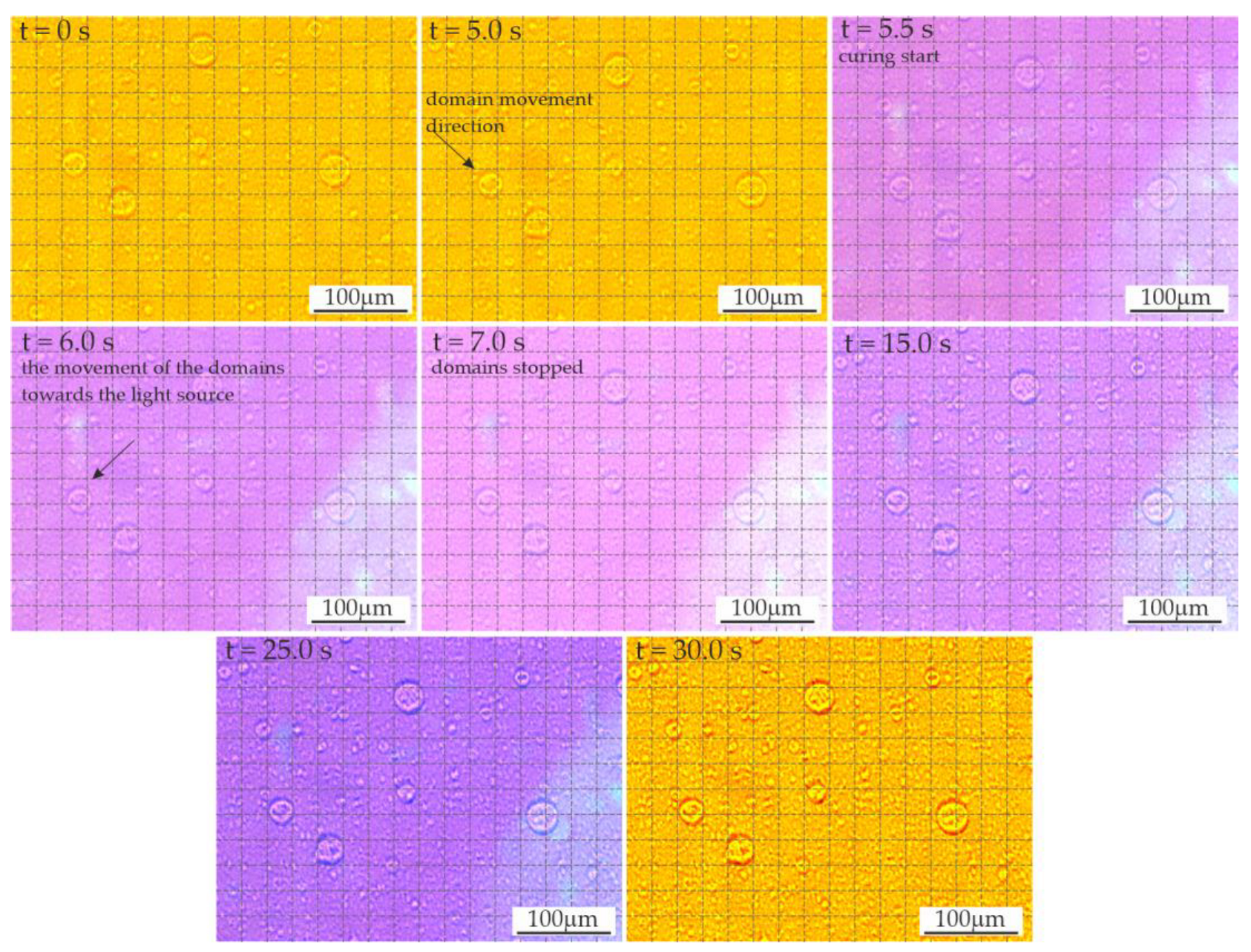
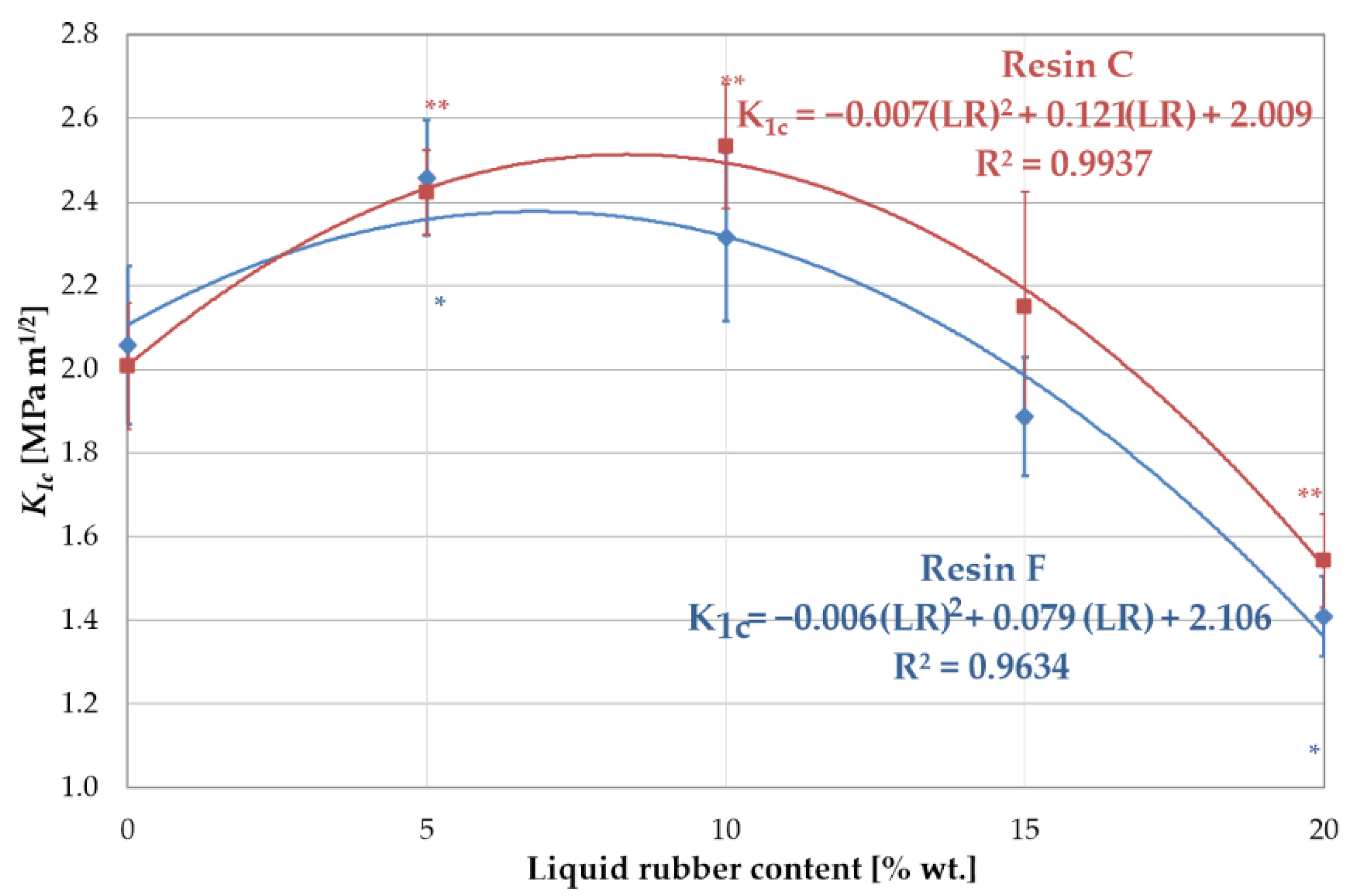
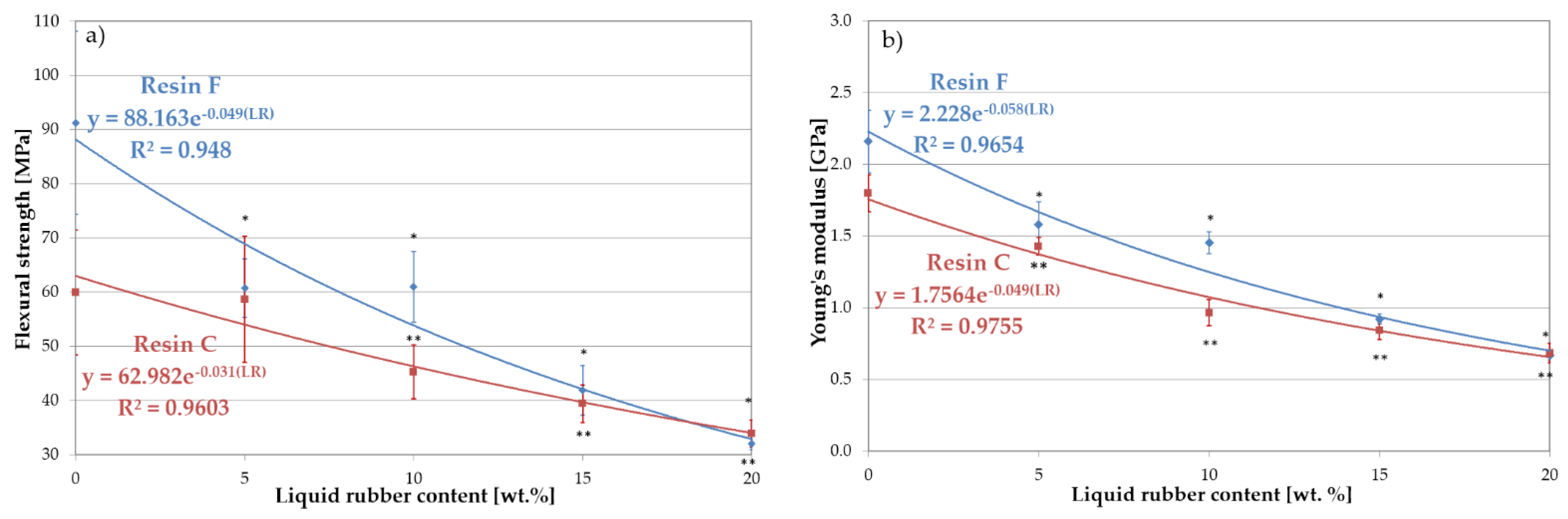
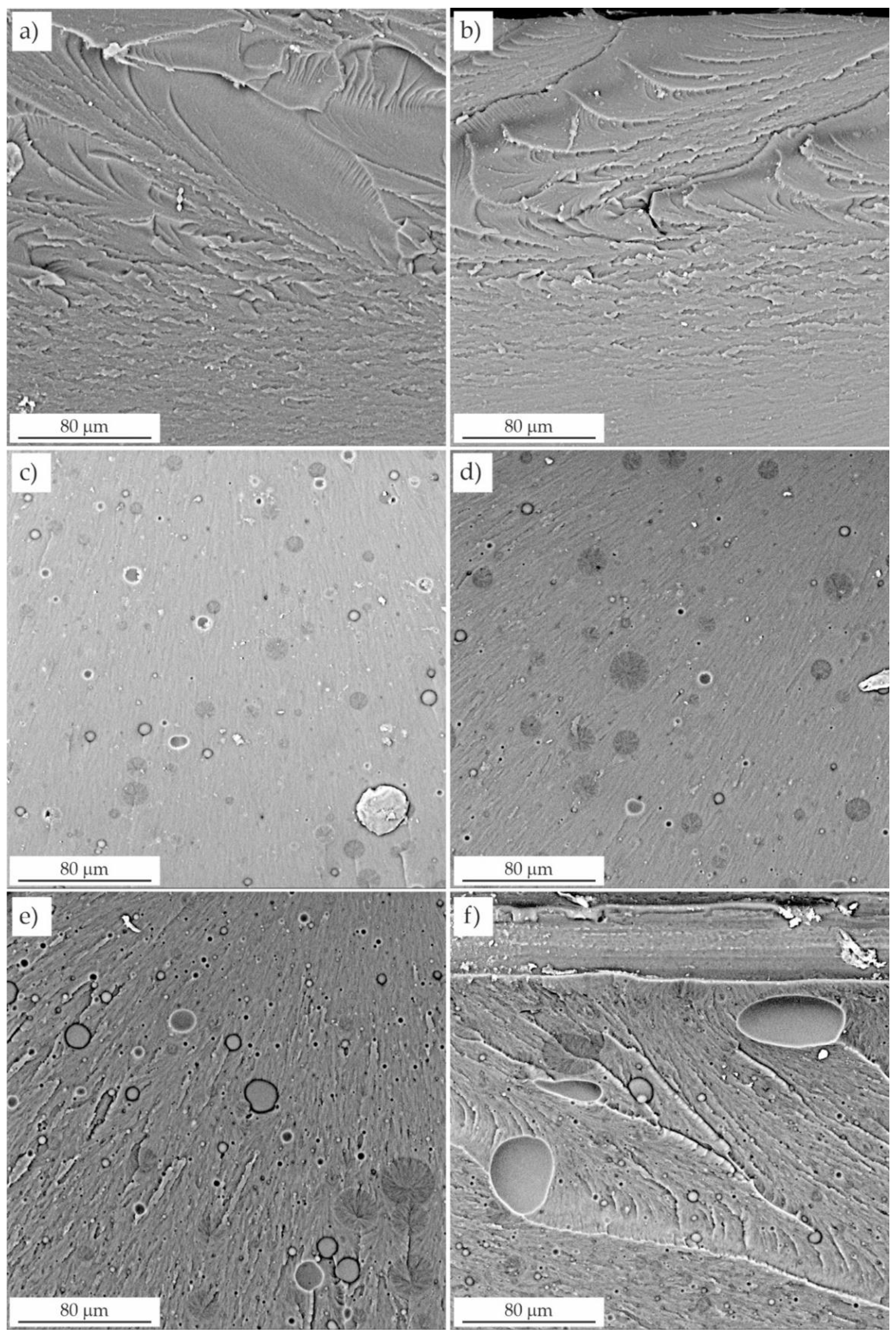
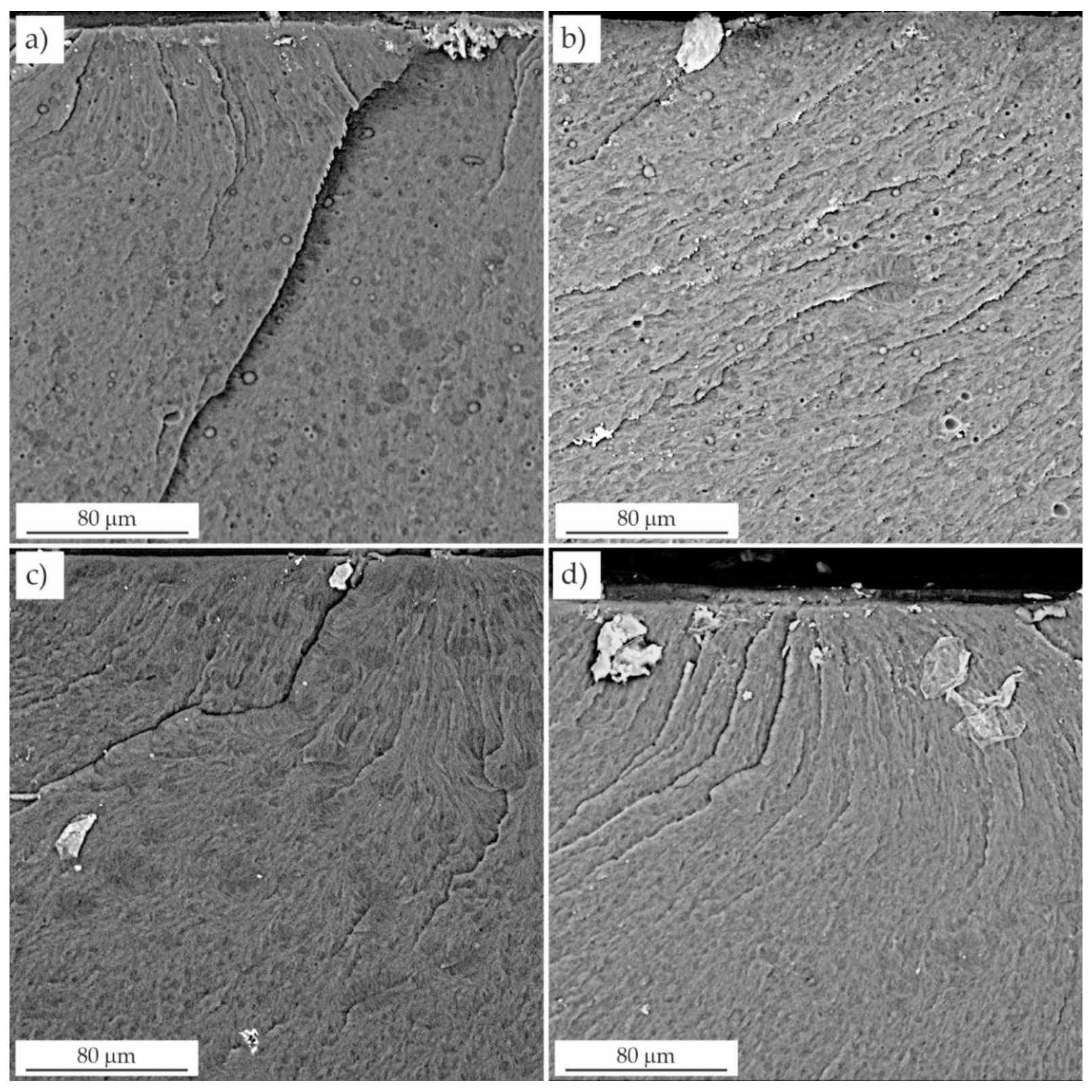
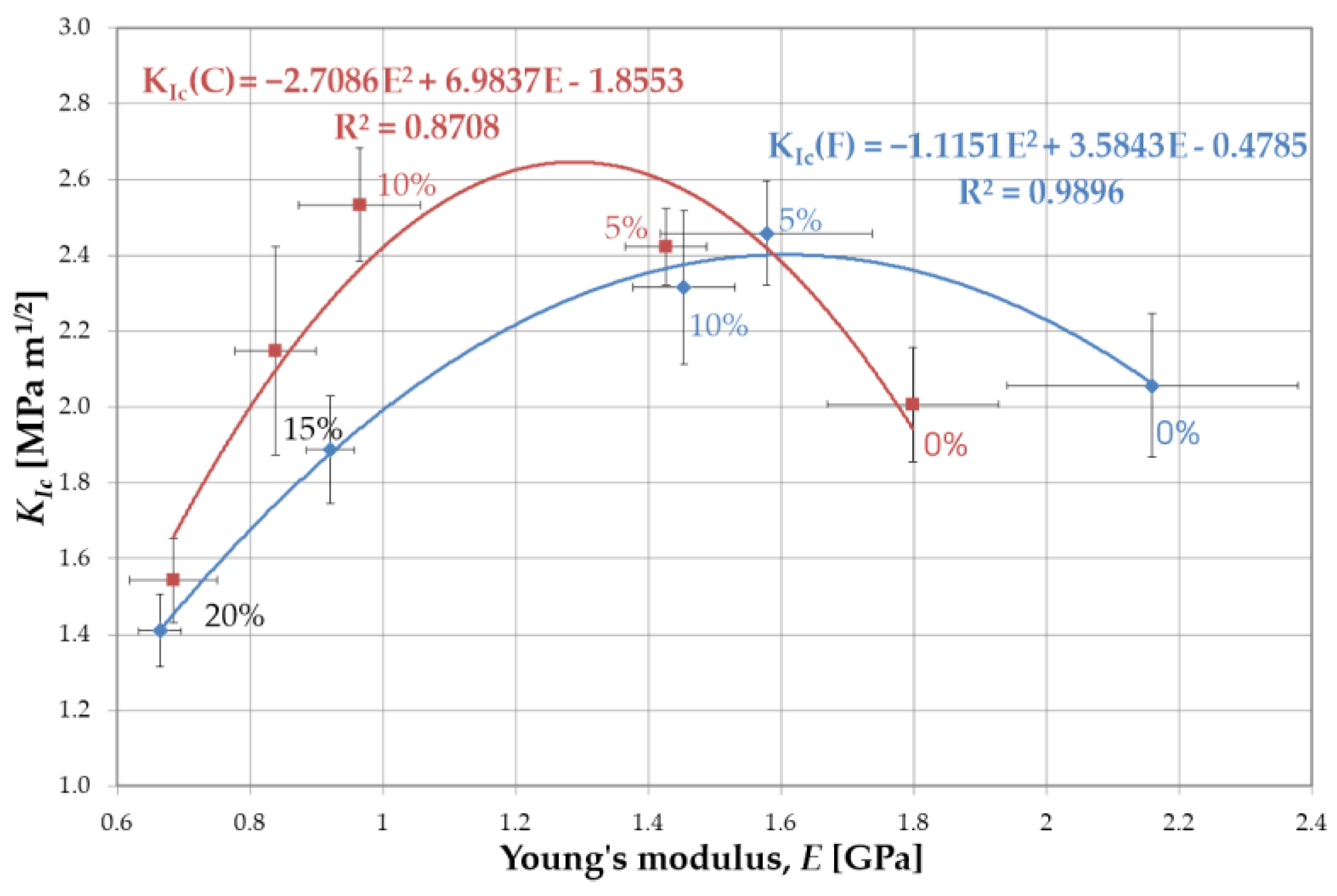
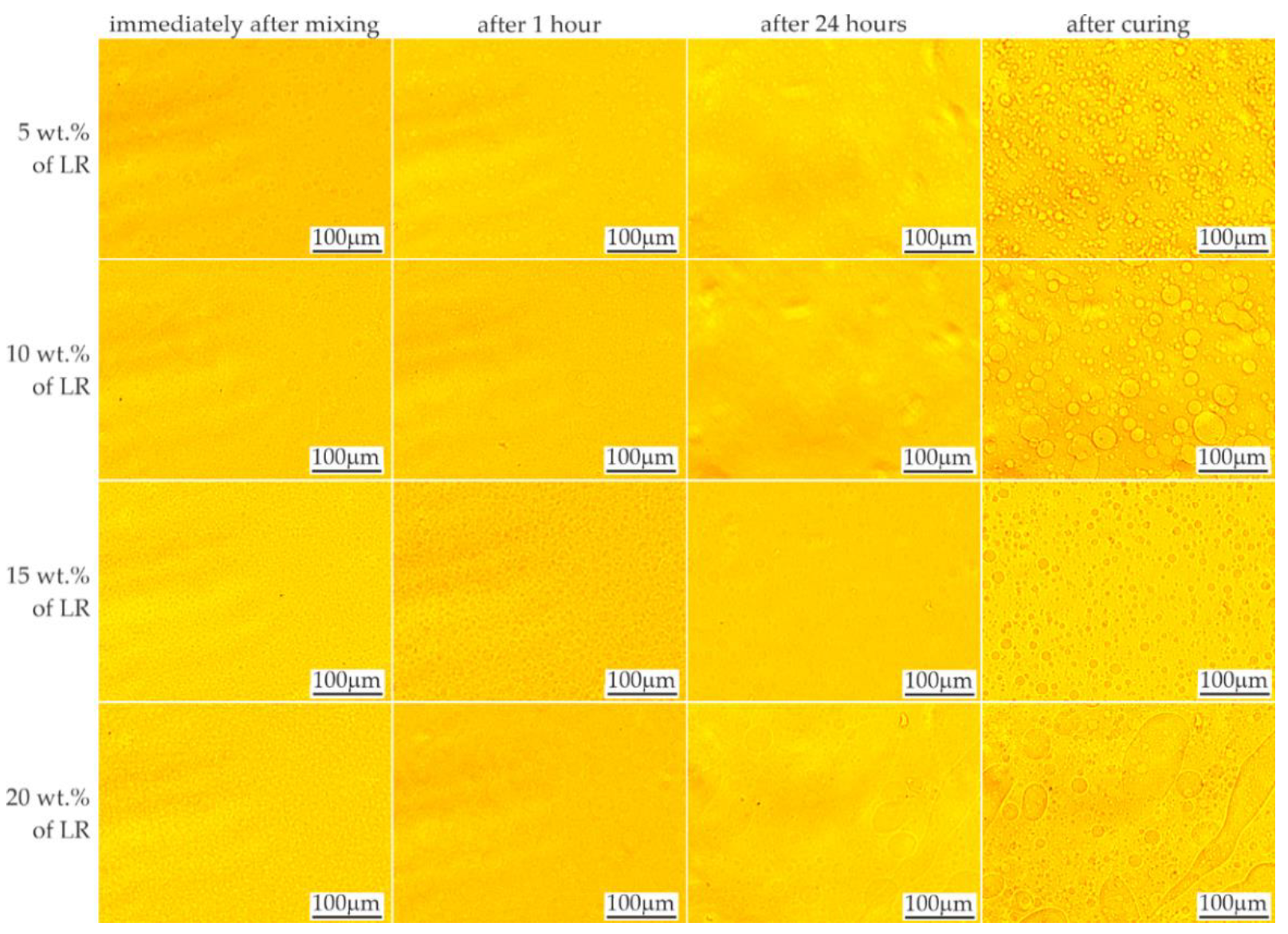
Fracture toughness is one of the main factors influencing the durability of light-cured composites used for dental restorations and fillings. One of the methods of increasing the fracture toughness is the modification of the matrix with liquid acrylonitrile-free liquid rubber. This study aimed to assess the miscibility of acrylonitrile-free liquid rubber with a blend of resins and their stability over time, and to determine the optimal amount of liquid rubber (LR) in the blend due to mechanical properties. Two blends of dimethacrylate resins were used: resin “F” composed of BisGMA (60 wt.%), TEGDMA (20 wt.%), BisEMA (10 wt.%) and UDMA (10 wt.%), and “C” resin containing BisGMA (40 wt.%), TEGDMA (40 wt.%), BisEMA (10 wt.%) and UDMA (10 wt.%). The modifier Hypro® 2000X168LC VTB liquid rubber was used in at 1%, 2%, 3%, 4%, 5%, 10%, 15% and 20% by weight in the resin blend. The miscibility was assessed by microscopy. The fracture toughness, flexural strength and Young’s modulus were determined in the bending test. The results showed that the solubility of the liquid rubber depends on the ratio of BisGMA/TEGDMA in the resins. In resins with 40 wt.% TEGDMA, the LR solubility was as high as 5%, while resins with 20 wt.% TEGDMA, the liquid rubber did not dissolve. The LR-resin mixtures showed good time stability, and no changes in the size or morphology of the rubber domains were found after 24 h of mixing. The maximum fracture toughness (2.46 MPa m1/2) was obtained for 5 wt.% LR in resin F and for 15 wt.% LR in resin C (2.53 MPa m1/2). The modification with liquid rubber resulted in an exponential reduction in both flexural strength and Young’s modulus. The analysis of the results of the mechanical tests allowed us to determine the optimal amount of LR for both resins. For resin F it was 5.4 wt.%, and for resin C it was 8.3 wt.%. It can be stated that the optimal amount of liquid rubber increases with its solubility in the resin.
Keywords: liquid rubber; dimetacrylate resins; dental composite; miscibility; mechanical properties liquid rubber; dimetacrylate resins; dental composite; miscibility; mechanical properties