Article

Vacuum Brazing of Metallized YSZ and Crofer Alloy Using 72Ag-28Cu Filler Foil
1
Department of Materials Science and Engineering, National Taiwan University, Taipei 10617, Taiwan
2
Nuclear Fuels and Materials Division, Institute of Nuclear Energy Research, Taoyuan 32546, Taiwan
3
Department of Optoelectronics and Materials Technology, National Taiwan Ocean University, Keelung 20224, Taiwan
*
Author to whom correspondence should be addressed.
Materials 2022, 15(3), 939; https://doi.org/10.3390/ma15030939
Submission received: 11 December 2021 / Revised: 22 January 2022 / Accepted: 24 January 2022 / Published: 26 January 2022
(This article belongs to the Special Issue Advanced Processing Methods for Metals and Their Alloys)

Abstract

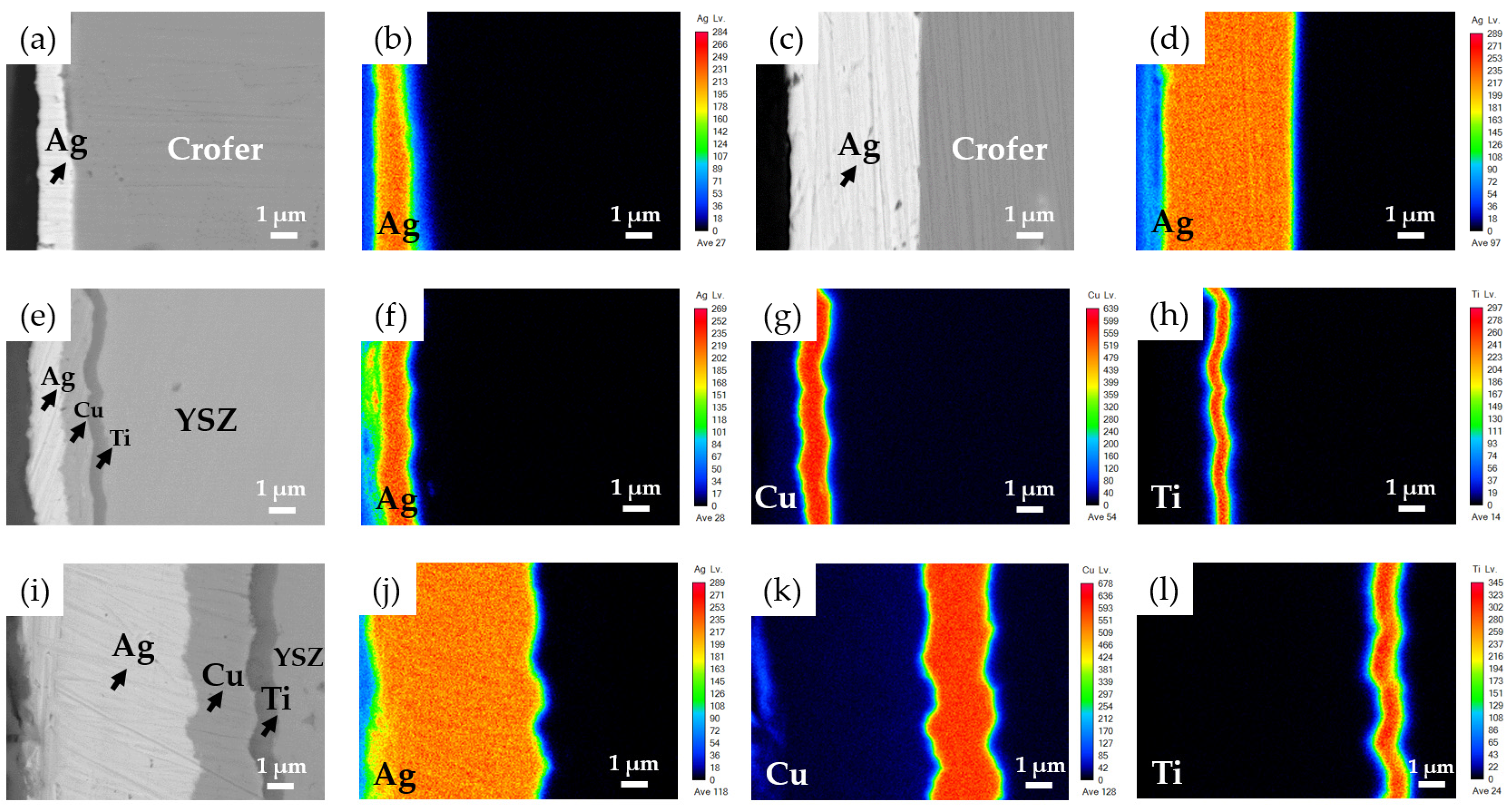
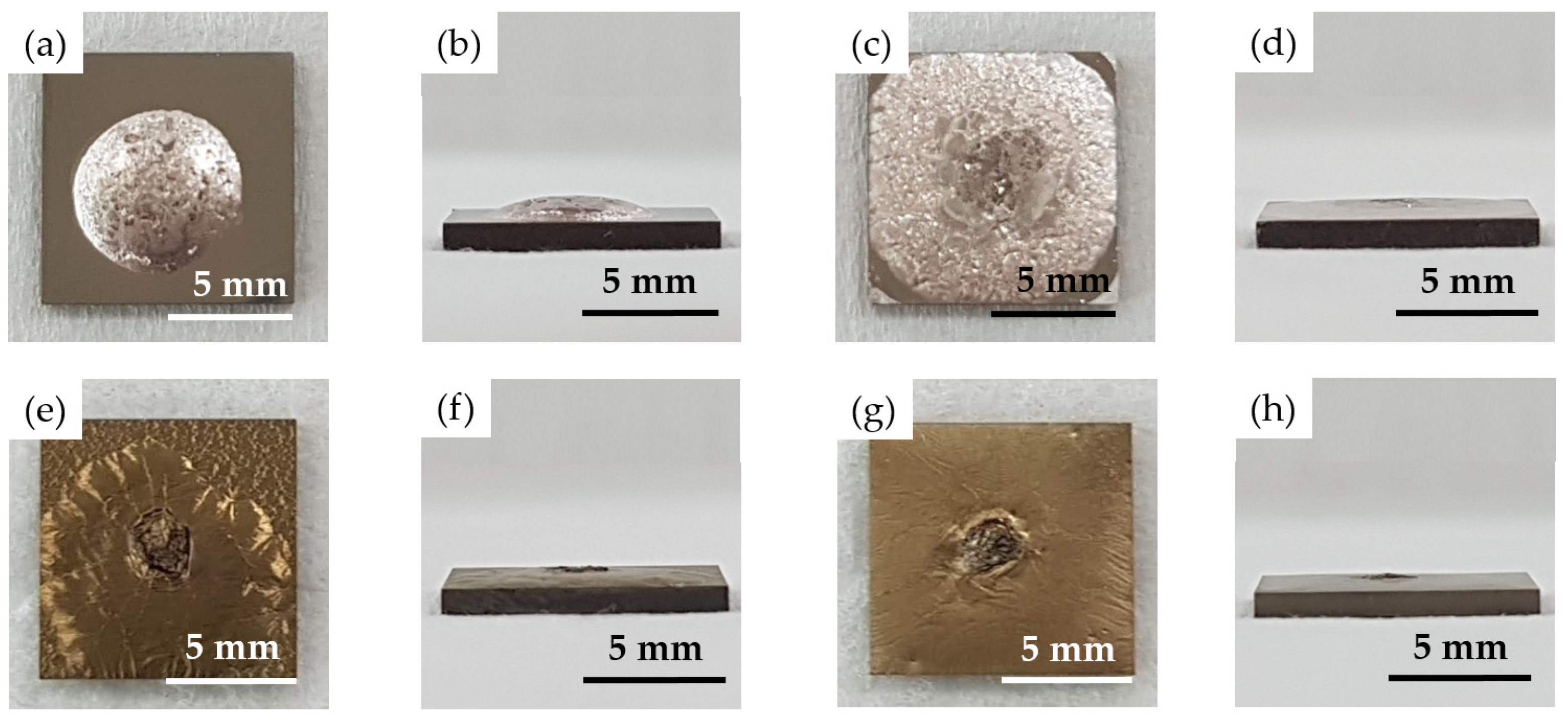
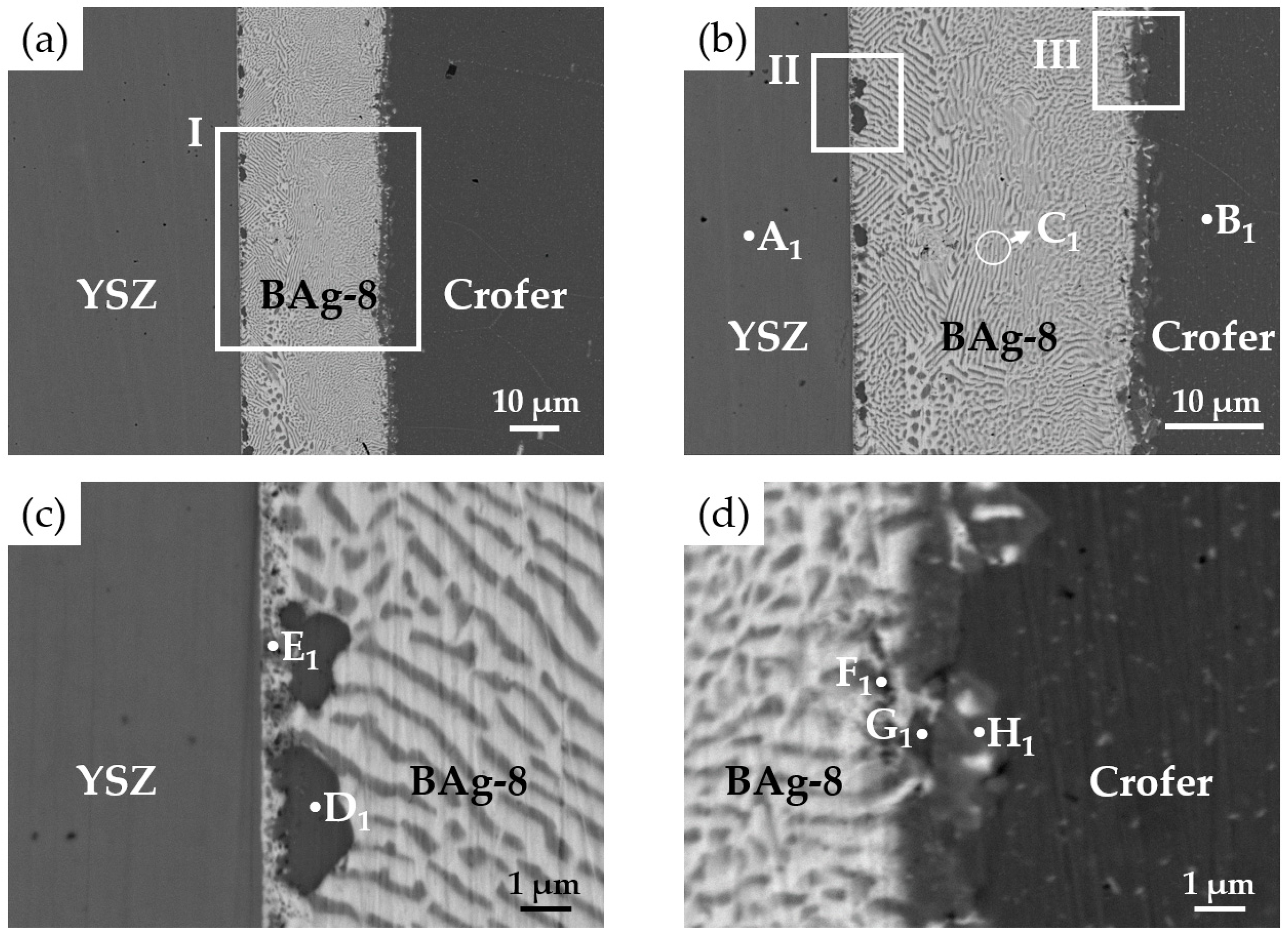
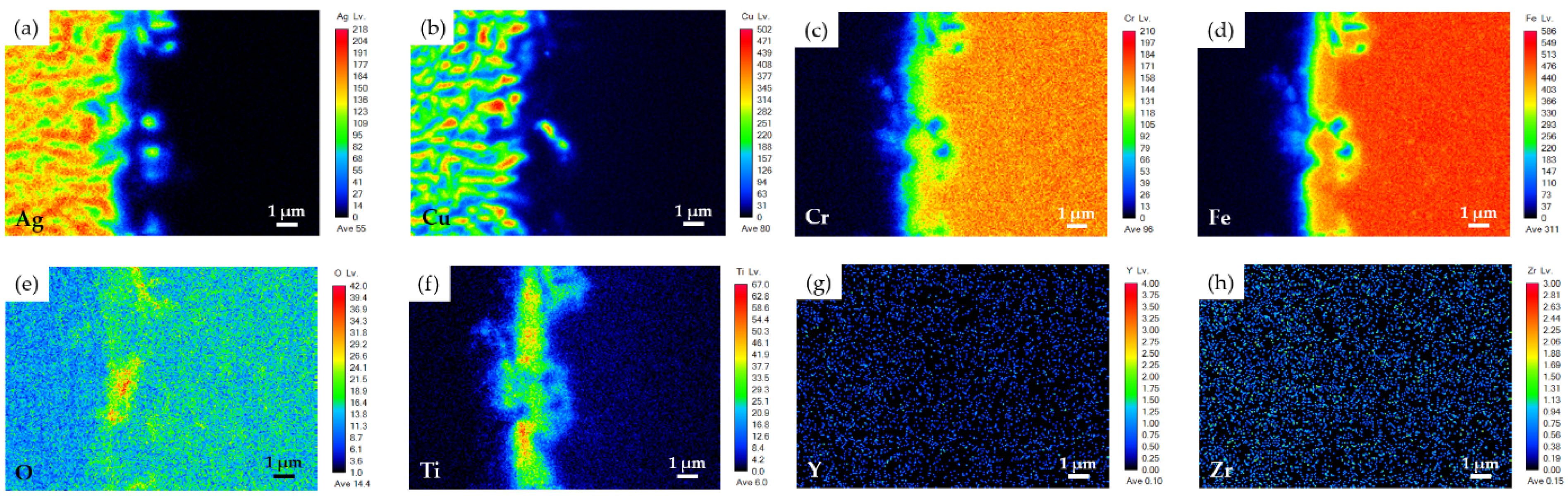
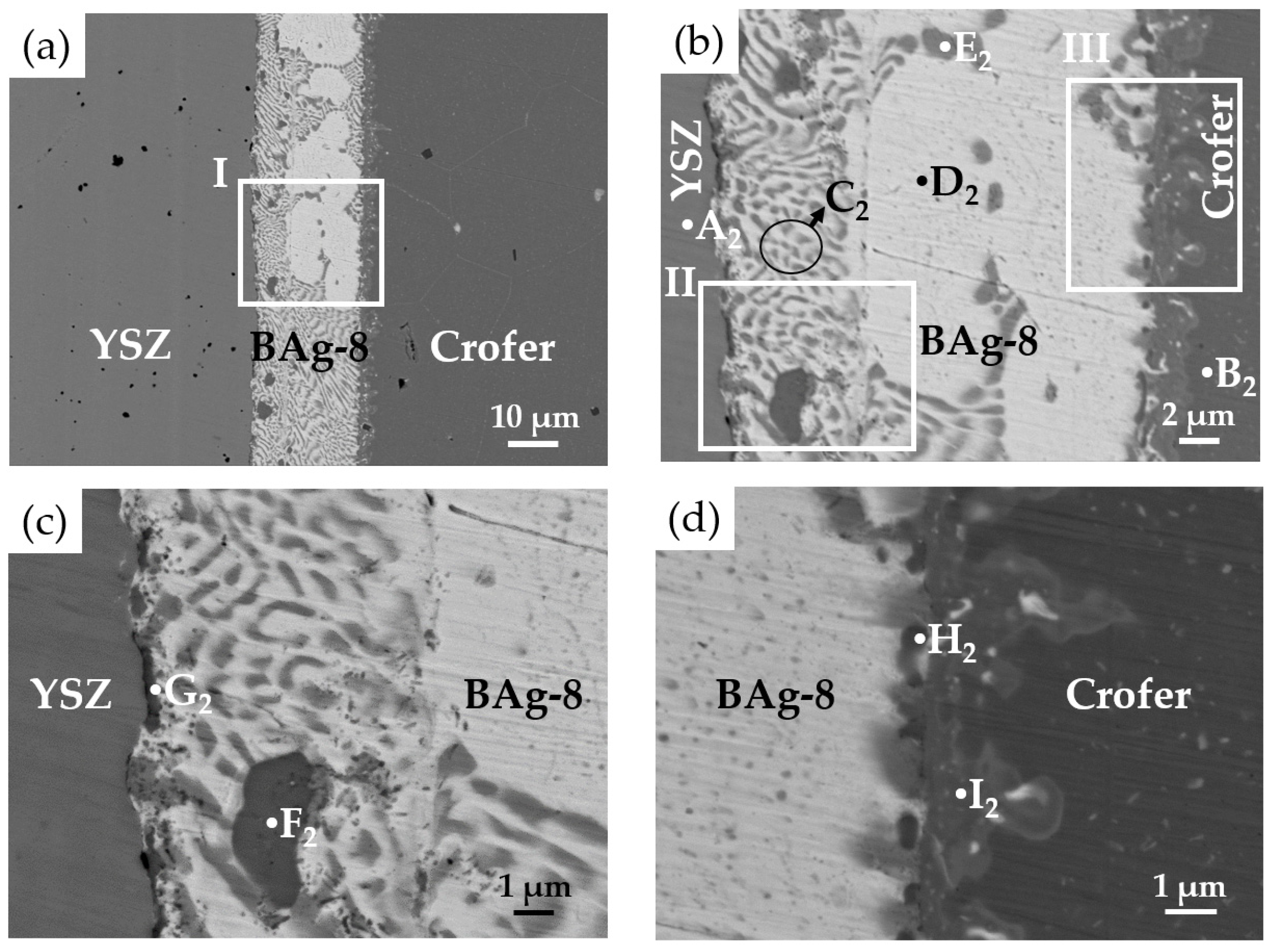
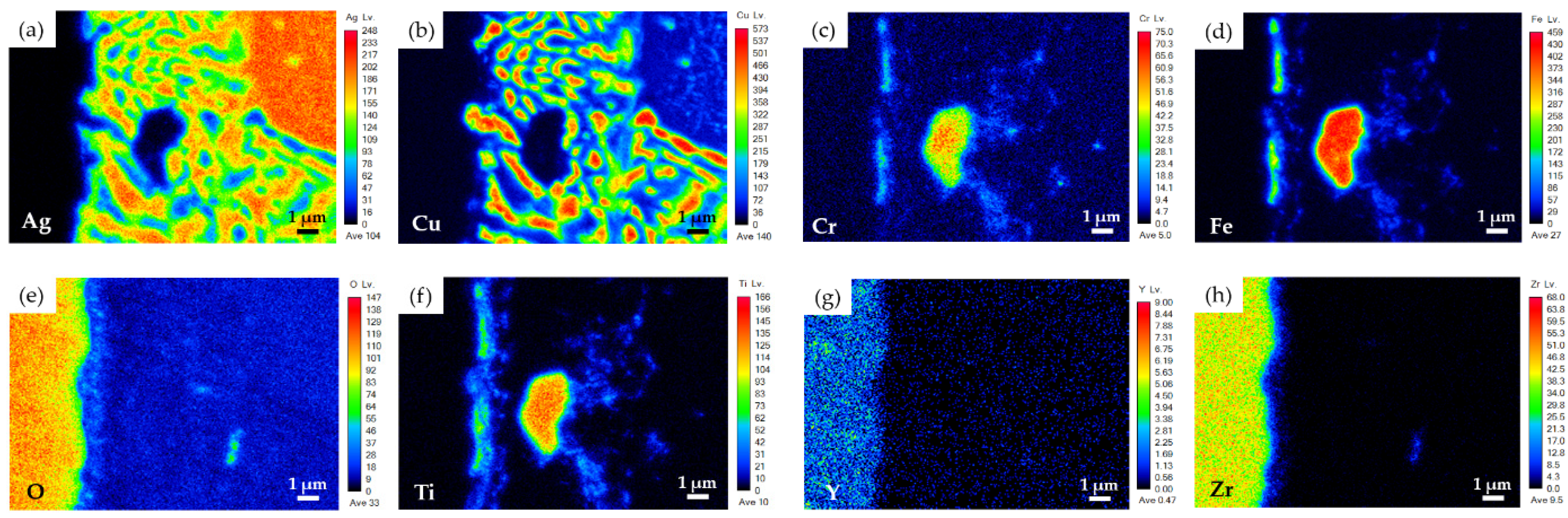
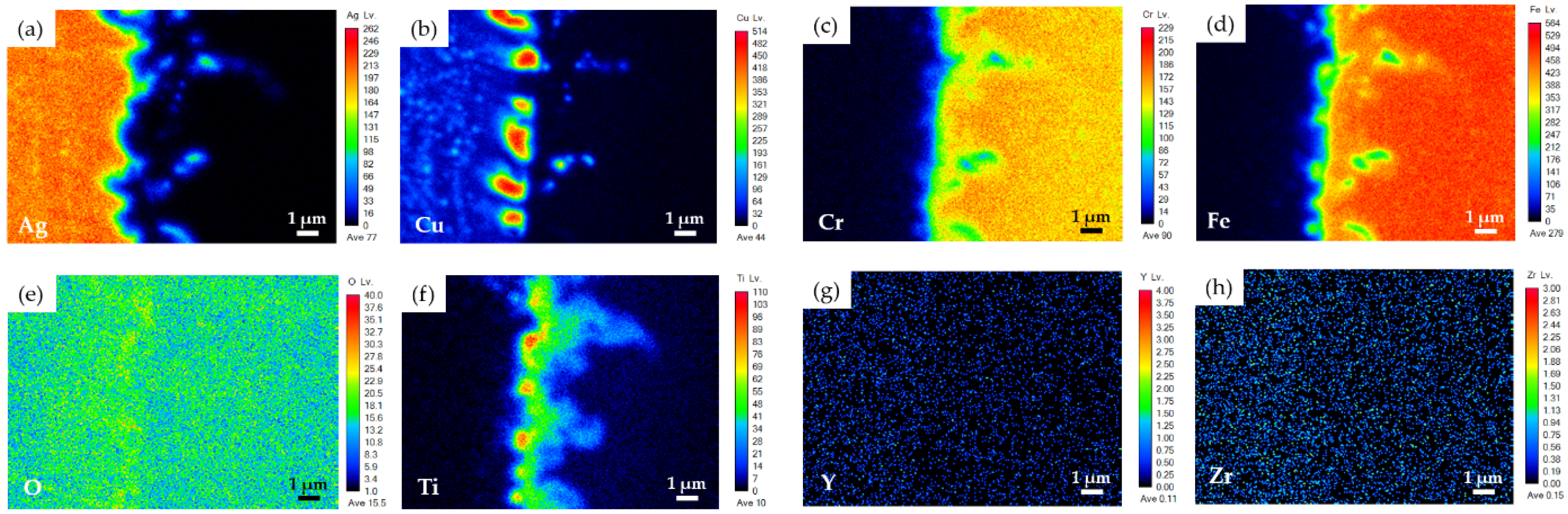
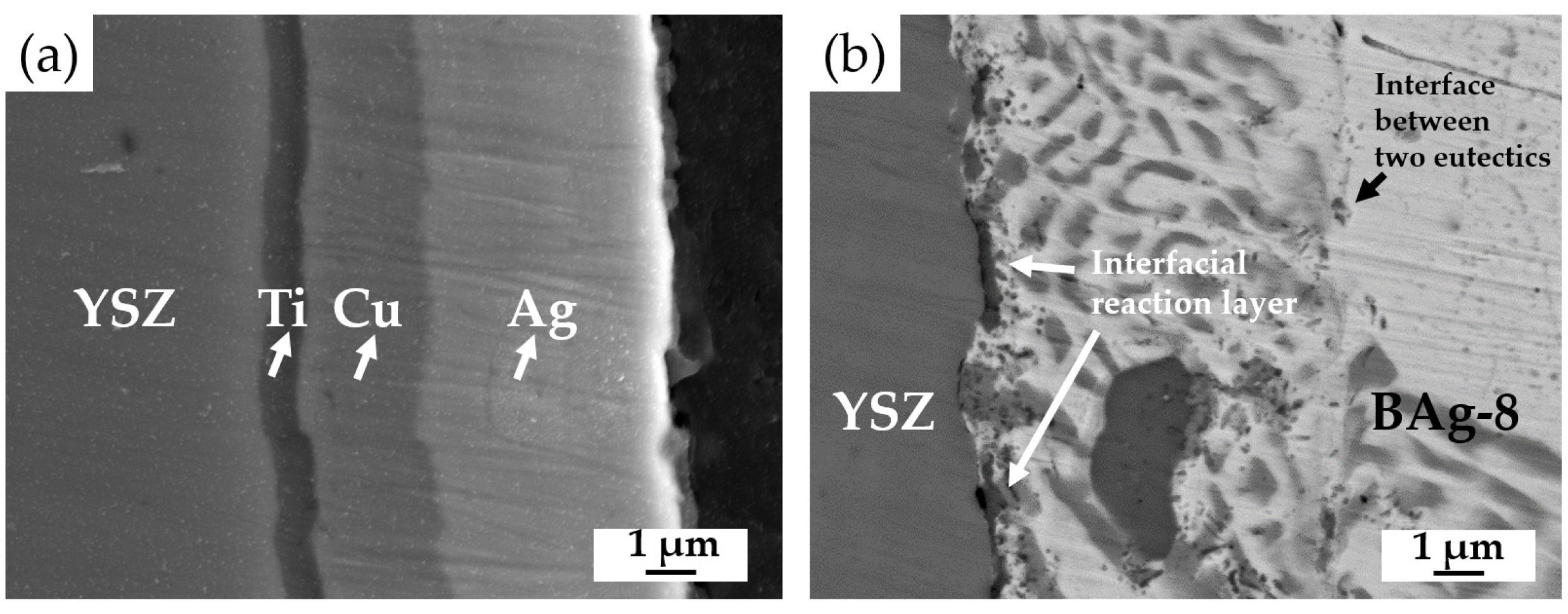
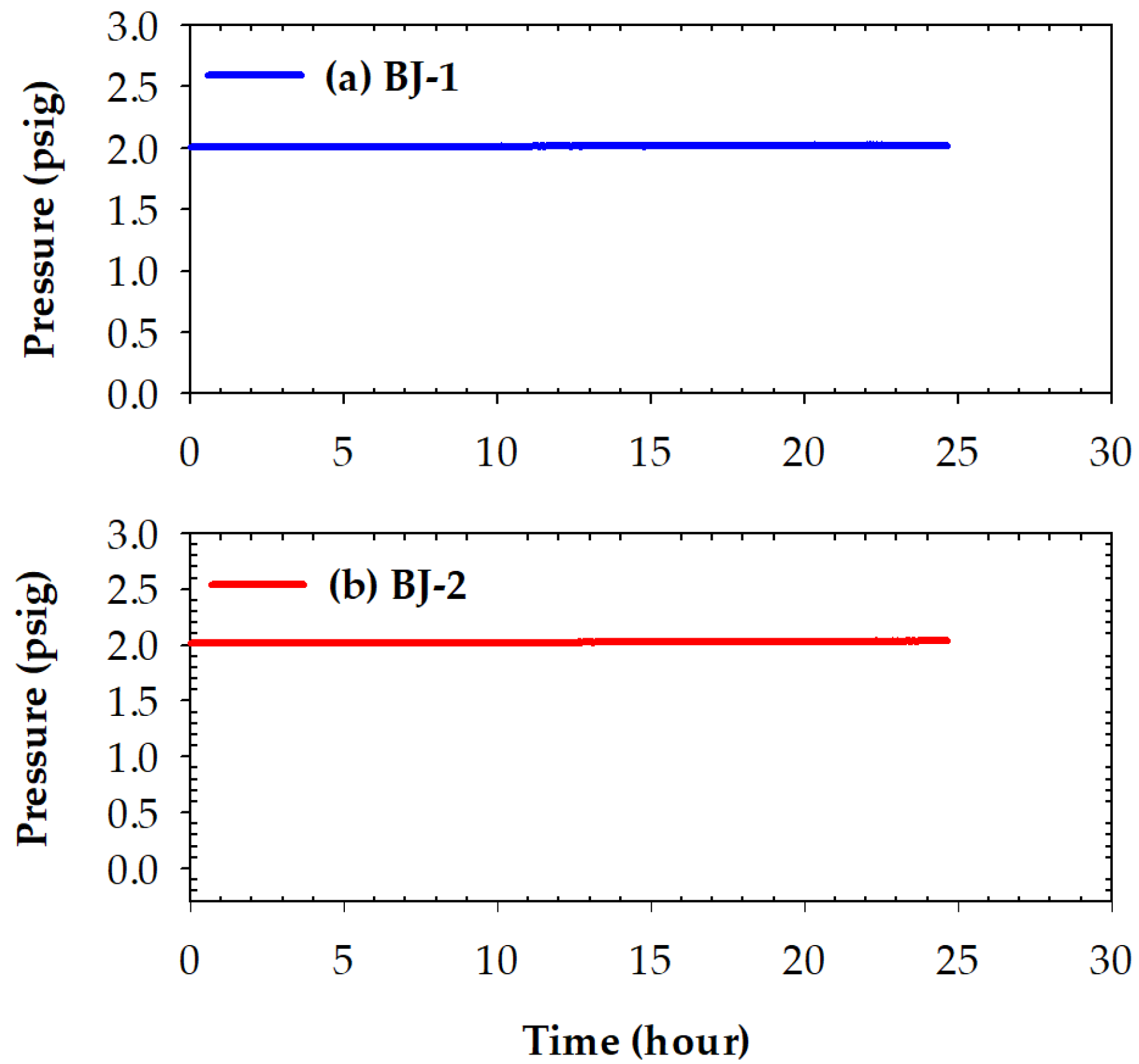
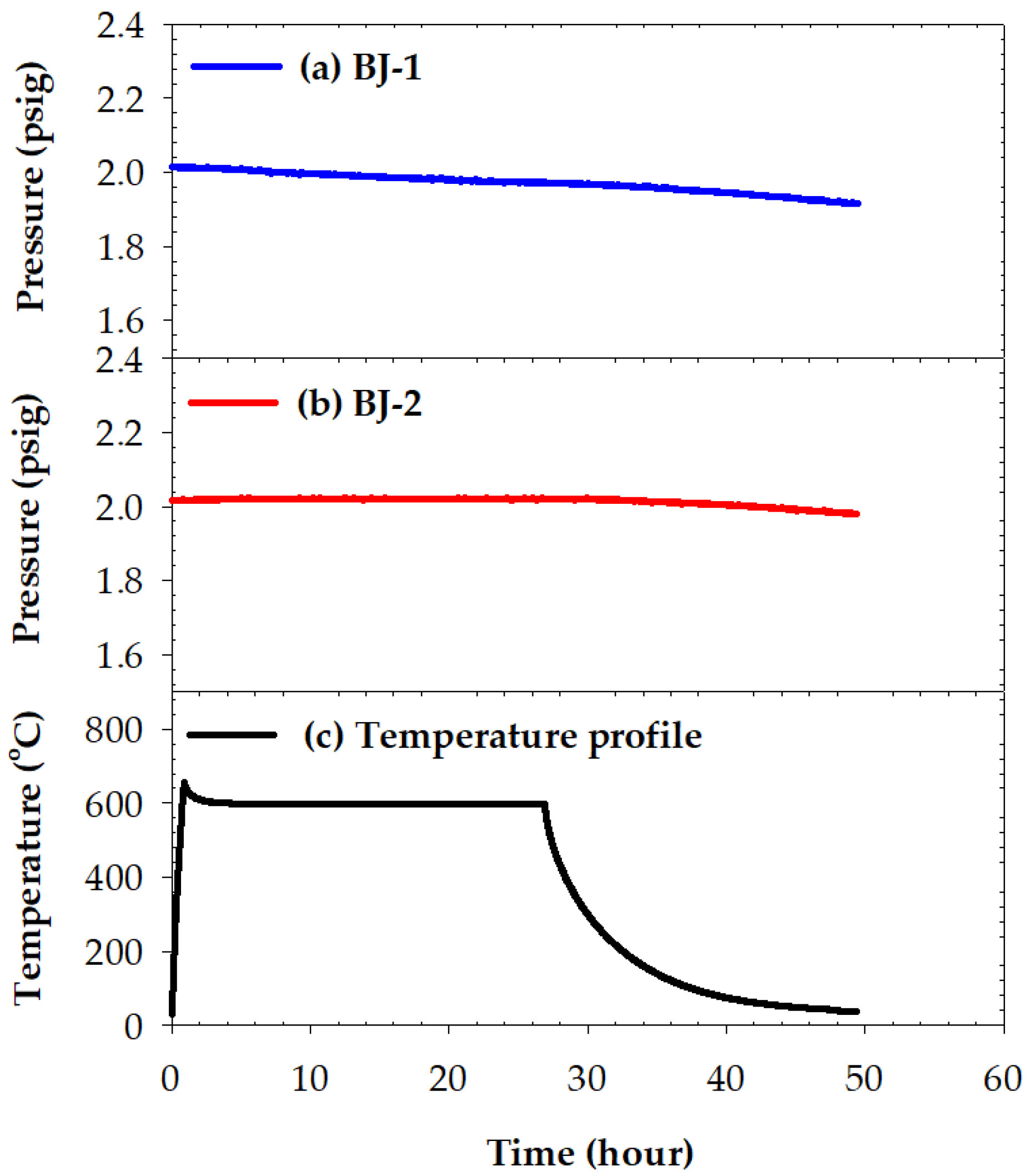
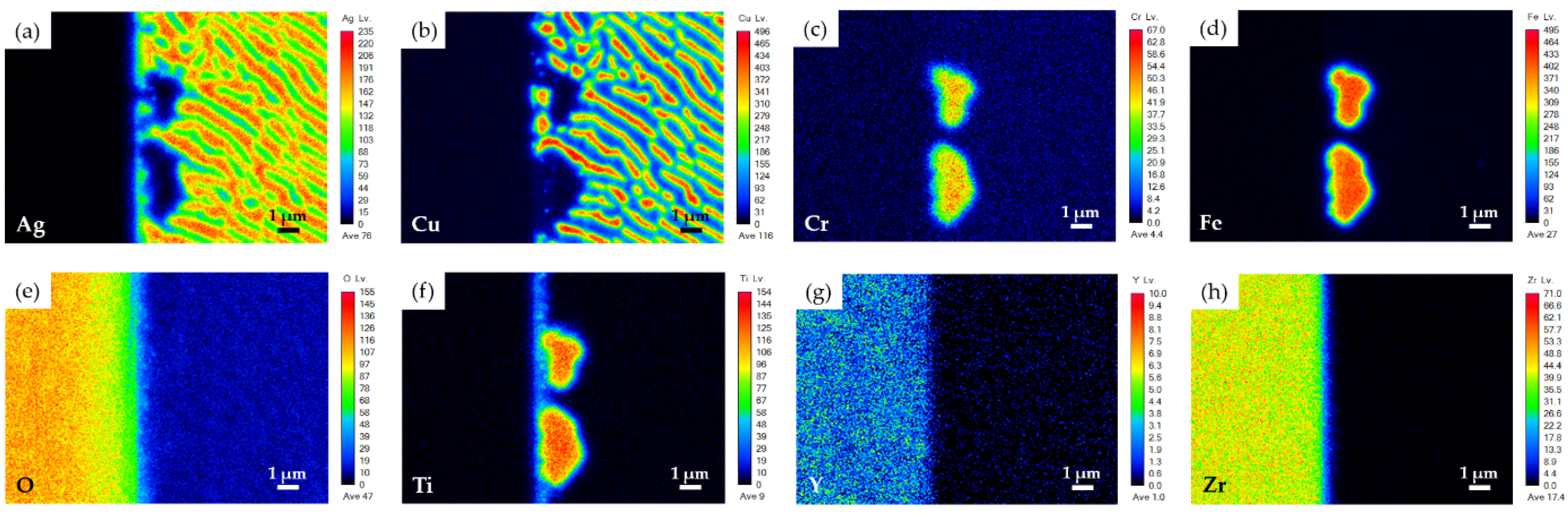
The study focused on dissimilar brazing of metallized YSZ (Yttria-Stabilized Zirconia) and Crofer alloy using BAg-8 (72Ag-28Cu, wt%) filler foil. The YSZ substrate was metallized by sequentially sputtering Ti (0.5/1 μm), Cu (1/3 μm), and Ag (1.5/5 μm) layers, and the Crofer substrate was coated with Ag layers with a thickness of 1.5 and 5 μm, respectively. The BAg-8 filler demonstrated excellent wettability on both metallized YSZ and Crofer substrates. The brazed joint primarily consisted of Ag-Cu eutectic. The metallized Ti layer dissolved into the braze melt, and the Ti preferentially reacted with YSZ and Fe from the Crofer substrate. The globular Fe2Ti intermetallic compound was observed on the YSZ side of the joint. The interfacial reaction of Ti was increased when the thickness of the metallized Ti layer was increased from 0.5 to 1 μm. Both brazed joints were crack free, and no pressure drop was detected after testing at room temperature for 24 h. In the YSZ/Ti(0.5μ)/Cu(1μ)/Ag(1.5μ)/BAg-8(50μ)/Ag(1.5μ)/Crofer joint tested at 600 °C, the pressure of helium decreased from 2.01 to 1.91 psig. In contrast, the helium pressure of the YSZ/Ti(1μ)/Cu(3μ)/Ag(5μ)/BAg-8(50μ)/Ag(5μ)/Crofer joint slightly decreased from 2.02 to 1.98 psig during the cooling cycle of the test. The greater interfacial reaction between the metallized YSZ and BAg-8 filler due to the thicker metallized Ti layer on the YSZ substrate was responsible for the improved gas-tight performance of the joint.
Keywords: vacuum brazing; metallization; interfacial reaction; gas-tight vacuum brazing; metallization; interfacial reaction; gas-tight