Article

Study on the Effect of Hydrothermal Carbonization Parameters on Fuel Properties of Chicken Manure Hydrochar

by
Małgorzata Hejna
,
Kacper Świechowski
,
Waheed A. Rasaq
and
Andrzej Białowiec
*
Department of Applied Bioeconomy, Wrocław University of Environmental and Life Sciences, 37a Chełmońskiego Str., 51-630 Wrocław, Poland
*
Author to whom correspondence should be addressed.
Materials 2022, 15(16), 5564; https://doi.org/10.3390/ma15165564
Submission received: 17 July 2022 / Revised: 8 August 2022 / Accepted: 9 August 2022 / Published: 13 August 2022
(This article belongs to the Special Issue Recent Progress of Biochar and Biomass Pyrolysis)

Abstract

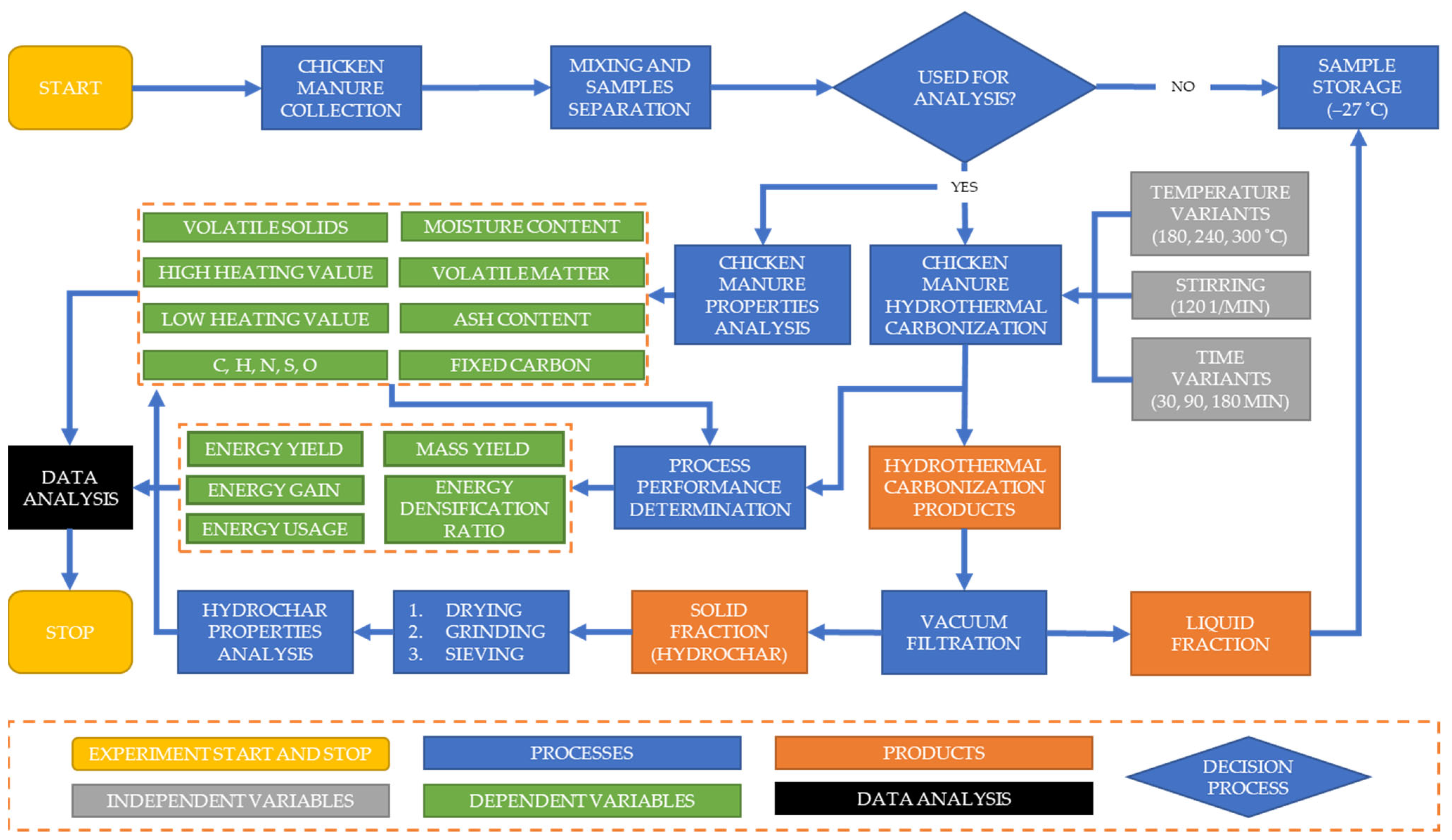
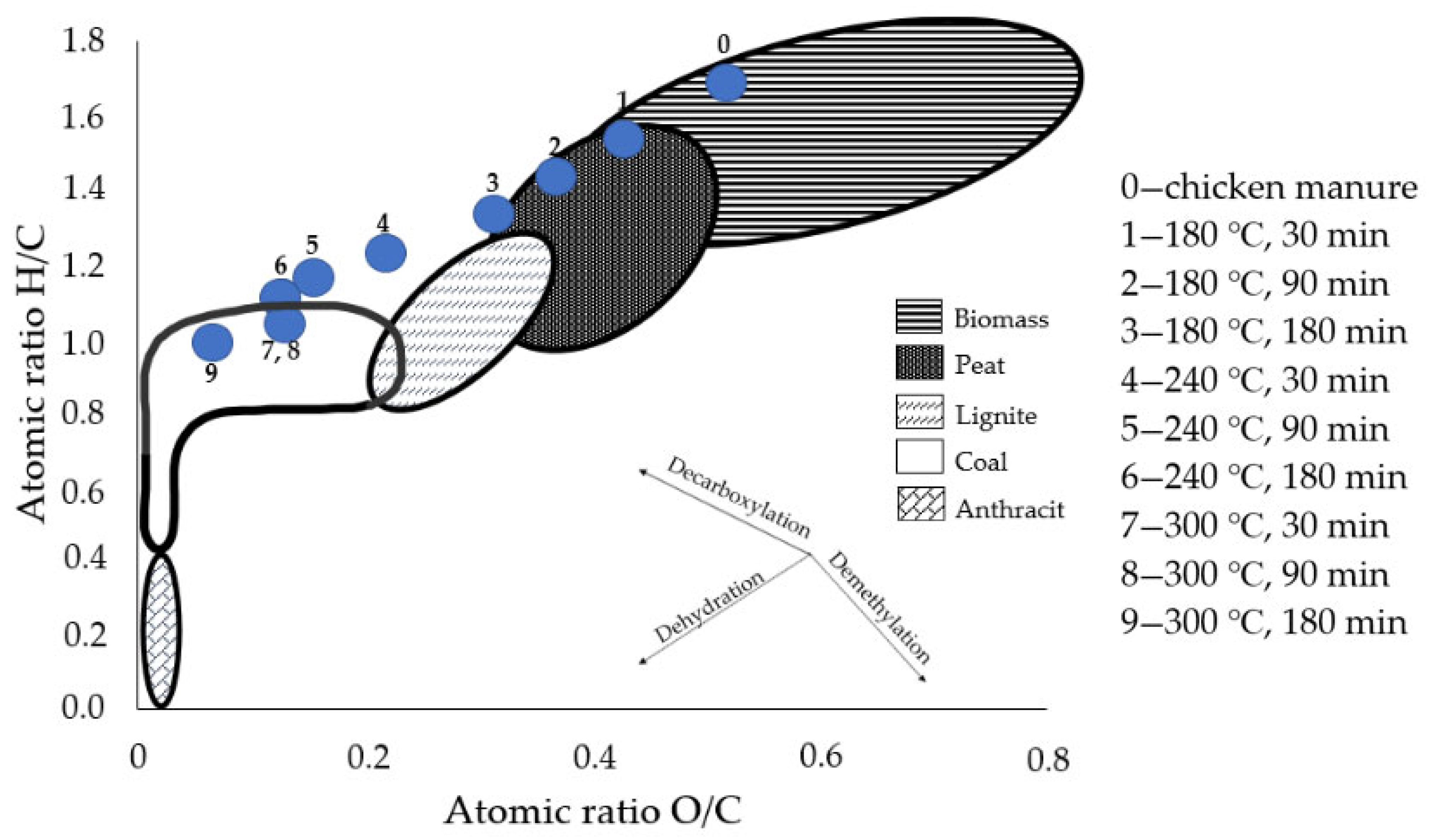
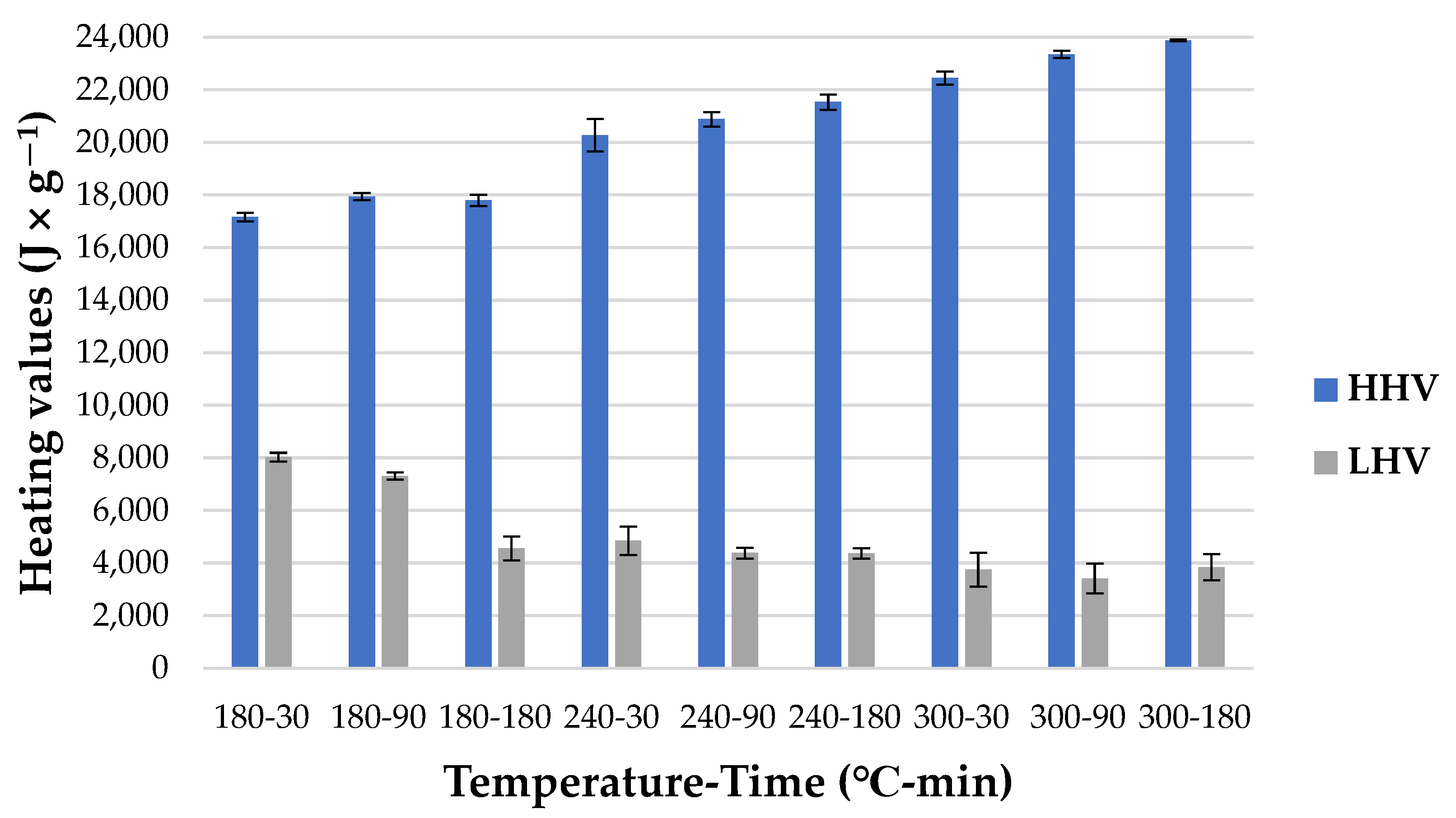
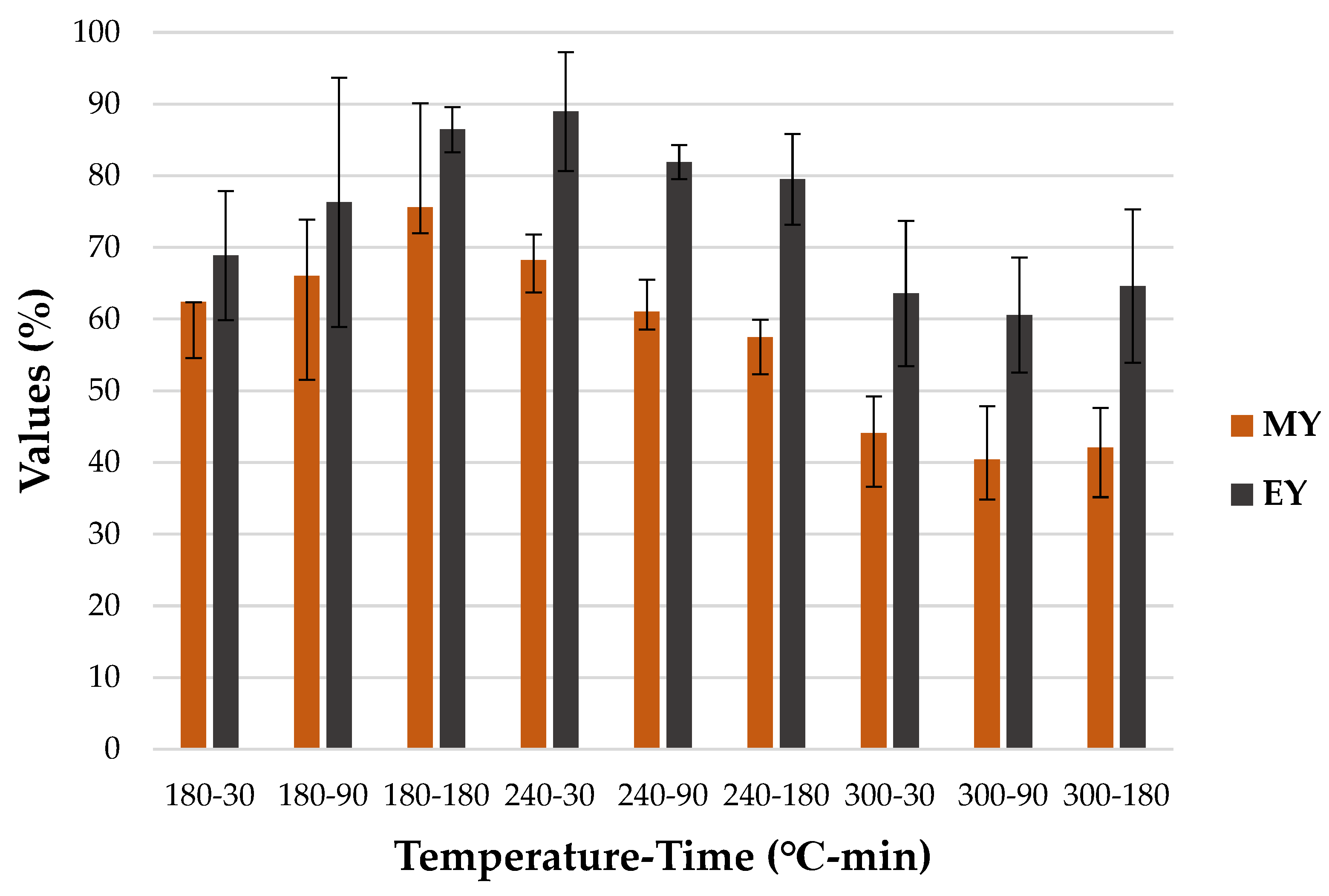
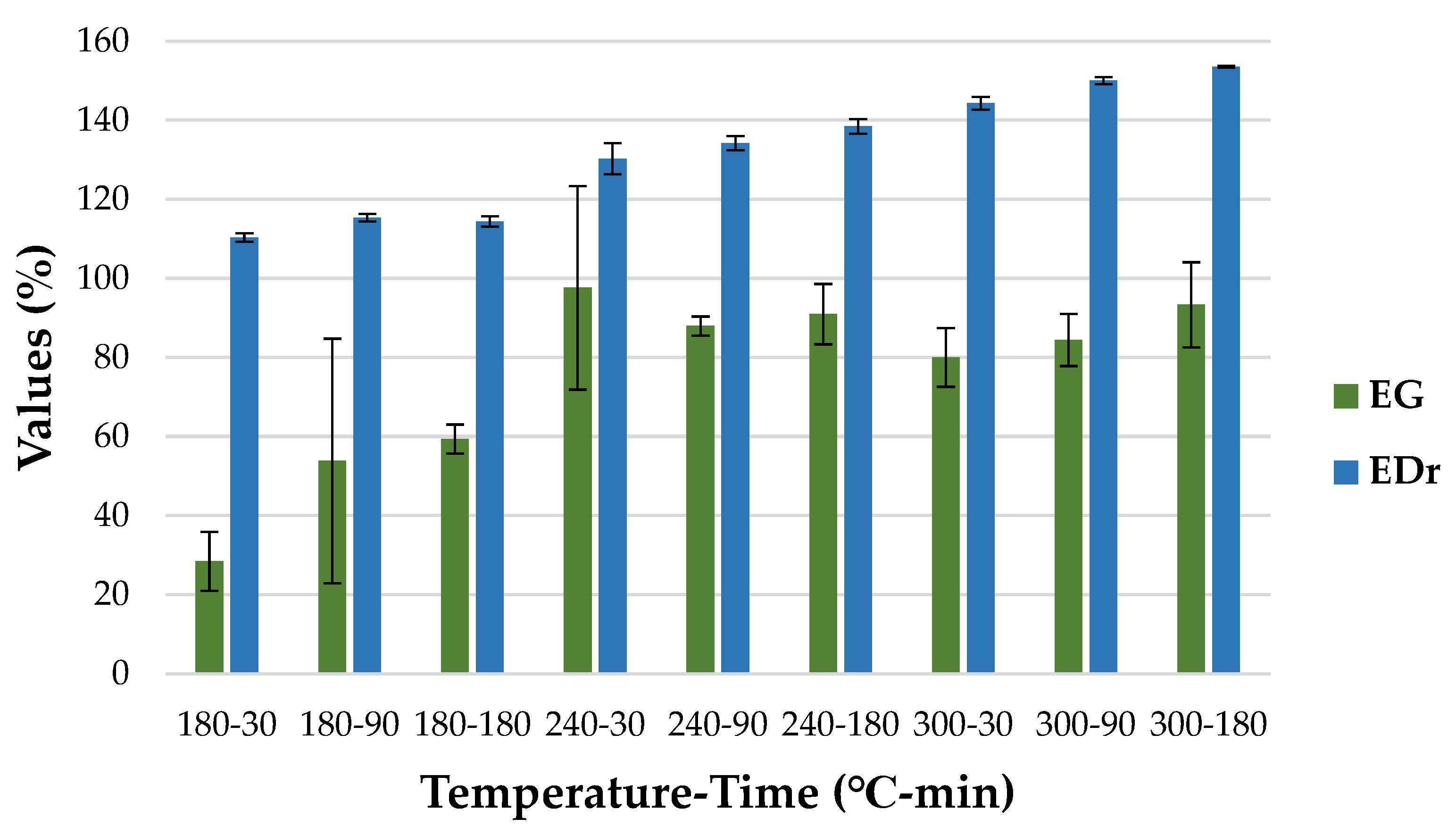
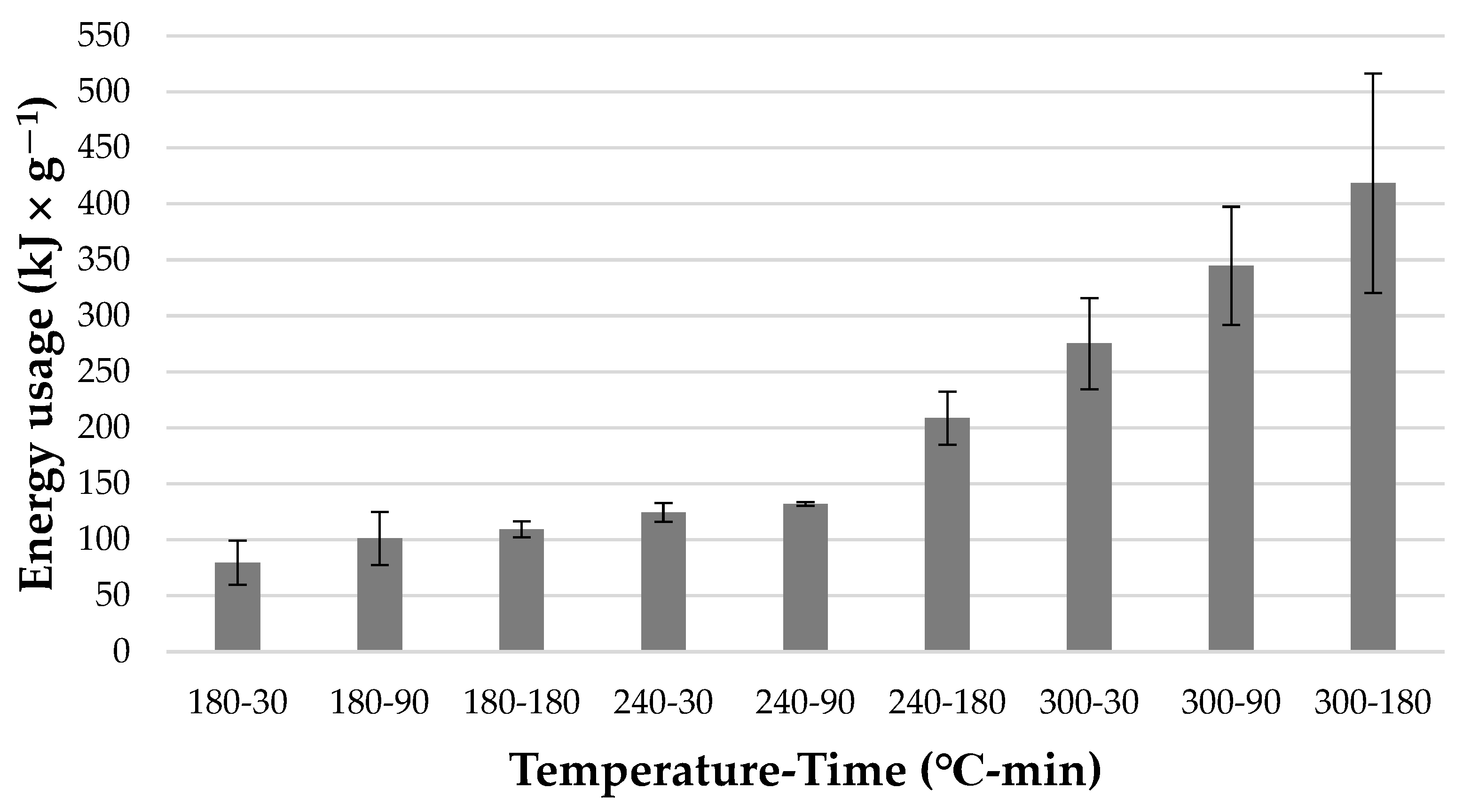
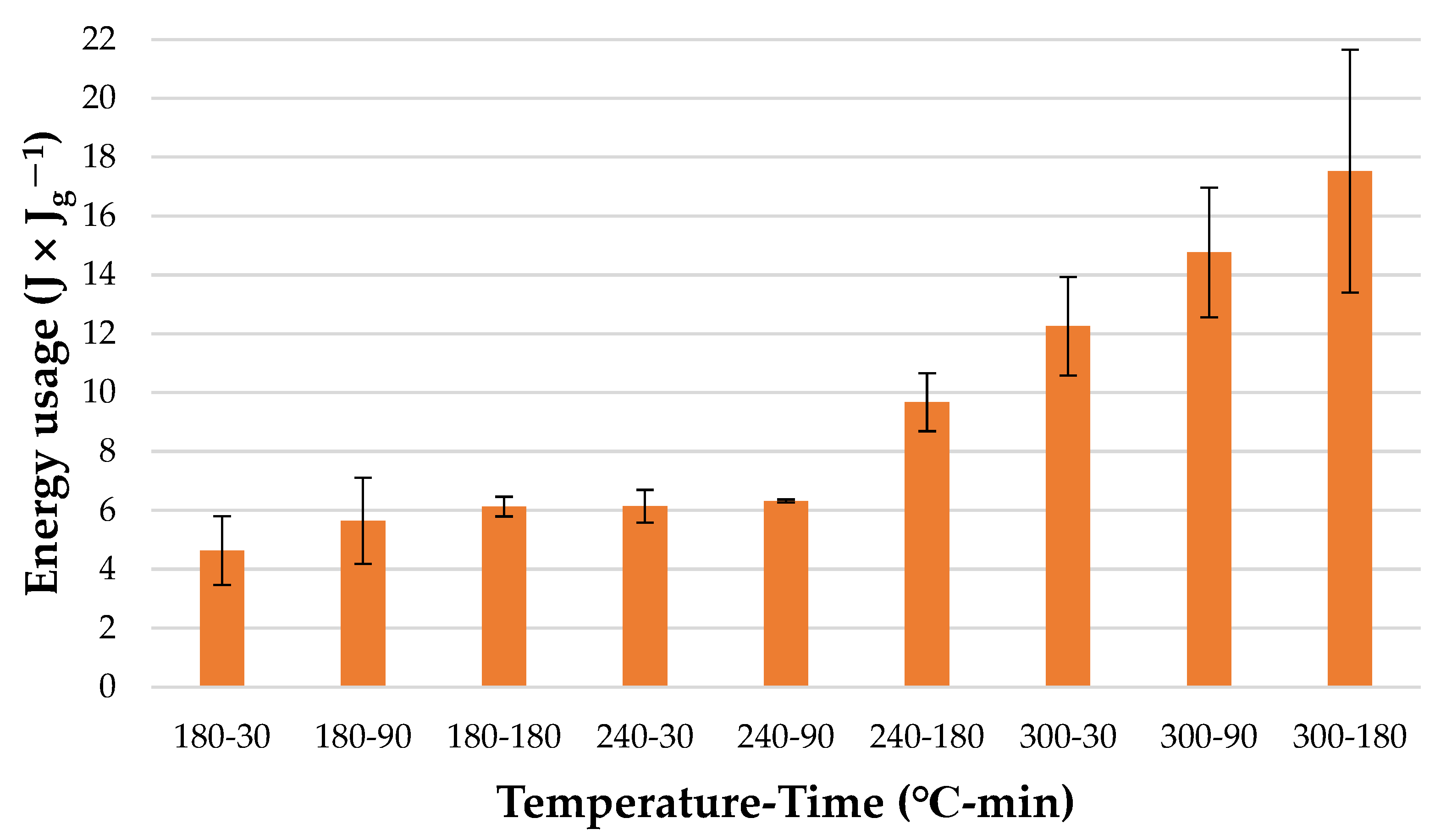
Economic development and population growth lead to the increased production of chicken manure, which is a problematic organic waste in terms of its amount, environmental threats, and moisture content. In this study, hydrothermal carbonization, an emerging way of waste disposal, was performed on chicken manure to produce an energy-rich material called hydrochar. The effects of hydrothermal carbonization temperature (180, 240, 300 °C) and process time (30, 90, 180 min) were summarized. Proximate and ultimate analysis, as well as low and high heating values were applied both on raw material and derived hydrochars. Additionally, the performance of the process was examined. The obtained results show that hydrothermal carbonization is a feasible method for chicken manure disposal and valorization. Although the process time did not influence the fuel properties of chicken manure considerably, a higher temperature led to a significantly higher heating value, reaching 23,880.67 ± 34.56 J × g−1 at 300 °C and 180 min with an improvement of ~8329 J × g−1 compared with raw chicken manure (15,551.67 J × g−1). Considering the energy gain value, the hydrochar derived at 240 °C in 30 min had the best result. Moreover, the energy consumption for this process was relatively low (124.34 ± 8.29 kJ × g−1). With its still feasible fuel properties and high heating value of 20,267.00 ± 617.83 kJ × g−1, it was concluded that these parameters of chicken manure hydrochar are the most beneficial and present a potential alternative for conventional fuel.
Keywords: organic waste; waste to energy; waste to carbon; solid fuel; hydrochar; temperature; hydrothermal treatment organic waste; waste to energy; waste to carbon; solid fuel; hydrochar; temperature; hydrothermal treatment