Article

Nonlinear ABAQUS Simulations for Notched Concrete Beams

by
Ahmed Bahgat Tawfik
1,*,
Sameh Youssef Mahfouz
1 and
Salah El-Din Fahmy Taher
2
1
Construction and Building Engineering Department, College of Engineering and Technology, Arab Academy for Science, Technology and Maritime Transport (AASTMT), B 2401 Smart Village, Giza 12577, Egypt
2
Professor of Concrete Structures, Structural Engineering Department, Tanta University, Tanta 31527, Egypt
*
Author to whom correspondence should be addressed.
Materials 2021, 14(23), 7349; https://doi.org/10.3390/ma14237349
Submission received: 29 October 2021 / Revised: 27 November 2021 / Accepted: 28 November 2021 / Published: 30 November 2021

Abstract

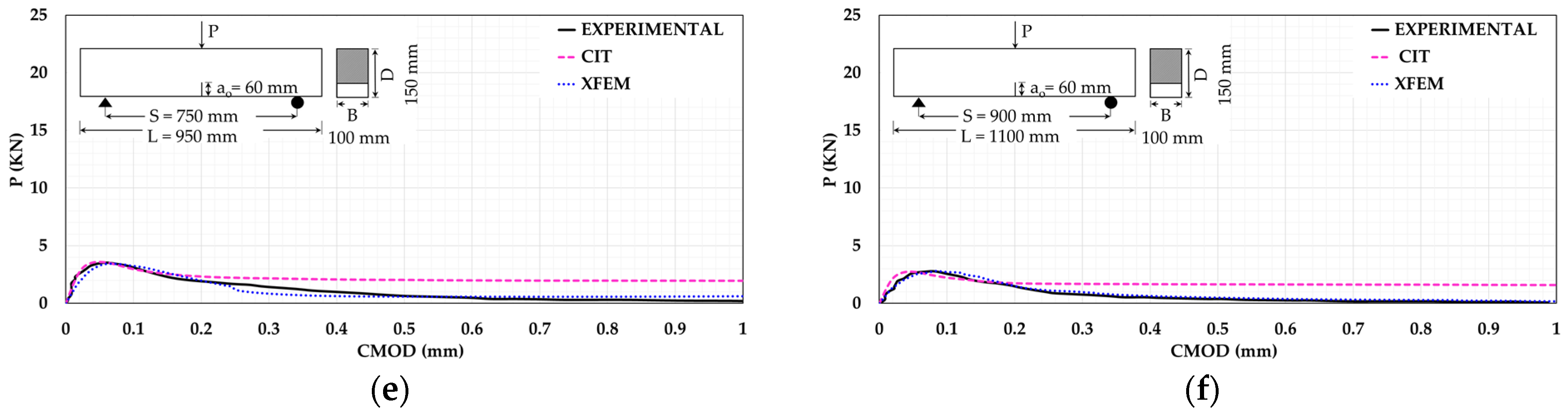
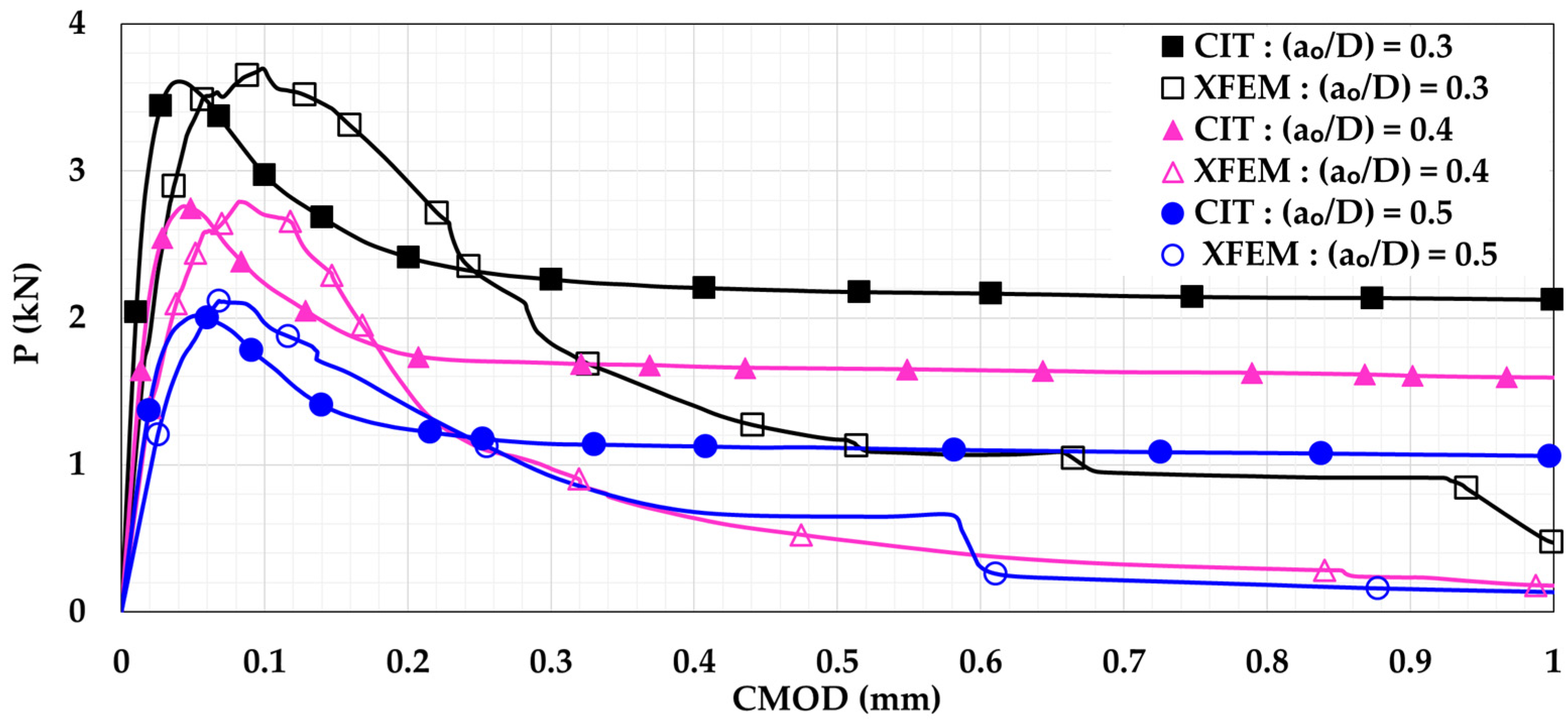
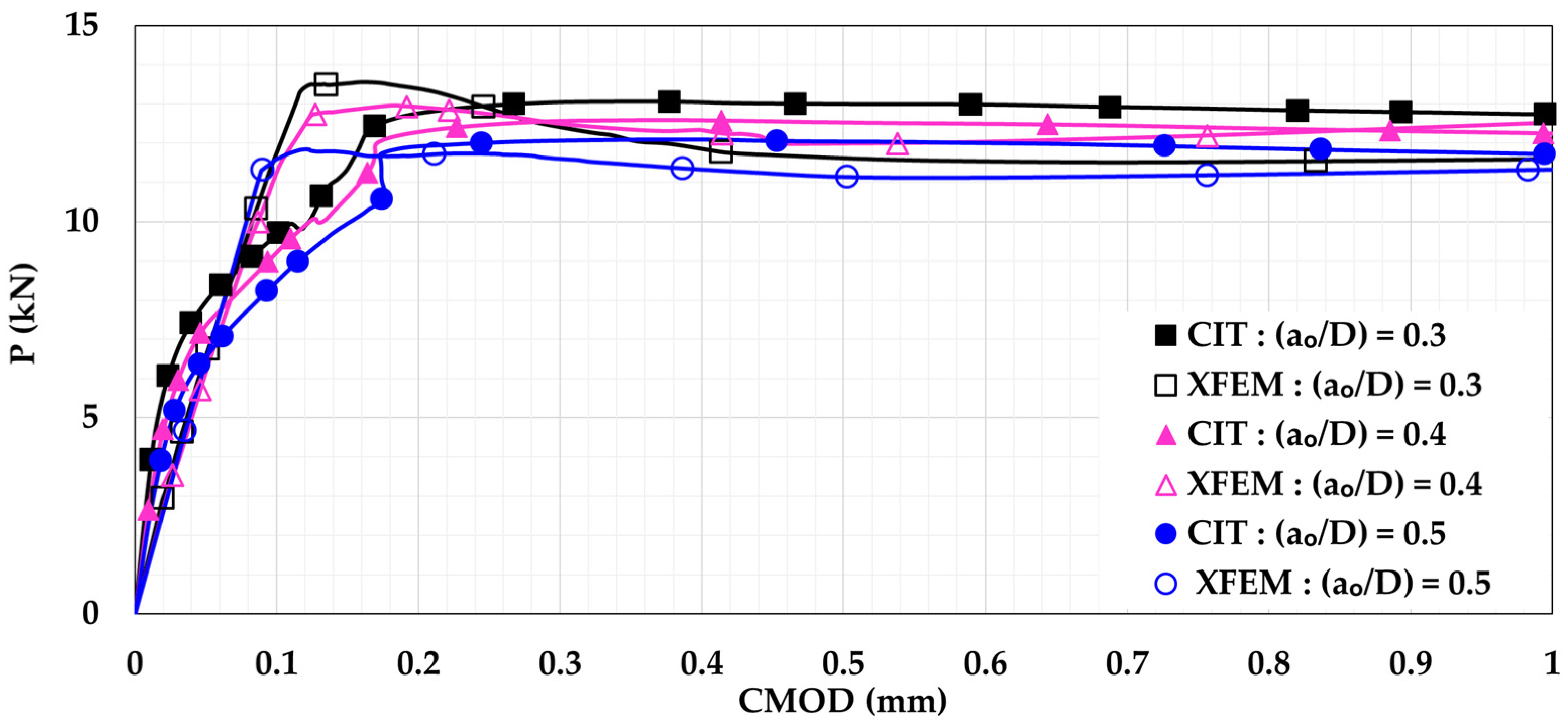
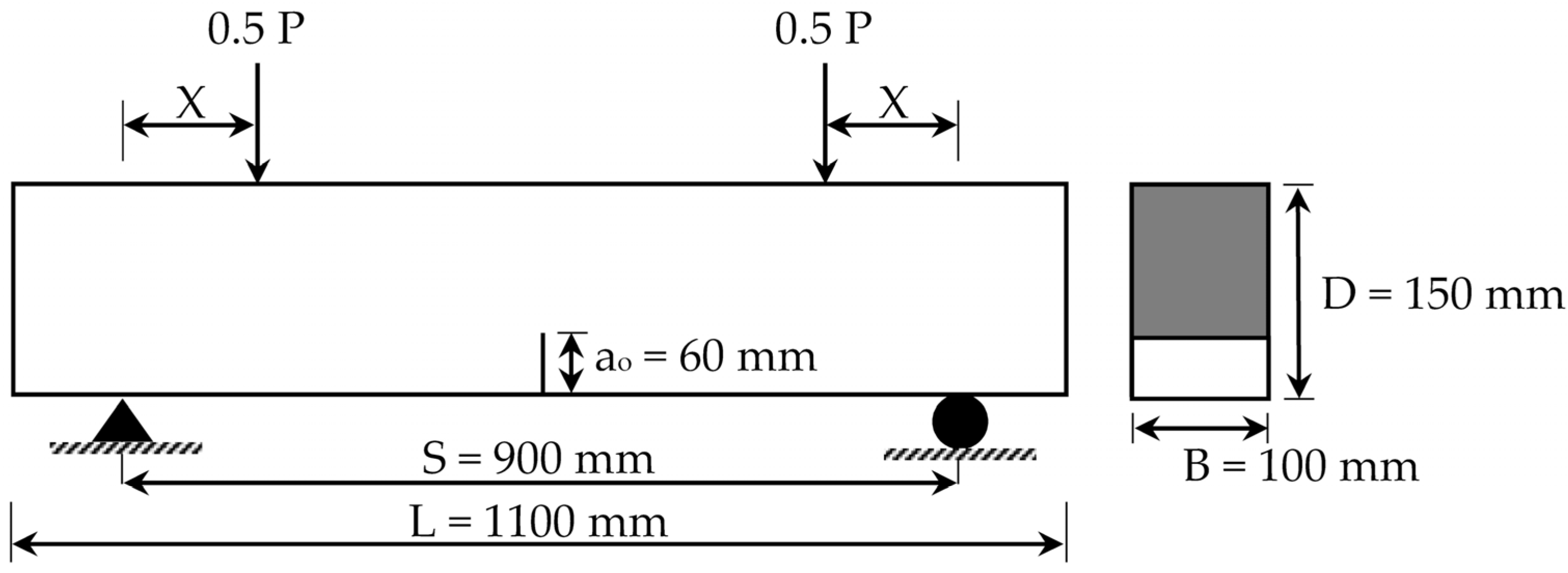
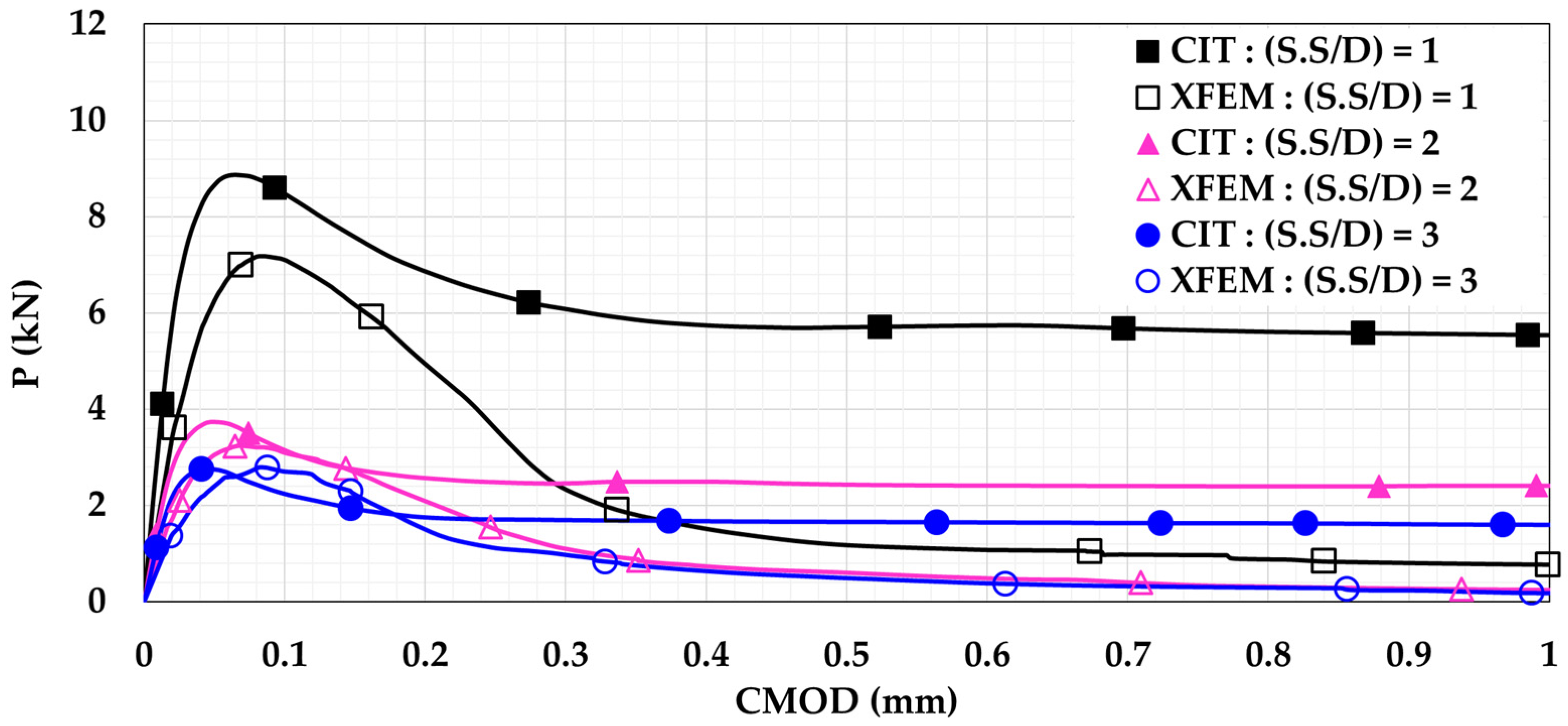
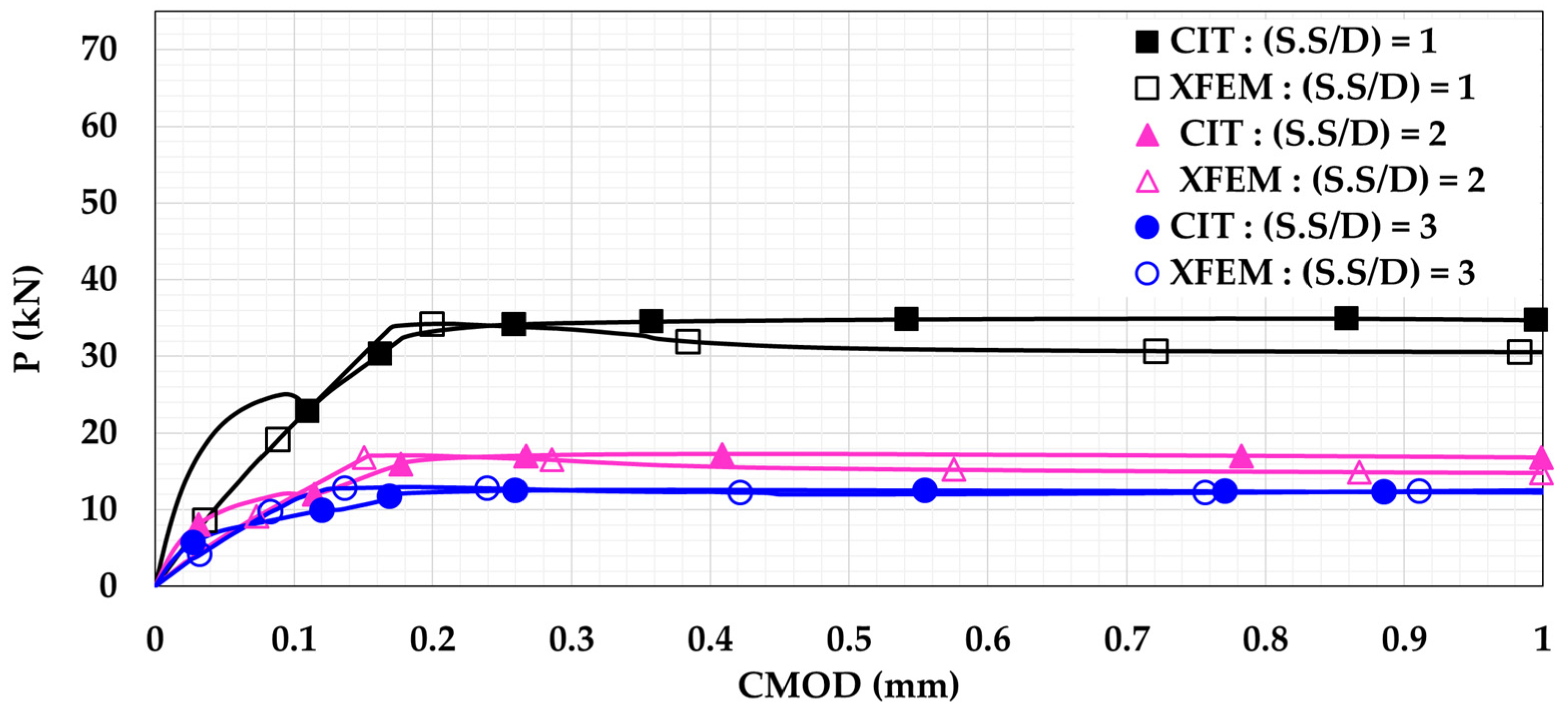
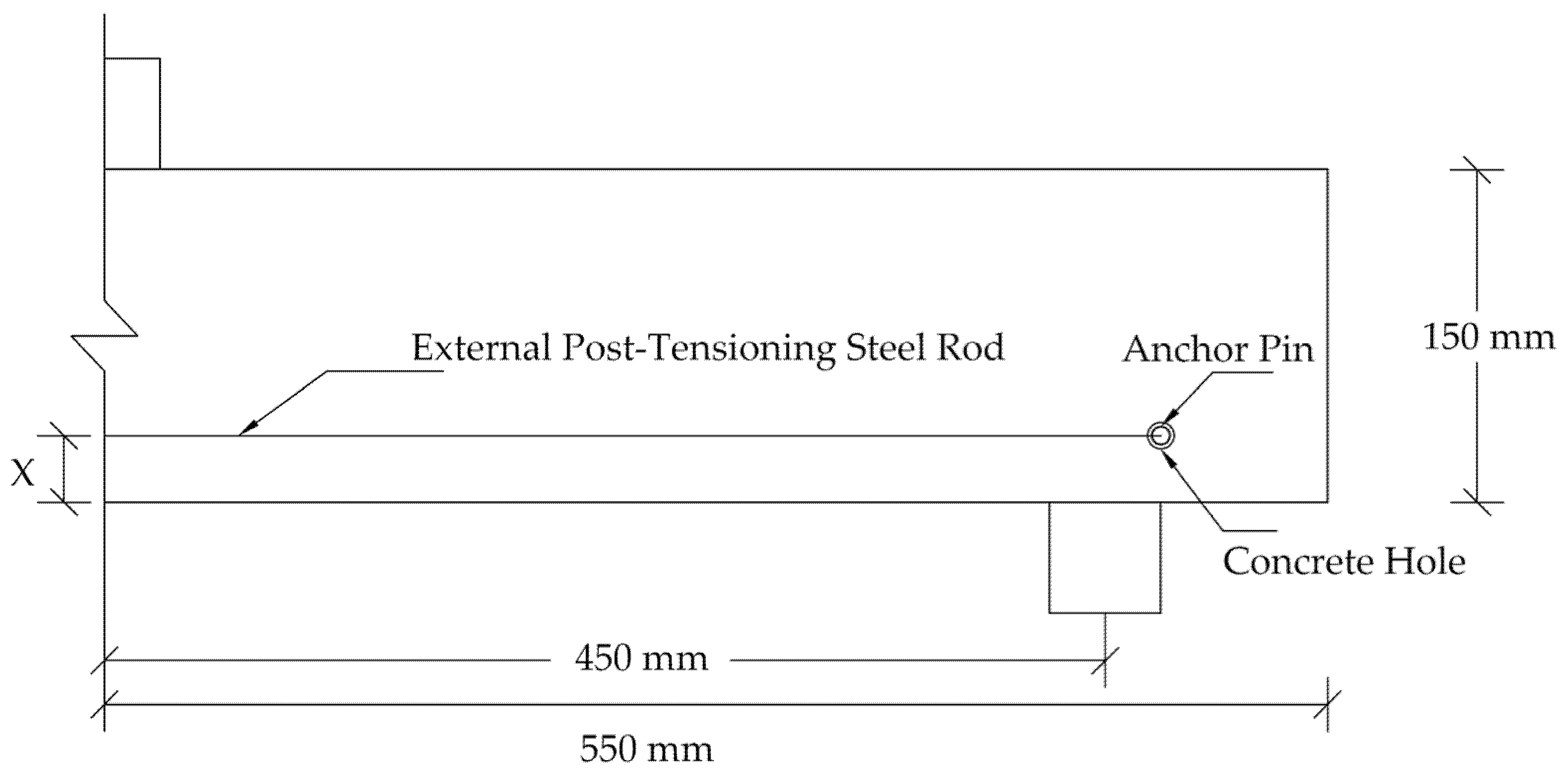
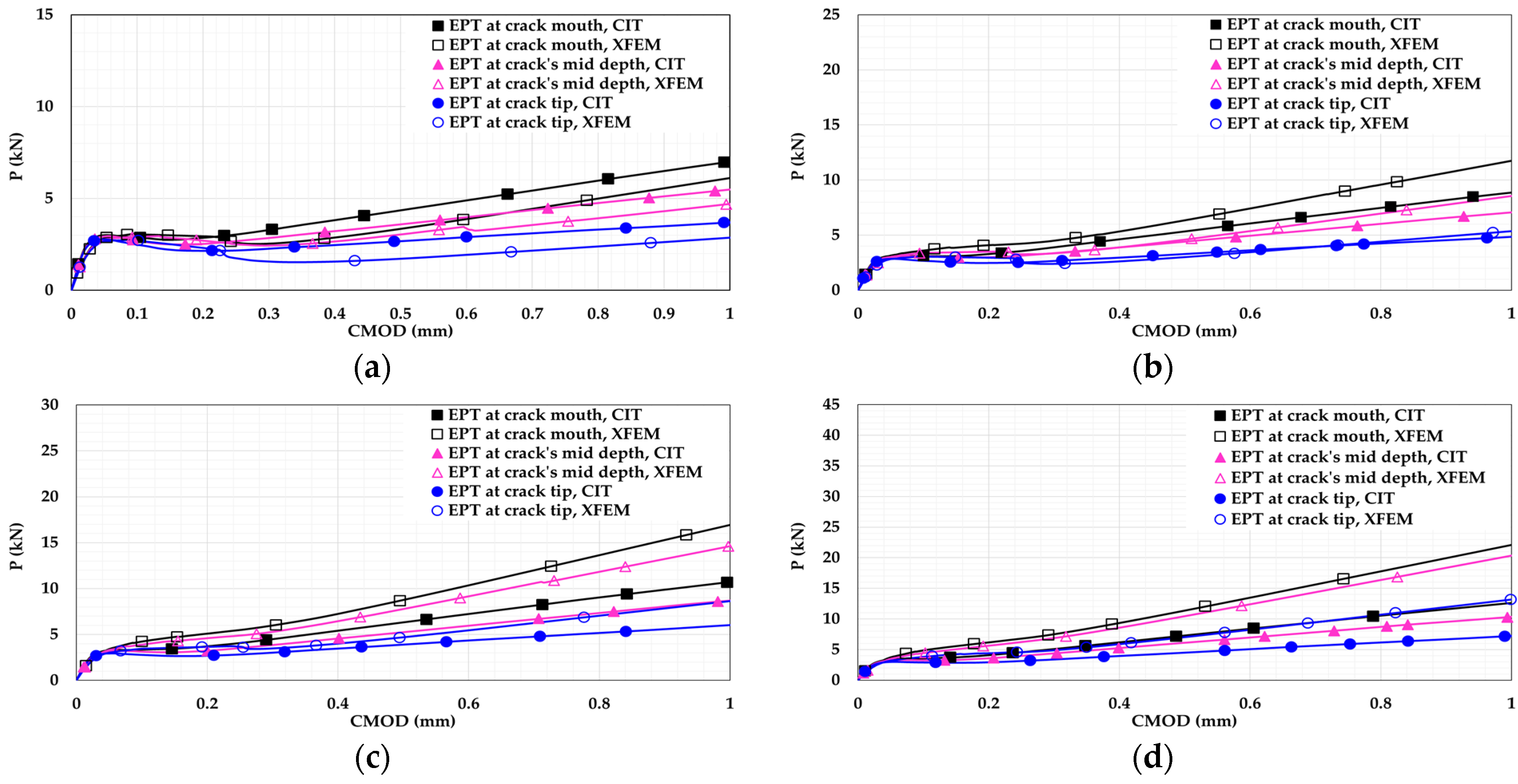
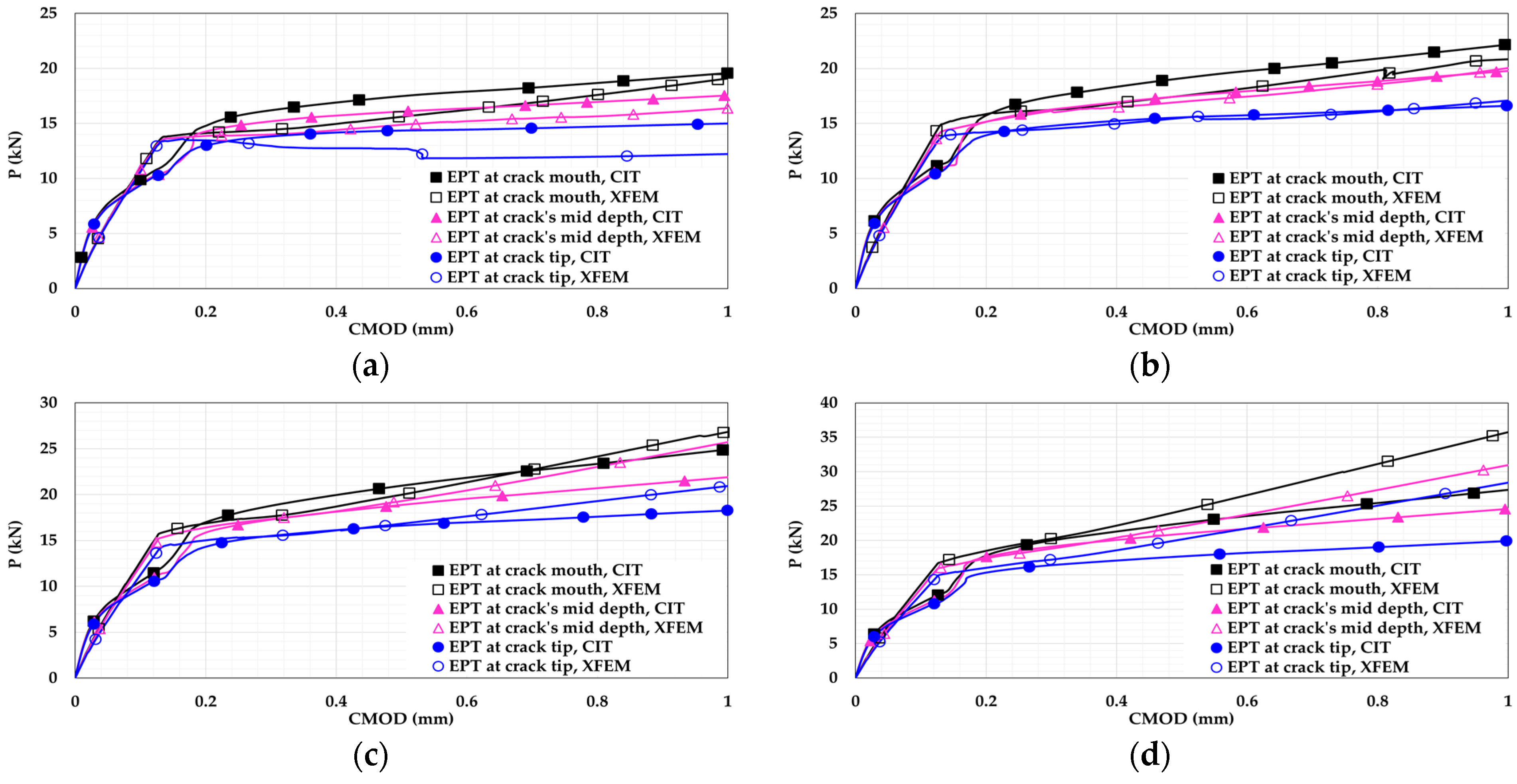
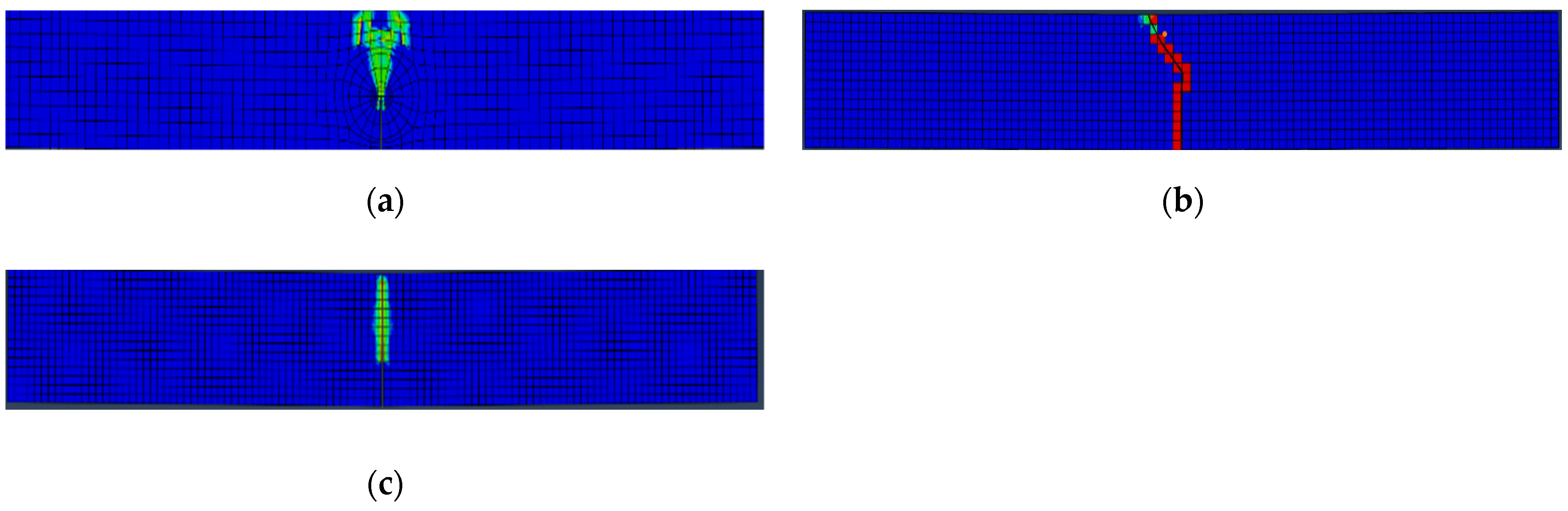
The numerical simulation of concrete fracture is difficult because of the brittle, inelastic-nonlinear nature of concrete. In this study, notched plain and reinforced concrete beams were investigated numerically to study their flexural response using different crack simulation techniques in ABAQUS. The flexural response was expressed by hardening and softening regime, flexural capacity, failure ductility, damage initiation and propagation, fracture energy, crack path, and crack mouth opening displacement. The employed techniques were the contour integral technique (CIT), the extended finite element method (XFEM), and the virtual crack closure technique (VCCT). A parametric study regarding the initial notch-to-depth ratio (ao/D), the shear span-to-depth ratio (S.S/D), and external post-tensioning (EPT) were investigated. It was found that both XFEM and VCCT produced better results, but XFEM had better flexural simulation. Contrarily, the CIT models failed to express the softening behavior and to capture the crack path. Furthermore, the flexural capacity was increased after reducing the (ao/D) and after decreasing the S.S/D. Additionally, using EPT increased the flexural capacity, showed the ductile flexural response, and reduced the flexural softening. Moreover, using reinforcement led to more ductile behavior, controlled damage propagation, and a dramatic increase in the flexural capacity. Furthermore, CIT showed reliable results for reinforced concrete beams, unlike plain concrete beams.
Keywords: ABAQUS; finite element analysis (FEA); concrete damage plasticity (CDP); extended finite element method (XFEM); external post-tensioning (EPT) ABAQUS; finite element analysis (FEA); concrete damage plasticity (CDP); extended finite element method (XFEM); external post-tensioning (EPT)