Article

Comparison of Microstructure and Mechanical Properties of High Strength and Toughness Ship Plate Steel
1
School of Materials & Metallurgy, University of Science & Technology Liaoning, Anshan 114051, China
2
State Key Laboratory of Metal Material for Marine Equipment & Application, Anshan 114001, China
*
Authors to whom correspondence should be addressed.
Materials 2021, 14(19), 5886; https://doi.org/10.3390/ma14195886
Submission received: 19 August 2021 / Revised: 30 September 2021 / Accepted: 5 October 2021 / Published: 8 October 2021
(This article belongs to the Topic Metallurgical and Materials Engineering)

Abstract

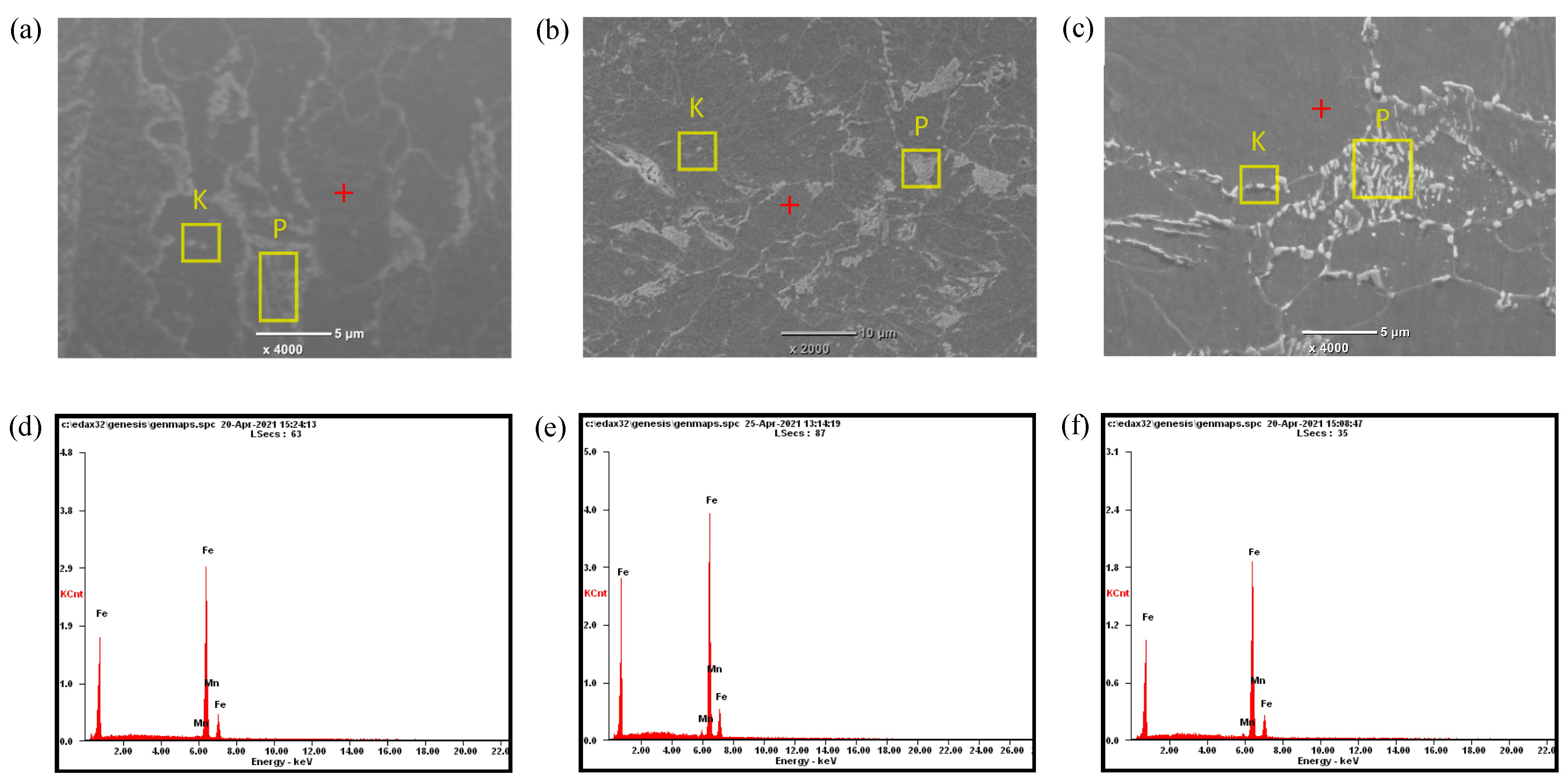
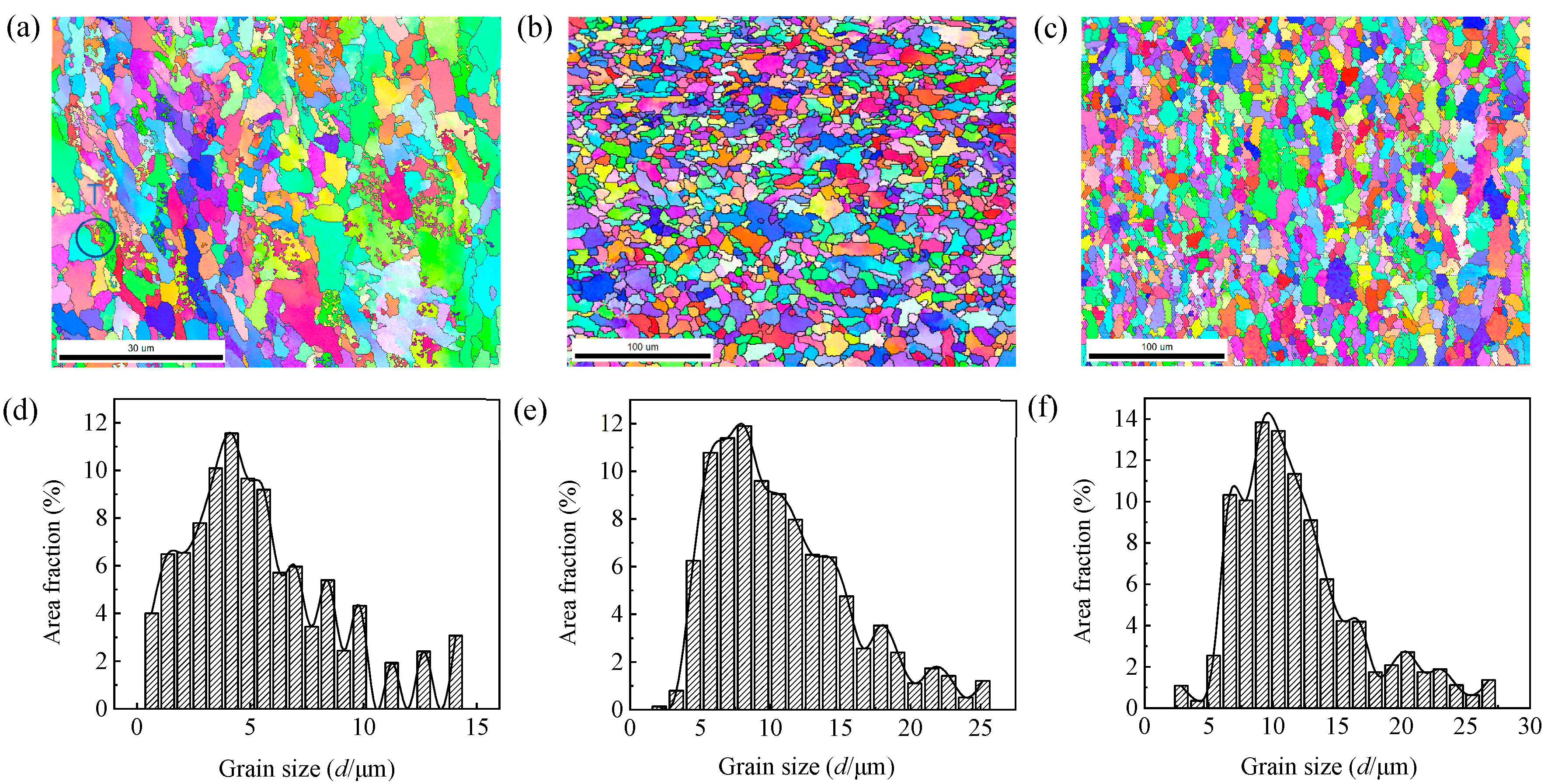
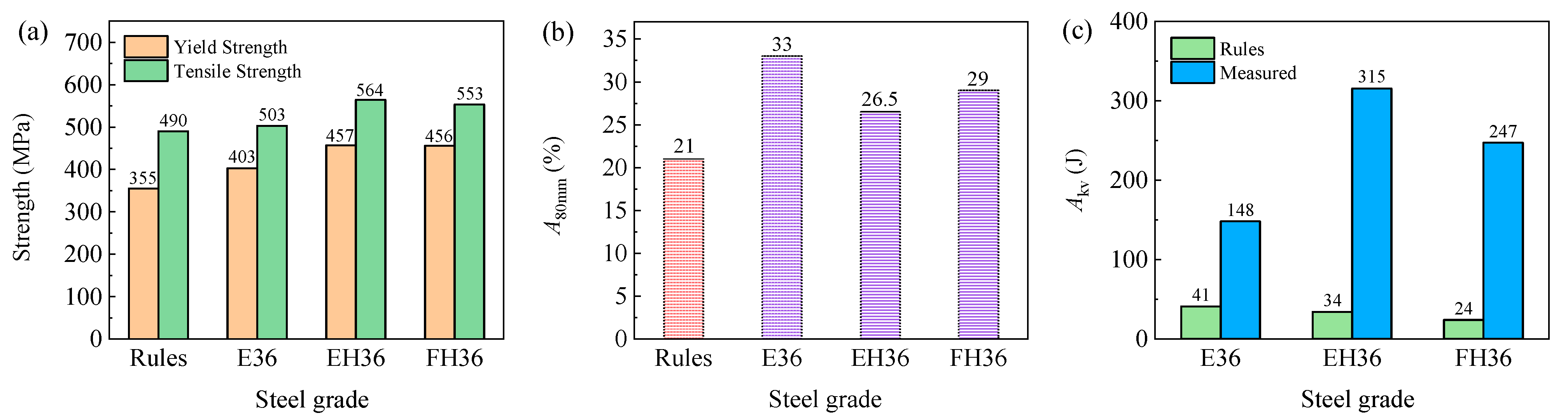
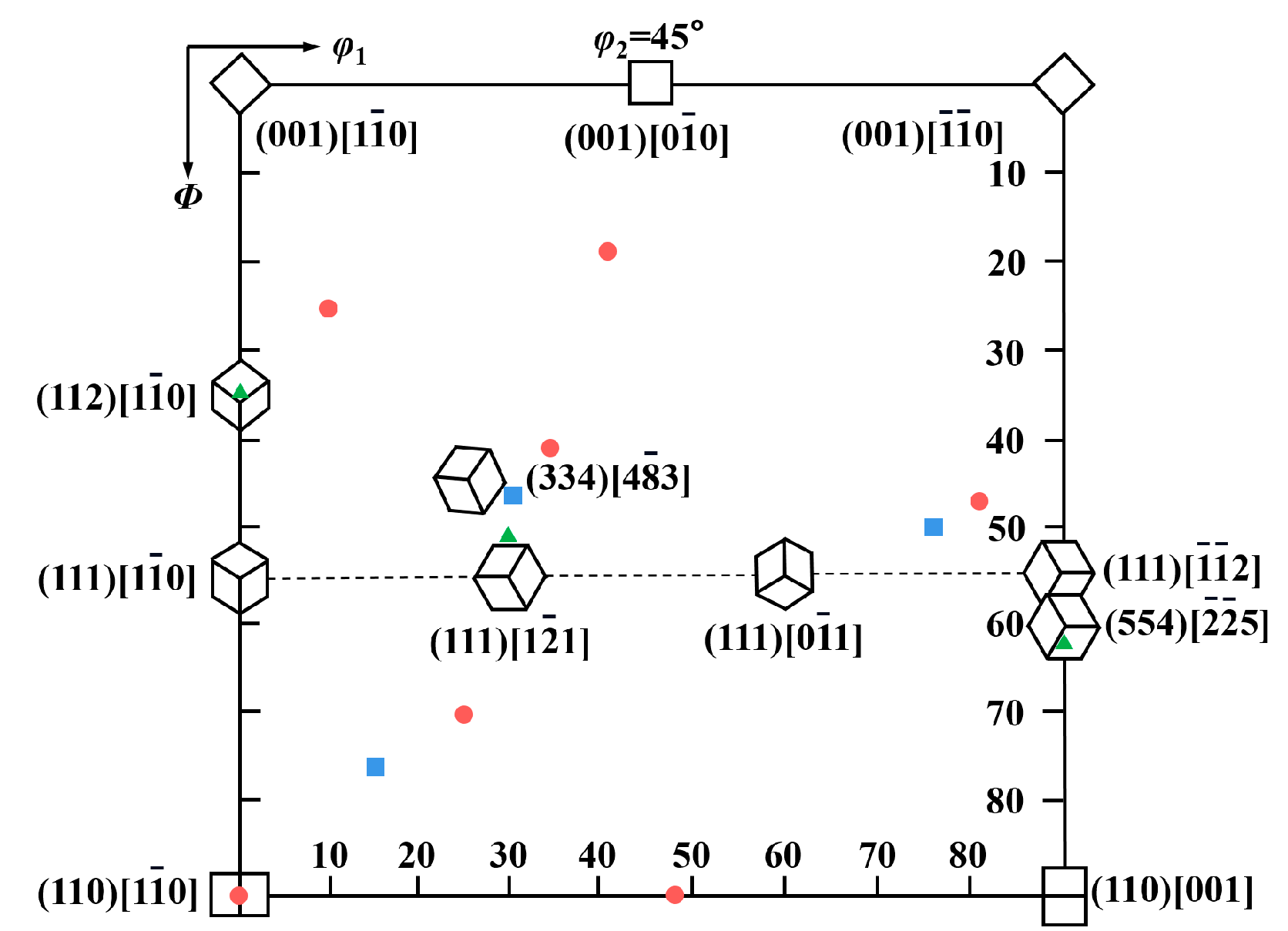
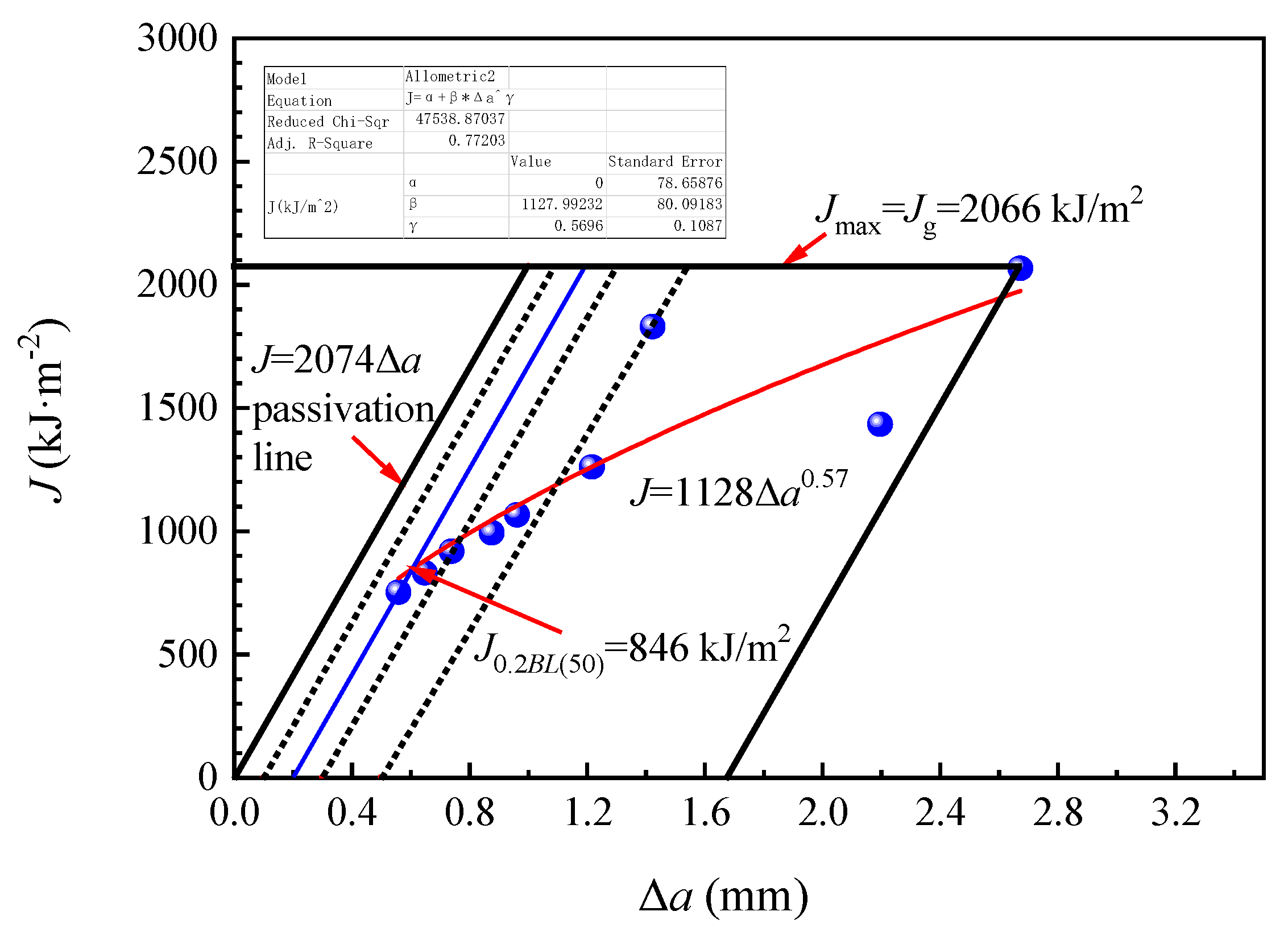
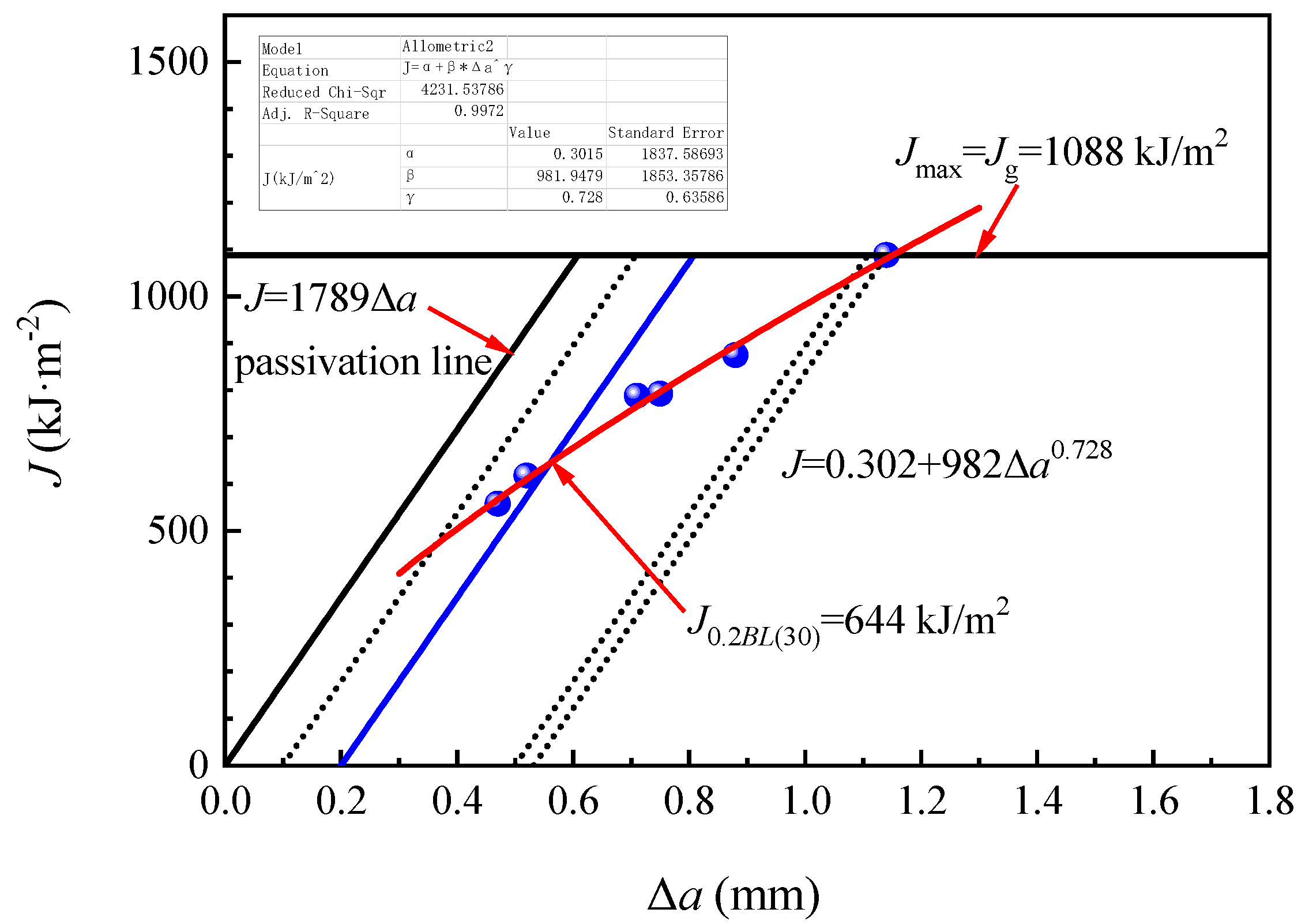
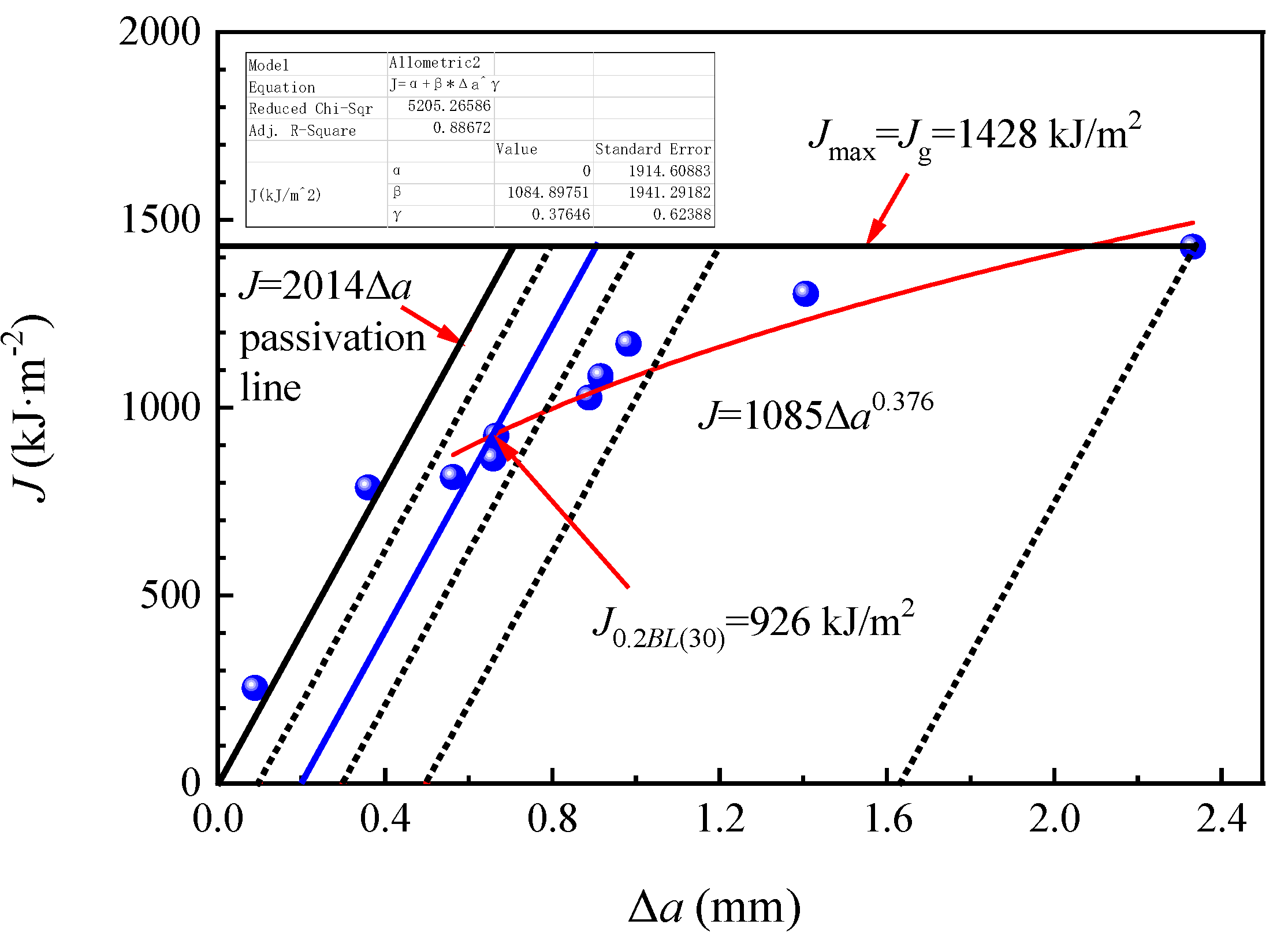
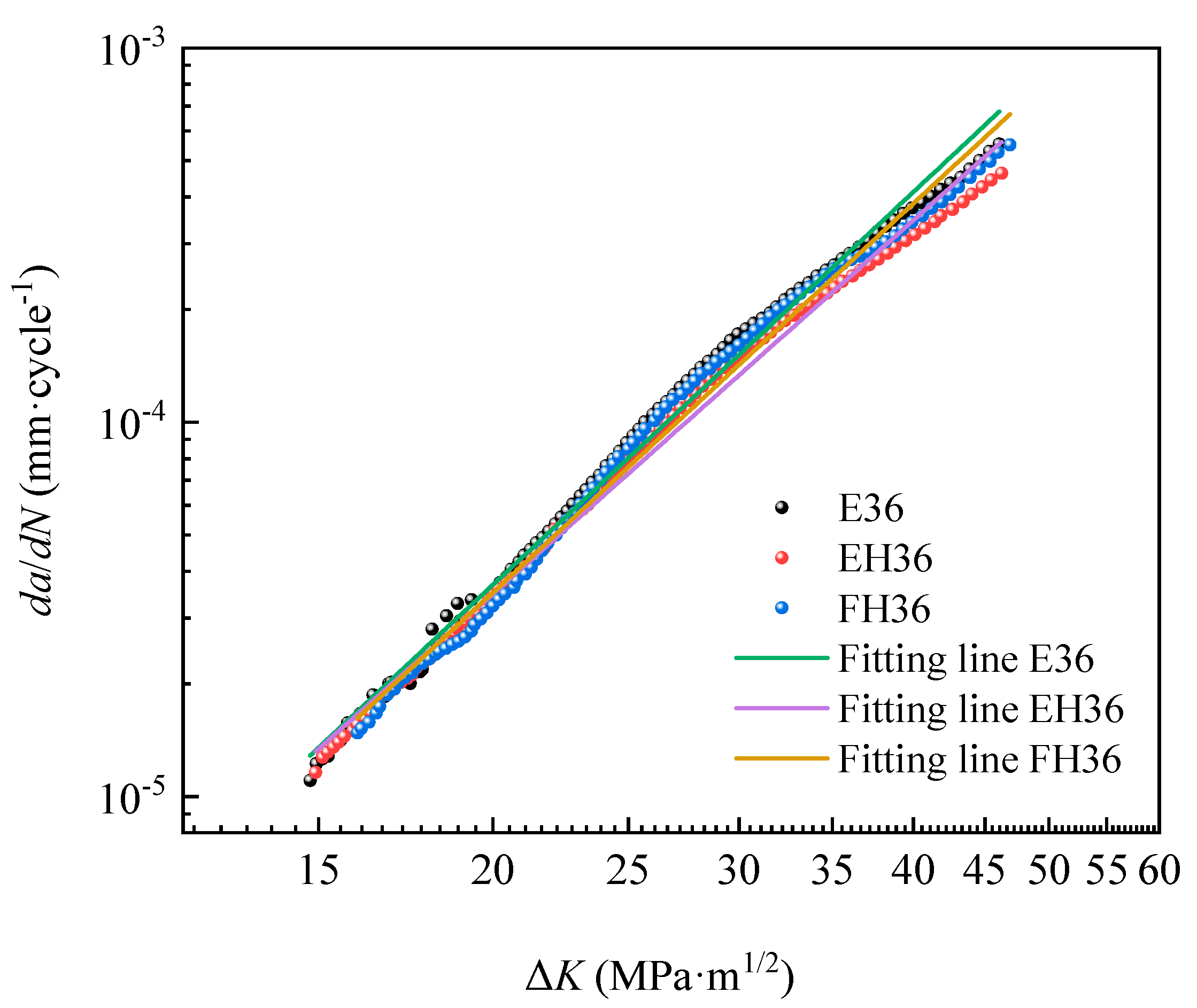
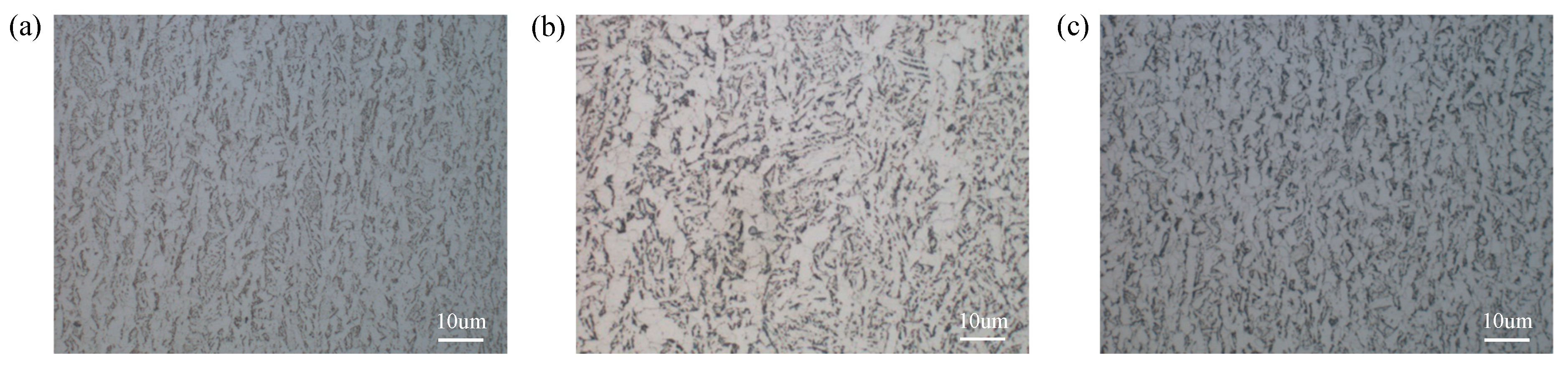
E36 ship plate steel was, respectively, produced by as rolling and normalizing process (ARNP), and EH36 and FH36 ship plate steel was produced by the thermo-mechanical control process (TMCP) with low carbon and multi-element micro-alloying. The microstructure of the three grades of ship plate steel was composed of ferrite, pearlite, and carbides at room temperature. The average grain size on 1/4 width sections (i.e., longitudinal sections) of the three grades of ship plate steel was, respectively, 5.4 μm, 10.8 μm, and 11.9 μm. EH36 and FH36 ship plate steel had the higher strength due to precipitation and grain boundary strengthening effect, while the E36 ship plate steel had the lower strength due to the recovery phenomenon in the normalizing process. EH36 and FH36 ship plate steel had higher impact toughness due to lower carbon (C) and silicon (Si) content and higher manganese (Mn) content than E36 ship plate steel. E36 ship plate steel had the best plasticity due to the two strong {110} and {111} texture components. The fracture toughness KJ0.2BL(30) values of E36 and EH36 and KJ0.2BL value of FH36 ship plate steel were, respectively, obtained at 387 MPa·m1/2, 464 MPa·m1/2 and 443 MPa·m1/2. EH36 and FH36 ship plate steel had higher KJ0.2BL(30) due to lower C and Si and higher Mn, niobium (Nb), vanadium (V), and aluminum (Al) content than the E36 ship plate steel. The fatigue crack growth rate of E36 ship plate steel was higher than that of EH36 and FH36 ship plate steel due to its higher carbon content and obviously smaller grain size. The analysis results and data may provide a necessary experimental basis for quantitatively establishing the relationship between fracture toughness, yield strength and impact toughness, as well as the relationship between fatigue crack growth rate and both strength and fracture toughness.
Keywords: ship plate steel; normalizing process; TMCP; EBSD analysis; fracture toughness; fatigue crack growth rate ship plate steel; normalizing process; TMCP; EBSD analysis; fracture toughness; fatigue crack growth rate