Article

Biofabrication of a Low Modulus Bioelectroprobe for Neurons to Grow Into
1
State Key Laboratory for Manufacturing System Engineering, Xi’an Jiaotong University, Xi’an 710054, China
2
School of Mechanical Engineering, Xi’an Jiaotong University, Xi’an 710054, China
3
Department of Pharmacology, School of Pharmacy, Fourth Military Medical University, Xi’an 710032, China
*
Author to whom correspondence should be addressed.
Materials 2021, 14(16), 4718; https://doi.org/10.3390/ma14164718
Submission received: 23 June 2021 / Revised: 29 July 2021 / Accepted: 17 August 2021 / Published: 21 August 2021
(This article belongs to the Special Issue Biopolymer-Based Materials for Biomedical Engineering)

Abstract

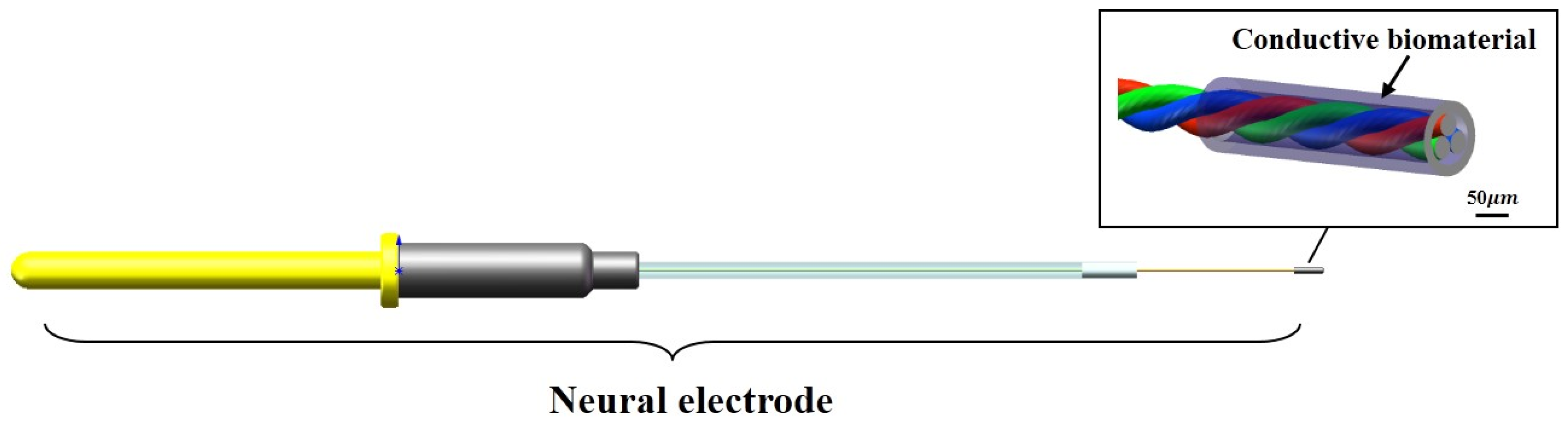
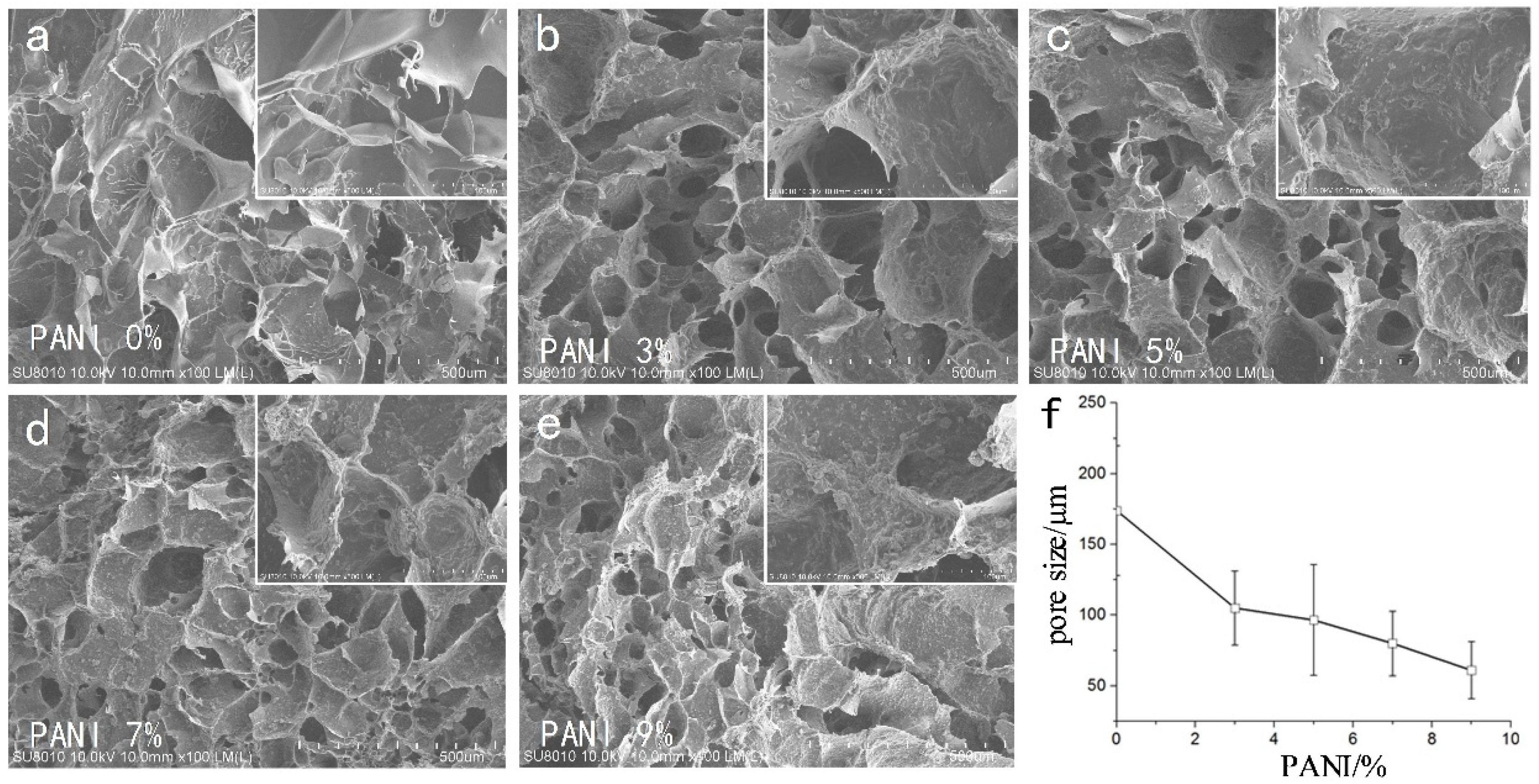
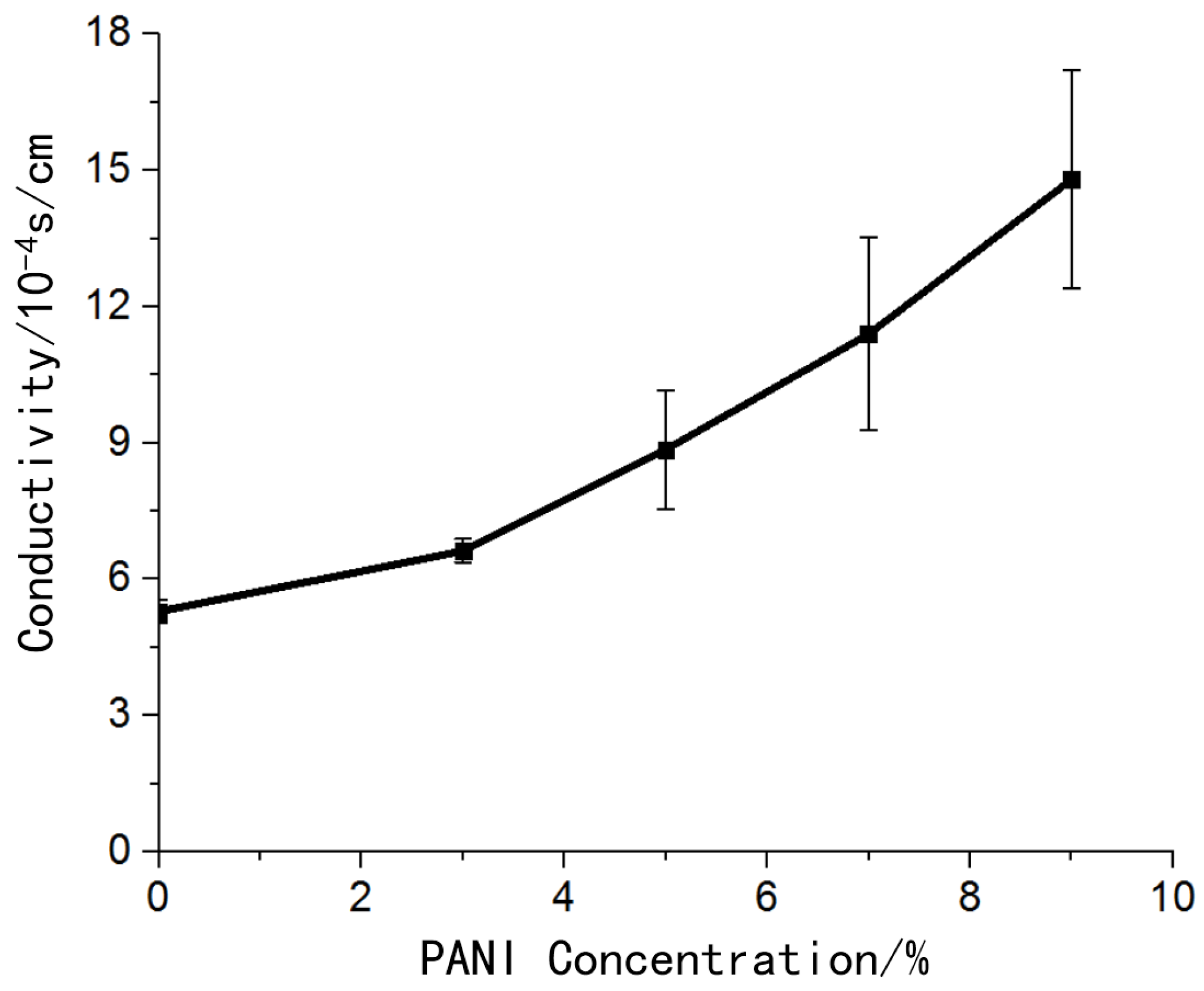
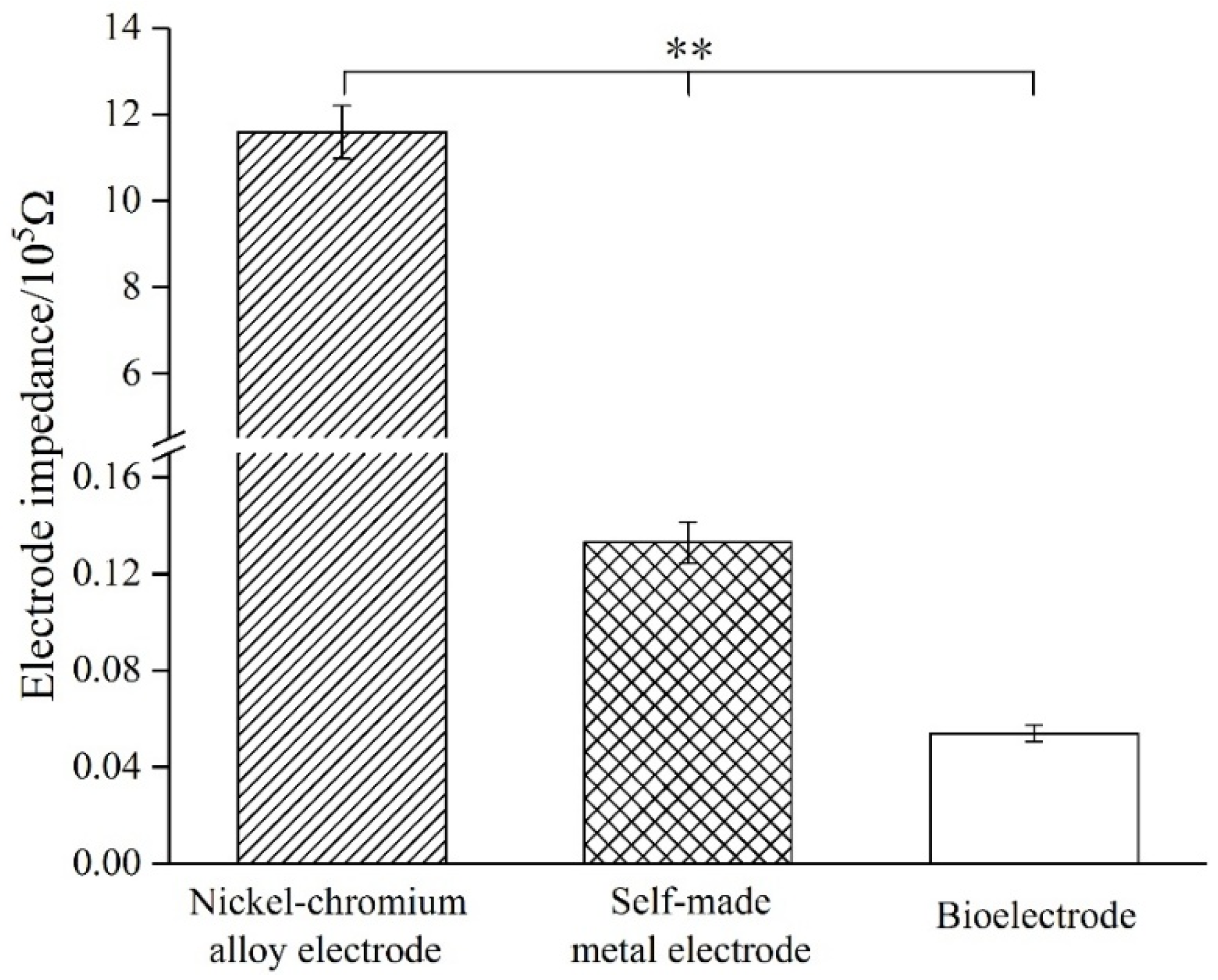
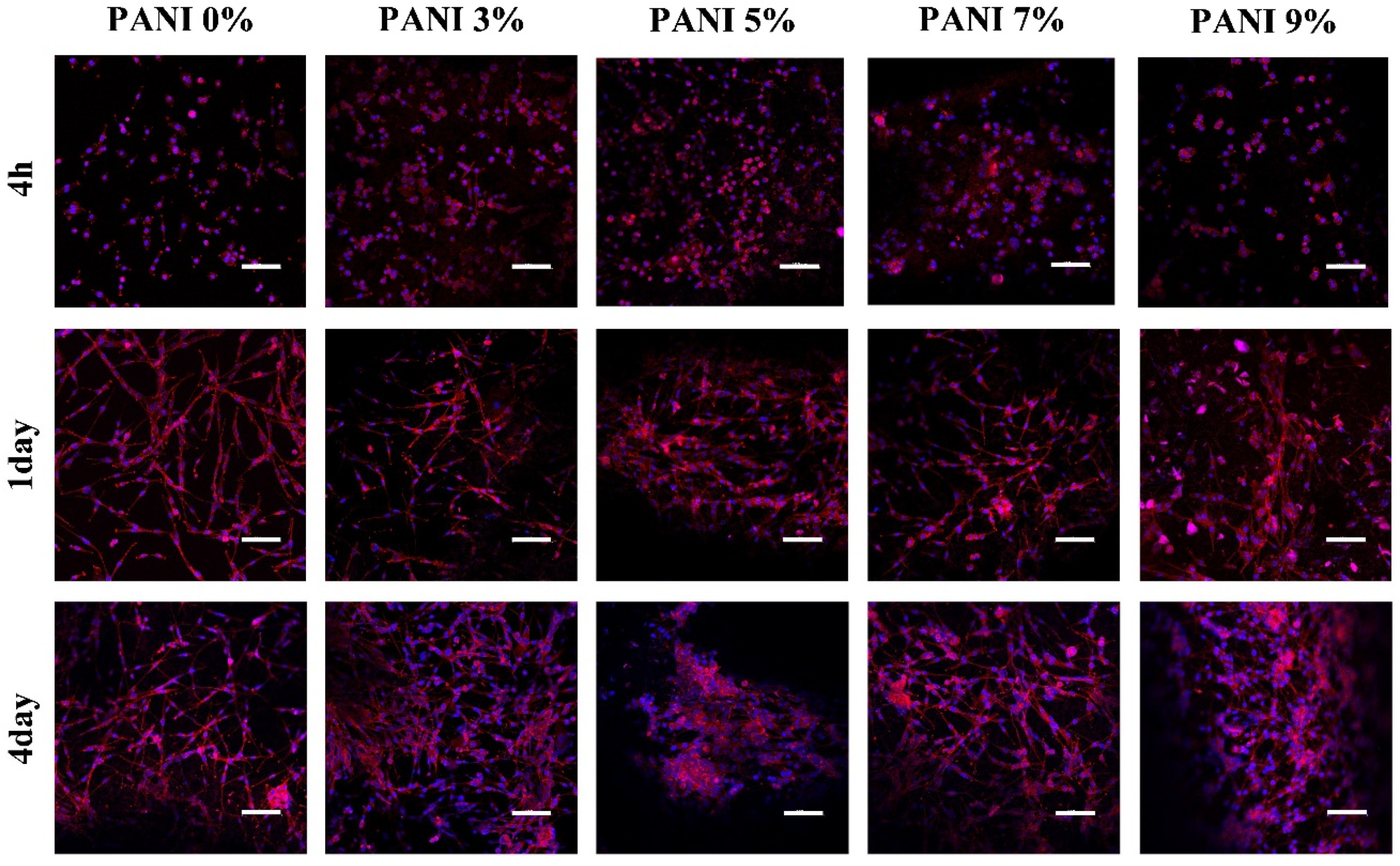
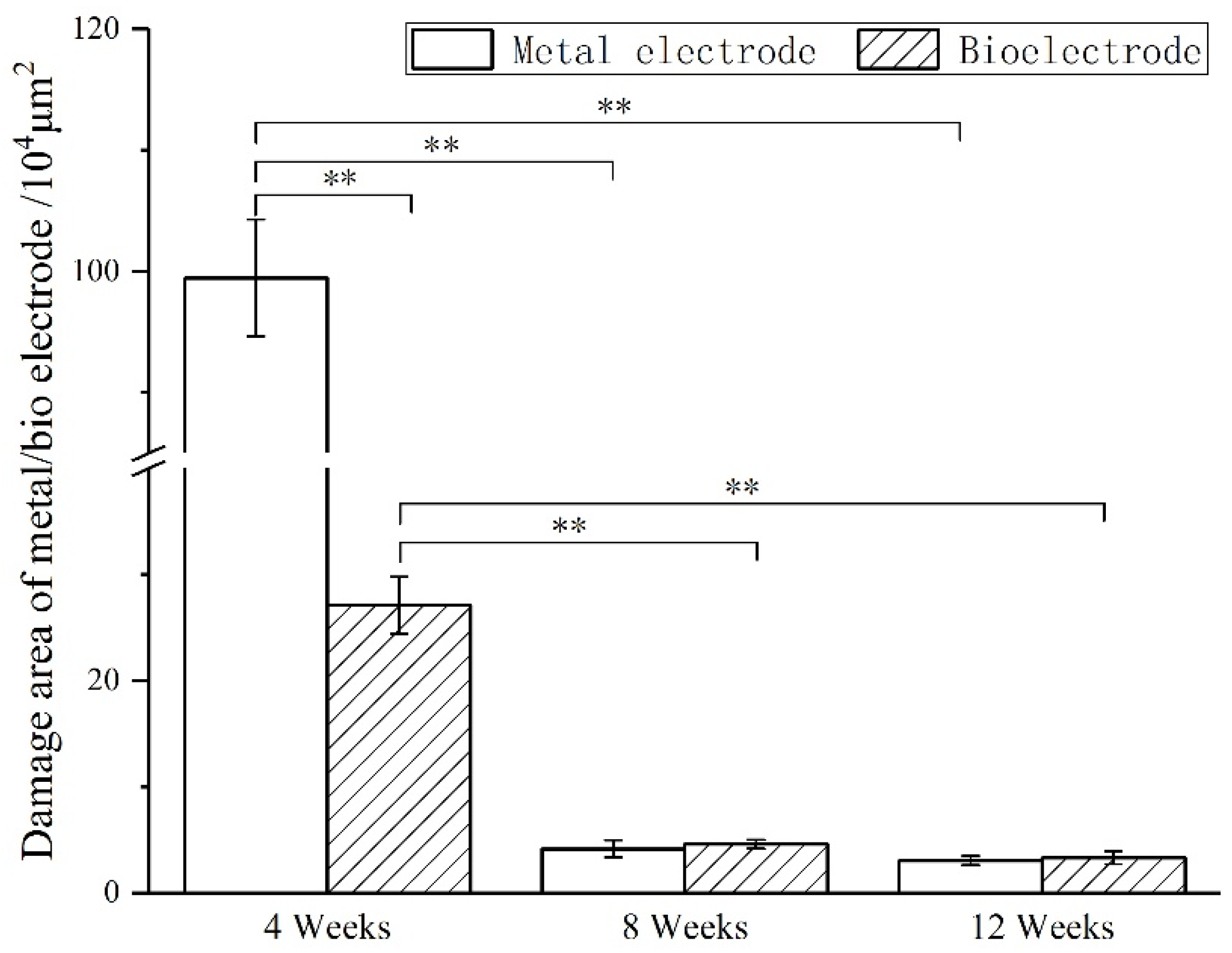
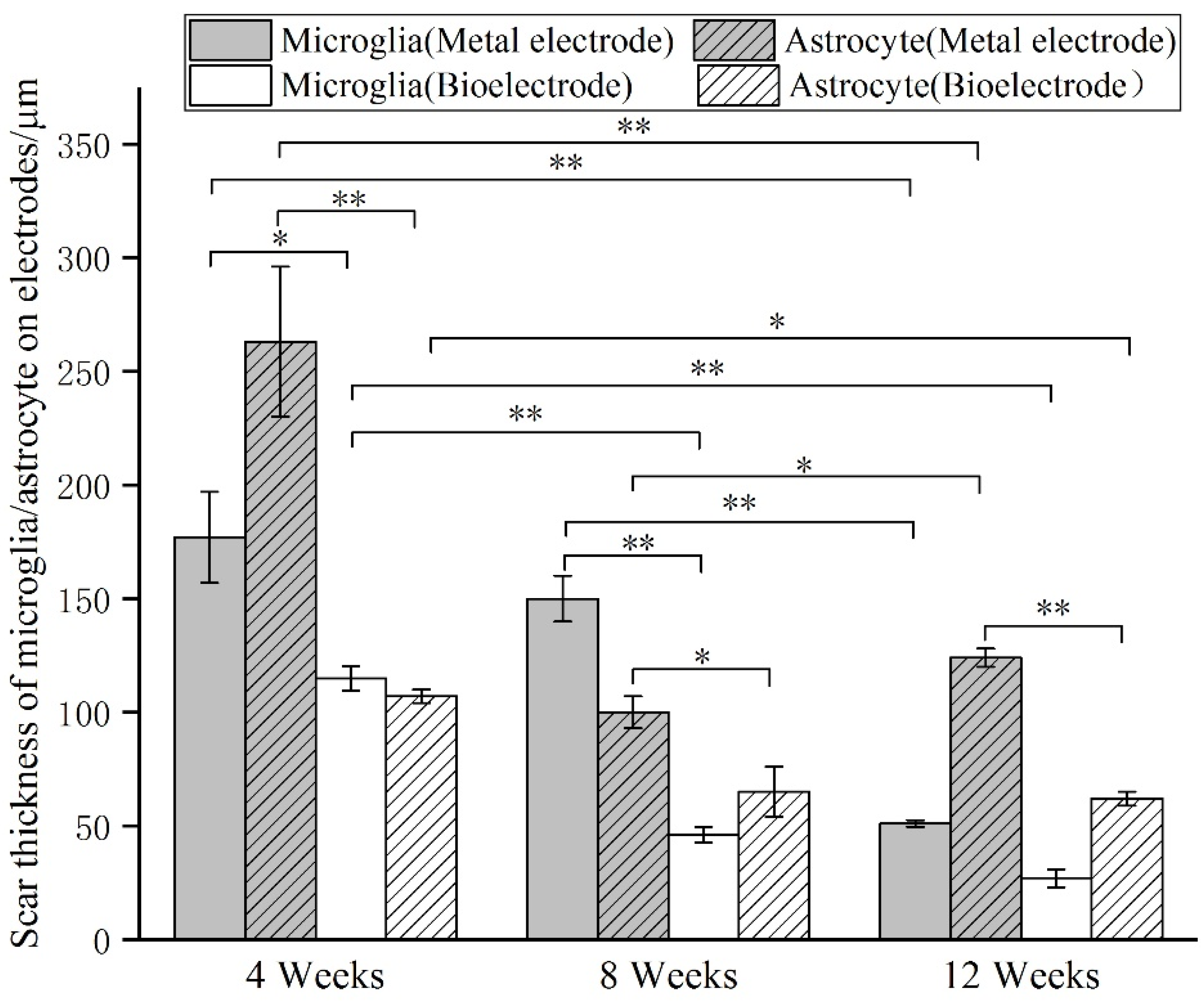
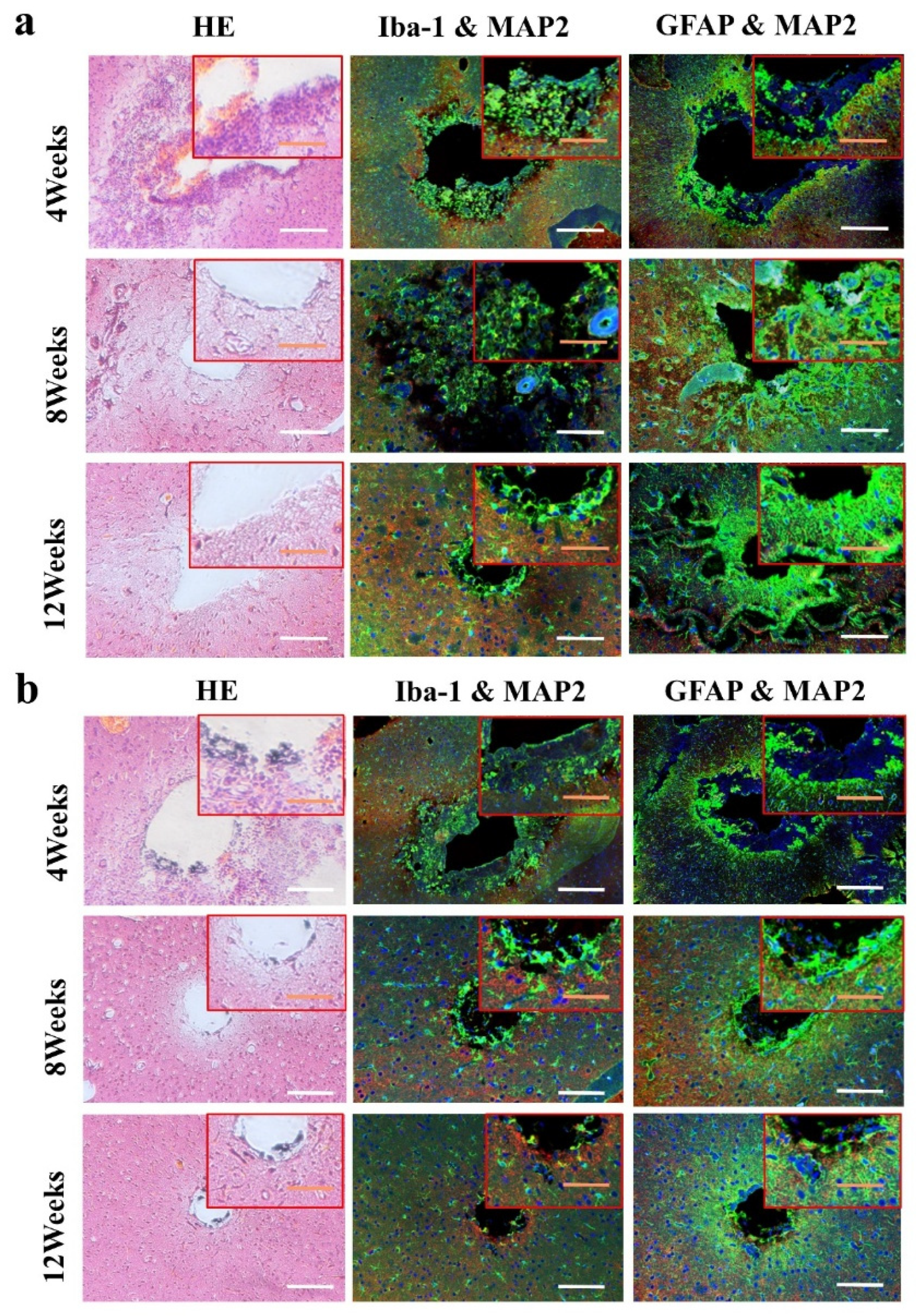
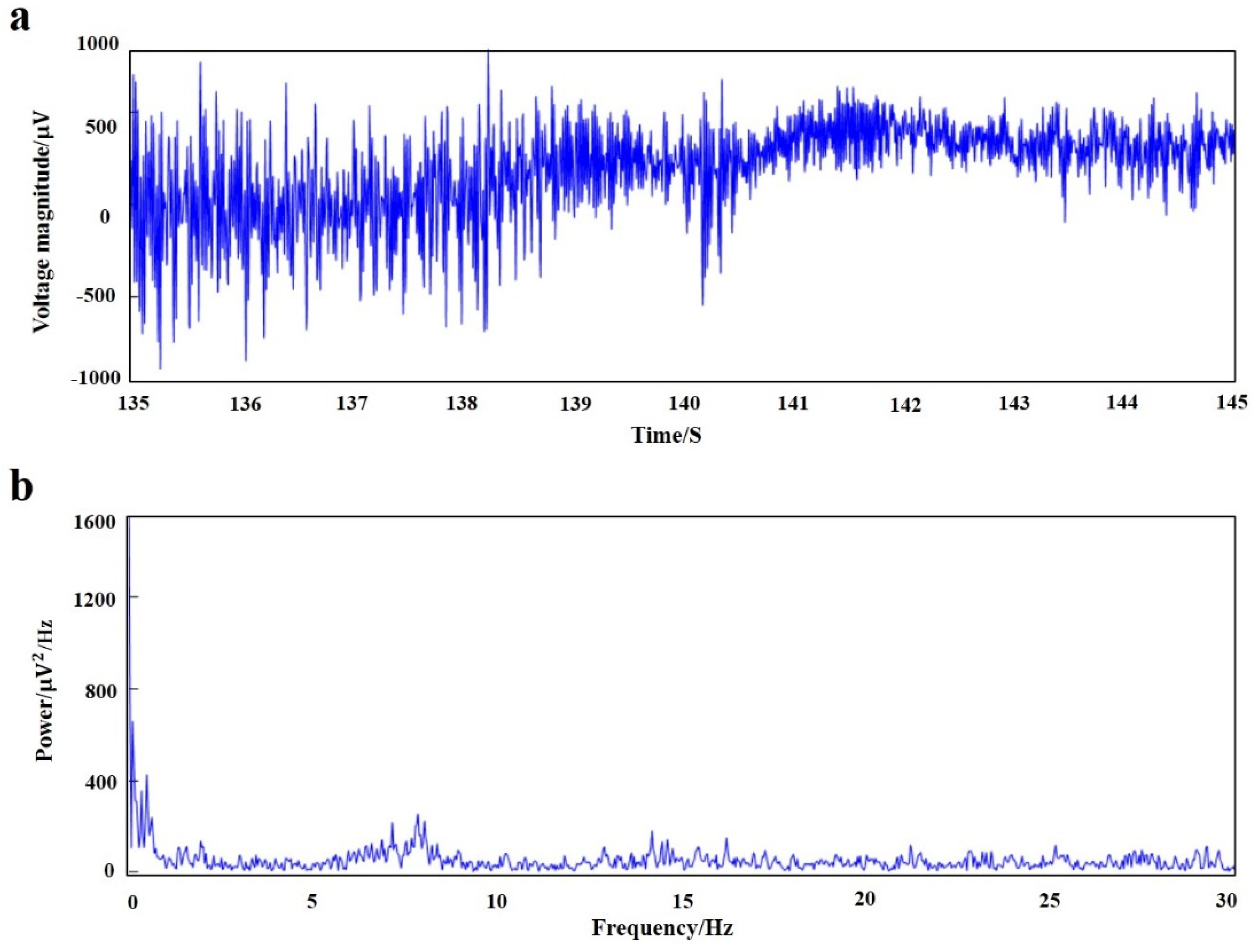
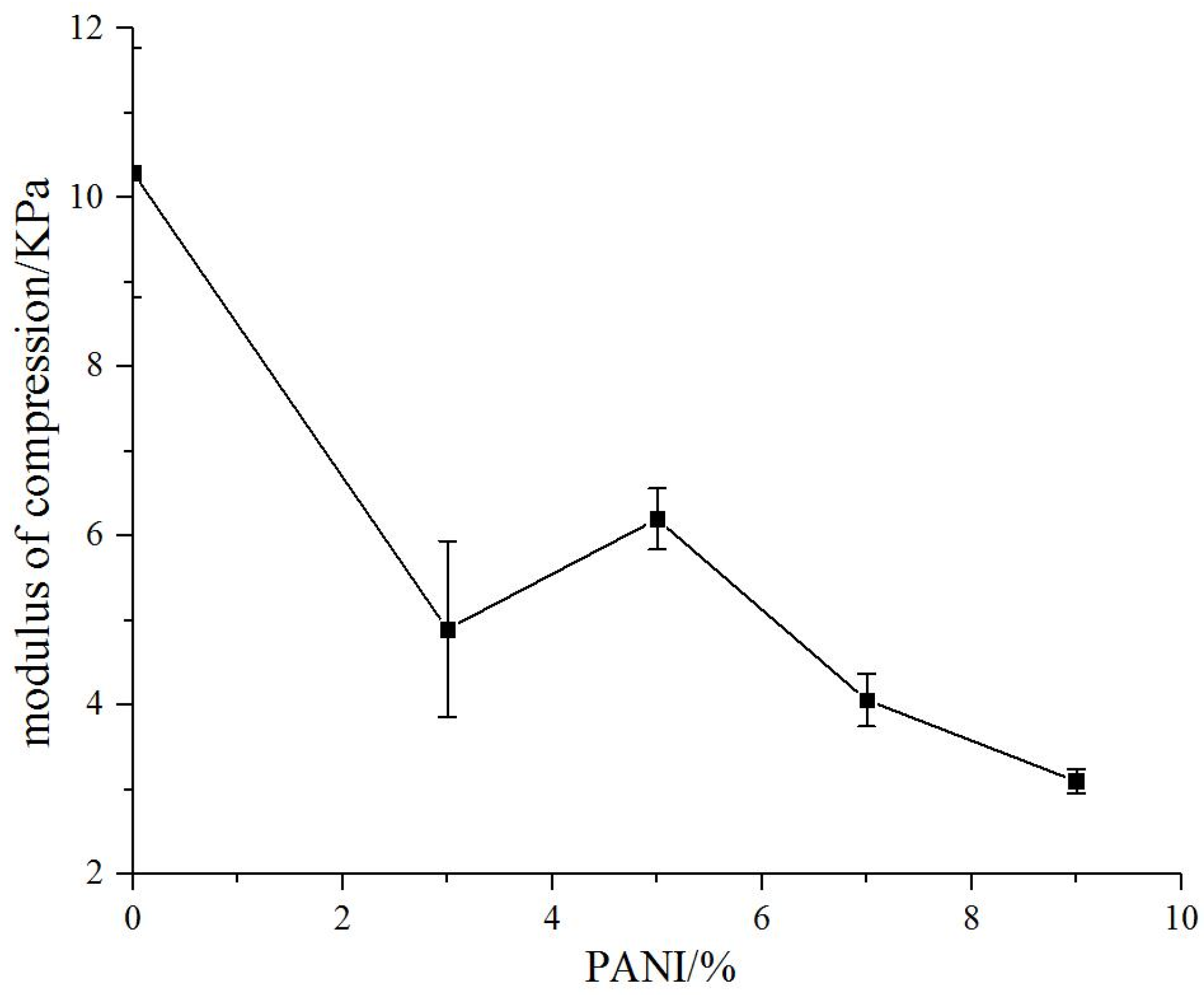
Implantable nerve electrodes, as a bridge between the brain and external devices, have been widely used in areas such as brain function exploration, neurological disease treatment and human–computer interaction. However, the mechanical properties mismatch between the electrode material and the brain tissue seriously affects the stability of electrode signal acquisition and the effectiveness of long-term service in vivo. In this study, a modified neuroelectrode was developed with conductive biomaterials. The electrode has good biocompatibility and a gradient microstructure suitable for cell growth. Compared with metal electrodes, bioelectrodes not only greatly reduced the elastic modulus (<10 kpa) but also increased the conductivity of the electrode by 200 times. Through acute electrophysiological analysis and a 12-week chronic in vivo experiment, the bioelectrode clearly recorded the rat’s brain electrical signals, effectively avoided the generation of glial scars and induced neurons to move closer to the electrode. The new conductive biomaterial electrodes developed in this research make long-term implantation of cortical nerve electrodes possible.
Keywords: neural electrode; conductive biomaterial; polyaniline; glial response neural electrode; conductive biomaterial; polyaniline; glial response