Article

Hydroforming of Toroidal Bellows: Process Simulation and Quality Control

1
Institute of Mechanical and Electrical Engineering, Beijing University of Chemical Technology, Beijing 100029, China
2
Dalian Yiduo Pipeline Limited Company, Dalian 116318, China
*
Authors to whom correspondence should be addressed.
Materials 2021, 14(1), 142; https://doi.org/10.3390/ma14010142
Submission received: 9 November 2020 / Revised: 23 December 2020 / Accepted: 24 December 2020 / Published: 31 December 2020

Abstract

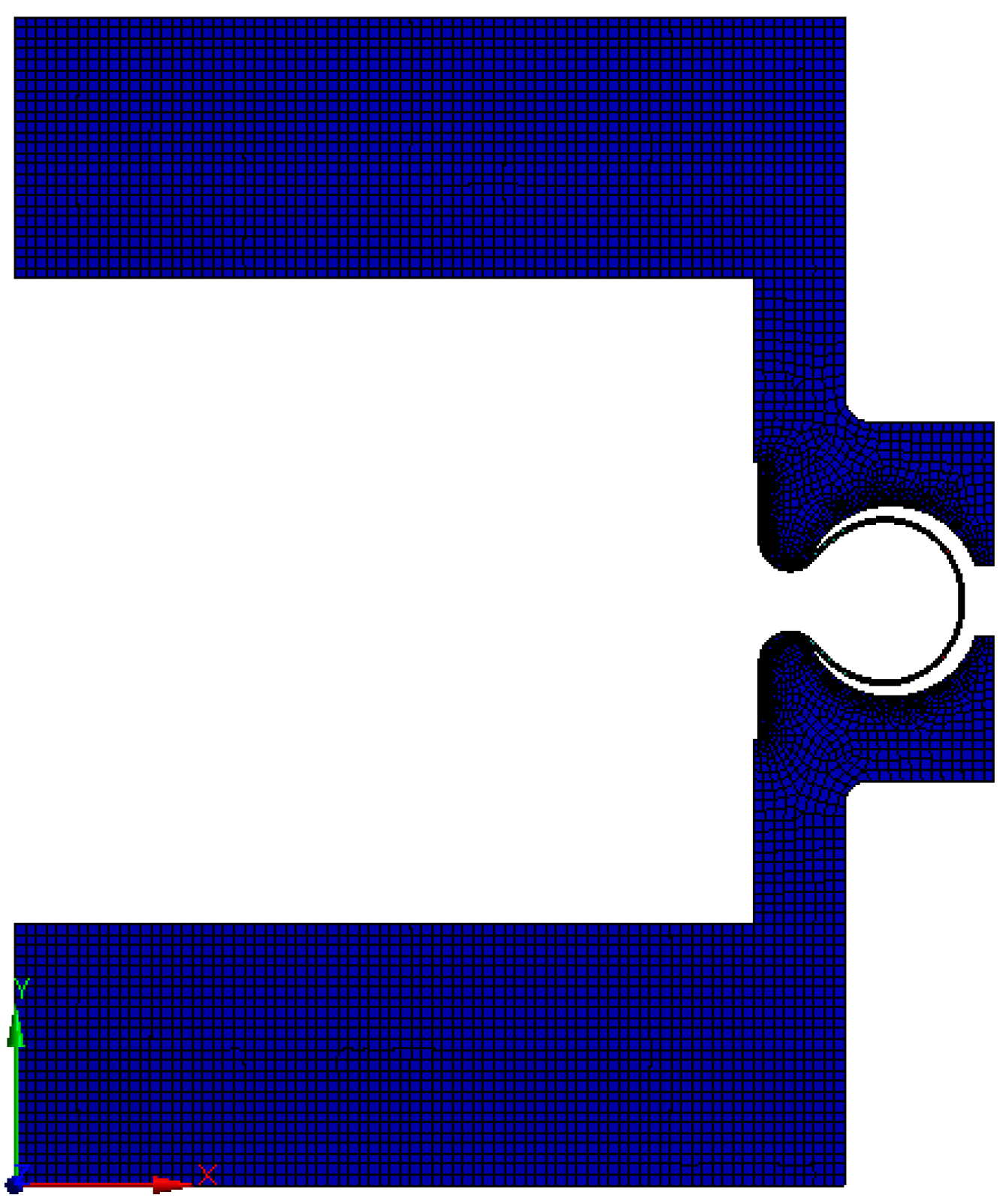
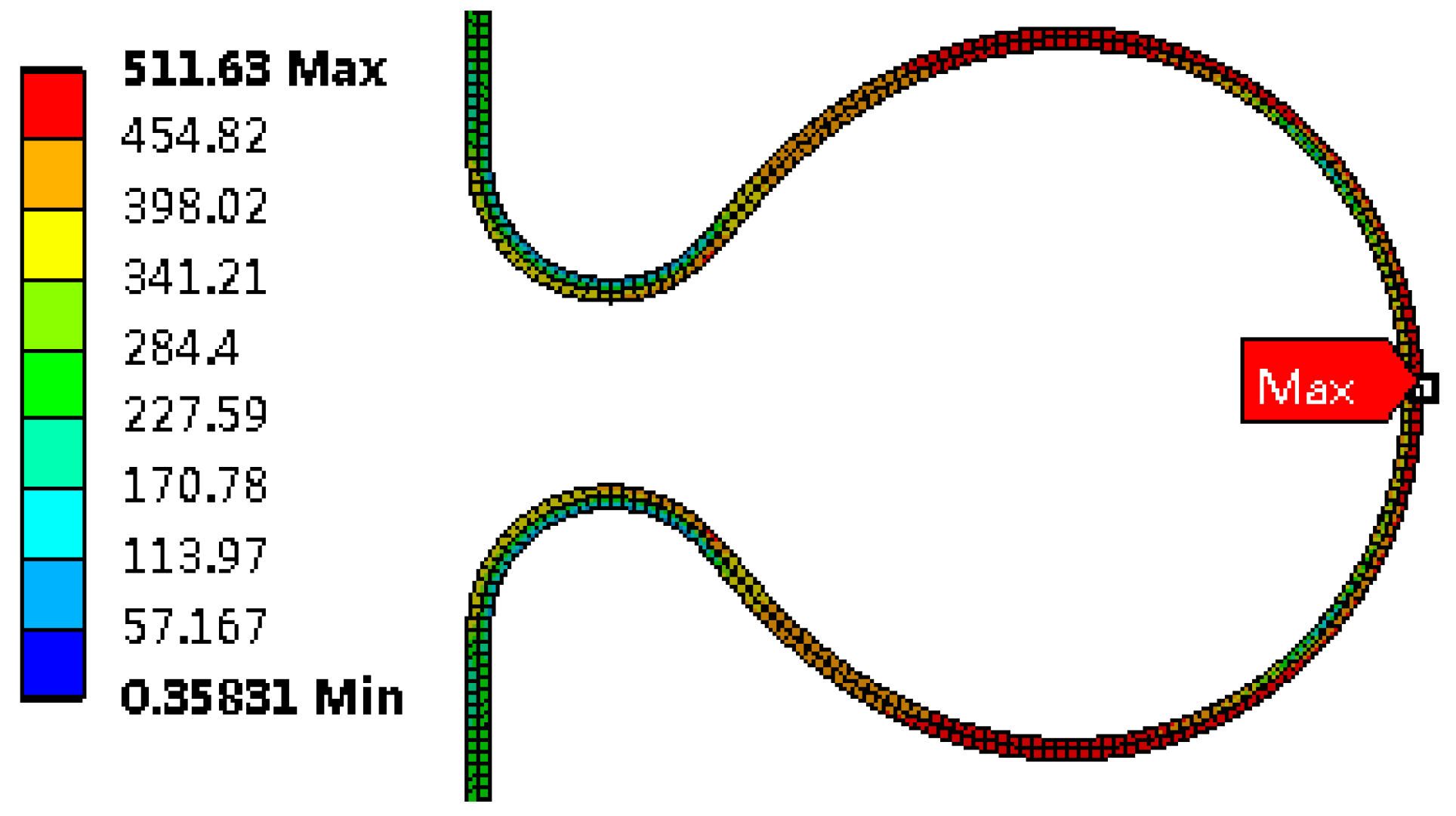
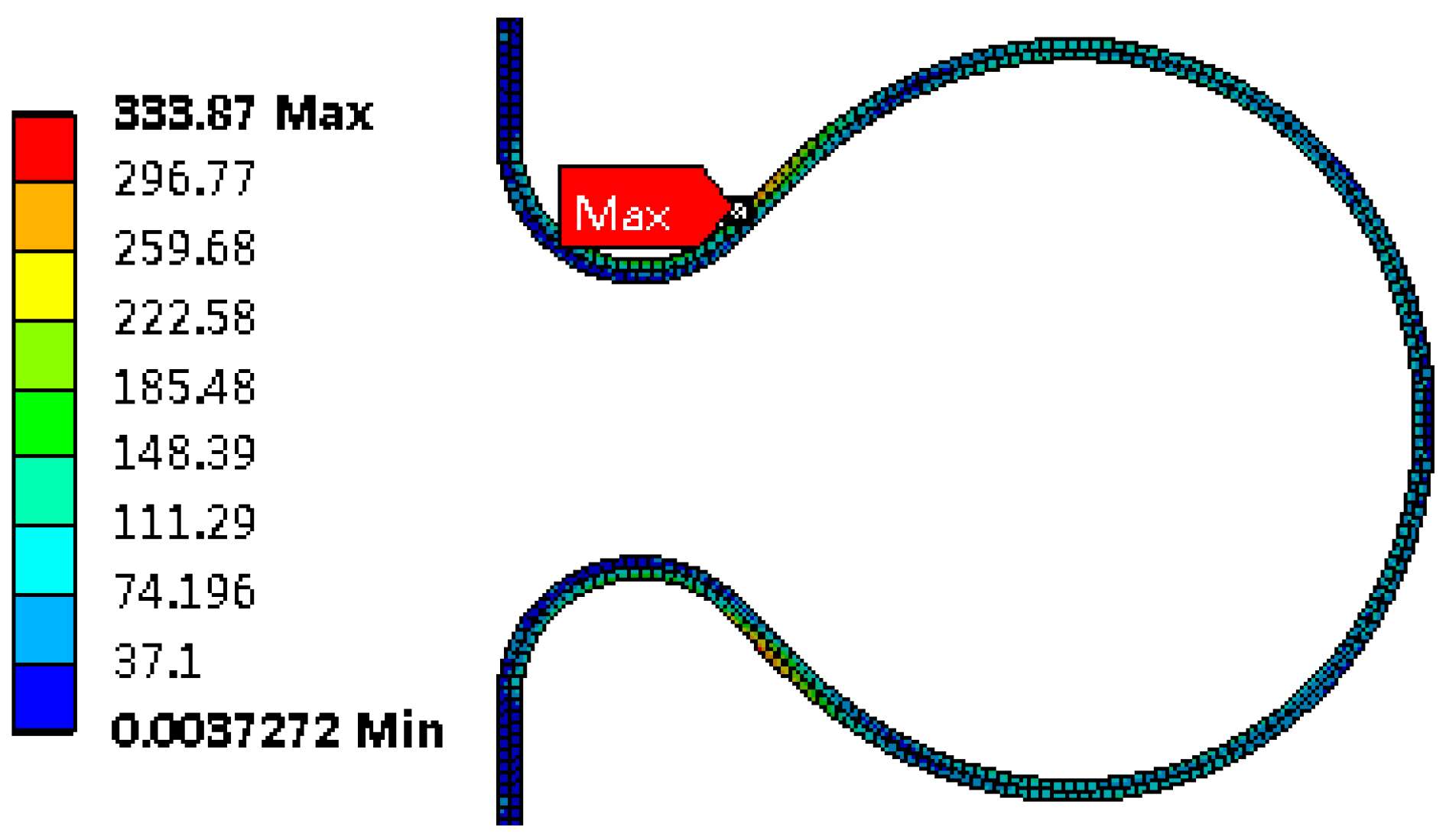
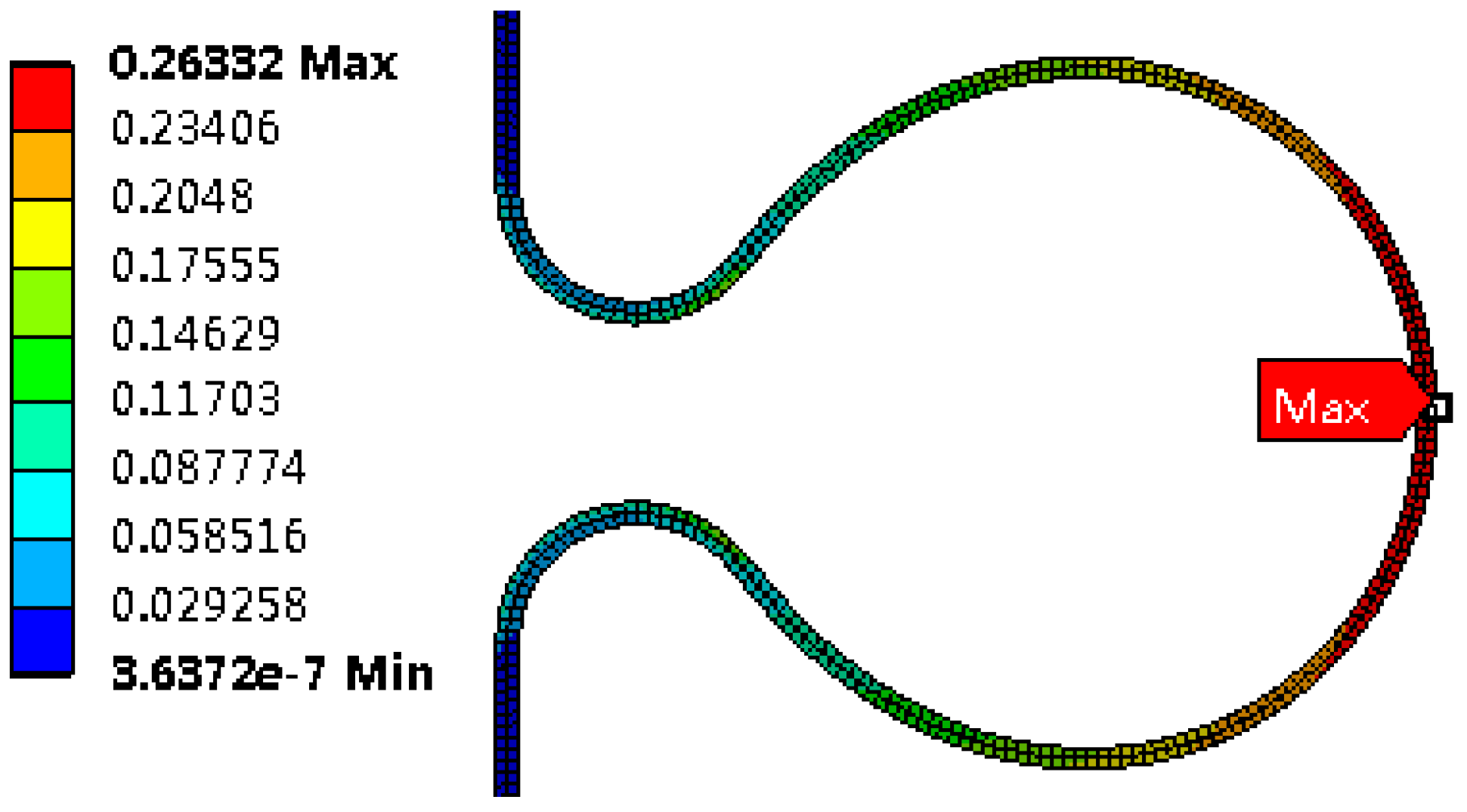
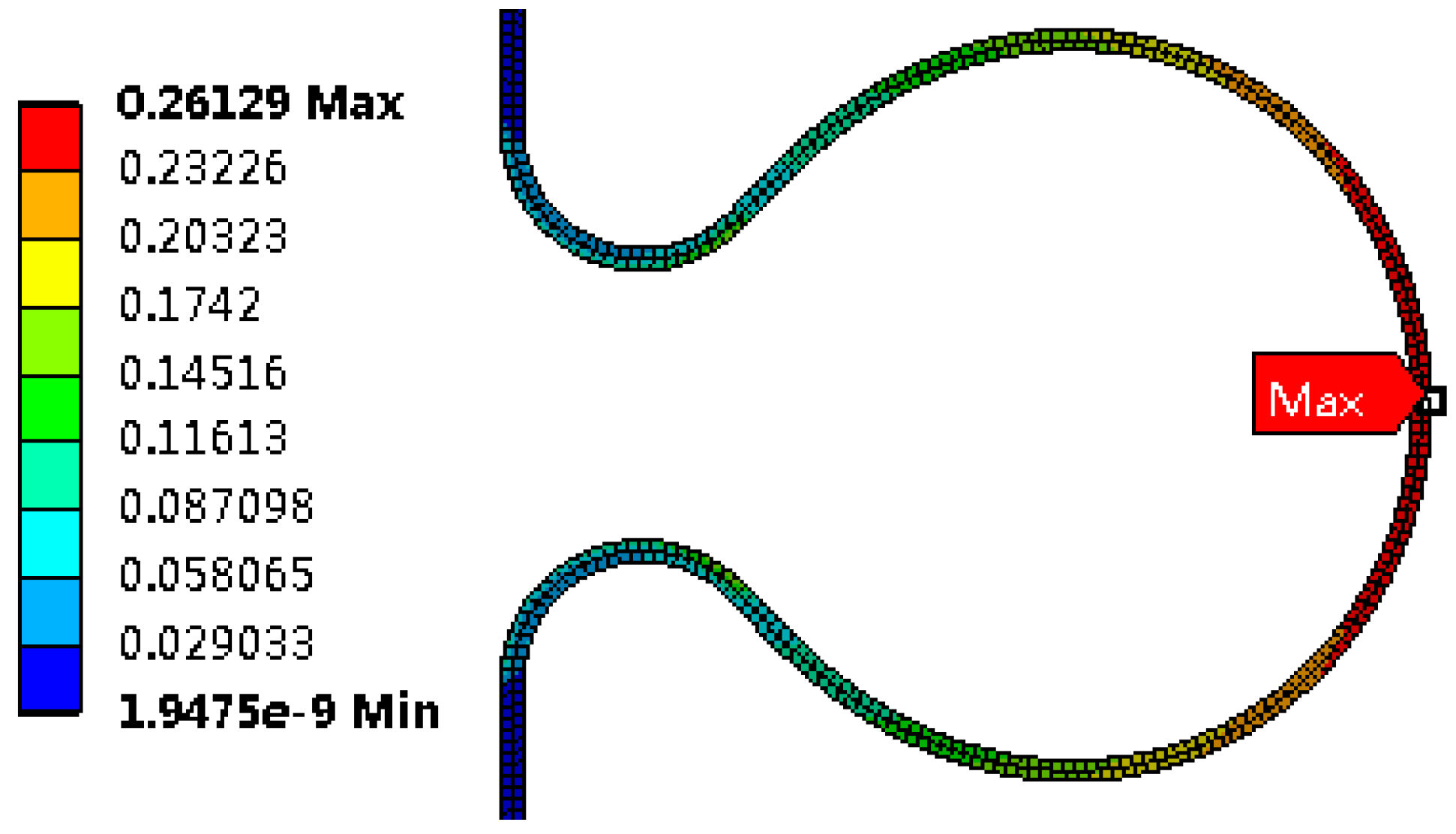
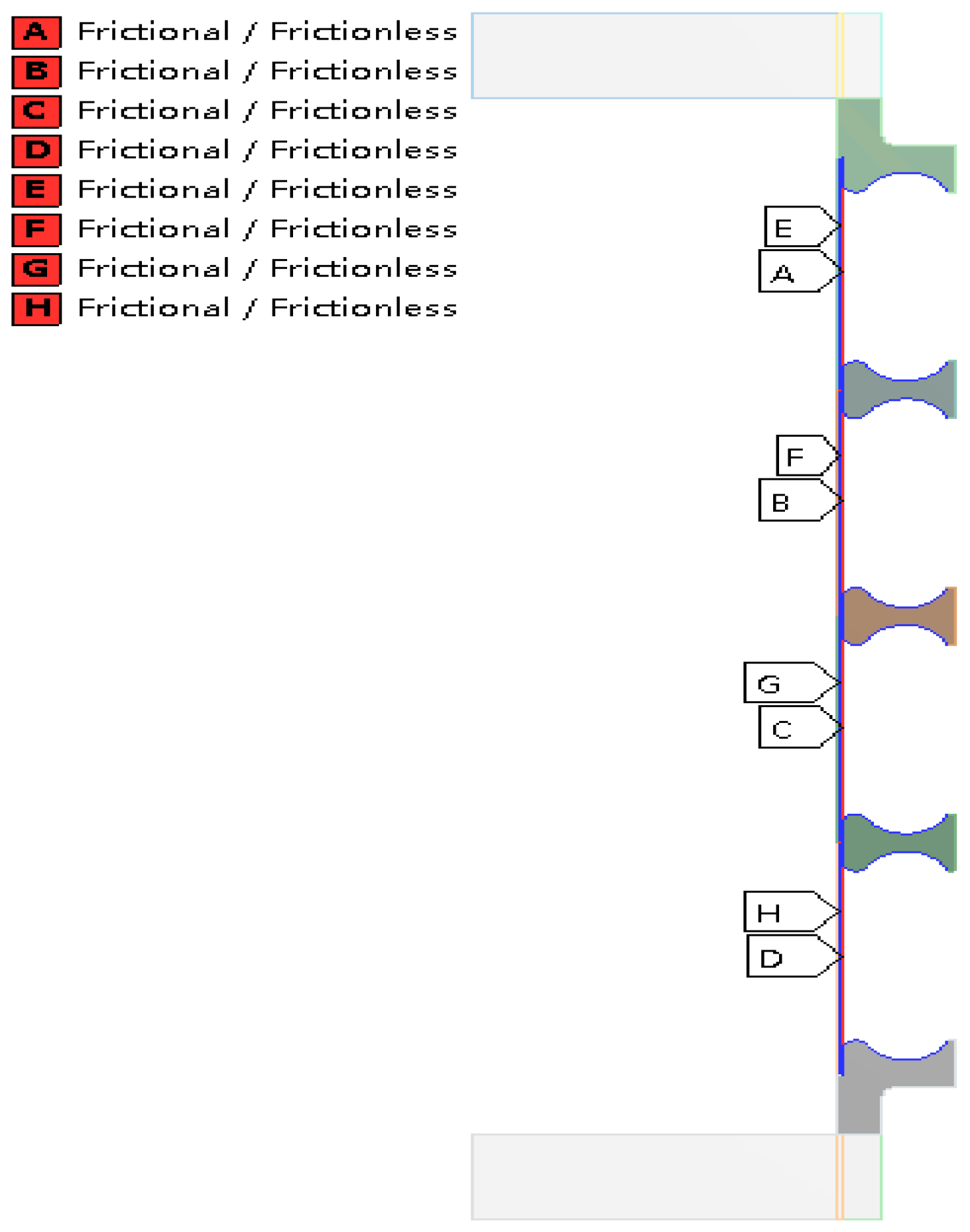
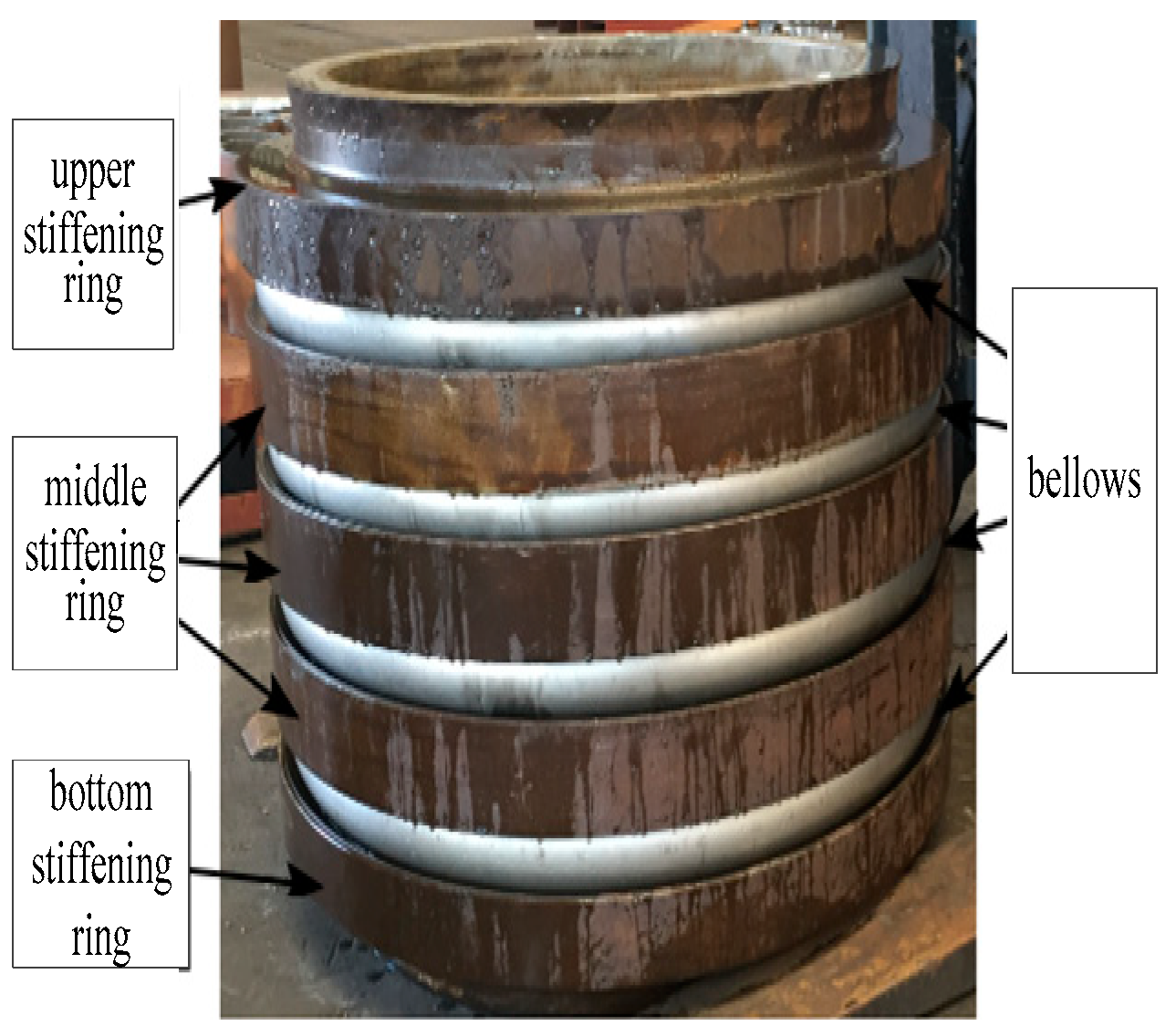
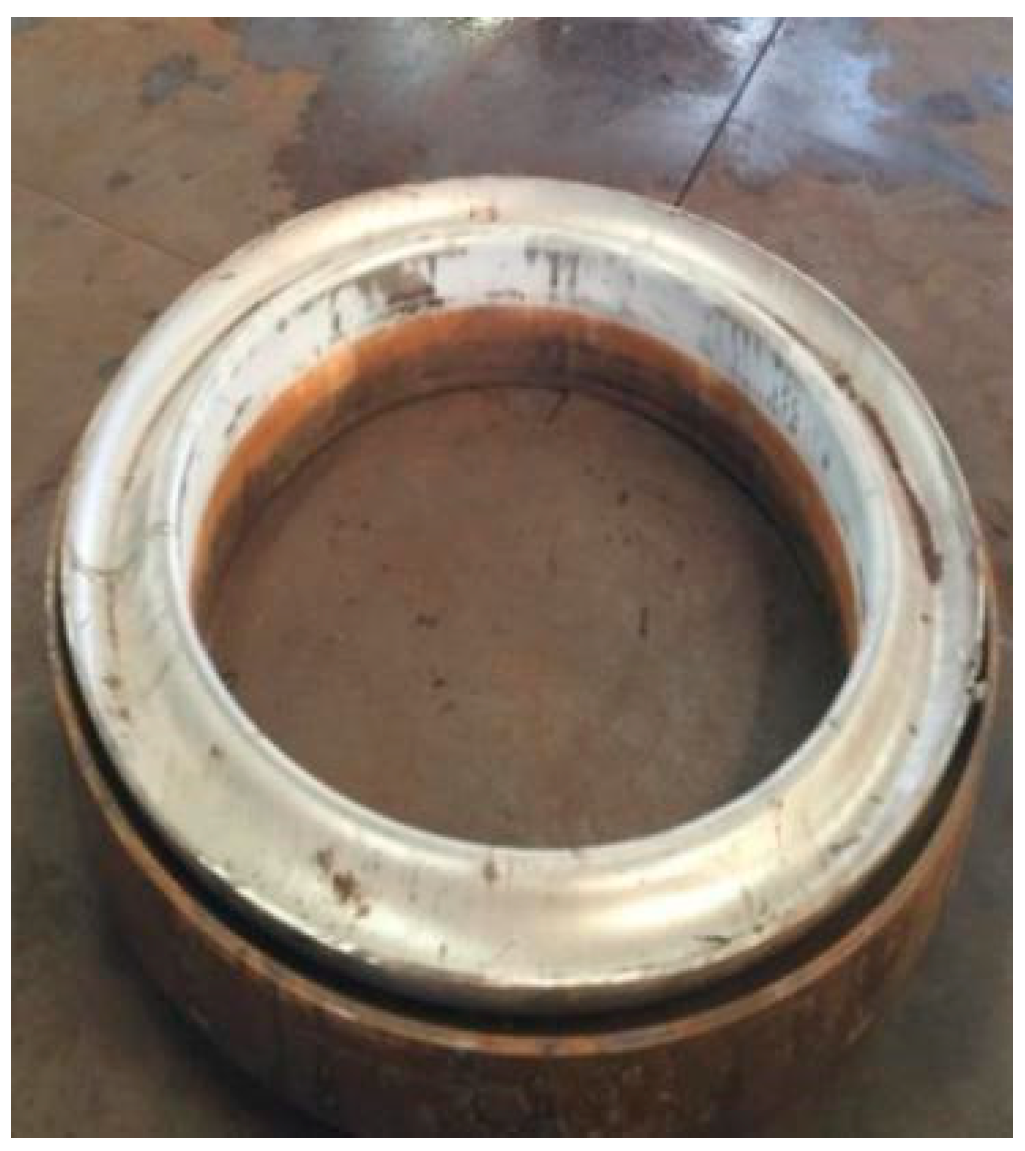
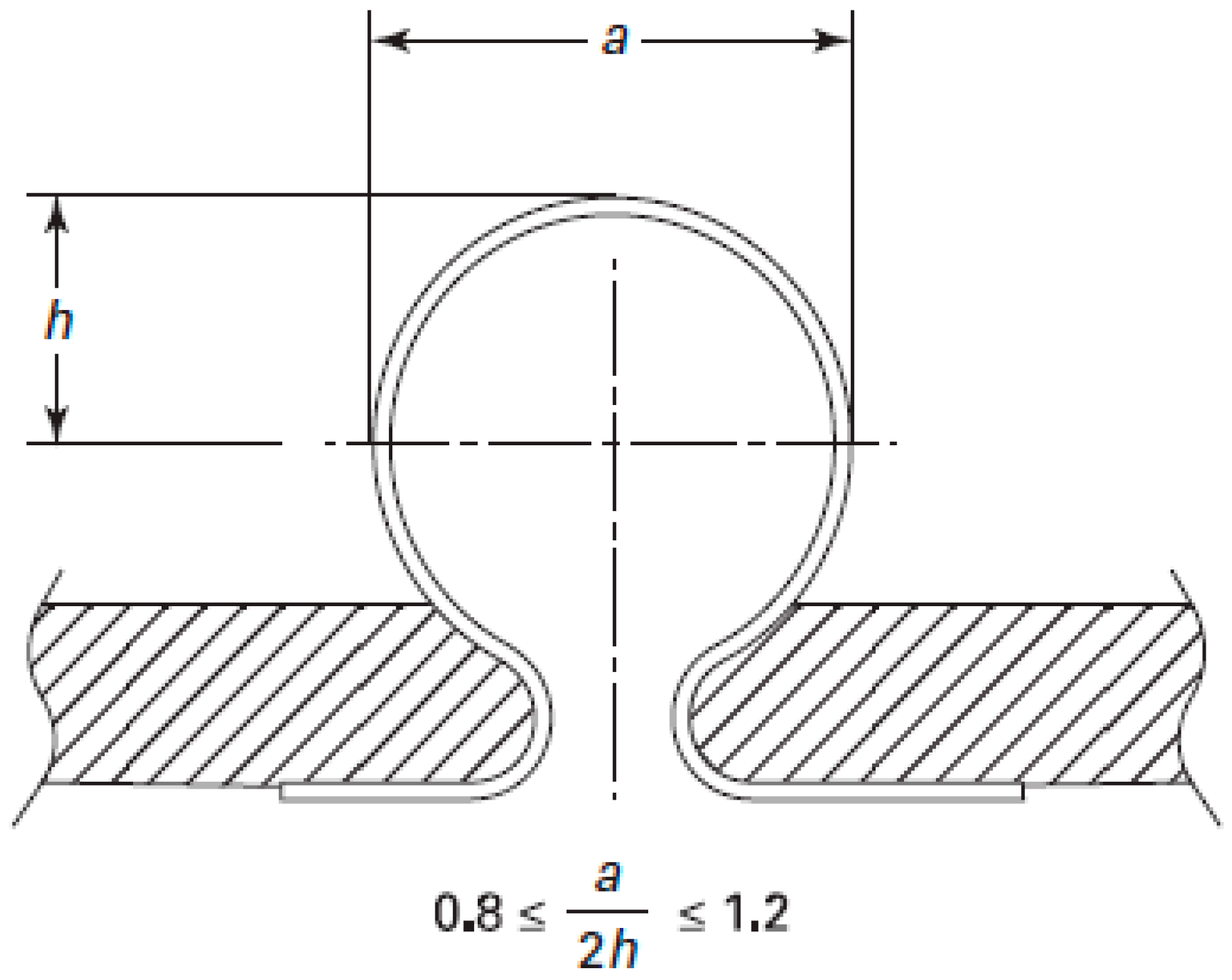
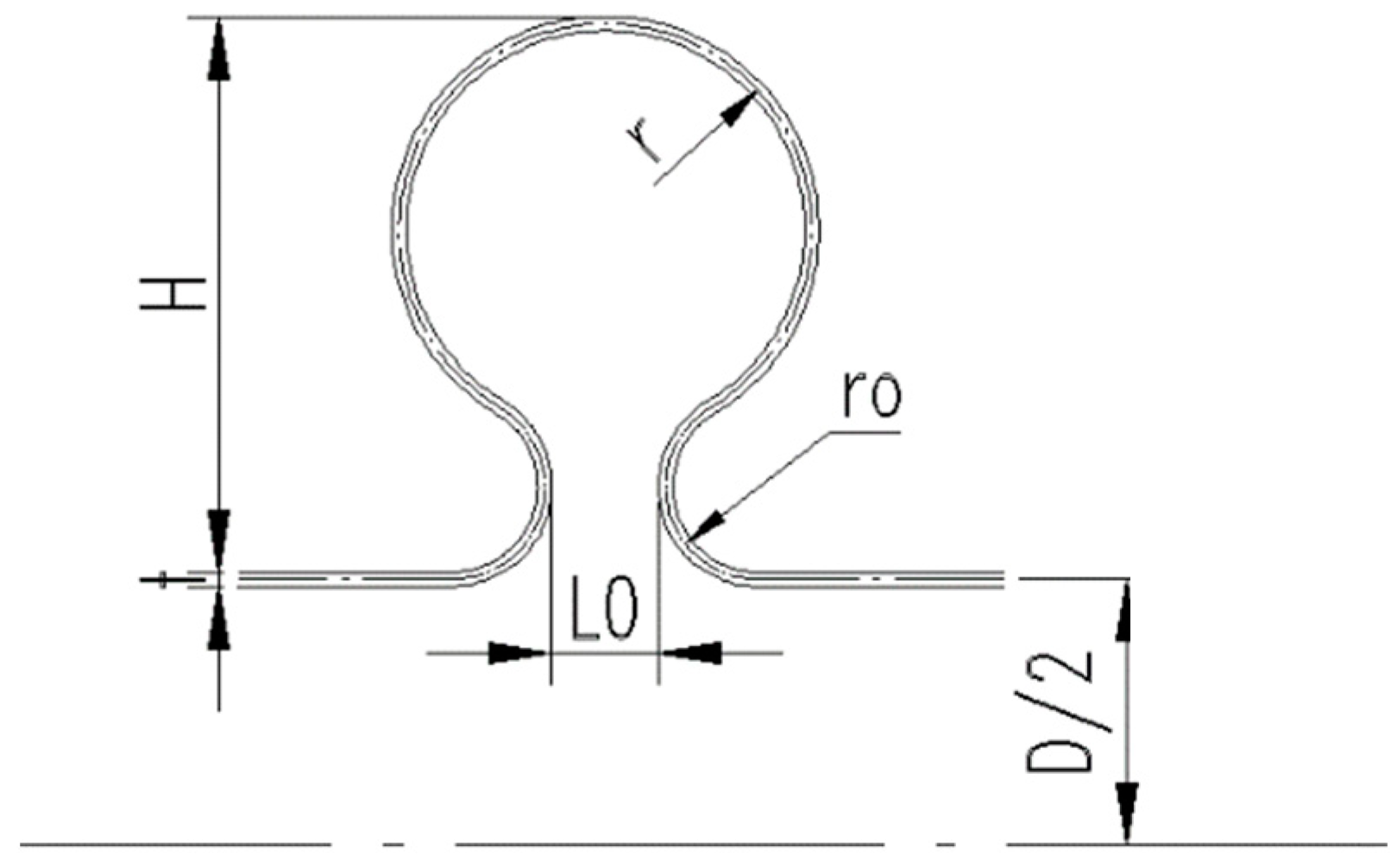
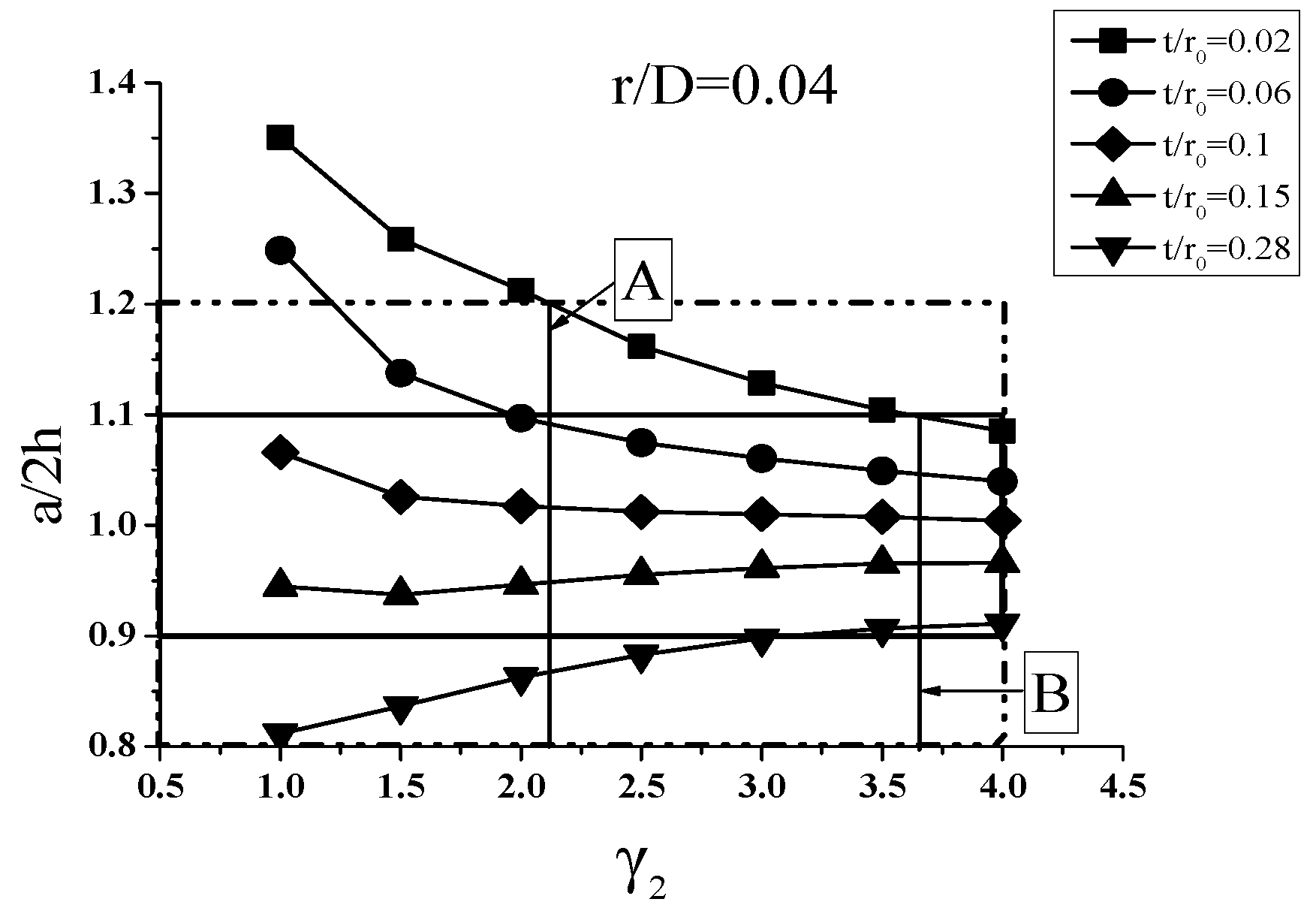
Having higher capacity to undertake pressures and larger compensation ability compared with the U-shape bellows, toroidal or Ω-shape bellows are being more and more widely used in engineering. The wave-shape and wall thickness reduction of bellows are the most important parameters for measuring the hydroforming quality of the bellows. In order to provide references for actual manufacturing, it is valuable to study the factors influencing the hydroforming process and quality of the bellows. In this paper, finite element simulations of the hydroforming process of a monolayer and single-wave toroidal bellows and a two-layer and four-wave toroidal bellows were carried out. Stress and strain distributions before and after unloading were analyzed and the wave height and wall thickness reduction were examined. The numerical results were verified by the actual hydroforming measurements. In addition, ranges of the significant structural or operating factors for producing better bellows were studied and a formula to compute the wall thickness reduction was fitted based on the sufficient numerical results of the hydroforming simulations.
Keywords: toroidal bellows; hydroforming; finite element simulation; roundness of wave-shape; wall thickness reduction toroidal bellows; hydroforming; finite element simulation; roundness of wave-shape; wall thickness reduction