Article

Synthetic Hydroxyapatite Inhibits Bisphosphonate Toxicity to the Oral Mucosa In Vitro


1
Department of Materials Science and Engineering, The University of Sheffield, Sheffield S3 7HQ, UK
2
School of Clinical Dentistry, The University of Sheffield, Sheffield S10 2TA, UK
3
School of Dentistry, University of Leeds, Leeds LS2 9JT, UK
*
Author to whom correspondence should be addressed.
Materials 2020, 13(9), 2086; https://doi.org/10.3390/ma13092086
Submission received: 6 April 2020 / Revised: 24 April 2020 / Accepted: 28 April 2020 / Published: 1 May 2020
(This article belongs to the Special Issue Current and Future Trends in Dental Materials)

Abstract

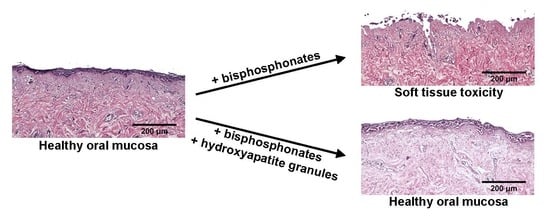
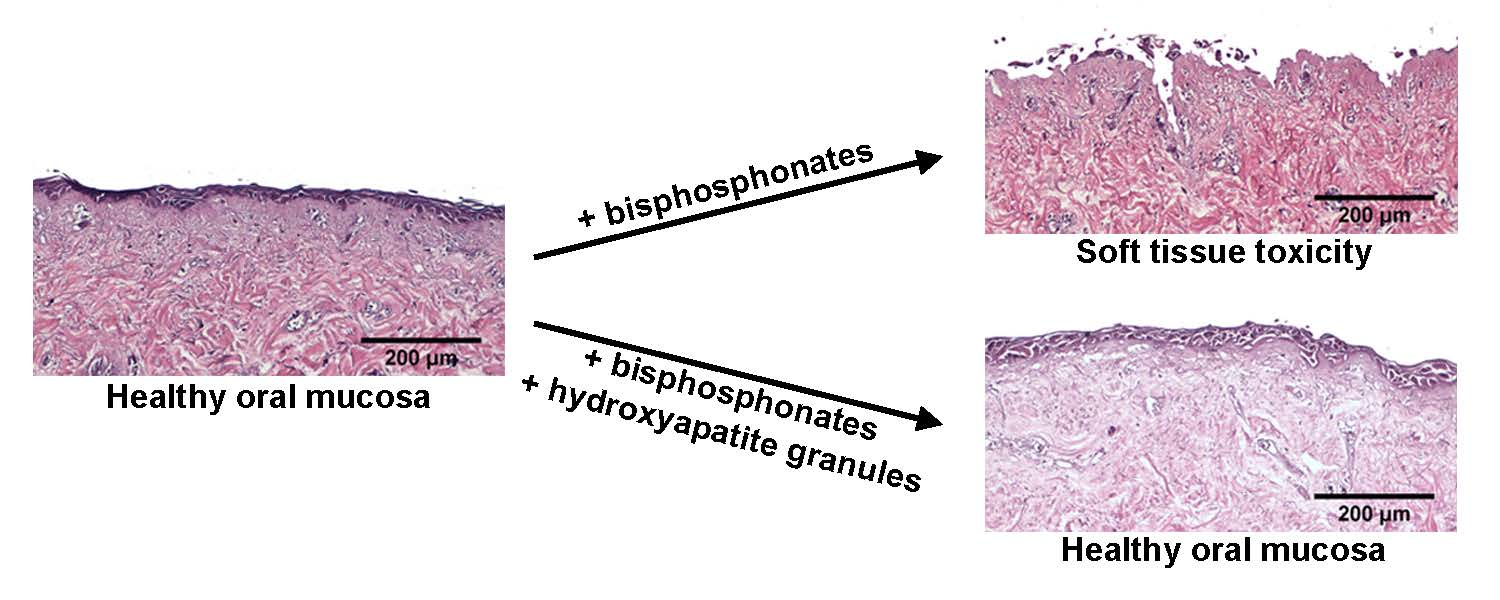
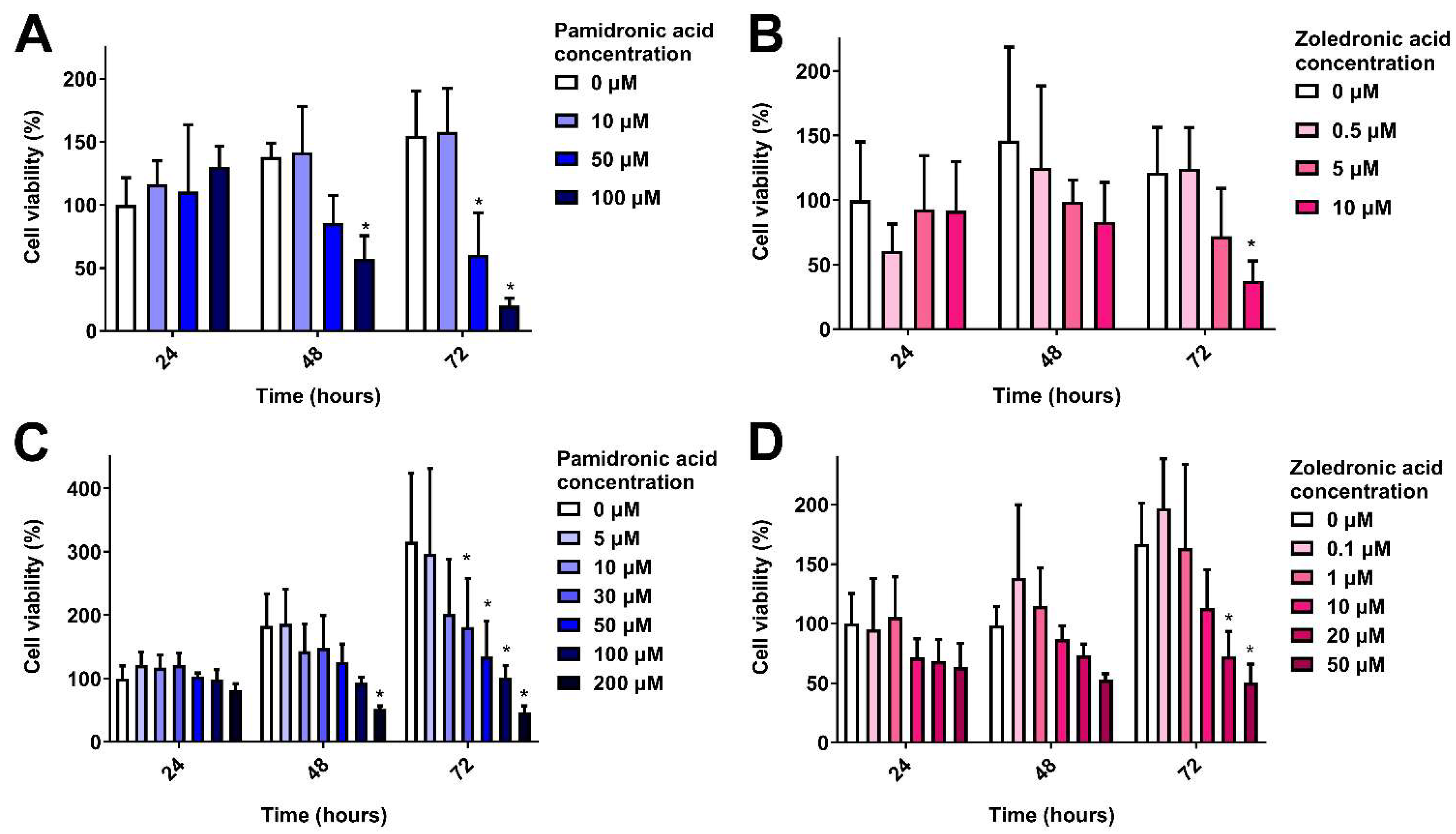
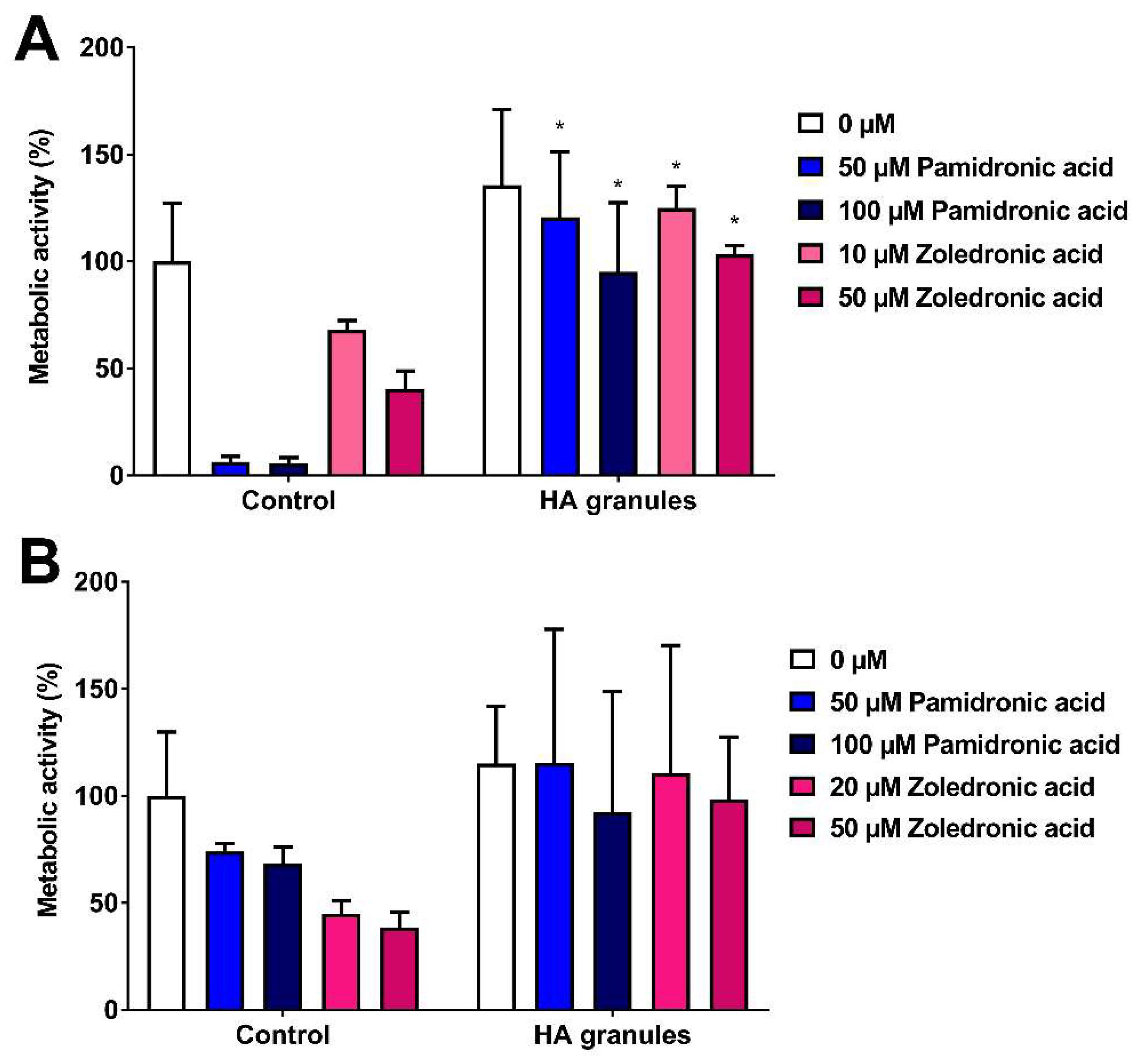
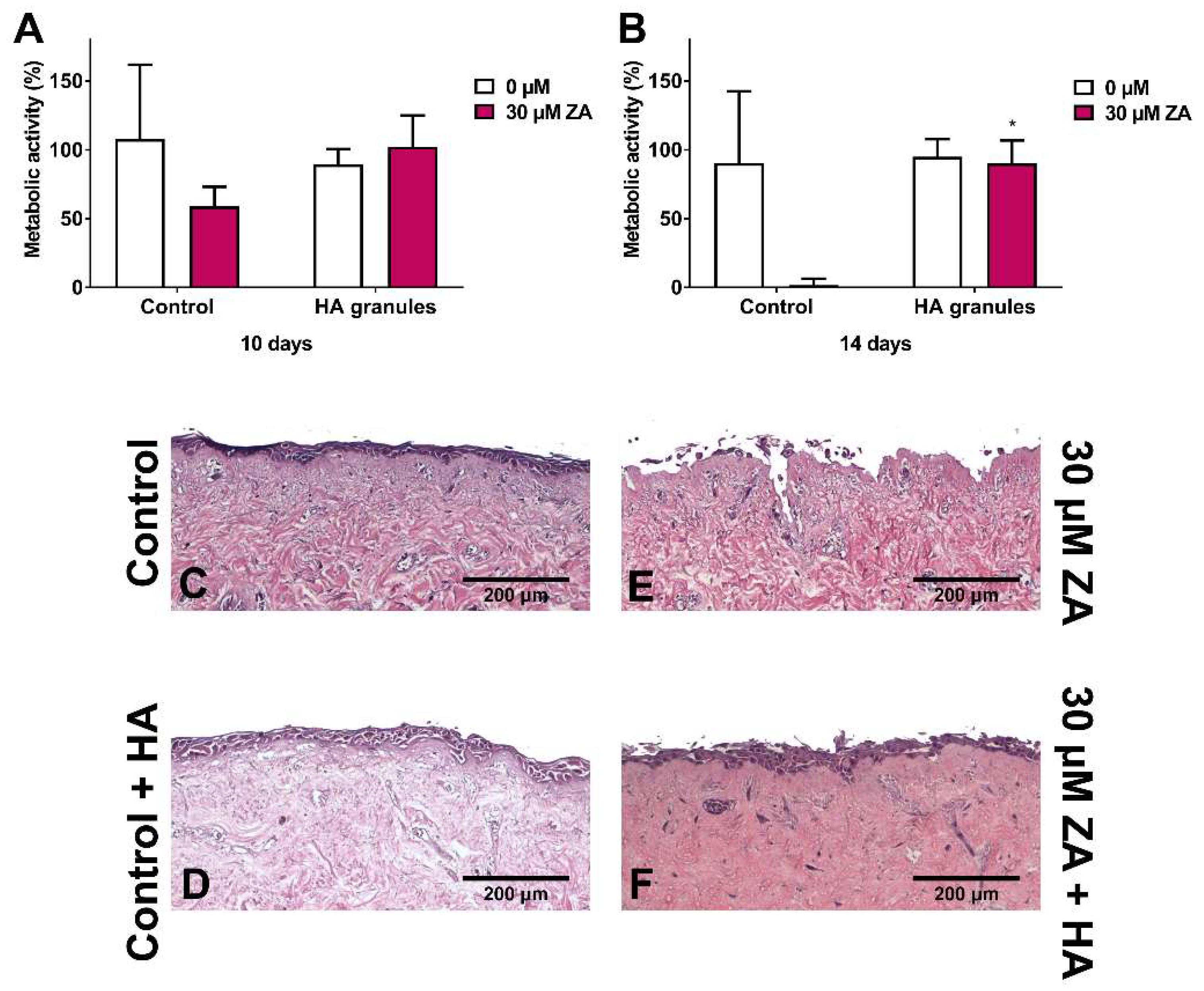
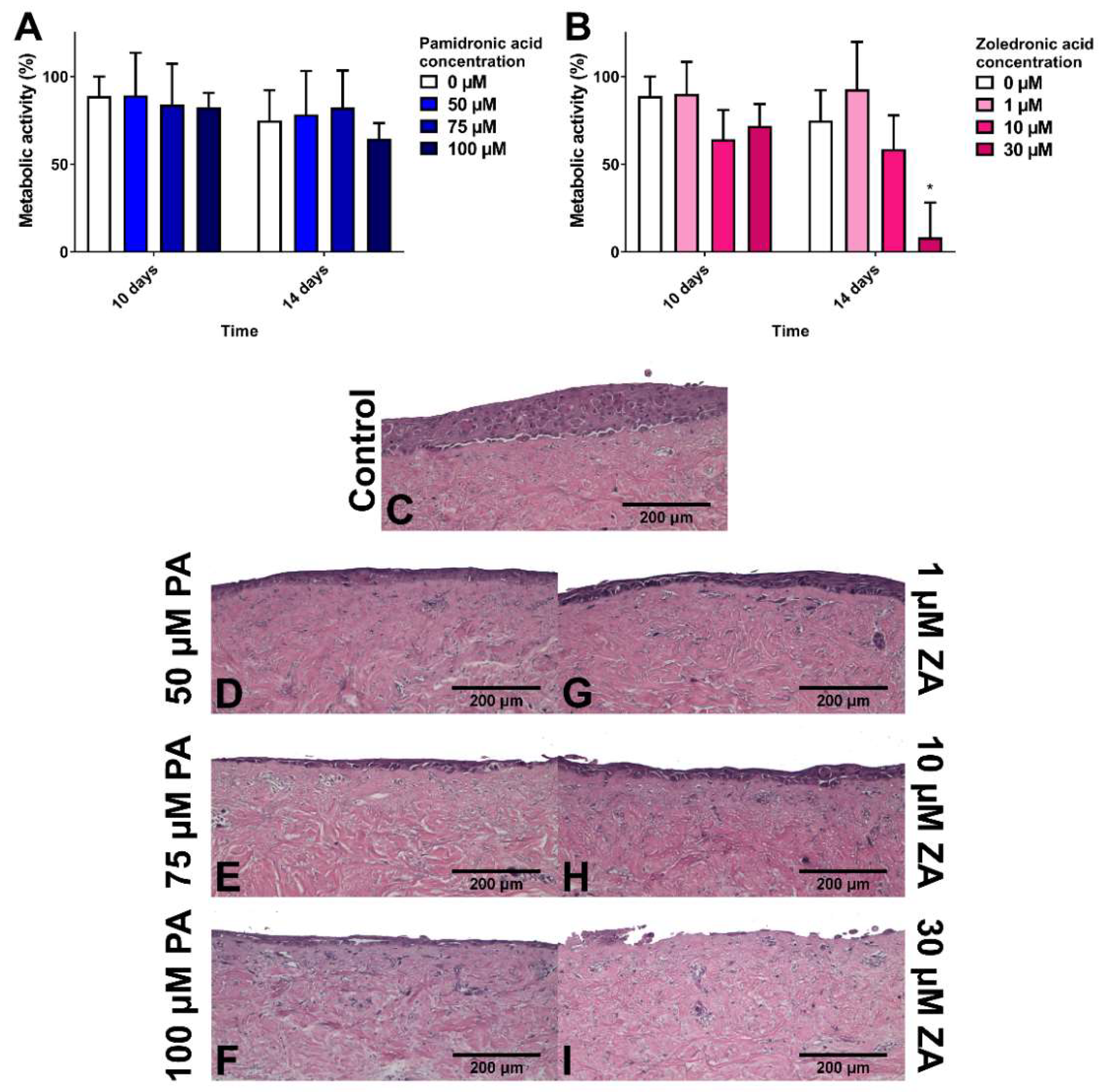
Medication-related osteonecrosis of the jaw (MRONJ) is a side effect of bisphosphonate therapy, characterised by exposed necrotic bone. The soft tissues of the oral mucosa no longer provide a protective barrier and MRONJ patients experience pain, infections and difficulties eating. We hypothesised that hydroxyapatite (Ca5(PO4)3(OH)) could reduce bisphosphonate concentrations and protect the oral mucosa by exploiting bisphosphonate’s calcium binding affinity. The effect of zoledronic acid (ZA) and pamidronic acid (PA) on the metabolism of oral fibroblasts, oral keratinocytes and three-dimensional oral mucosa models was investigated and then repeated in the presence of hydroxyapatite granules. Without hydroxyapatite, ZA and PA significantly reduced the metabolic activity of oral cells in a dose-dependent manner. Both drugs reduced epithelial thickness and 30 µM ZA resulted in loss of the epithelium. Hydroxyapatite granules had a protective effect on oral cells, with metabolic activity retained. Oral mucosa models retained their multi-layered epithelium when treated with ZA in the presence of hydroxyapatite granules and metabolic activity was comparable to controls. These results demonstrate hydroxyapatite granules protected oral soft tissues from damage caused by bisphosphonate exposure. Porous hydroxyapatite granules are currently used for socket preservation and this data suggests their potential to prevent MRONJ in at-risk patients.
Keywords: osteonecrosis; osteonecrosis of the jaw; fibroblasts; keratinocytes; pamidronic acid; pamidronate; zoledronic acid; zoledronate; BRONJ; MRONJ osteonecrosis; osteonecrosis of the jaw; fibroblasts; keratinocytes; pamidronic acid; pamidronate; zoledronic acid; zoledronate; BRONJ; MRONJ
Graphical Abstract