Article

Effect of Mo Addition on the Chemical Corrosion Process of SiMo Cast Iron


by
Marcin Stawarz
1,* and
Paweł M. Nuckowski
2
1
Department of Foundry Engineering, Silesian University of Technology, 7 Towarowa Street, 44-100 Gliwice, Poland
2
Department of Engineering Materials and Biomaterials, Silesian University of Technology, 18A Konarskiego Street, 44-100 Gliwice, Poland
*
Author to whom correspondence should be addressed.
Materials 2020, 13(7), 1745; https://doi.org/10.3390/ma13071745
Submission received: 24 March 2020 / Revised: 3 April 2020 / Accepted: 7 April 2020 / Published: 9 April 2020
(This article belongs to the Collection Microstructure and Corrosion Behavior of Advanced Alloys)

Abstract

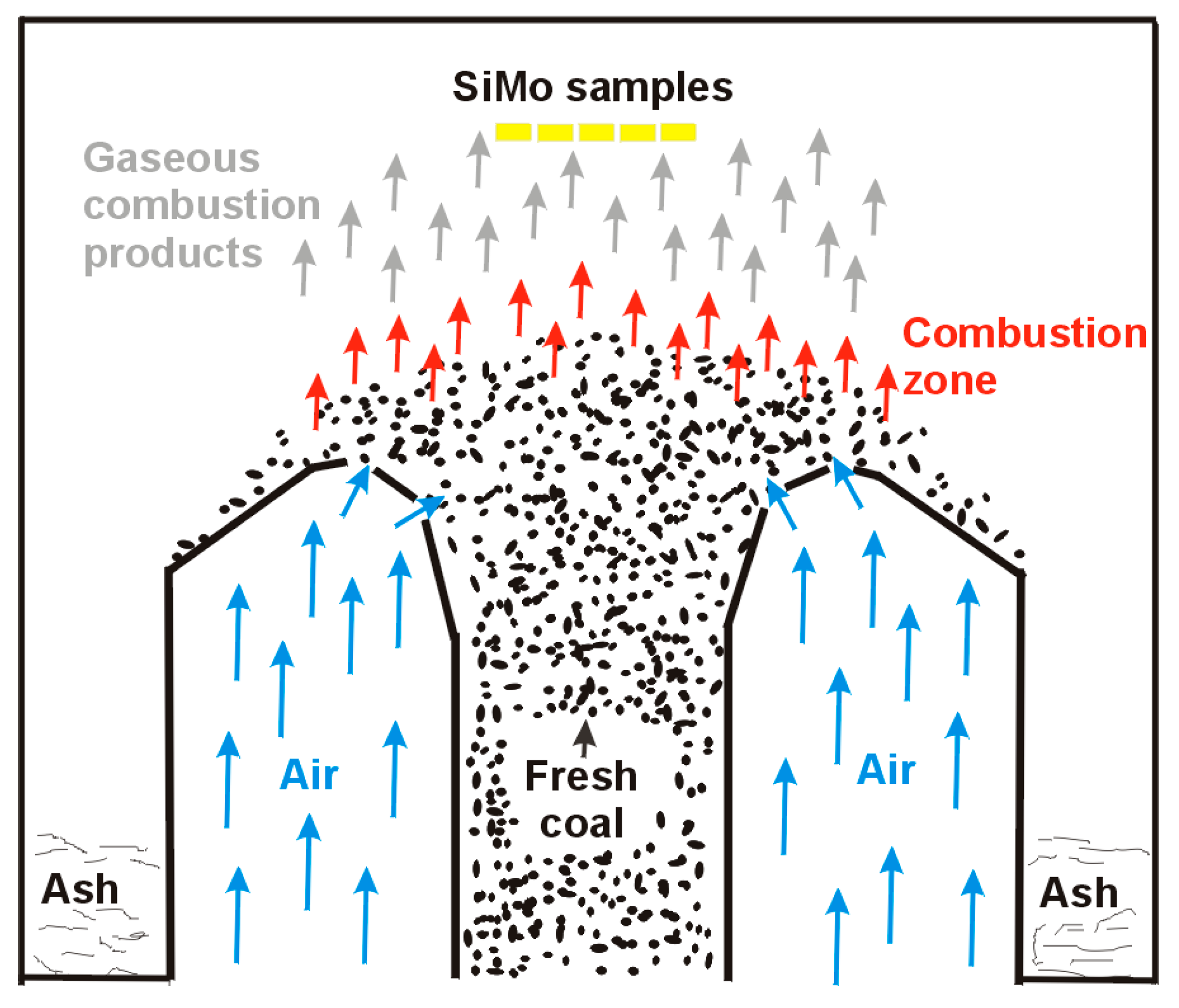
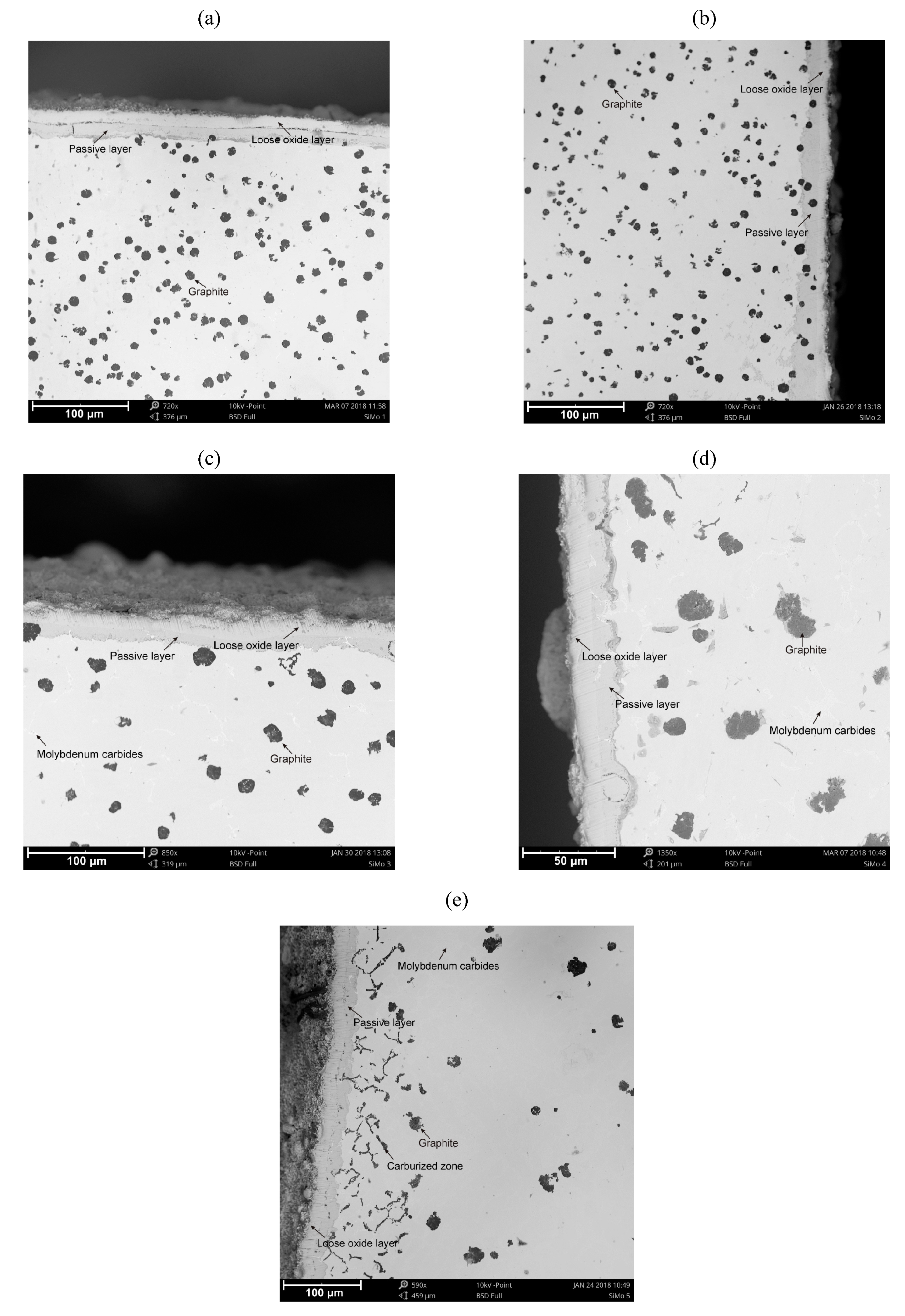
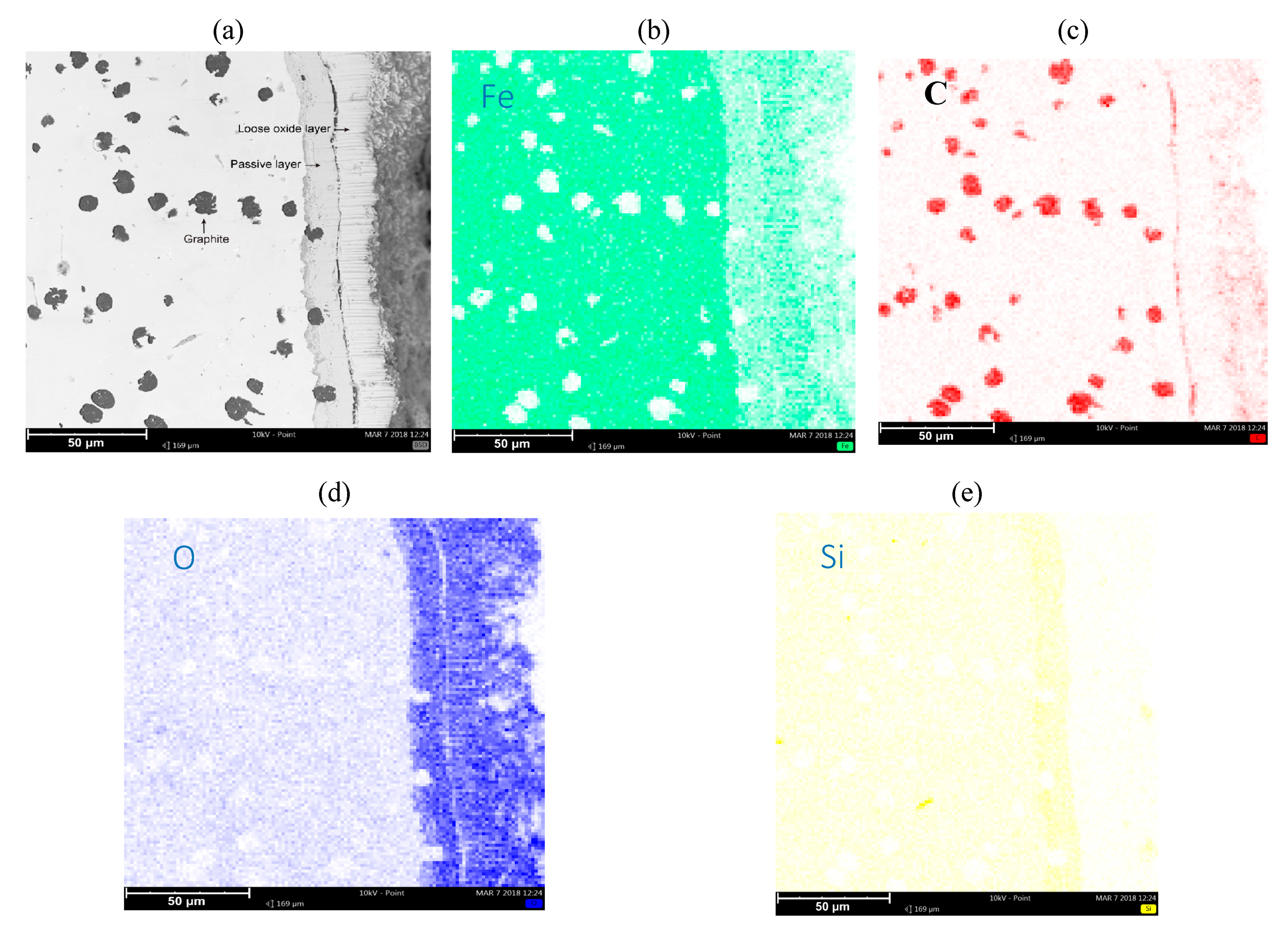
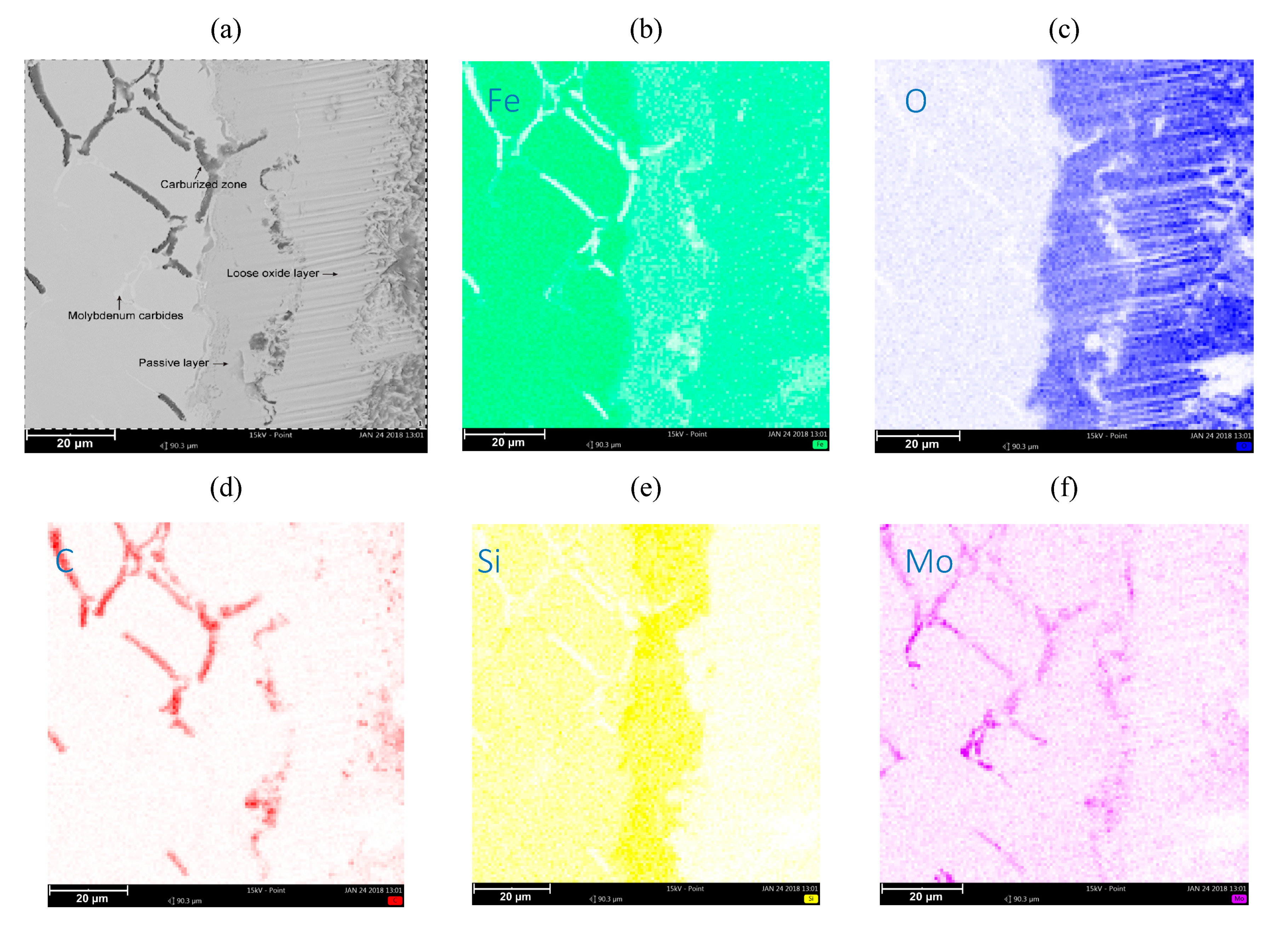
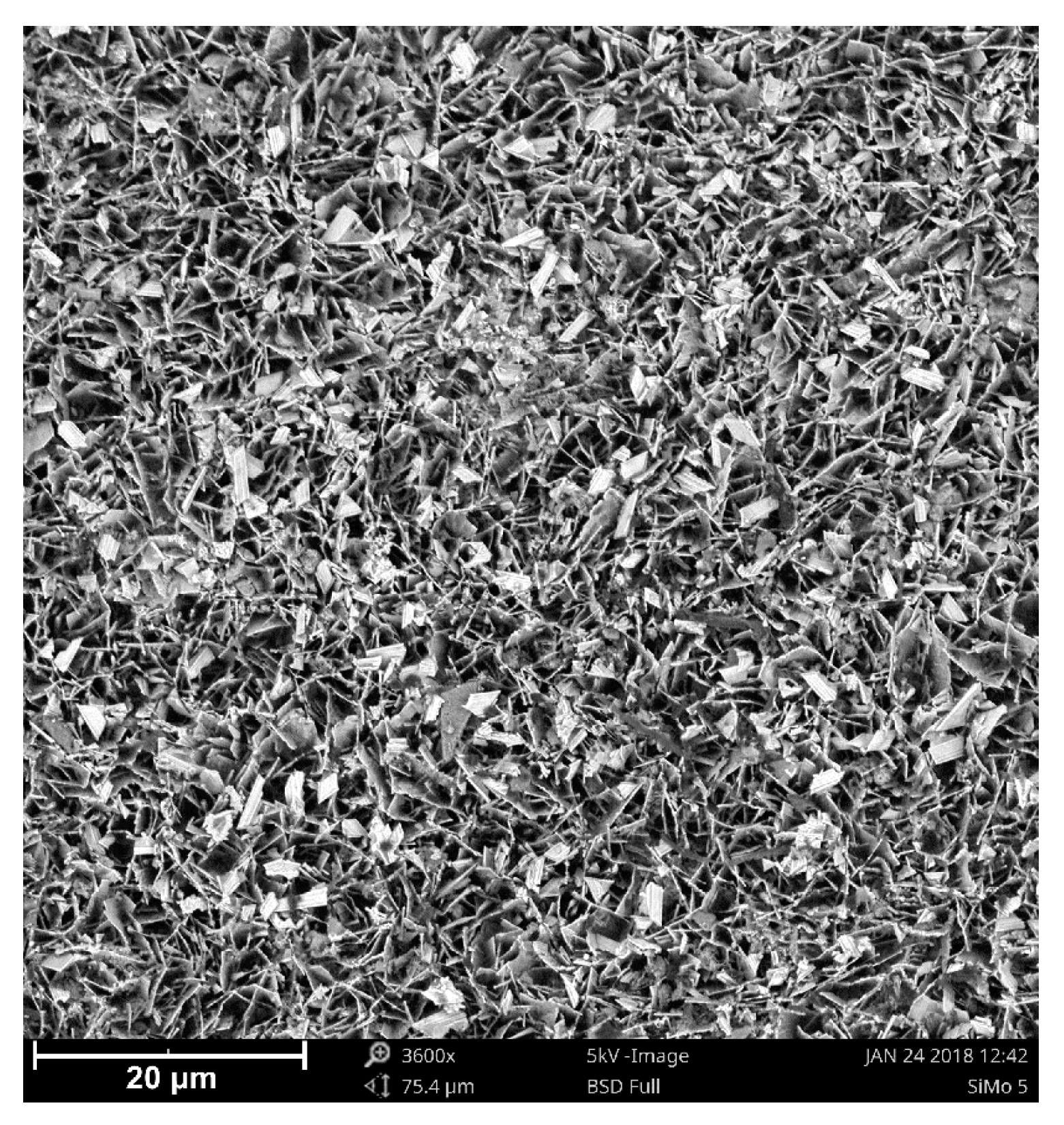
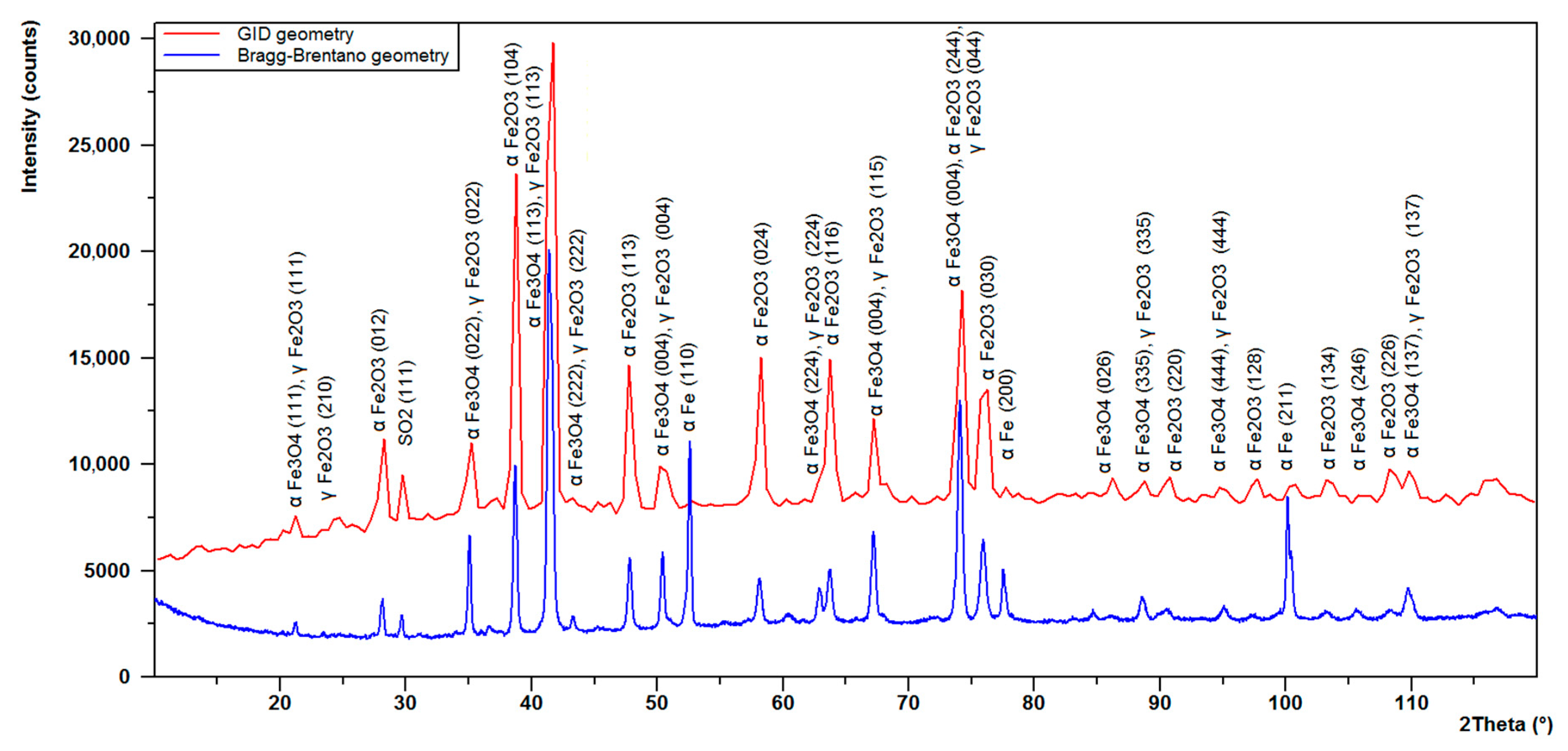
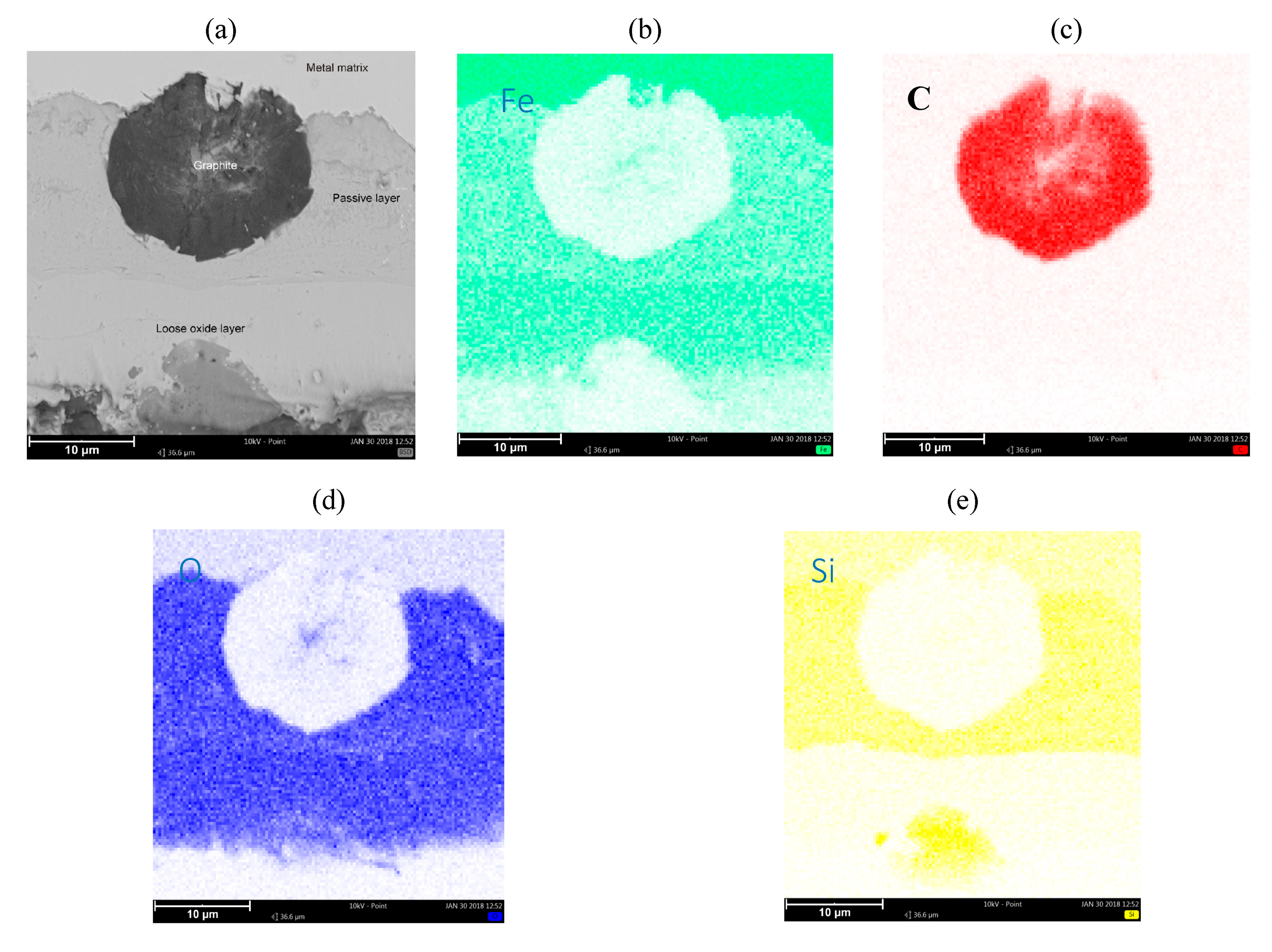
The study was carried out to evaluate five SiMo cast iron grades and their resistance to chemical corrosion at elevated temperature. Corrosion tests were carried out under conditions of an actual cyclic operation of a retort coal-fired boiler. The duration of the study was 3840 h. The range of temperature changes during one cycle was in the range of 300–650 °C. Samples of SiMo cast iron with Si content at the level of 5% and variable Mo content in the range 0%–2.5% were used as the material for the study. The examined material was subjected to preliminary metallographic analysis using scanning microscopy and an Energy dispersive spectroscopy (EDS) system. The chemical composition was determined on the basis of a Leco spectrometer and a Leco carbon and sulfur analyzer. The examination of the oxide layer was carried out with the use of Scanning electron microscope (SEM), EDS, and X-ray diffraction (XRD) methods. It was discovered that, in the analyzed alloys, oxide layers consisting of Fe2O3, Fe3O4, SO2, and Fe2SiO4 were formed. The analyzed oxide layers were characterized by high adhesion to the substrate material, and their total thickness was about 20 μm.
Keywords: chemical corrosion; SiMo cast iron; fayalite; hematite; magnetite; maghemite; sulfur dioxide chemical corrosion; SiMo cast iron; fayalite; hematite; magnetite; maghemite; sulfur dioxide