Article

Numerical and Experimental Study on the Performance of Thermoelectric Radiant Panel for Space Heating

Department of Architectural Engineering, College of Engineering, Hanyang University, 222 Wangsimni-Ro, Seongdong-Gu, Seoul 04769, Korea
*
Author to whom correspondence should be addressed.
Materials 2020, 13(3), 550; https://doi.org/10.3390/ma13030550
Submission received: 26 December 2019 / Revised: 14 January 2020 / Accepted: 21 January 2020 / Published: 23 January 2020
(This article belongs to the Special Issue Novel Thermoelectric Materials and Their Applications)

Abstract

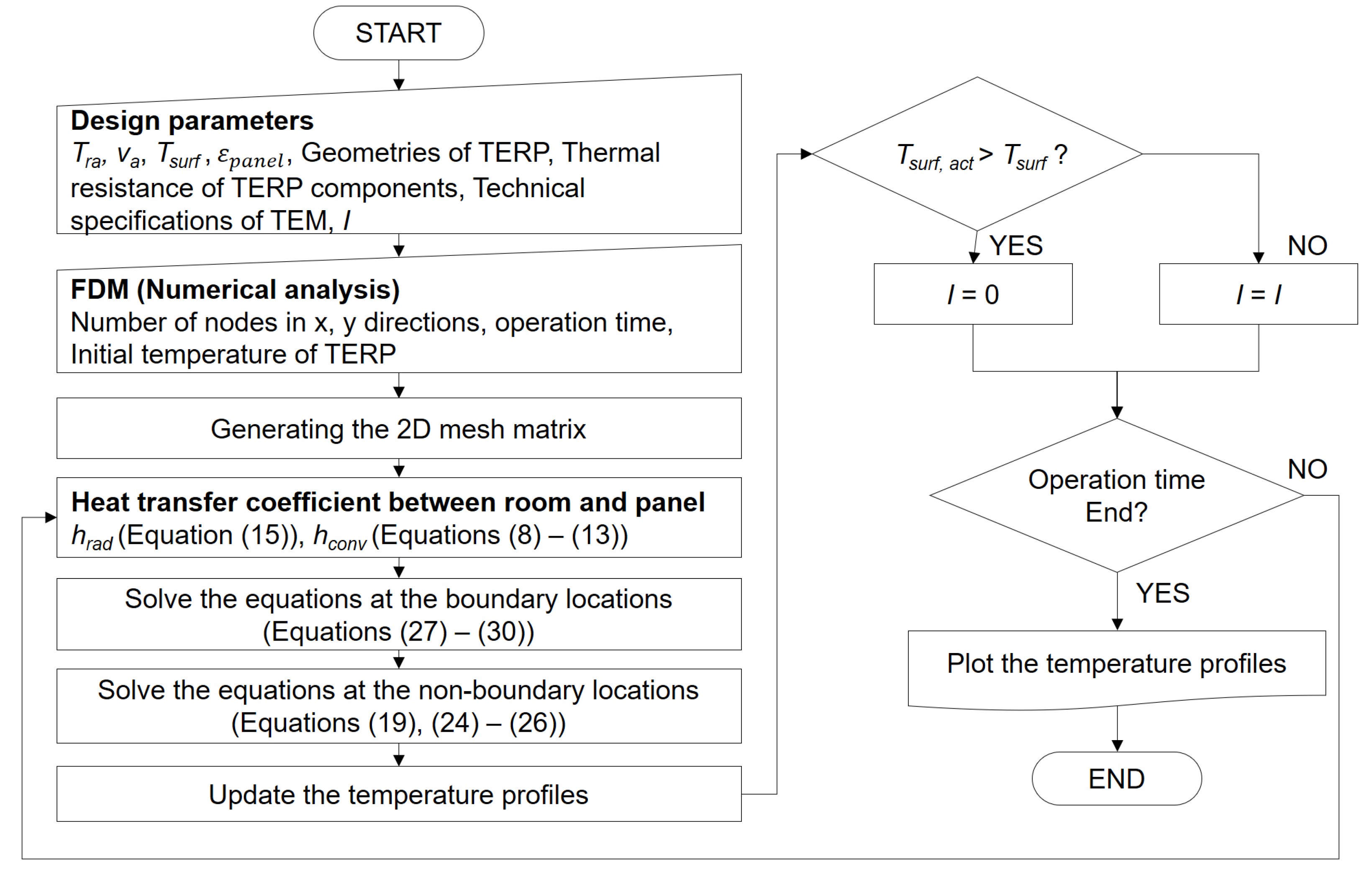
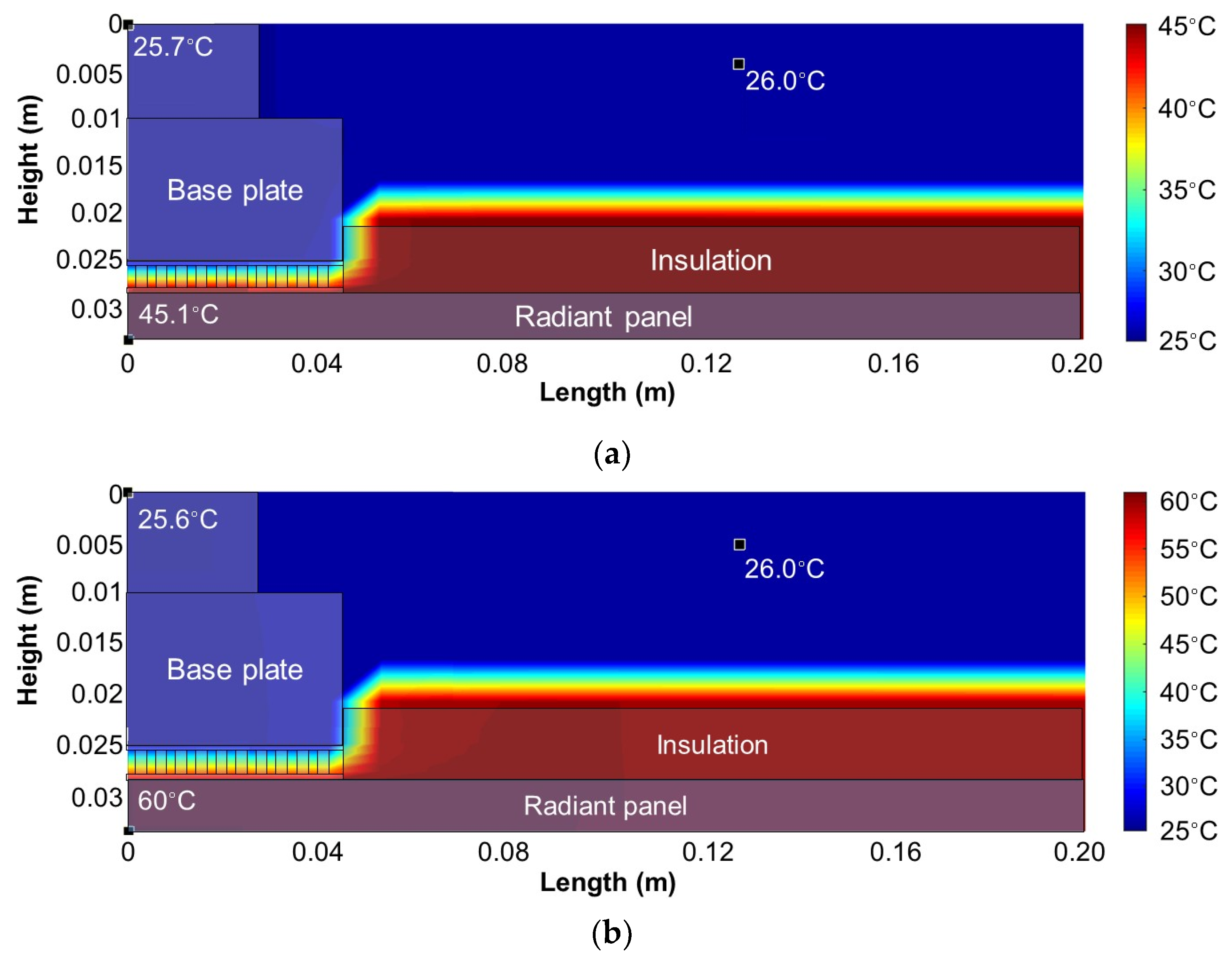
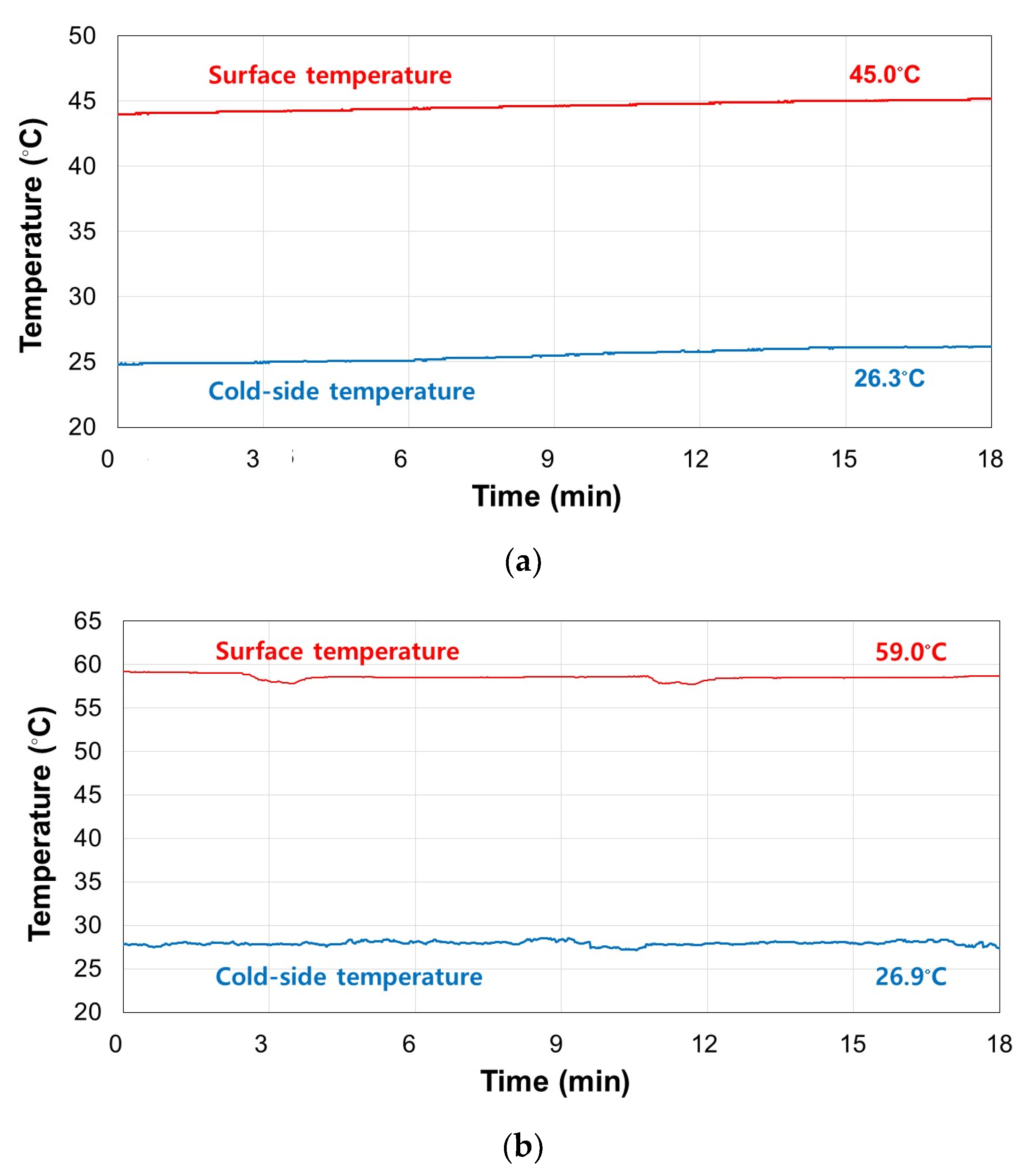
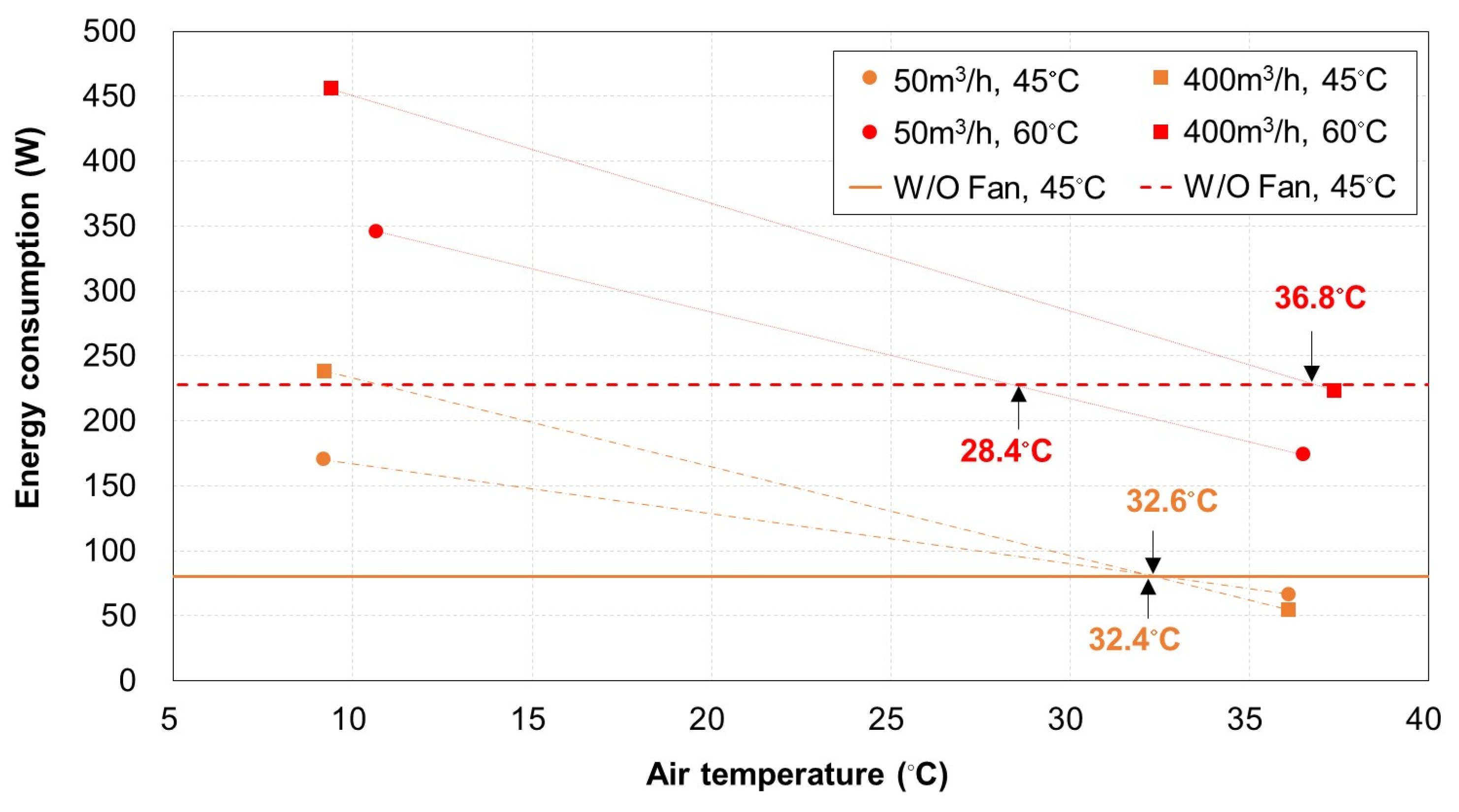
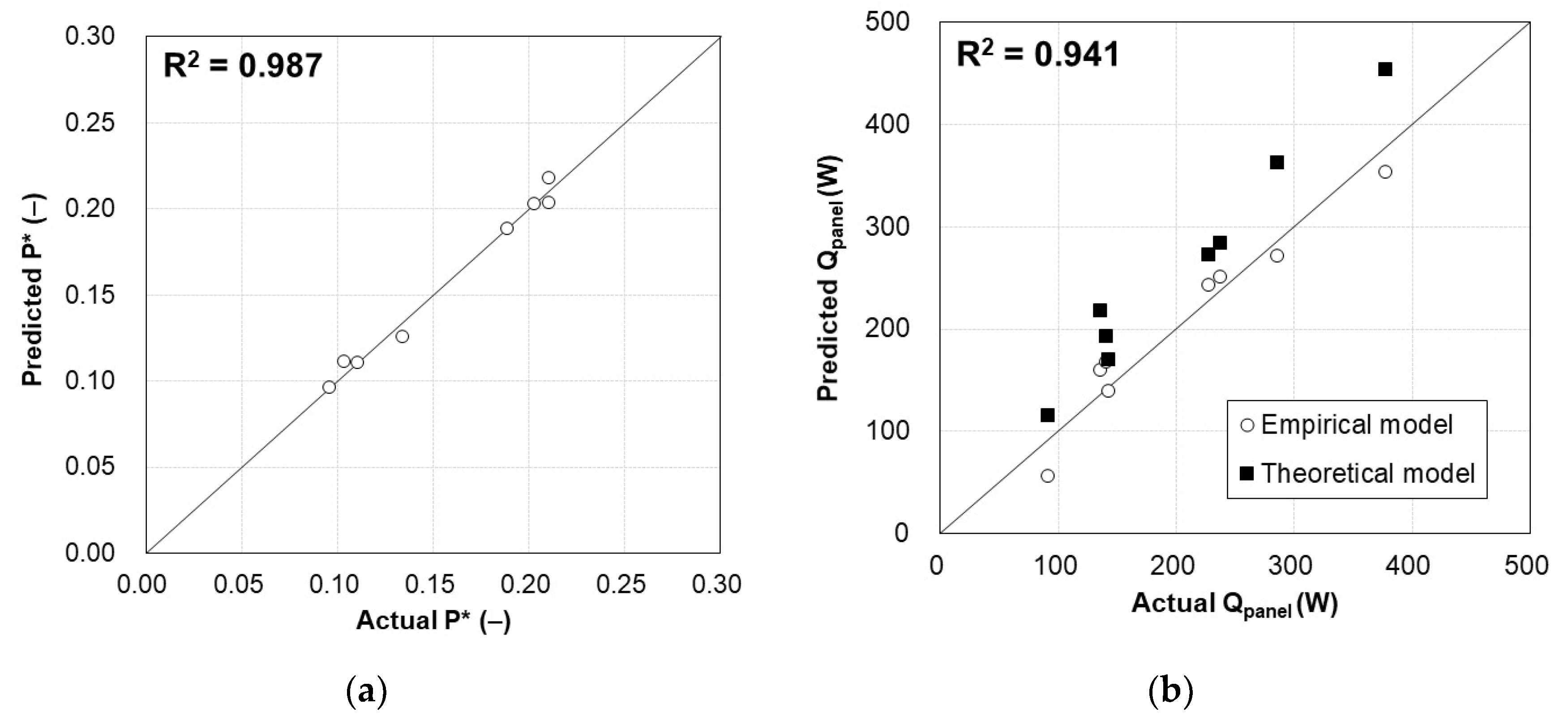
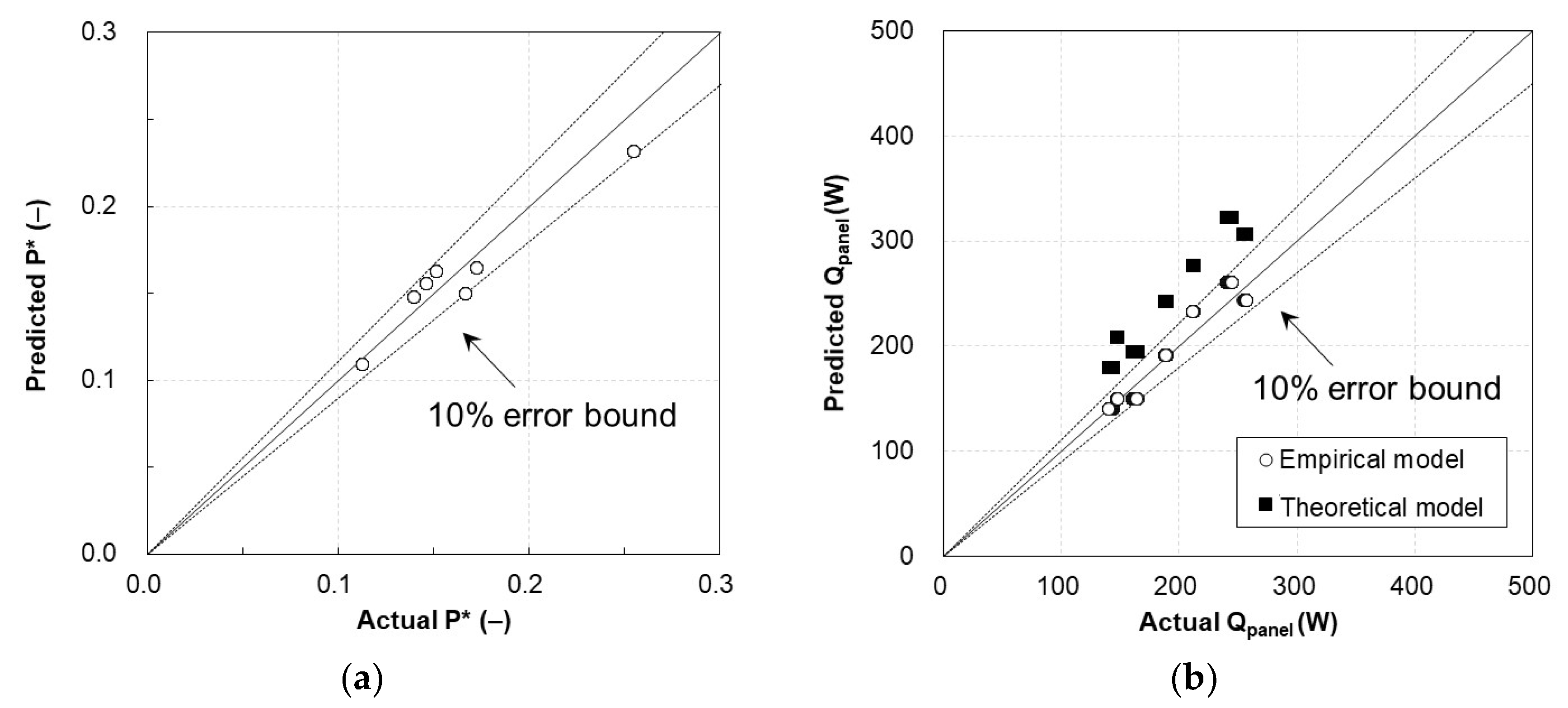
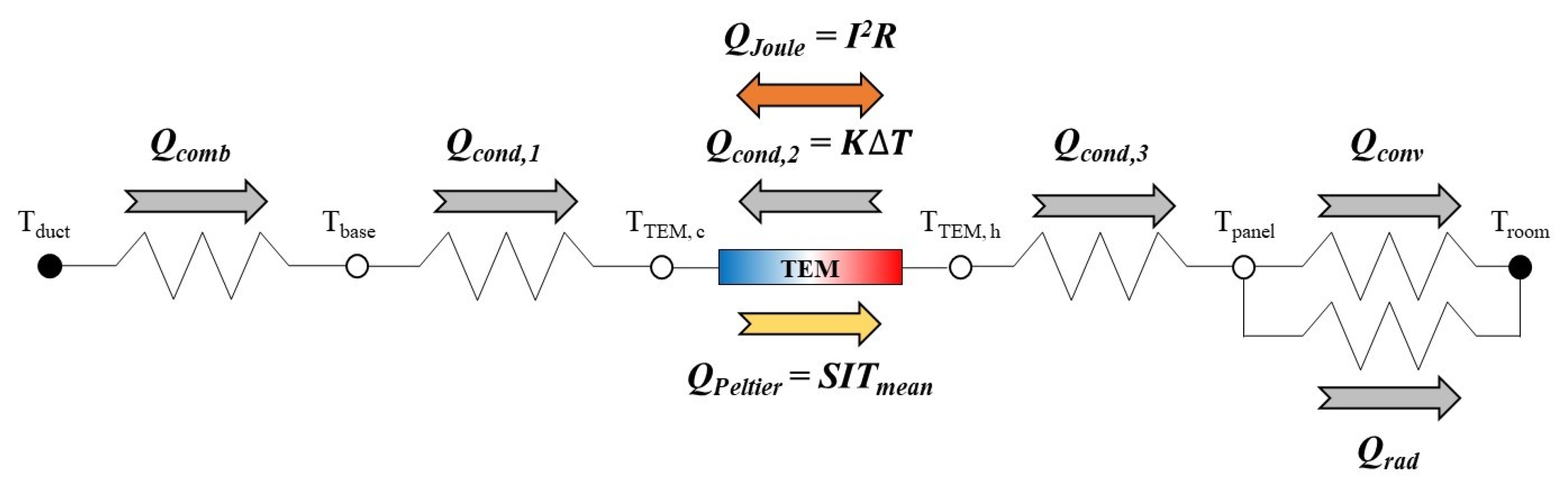
The purpose of this study is to investigate the suitable operation and performance of a thermoelectric radiant panel (TERP) in the heating operation. First, the hypothesis was suggested that the heating operation of TERP can operate without a heat source at the cold side according to theoretical considerations. To prove this hypothesis, the thermal behavior of the TERP was investigated during the heating operation using a numerical simulation based on the finite difference method. The results indicated that it is possible to heat the radiant panel using a thermoelectric module without fan operation via the Joule effect. A mockup model of the TERP was constructed, and the numerical model and hypothesis were validated in experiment 1. Moreover, experiment 2 was performed to evaluate the necessity of fan operation in the heating operation of TERP regarding energy consumption. The results revealed that the TERP without fan operation showed the higher coefficient of performance (COP) in the heating season. After determining the suitable heating operation of the TERP, prediction models for the heating capacity and power consumption of the TERP were developed using the response surface methodology. Both models exhibited good R2 values of >0.94 and were validated within 10% error bounds in experimental cases. These prediction models are expected to be utilized in whole-building simulation programs for estimating the energy consumption of TERPs in the heating mode.
Keywords: Radiant heating; thermoelectric module; empirical modeling; finite difference method; non-vapor compression Radiant heating; thermoelectric module; empirical modeling; finite difference method; non-vapor compression