Article

A Study of Films Incorporating Magnetite Nanoparticles as Susceptors for Induction Welding of Carbon Fiber Reinforced Thermoplastic


Department of Mechanical Engineering and Engineering Research Institute, Gyeongsang National University, 501, Jinju-daero, Jinfu-si, Gyeongsangnam-do 52828, Korea
*
Author to whom correspondence should be addressed.
Current address: Department of Mechanical Engineering and Engineering Research Institute, CAD/CAM/CAE Laboratory, Gyeongsang National University, 501, Jinju-daero, Jinju-si, Gyeongsangnam-do 52828, Korea.
Materials 2020, 13(2), 318; https://doi.org/10.3390/ma13020318
Submission received: 26 September 2019 / Revised: 30 December 2019 / Accepted: 3 January 2020 / Published: 10 January 2020

Abstract

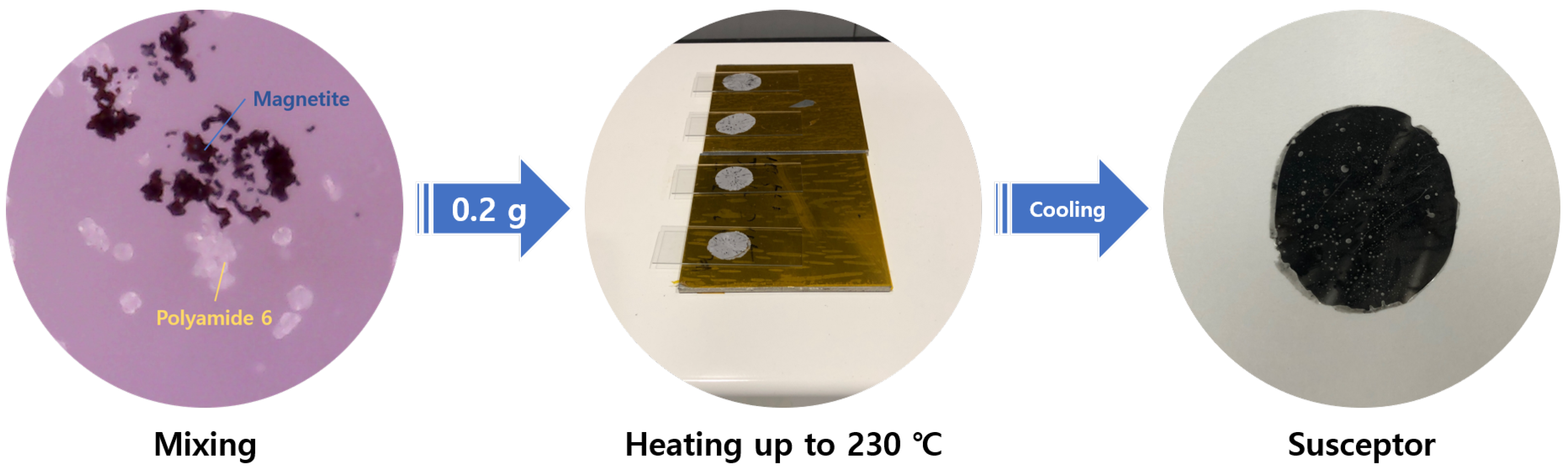
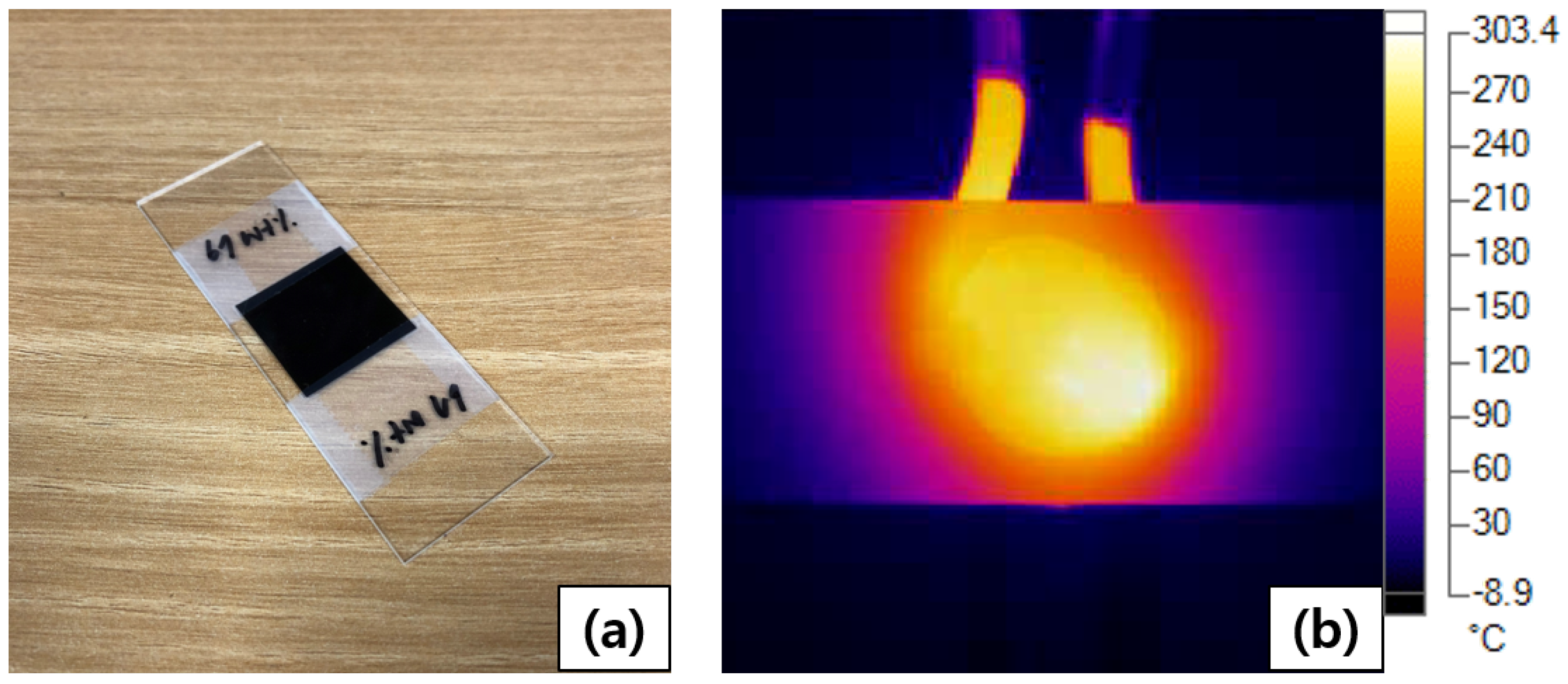
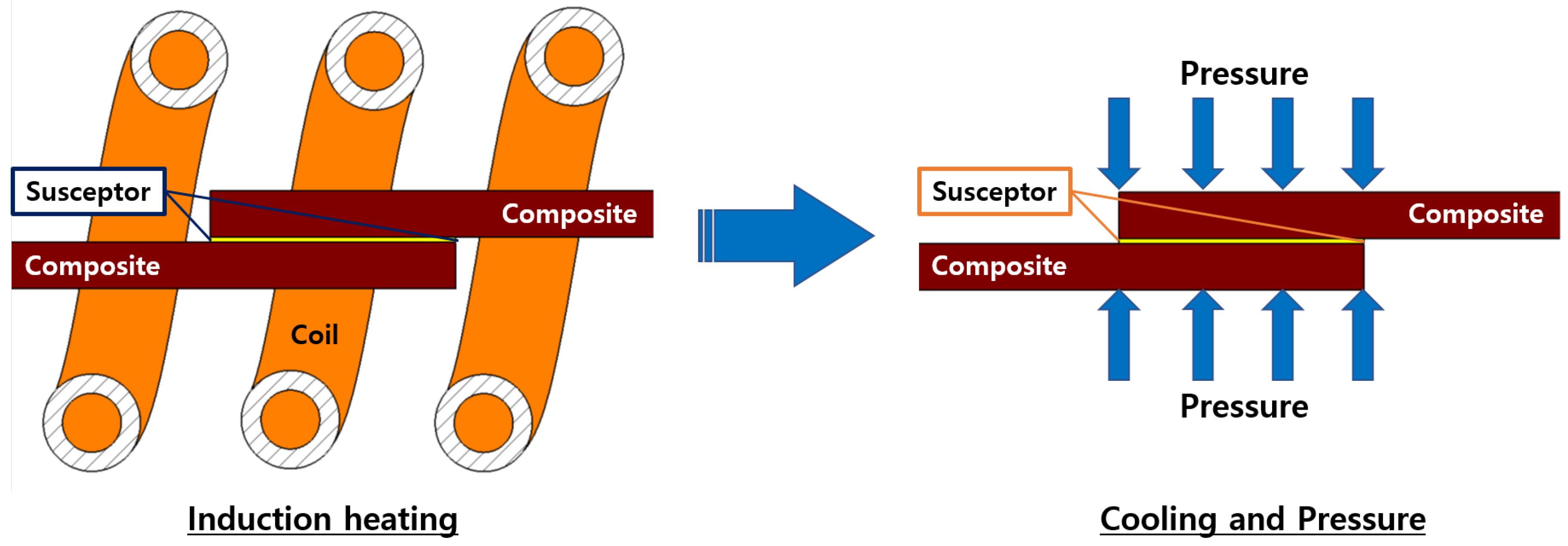
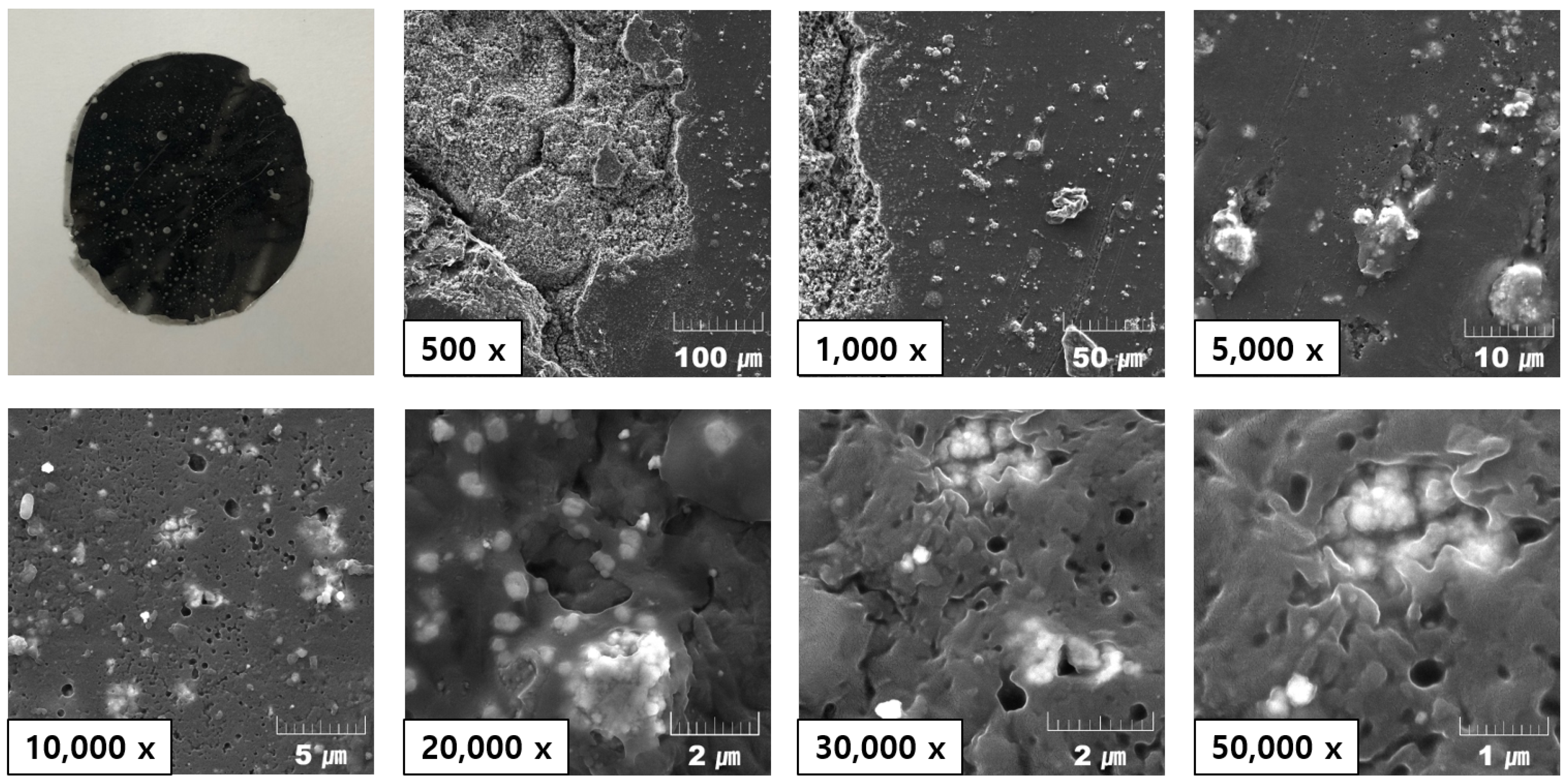
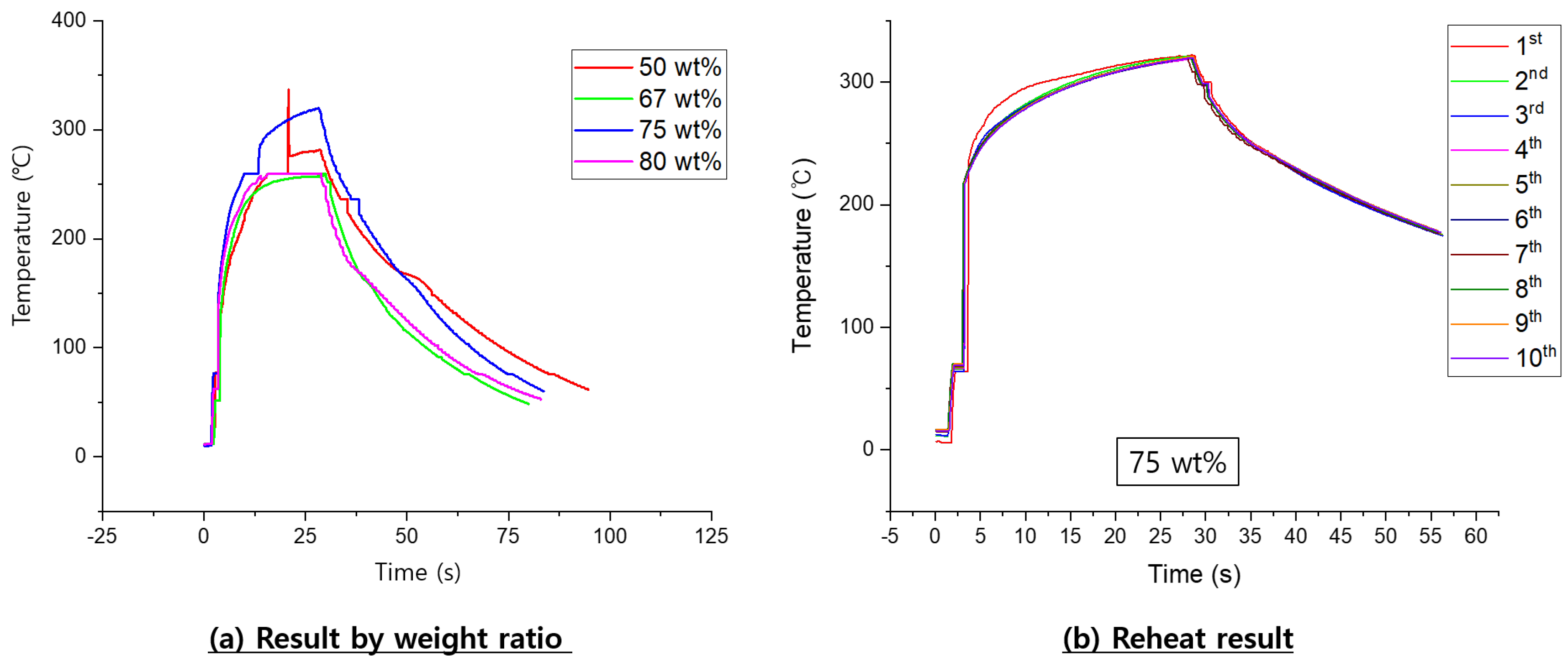
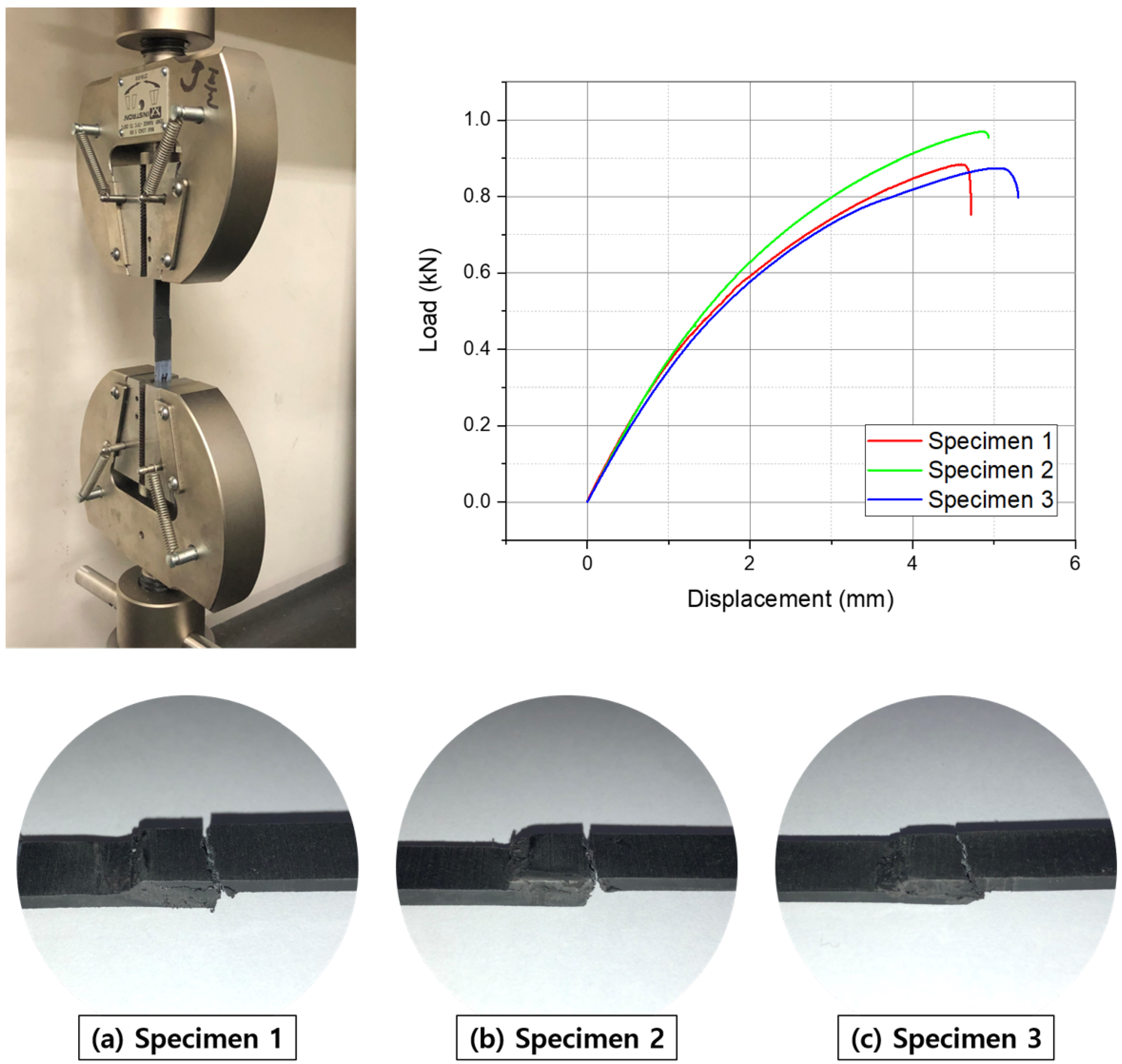
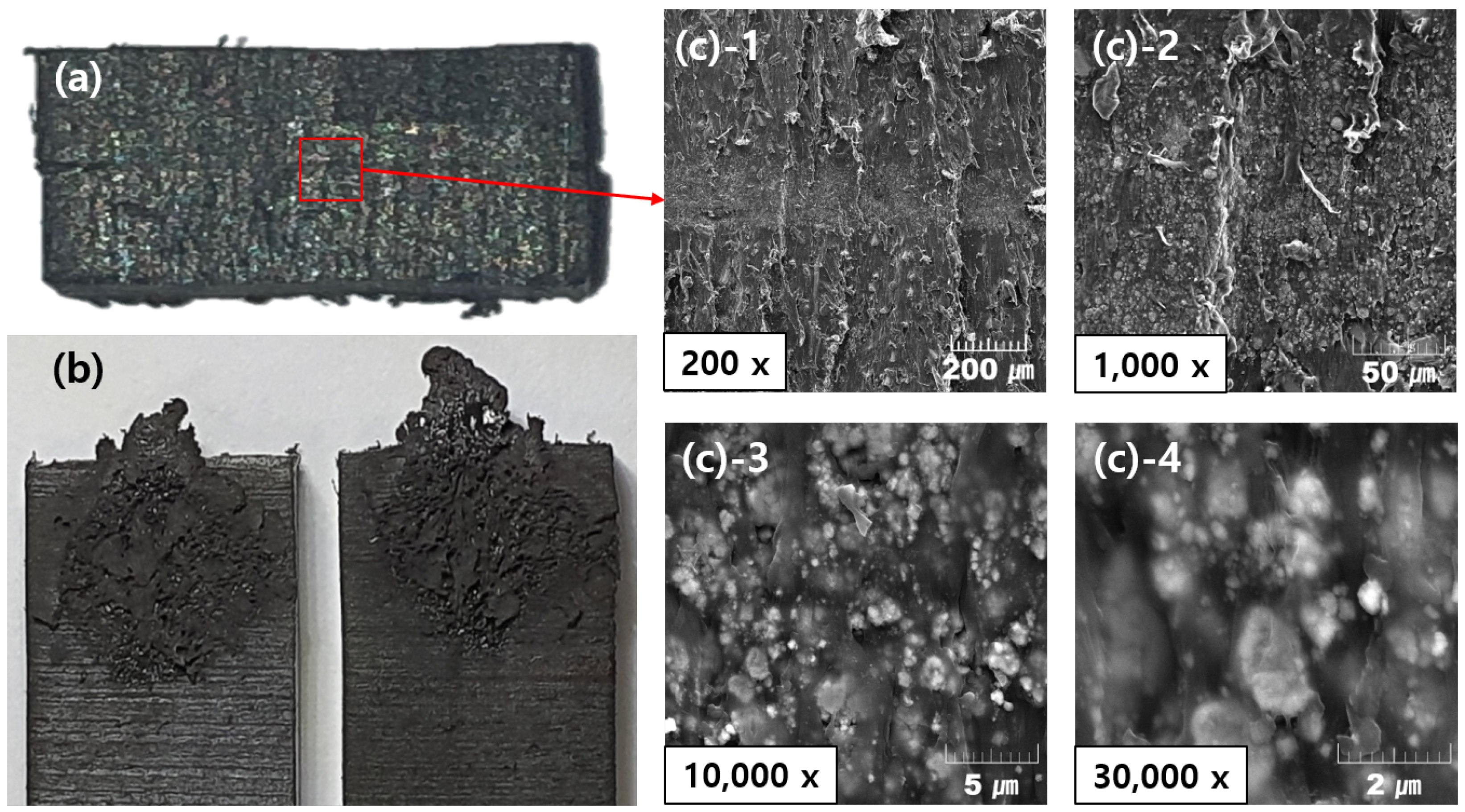
Induction welding is a fast, clean, noncontact process that often uses a metal-mesh susceptor to facilitate localized controlled heating; however, the metal mesh presents various problems. In this study, the induction heating behavior of a 450 μ m thick thin-film susceptor, fabricated by mixing magnetite (Fe 3 O 4 ) nanoparticles (NPs) and PA6/carbon fiber (CF) (30%) thermoplastic resin, was examined with respect to the weight ratio of Fe 3 O 4 (50, 67, 75, and 80 wt%). The useful induction heating behavior of the 75 wt% Fe 3 O 4 susceptor suggested its suitability for additional heat treatment experiments, carried out at 3.4 kW at a frequency of 100 kHz. This susceptor attained the same maximum temperature during 10 cycles of repeated induction heating and cooling. It was then used to weld two thermoplastic composites, with 60 s of induction heating followed by 120 s of simultaneous cooling and pressing. The resulting welded joints had lap shear strength values of 36.8, 34.0, and 36.4 MPa under tensile test loads of 884, 817, and 874 N, respectively. Scanning electron microscopy images confirmed a uniform weld quality. Thus, the proposed manufacturing method, involving the incorporation of Fe 3 O 4 NPs into thermoplastic resin, should help expand the range of applications for thermoplastic composites.
Keywords: induction welding; thermoplastic; susceptor; magnetite (Fe3O4); polyamide 6 (PA6); lap shear strength (LSS) induction welding; thermoplastic; susceptor; magnetite (Fe3O4); polyamide 6 (PA6); lap shear strength (LSS)