Article

Influence of Crack Width on Chloride Penetration in Concrete Subjected to Alternating Wetting–Drying Cycles


1
School of Civil Engineering and Transportation, South China University of Technology, Guangzhou 510640, China
2
State Key Laboratory of Subtropical Building Science, South China University of Technology, Guangzhou 510640, China
3
School of Civil and Environmental Engineering, Nanyang Technological University, Singapore 639798, Singapore
*
Author to whom correspondence should be addressed.
Materials 2020, 13(17), 3801; https://doi.org/10.3390/ma13173801
Submission received: 28 July 2020 / Revised: 21 August 2020 / Accepted: 24 August 2020 / Published: 28 August 2020
(This article belongs to the Special Issue Concrete and Construction Materials)

Abstract

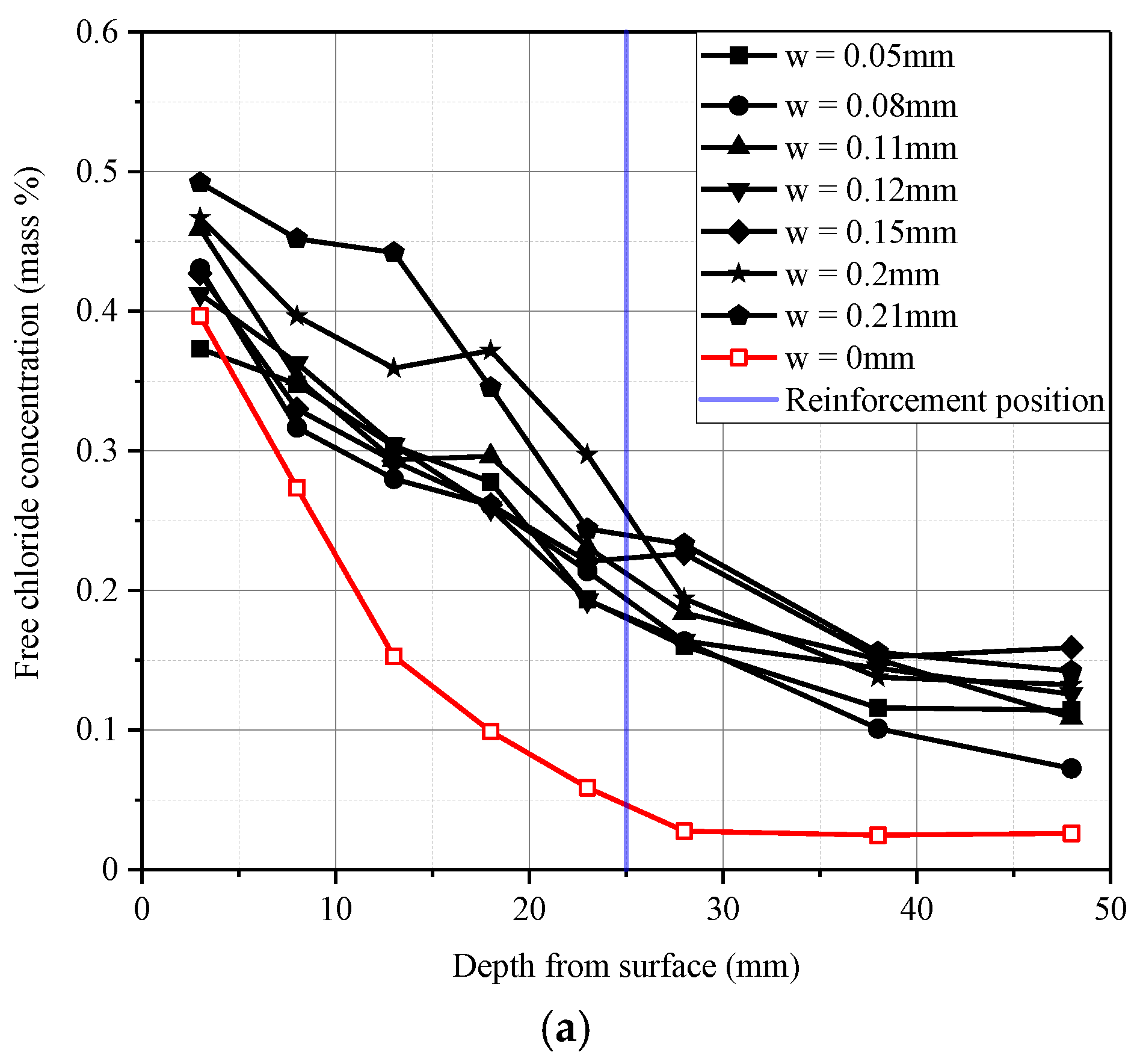
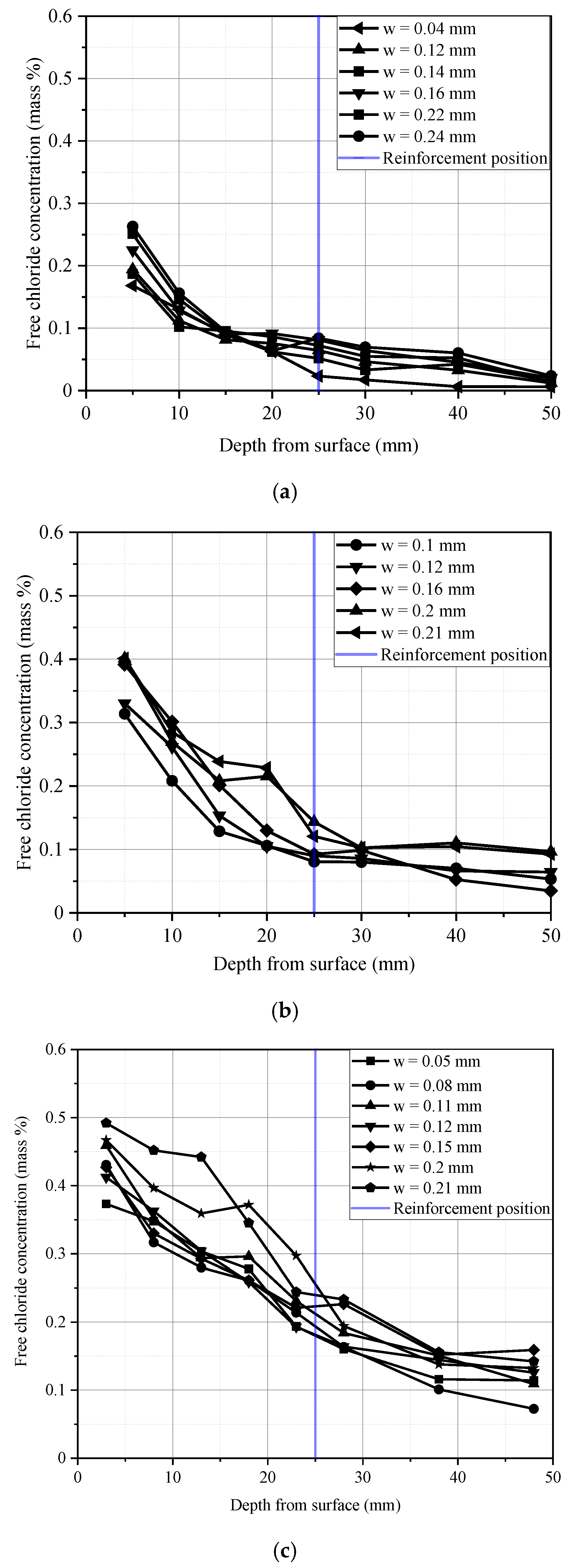
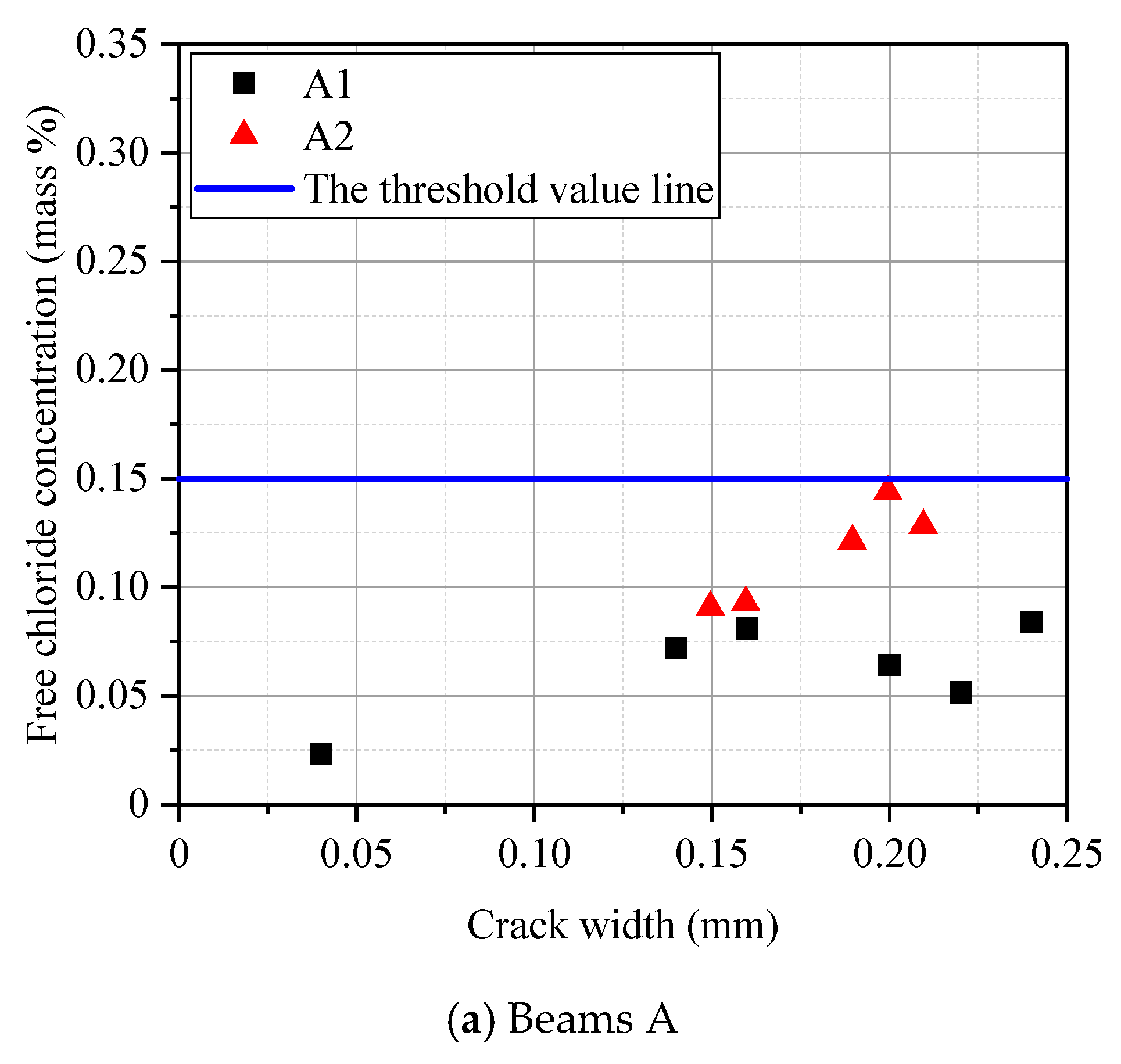
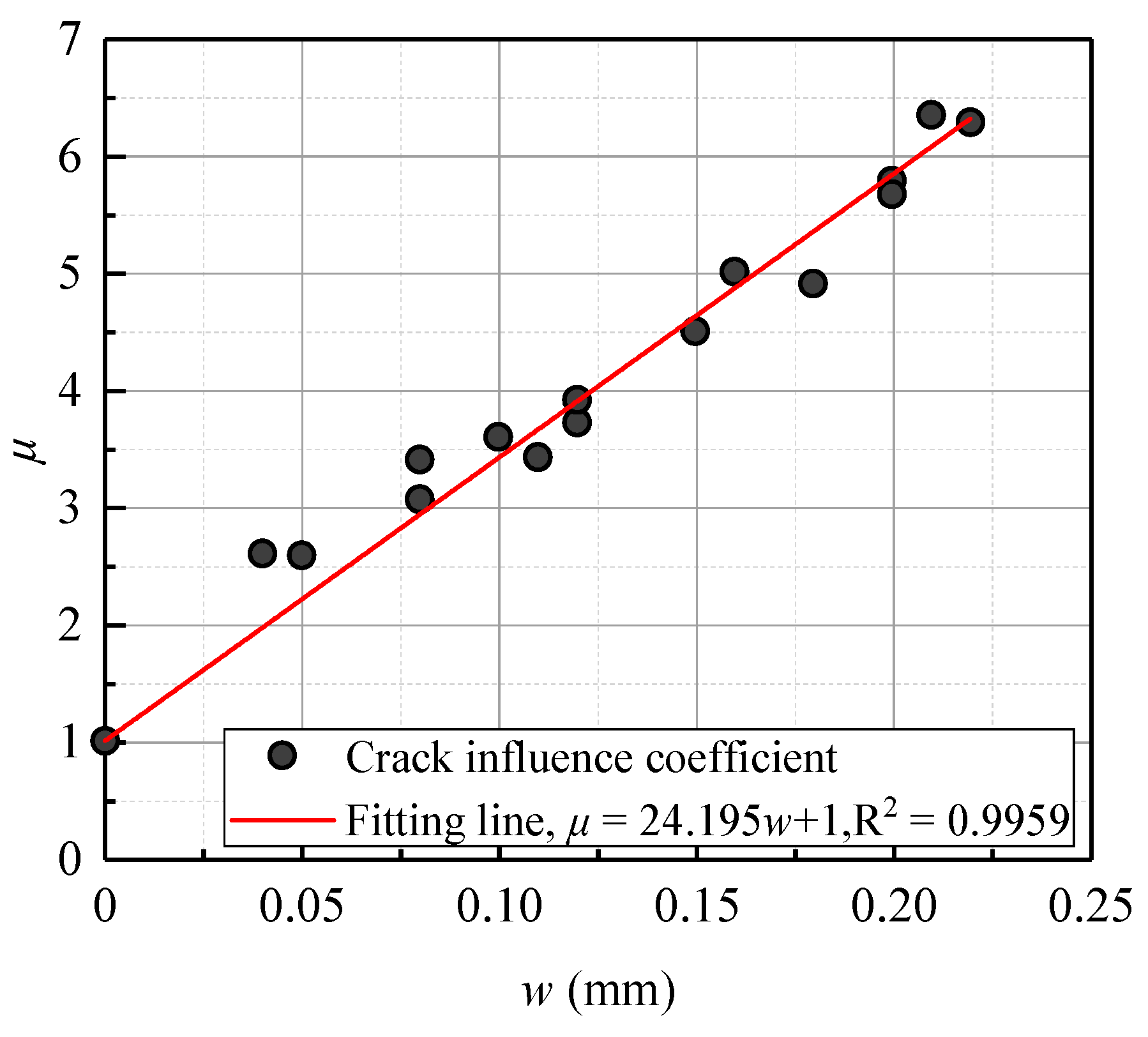
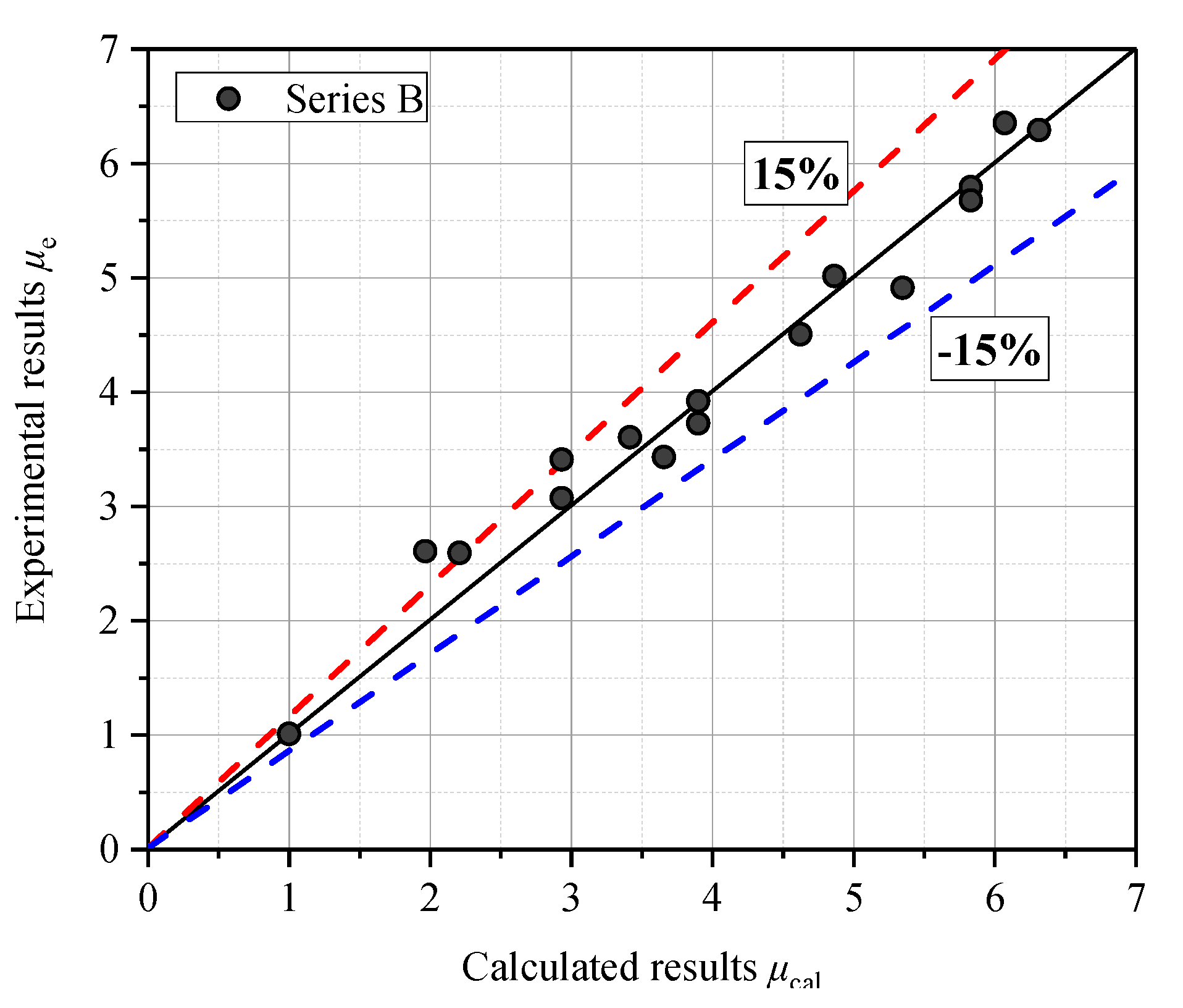
To investigate the durability of reinforced concrete (RC) beams under the combined actions of transverse cracks and corrosion, corrosion tests were conducted on a total of eight RC beams with different water–cement ratios and cracking states. The effects of the transverse crack width, water–cement ratio, and the length of the wetting–drying cycle on the distribution of the free chloride concentration, the cross-sectional loss of the tensile steel bars, and the chloride diffusion coefficient are analyzed. The results show that the widths of the transverse crack and the water–cement ratio of concrete greatly affected the chloride profile and content of the RC beam specimens. Specifically, the chloride contents in all the cracked RC beams at the depth of the steel bar exceeded the threshold value of 0.15%. As the width of the cracks increased, the chloride concentration and penetration of the cracked concrete beam increased. However, the chloride concentration at the reinforcement position did not seem to be obviously affected by increasing the wetting–drying cycles from 182 days to 364 days. Moreover, the decrease of the water–cement ratio effectively inhibited the penetration of chloride ions in the RC beam specimens. In terms of the cross-sectional loss of the steel bars, the average loss of the steel bar increases with increasing crack width for the beams with 182-day cycles, while the effect of crack width on the average loss is not as noticeable for the beams with 364-day cycles. Finally, a model is proposed to predict the relationship between the crack width influence coefficient, μ, and the crack width, w, and this model shows good agreement with the experimental results.
Keywords: RC beams; transverse crack; chloride; wetting–drying cycle; corrosion RC beams; transverse crack; chloride; wetting–drying cycle; corrosion