Article

Nickel-Based Alloy Dry Milling Process Induced Material Softening Effect


1
School of Mechanical Engineering, Xi’an Jiaotong University, 28 Xianning Road, Xi’an 710049, China
2
Shenzhen Research School, Xi’an Jiaotong University, Hi-Tech Zone, Shenzhen 518057, China
*
Author to whom correspondence should be addressed.
Materials 2020, 13(17), 3758; https://doi.org/10.3390/ma13173758
Submission received: 7 August 2020 / Revised: 16 August 2020 / Accepted: 21 August 2020 / Published: 25 August 2020

Abstract

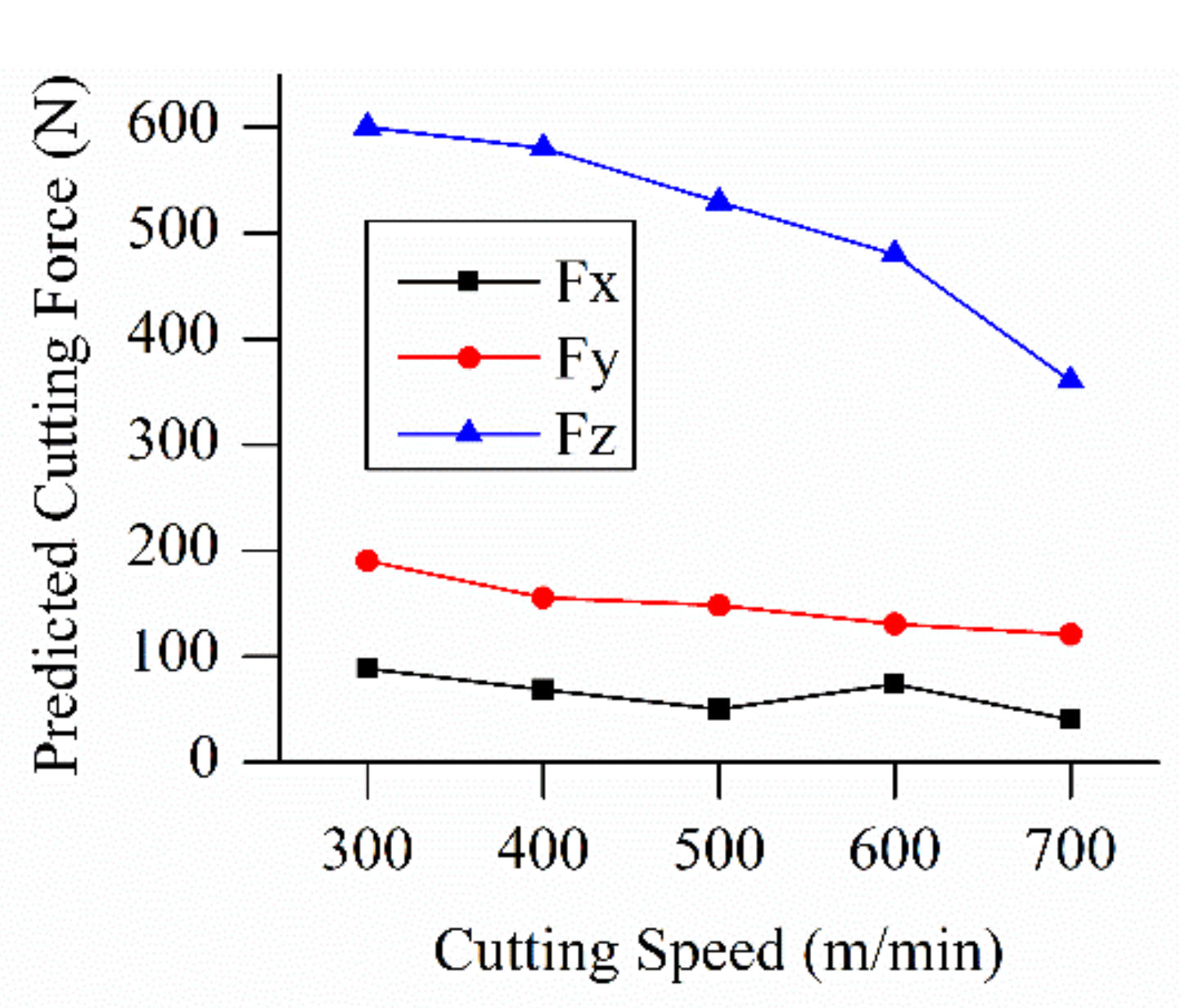
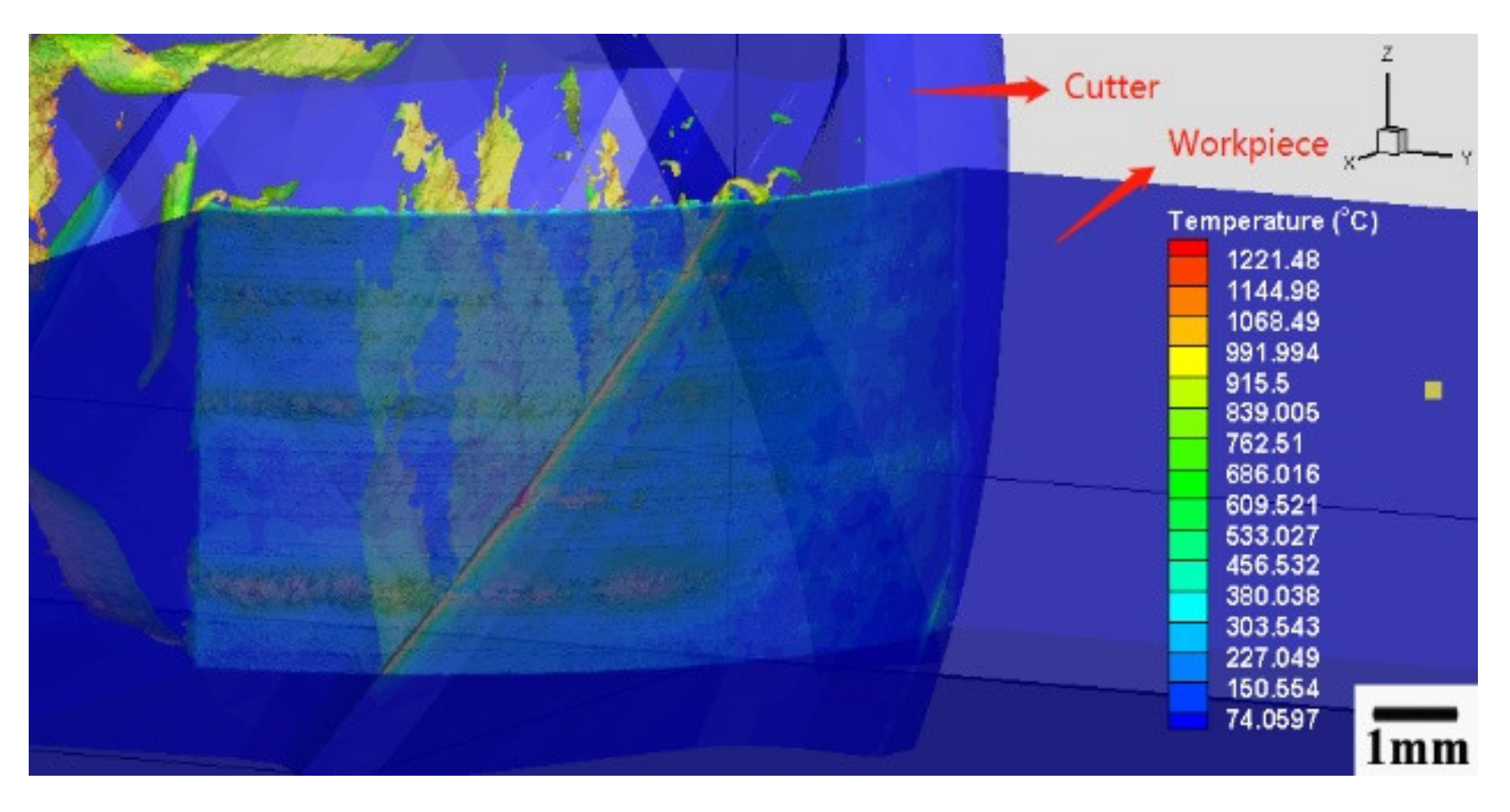
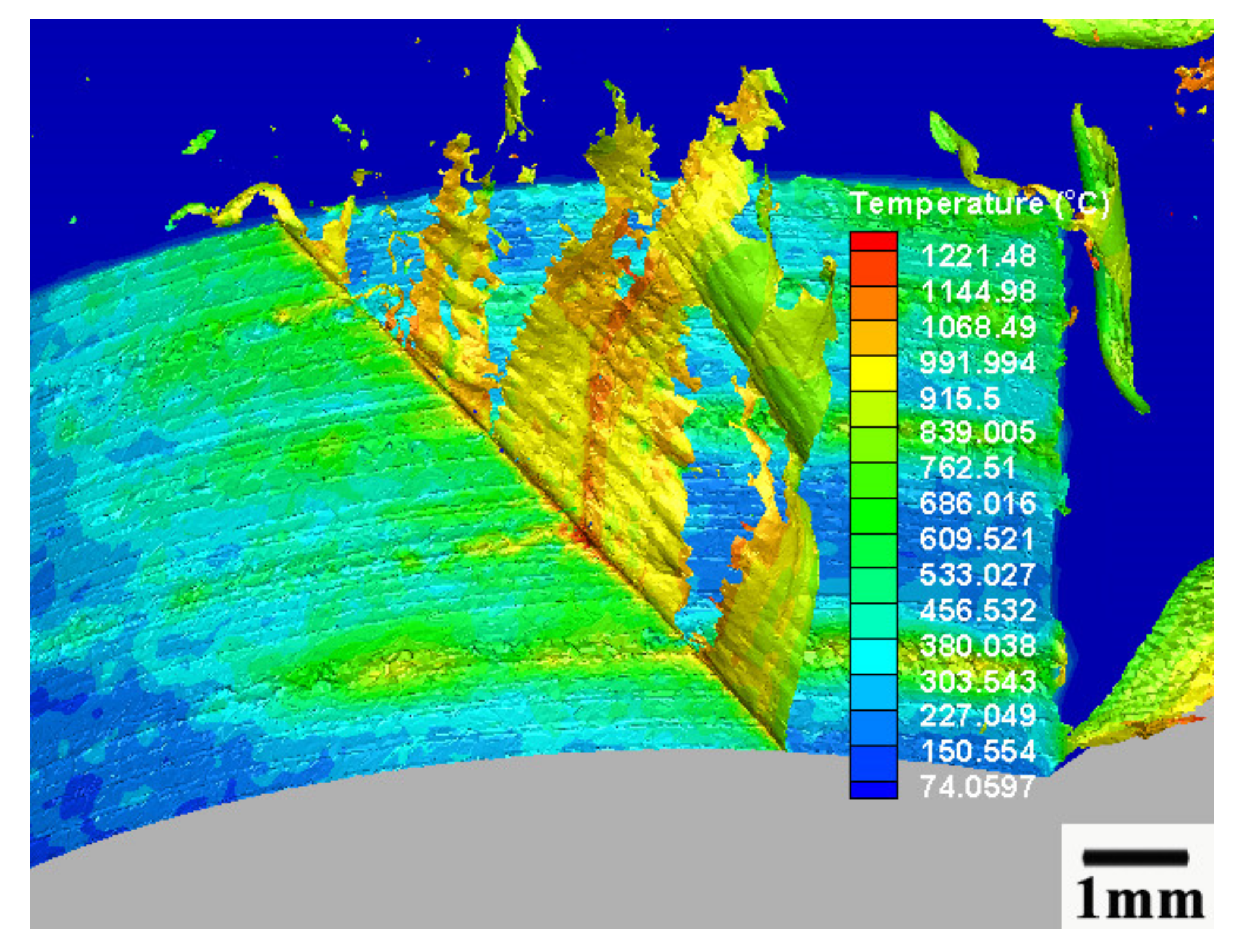
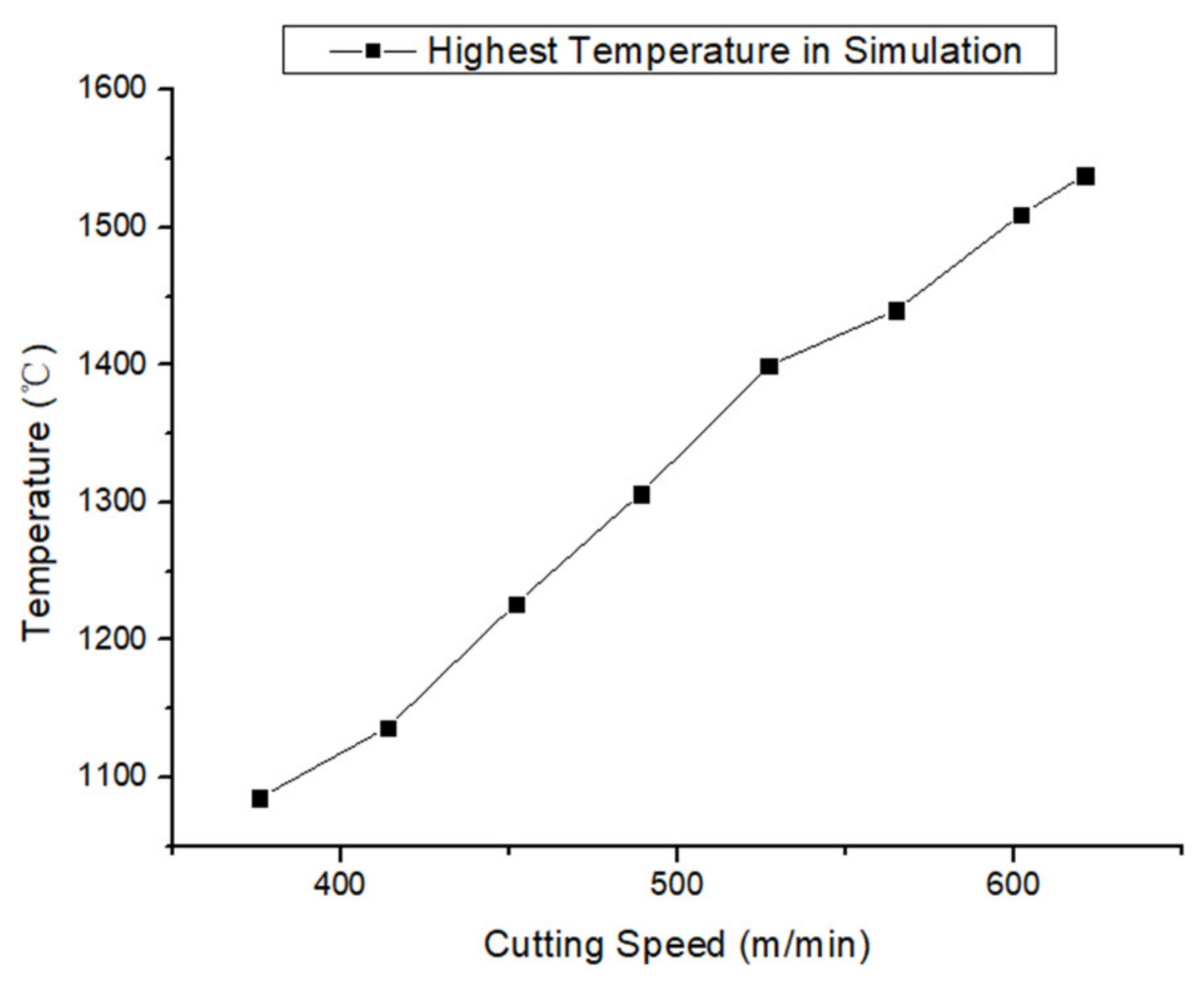
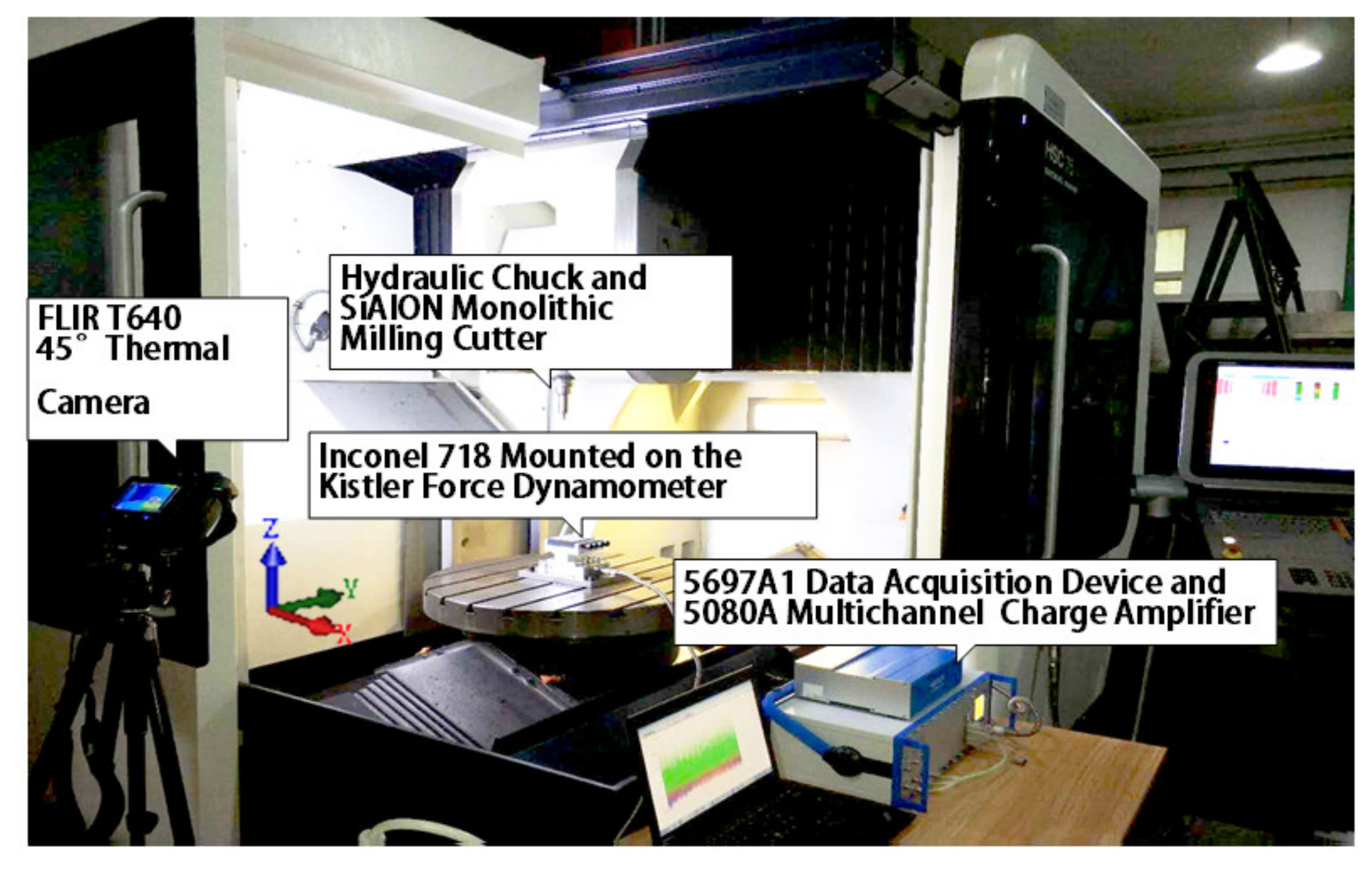
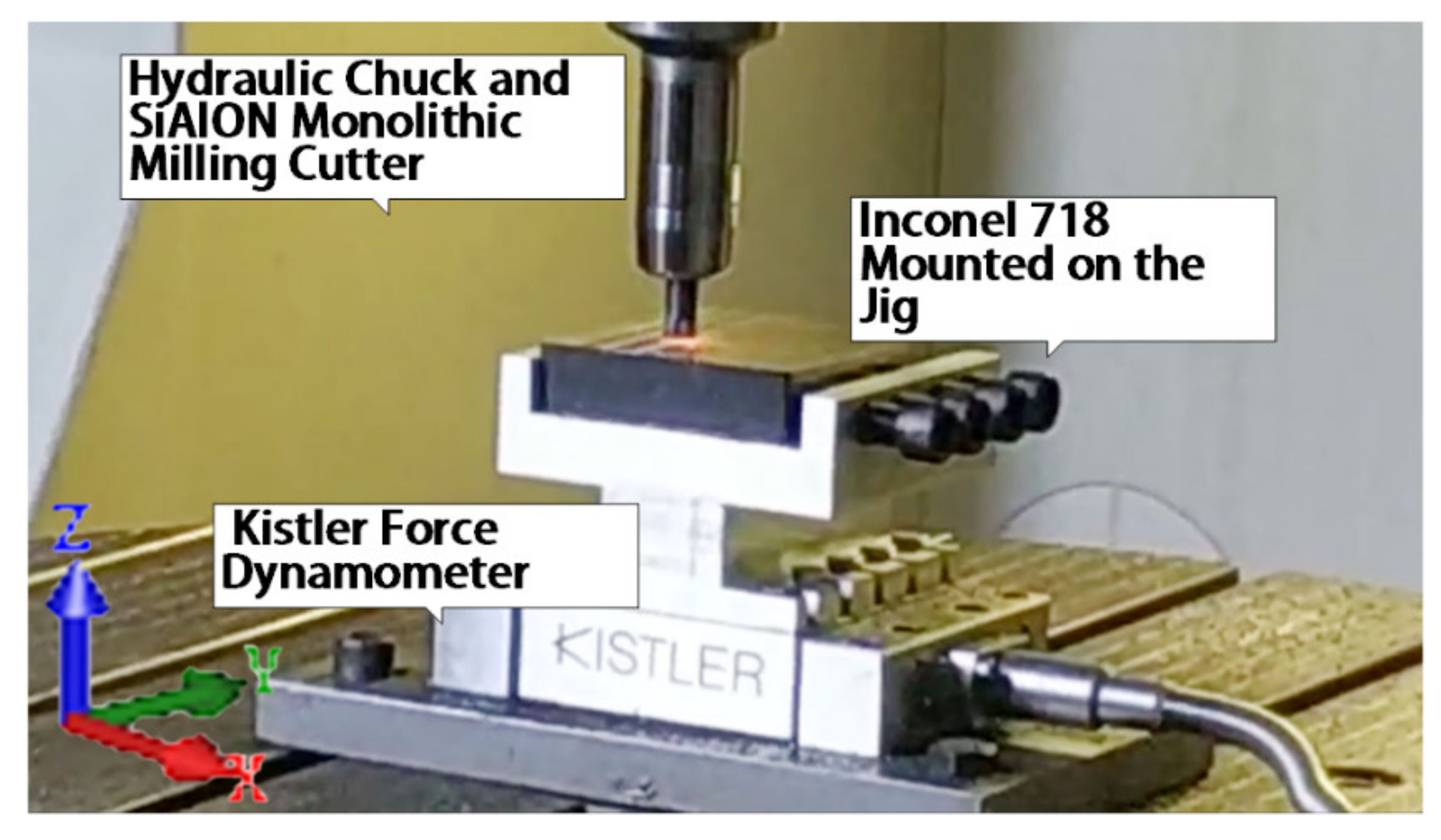
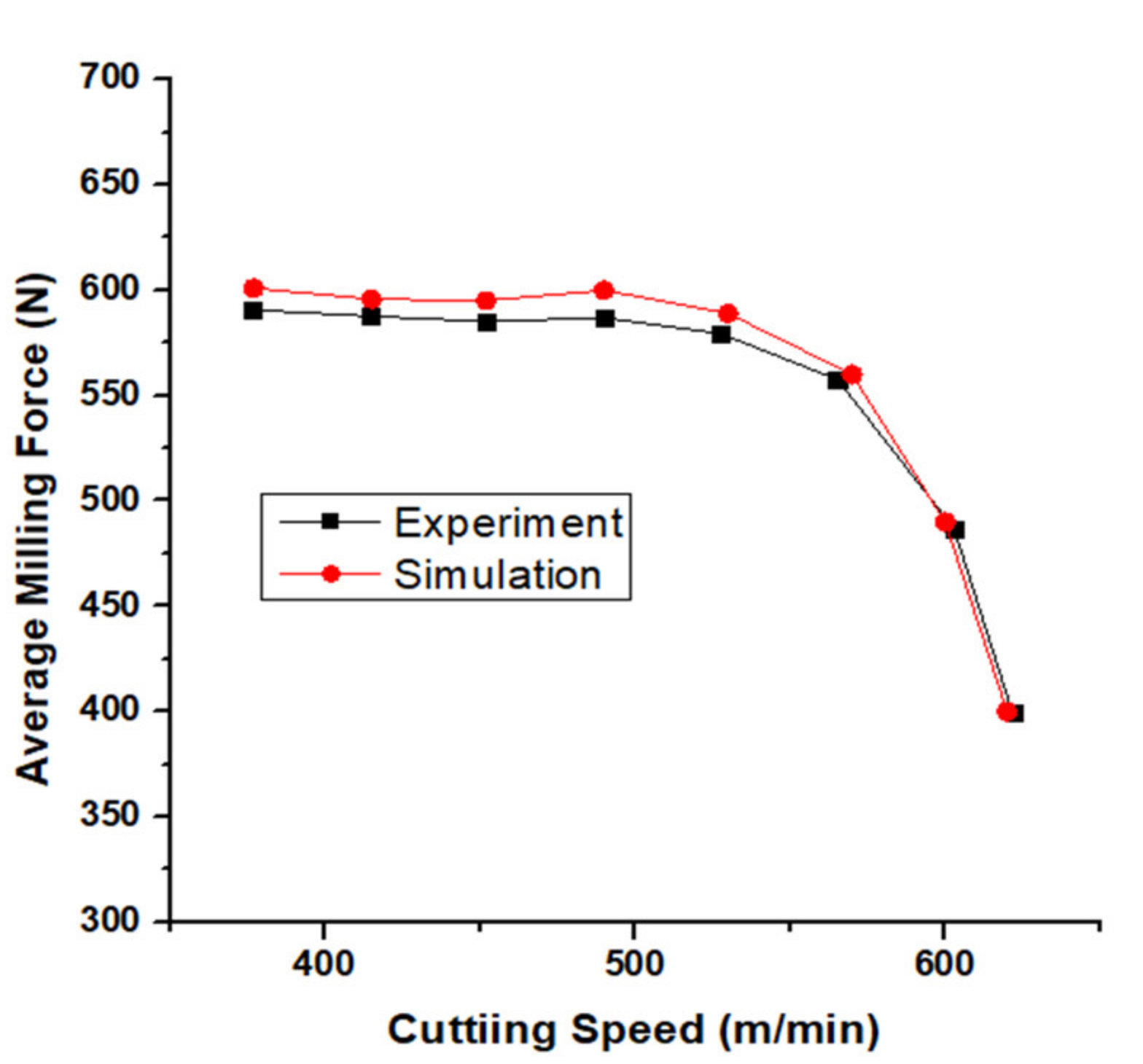
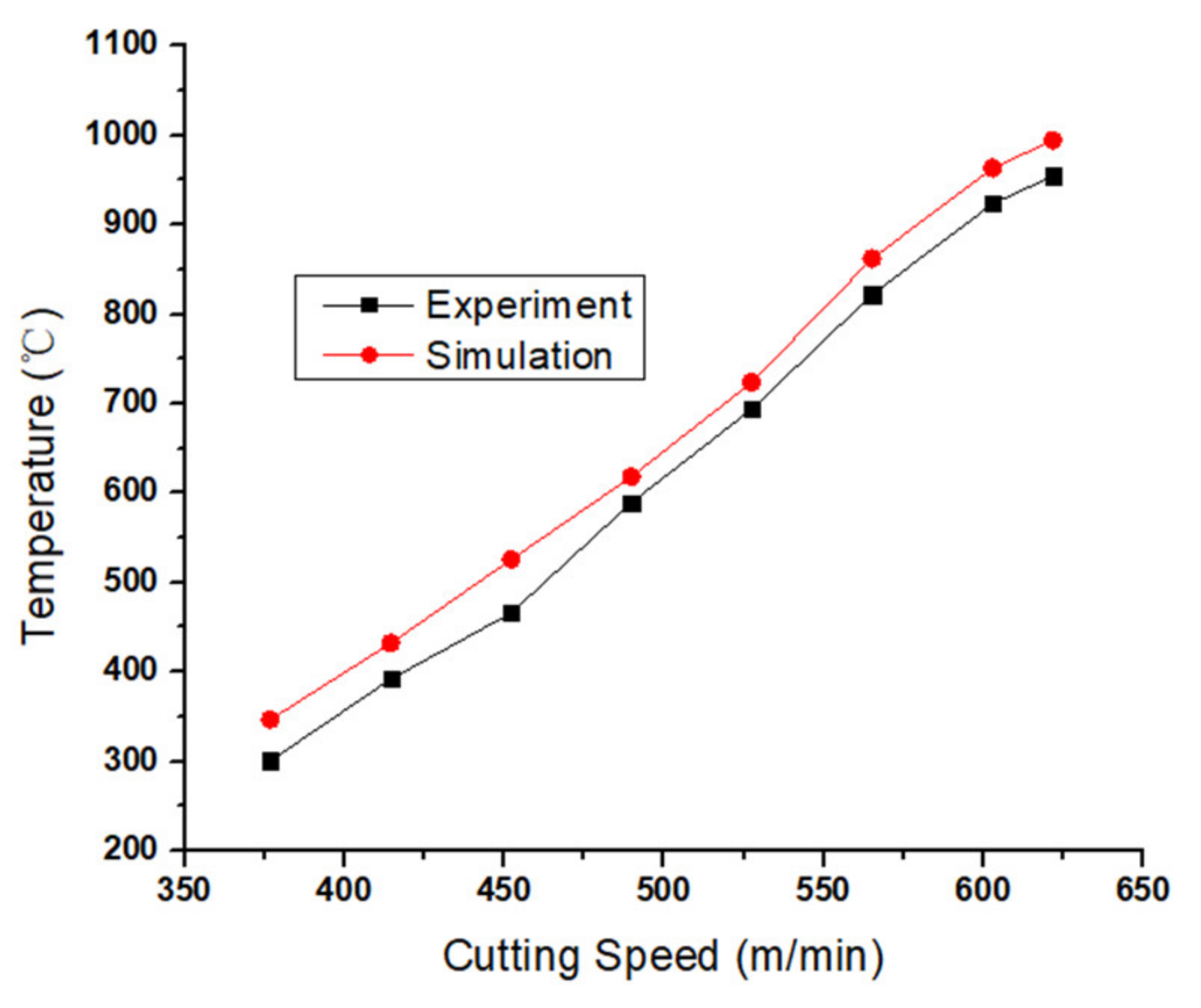
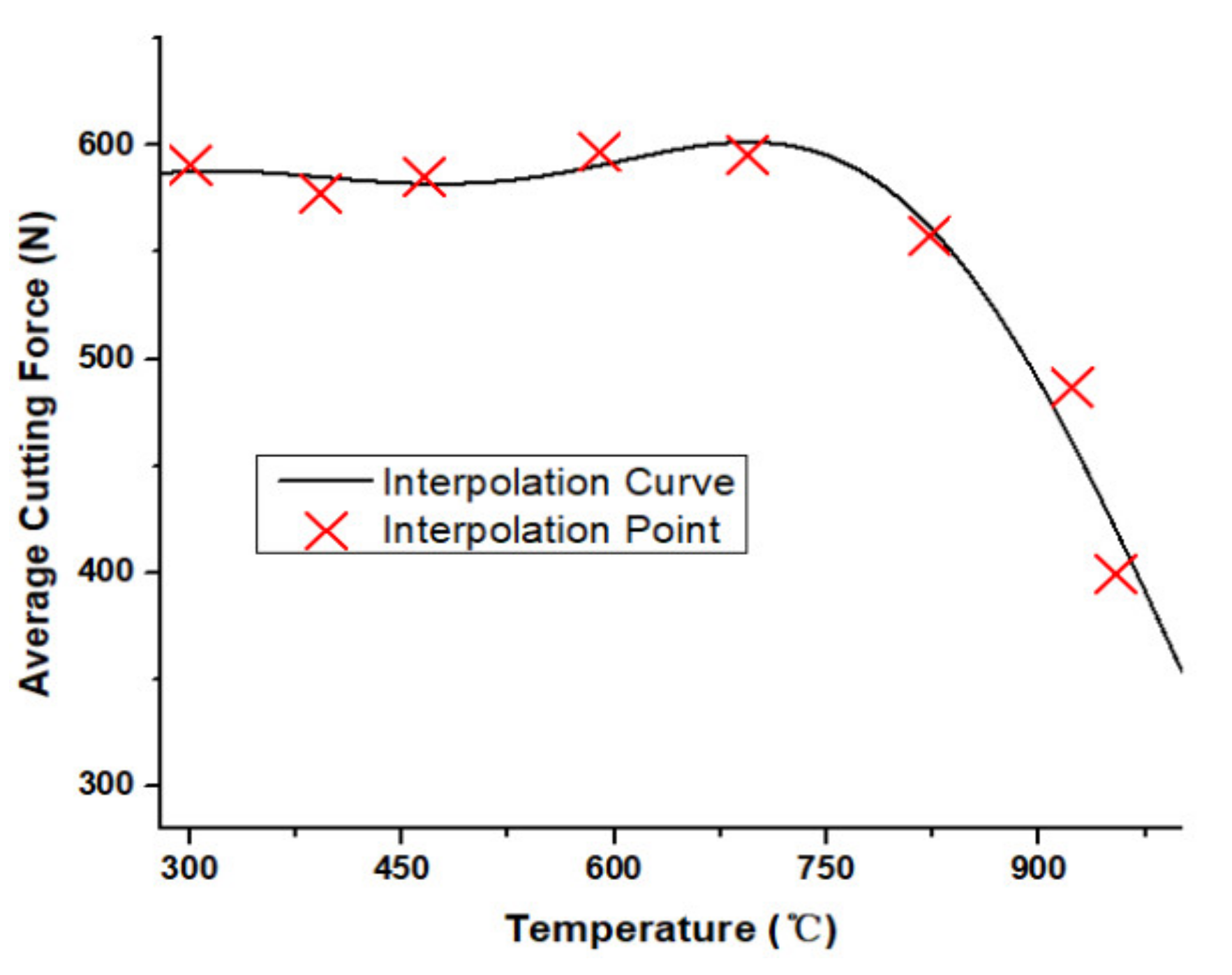
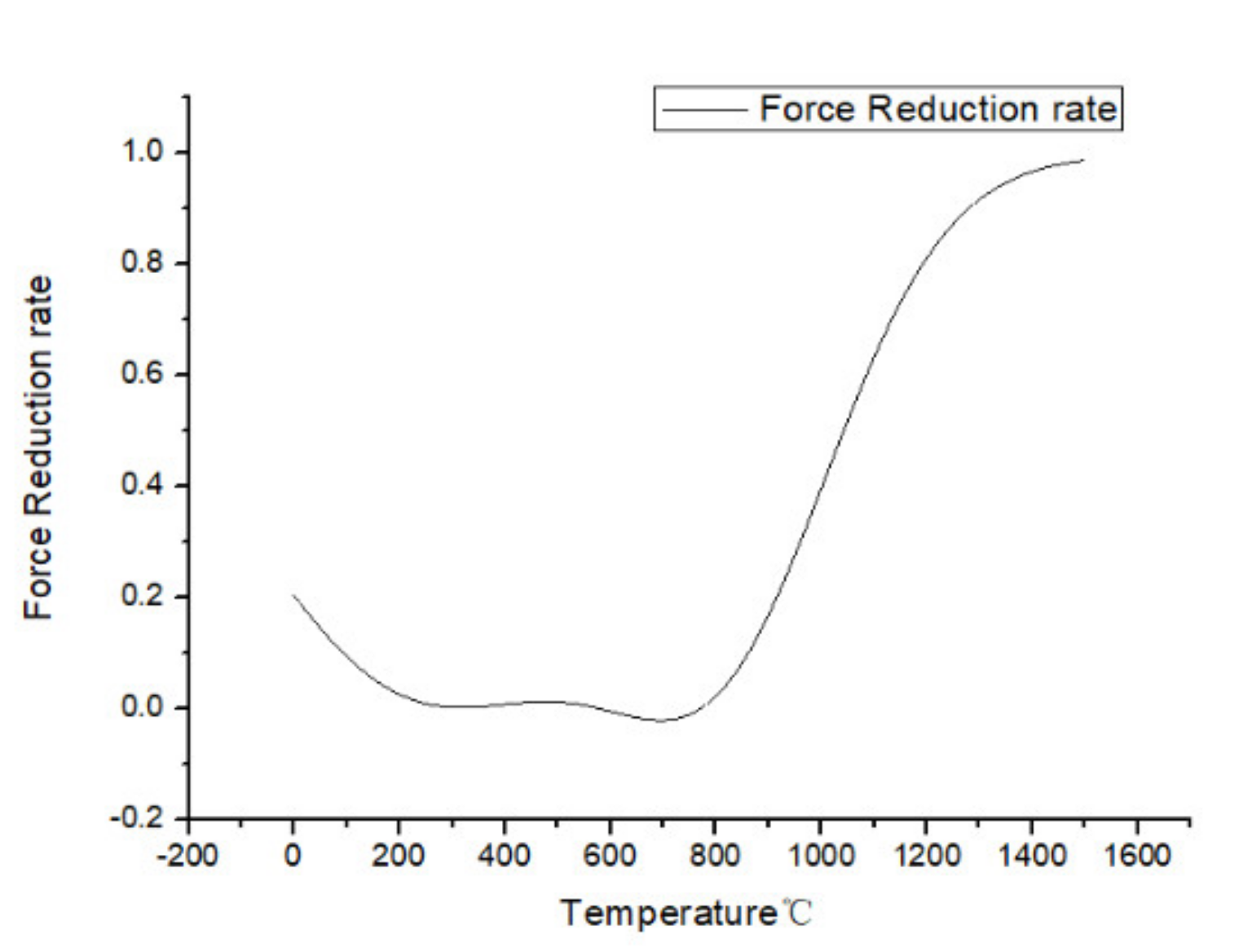
Improving the cutting efficiency is the major factor for improving the processing of nickel-based alloys. The novelty of this research is the calibrated SiAlON ceramic tool dry milling nickel-based alloy process. Firstly, the nickel-based alloy dry milling process was analyzed through the finite element method, and the required milling force and temperature were deduced. Then, several dry milling experiments were conducted with the milling temperature, and the milling force was monitored. The change in cutting speeds was from 400 m/min to 700 m/min. Experimental results verified the reduction of the dry milling force hypothesized by the simulation. The experiment also indicated that with a cut depth of 0.3 mm, cut width of 6 mm, and feed per tooth of 0.03 mm/z, when milling speed exceeded 527.52 m/min, the milling force began to decrease, and the milling temperature exceeded the nickel-based alloy softening temperature. This indicated that easy cutting could be realized under high-speed dry milling conditions. The interpolation curve about average temperature and average milling forces showed similarity to the tensile strength reduction with the rise of temperature.
Keywords: dry milling; nickel-based alloy; material softening effect; ceramic cutting tools dry milling; nickel-based alloy; material softening effect; ceramic cutting tools