Article

Ceramization Mechanism of Ceramizable Silicone Rubber Composites with Nano Silica at Low Temperature


1
State Key Laboratory of Electrical Insulation and Power Equipment, Xi’an Jiaotong University, Xi’an 710049, China
2
State Key Laboratory for Mechanical Behavior of Materials, Xi’an Jiaotong University, Xi’an 710049, China
*
Author to whom correspondence should be addressed.
Materials 2020, 13(17), 3708; https://doi.org/10.3390/ma13173708
Submission received: 22 July 2020 / Revised: 7 August 2020 / Accepted: 19 August 2020 / Published: 21 August 2020
(This article belongs to the Special Issue Advanced Composite Materials: Theory, Design and Applications)

Abstract

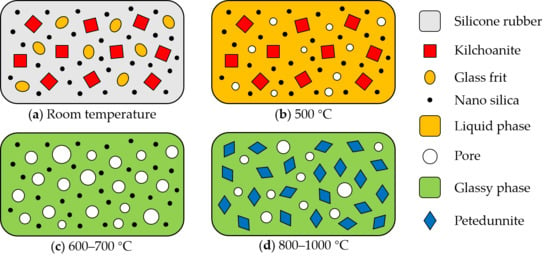
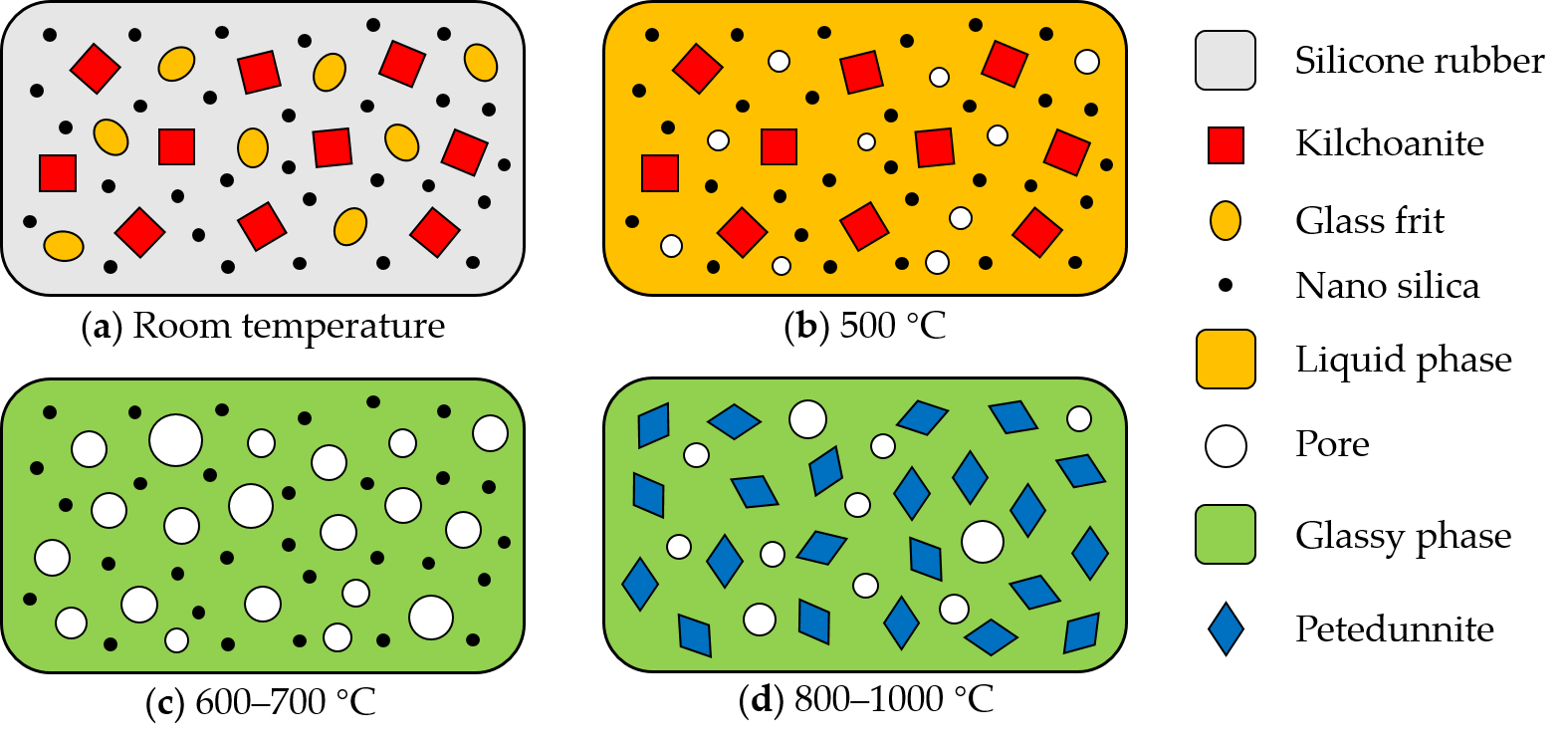
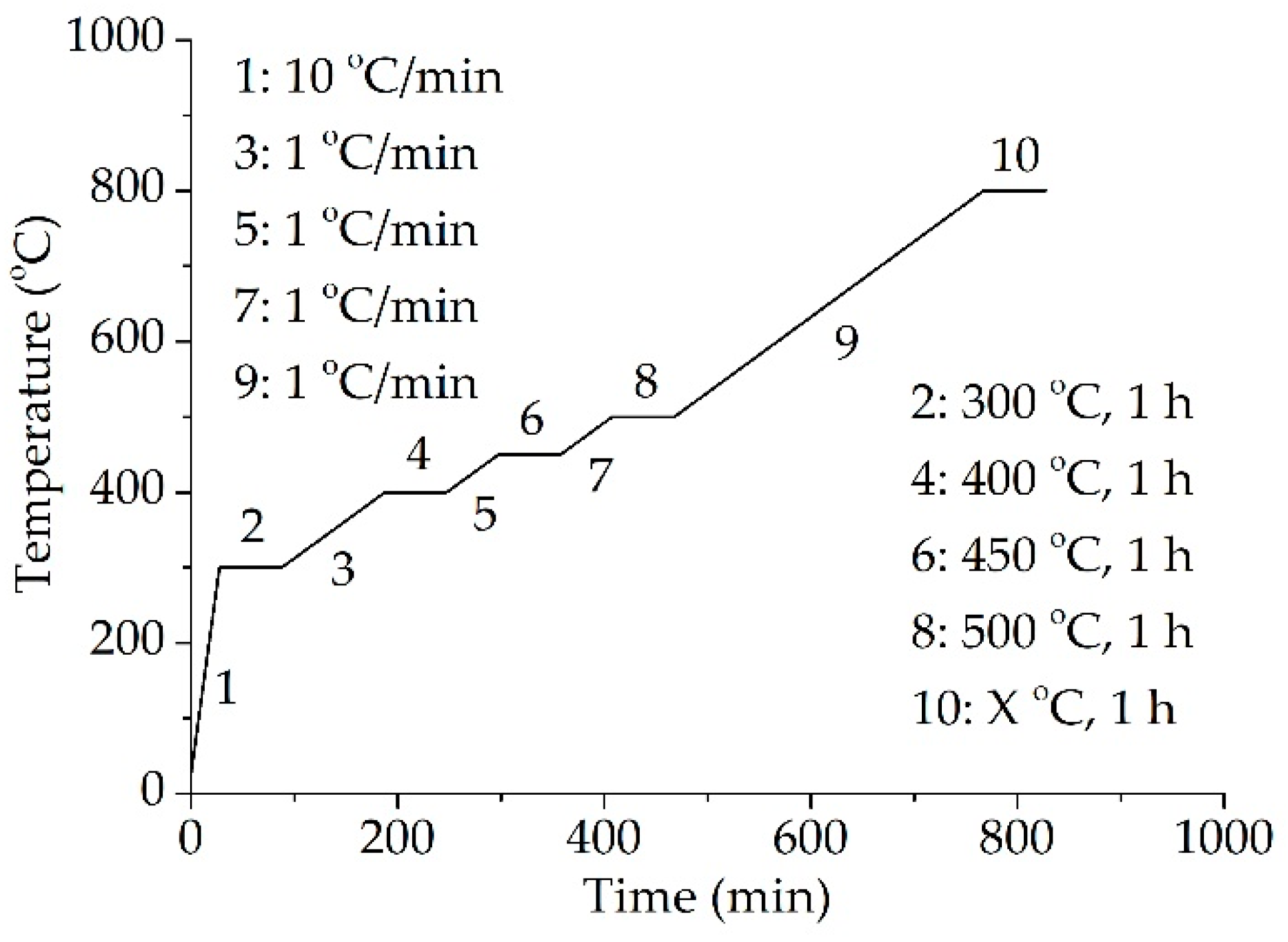
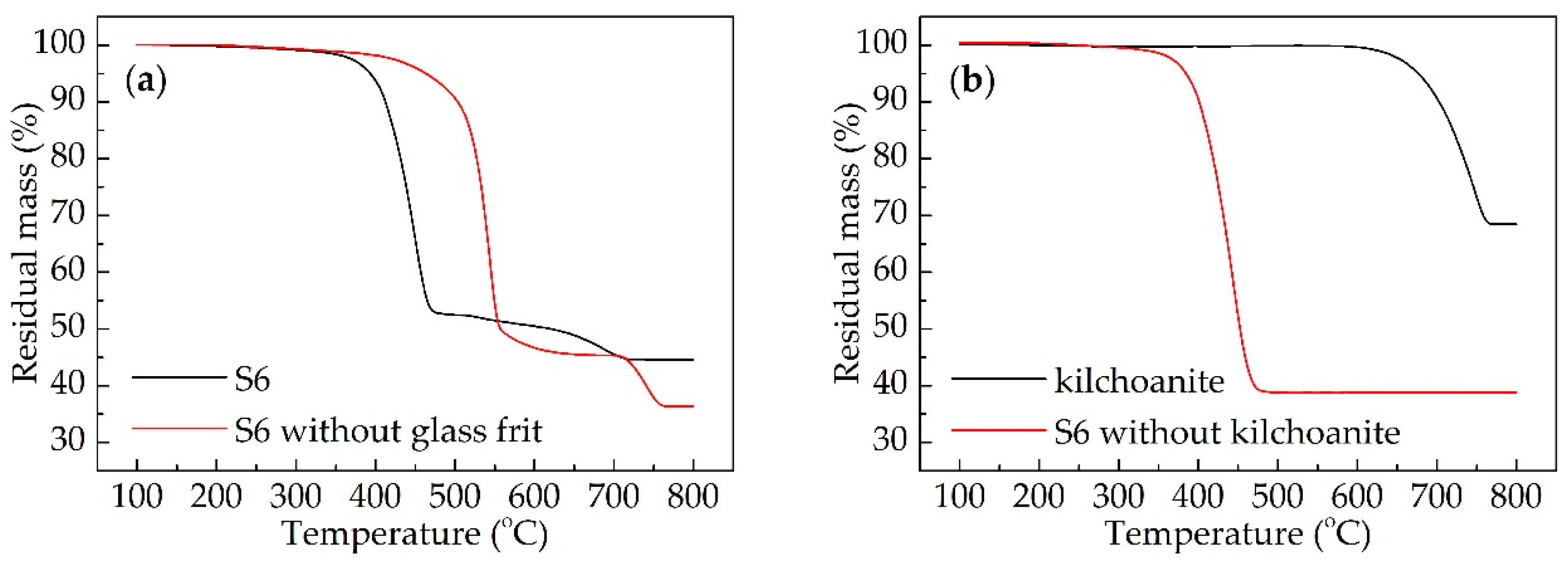
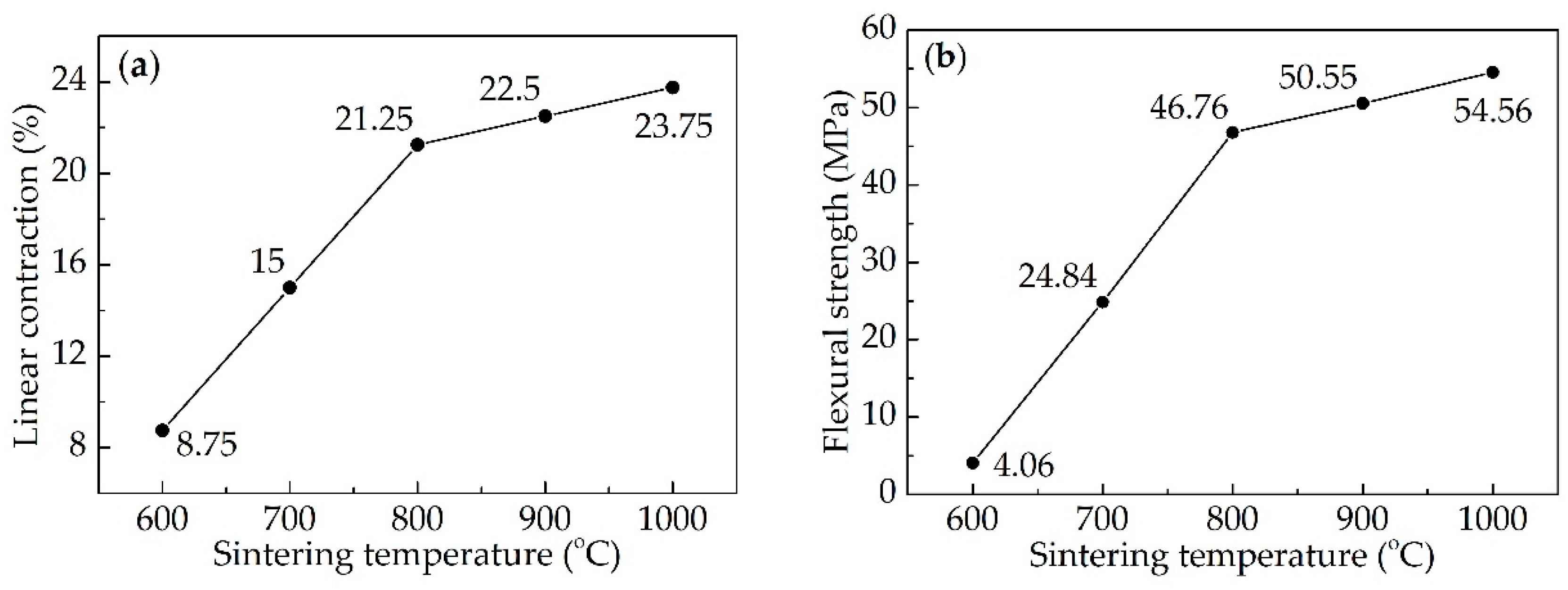
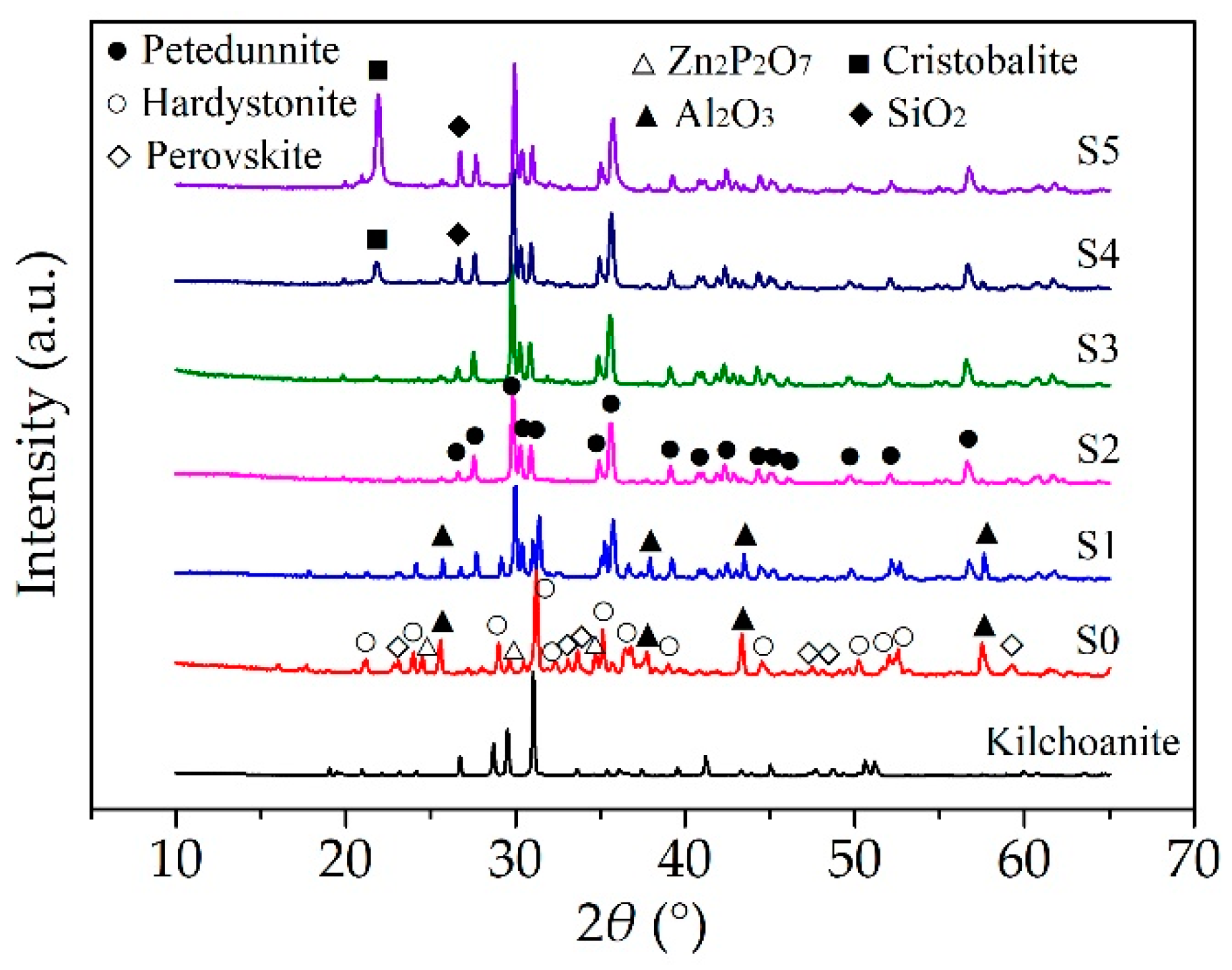
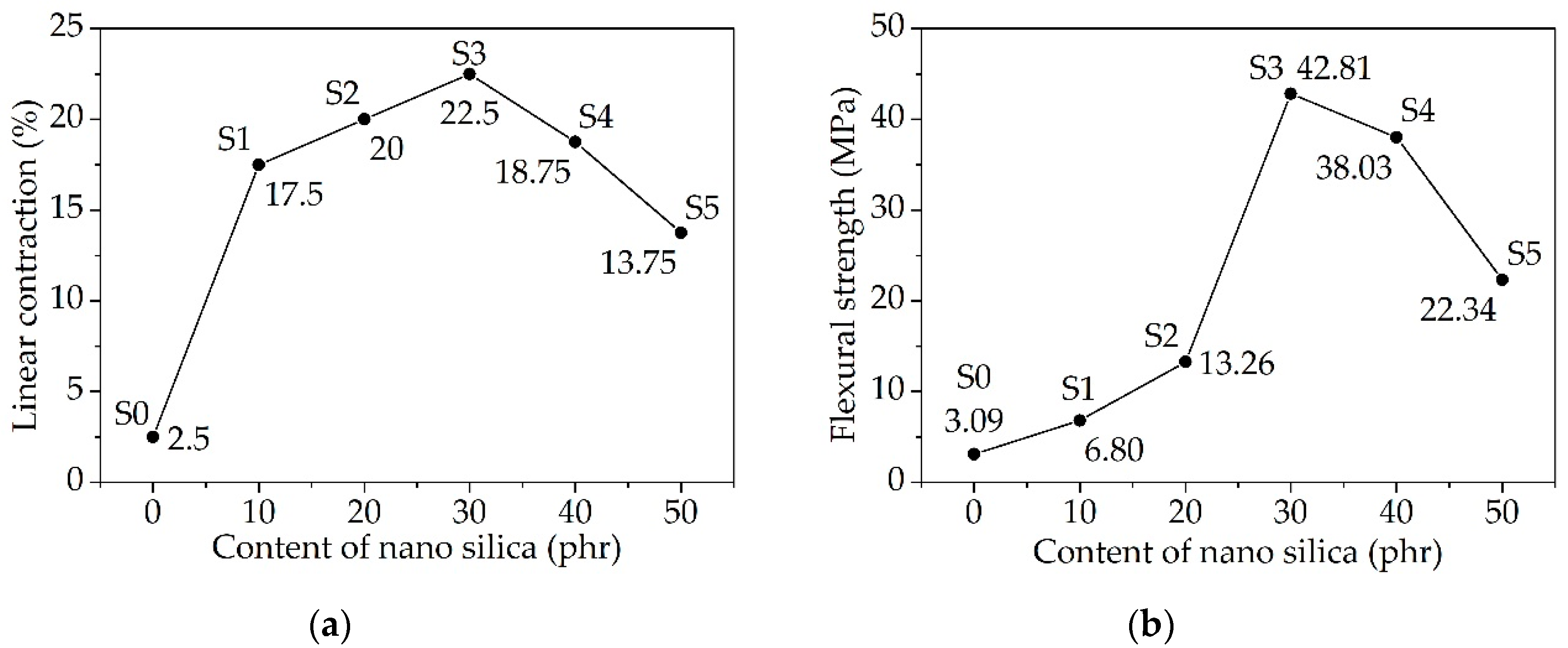
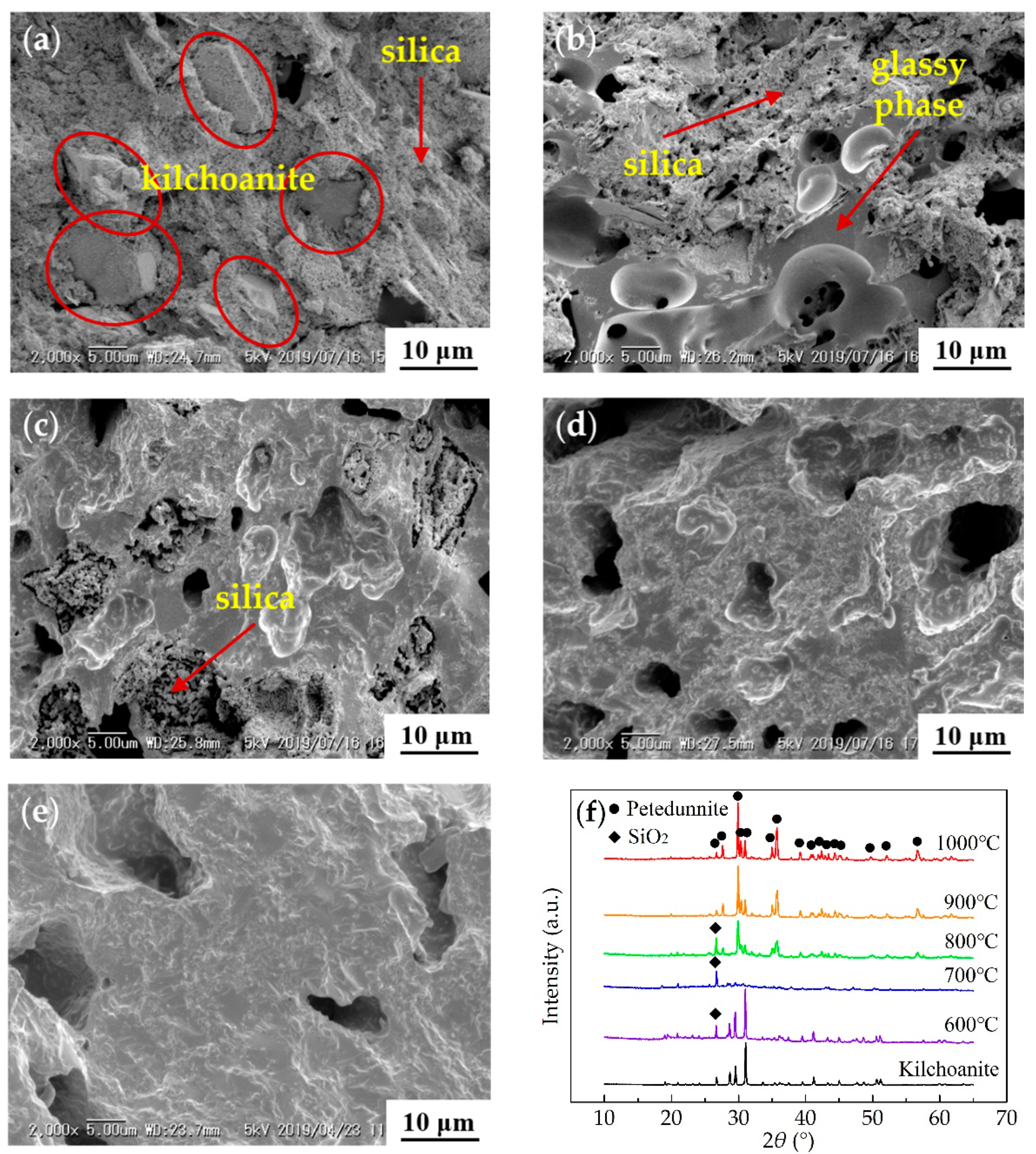
Ceramizable composite is a kind of polymer matrix composite that can turn into ceramic material at a high temperature. It can be used for the ceramic insulation of a metal conductor because of its processability. However, poor low-temperature ceramization performance is a problem of ceramizable composites. In this paper, ceramizable composites were prepared by using silicone rubber as a matrix. Ceramic samples were sintered at different temperatures no more than 1000 °C, according to thermogravimetric analysis results of the composites. The linear contraction and flexural strength of the ceramics were measured. The microstructure and crystalline phase of ceramics were analyzed using scanning electron microscope (SEM) and X-ray diffraction (XRD). The results show that the composites turned into ceramics at 800 °C, and a new crystal and continuous microstructure formed in the samples. The flexural strength of ceramics was 46.76 MPa, which was more than twice that of similar materials reported in other research sintered at 1000 °C. The maximum flexural strength was 54.56 MPa, when the sintering temperature was no more than 1000 °C. Moreover, glass frit and nano silica played important roles in the formation of the ceramic phase in this research. A proper content of nano silica could increase the strength of the ceramic samples.
Keywords: ceramizable composites; polymer matrix composites; nano silica; liquid-phase sintering; microstructure ceramizable composites; polymer matrix composites; nano silica; liquid-phase sintering; microstructure
Graphical Abstract