Review

Metal Matrix Composites Synthesized by Laser-Melting Deposition: A Review


by
Muhammad Arif Mahmood
1,2,
Andrei C. Popescu
3,* and
Ion N. Mihailescu
2,*
1
Faculty of Physics, University of Bucharest, Magurele, 077125 Ilfov, Romania
2
Laser Department, National Institute for Laser, Plasma and Radiation Physics (INFLPR), Magurele, 077125 Ilfov, Romania
3
Center for Advanced Laser Technologies (CETAL), National Institute for Laser, Plasma and Radiation Physics (INFLPR), Magurele, 077125 Ilfov, Romania
*
Authors to whom correspondence should be addressed.
Materials 2020, 13(11), 2593; https://doi.org/10.3390/ma13112593
Submission received: 8 May 2020 / Revised: 25 May 2020 / Accepted: 3 June 2020 / Published: 6 June 2020

Abstract

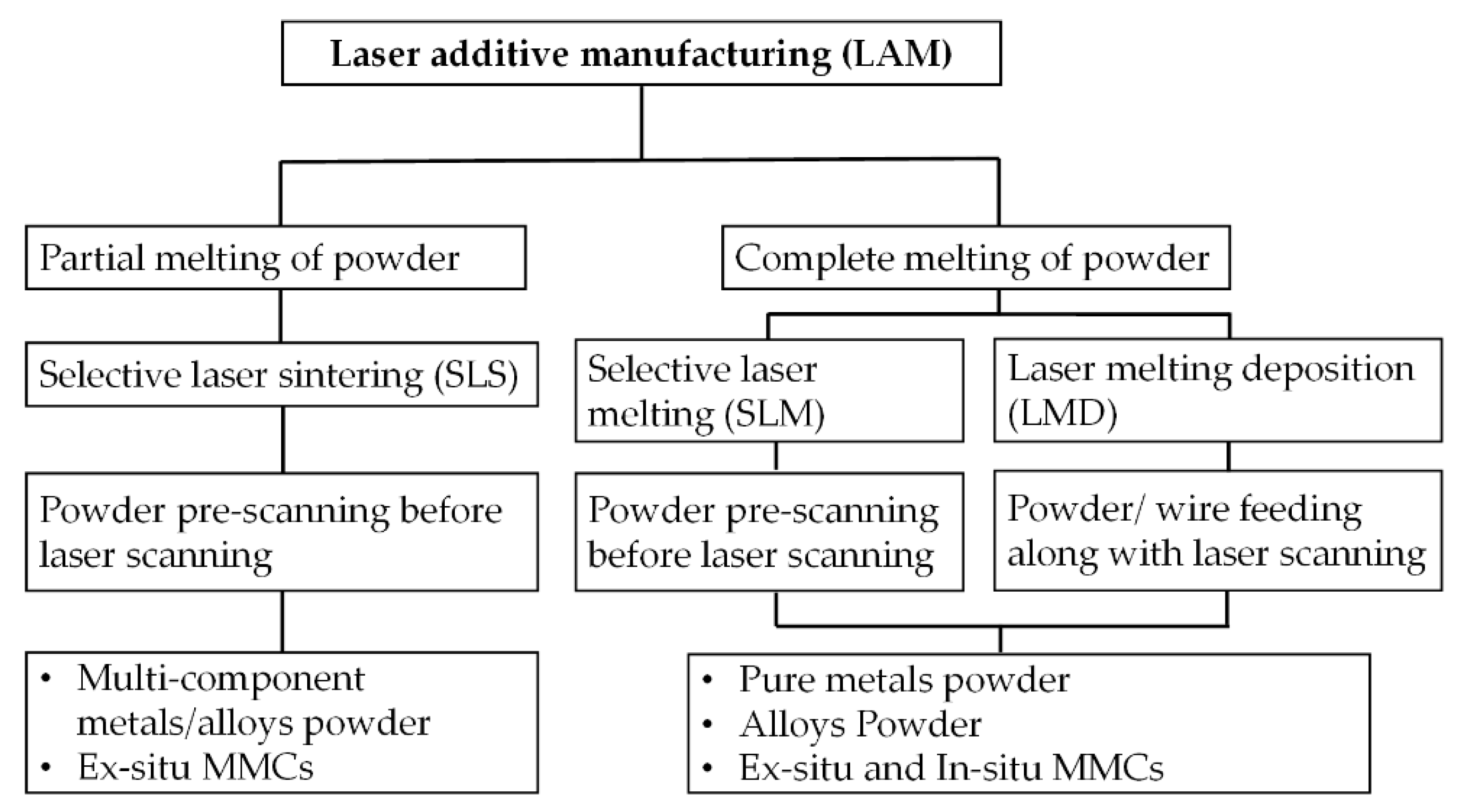
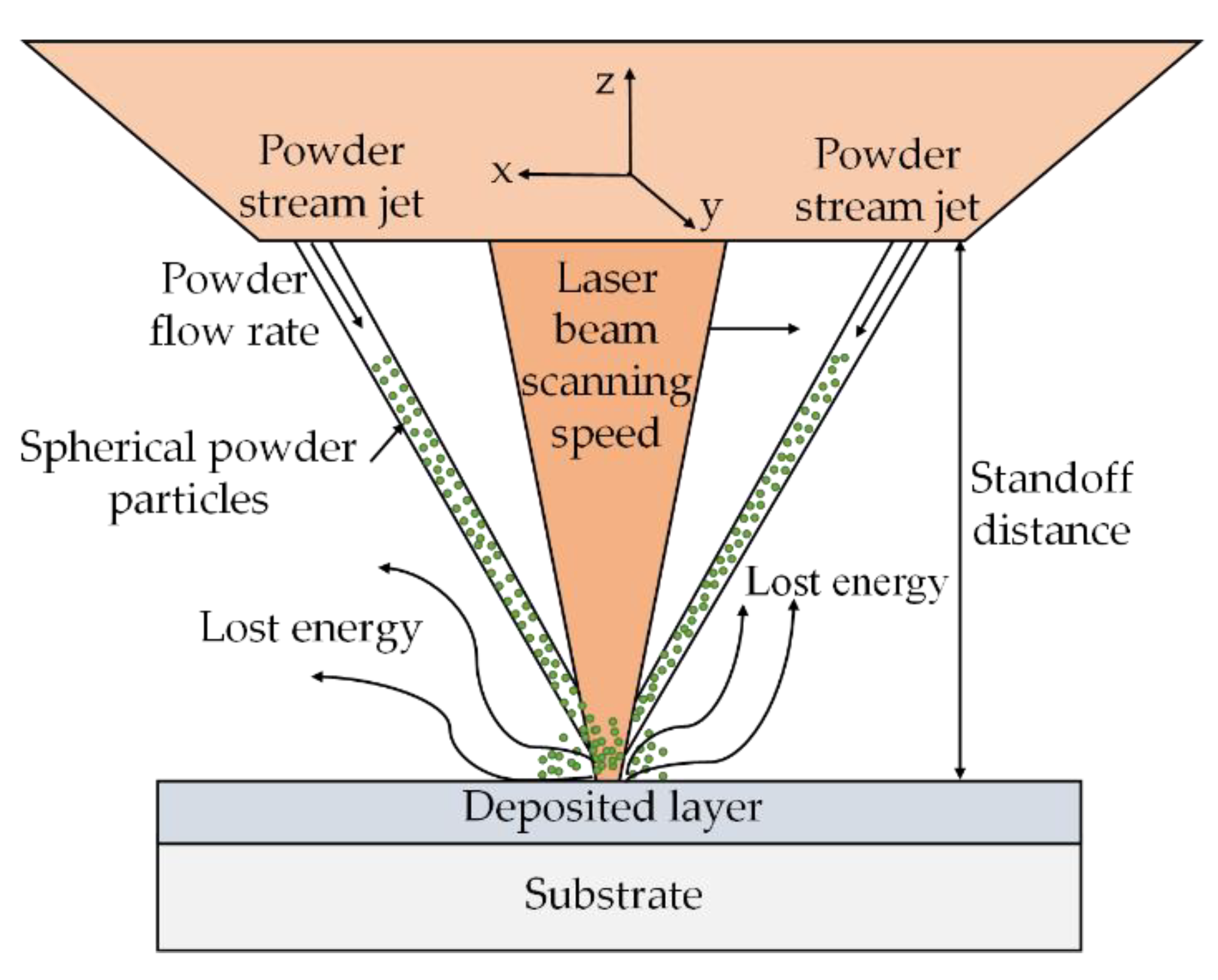
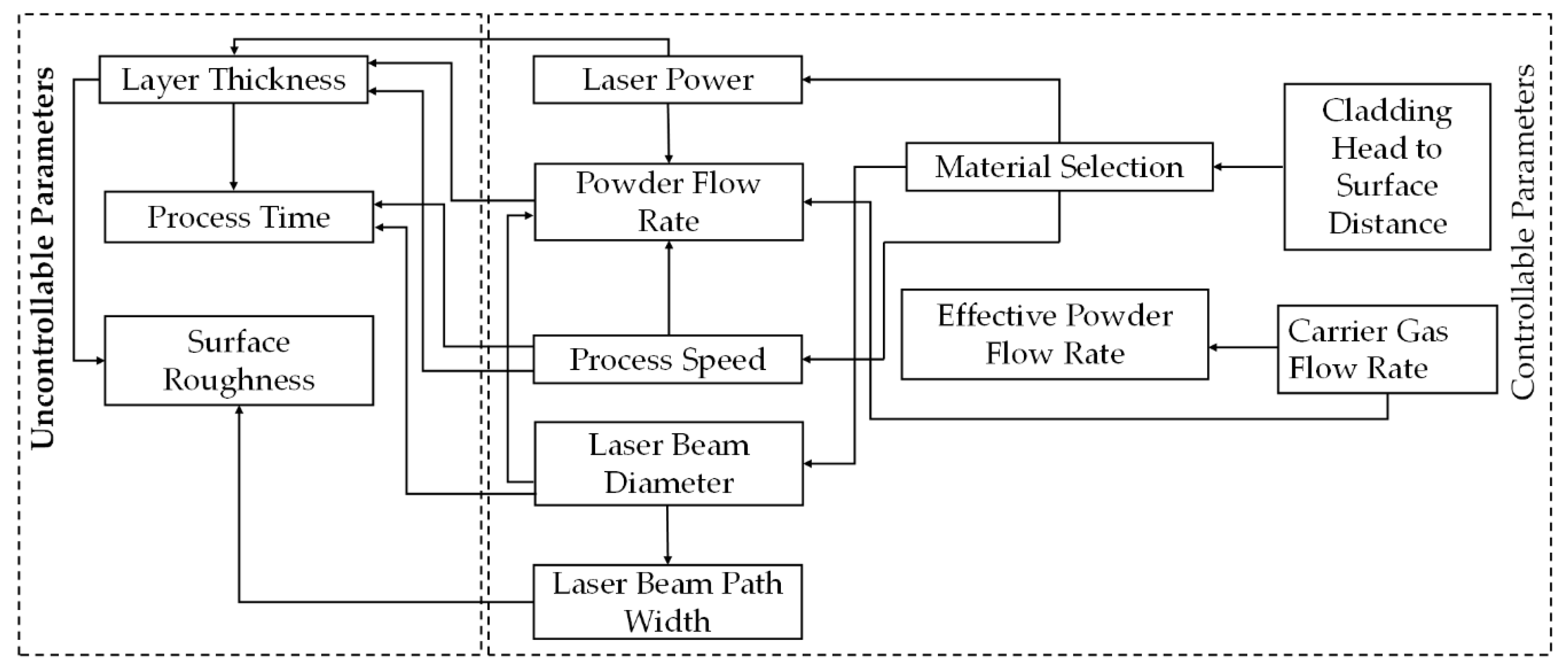
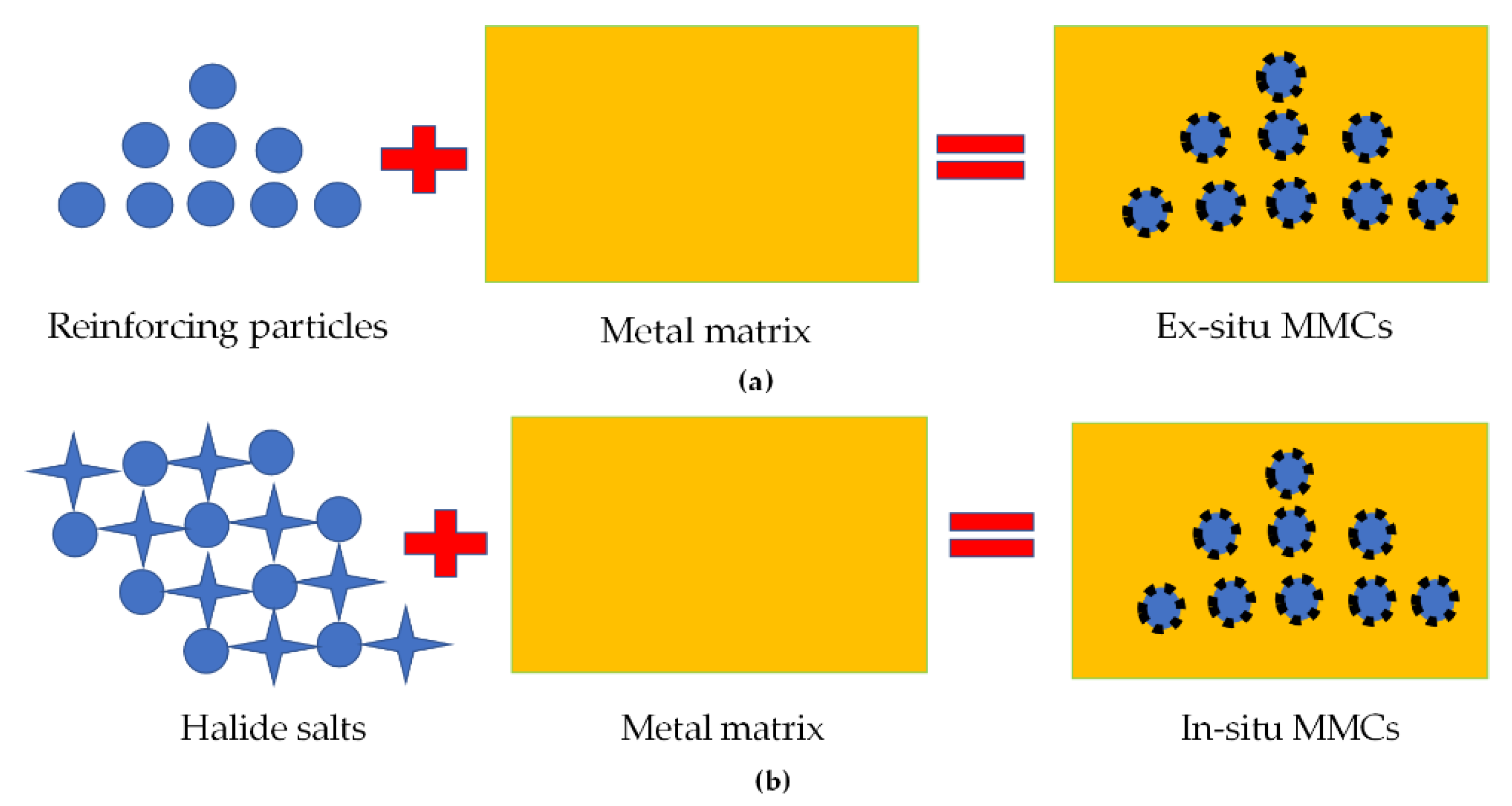
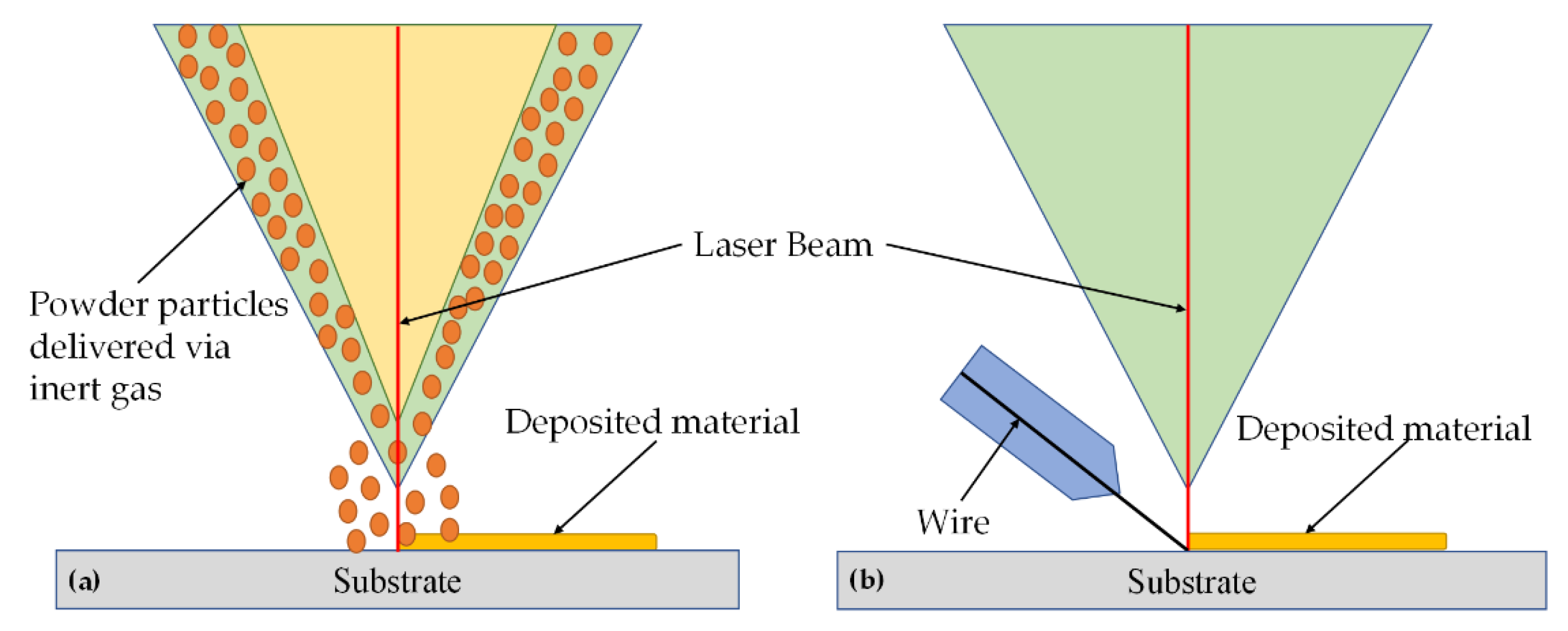
Metal matrix composites (MMCs) present extraordinary characteristics, including high wear resistance, excellent operational properties at elevated temperature, and better chemical inertness as compared to traditional alloys. These properties make them prospective candidates in the fields of aerospace, automotive, heavy goods vehicles, electrical, and biomedical industries. MMCs are challenging to process via traditional manufacturing techniques, requiring high cost and energy. The laser-melting deposition (LMD) has recently been used to manufacture MMCs via rapid prototyping, thus, solving these drawbacks. Besides the benefits mentioned above, the issues such as lower ultimate tensile strength, yield strength, weak bonding between matrix and reinforcements, and cracking are still prevalent in parts produced by LMD. In this article, a detailed analysis is made on the MMCs manufactured via LMD. An illustration is presented on the LMD working principle, its classification, and dependent and independent process parameters. Moreover, a brief comparison between the wire and powder-based LMDs has been summarized. Ex- and in-situ MMCs and their preparation techniques are discussed. Besides this, various matrices available for MMCs manufacturing, properties of MMCs after printing, possible complications and future research directions are reviewed and summarized.
Keywords: 3D printing; laser-melting deposition; wire- and powder-based laser-melting depositions; metal matrix composites; mechanical properties of metal matrix composites 3D printing; laser-melting deposition; wire- and powder-based laser-melting depositions; metal matrix composites; mechanical properties of metal matrix composites