Article

Dry Sliding Wear Behavior and Mild–Severe Wear Transition of Mg97Zn1Y2 Alloy at Elevated Temperatures

1
Key Laboratory of Automobile Materials, Ministry of Education, Jilin University, Changchun 130025, China
2
Department of Materials Science and Engineering, Jilin University, Changchun 130025, China
3
Faw Jiefang Automobile Company Limited, Changchun 130011, China
*
Authors to whom correspondence should be addressed.
Materials 2018, 11(9), 1735; https://doi.org/10.3390/ma11091735
Submission received: 27 August 2018 / Revised: 12 September 2018 / Accepted: 13 September 2018 / Published: 14 September 2018
(This article belongs to the Section Advanced Materials Characterization)

Abstract

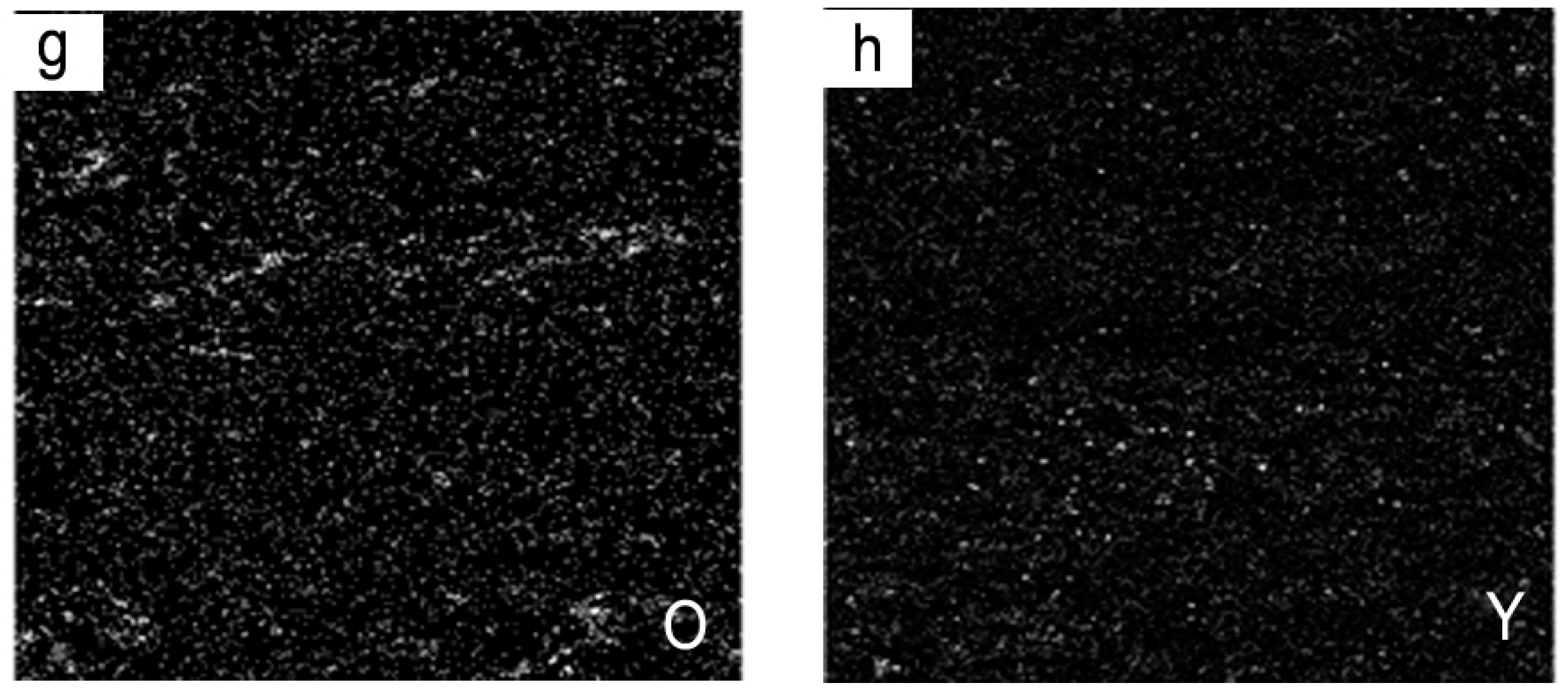
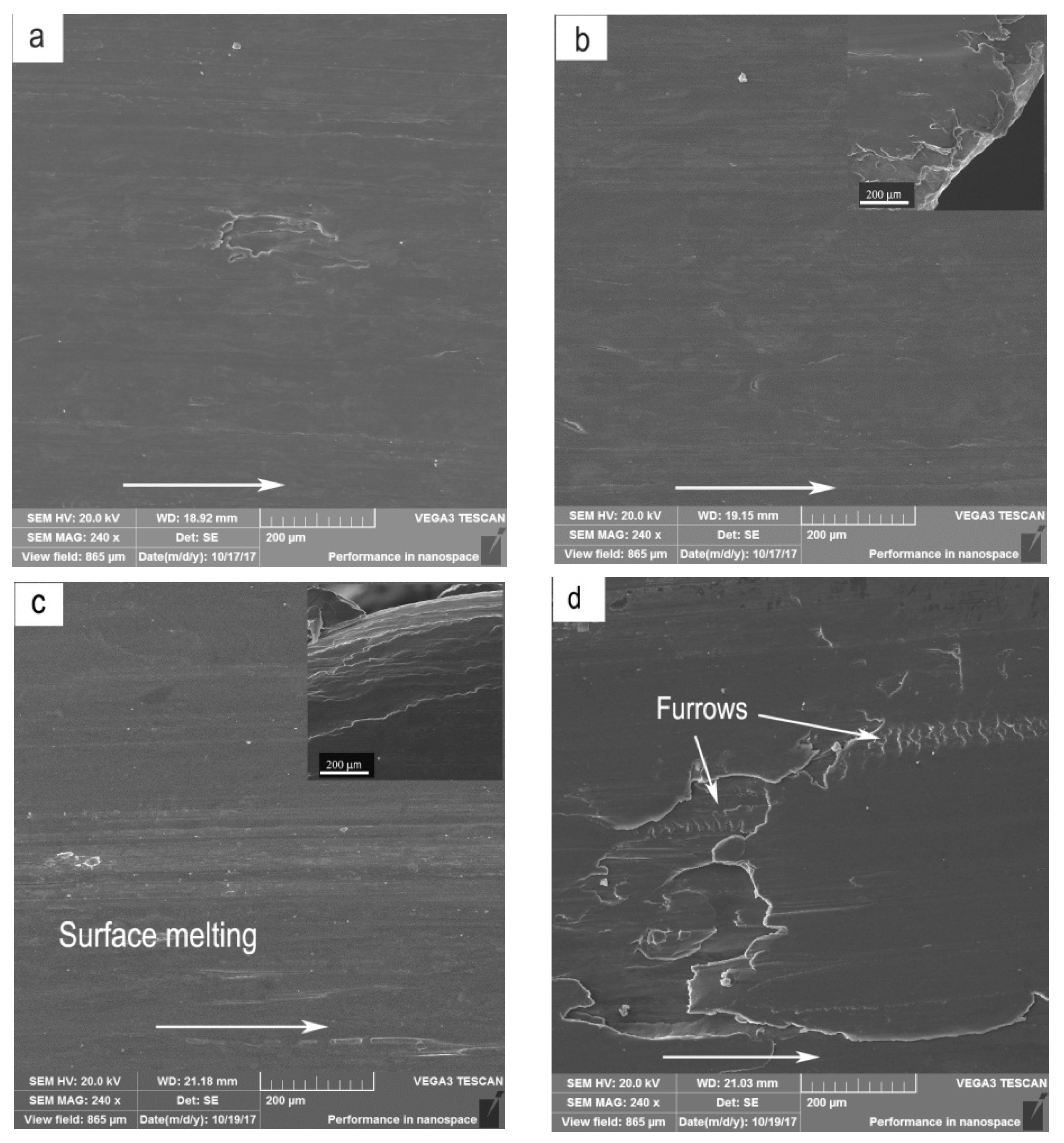
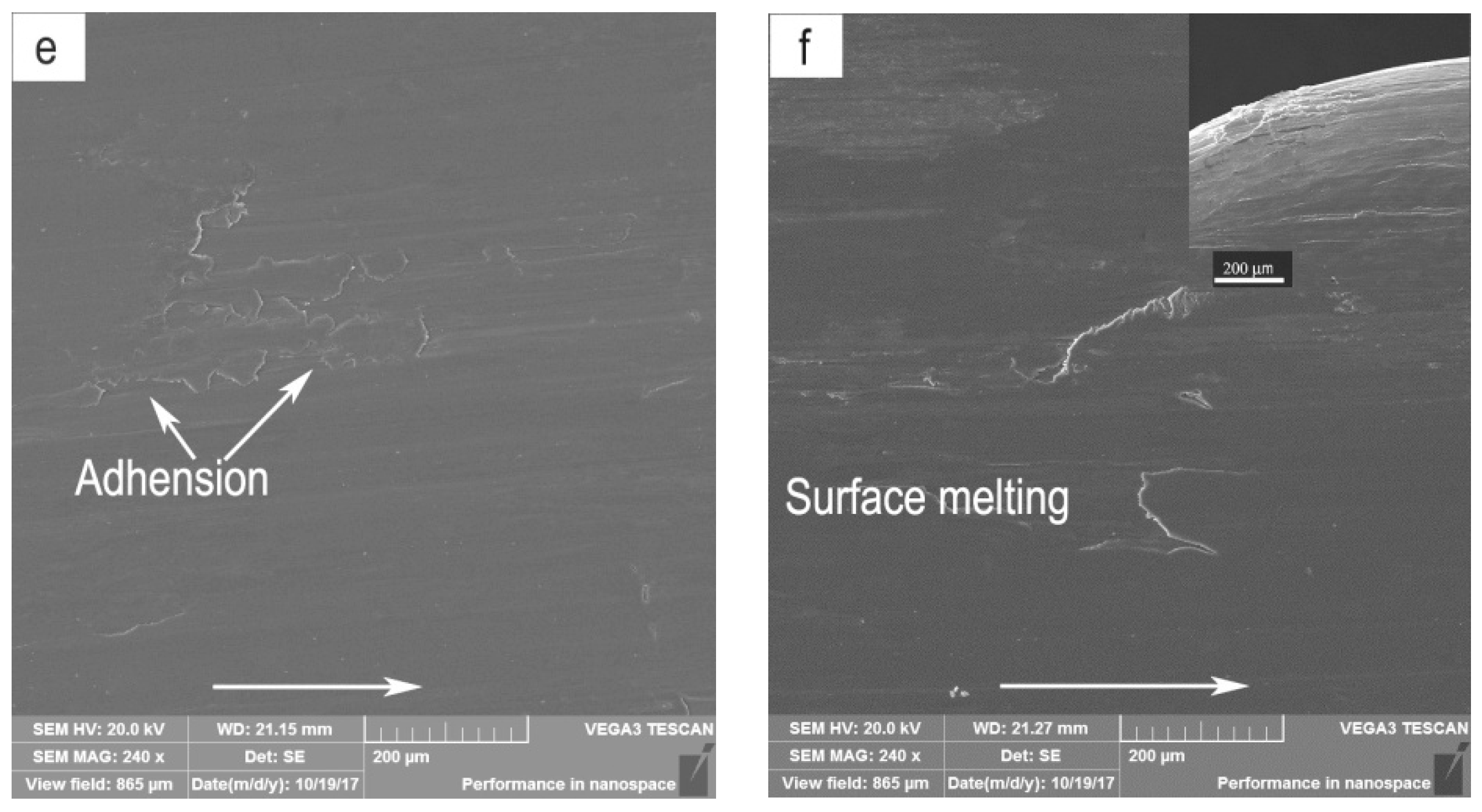
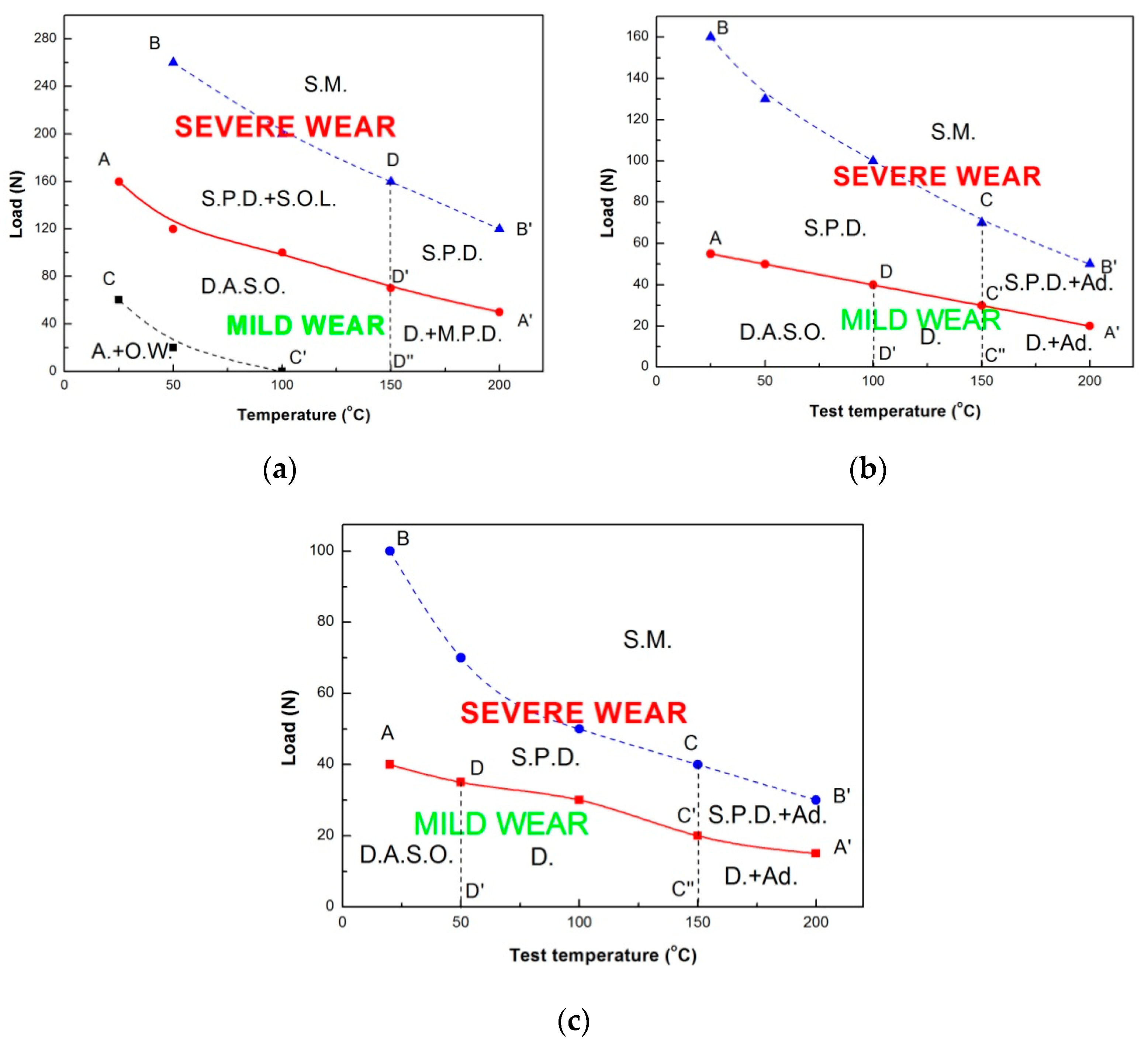
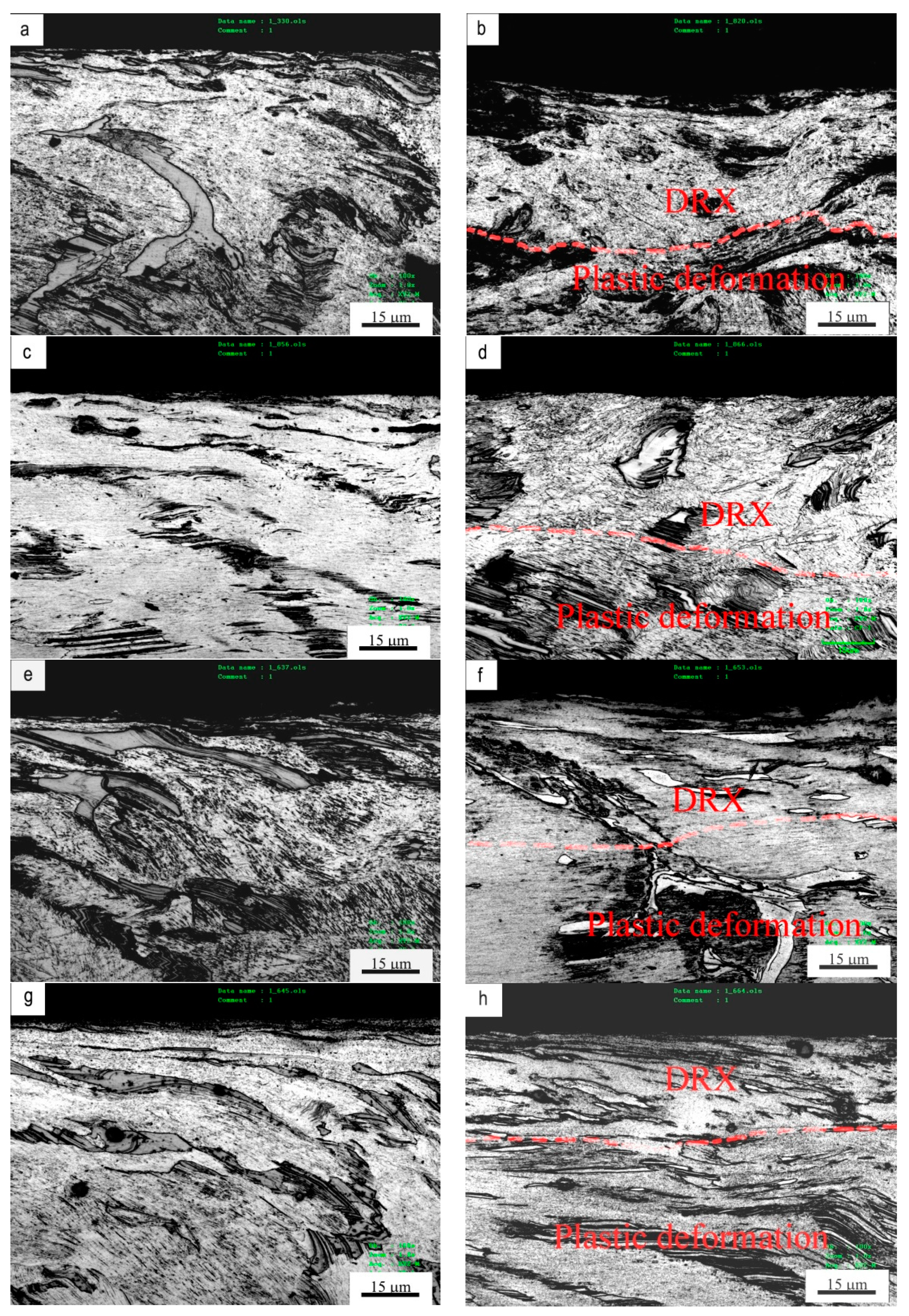
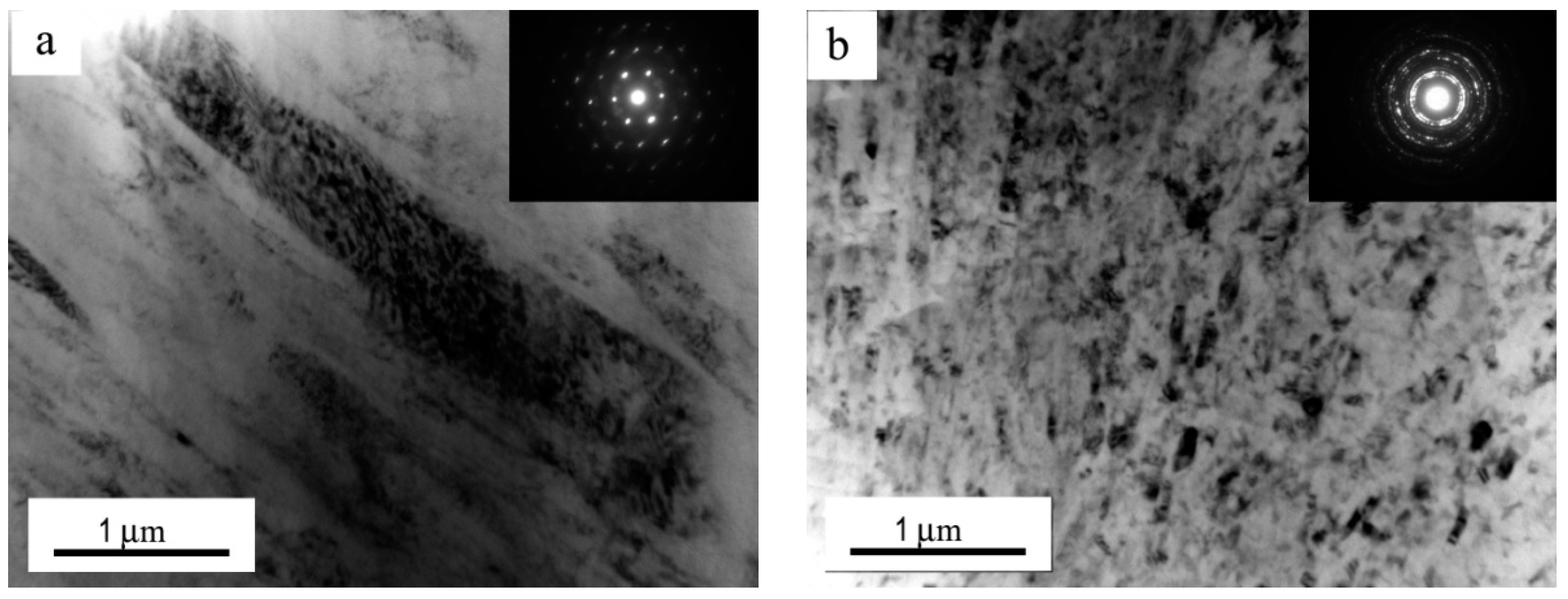
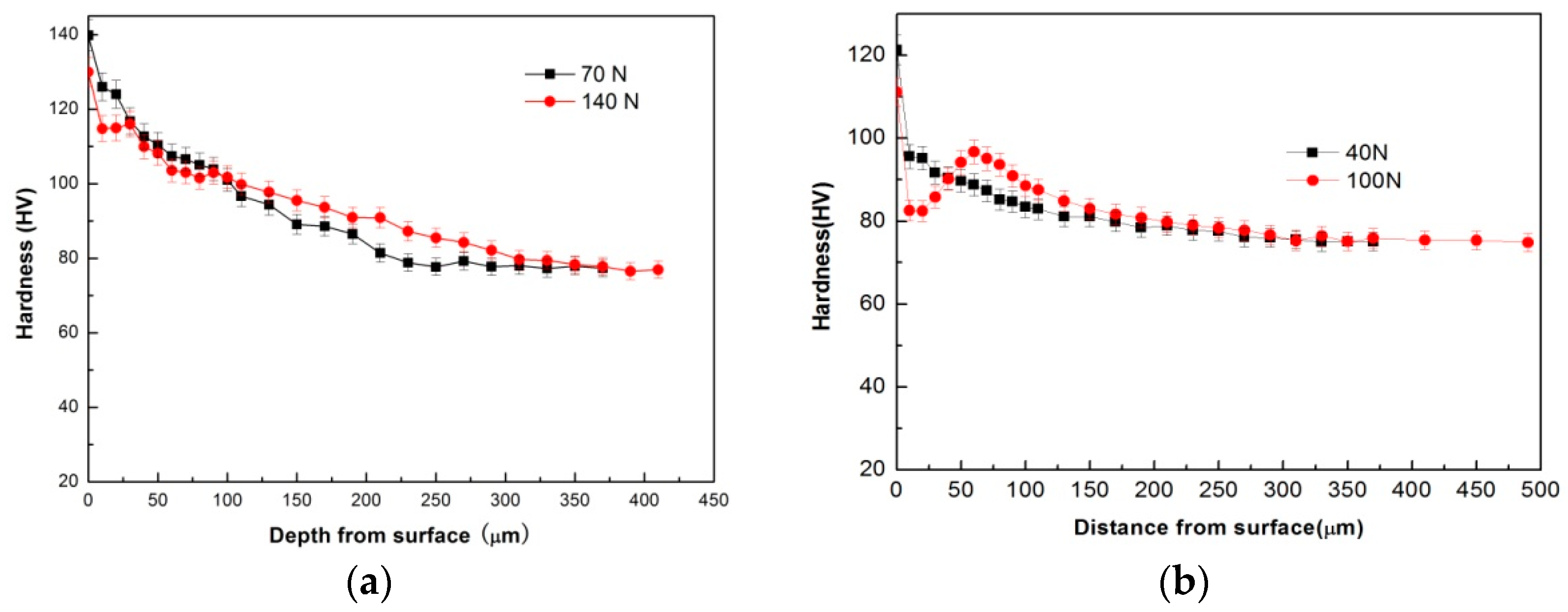
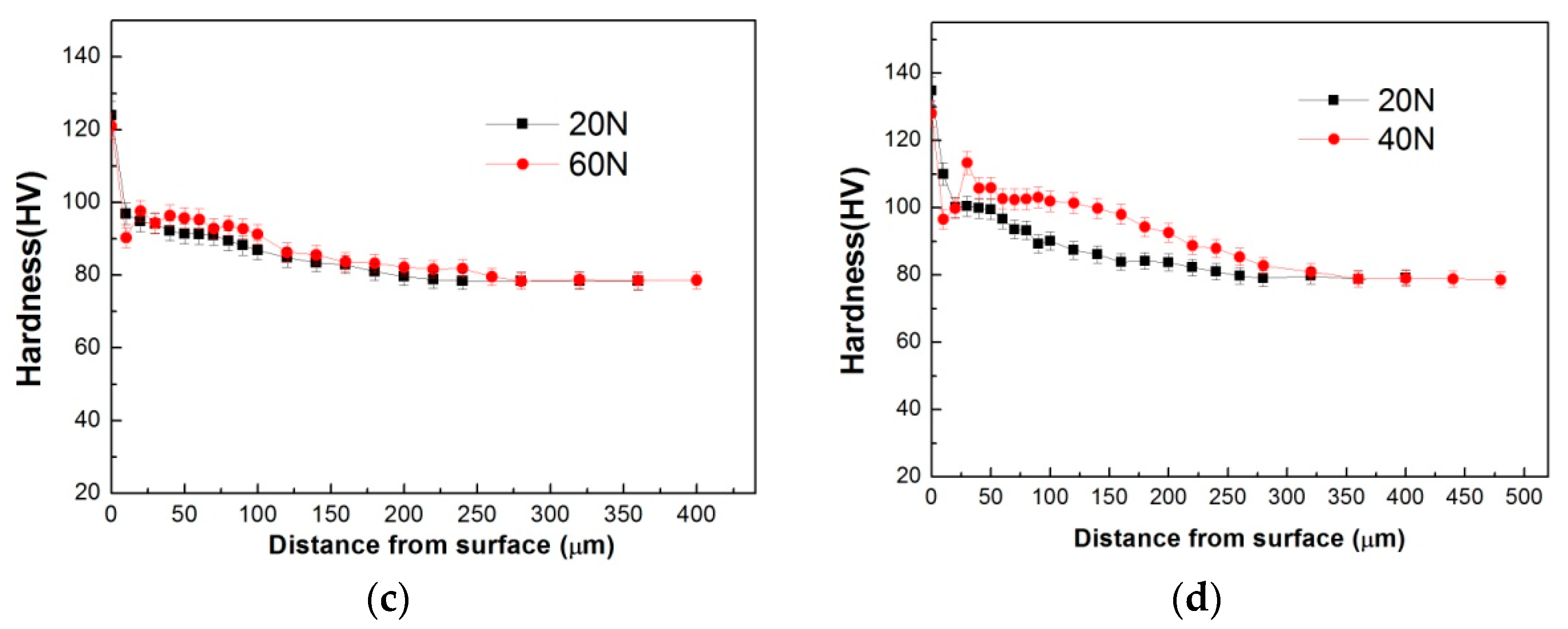
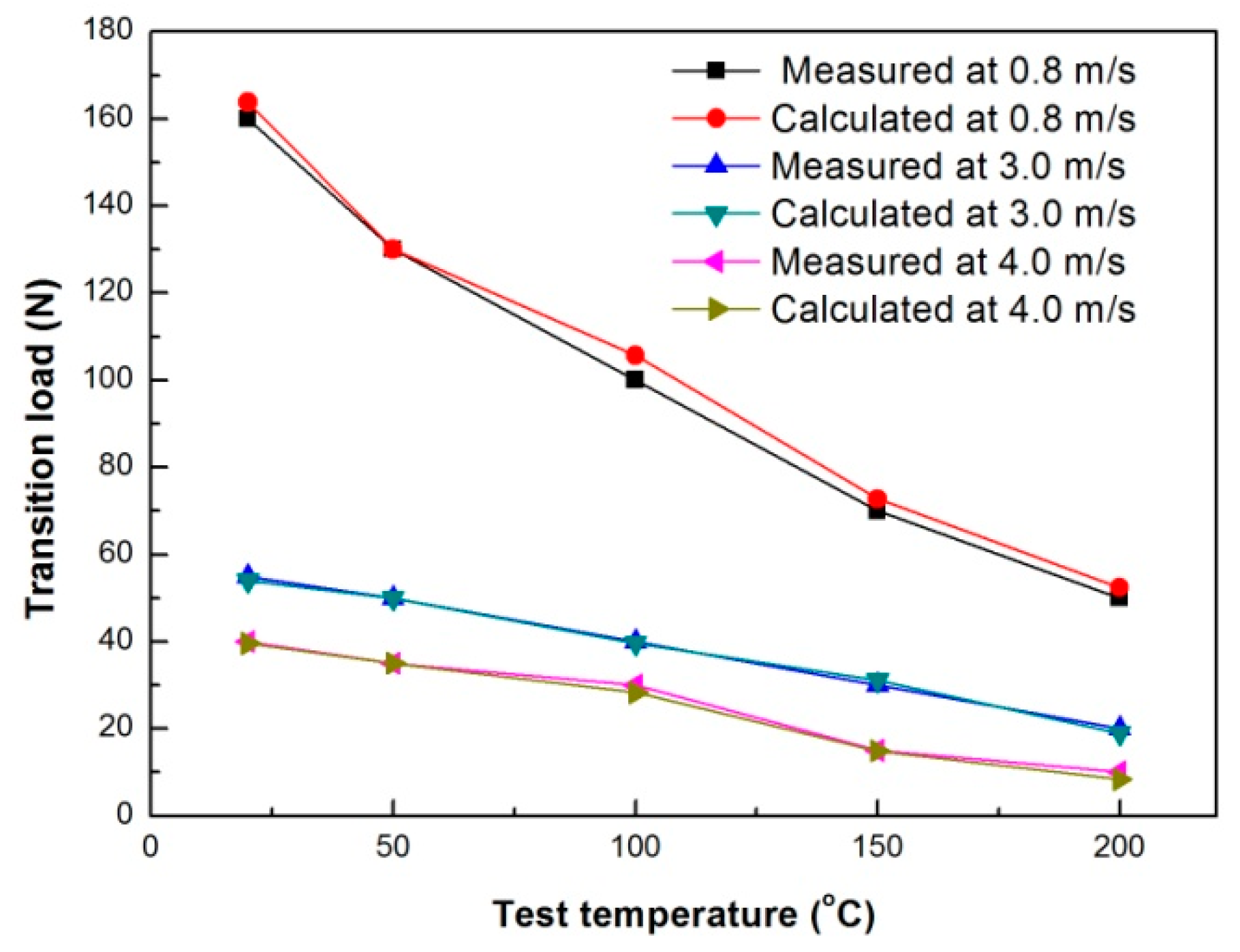
Dry sliding wear behavior of Mg97Zn1Y2 alloy was investigated at test temperatures of 50–200 °C under three sliding speeds of 0.8 m/s, 3.0 m/s and 4.0 m/s. The wear mechanisms in mild and severe wear regimes were identified by examination of morphologies and compositions of worn surfaces using scanning electron microscope (SEM) and energy dispersive X-ray spectrometer (EDS), and from which wear transition maps under different sliding speeds were constructed on rectangular coordinate systems with applied load versus test temperature axes. It is found that under each sliding speed condition, mild–severe transition load decreases almost linearly within the test temperature range of 50 °C to 200 °C. Microstructure observation and hardness measurement in subsurfaces identify that the softening effect generating form dynamic crystallization (DRX) is the dominant mechanism for the mild–severe wear transition at elevated temperatures. The mild–severe wear transition at 50–200 °C follows the contact surface DRX temperature criterion, and the transition loads can be well evaluated using the criterion.
Keywords: sliding wear; non-ferrous metals; hardness; wear testing; surface analysis; high temperature sliding wear; non-ferrous metals; hardness; wear testing; surface analysis; high temperature