Article

Short-Term Disaggregated Load Forecasting Using a Hybrid Fuzzy ARTMAP and K-means Clustering Model

by
Camilla Nayara Santos Mota
1,*,
Reginaldo José da Silva
1 and
Mara Lúcia Martins Lopes
2
1
Electrical Engineering Department, School of Engineering, São Paulo State University (UNESP), Ilha Solteira 15385-007, Brazil
2
Department of Mathematics, School of Engineering, São Paulo State University (UNESP), Ilha Solteira 15385-007, Brazil
*
Author to whom correspondence should be addressed.
Energies 2026, 19(9), 2156; https://doi.org/10.3390/en19092156
Submission received: 19 July 2025 / Revised: 7 October 2025 / Accepted: 21 October 2025 / Published: 29 April 2026
(This article belongs to the Section F: Electrical Engineering)

Abstract

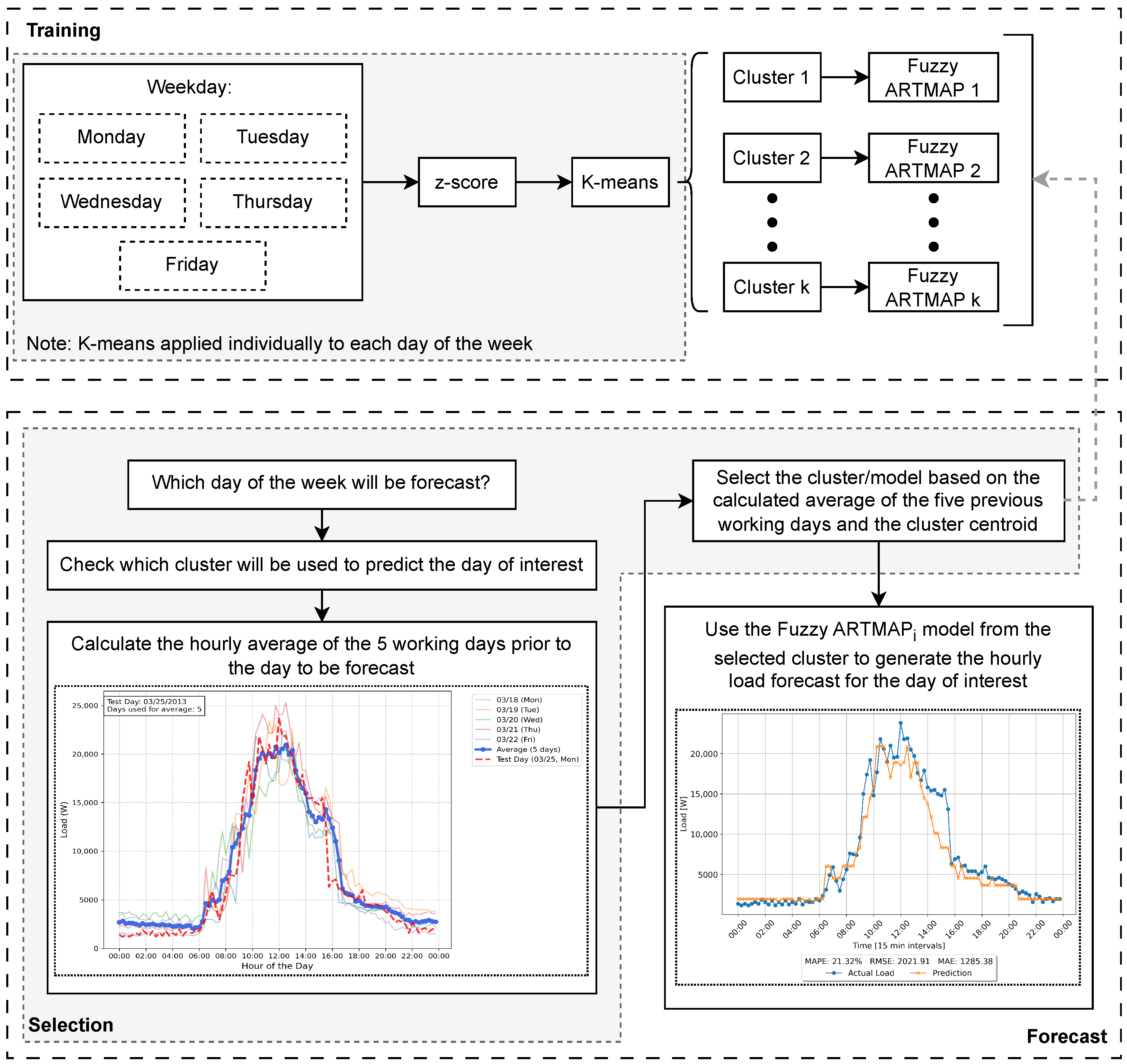
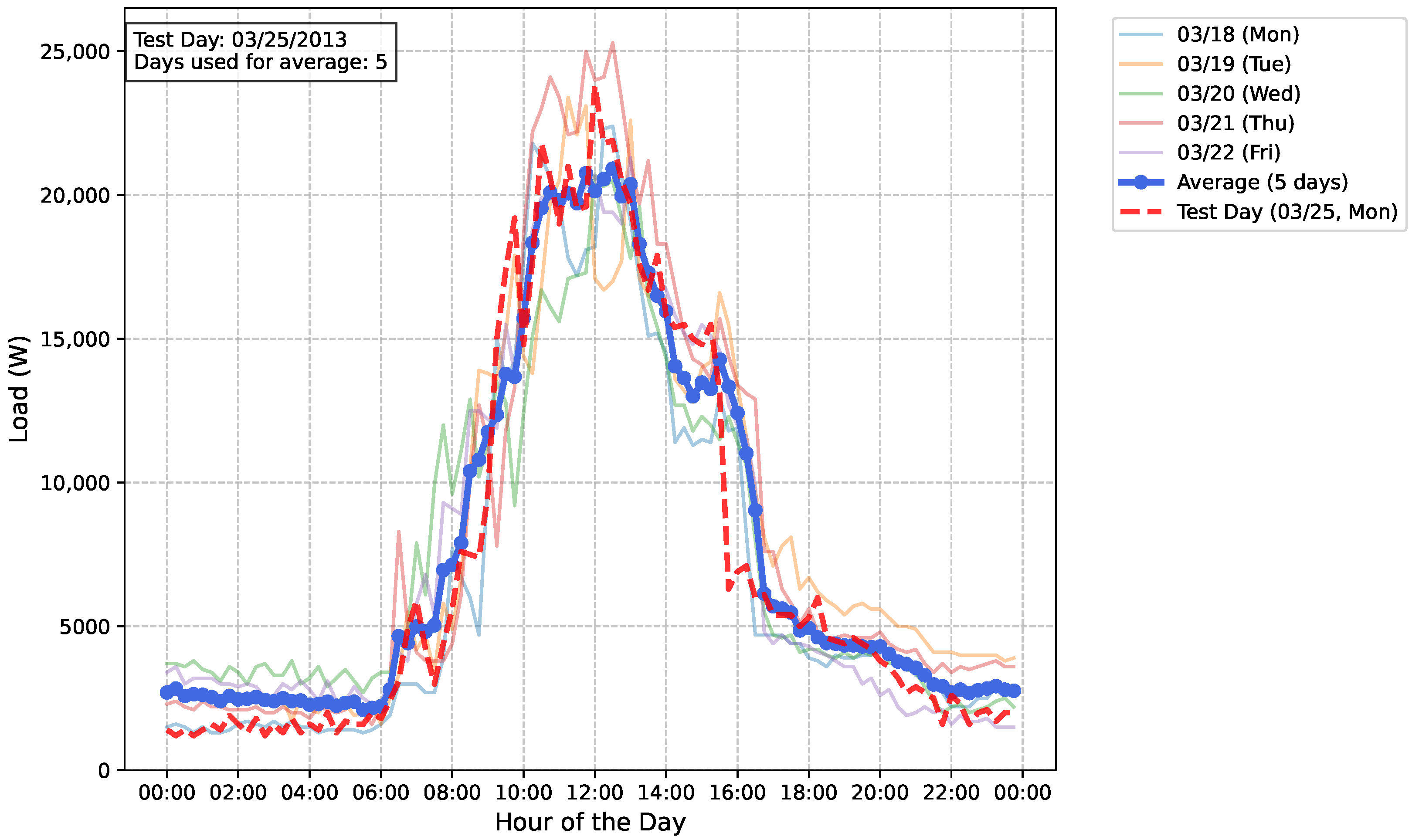
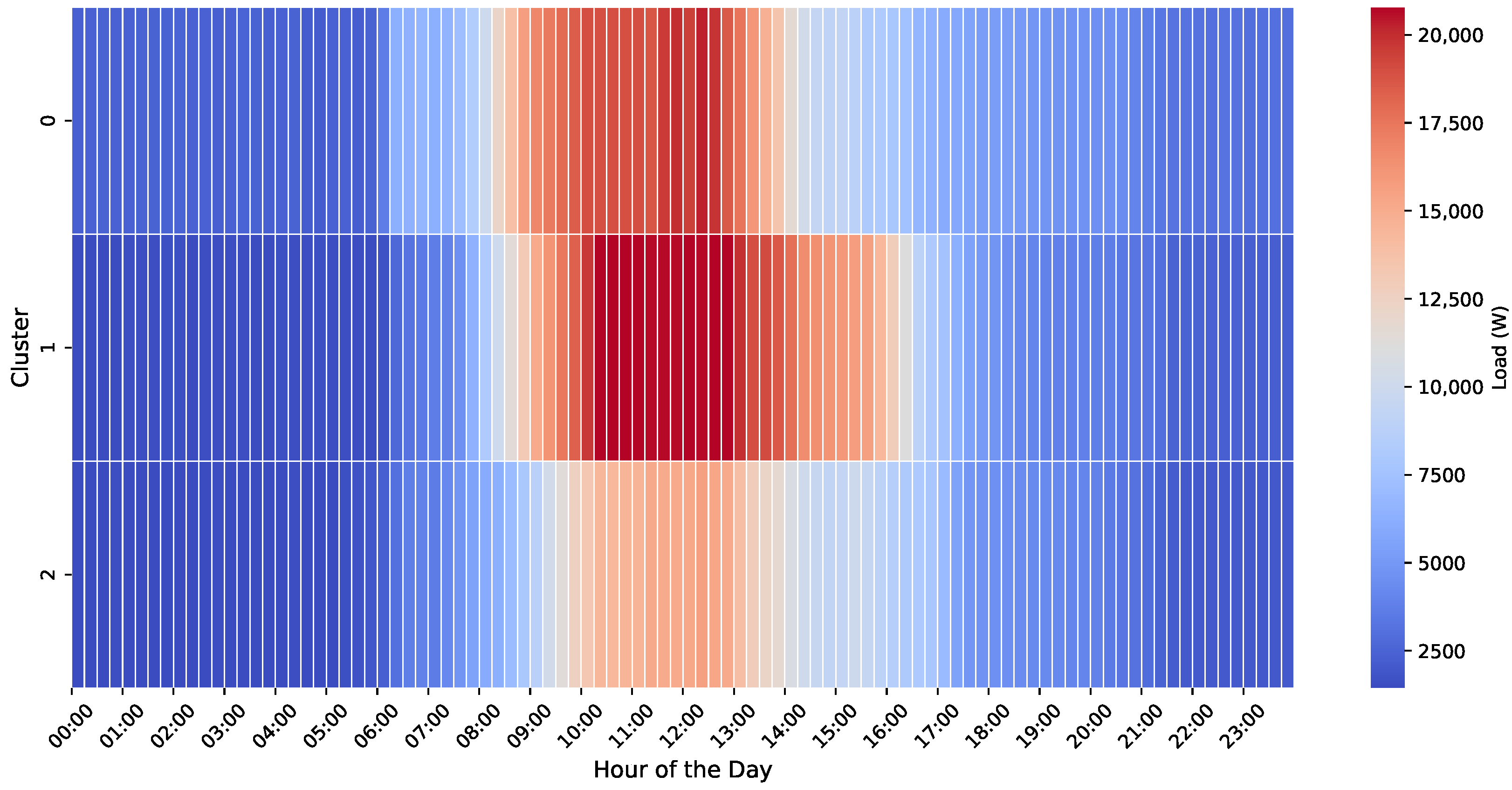
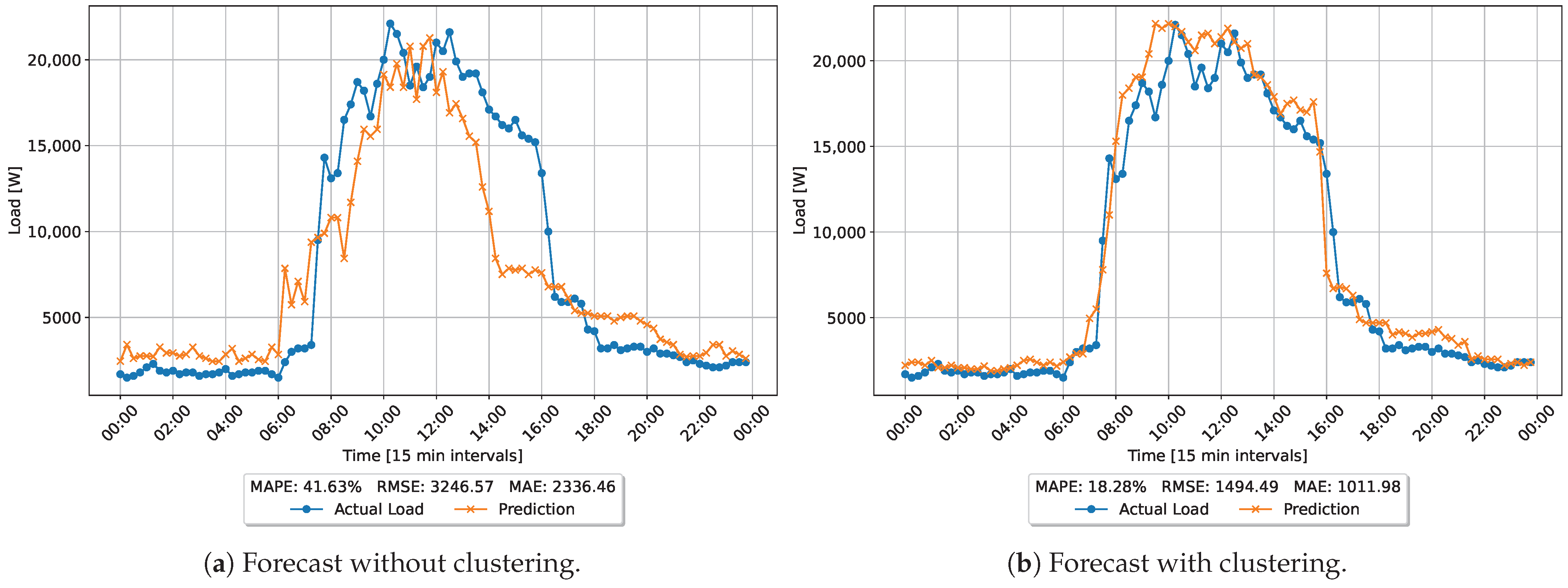
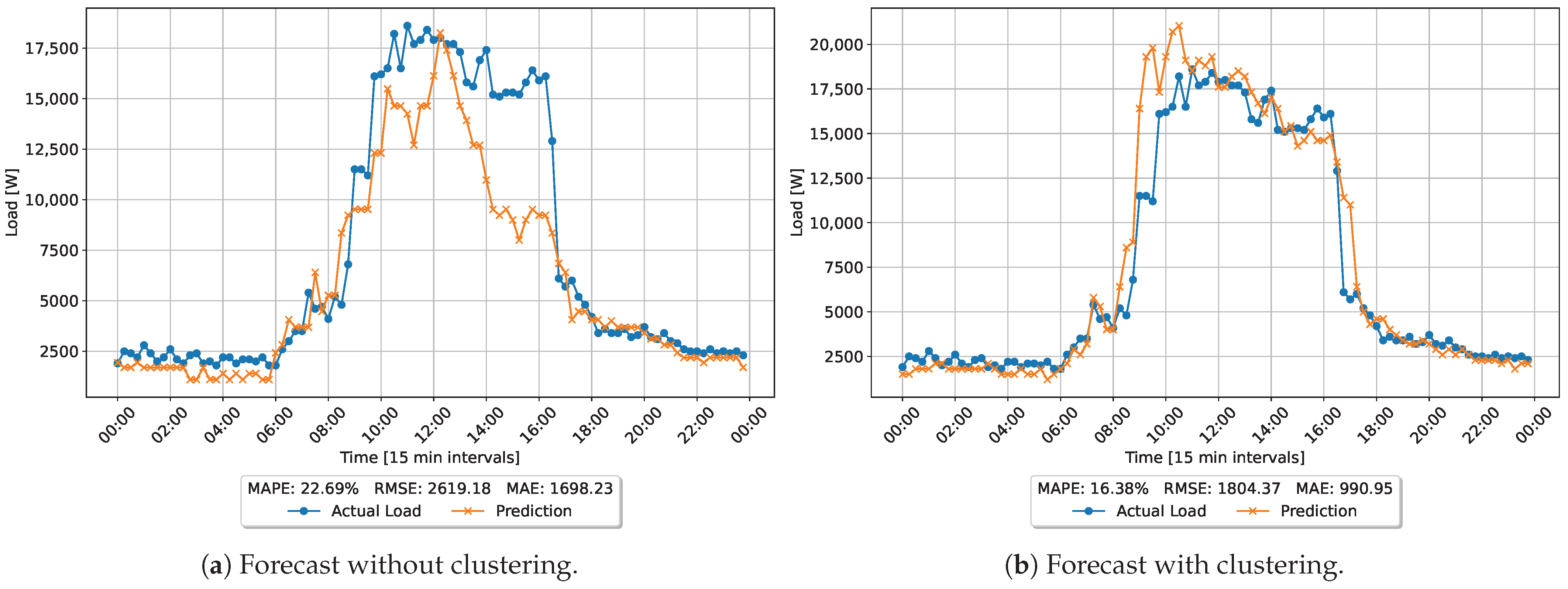
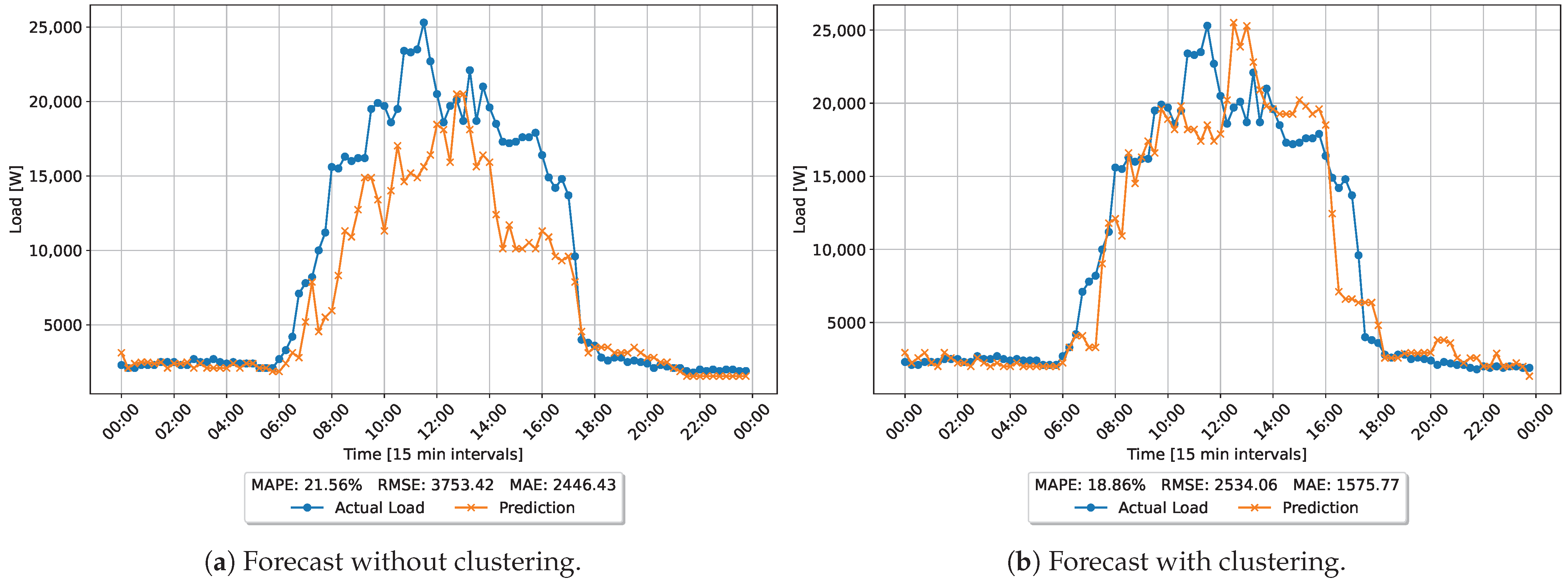
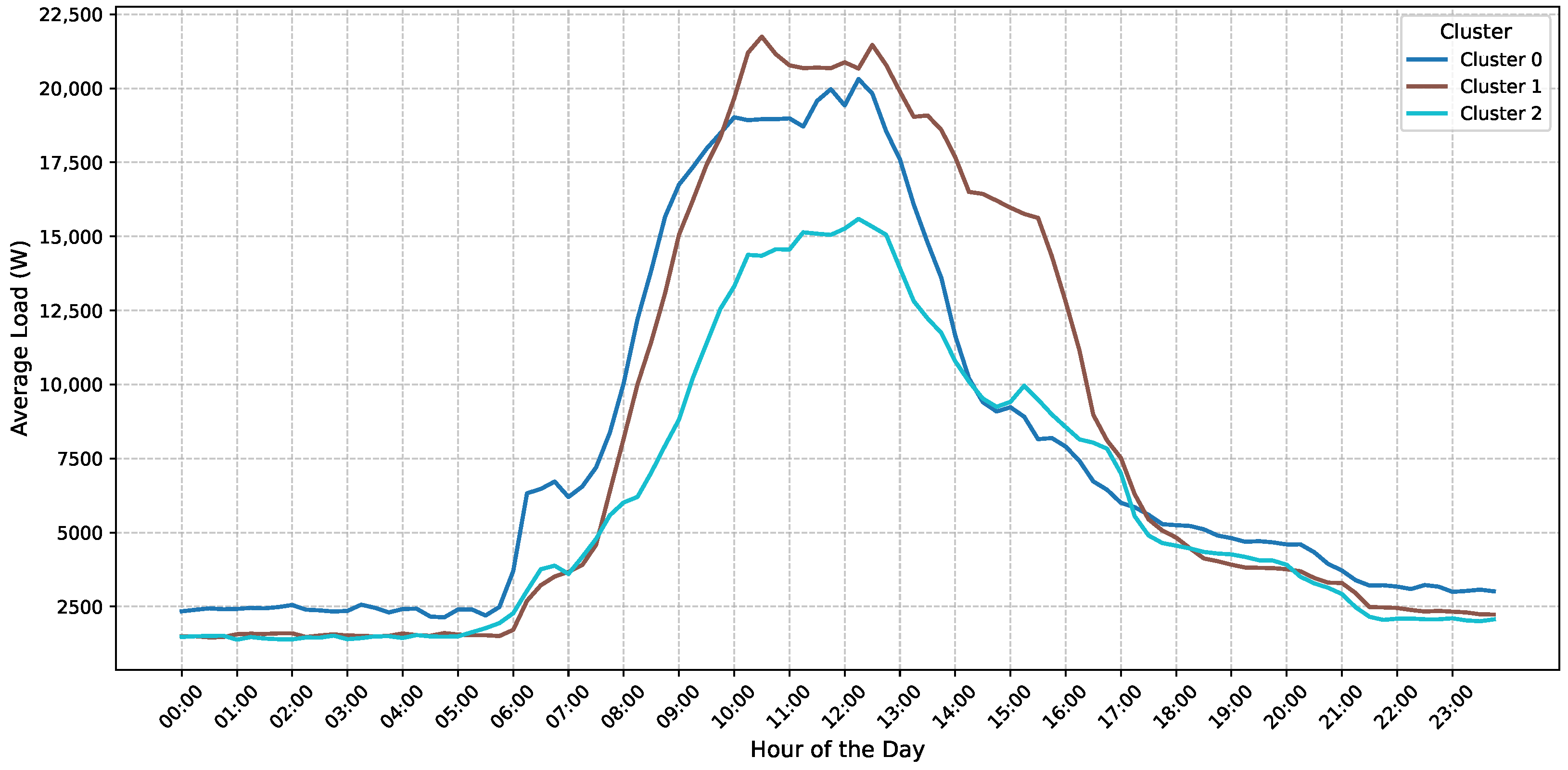
Accurate short-term load forecasting at disaggregated levels is critical for energy management in microgrids and institutional environments, yet it remains a challenge due to high consumption variability and limited contextual information. This paper proposes a hybrid model that combines Fuzzy ARTMAP neural networks with K-means clustering to improve hourly load forecasting using real data from a university microgrid. The methodology includes key preprocessing steps such as filtering low-load records, removing holidays, interpolating missing values, and applying cyclic encoding to standardize the data into 96 time intervals per day (15-min resolution). For each prediction, the average load profile of the five most recent weekdays is computed and compared to cluster centroids to identify the most similar group, which is then used to train the neural network. Results demonstrate consistent improvements in MAPE, RMSE, and MAE compared to the non-clustered baseline. The model showed robustness to non-stationary behavior and atypical patterns, even when relying solely on timestamp and load data. The proposed strategy outperformed conventional approaches and proved suitable for complex, data-limited environments.
Keywords: short-term load forecasting; disaggregated demand; Fuzzy ARTMAP; K-means clustering; microgrids short-term load forecasting; disaggregated demand; Fuzzy ARTMAP; K-means clustering; microgrids