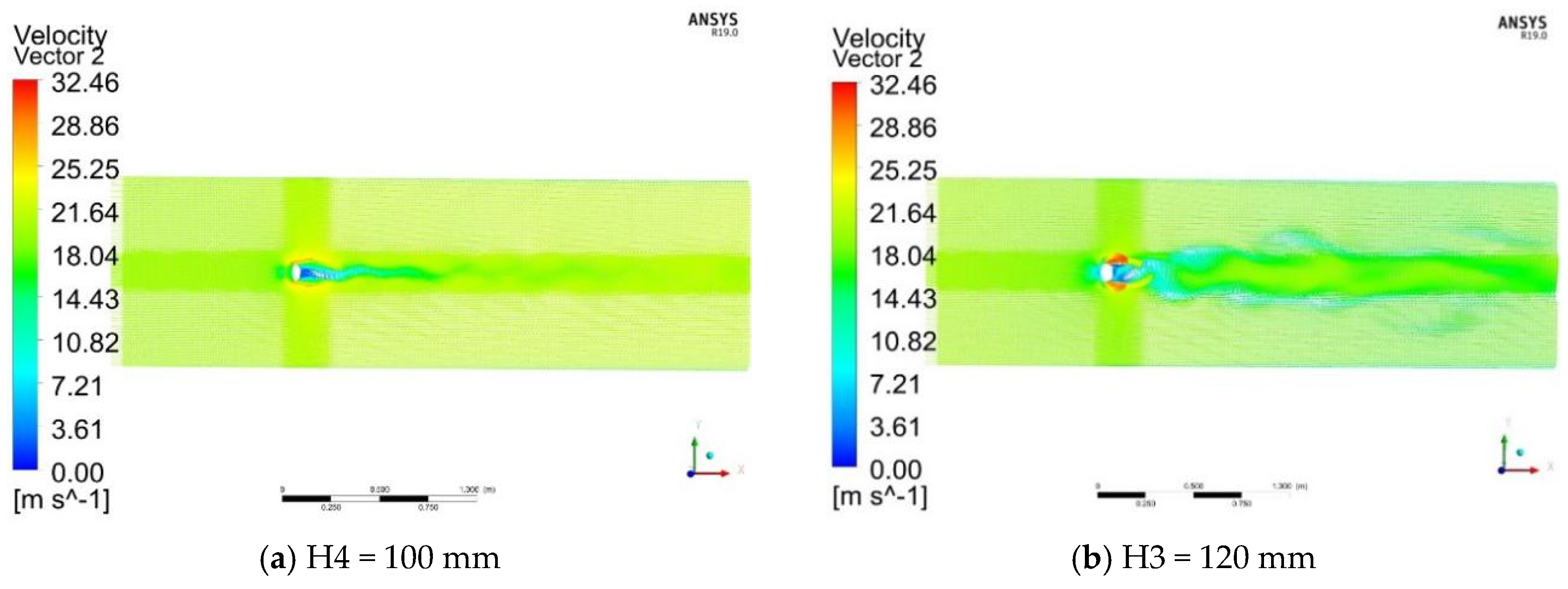
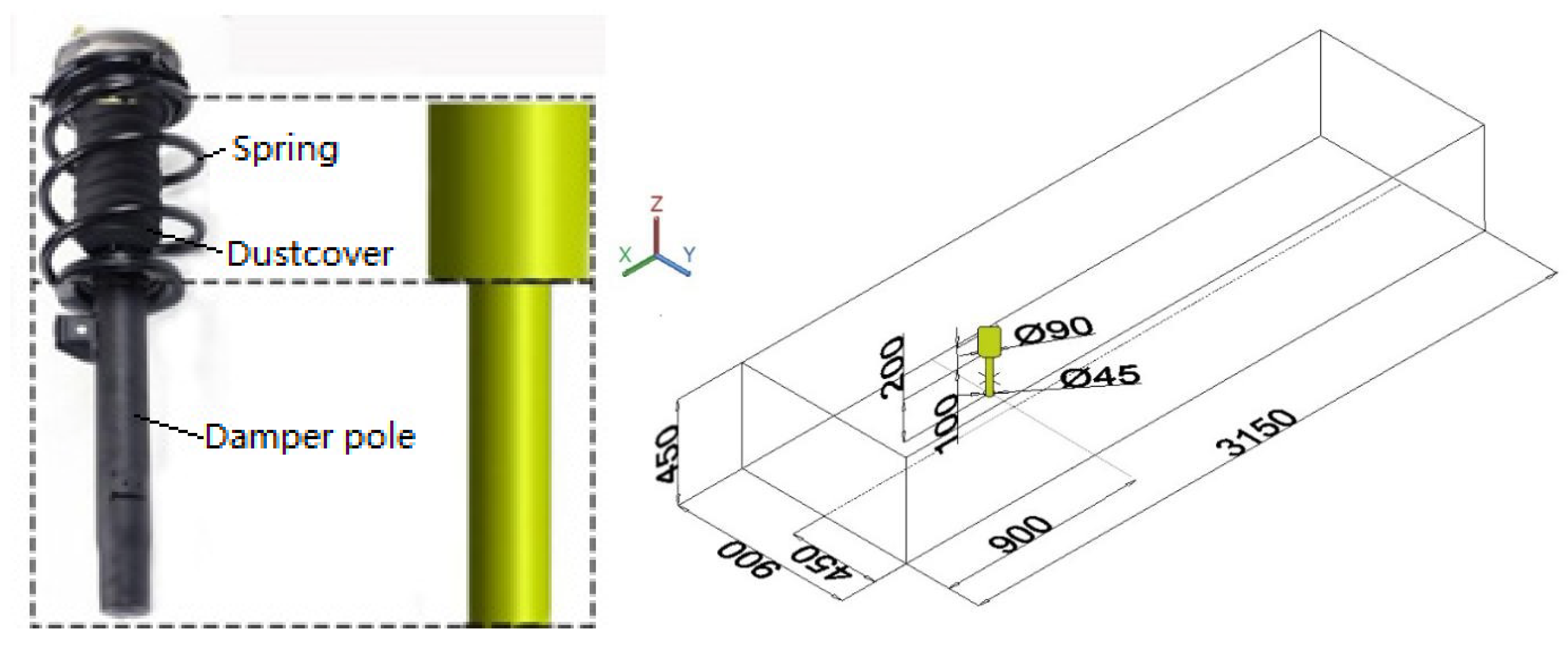
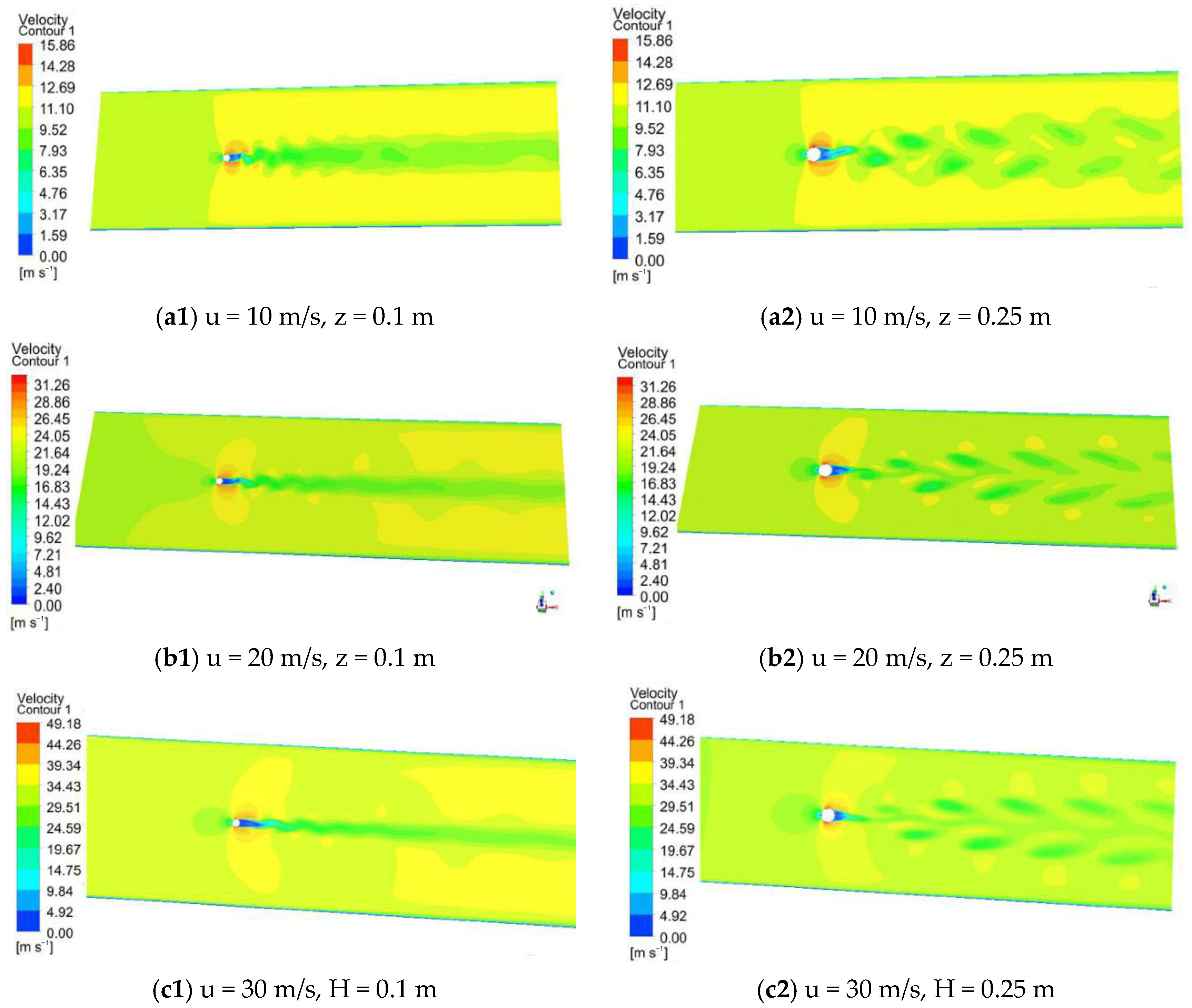
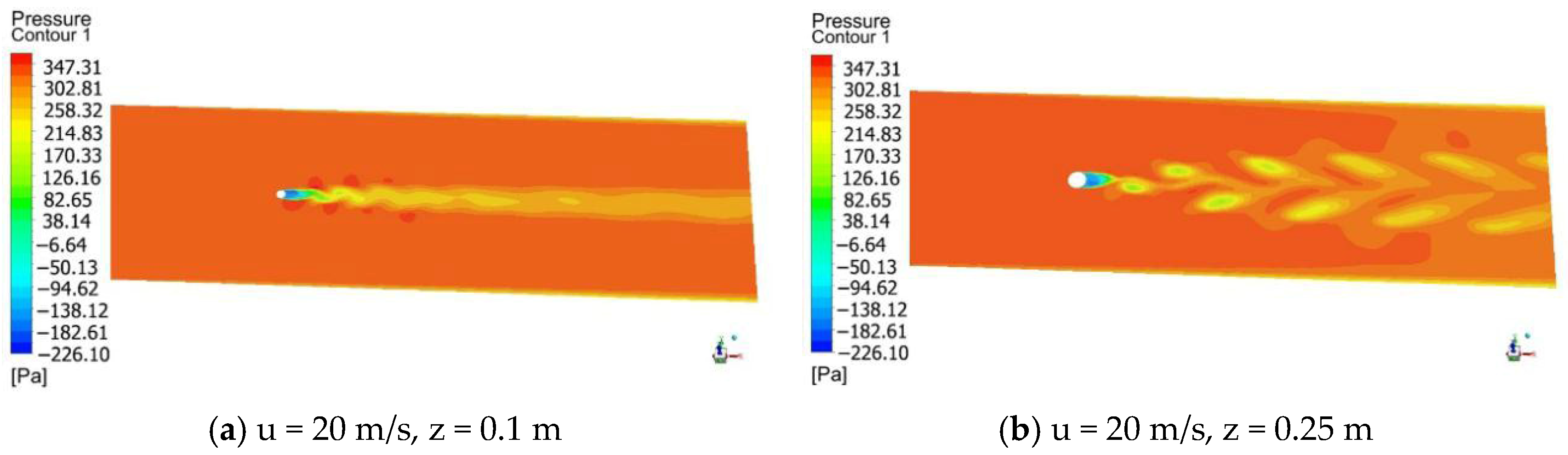
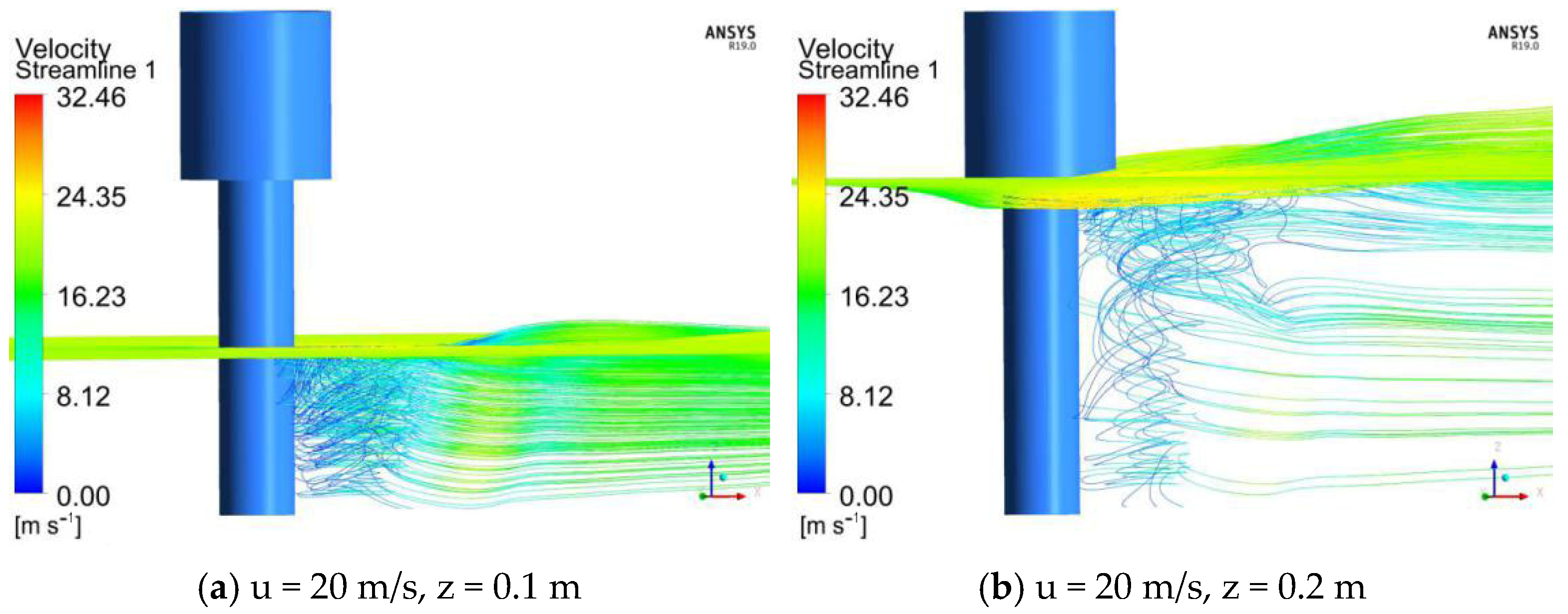
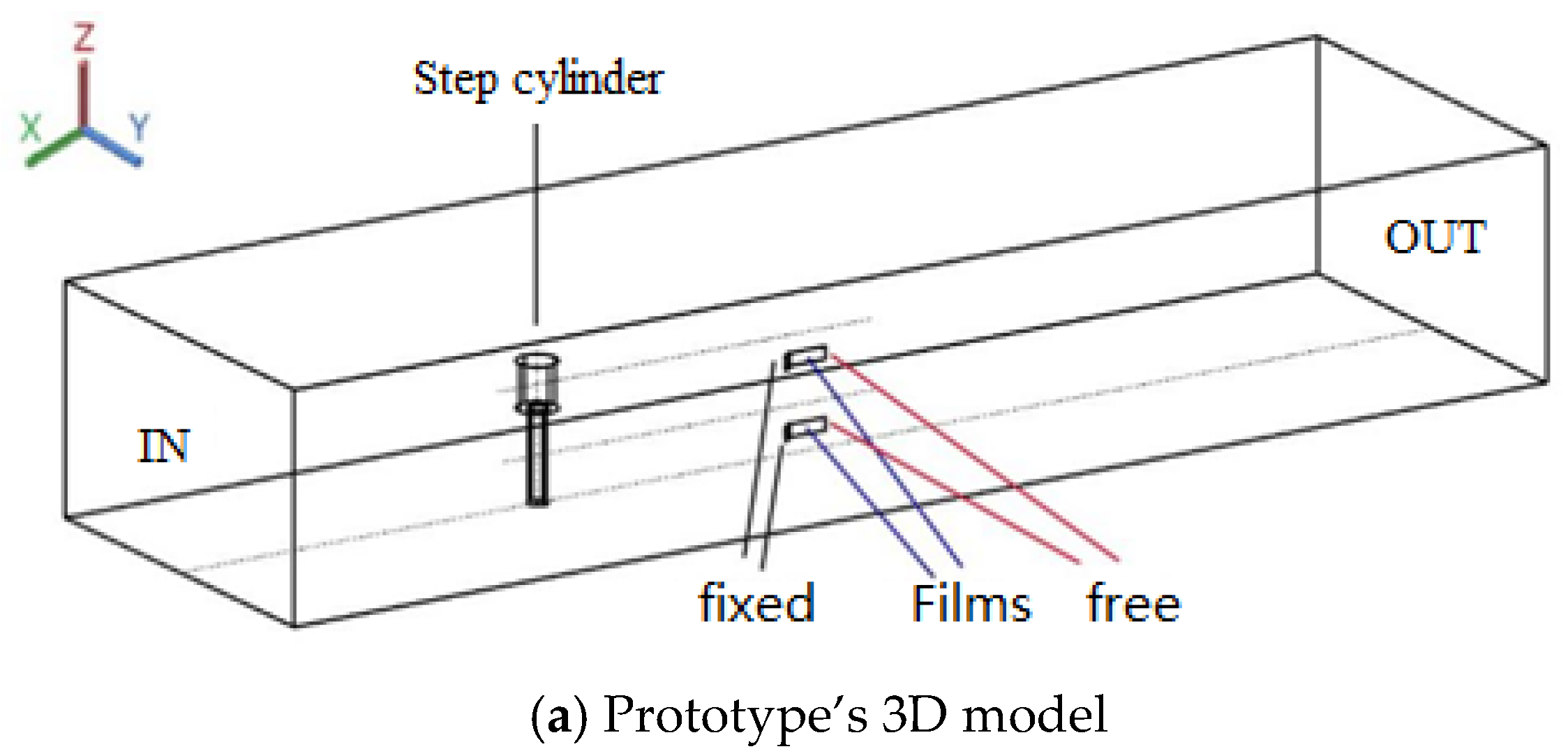
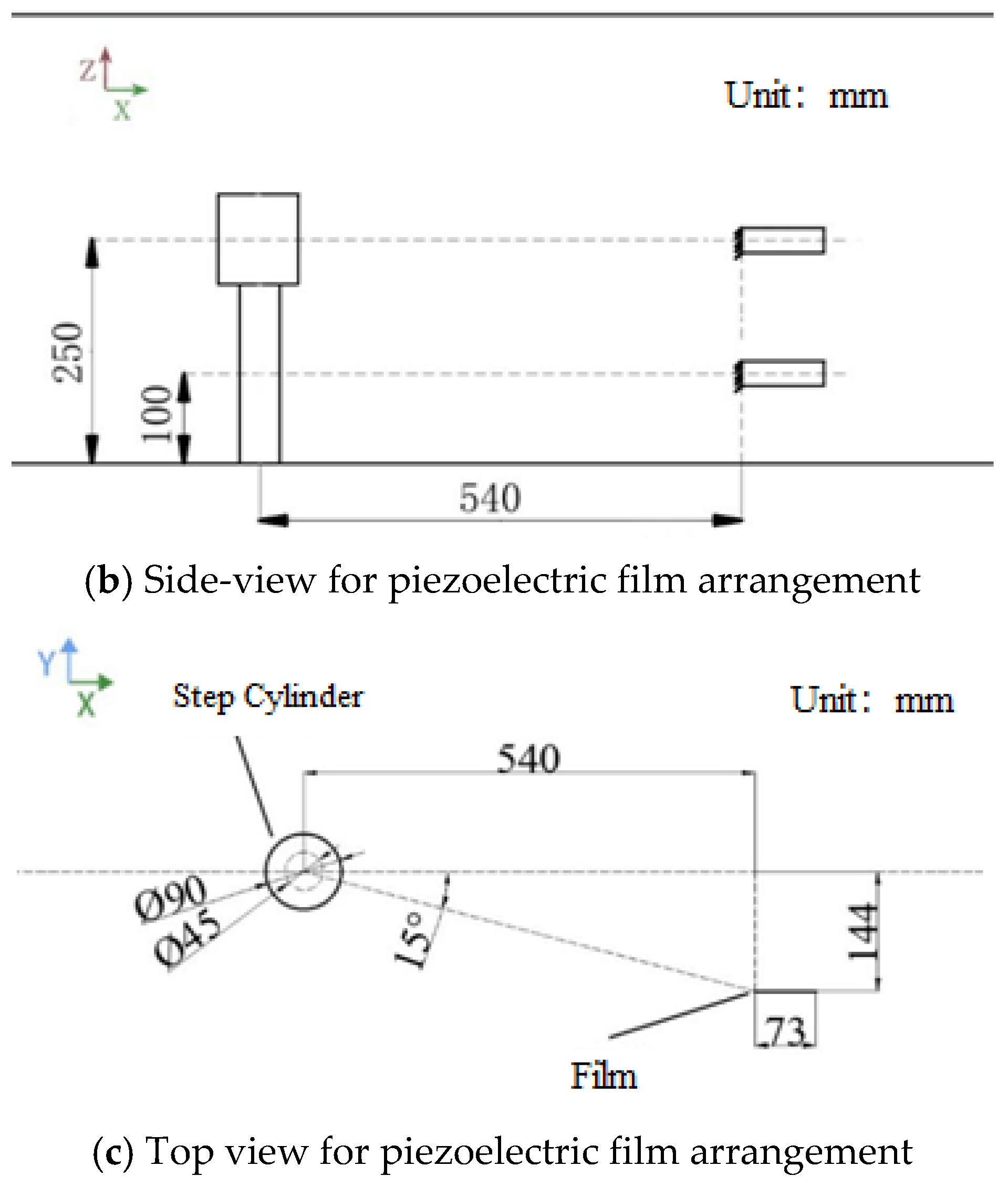
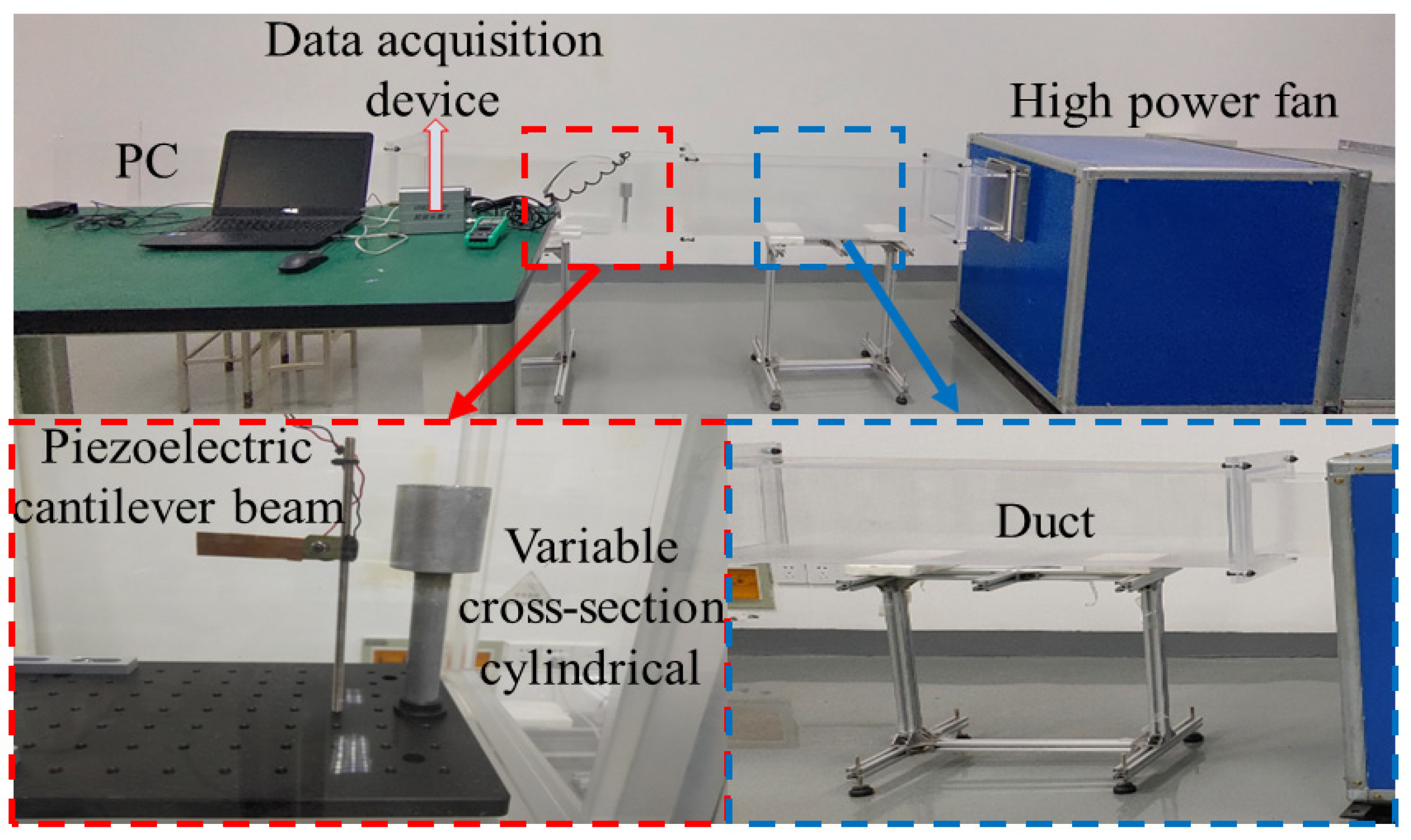
Based on the velocity and pressure distributions, a prototype was fabricated and tested. Two piezoelectric films were arranged as shown in
Figure 12. The diameter of the upper cylinder was 90 mm, and that of the lower cylinder was 45 mm. The front end of each piezoelectric patch was fixed, while the rear end was free to bend and vibrate, so that the films could be modeled as cantilever beams. The films were mounted at heights of 250 mm for the upper cylinder and 100 mm for the lower cylinder. The lateral offset was 144 mm, calculated from a spreading angle of 15°. In
Figure 12b, a downstream distance of 540 mm (six times
) from the stepped cylinder was selected as an example mounting position, while the optimization of the mounting location is discussed in
Section 5.3.
4.1. Voltage Calculation
The energy-harvesting element was made of polyvinylidene fluoride (PVDF) film, and its main parameters are listed in
Table 3. Among the various vibration models available for cantilever beams or films, the
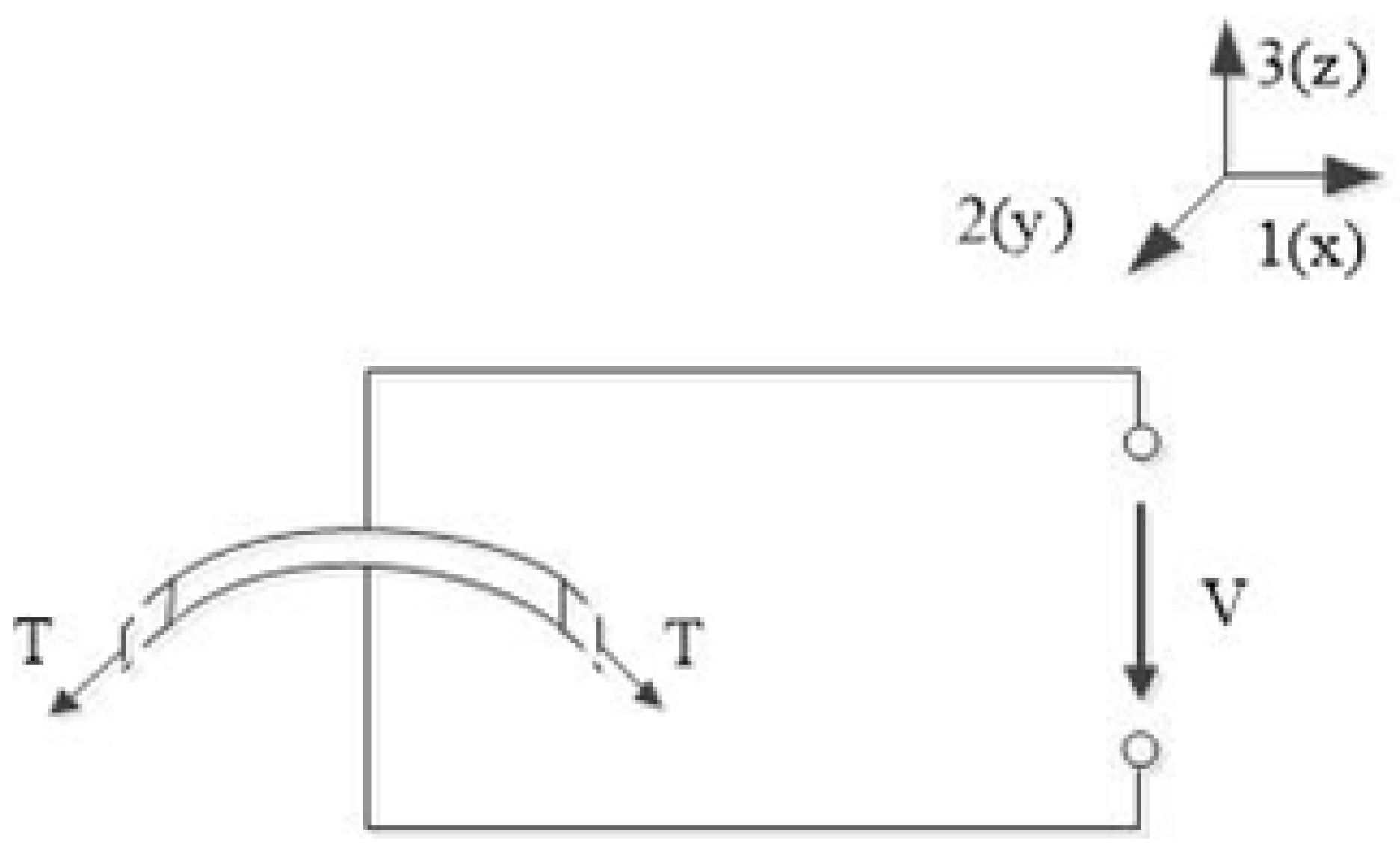
mode was adopted in this study. In this mode, a stress
applied along the
-axis generates an electric field in the
-axis direction, as shown in
Figure 13.
The coupled constitutive equations describing the piezoelectric effect and the inverse piezoelectric effect are expressed as follows:
where
denotes the strain, with a unit of
,
denotes the stress, with a unit of N/m
2,
is the electric displacement, with a unit of C/m
2, and
is the electric field, with a unit of V/m,
represents the elastic compliance coefficient under a constant electric field (or zero electric field), and
is the dielectric constant.
and
are the piezoelectric strain coefficient matrices, with a unit of C/N. The subscripts 1, 2, and 3 represent the
-,
-, and
-axes shown in
Figure 13.
It is assumed that (1) the system coordinate system coincides with the transverse anisotropic coordinate system of the piezoelectric material, and (2) the indices denote the polarization directions. Accordingly, the above constitutive equations can be expressed in matrix form.
The designed vortex energy harvester involves two coupled processes: fluid–structure interaction between the wake vortices and the piezoelectric films, and electromechanical coupling between the films and the electrical storage unit. The corresponding governing equations are given as follows:
In the fluid–structure interaction equation, and represent the flow velocity and pressure, respectively. In the electromechanical equation, , and denote the mass, damping, and stiffness matrices. The variables and correspond to the nodal displacement and velocity of the piezoelectric film, respectively. The subscripts of indicate the - and -directions. denotes the bending angular velocity of the film. is the instantaneous load applied to the beam, and is the electric charge generated by the piezoelectric film.
Equation (15) involves four input variables,
,
,
, and
. Solving this equation yields the output quantities
and
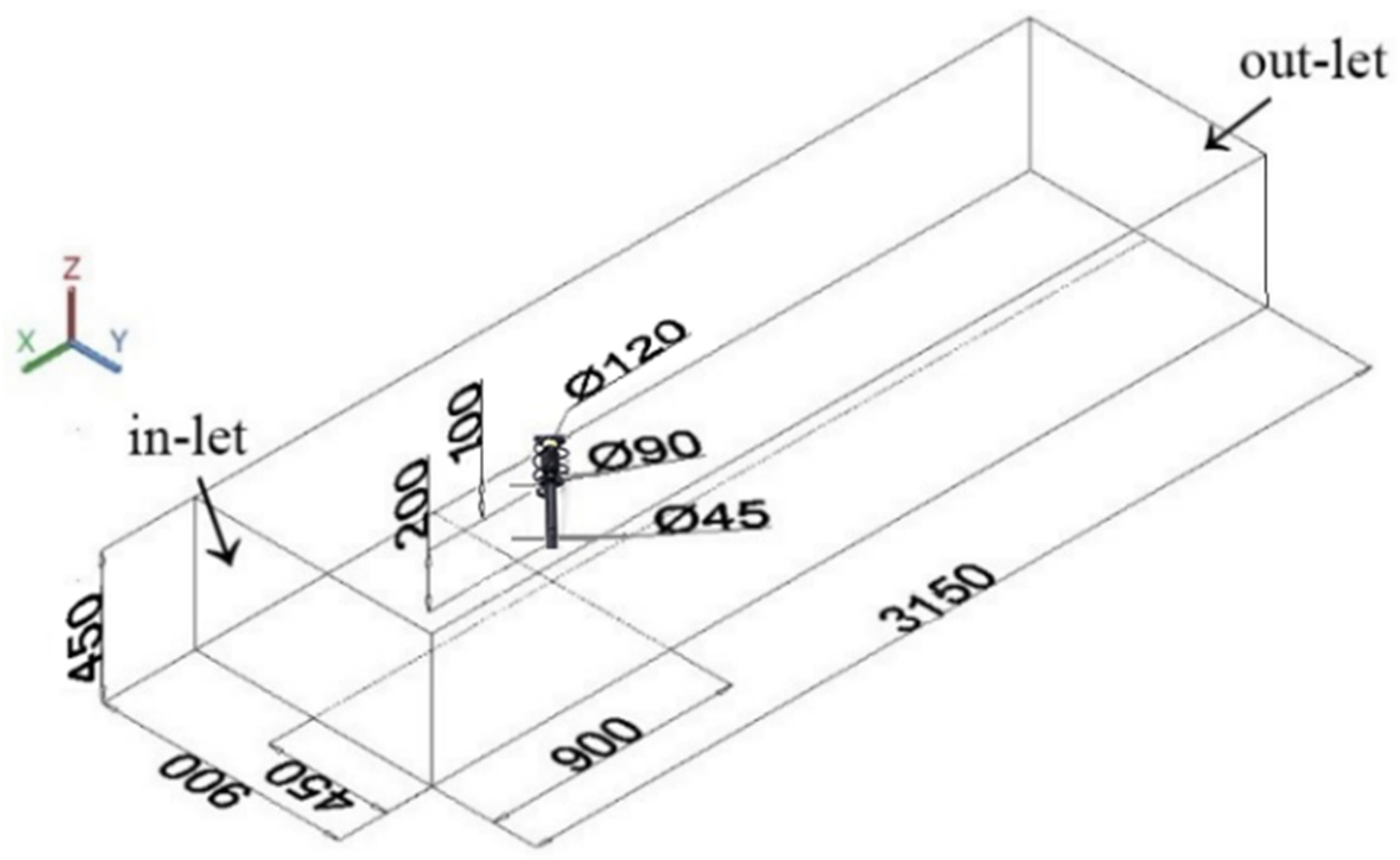
. To achieve higher accuracy in the coupled analysis, a finite element approach was further introduced prior to the coupling calculation. The fluid-domain model was established according to the configuration shown in
Figure 11. The piezoelectric beam was modeled using a PVDF film of 73 mm × 2 mm × 16 mm, and the corresponding material properties are listed in
Table 5.
Although the simplified step cylinder model has been validated by global parameters (St, Cd) and macroscopic voltage outputs, the authors acknowledge that a more rigorous verification of local wake characteristics (e.g., vortex strength and pressure fluctuation) at the exact PVDF mounting location is necessary. Future work will employ Particle Image Velocimetry (PIV) to directly measure the local flow field and surface pressure transducers to quantify the dynamic load on the piezoelectric films, providing a more direct validation of the fluid–structure interaction at the energy harvester’s position.
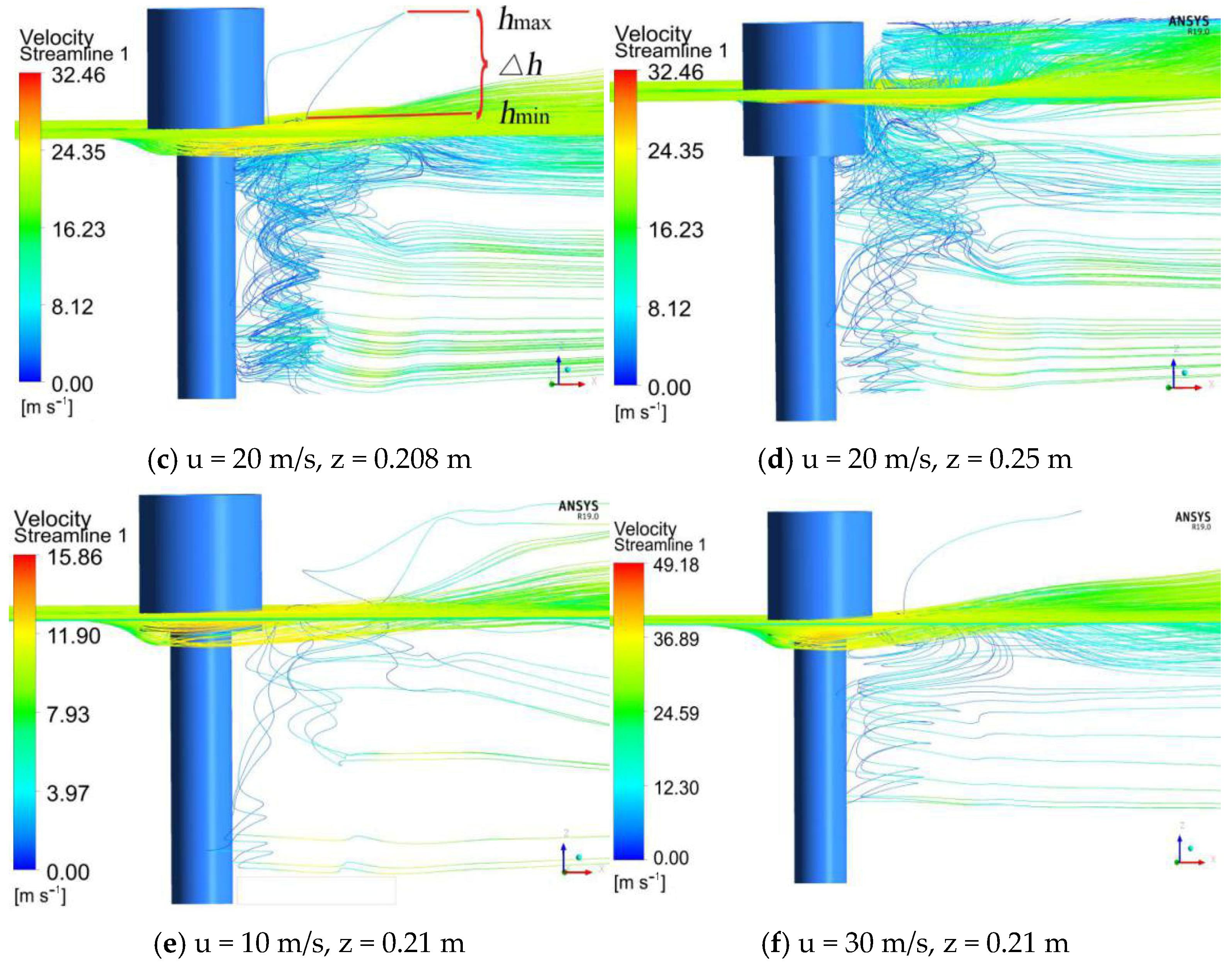
To address the concern that global parameters alone cannot guarantee the fidelity of local flow characteristics critical for energy harvesting, we further examined the wake topology at the specific locations where PVDF films are mounted. As illustrated in
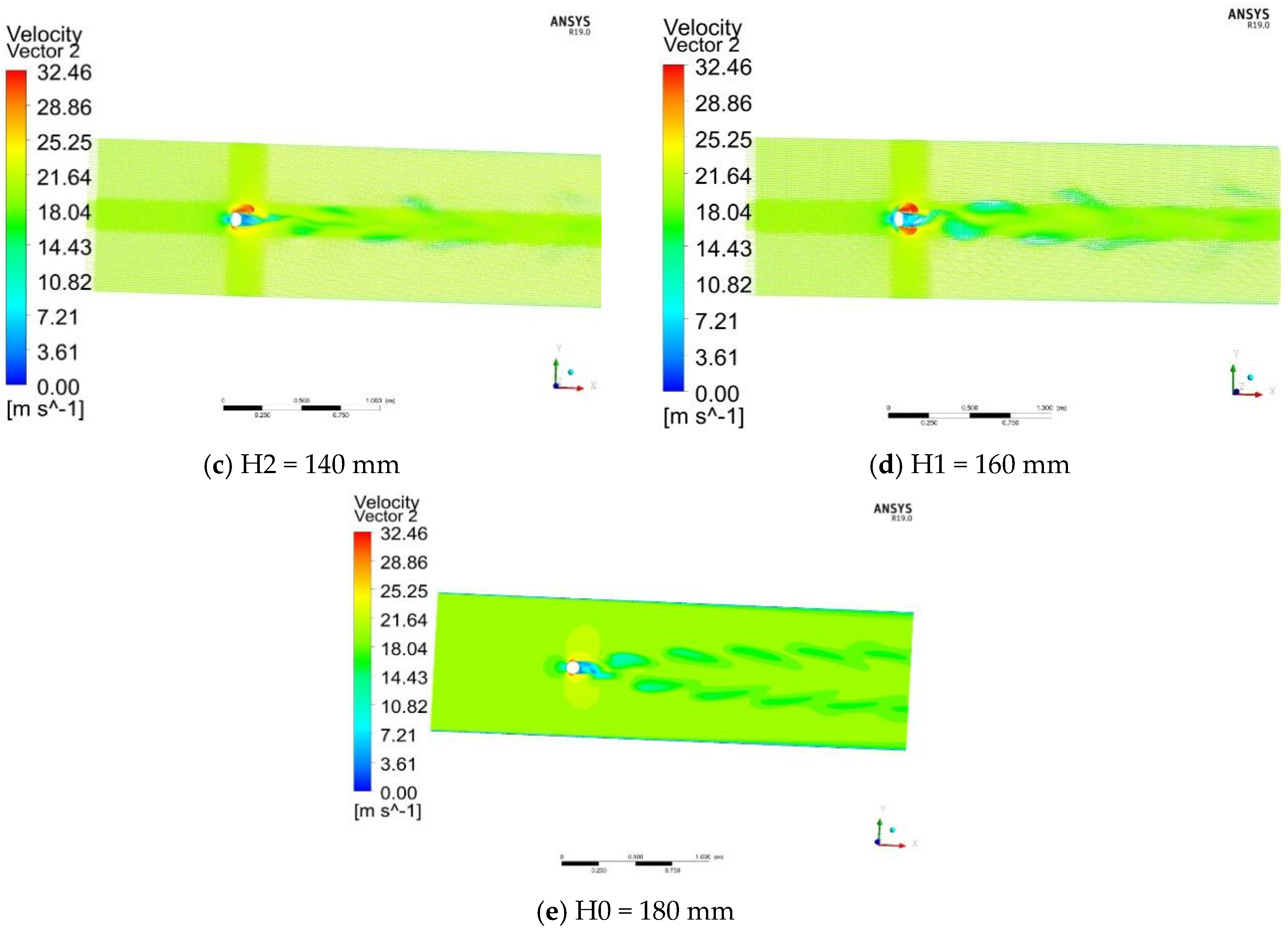
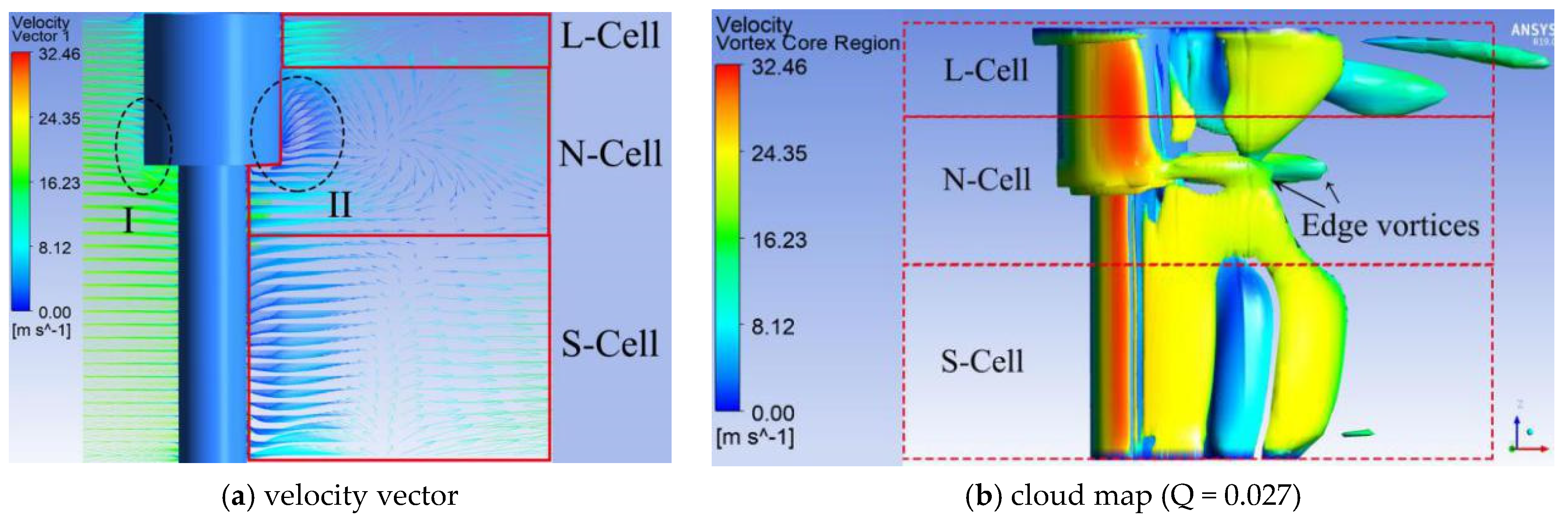
Figure 9 and
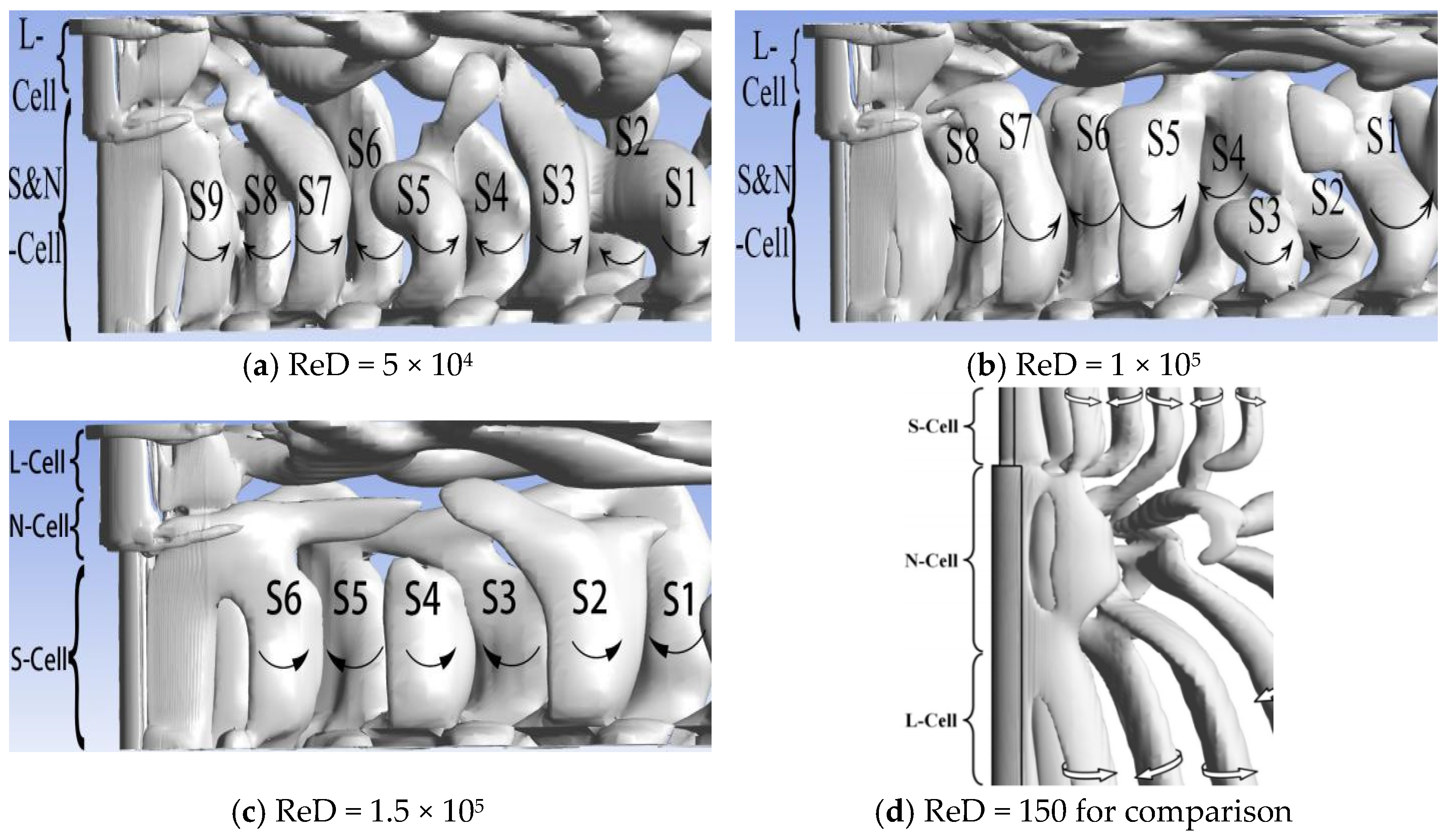
Figure 11, the simplified step cylinder model reproduces the distinct vortex patterns observed behind the actual suspension assembly (
Figure 4e). The vortex shedding frequency at the step junction, which directly dictates the alternating pressure on the PVDF film, was matched using an equivalent diameter method (Equation (10)), yielding a Strouhal number consistent with literature (
Table 4). Furthermore, the Q-criterion contours in
Figure 8 reveal detailed vortex connection modes (e.g., the double-half-ring pattern) in the near-wake region, confirming that the complex three-dimensional flow features influencing the film’s tangential force are preserved. The subsequent experimental validation of the output voltage (
Section 5) serves as an integral confirmation that the localized pressure fluctuations induced by these vortices are accurately captured by the simplified model.
The output voltage presented in
Section 4.2 is derived from the fully coupled fluid–structure–piezoelectric simulation. The workflow is as follows:
Fluid–Structure Interaction: The fluid solver computes the transient pressure and shear stress distribution on the PVDF surface based on the vortex-induced vibration. These loads are transferred to the structural solver via the FSI interface using a radial basis function (RBF) interpolation to ensure accurate mapping between non-conforming meshes.
Piezoelectric Constitutive Relation: The structural solver, incorporating the piezoelectric material model (Equations (12)–(14)), calculates the mechanical deformation {u} and the electrical potential {ϕ} simultaneously. The coupled finite element matrix equation (Equation (15)) is solved at each time step, where the stiffness matrix includes mechanical, piezoelectric and dielectric sub-matrices.
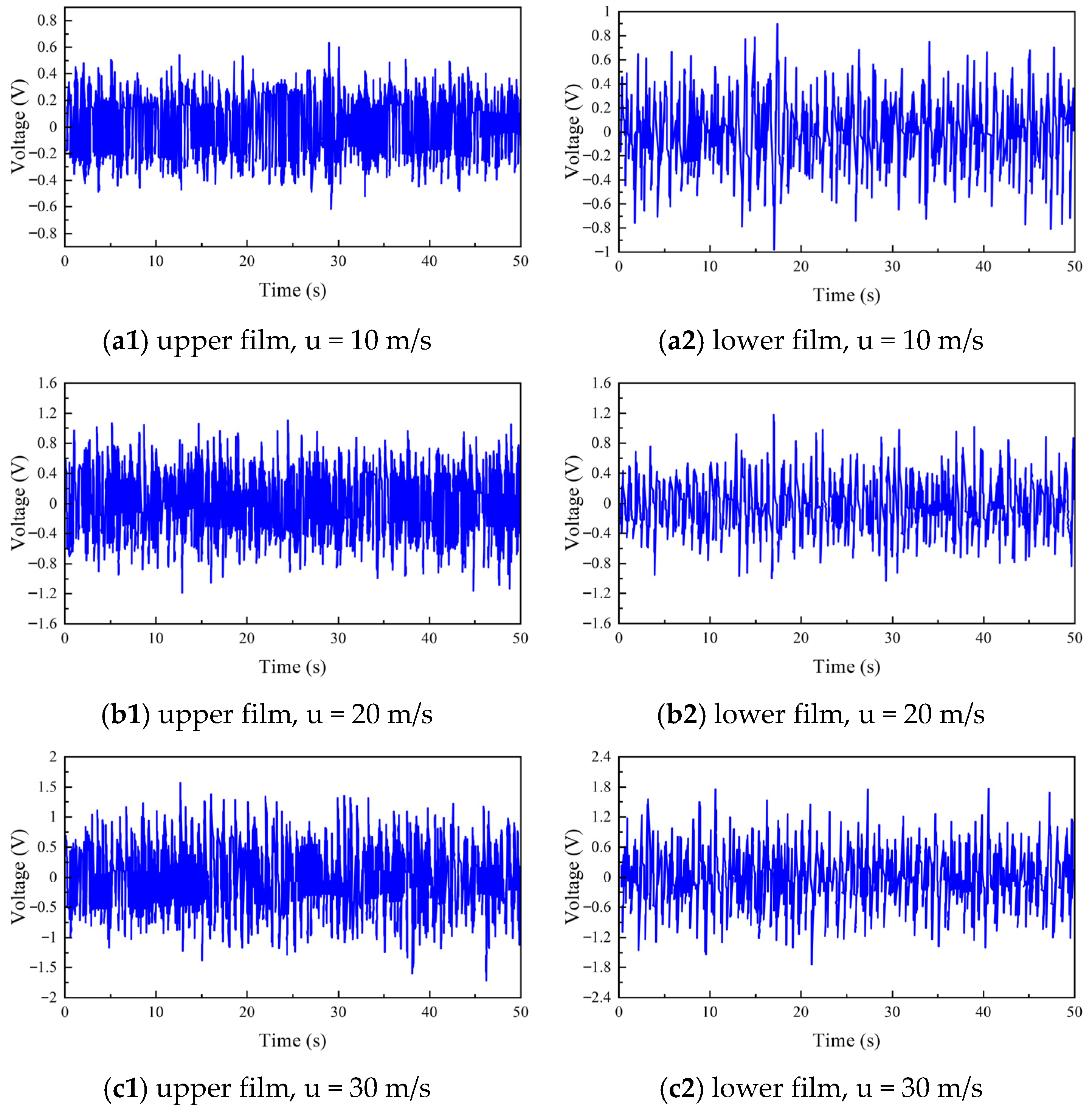
Voltage Extraction: The PVDF film is modeled with electrodes on its top and bottom surfaces. The output voltage V(t) is obtained as the difference in the electrical potential degree of freedom between the two electrode layers. This approach inherently accounts for the non-uniform strain distribution along the film length and its effect on the generated voltage.
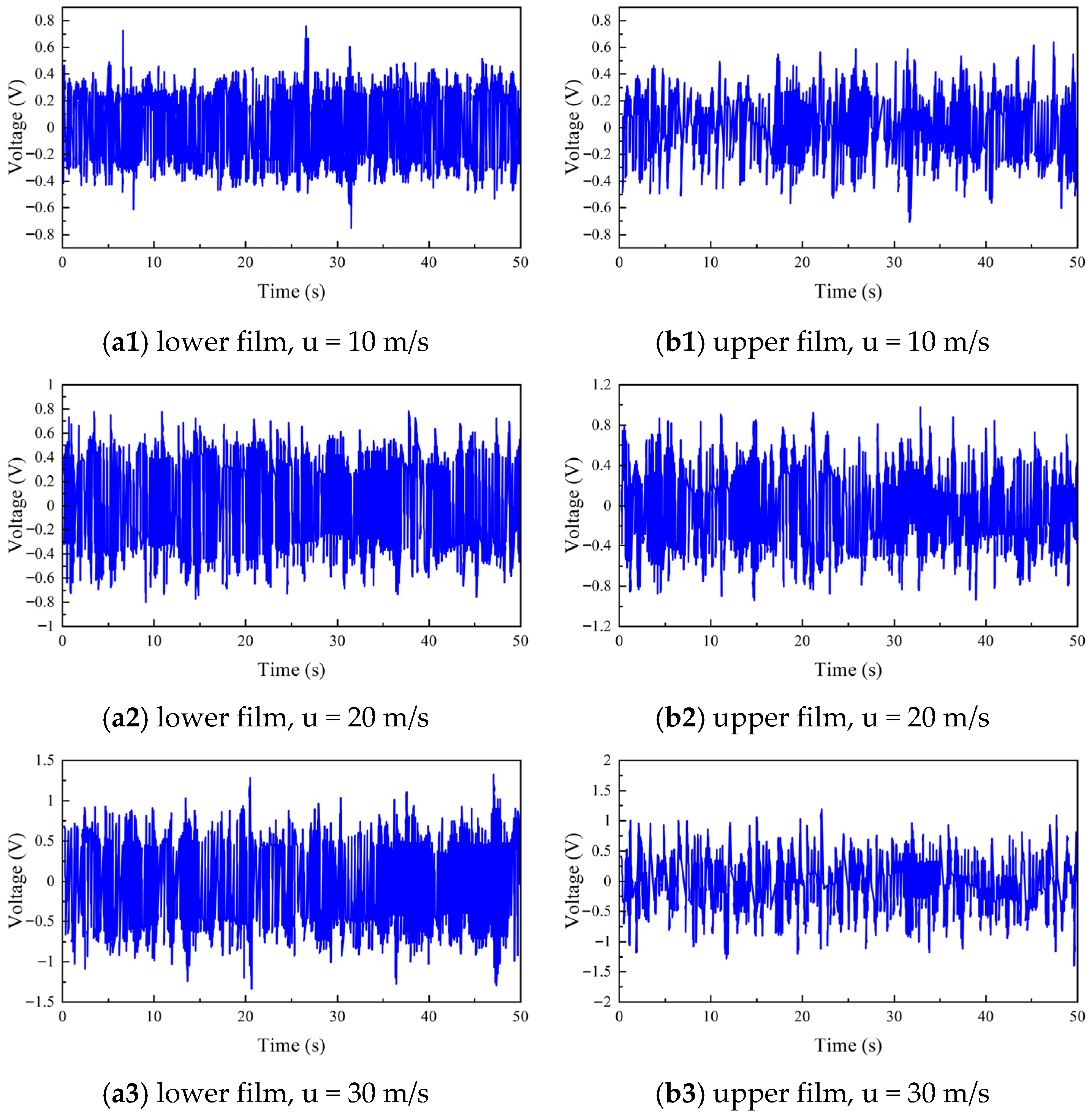
Open-Circuit Condition: The simulations are performed under an open-circuit electrical boundary condition (zero charge on electrodes), which is standard for evaluating the intrinsic voltage generation capability of the harvester. The results in
Figure 14 and
Table 6 represent this open-circuit voltage, which is directly comparable to the experimental measurements where the film was connected to a high-impedance data acquisition system.
4.3. Film Structure Optimization
In addition to the vortex height and spreading angle discussed in
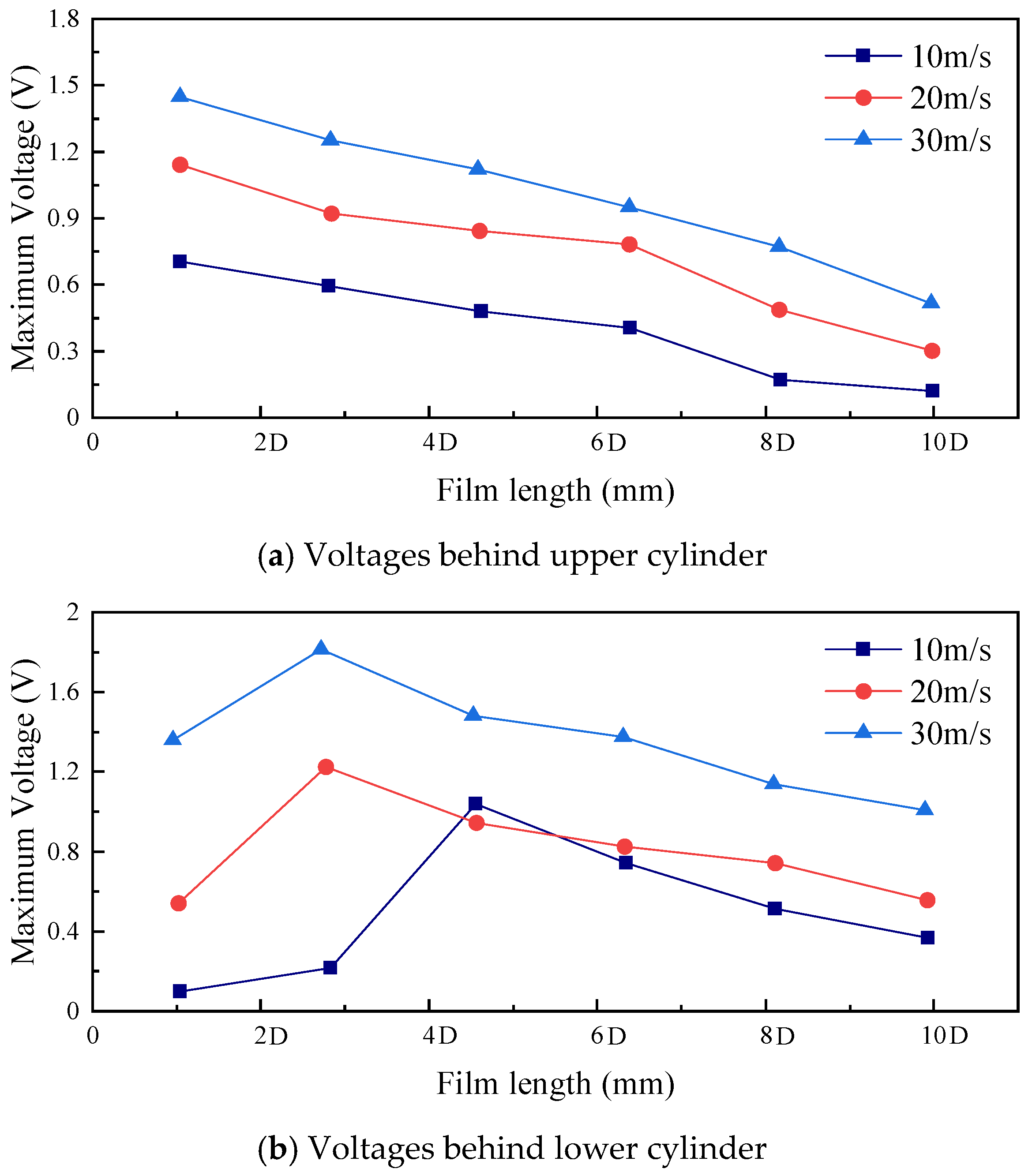
Section 4, the downstream mounting position and size of the piezoelectric films also affect the energy-harvesting performance. The relationship between output voltage and mounting position was first investigated. Simulations were performed for films located at downstream distances of 1D, 2D, 4D, 6D, 8D, and 10D from the cylinder. The corresponding mean peak voltages at different flow velocities are shown in
Figure 15.
For the upper large cylinder, the mean voltage decreases approximately linearly as the mounting position increases from 2D to 10D. For the lower small cylinder, this approximately linear relationship is observed only over the range of 4D to 10D at low flow velocity. Although relatively high mean voltages are obtained at medium and high velocities when the films are mounted at 2D downstream, the lower film generates only 0.2 V at 10 m/s (36 km/h), while the upper film generates 0.6 V. These results indicate that a mounting position of 2D is not suitable for effective energy harvesting under typical urban driving conditions. Therefore, 4D, 6D, and 8D are recommended as preferable downstream mounting positions for the piezoelectric films.
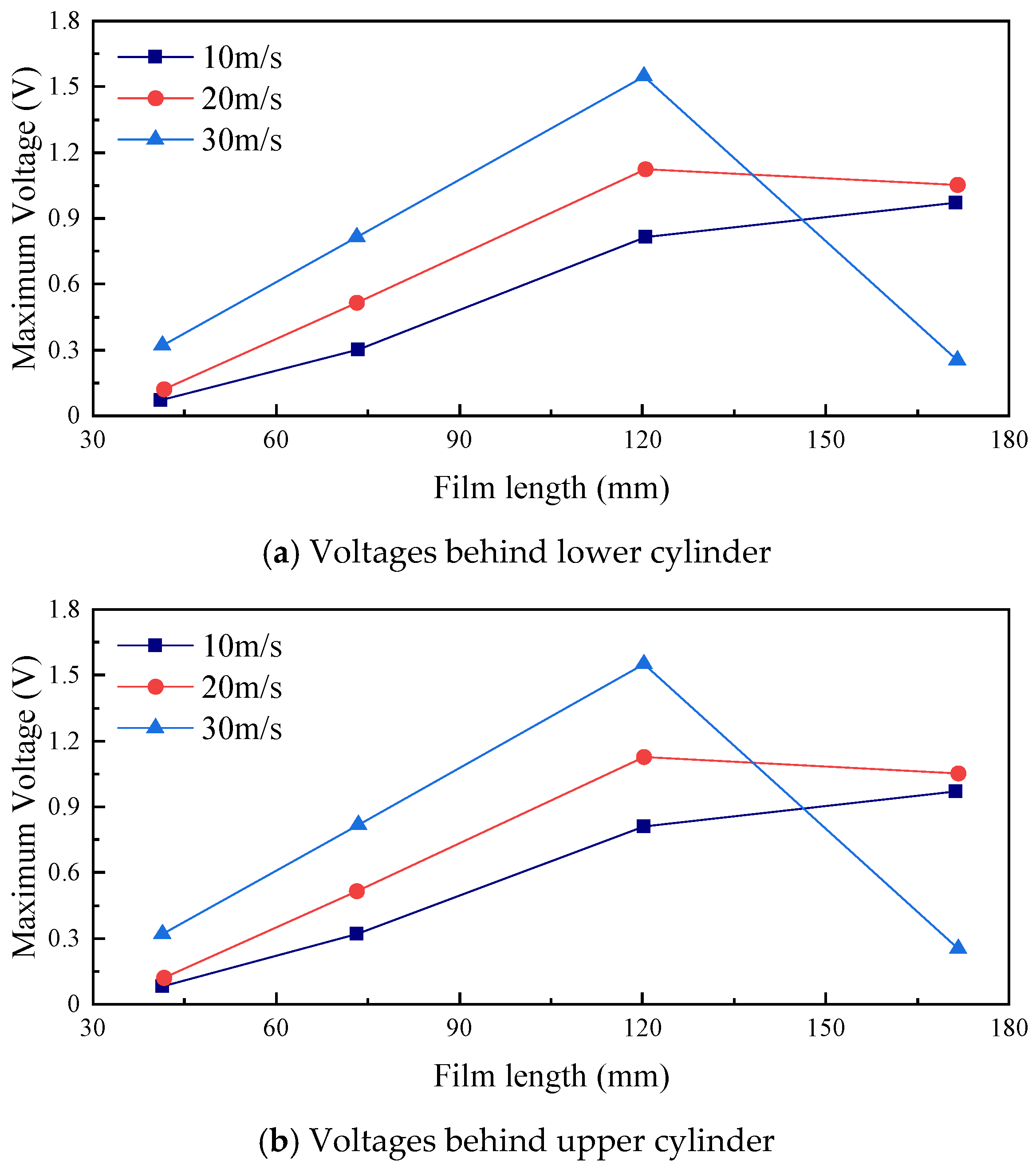
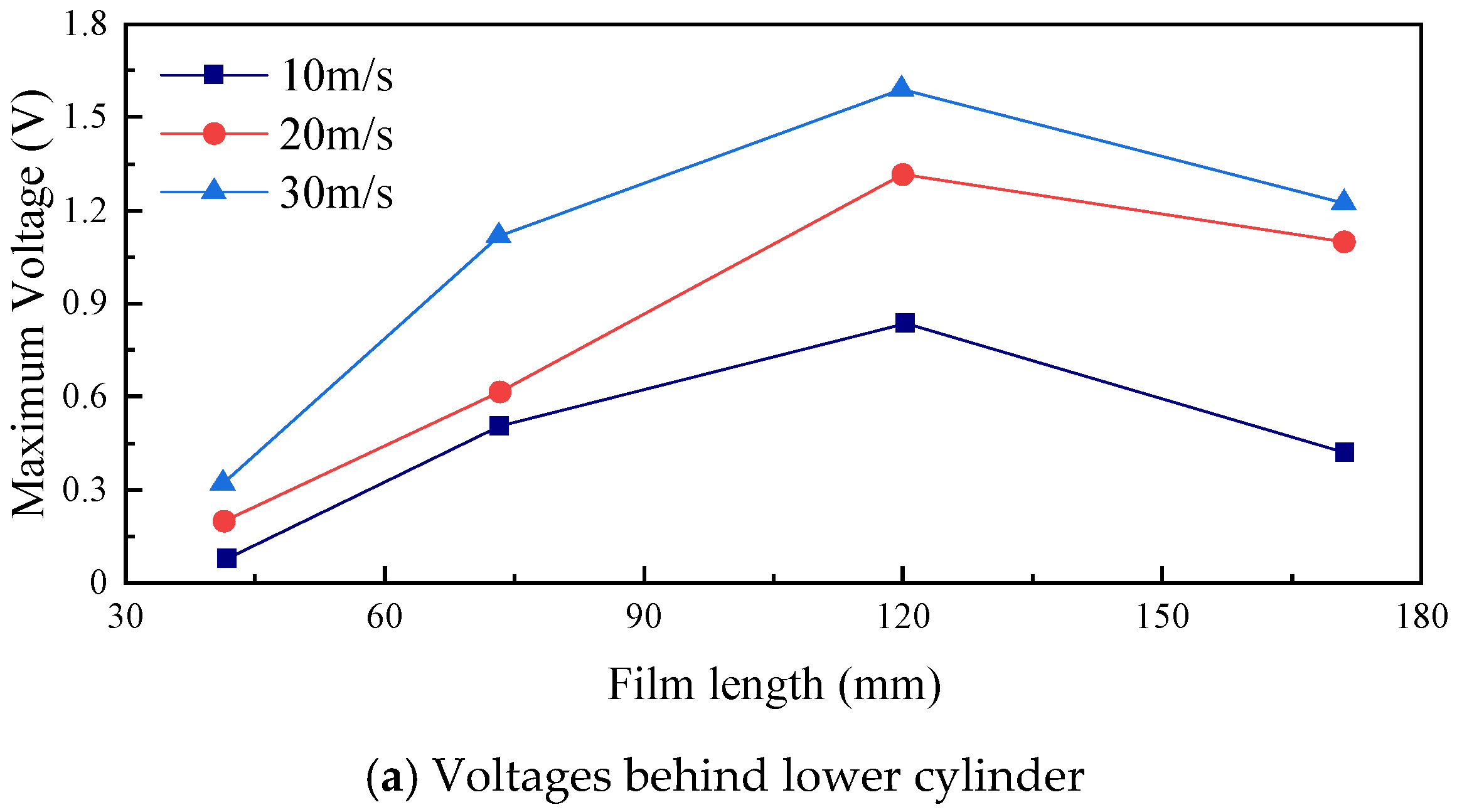
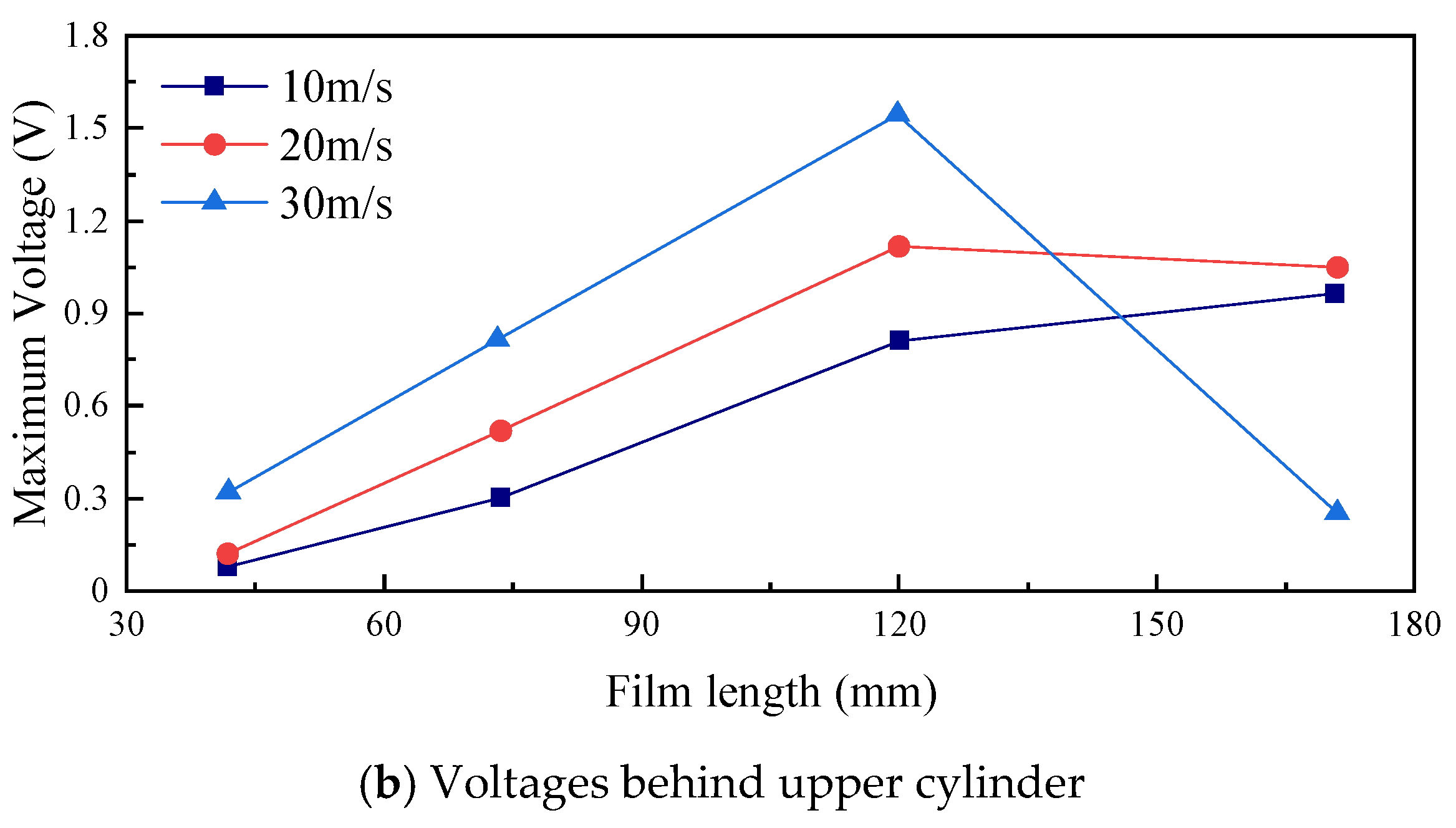
Piezoelectric films of different lengths were considered, and the corresponding simulation results are presented in
Figure 16. The four film lengths were 40, 70, 120, and 170 mm. The film width was fixed at 20 mm, and the thickness was 0.2 mm.
The results indicate that the output voltage increases with film length up to 120 mm. When the piezoelectric film exceeds this length, part of the voltage output begins to decrease. For the lower cylinder, the curves at medium and high flow velocities show a particularly sharp decline. This reduction may be attributed to reverse bending of the excessively long film, which may in turn interfere with the development of the downstream vortical structures. Therefore, 120 mm is recommended as the optimal film length for the present case. Although the comparison of film length is relatively simple, it provides sufficient guidance for the current design. A more comprehensive optimization study can be conducted in future work.