Article

Field Tests and Applicability Analysis of an Underground Cooling Installation Powered by Ventilation Air Methane (VAM)


by
Robert Hildebrandt
1,*,
Marcin Smołka
1,
Wodzisław Piekarczyk
2 and
Krzysztof Skrzypkowski
3
1
Central Mining Institute—National Research Institute, Plac Gwarków 1, 40-166 Katowice, Poland
2
MPIRE sp. z o.o., Gen. Józefa Bema 6/14, 41-303 Dąbrowa Górnicza, Poland
3
Faculty of Civil Engineering and Resource Management, AGH University of Krakow, Mickiewicza 30 Av., 30-059 Kraków, Poland
*
Author to whom correspondence should be addressed.
Energies 2026, 19(6), 1511; https://doi.org/10.3390/en19061511
Submission received: 12 February 2026 / Revised: 5 March 2026 / Accepted: 13 March 2026 / Published: 18 March 2026
(This article belongs to the Section A: Sustainable Energy)

Abstract

Modern underground hard coal mines encounter increasing natural hazards as mining depth increases, including, in particular, significant rises in both methane and thermal hazards. Thermal threats are common in Polish mines, especially in areas where the primary rock temperature exceeds 40 °C. To provide an energy source for cooling systems and reduce methane emissions from ventilation air, a system based on a catalytic reactor combined with an absorption chiller was developed. Field tests conducted at the experimental mine Barbara in Mikołów (Poland) indicate that a COP based on methane chemical energy can reach a level of 0.3–0.4. An application analysis was conducted based on the results of cross-sectional forecasts of climatic conditions (thermal conditions forecasts). The results indicate the potential for using this installation as a supporting component of mine cooling systems. An important factor that may limit the efficiency of the installation is the volume flow of the exhaust air stream. It is estimated that, in countries where, as in Poland, air temperature is the primary criterion for assessing thermal safety, the results of the analysis would be similar.

1. Introduction

Methane and rock heat are two fundamental challenges facing many hard coal mines in Poland and worldwide. Methane, in addition to its explosive properties, is a significant greenhouse gas. Molecule for molecule, it is more than 20 times as potent as carbon dioxide [1], meaning that it is crucial to limit its release. Accordingly, recent regulations from the European Parliament and the European Council [2] impose new restrictions on coal mines. From January 2027, operators of thermal coal mines will be permitted to emit no more than 5 t of methane per kt of mined coal. For coking coal mines, the restrictions are stricter (the limit is 3 t of methane), but these will apply later, beginning in January 2031. Although mines drain the rock mass, and the effectiveness of some methods reaches up to 90% [3,4], there are other sources of methane, such as extracted panels or headings, where drainage cannot be applied or is ineffective. Furthermore, the choice of methane drainage technique depends on many factors, and selecting the most effective method is not always possible [5]. Therefore, the overall drainage effectiveness is significantly lower. In Poland, it ranges between 30% and 60% [6]. Another problematic issue is the economic utilisation of captured gas, which at some mines is less than 50% (recently in Jankowice, Chwałowice, Knurów-Szczygłowice, and Borynia). The issue of greenhouse gas emissions, particularly methane, is not limited to European mines. Introducing similar restrictions in other regions will result in increased mining operation costs. Mining companies must therefore seek solutions to reduce VAM emissions in advance. Apart from the issue of methane neutralization itself, the optimal use of the extracted energy is also crucial. It should be emphasized that, in many coal mining areas around the world, heat emissions into the workings from rocks and other sources, especially machinery, are a serious problem. Air conditioning seems to be a priority area for development here. The thermal threat in Polish mining affects most of the operations taking place where the virgin rock temperature exceeds 40 °C, particularly the longwalls, while in headings the scale of this hazard is lower [7]. Occasionally endangered are also operations driven in the rock mass with virgin rock temperature up to 30 °C. The term “thermally endangered” applies to all underground workplaces with a dry bulb temperature higher than 28 °C or a cooling power less than 11 wet kata degrees, and is associated with a reduction of work time—to six hours, including the time of descent into the underground and the time of return to the surface. From a geothermal perspective, the Silesian Coal Basin is quite diverse, but the hottest are the regions of Jastrzębie and Katowice. At horizon −650 m the virgin rock temperature in Jastrzębie ranges between 39 and 45 °C, while in Katowice it is between 38 and 42 °C [8,9]. The air-conditioning of Polish mines still mostly relies on stand-alone cooling units, but the number of central air conditioning systems continues to grow. Nowadays only two mines operating in areas where the virgin rock temperature exceeds 40 °C do not have central refrigeration systems [7]. The temperature of the rock is one issue, but the effectiveness of air cooling is significantly limited by high humidity [10,11]. Longwalls with sufficient height (usually not less than 2 m) are often equipped with compact coolers and they effectively prevent increases of air temperature in the upper shields [12]. The transfer of cooling via slurry mixtures is a recent milestone in the development of methods mitigating the thermal threat [13]. The coincidence of two hazards—methane and rock heat—has naturally forced the development of technologies utilising methane as a source of energy and subsequently as a source of heat for cooling production, which is the path followed by the JSW mines [14]. Starting with the Pniówek mine, the heat generated from CBM combustion has been used to power central air-conditioning systems through absorption chillers. Since that time, Poland has been a pioneer in the application of this type of technology [15]. The present publication fits into that field, although the heat carrier in this case is not CBM but VAM, and it introduces a different, novel technological solution. This study’s innovation covers two aspects: capturing and neutralising VAM underground, and using the chemical energy of VAM for air conditioning in mining excavations.

2. Plant Description

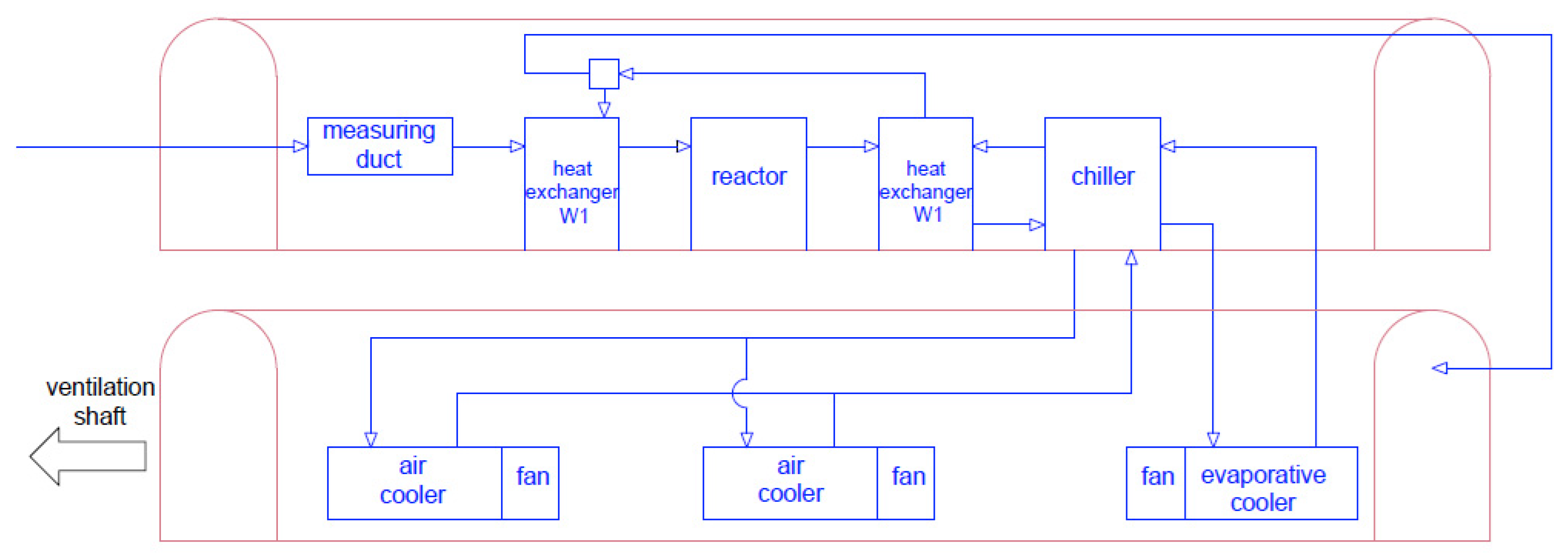
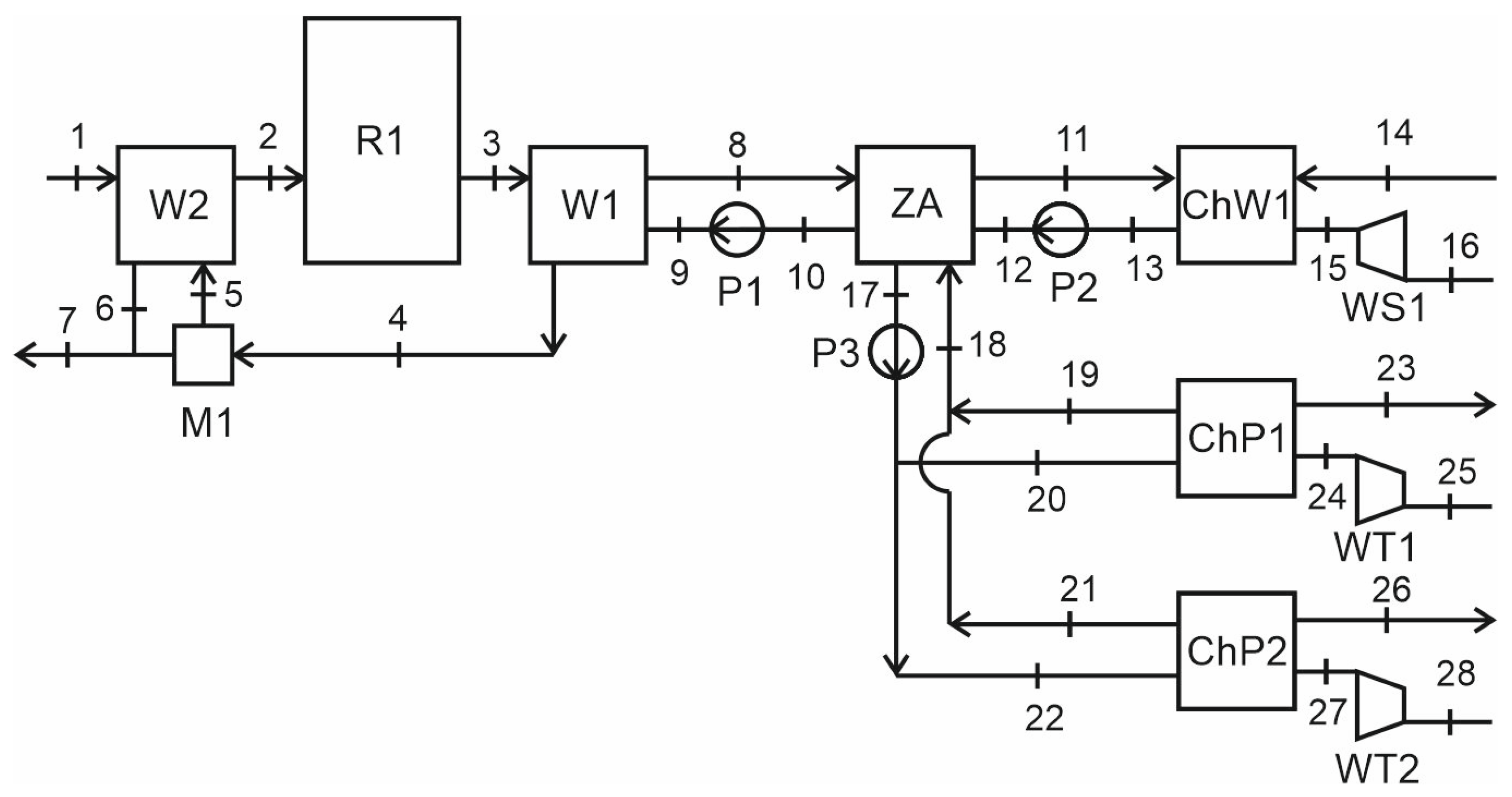
The considered plant essentially consists of two segments. The first comprises a catalytic reactor responsible for methane combustion, while the second constitutes the cooling section, made up of three components: an absorption chiller, air coolers, and an evaporative cooler. The pilot version of the plant was placed at the experimental mine “Barbara” in Mikołów, Poland. Figure 1 shows the conceptual (schematic) layout of the system, whereas Figure 2 presents the detailed (flow) scheme.
The operating principle of the plant is as follows. Ventilation air containing VAM is transported through the measuring duct to heat exchanger W2. In this exchanger, it may be preheated by the flue gas generated in reactor R1. Downstream of W2, the VAM is oxidised, producing hot flue gas. This flue gas is then cooled in heat exchanger W1. The energy recovered from the flue gas is transferred to the circulation water, which serves as the heat carrier for the absorption chiller ZA. After leaving exchanger W1, the flue gas is directed to exchanger W2 and finally discharged into the ventilation roadway. The circulation water transfers thermal energy to the absorption chiller, where chilled water is produced. The cooled circulation water is then pumped back to exchanger W1 by the circulation water pump. The energy extracted from the circulation water and chilled water is transferred to the cooling water. The cooling water is supplied to the evaporative cooler ChW1, where it is cooled and then pumped to the absorption chiller by the cooling water pump. Chilled water is pumped to the air coolers ChP1 and ChP2, which are used to cool the ventilation air. The heated chilled water then returns to the absorption chiller. The evaporative cooler operates together with the exhaust fan WS1, while the air coolers operate with the supply fans WT1 and WT2. The reactor was designed to operate with an air flow rate ranging from 400 to 2400 m3/h and a CH4 concentration from 0% to 1.2%.

3. Field Tests and Results

Measurements of the plant were carried out during its trial operation, which lasted 72 h, from 14 to 17 May 2024. During this period, the pilot installation operated at various air flow rates and with different CH4 concentrations of the gas. For further analysis, two air flow rates were selected: 1200 and 1900 m3/h, with corresponding CH4 concentrations of 0.66% and 0.80%. The measurement at the first flow rate lasted 24 h, while the measurement at the second flow rate lasted approximately 6 h, of which about 4 h of data were used for calculations. The detailed (averaged) measurement results and settings are presented in Table 1.
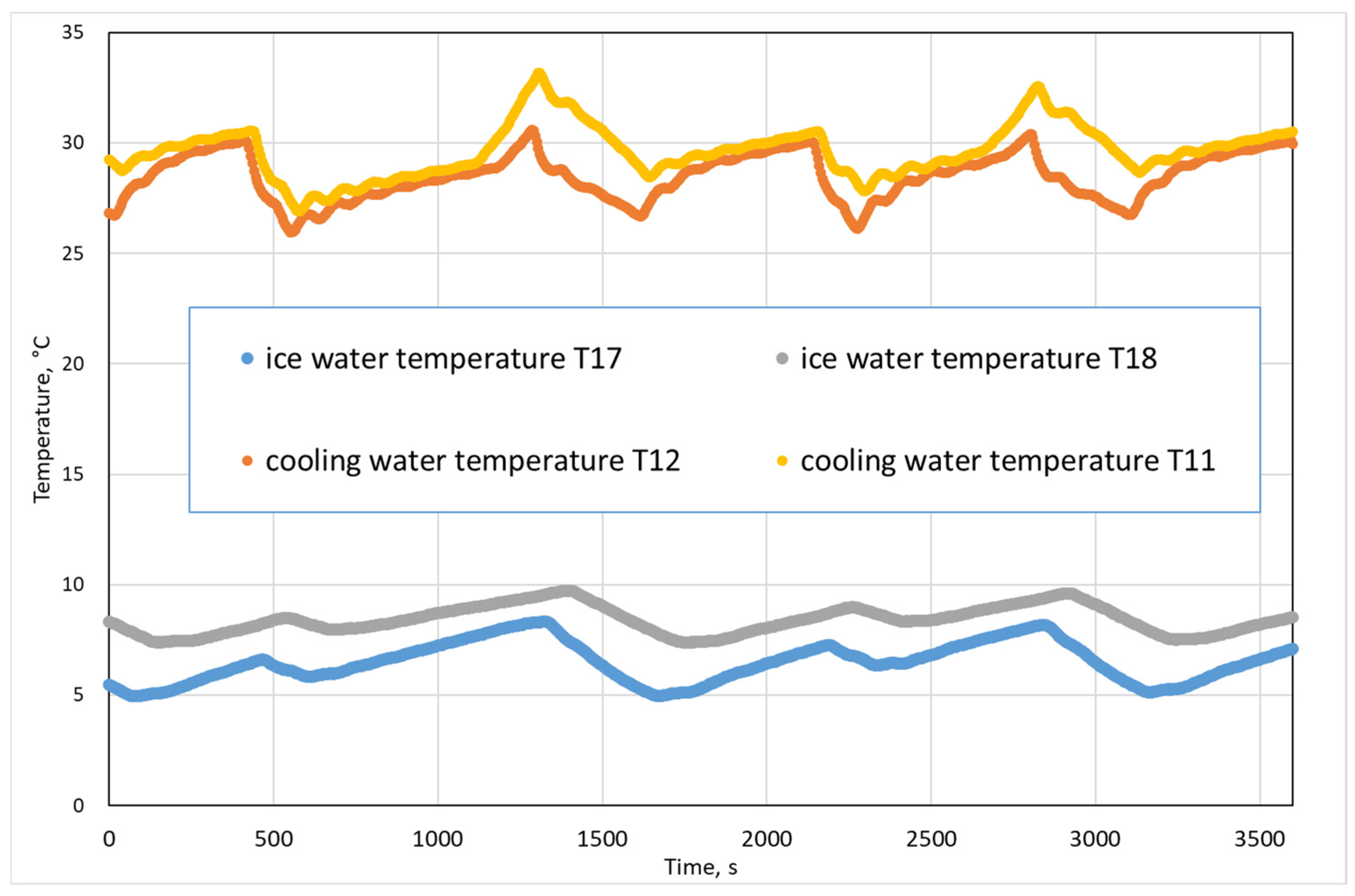
During the measurements it was observed that, while the catalytic reactor operated continuously, the absorption chiller operated intermittently, which is visible in Figure 3.
The intermittent operation of the installation was caused by the much lower temperature of the ventilation air (11–14 °C) compared with the design temperature for which the individual components had been selected (>26 °C). For this reason, the performance parameters—such as the efficiency of the absorption chiller and the overall efficiency of the installation—were determined by calculating the total amount of energy consumed or produced by each component of the system. The following relationships were used in the analysis. The physical enthalpy of the respective media was calculated using the following Equation (1):
H ˙ f = V ˙ · ρ · h f p , t
where we find the following:
  • H ˙ f —physical enthalpy, kW;
  • V ˙ —volumetric flow rate, m3/s;
  • ρ —density, kg/m3;
  • h f —specific physical enthalpy, kJ/kg.
The amount of energy supplied to the installation with methane was calculated using the following Equation (2):
E C H , P = 0 n p H ˙ c h , p · Δ τ 1000
where we find the following:
  • ECH,P—amount of energy supplied to the installation with methane, MJ;
  • Δτ—sampling interval, 5 s;
  • np—number of recorded readings, resulting from the measurement duration and the sampling interval.
The amount of electrical energy supplied to the installation was calculated using the following Equation (3):
E E L , I N S T = 0 n p N e l · Δ τ 1000
where we find the following:
  • E E L , I N S T —amount of electrical energy supplied to the installation, MJ;
  • N e l —instantaneous electrical power consumed by the installation, kW.
The amount of thermal energy supplied to the absorption chiller was calculated using the following Equation (4):
E G , Z A = 0 n p H ˙ 8 H ˙ 9 · Δ τ 1000
where we find the following:
  • EG,ZA—amount of thermal energy supplied to the absorption chiller, MJ;
  • H ˙ 8 —enthalpy of the heating water downstream of heat exchanger W1, kW;
  • H ˙ 9 —enthalpy of the heating water upstream of heat exchanger W1, kW.
The amount of cooling produced by the absorption chiller was calculated using the following Equation (5):
E C , Z A = 0 n p H ˙ 18 H ˙ 17 · Δ τ 1000
where we find the following:
  • EC,ZA—amount of cooling produced by the absorption chiller, MJ.
  • H ˙ 18 —enthalpy of the chilled water downstream of the chiller, kW;
  • H ˙ 17 —enthalpy of the chilled water upstream of the chiller, kW.
The coefficient of performance of the absorption chiller COPZA was expressed using the following Equation (6):
C O P Z A = E C , Z A E R , Z A
where we find the following:
  • COPZA—coefficient of performance of the absorption chiller.
The efficiency coefficient of the installation was expressed using the following Equation (7):
C O P I N S T = E C , Z A E C H , P
where we find the following:
  • COPINST—coefficient of performance based on methane chemical energy.
The results of the calculations of the above quantities are presented in Table 2.
The calculation results obtained from the measurements of the pilot installation indicate that the average COPZA value was lower than the nominal value of 0.63. The instantaneous values of this parameter ranged from 0.23 to 0.63 in the first case and from 0.16 to 0.36 in the second case. This means that the selected absorption chiller was capable of reaching its maximum operating efficiency; however, the climatic conditions caused it to operate under non-optimal conditions. In the Barbara mine, the air temperature remains low throughout the year, fluctuating around 12 °C. For this reason, the actual climatic conditions prevailing underground had to be taken into account. The results of the measurements (air coolers and the evaporative cooler) as well as the calculation relationships provided in the literature sources [16,17,18,19,20] were used in the further analyses. On average, the temperature of the chilled water supplied to the air coolers ranges from 5.0 °C to approximately 7.5 °C, while the temperature of the water after cooling in the evaporative cooler ranges from 26.0 °C to approximately 32.0 °C. In the subsequent calculations, the temperature of the cooling water entering the absorption chiller is assumed to be 30 °C, while the temperature of the chilled water produced is assumed to be 4 °C. Based on the data presented in [16,17,18,19,20], the following was assumed:
1.
The COP of the absorption chiller depends on the temperatures of the chilled water and cooling water, according to the following Equation (8) given in [16]:
C O P Z A , R C O P Z A , N = ( 323 0.838 · T c h , w ) ( 3.77 0.0358 · T c h , w ) · T c o , w
where we find the following:
  • COPZA,R—actual COP of the absorption chiller;
  • COPZA,N—nominal COP of the absorption chiller (0.63);
  • Tch,w—chilled-water temperature, °C (4);
  • Tco,w—cooling-water temperature, °C (30).
2.
The COP of the absorption chiller also depends on its thermal load, according to the following Equation (9):
C O P Z A , R 1 C O P Z A , R = A + B Q ˙ G , R Q ˙ G , N · 100 + C Q ˙ G , R Q ˙ G , N · 100 2
where we find the following:
  • COPZA,R1—actual COP of the absorption chiller under part-load conditions;
  • Q ˙ G , R —actual heating capacity, kW;
  • Q ˙ G , N —nominal heating capacity, kW (112).
The A, B, and C coefficients are dependent on the relative thermal load of the absorption chiller, as shown in Table 3 [16].
3.
The utilisation rate of the VAM chemical energy is constant.
During the analysis of the pilot installation measurement data, it was found that the degree of utilisation of chemical energy into thermal energy recovered in heat exchanger W1 (EG,ZA/ECH,P · 100) also varies over time. These are cyclic changes associated with the operating mode of the absorption chiller. In the first case, the average value was 59.54% (minimum 53.44%, maximum 65.87%), while in the second case it was 54.96% (minimum 45.02%, maximum 64.56%). Determining this parameter directly under underground conditions is difficult due to the influence of numerous independent variables, such as the final configuration of the installation, distances between individual components, ventilation conditions, etc. Nevertheless, considering the temperatures prevailing in underground workings, it is likely that these values will be equal to or even higher than the maximum values obtained during the pilot installation tests. For this reason, it was assumed that the degree of utilisation of the chemical energy of VAM used in the calculations would be 60%, 70% and 80%. The results of the calculations based on actual data and literature sources are presented in Table 4.

4. Applicability Analysis

The conducted analysis consisted of two stages (components):
  • Determination of the cooling capacity demand for the longwall panel to ensure a dry bulb temperature below 28 °C.
  • Determination of the VAM flow rate extracted by the fan to generate the highest possible heating capacity and, consequently, cooling capacity, while at the same time preventing the dry bulb temperature from exceeding 33 °C (the maximum permissible value in Polish hard coal mining) at the location where heat from the installation is discharged.
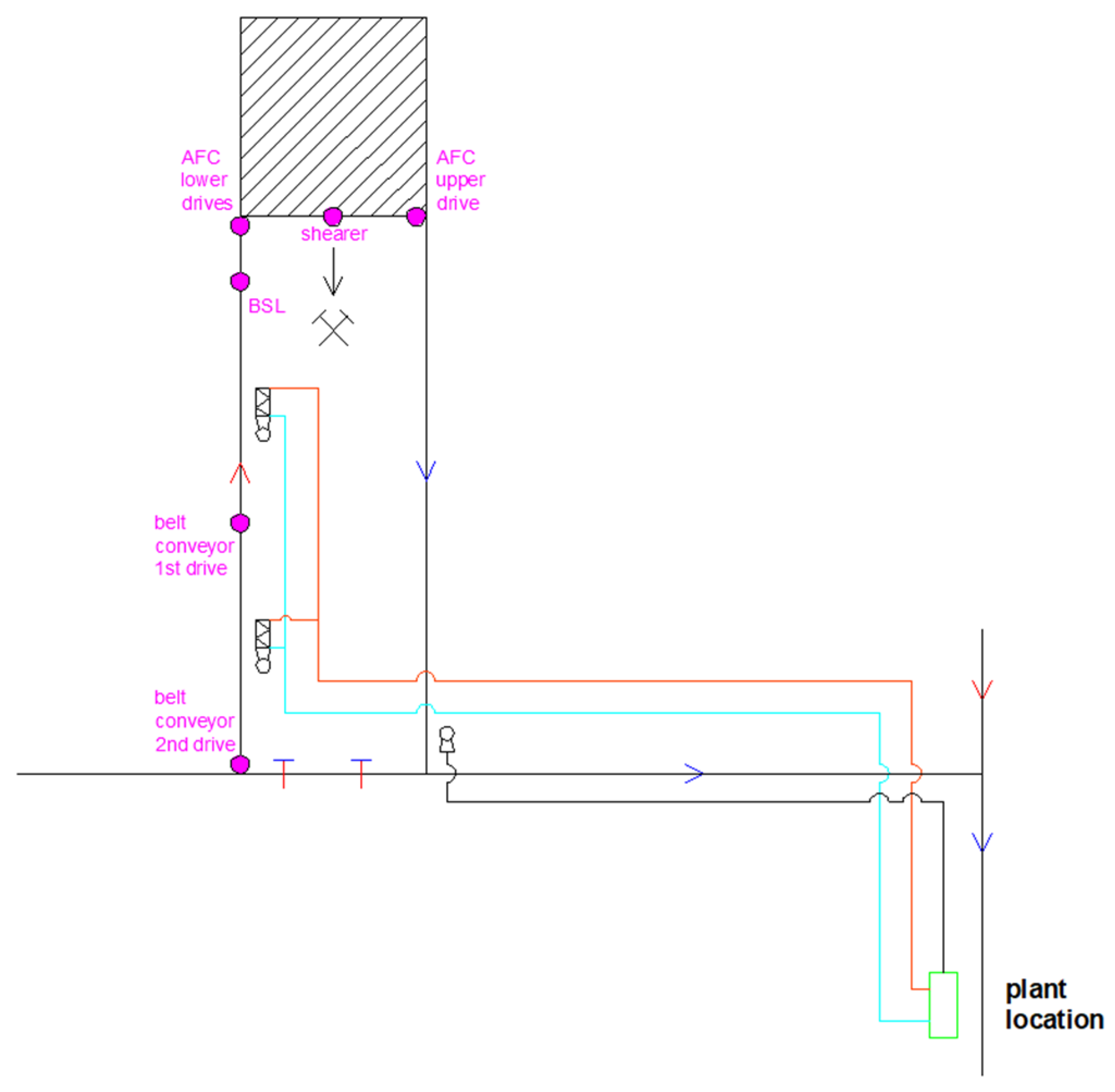
For determining the required cooling capacity, three longwall lengths (120, 160 and 200 m) and two variants of virgin rock temperature (30 °C and 40 °C) were analysed. Heat inflows from the rock mass and the treatment of moisture evaporation were adopted according to the McPherson algorithm [21]. It was assumed that the air entering the longwall ventilation roadway, which simultaneously serves as the haulage route for run-of-mine coal, has a constant flow rate (1200 m3/min), constant temperature (28 °C), relative humidity (75%), and pressure of 1050 hPa. It may be stated that, in terms of psychrometric parameters, the air entering the longwall panel represents typical values observed in Polish hard coal mines. Owing to the relatively high humidity of the air, an approximation was applied that was arrived at by iteratively adjusting the wetness factor (WF) so that its increase (except along the sections representing air cooler installations) remained zero. Therefore, the WF values range between 0.2–0.5 in the roadway and 0.3–0.7 in the longwall, which is consistent with mine observations [22]. Up to three air coolers were assumed to be installed in the roadway: one at the entry and two at a distance of 200 m from the longwall inlet, as per Figure 4. The entire roadway was assumed to be 1000 m long (representing a typical reach of most longwall districts), with successive segments characterised by ventilation periods ranging from 299 to 64 days.
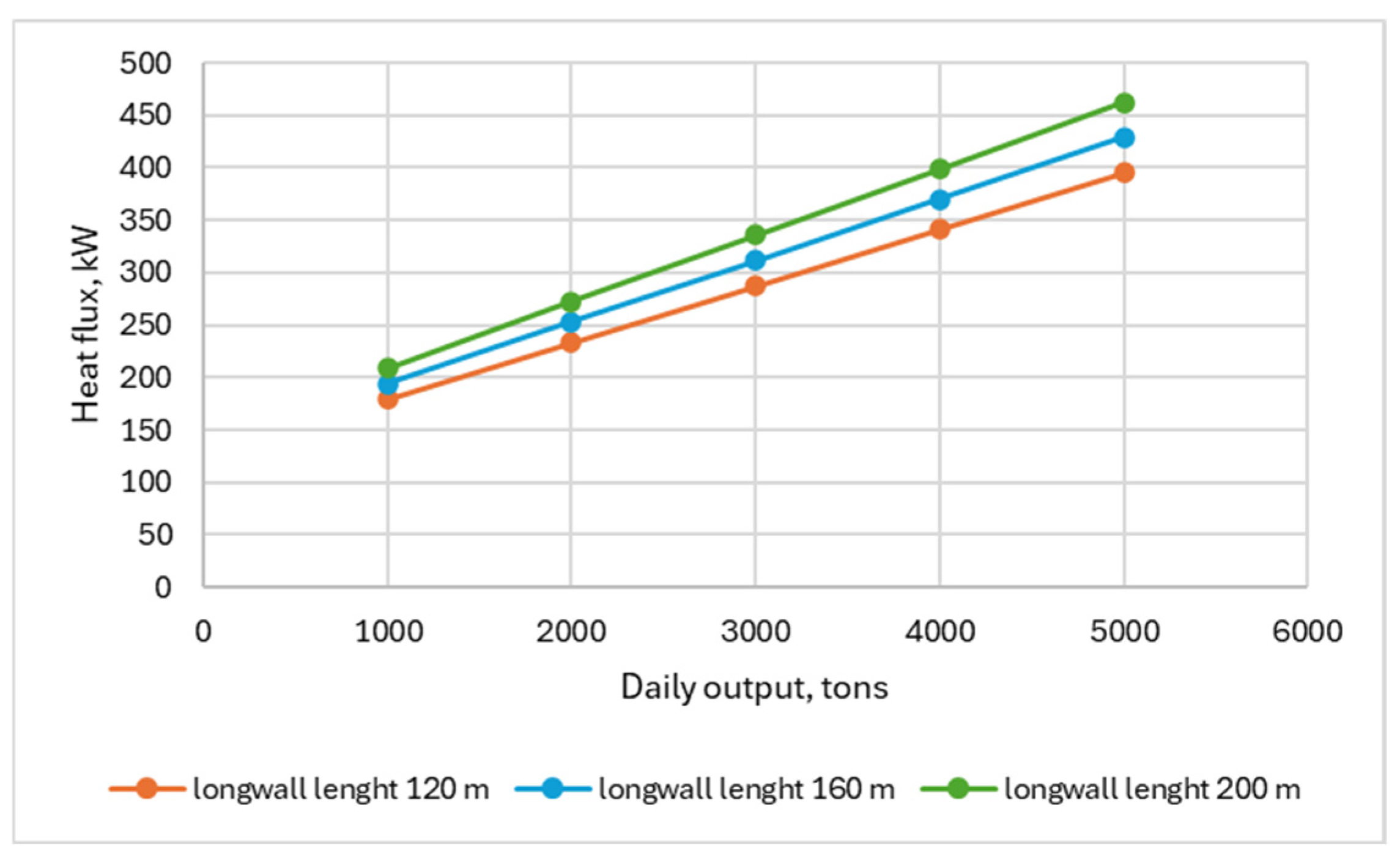
In addition to the heat inflow from the rock mass, heat loads from equipment—mainly conveyors and the longwall shearer—were also taken into account, based on Frączek’s methodology [23]. A summary of heat flow rates as a function of longwall length and production output is presented in Figure 5.
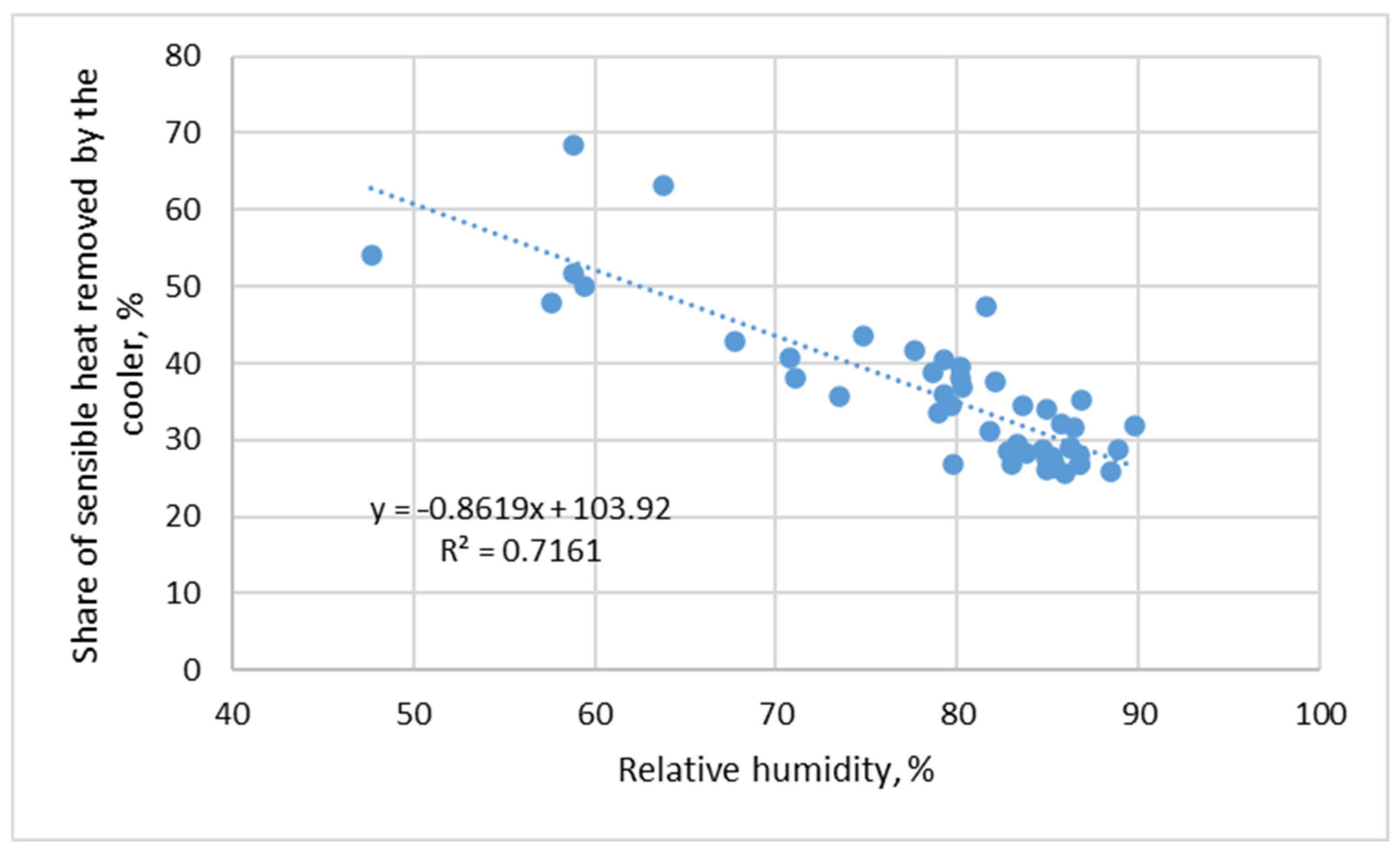
In terms of cooling, it was assumed that the sensible portion of the extracted heat load is functionally dependent on the relative humidity of the air, as shown in Figure 6.
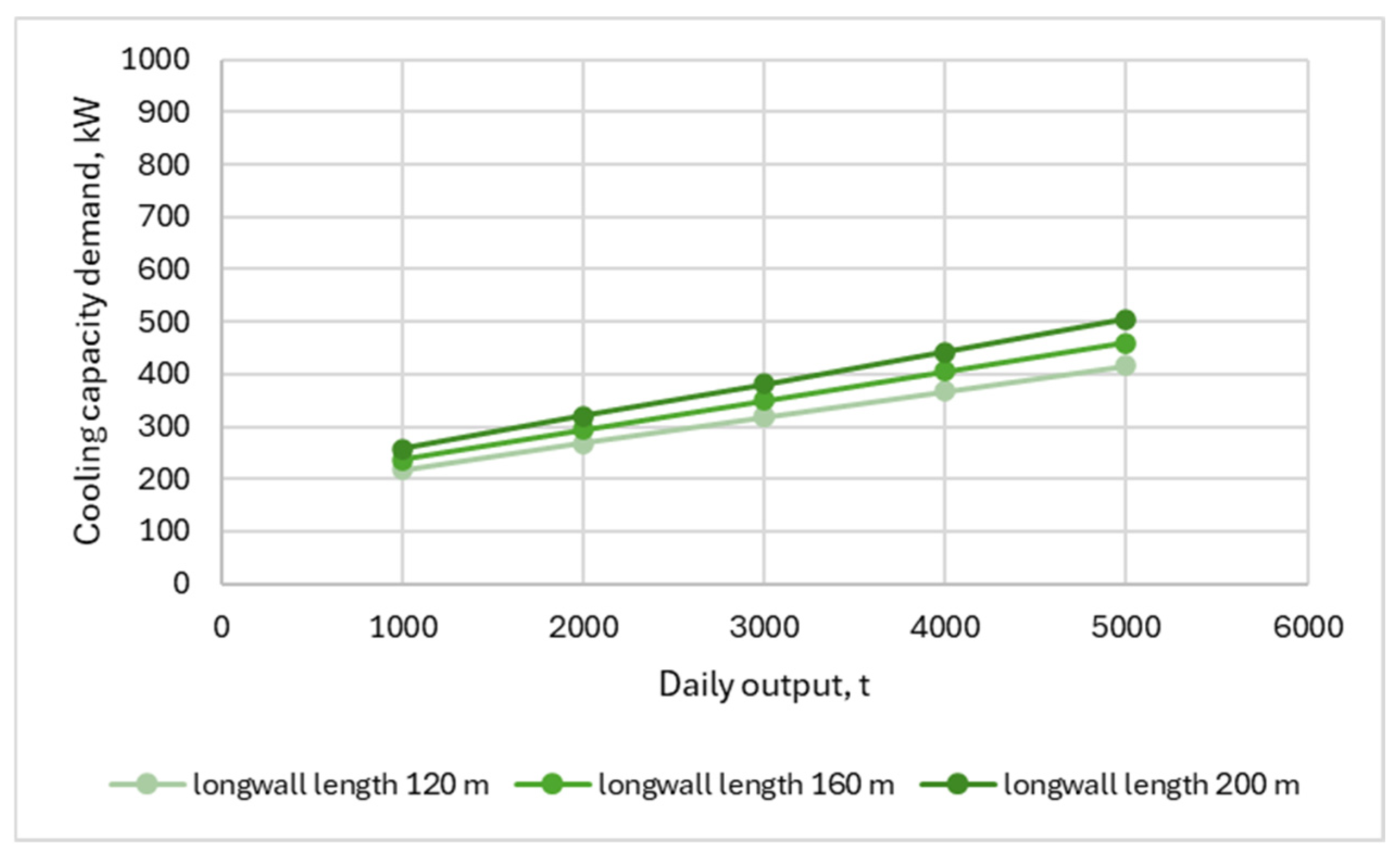
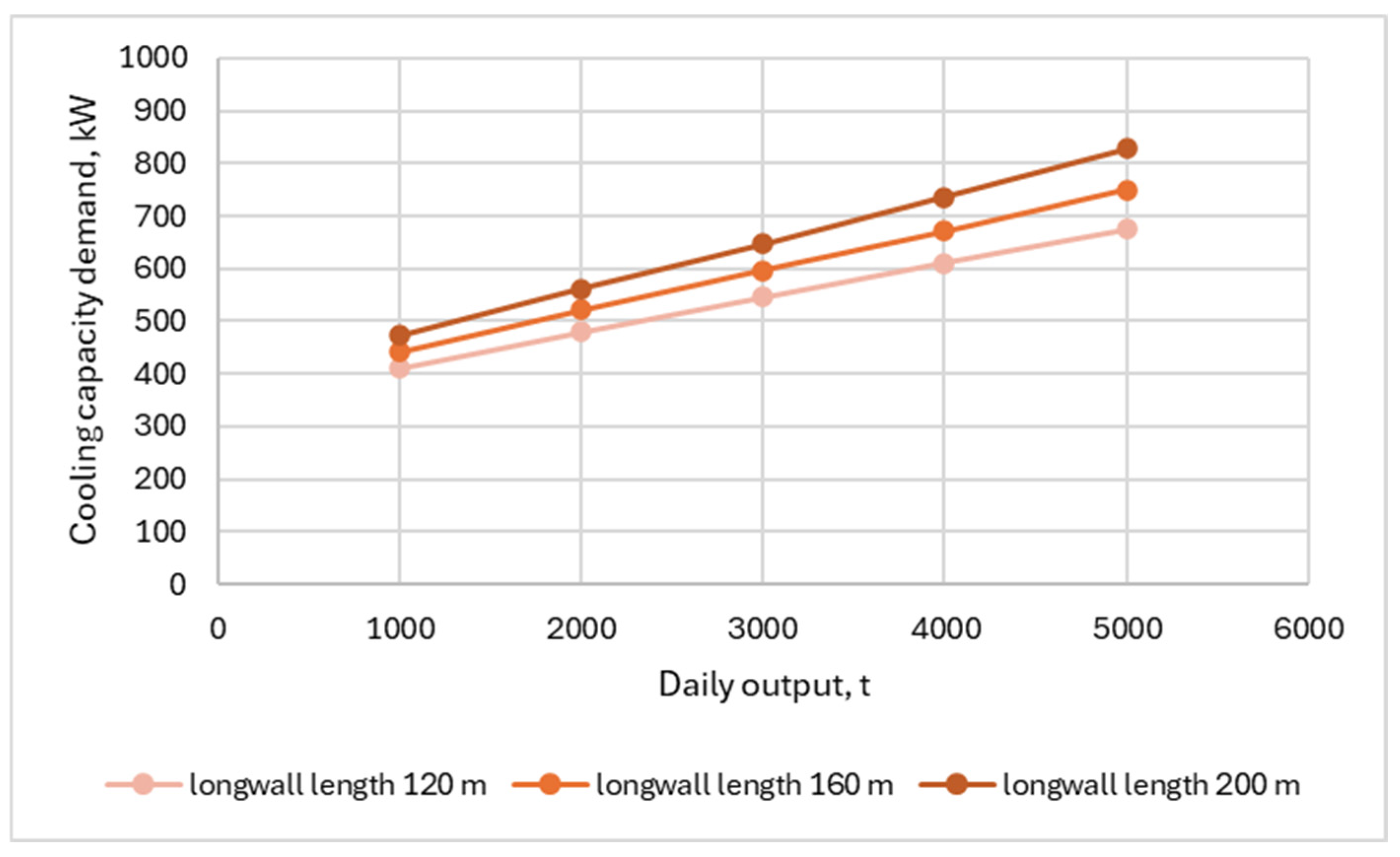
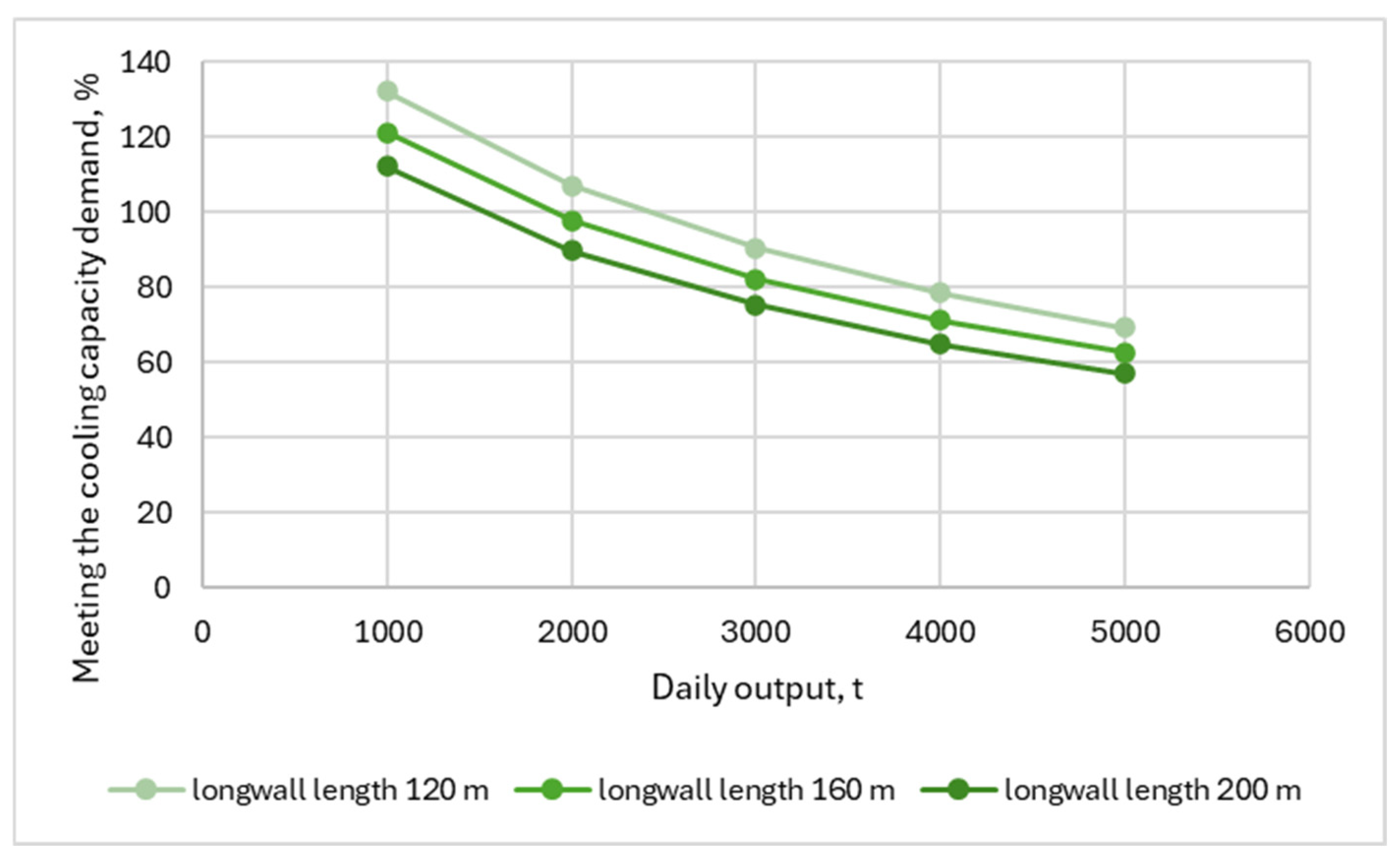
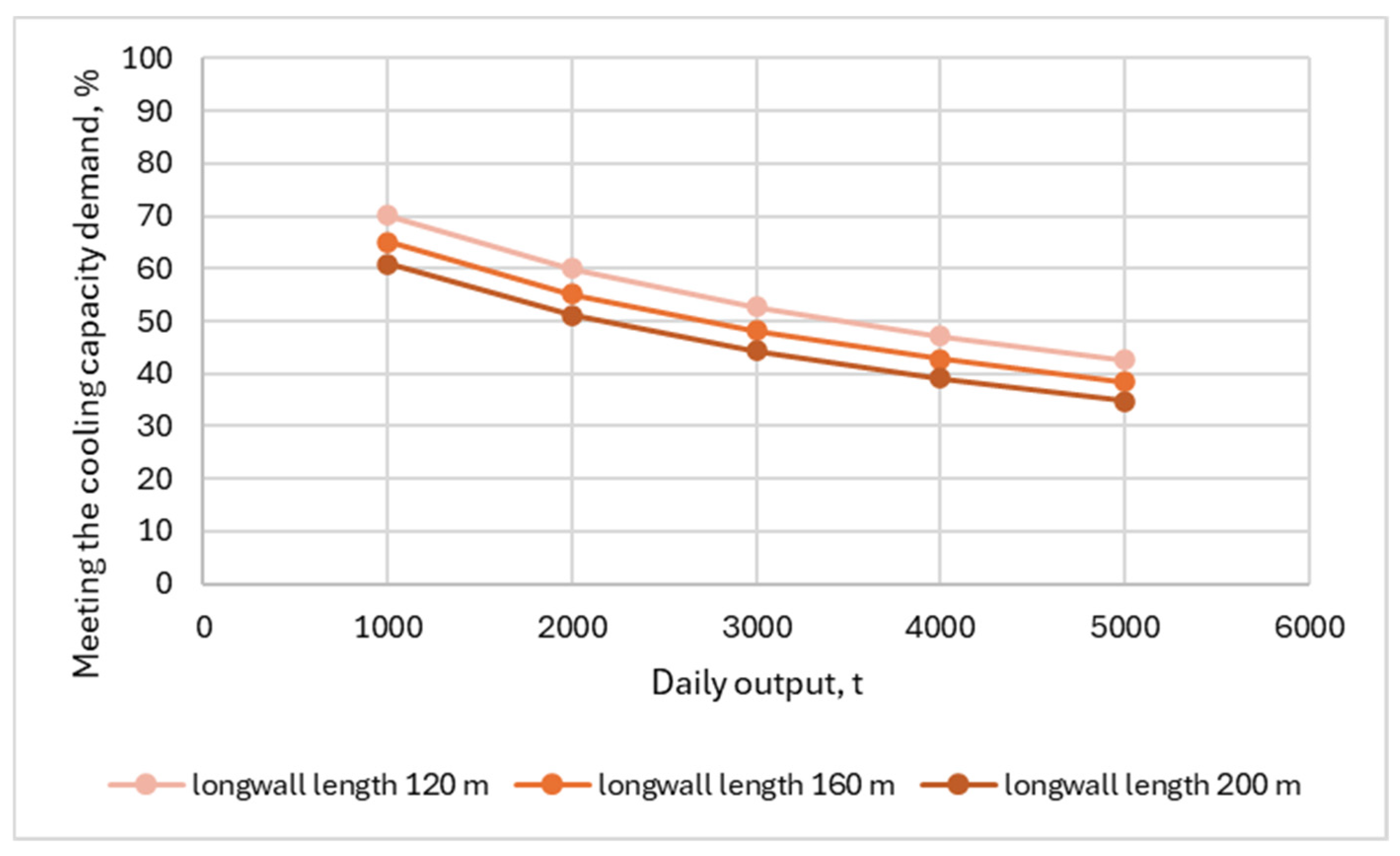
Figure 7 and Figure 8 show the results of the estimated cooling capacity demand, while Figure 9 and Figure 10 summarise the second stage of the analysis.
The calculations of the degree to which the cooling capacity demand is met refer to a cooling efficiency coefficient of 0.4, which corresponds to tests results. The plant is supplied with a VAM flow rate of 85.01 m3/h (airflow at the heat rejection location: 3000 m3/min, temperature 28 °C). The results of the simulations indicate that, in rock masses with an initial temperature of around 30 °C, the installation can be expected to cover most, if not all, of the cooling power demand, while at 40 °C it can supplement a system based, for example, on central air conditioning.
Considering that the air flow is rich in methane and that the fan supplying the reactor only draws a fraction of it, the main factor limiting the possibility of using the installation as the primary source of air conditioning in the wall field remains the air flow at the point of heat discharge from the installation, i.e., the evaporative cooler. An air flow rate of 3000 m3/min was assumed, which corresponds to the ventilation conditions of most hard coal mines in Poland. A significant increase in the system’s capacity to neutralise VAM and generate cooling would require increasing this air flow rate to over 4000 m3/min. Ensuring such ventilation intensity, or a higher one, will affect the ventilation needs of the mine and will require optimisation of the ventilation system [24]. The latest developments in identifying bottlenecks in ventilation networks may be helpful in this regard [25].

5. Conclusions

In light of the current research results, it can be stated that the considered plant may find application in Polish hard coal mines. The research indicates that the COP based on methane chemical energy installation can achieve a level of 0.3–0.4, which, when operating in rock with an initial temperature of 30 °C, should cover most of the expected cooling power demand for the wall (not less than 60%). In rock masses with an initial temperature of 40 °C, the installation can be a valuable addition to the cooling system. Although the efficiency metrics obtained are relatively low, especially those observed directly during the operation of the installation, there is still considerable room for improvement in this area. Experience from CBM-powered systems indicates that COP based on methane chemical energy of nearly 70% are attainable [26]. To some extent, the degree to which the cooling capacity demand is met can be improved by increasing the airflow at the heat rejection location. However, under Polish mining conditions, the airflow of the group return stream rarely exceeds the assumed value of 3000 m3/min. It should be emphasised that, in terms of VAM availability, the limitations are the smallest. According to the findings reported in [27], these requirements are met in the vast majority of longwall panels. The applicability analysis was carried out with reference to Polish conditions; however, due to the similarities in the criteria for assessing climatic conditions—which in Chinese mining are also based on air temperature [28]—the presented results can be considered closely representative as well.

Author Contributions

Conceptualization, R.H., M.S. and W.P.; methodology, R.H., M.S. and W.P.; software, R.H.; validation, R.H.; formal analysis, R.H., M.S. and W.P.; investigation, R.H., M.S. and W.P.; resources, R.H., data curation, R.H., M.S. and W.P.; writing—original draft preparation, R.H., W.P. and M.S.; writing—review and editing, R.H. and K.S.; visualization, R.H., M.S. and W.P.; supervision, R.H. and K.S.; project administration, R.H. and K.S.; funding acquisition, R.H. and K.S. All authors have read and agreed to the published version of the manuscript.

Funding

The research was financed within the National Research Centre project POIR.01.01.01-00-1096/17 and by the AGH University of Krakow, Mickiewicza 30 Av., 30-059 Krakow, NIP PL6750001923.

Data Availability Statement

The original contributions presented in this study are included in the article. Further inquiries can be directed to the corresponding author.

Conflicts of Interest

Author W.P. was employed by MPIRE sp. z o.o. during conduction of this study. All authors declare no commercial or professional relationships that can be construed as potential conflicts of interest.

References

  1. Badr, O.; Probert, S.; O’Callaghan, P. Atmospheric methane: Its contribution to global warming. Appl. Energy 1991, 40, 273–313. [Google Scholar] [CrossRef]
  2. Regulation (EU) 2024/1787 of the European Parliament and of the Council of 13 June 2024 on the Reduction of Methane Emissions in the Energy Sector and Amending Regulation (EU) 2019/942 (Text with EEA Relevance). 2024. Available online: https://eur-lex.europa.eu/legal-content/EN/ALL/?uri=CELEX:32024R1787 (accessed on 4 December 2025).
  3. Szlązak, N.; Borowski, M.; Obracaj, D.; Swolkień, J.; Korzec, M. Comparison of Methane Drainage Methods Used in Polish Coal Mines. Arch. Min. Sci. 2014, 59, 655–675. [Google Scholar] [CrossRef]
  4. Liu, J.; Wang, Z.; Wang, Q.; Zou, S.; Yang, X. Study on the Application of Comprehensive Gas Control Technology for Source-Separated Three-Dimensional Gas Extraction in Large Mining Faces. ACS Omega 2024, 9, 32777–32788. [Google Scholar] [CrossRef] [PubMed]
  5. Szlązak, N.; Swolkień, J.; Kamiński, P. Design of Coal Seam Exploitation in Methane Hazard Conditions: A Case Study. Energies 2022, 16, 365. [Google Scholar] [CrossRef]
  6. Koptoń, H. Zagrożenie gazowe [Gas Hazard]. In Raport Roczny (2024) o Stanie Podstawowych Zagrożeń Naturalnych i Technicznych w Górnictwie Węgla Kamiennego [Annual Report (2024) on the State of Major Natural and Technical Hazards in Hard Coal Mining]; Makówka, J., Ed.; Główny Instytut Górnictwa—Państwowy Instytut Badawczy: Katowice, Poland, 2025; pp. 23–35. (In Polish) [Google Scholar]
  7. Smołka, M. Zagrożenie klimatyczne [Climatic Hazard]. In Raport Roczny (2024) o Stanie Podstawowych Zagrożeń Naturalnych i Technicznych w Górnictwie Węgla Kamiennego [Annual Report (2024) on the State of Major Natural and Technical Hazards in Hard Coal Mining]; Makówka, J., Ed.; Główny Instytut Górnictwa—Państwowy Instytut Badawczy: Katowice, Poland, 2025; pp. 74–80. (In Polish) [Google Scholar]
  8. Cygankiewicz, J.; Knechtel, J. Isotherm Maps of Virgin Rock Temperature in Collieries of Katowicki Holding Węglowy. J. Sustain. Min. 2014, 13, 1–4. [Google Scholar] [CrossRef][Green Version]
  9. Doležal, L.; Knechtel, J.; Taufer, A.; Trávníček, L. Primary rock temperature fields in Czech and Polish part of the Upper Silesian Coal Basin. Arch. Min. Sci. 2013, 58, 55–72. [Google Scholar]
  10. Szlązak, N.; Obracaj, D.; Swolkień, J. An Evaluation of the Functioning of Cooling Systems in the Polish Coal Mine Industry. Energies 2018, 11, 2267. [Google Scholar] [CrossRef]
  11. Smołka, M. Wpływ wilgotności względnej powietrza na kształtowanie się efektywności pracy przeponowej chłodnicy powietrza typu DV-290K [Influence of Relative Air Humidity on the Performance of a DV-290K Diaphragm Air Cooler]. In Zagrożenia Naturalne w Kopalniach Węgla Kamiennego [Natural Hazards in Hard Coal Mines]; Makówka, J., Ed.; Główny Instytut Górnictwa (Central Mining Institute, GIG): Katowice, Poland, 2022; pp. 69–74. [Google Scholar]
  12. Szmuk, A. Zwalczanie zagrożenia klimatycznego w ścianie strugowej na przykładzie ściany D-2 w pokładzie 410 w JSW S.A. KWK “Borynia-Zofiówka-Jastrzębie” Ruch “Zofiówka” [Control of Climatic Hazard in a Plow Longwall—Case Study of Longwall D-2 in Seam 410 at JSW S.A. Borynia-Zofiówka-Jastrzębie Mine, Zofiówka Section]. Syst. Wspomagania Inżynierii Prod. 2018, 7, 197–208. (In Polish) [Google Scholar]
  13. Mika, Ł.; Sztekler, K.; Radomska, E. Application of Ice Slurry as a Phase Change Material in Mine Air Cooling System—A Case Study. Energies 2025, 18, 3782. [Google Scholar] [CrossRef]
  14. Gatnar, K.; Tor, A. Metan pokładów węgla jako paliwo w skojarzonych układach energetyczno-chłodniczych stanowiących element zaopatrzenia w energię zakładów JSW S.A. [Coal Seam Methane as a Fuel in Combined Energy and Refrigeration Systems as an Element of Energy Supply for JSW S.A. Plants]. In Materiały Szkoły Eksploatacji Podziemnej [Proceedings of the School of Underground Mining]; Kicki, J., Ed.; Instytut Gospodarki Surowcami Mineralnymi i Energią Polskiej Akademii Nauk: Kraków, Poland, 2003; pp. 95–110. (In Polish) [Google Scholar]
  15. Sloss, L.L. Power Projects Using Methane from Coal Mines; IEA Clean Coal Centre: London, UK, 2006. [Google Scholar] [CrossRef]
  16. Christian, J.E. Central Cooling: Absorptive Chillers; Oak Ridge National Laboratory: Oak Ridge, TN, USA, 1977. [CrossRef]
  17. Marcos, J.D.; Izquierdo, M.; Palacios, E. New method for COP optimization in water- and air-cooled single and double effect LiBr–water absorption machines. Int. J. Refrig. 2011, 34, 1348–1359. [Google Scholar] [CrossRef]
  18. de Vega, M.; Almendros-Ibañez, J.A.; Ruiz, G. Performance of a LiBr–water absorption chiller operating with plate heat exchangers. Energy Convers. Manag. 2006, 47, 3393–3407. [Google Scholar] [CrossRef]
  19. Ren, J.; Qian, Z.; Yao, Z.; Gan, N.; Zhang, Y. Thermodynamic Evaluation of LiCl-H2O and LiBr-H2O Absorption Refrigeration Systems Based on a Novel Model and Algorithm. Energies 2019, 12, 3037. [Google Scholar] [CrossRef]
  20. Piekarczyk, W.; Gosiewski, K.; Gładysz, P.; Stanek, W. Combined Cooling, Heat and Power from Ventilation Air Methane—An Exergy and Thermo-Ecological Analysis. In Proceedings of the 4th International Conference on Contemporary Problems of Thermal Engineering (CPOTE 2016); Stanek, W., Gładysz, P., Czarnowska, L., Eds.; Silesian University of Technology, Institute of Thermal Technology: Gliwice, Poland, 2016; pp. 835–848. [Google Scholar]
  21. McPherson, M.J. The analysis and simulation of heat flow into underground airways. Geotech. Geol. Eng. 1986, 4, 165–195. [Google Scholar] [CrossRef]
  22. Smołka, M. The Importance of the WF Coefficient in Forecasting Climatic Conditions in Coal Excavations. Arch. Min. Sci. 2023, 67, 423–436. [Google Scholar] [CrossRef]
  23. Frączek, R. Aerologia Górnicza. Przykłady i Zadania [Mine Aerology: Examples and Exercises]; Katedra Elektryfikacji i Automatyzacji Górnictwa, Politechnika Śląska: Gliwice, Poland, 2007. (In Polish) [Google Scholar]
  24. Nguyen, C.; Vu, T.; Le, D.; Do, S.; Dao, C.; Le, P. Assessment of the ventilation system and solutions for improving the ventilation network at Khe Cham Coal Mine, Vietnam. Vestnik Kazn. 2025, 147, 20–29. [Google Scholar] [CrossRef]
  25. Shen, Z.; Yan, M.; Zhao, D. Machine learning model for windage alteration fault diagnosis of mine ventilation system under unbalanced samples. Min. Miner. Depos. 2025, 19, 72–80. [Google Scholar] [CrossRef]
  26. Jakubów, A.; Tor, A.; Wacławik, J. Ziębiarki absorpcyjne w klimatyzacji kopalń [Absorption Chillers in Mine Air Conditioning]. In Materiały 2 Szkoły Aerologii Górniczej [Proceedings of the 2nd School of Mine Aerology]; Sekcja Aerologii Górniczej Komitetu Górnictwa PAN: Kraków, Poland, 2002. (In Polish) [Google Scholar]
  27. Krause, E.; Gajdowska, M. Przeprowadzenie klasyfikacji i systematyzacji ścian eksploatowanych w pokładach metanowych w kopalniach węgla kamiennego w roku 2011 [Classification and Systematization of Longwalls Extracted from Methane Seams in Hard Coal Mines in 2011]. Pr. Nauk. GIG. Górnictwo Sr. 2012, 3, 55–71. (In Polish) [Google Scholar]
  28. Xu, Y.; Chen, L.; Zhang, J.; Ji, H. Research Progress of Heat Damage Prevention and Control Technology in Deep Mine. Sustainability 2025, 17, 6200. [Google Scholar] [CrossRef]
Figure 1. Conceptual scheme of the plant tested at mine Barbara.
Energies 19 01511 g001
Figure 2. Detailed scheme of the plant tested at mine Barbara: 1—ventilation air upstream of heat exchanger W2, 2—ventilation air downstream of heat exchanger W2, 3—flue gas downstream of reactor R1, 4—flue gas downstream of heat exchanger W1, 5—flue gas downstream of unit M1, 6—flue gas downstream of heat exchanger W2, 7—flue gas at the outlet of the duct (airway), 8—circulation water upstream of absorption chiller ZA, 9—circulation water downstream of pump P1, 10—circulation water downstream of absorption chiller ZA, 11—cooling water upstream of evaporative cooler ChW, 12—cooling water downstream of pump P2, 13—cooling water downstream of evaporative cooler ChW, 14—air upstream of evaporative cooler ChW, 15—air downstream of evaporative cooler ChW, 16—air downstream of exhaust fan WS1, 17—chilled water upstream of pump P3, 18—chilled water upstream of absorption chiller ZA, 19—chilled water downstream of air cooler ChP1, 20—chilled water upstream of air cooler ChP1, 21—chilled water downstream of air cooler ChP2, 22—chilled water upstream of air cooler ChP2, 23—air downstream of air cooler ChP1, 24—air upstream of air cooler ChP1, 25—air downstream of supply fan WT1, 26—air downstream of air cooler ChP2, 27—air upstream of air cooler ChP2, 28—air downstream of supply fan WT2.
Energies 19 01511 g002
Figure 3. Operation of the installation at an air flow rate of 1900 m3/h and a CH4 concentration of 0.8%.
Energies 19 01511 g003
Figure 4. Layout of the conditioned panel and plant location.
Energies 19 01511 g004
Figure 5. Heat fluxes of machines in the panel.
Energies 19 01511 g005
Figure 6. Efficiency of removing sensible heat in underground air coolers.
Energies 19 01511 g006
Figure 7. Cooling capacity demand of longwalls—virgin rock temperature 30 °C.
Energies 19 01511 g007
Figure 8. Cooling capacity demand of longwalls—virgin rock temperature 40 °C.
Energies 19 01511 g008
Figure 9. Results of applicability analysis—virgin rock temperature 30 °C.
Energies 19 01511 g009
Figure 10. Results of applicability analysis—virgin rock temperature 40 °C.
Energies 19 01511 g010
Table 1. Measurement results and settings of the operating pilot installation at measuring duct.
Air Flow, m3/hRelative Humidity, %Methane Concentration, %VAM Flow, m3/hAir Temperature, °CManometric Pressure, Bar
1199.9680.840.678.0411.670.018
1901.0574.900.8015.2114.630.036
Table 2. Calculated operating parameters of the installation.
ECH,P, MJEG,ZA, MJEC,ZA, MJEEL,INST, MJCOPZACOPINST
6497.203868.241508.391042.510.3900.200
2245.221233.95327.26241.220.2650.132
Table 3. Values of coefficients A, B and C.
Minimal Load %Maximum Load %ABC
104048.31.56−0.007
4010010000
Table 4. Results of calculations based on actual data and literature sources.
Air volumetric flow rate, m3/h1134.41809.8
Methane concentration, %0.670.80
VAM volumetric flow rate, m3/h8.0415.21
Chemical energy flow rate, kW75.20144.67
Electrical power consumption, kW18.7120.63
VAM energy utilisation, %60.0070.0080.0060.0070.0080.00
Heating capacity, kW45.1252.6460.1686.80101.27115.74
C O P Z A , R C O P Z A , N · 100 , %94.6994.6994.6994.6994.6994.69
Percentage of nominal load, %40.2847.0053.7177.5090.42103.34
C O P Z A , R 1 C O P Z A , R · 100 , %100.0100.0100.0100.0100.0100.0
Actual cooling capacity, kW26.931.435.951.860.469.0
Cooling efficiency of the installation0.2870.3340.3820.3130.3650.418
Disclaimer/Publisher’s Note: The statements, opinions and data contained in all publications are solely those of the individual author(s) and contributor(s) and not of MDPI and/or the editor(s). MDPI and/or the editor(s) disclaim responsibility for any injury to people or property resulting from any ideas, methods, instructions or products referred to in the content.