Article

Bi-Level Collaborative Optimization of Dynamic Wireless Charging Systems Considering Traffic Flow Distribution


School of Mechanical Engineering, University of Shanghai for Science and Technology, Shanghai 200093, China
*
Author to whom correspondence should be addressed.
Energies 2026, 19(6), 1396; https://doi.org/10.3390/en19061396
Submission received: 24 December 2025 / Revised: 27 February 2026 / Accepted: 5 March 2026 / Published: 10 March 2026
(This article belongs to the Special Issue Advanced Grid-to-Vehicle (G2V) and Vehicle-to-Grid (V2G) Technologies)

Abstract

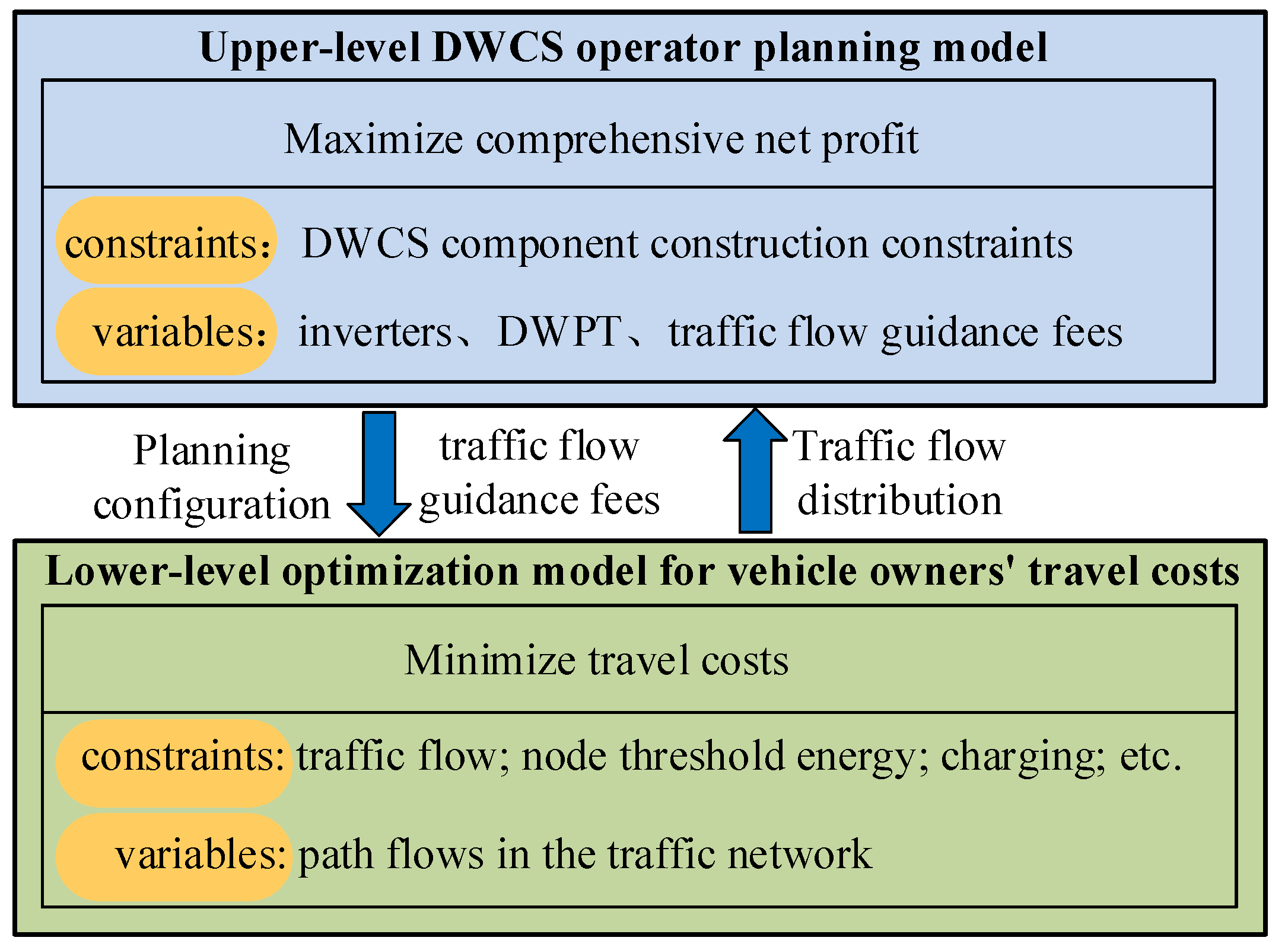
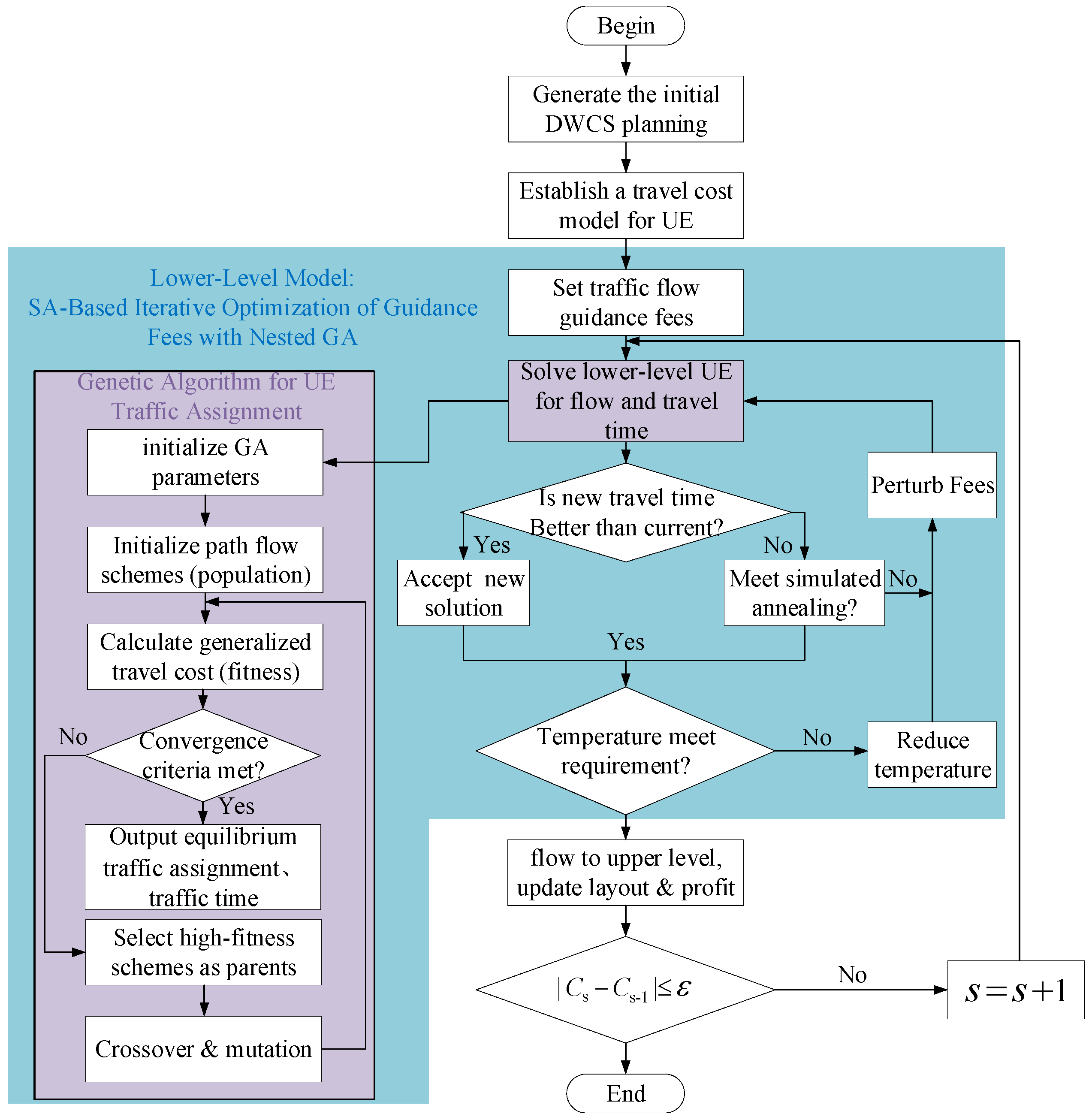
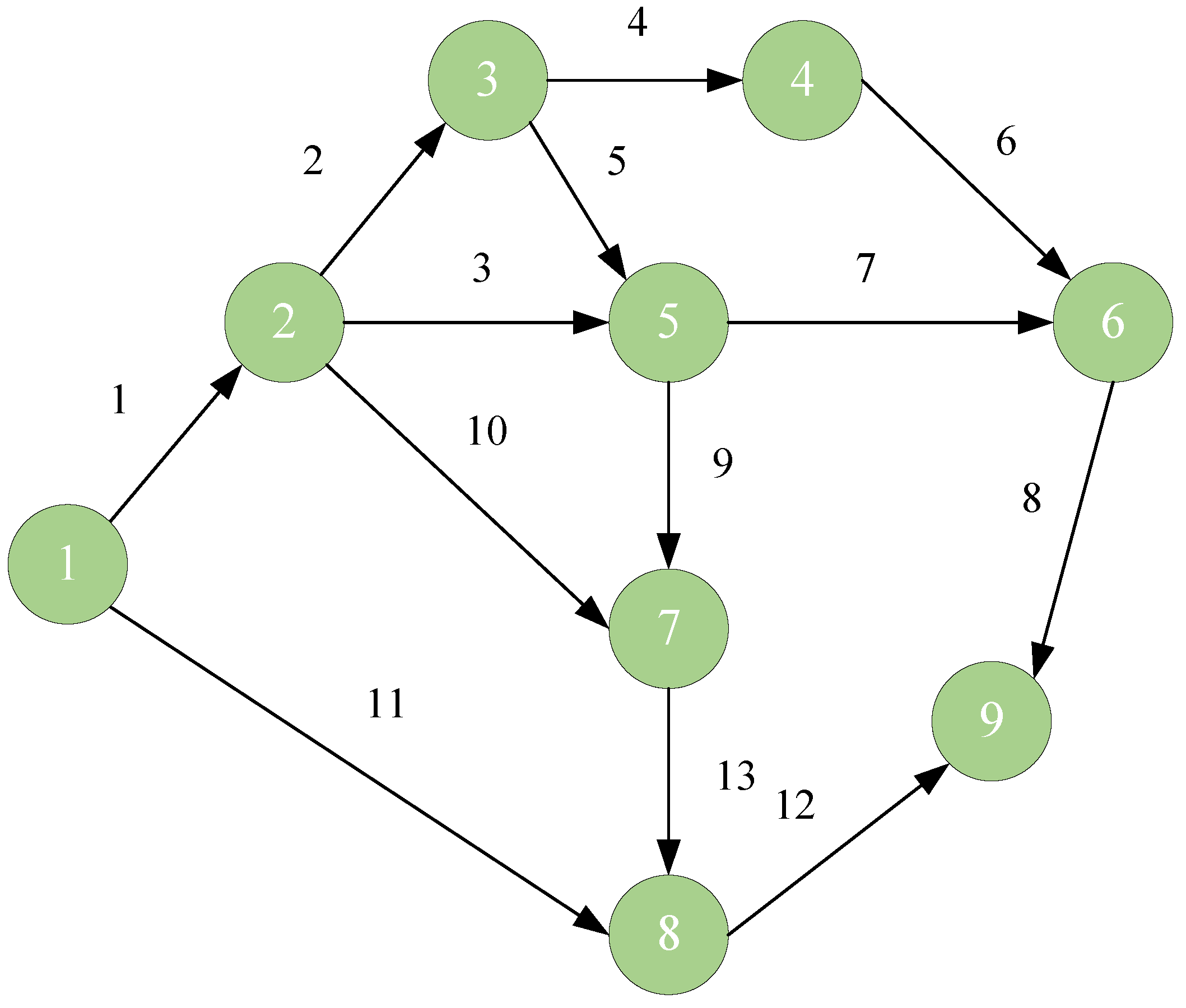
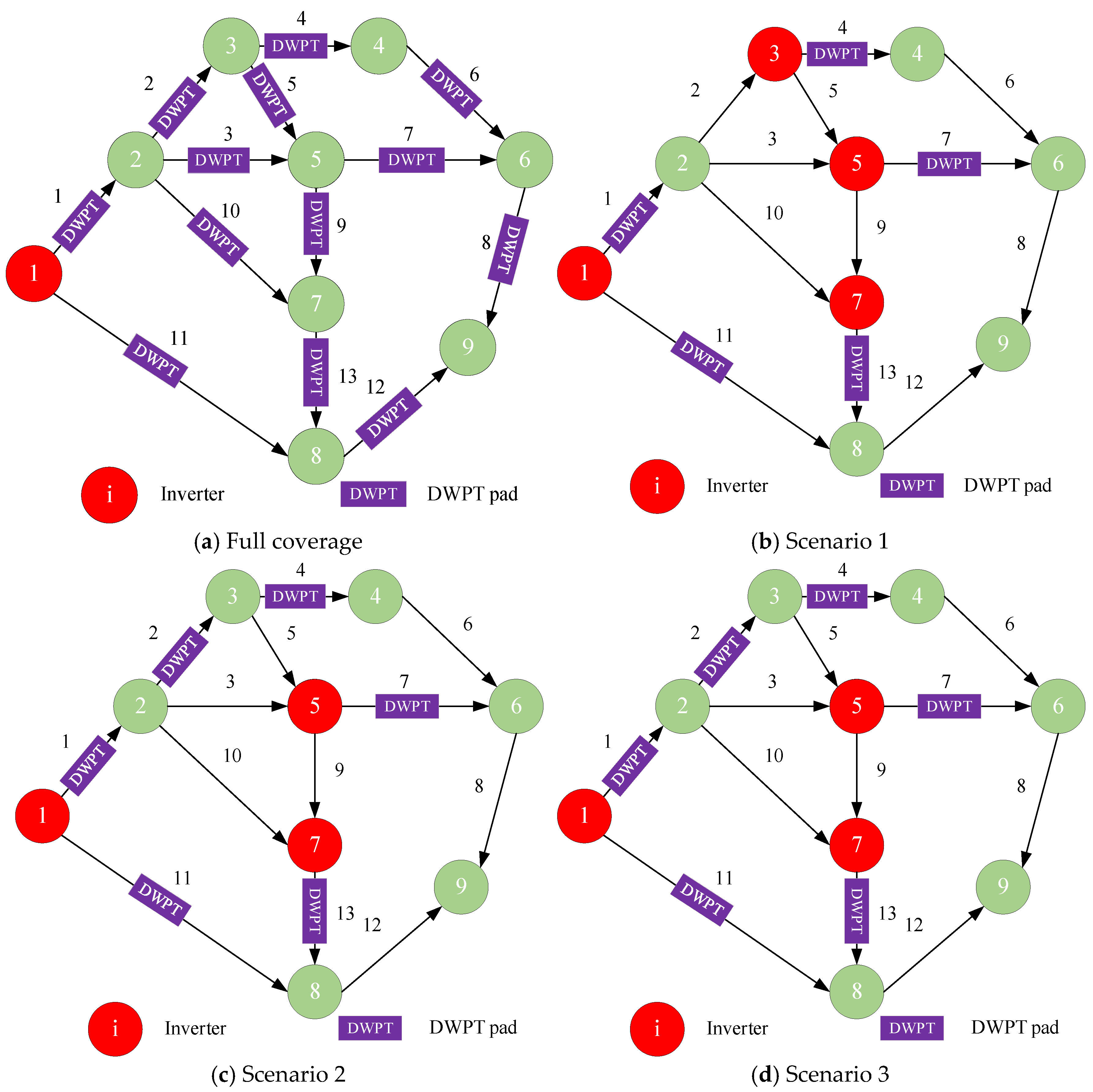
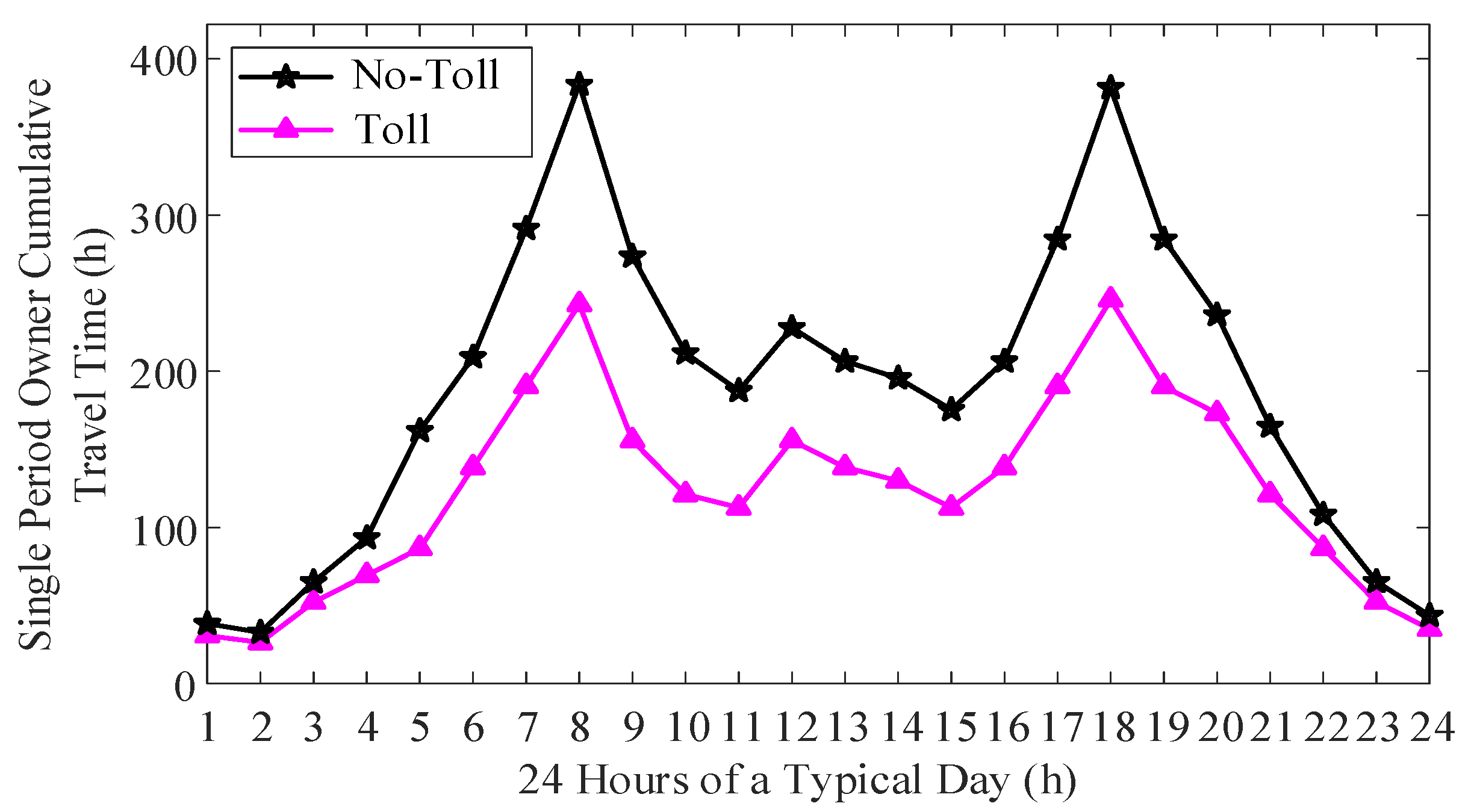
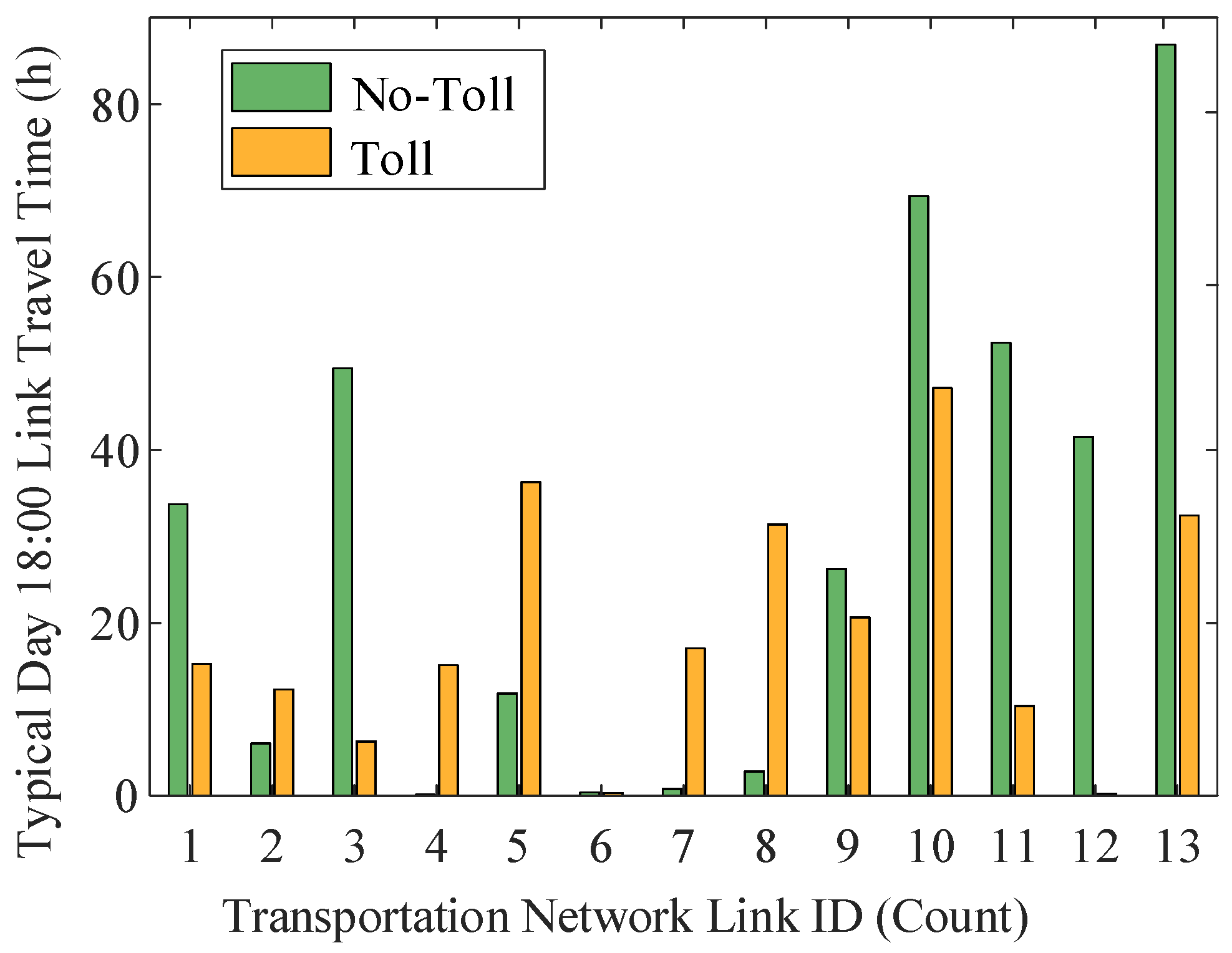
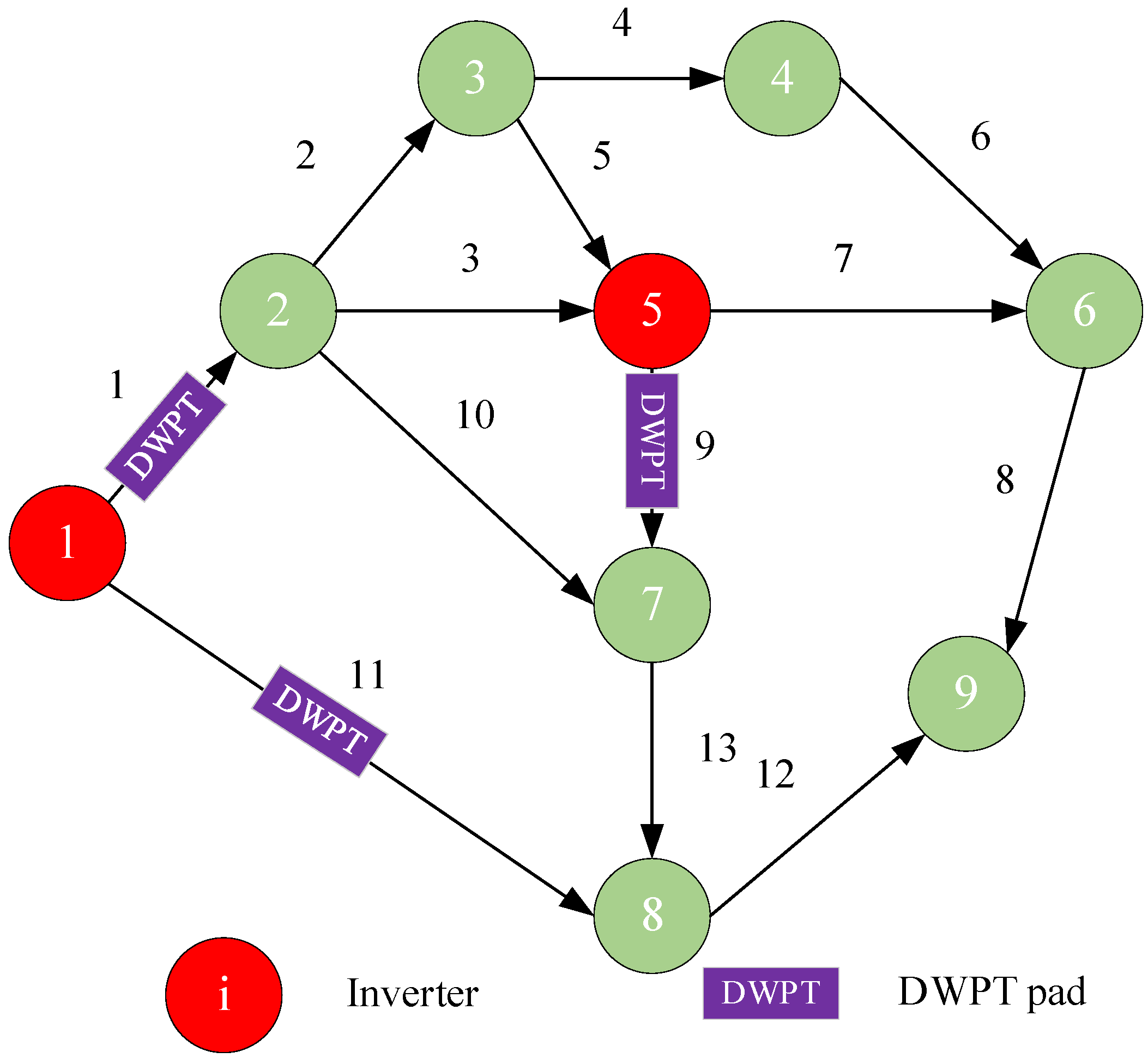
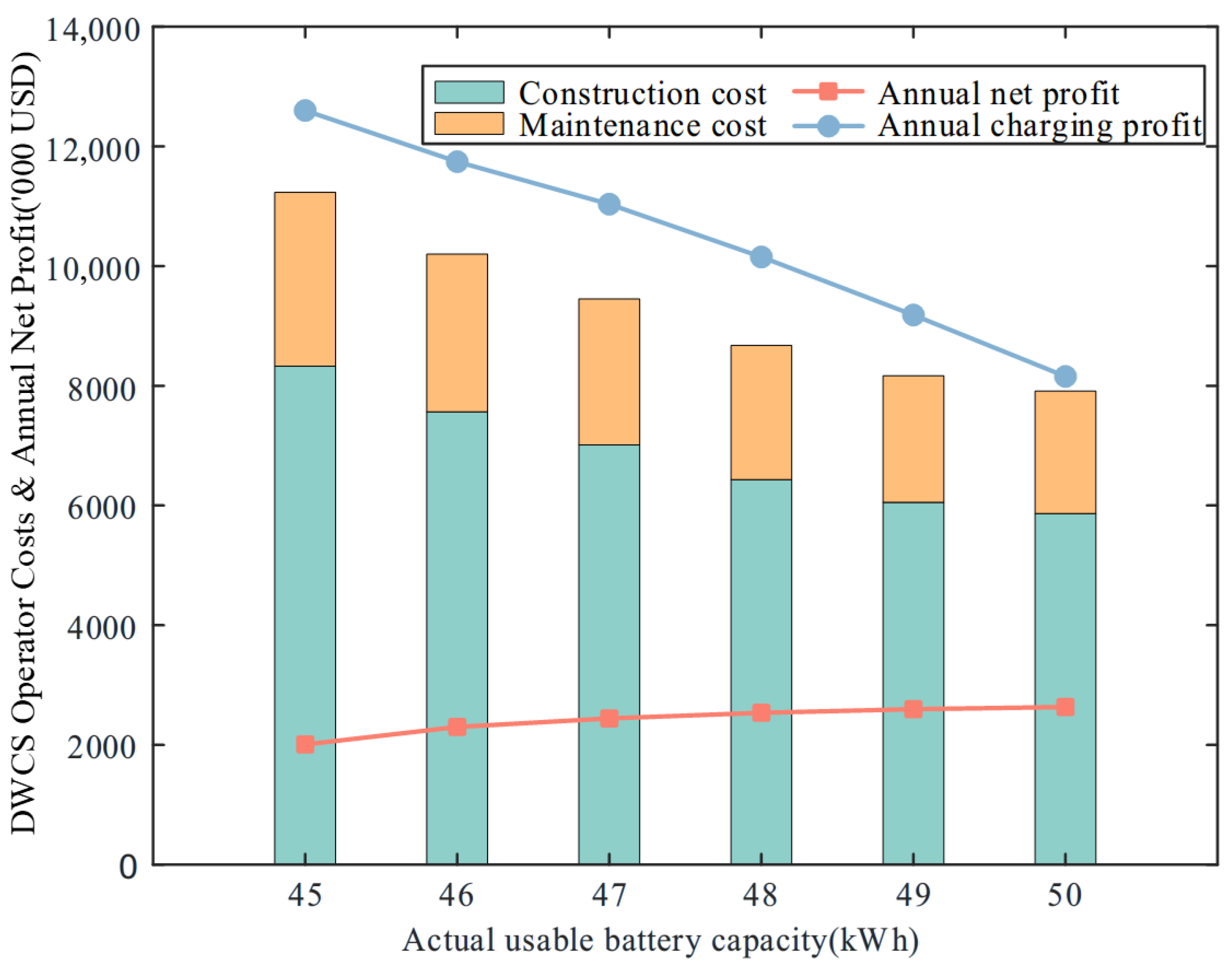
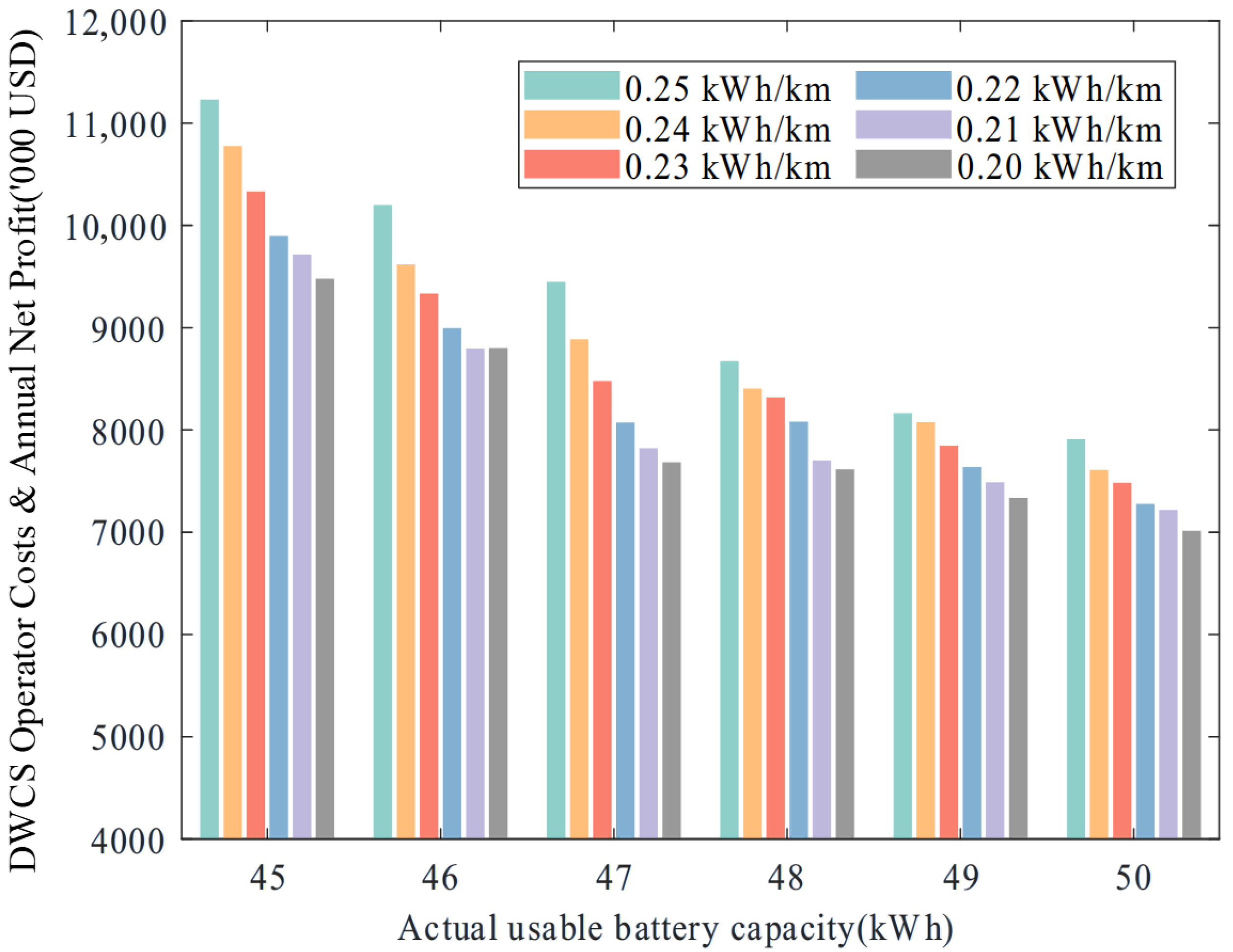
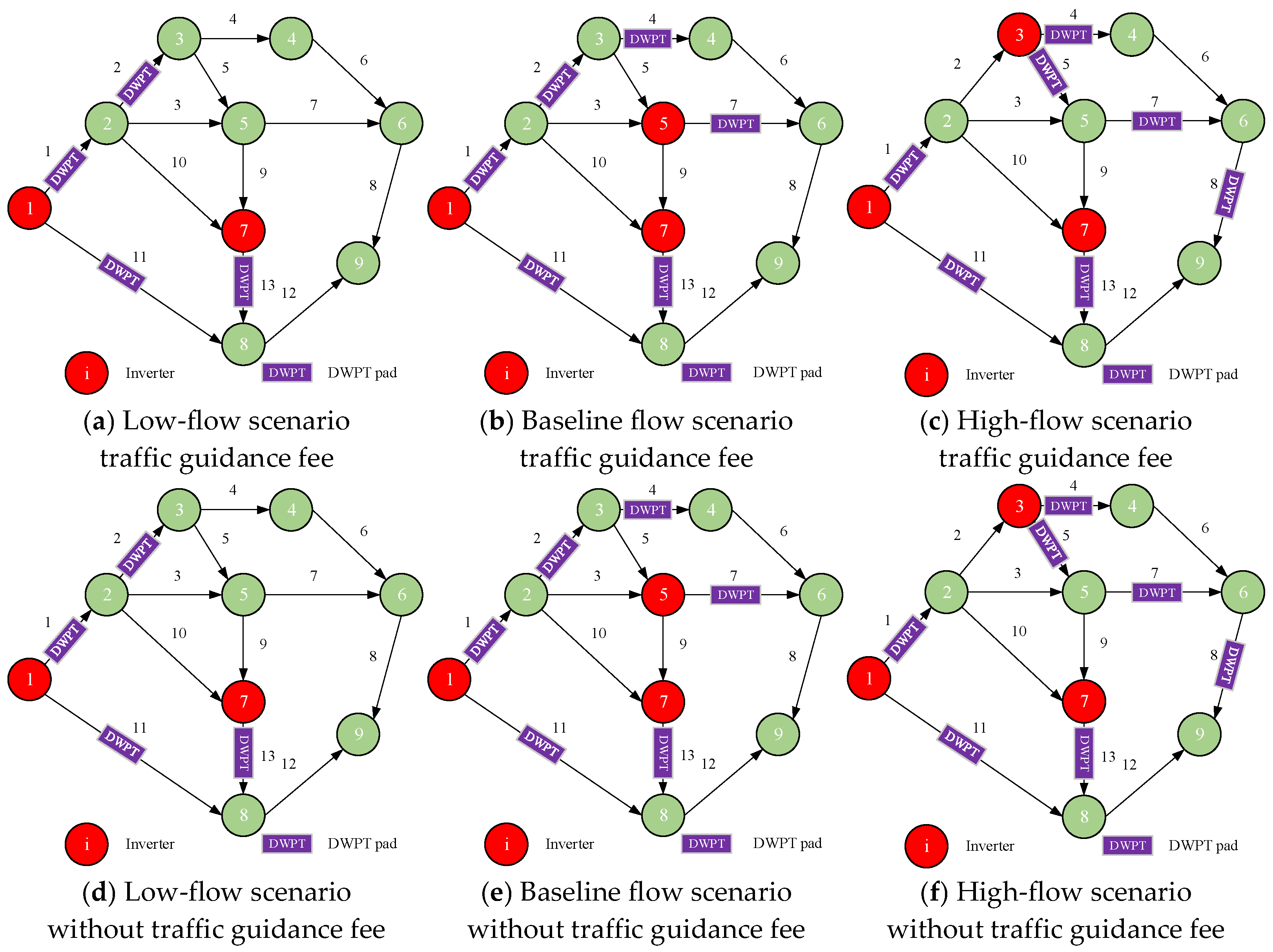
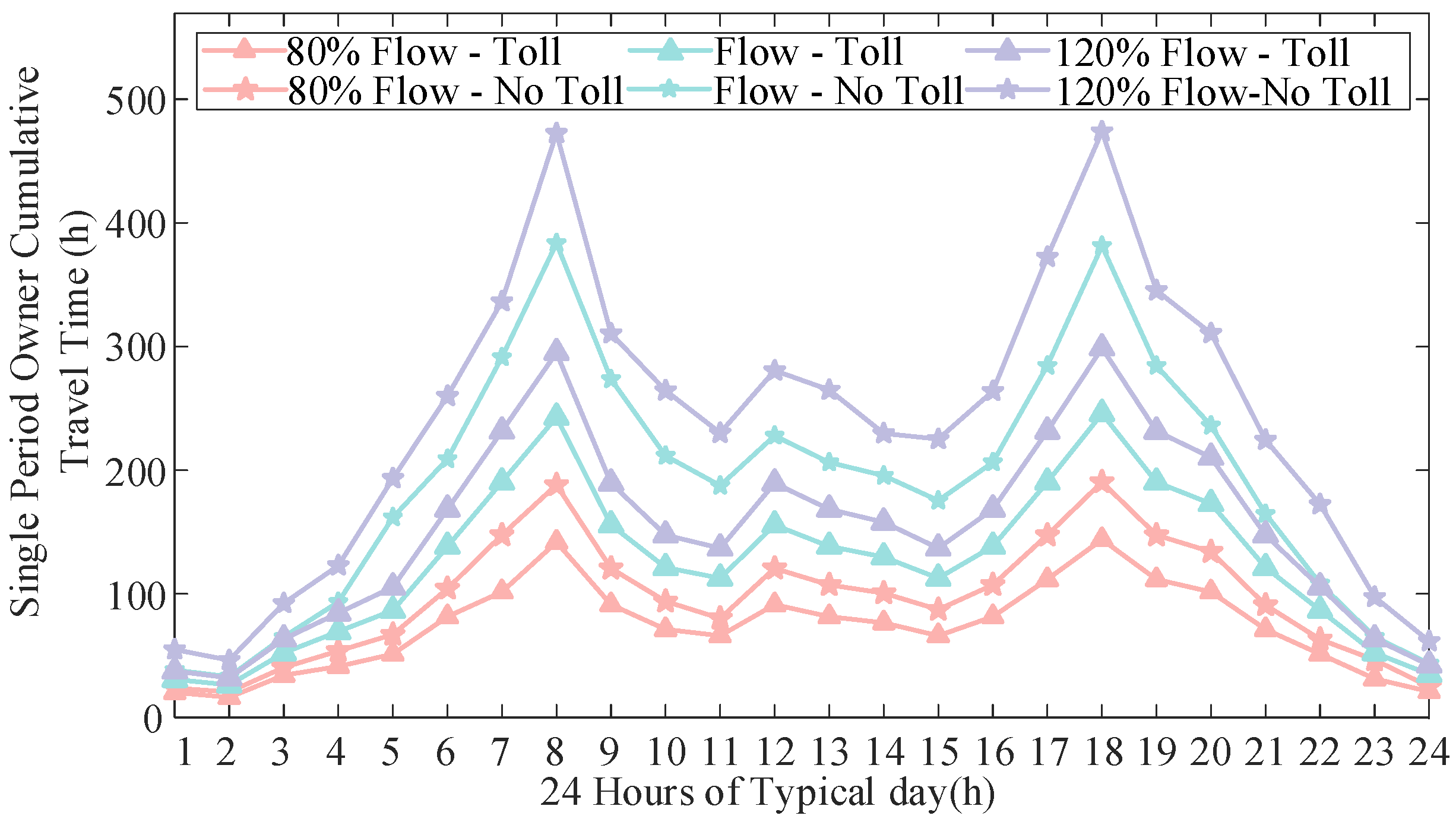
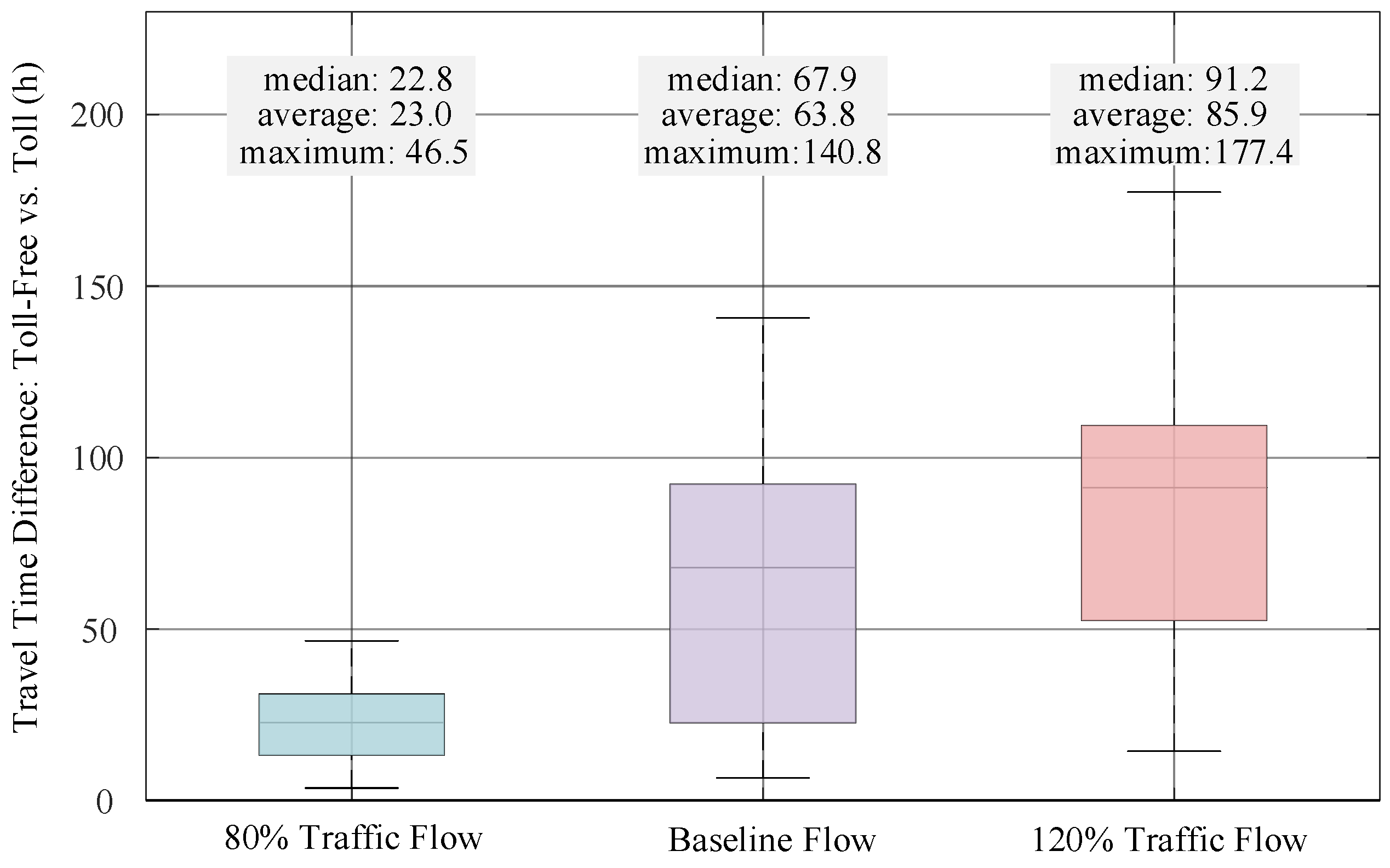
To address the challenges of facility–demand mismatch, aggravated congestion, and imbalanced benefit distribution caused by the interdependence between dynamic wireless charging systems (DWCS) and transportation networks, this study proposes an optimization scheme that coordinates DWCS planning, travel flow guidance for electric vehicle (EV) owners, and transportation network operations. We develop a bi-level dynamic collaborative optimization model. The upper-level model aims to maximize the annual net profit of DWCS operators and determines DWCS planning by optimizing the traffic flow distribution. The lower-level model, based on the user equilibrium principle, guides EV route choices via a traffic flow guidance mechanism to mitigate peak-hour congestion and minimize vehicle owners’ travel costs. We validate the model using a test network comprising 9 nodes and 13 links. Results indicate that, compared with a full-coverage planning scenario, the proposed bi-level optimization scheme significantly reduces operational losses by accounting for owners’ optimal travel flow distribution. Introducing a traffic flow guidance mechanism further improves traffic flow distribution, enhances operator revenue, and effectively reduces owners’ travel time costs. Sensitivity analysis reveals that increased battery capacity decreases construction and maintenance costs, thereby improving annual net profit, while lower energy consumption reduces charging demand and weakens dependence on charging infrastructure. These factors are interrelated; specifically, lower energy consumption implies reduced battery capacity requirements for the same driving range. Additionally, the effectiveness of the traffic flow guidance mechanism becomes more pronounced as traffic flow increases. Overall, the proposed framework integrates DWCS planning and traffic flow guidance to achieve a win–win outcome for both operators and owners. These findings demonstrate the practicality and economic feasibility of interactive optimization between DWCS and transportation networks.
Keywords: electric vehicle; dynamic wireless charging system; planning of charging facility; traffic flow; user equilibrium; traffic flow guidance fees; bi-level optimization electric vehicle; dynamic wireless charging system; planning of charging facility; traffic flow; user equilibrium; traffic flow guidance fees; bi-level optimization