1.1. Motivation and Background
Recent scientific studies have focused on modeling the integration of photovoltaic (PV) energy with an electrolyzer for the production of green hydrogen (H2), driven by factors such as the exacerbation of global warming, the depletion of fossil fuels, the volatility of oil prices, the rising demand for electricity, economic considerations, and the role of renewable energy sources in addressing these challenges. In this research, “green hydrogen” denotes H2 generated only by water electrolysis with renewable electricity, namely PV solar energy, devoid of fossil fuel dependence or related carbon emissions. This differentiates it from other H2 routes, like gray, blue, or brown H2, which originate from fossil-based processes.
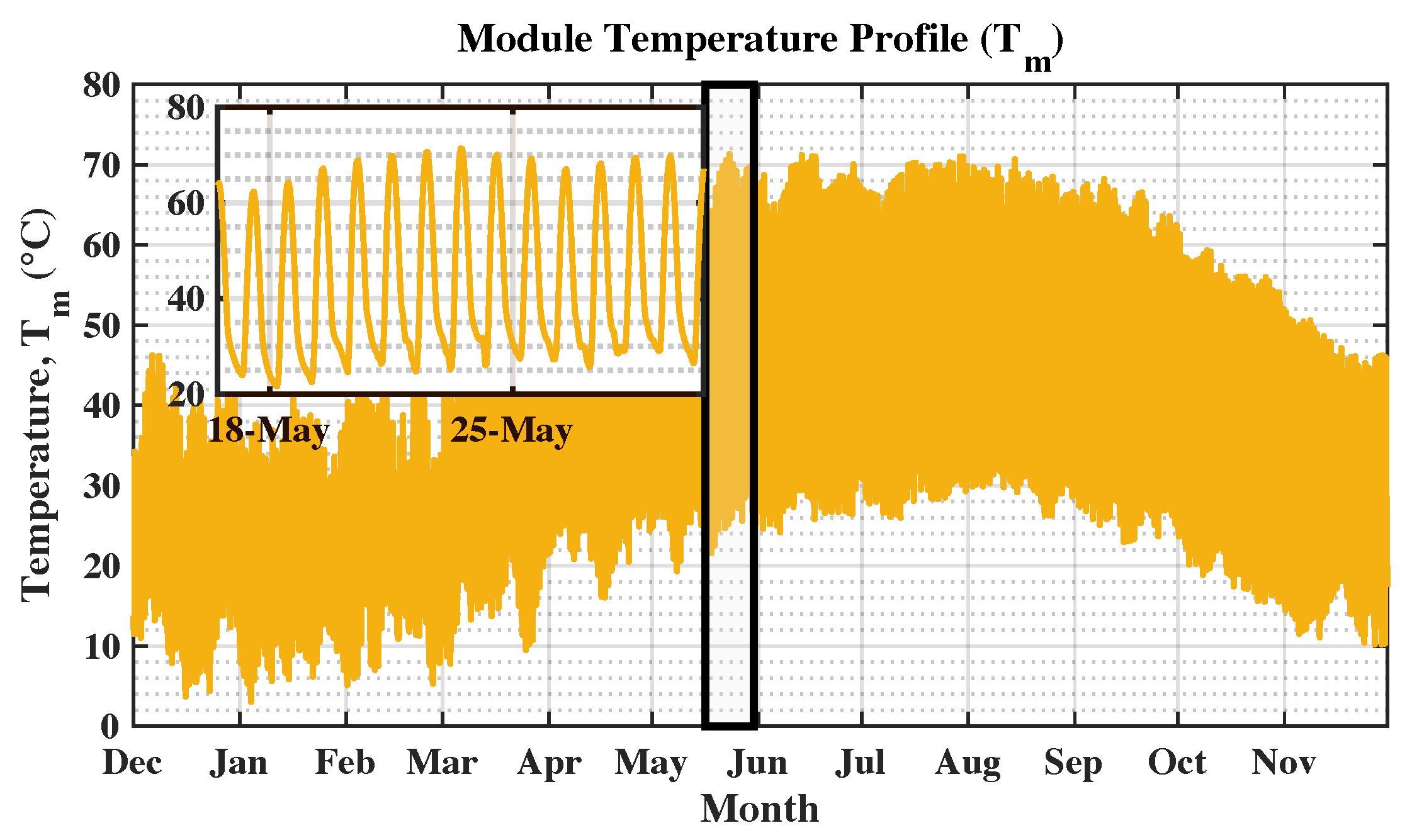
Solar energy is gaining traction as a viable alternative to fossil fuels, thanks to the decreasing costs of PV modules and increasing petrochemical prices. However, challenges in system design and modeling for widespread adoption remain. Understanding the impacts of temperature and irradiance on PV performance is essential, with ongoing research aimed at improving solar modeling and parameter extraction accuracy. Estimating energy generation involves climatic variables and the PV cell’s operating temperature, necessitating a thermal model. Approaches for estimating cell temperature (
) can be categorized into steady-state models, which are simpler and less resource-intensive but potentially underestimate Tc, and dynamic models, which are more complex yet provide better accuracy by factoring in variations in solar irradiance [
1,
2].
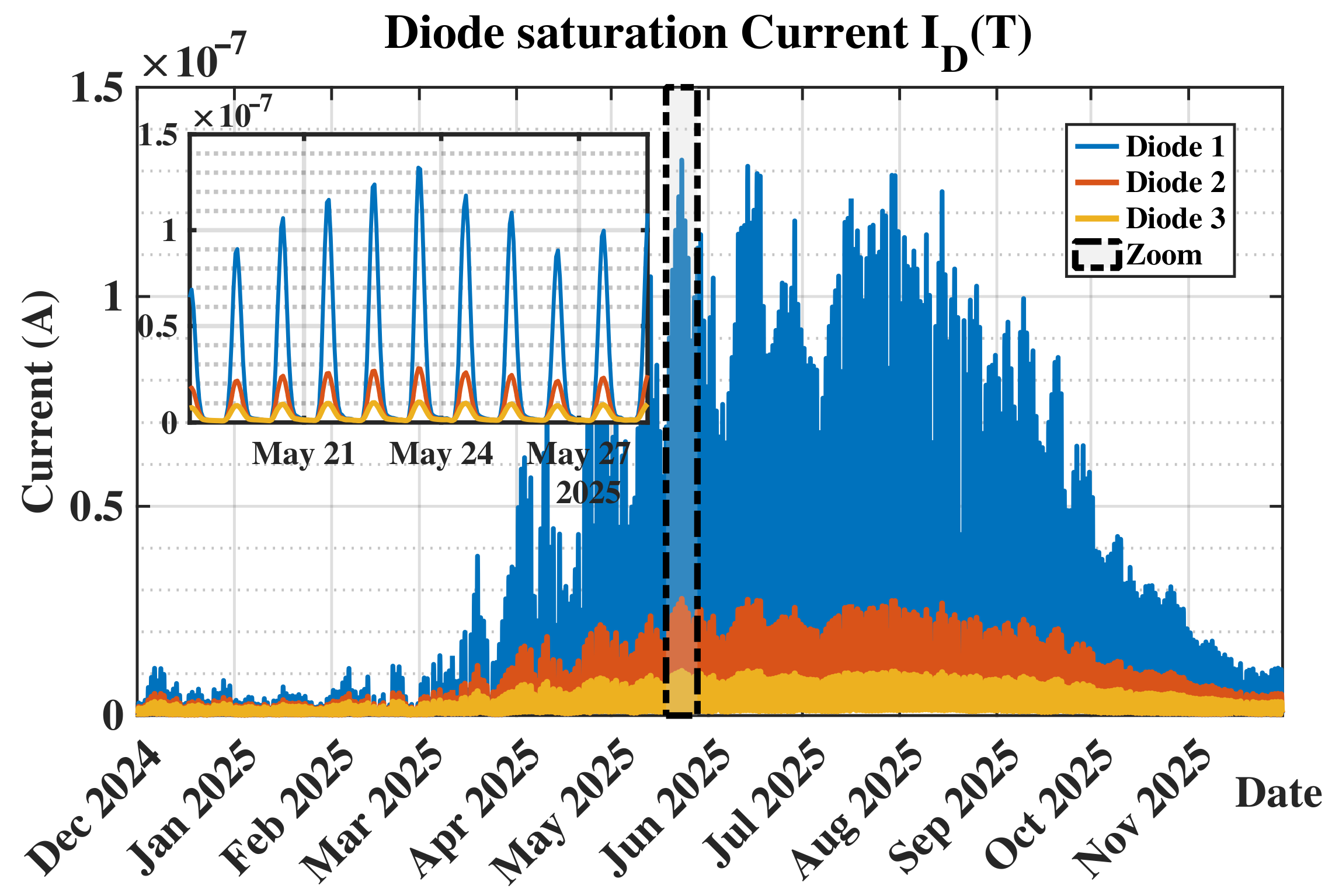
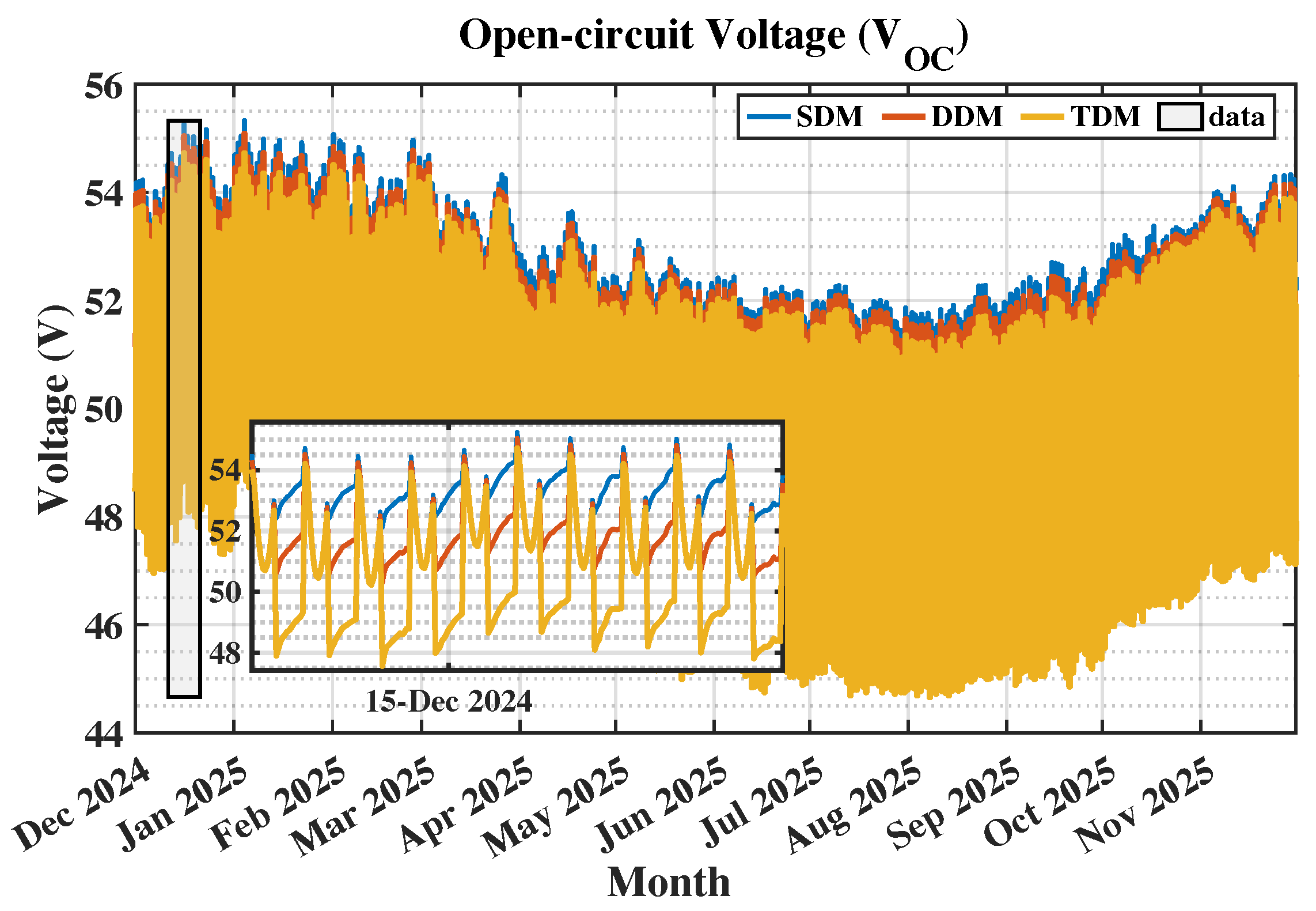
The specifications of PV modules often lack crucial data for the accurate mathematical modeling of PV cells, which is necessary for optimizing system performance. Numerous circuit models have been documented for accurately depicting solar cells, including the single-diode model (SDM), the double-diode model (DDM), and the triple-diode model (TDM). The SDM is the simplest, consisting of a single DC source (
) and a diode in parallel with it, along with two resistors, one in parallel (
) and another in series (
). The diode current is characterized by the ideality factor (
n) and the reverse saturation current (
), with five parameters encompassed in a decision vector (
) needed for precise I–V characteristic representation. However, the SDM lacks consideration of all physical dimensions, leading to lower accuracy compared to the DDM and TDM. The DDM includes two diodes, necessitating the calibration of seven unknown parameters (
), and it effectively accounts for the neutral area of the junction for better accuracy. The most detailed TDM model consists of three diodes and requires nine parameters (
), designed to account for current leakage in smaller solar cells, thus representing the most precise model for solar cells. Due to enhanced model fidelity, recent research has concentrated on sophisticated hybrid optimization and numerical methods to accurately estimate the nine unknown TDM parameters, illustrating that resilient metaheuristic-deterministic frameworks can proficiently address the nonlinear parameter extraction challenge using experimental I–V and P–V characteristics, thereby bolstering the practical utility of the TDM for precise PV performance evaluation [
3,
4,
5,
6,
7,
8].
Electrolysis of water is a process that produces H
2 using water (H
2O) and generates pure oxygen (O
2) as a byproduct. It requires direct current electricity from renewable sources, such as solar power, and offers higher cell efficiency and high-purity H
2 yield, making it suitable for low-temperature fuel cells. The process involves dissociating water into H
2 and O
2, and it can be classified based on electrolyte and ionic charge carriers, with the main methods being the proton exchange membrane (PEM), alkaline water electrolysis (AWE), and the solid oxide electrolysis cell (SOEC) [
9,
10].
In a proton exchange membrane (PEM), water splits at the anode into O
2, protons, and electrons; protons traverse the membrane while electrons head to the cathode to form H
2. The membrane’s design enhances reactant flow, gas separation, and electrical conduction, allowing efficient operation under moderate temperatures and pressures without significant downstream compression [
11,
12]. Furthermore, PEM electrolyzers exhibit a rapid dynamic reaction and extensive operational flexibility, rendering them especially appropriate for direct integration with intermittent renewable energy sources like solar systems. Alkaline water electrolysis (AEL) is an efficient method for producing green H
2 on a large scale using renewable energy. It utilizes an alkaline electrolyte to produce H
2 and O
2 separately. AEL features a durable design, low costs, and non-noble catalysts like nickel, operating at moderate temperatures with around 70% efficiency. While challenges like gas crossover exist, AEL is crucial for renewable H
2 production due to its established technology, scalability, and effectiveness in energy storage and grid balancing [
13,
14]. Solid oxide electrolysis cells (SOECs) facilitate efficient green H
2 production via high-temperature electrolysis, utilizing thermal energy to create steam and significantly reducing electrical energy needs. Achieving up to 90% power-to-H
2 efficiency, SOECs electrochemically reduce steam to generate H
2, with O
2 ions traversing a dense oxide electrolyte to produce O
2 gas. The elevated operational temperature boosts reaction kinetics and ionic conductivity, enabling versatile integration in H
2 generation and reversible power applications [
15].
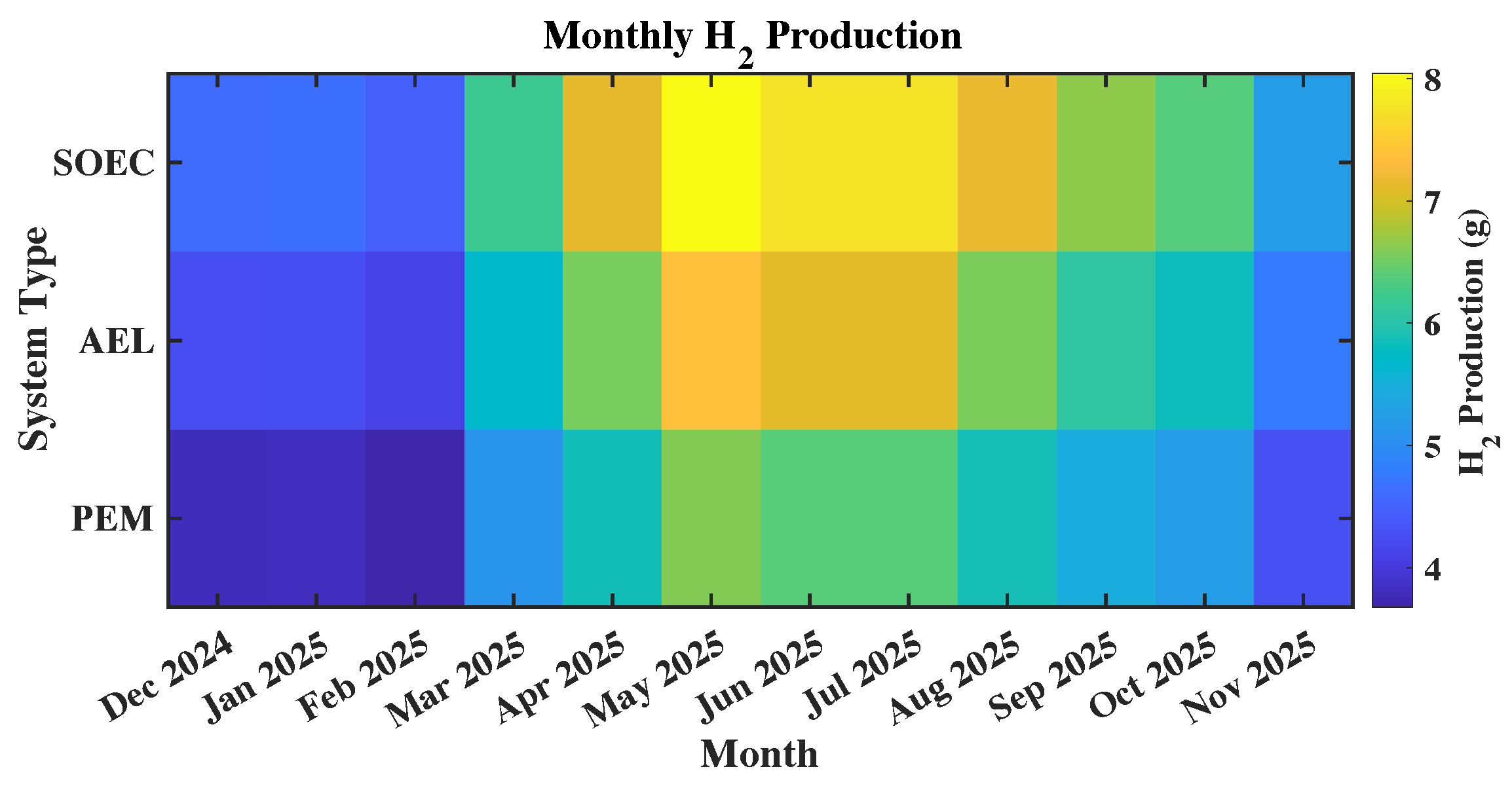
The study selected PV and electrolyzer technologies to provide both modeling accuracy and technical variety among PV–H2 systems. The SDM, DDM, and TDM were selected to illustrate ascending degrees of electrical modeling precision, from basic formulations to high-fidelity representations that explicitly include various recombination processes. PEM, AEL, and SOEC electrolyzers were chosen since they represent the three most established electrolysis technologies, including low-, medium-, and high-temperature operations with varying efficiency attributes and degrees of commercial maturity. This integrated selection enables a methodical and physically coherent evaluation of the impact of PV modeling accuracy and electrolyzer technology on H2 generation efficiency.
1.3. Scientific Contributions
This work advances the knowledge of solar-driven H2 systems by investigating a notable gap in the literature on the combined effects of PV modeling precision and electrolyzer technology selection on H2 and H2-derived power production. The primary aims of this study were to quantitatively compare SDM, DDM, and TDM under uniform climatic conditions; to evaluate the influence of PV modeling fidelity on H2P estimates for PEM, AEL, and SOEC; and to ascertain the comparative effects of PV modeling accuracy and electrolyzer technology selection on system-level H2 performance. The main scientific achievements (SA) are summarized as follows:
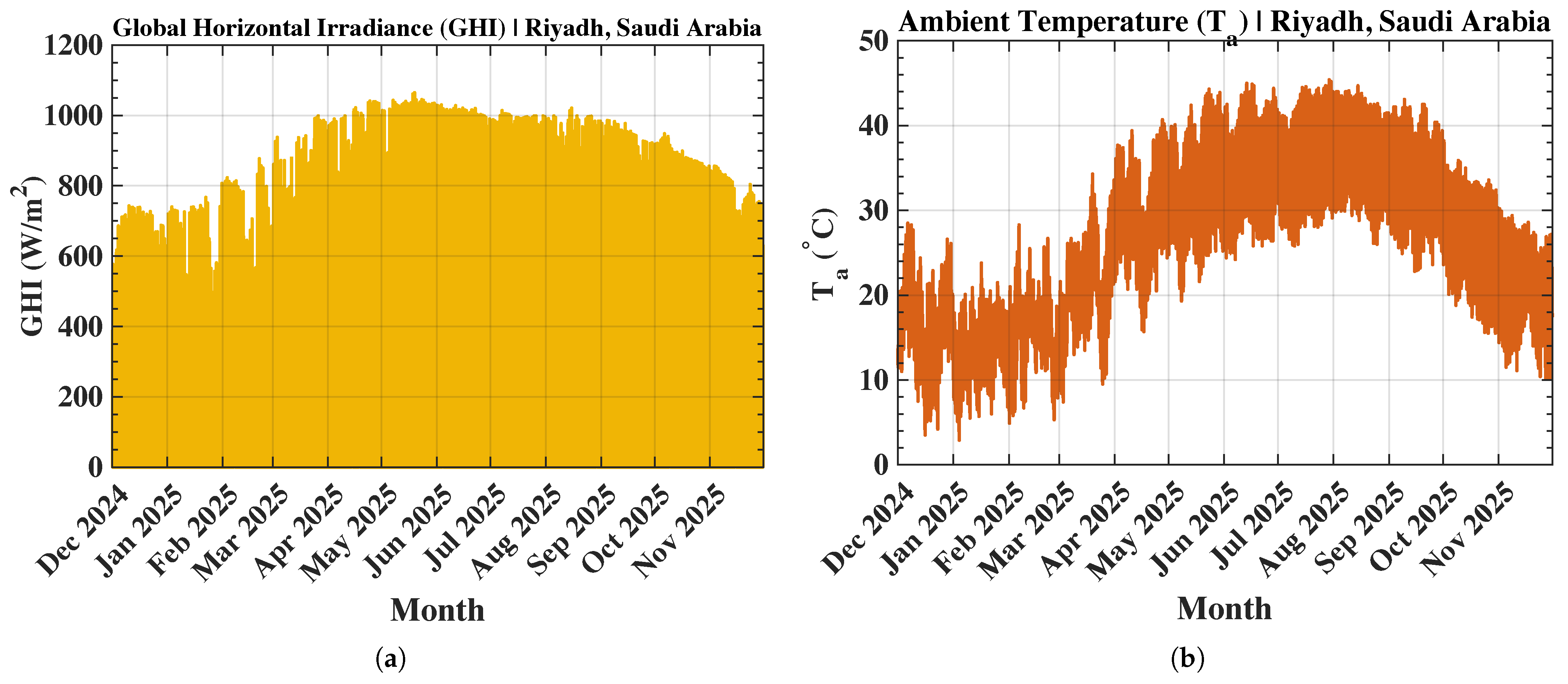
SA1: A comprehensive modeling framework that systematically incorporates three photovoltaic (PV) electrical models: the single-diode model (SDM), the double-diode model (DDM), and the triple-diode model (TDM), characterized by five, seven, and nine parameters, respectively. The framework was constructed using authentic inputs, comprising site-specific meteorological data for Riyadh, Saudi Arabia (December 2024–November 2025), indicative of elevated solar irradiance conditions, along with manufacturer datasheet specifications for both photovoltaic modules and electrolyzers, thus guaranteeing a physically coherent and realistic system evaluation.
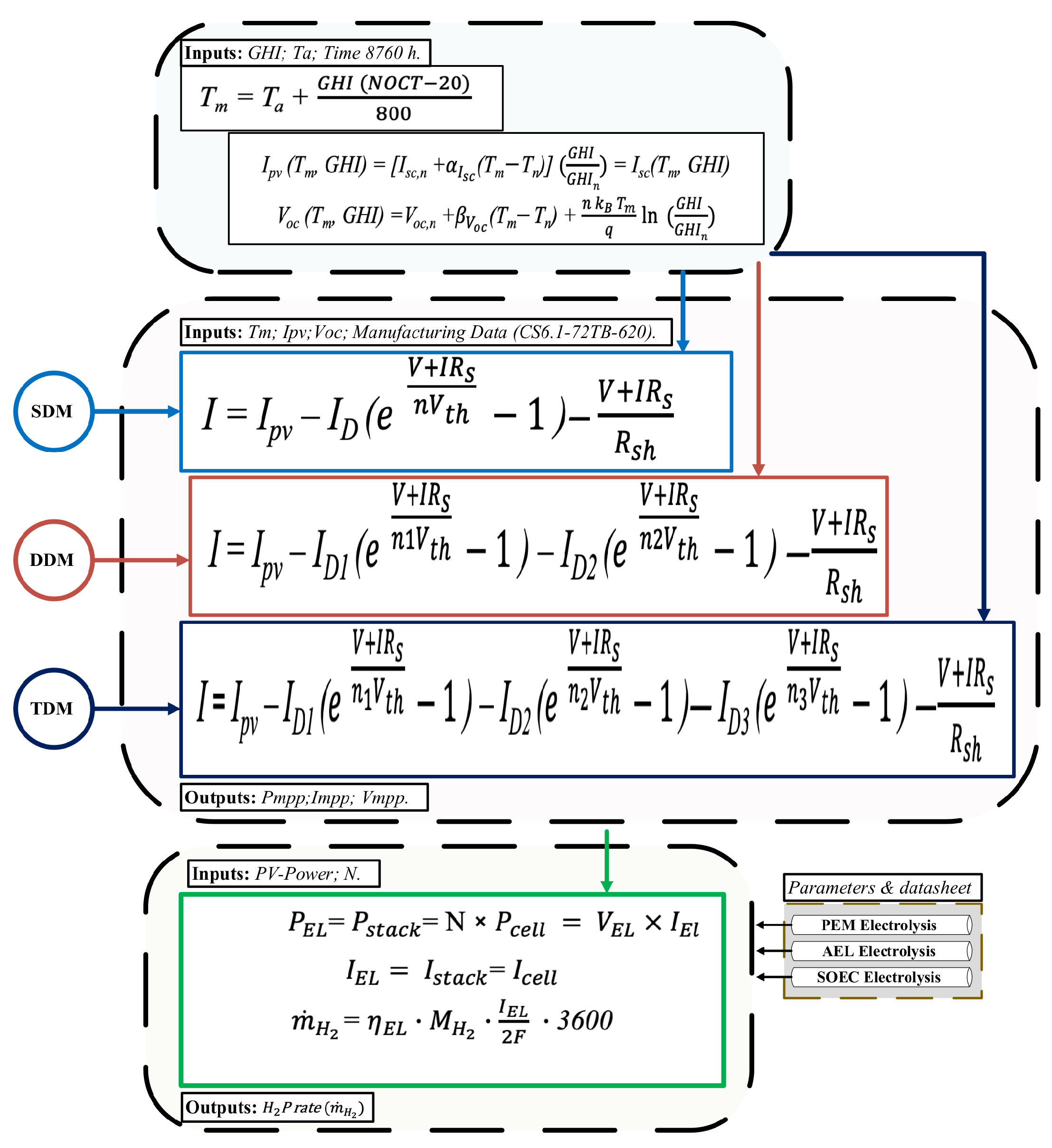
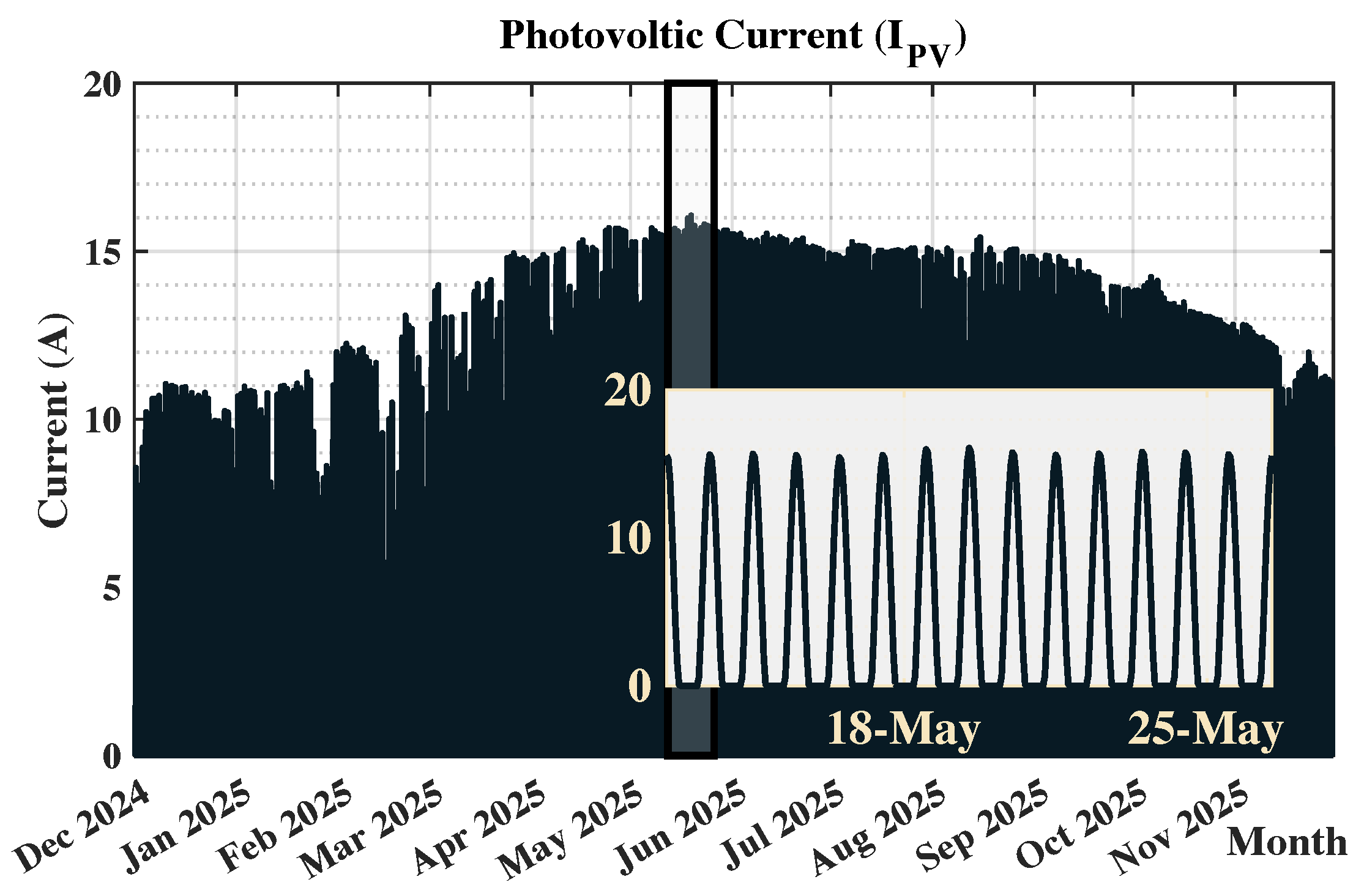
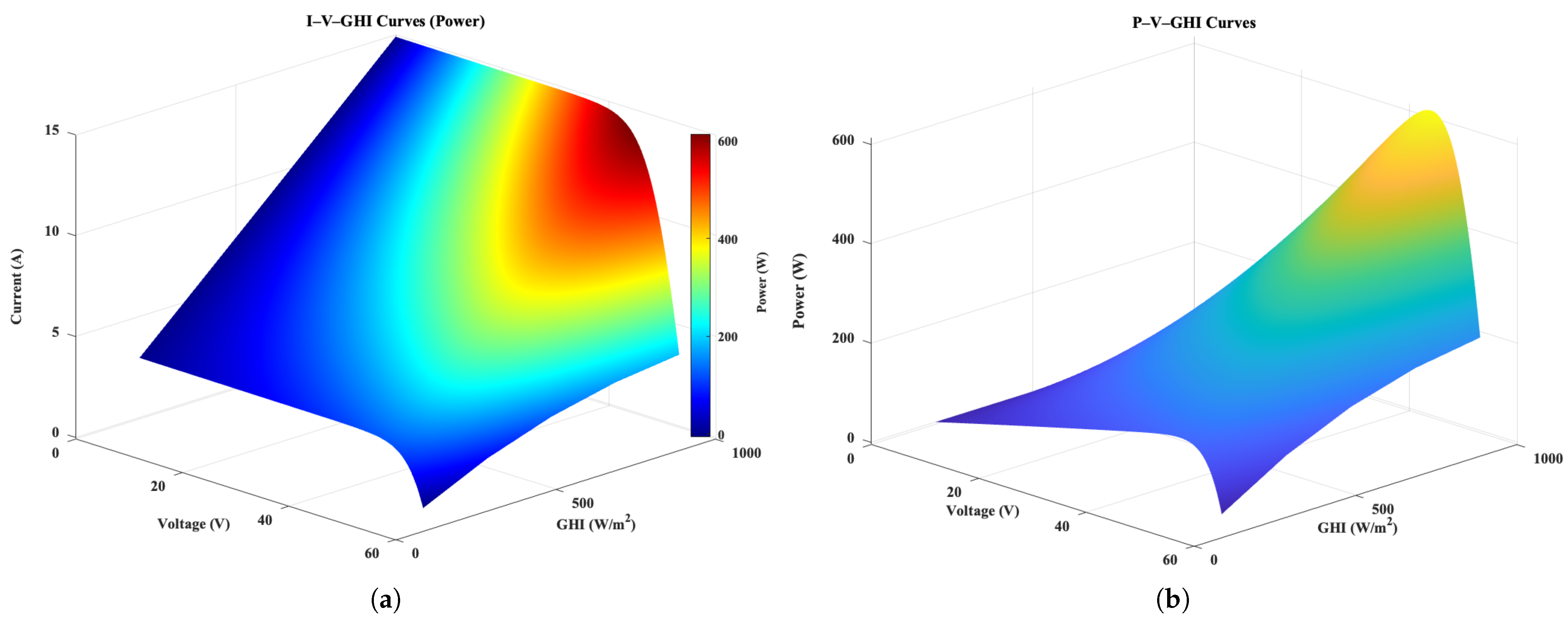
SA2: This study quantitatively evaluated the influence of photovoltaic cell modeling precision on hydrogen production chains by explicitly modeling solar cell temperature, photovoltaic current, and output power according to the equivalent circuit formula of each photovoltaic cell model and the electronic and chemical properties of each electrolyzer. The electrolyzer models were provided with maximum output power, facilitating an accurate assessment of how discrepancies in photovoltaic cell model precision influence hydrogen production estimates.
SA3: This study diverges from prior research that utilized a singular photovoltaic representation (such as SDM) and a single electrolyzer technology (such as PEM or alkaline) by incorporating various photovoltaic models and electrolysis types within a maximum power point tracking (MPPT) framework. This method demonstrates the direct influence of photovoltaic model precision on hydrogen production estimation under realistic operating conditions, bringing to light the combined effects of photovoltaic electrical modeling accuracy and electrolyzer selection.
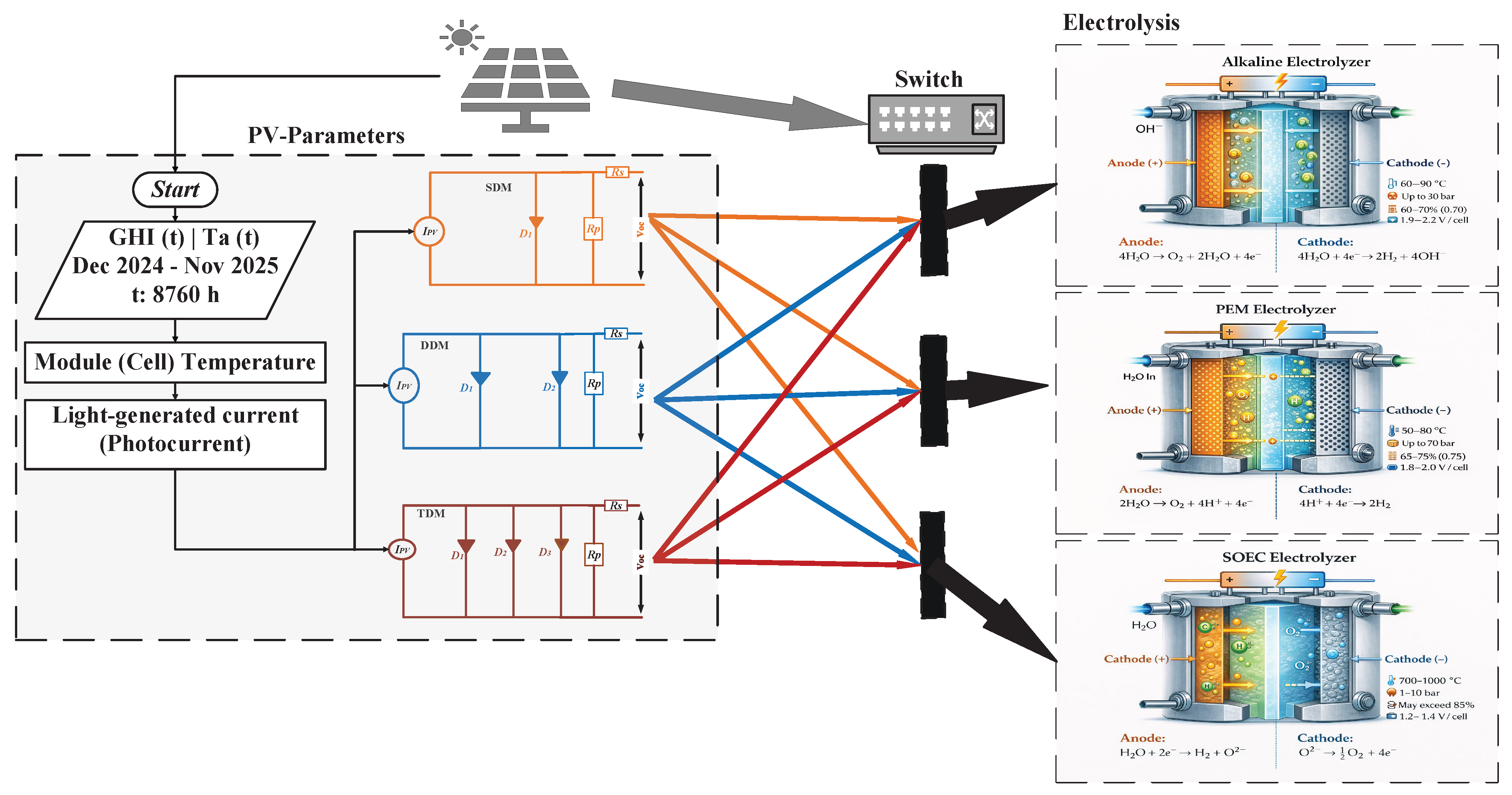
This discussion focuses on a practical study that analyzed actual data to compare PV models coupled with electrolysis systems, aiming to evaluate both the PV power output and the amount of H
2 produced; the comprehensive interaction between the examined PV models and electrolyzer technologies is illustrated diagrammatically in
Figure 1. Subsequent to this introduction, the work is structured into a series of methodological and analytical parts that delineate the modeling of green H
2 generation using solar energy factors. The first part concentrates on physical sides, the modeling of PV module temperature, photocurrent, and open-circuit voltages, followed by a comparative review of several PV parameter estimate techniques. Then, it pertains to the modeling of various electrolyzer methods for H
2 generation. The second part encapsulates the main results and discussion according to the previous steps. The final section concludes the paper by summarizing the methodology, key results, and overall implications of the study.



_Xie.png)