Article

Sedimentary and Hydrodynamic Controls on Shale Oil Sweet Spots: A New Storm Deposition Model for the Gulong Sag, Songliao Basin


1
School of Geosciences, China University of Petroleum (East China), Qingdao 266500, China
2
School of Resources and Materials, Northeast Petroleum University at Qinhuangdao, Qinhuangdao 066000, China
3
National Engineering Research Center of Offshore Oil and Gas Exploration, Beijing 100028, China
*
Author to whom correspondence should be addressed.
Energies 2026, 19(5), 1142; https://doi.org/10.3390/en19051142
Submission received: 5 December 2025 / Revised: 1 February 2026 / Accepted: 11 February 2026 / Published: 25 February 2026
(This article belongs to the Section H: Geo-Energy)

Abstract

The First Member of the Cretaceous Qingshankou Formation (K2qn1) in the Gulong Sag, Songliao Basin, contains vast shale oil resources conventionally interpreted as deposits of suspension settling in a quiescent, anoxic deep-lacustrine environment. However, this static “deep-lake” model fails to account for the strong lithofacies heterogeneity and high-energy sedimentary records observed in recently acquired core data. This study reconstructs the sedimentary dynamics of the K2qn1 shale through high-resolution core description, thin-section petrography, and flow-loop hydrodynamic simulations. We identify abundant sedimentary structures diagnostic of high-energy combined flows, including Hummocky Cross-Stratification (HCS), Swaley Cross-Stratification (SCS), erosional scour surfaces, and large-scale tabular intraclasts (up to 40 mm). Hydrodynamic simulations, utilizing an “equivalent substitution” method, demonstrate that the Minimum Vertical Suspension Velocity (Vmf) required to transport these large intraclasts exceeds 1.0 m/s. This threshold is 1 to 5 orders of magnitude higher than theoretical values derived from classical settling equations, confirming that the paleolake bottom was frequently perturbed by high-velocity storm-driven currents. Consequently, we propose an “Intermittent High-Energy Deposition Model,” wherein background suspension settling was punctuated by episodic storm events. We argue that these high-energy events facilitated organic matter enrichment through a “Transport-Burial Pump” mechanism, which operated in concert with the chemical stratification associated with the Oceanic Anoxic Event 2 (OAE2) to enable rapid physical burial and sealing of organic matter. These findings challenge the traditional fine-grained sedimentological paradigm and suggest that storm-reworked intervals—characterized by enhanced brittleness and hydrodynamic winnowing—constitute the primary “sweet spots” for lacustrine shale oil exploration.

1. Introduction

Mudstones constitute approximately two-thirds of the global sedimentary record, acting as key archives for Earth’s climate history and hydrocarbon reservoir formation [1]. Traditionally, classical sedimentology relies on the “Suspension Settling Model,” which interprets deposition as the vertical settling of flocculated clay particles in quiescent, low-energy environments below the storm wave base. This framework implicitly links the resultant organic-rich intervals to stable, anoxic deep-water basins. However, advances in high-resolution micro-characterization and experimental sedimentology have decisively overturned this static model. Crucially, pioneering flume experiments demonstrated clay floccules mimic silt/fine sand hydrodynamics, migrating as bedload to form “floccule ripples” at 15–35 cm/s [2]. This advective prevalence has been confirmed in the rock record by subsequent microfacies analyses of ancient successions [3]. This paradigm shift—from vertical settling to lateral advective transport—demands a systematic re-evaluation of depositional controls on reservoir heterogeneity in organic-rich mudstones worldwide.
The Gulong Sag in the Songliao Basin—China’s most prolific petroliferous province—represents a strategic focus for continental shale oil exploration, with the Qingshankou Formation (K2qn1) hosting estimated resources of 15.1 billion tons [4]. Traditionally, the K2qn1 member has been interpreted as a classic deep-to semi-deep-lake deposit, dominated by the suspension settling of fine-grained sediments in a quiescent, anoxic water column favorable for organic matter preservation. However, detailed core examinations from key exploration wells (e.g., Songyeyou-1HF, Guyeyou-Ping1) refute this static depositional model [5]. Rather than monotonous suspension deposits, these intervals evidence significant heterogeneity, displaying widespread high-energy sedimentary structures such as frequent siltstone laminae, scouring surfaces, and abundant intraclasts [6]. Specifically, the recovery of “sand-sized intraclasts”—cohesive sediment clasts within a mud matrix—fundamentally undermines the assumption of a continuously low-energy setting. Hydrodynamically, the critical shear stress required to transport such cohesive lakebed sediments significantly surpasses the energy levels of simple suspension settling [7]. This evidence creates a fundamental sedimentological contradiction: How can dynamic, high-energy bottom currents coexist with the anoxic conditions necessary for extensive organic matter accumulation?
Addressing this sedimentological incongruity is critical, both for refining lacustrine basin analysis and for enhancing shale oil “sweet spot” prediction. Conventional static models disregard the frequent coincidence of high-yield intervals with zones enriched in brittle minerals and characterized by complex lamination—features pointing to dynamic sediment input [8]. Consequently, this study reconstructs the Qingshankou Formation’s hydrodynamic evolution through a threefold methodology:
(1)
Detailed Facies Reassessment: Systematically re-evaluating overlooked high-energy indicators by redefining the problematic “mudstone intraclasts” as hydrodynamic intraclasts and identifying event-driven deposits (e.g., potential tempestites).
(2)
Hydrodynamic Quantification: Utilizing flume simulation experiments to constrain the critical threshold velocities required for the erosion and suspension of these intraclasts, thereby providing quantitative limits on paleo-flow intensity.
(3)
Depositional Modeling: Proposing an “Intermittent High-Energy Deposition Model” to elucidate how episodic high-energy events constructed the reservoir framework (supplying brittle minerals) while maintaining conditions favorable for organic matter burial.
Consequently, this study reconstructs the Qingshankou Formation’s hydrodynamic evolution through a threefold methodology: (1) Detailed Facies Reassessment, redefining problematic “sand-chips” as hydrodynamic intraclasts; (2) Hydrodynamic Quantification via flume experiments to constrain threshold velocities; and (3) Depositional Modeling of the storm-driven transport system. In summary, this paper presents three key contributions: Conceptually, it challenges the traditional “static deep-lake” paradigm by establishing an “Intermittent High-Energy Deposition Model” characterized by dynamic storm-floor interactions. Methodologically, it provides the first experimental constraints on the Vmf for semi-consolidated lacustrine mud aggregates, offering a quantitative basis for paleo-flow analysis. Practically, it shifts the exploration strategy from seeking purely organic-rich depocenters to targeting storm-influenced “sweet spots,” where hydrodynamic winnowing and rigid grain accumulation significantly enhance reservoir brittleness and permeability.

2. Geologic Setting

2.1. Tectonic Evolution and Paleogeography

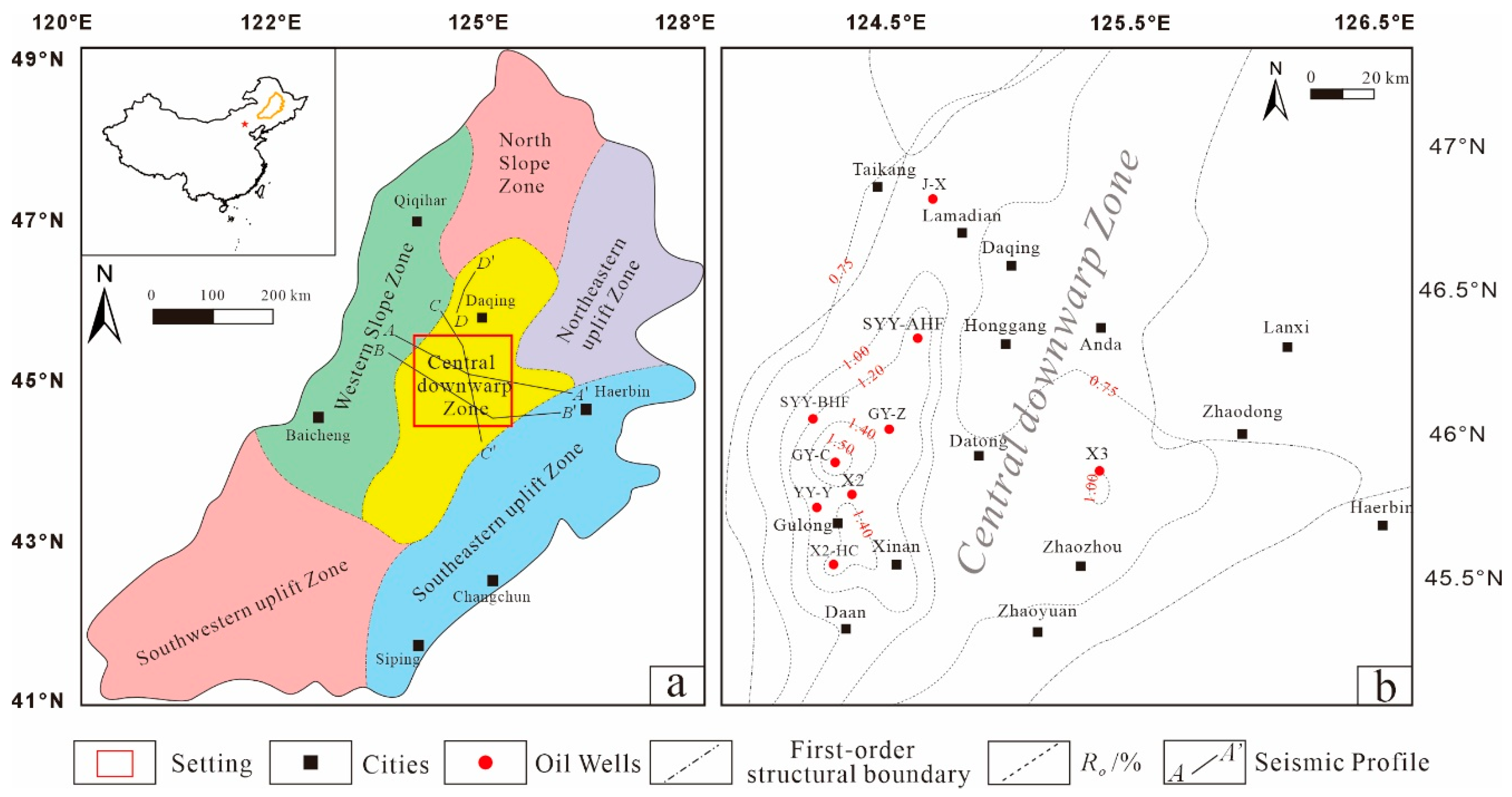
The Songliao Basin, a prolific, large-scale, 260,000 km2 intracontinental rift-depression basin in Northeast China, overlies a Paleozoic basement (Figure 1a). Its tectonic evolution features a dual architecture: the Late Jurassic–Early Cretaceous syn-rift phase and the subsequent Late Cretaceous–Cenozoic post-rift thermal subsidence period [9]. The Gulong Sag, located in the western Central Depression, was the primary Cretaceous depocenter (Figure 1b). Structurally, the sag manifests as a broad, eastward-dipping monocline, generating vast accommodation space for thick lacustrine successions.
During the Early to Late Cretaceous transition, the basin evolution was dynamically controlled by the subduction of the Paleo-Pacific plate and the concurrent reactivation of the Tan-Lu Fault Zone [10]. These tectonic interactions induced significant lithospheric extension and subsequent thermal subsidence. During the depression stage—specifically within the K2qn1 depositional window—rapid subsidence coupled with a humid climate triggered extensive lacustrine transgression [11]. These events resulted in a rapid expansion of the water column, establishing the widespread deep-lake environment essential for the deposition of the organic-rich Qingshankou Formation source rocks [12].

2.2. Stratigraphy of the Qingshankou Formation

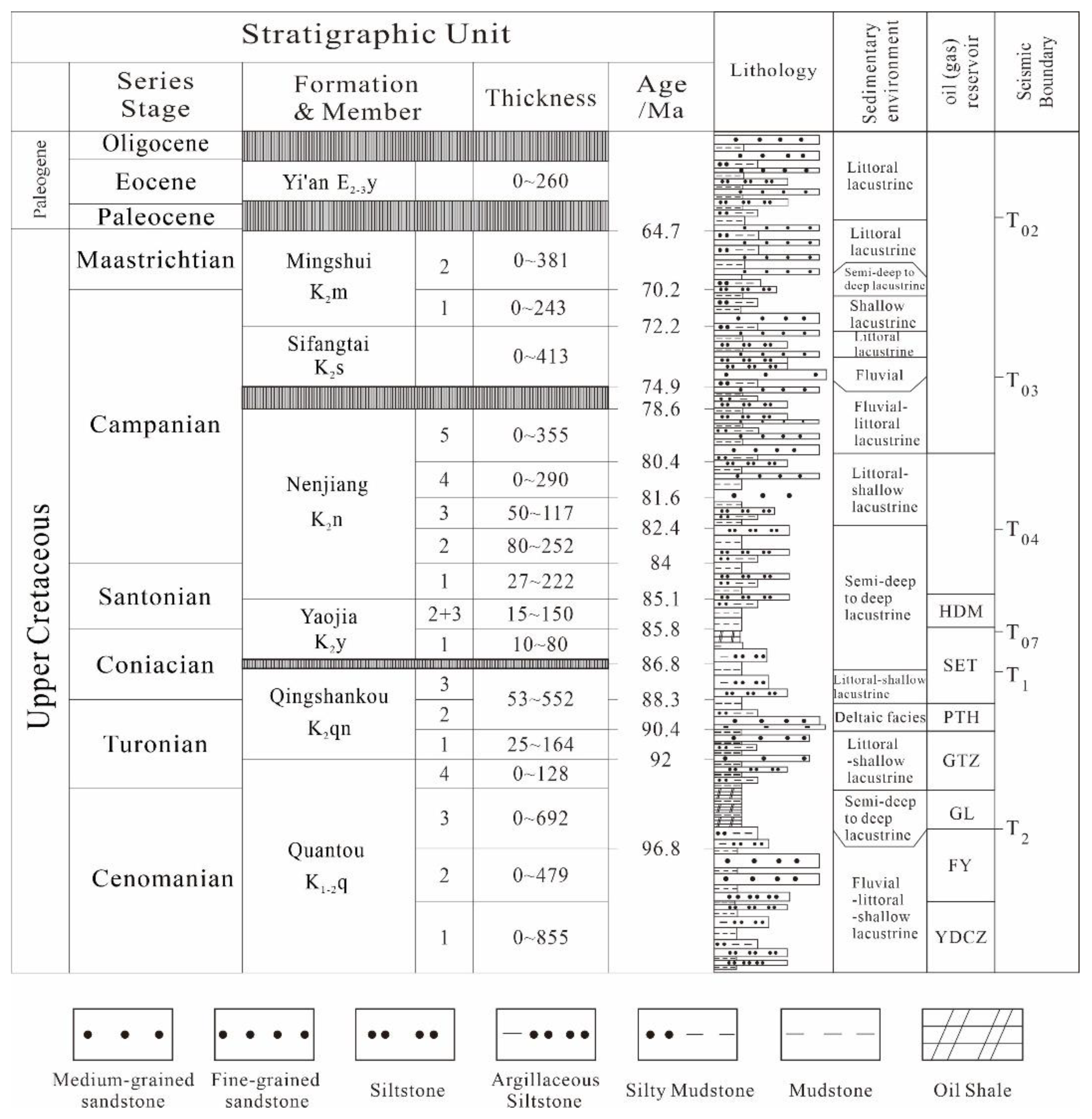
The Upper Cretaceous Qingshankou Formation (K2qn) records the zenith of lacustrine transgression within the basin (Figure 2). Specifically, the First Member (K2qn1) encompasses the maximum flooding interval (MFI) and contains the maximum flooding surface (MFS) [13]. Lithologically, this member is dominated by thick successions of organic-rich, dark-gray to black mudstones and shales, frequently intercalated with thin siltstone laminae, ostracod limestone layers, and dolomitic lenses. Total Organic Carbon (TOC) content typically exceeds 2%, with high-grade intervals reaching up to 5% [5]. High-precision radiometric dating places the deposition of the K2qn1 at approximately 93.9 Ma, temporally coinciding with the Cenomanian-Turonian Boundary [14]. This correlation suggests that the intense organic enrichment in the Songliao Basin was not solely controlled by local physiographic restriction but was likely amplified by global climatic perturbations associated with the Oceanic Anoxic Event 2 (OAE2), such as elevated PCO2 and varying thermal regimes.

2.3. Mineralogical Composition and Nomenclature

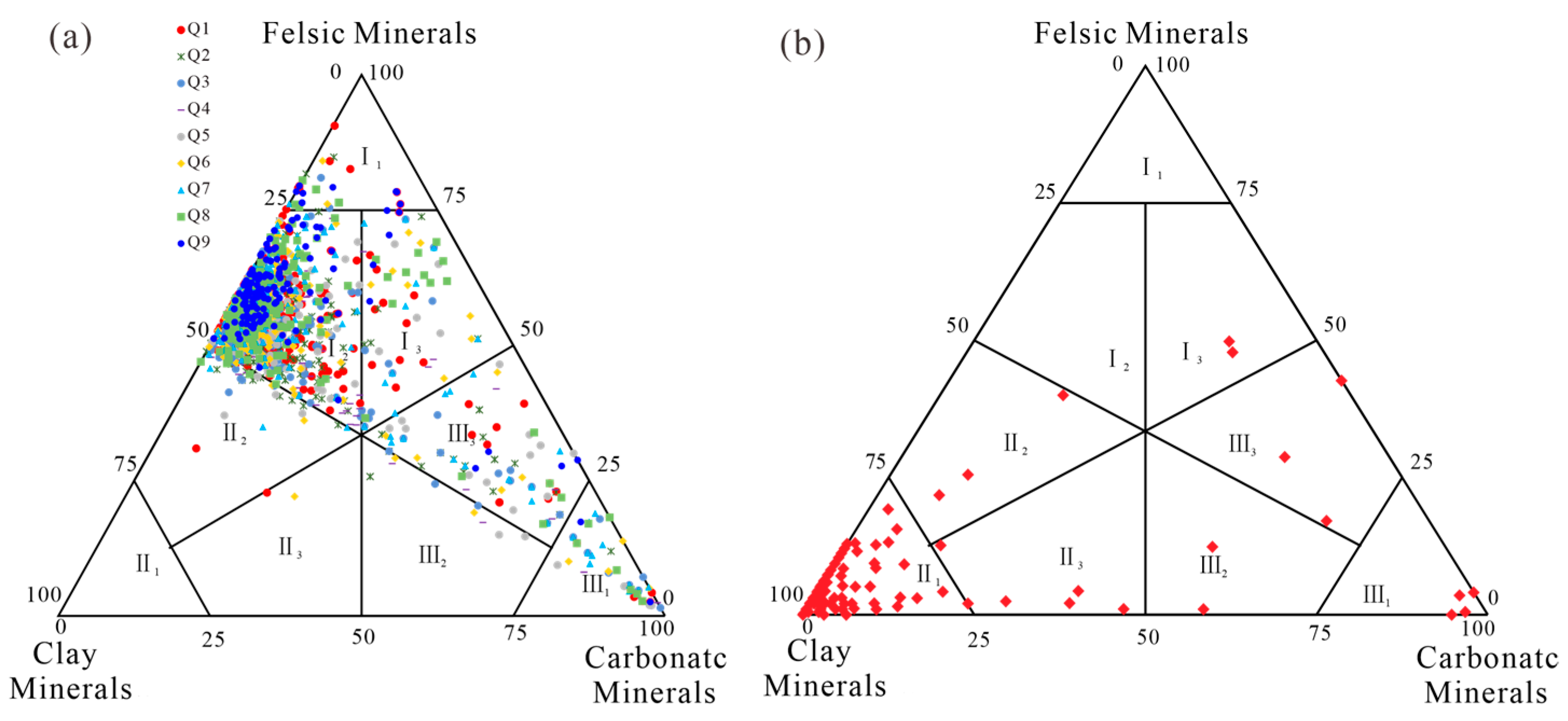
The Qingshankou Formation shale exhibits highly heterogeneous mineralogy. While macroscopically resembling a typical mud-shale, X-ray diffraction (XRD) analysis (Figure 3b) establishes a distinct ‘felsic’ nature, contrasting conventional optical observations. Quantitative analysis (SY/T 5163-2018) shows the framework comprises substantial rigid minerals: quartz averages 32.9% (range 1.4–43.1%) and feldspar (predominantly plagioclase) averages 19.5% (range 0–34.9%). Conversely, clay minerals (illite and smectite) average 35.1% (0–58.8%), with minor carbonates constituting 4.4%.
This disparity arises because conventional thin-section analysis routinely overestimates clay content (up to 80–90%). The optical illusion stems from abundant, extremely fine-grained felsic clasts (<0.01 mm) and cryptocrystalline aggregates (<0.0039 mm) optically indistinguishable from the clay matrix (Figure 3a). These cryptocrystalline phases are consequently interpreted to derive primarily from biogenic silica blooms (e.g., cyanobacteria and algae) and diagenetic transformation, rather than solely from simple detrital in Figure 3. Ultimately, the resultant high cumulative content of brittle minerals (>50 in felsic intervals) signif.icantly enhances the Gulong shale’s brittleness and potential for complex fracture networks, irrespective of its clay-rich visual appearance [15].

3. Materials and Methods

To transcend the limitations inherent in conventional macroscopic observation, this study employs an integrated, multi-scale approach spanning from core-scale analysis to pore-scale characterization, coupling qualitative description with quantitative simulation.

3.1. High-Resolution Core Description

The study employs multiscale sedimentological characterization, spanning centimeter-scale core descriptions to nanoscale pore structure analysis. Initial lithofacies observations covered continuous cores from ten key wells in the Gulong Sag (e.g., Well GYAHC). To mitigate heterogeneity, a hierarchical description strategy applied a fine-scale 1 cm resolution to significantly varying laminated intervals and a 5 cm resolution to massive homogeneous mudstone sections. Well GYAHC, which constituted the reference section, yielded a high-resolution stratigraphic subdivision of over 2700 descriptive units. Subsequently, systematic sampling of Wells GYAHC, GYBHC, and GYDHC involved collecting ~20–30 g aliquots at 50 cm intervals for thin sectioning and mineralogical analysis, thereby statistically capturing vertical heterogeneities.

3.2. Micro-Petrography

On-site core digitization utilized a portable high-definition 3D video microscope (Model H2601U-3D; Shenzhen Weishen Shidai Technology Co., Ltd., Shenzhen, China), providing non-destructive observation of sedimentary fabrics at 25–150× magnification. Laboratory petrographic analysis, conducted at the Research Institute of Exploration and Development, SINOPEC Zhongyuan Oilfield Company, Puyang, China, involved the examination of thin sections using a Leica DM2700P polarizing microscope (Leica Microsystems, Wetzlar, Germany). Field Emission Scanning Electron Microscopy (FE-SEM) characterized micro-pore structures and clay morphology; samples were argon-ion polished and gold-coated to mitigate charging effects, followed by imaging at 10–15 kV acceleration voltage. Quantitative mineralogical composition was quantified via X-ray diffraction (XRD) using a Rigaku Ultima IV diffractometer (Rigaku Corporation, Tokyo, Japan). All analyses adhered strictly to the updated Chinese Oil and Gas Industry Standard SY/T 5163-2018, ensuring consistency with international clay mineralogy protocols.

3.3. Hydrodynamic Simulation: Minimum Suspension Velocity (Vmf)

Reconstructing storm transport dynamics requires determining the minimum suspension velocity necessary to transport the largest observed clasts; therefore, quantifying this critical suspension velocity is of paramount importance. Although previous studies have investigated this issue extensively, they have relied primarily on theoretical calculations; to date, no physical simulation experiments on clast suspension have been conducted. Consequently, we designed a simulation experiment to determine the particles’ Vmf.
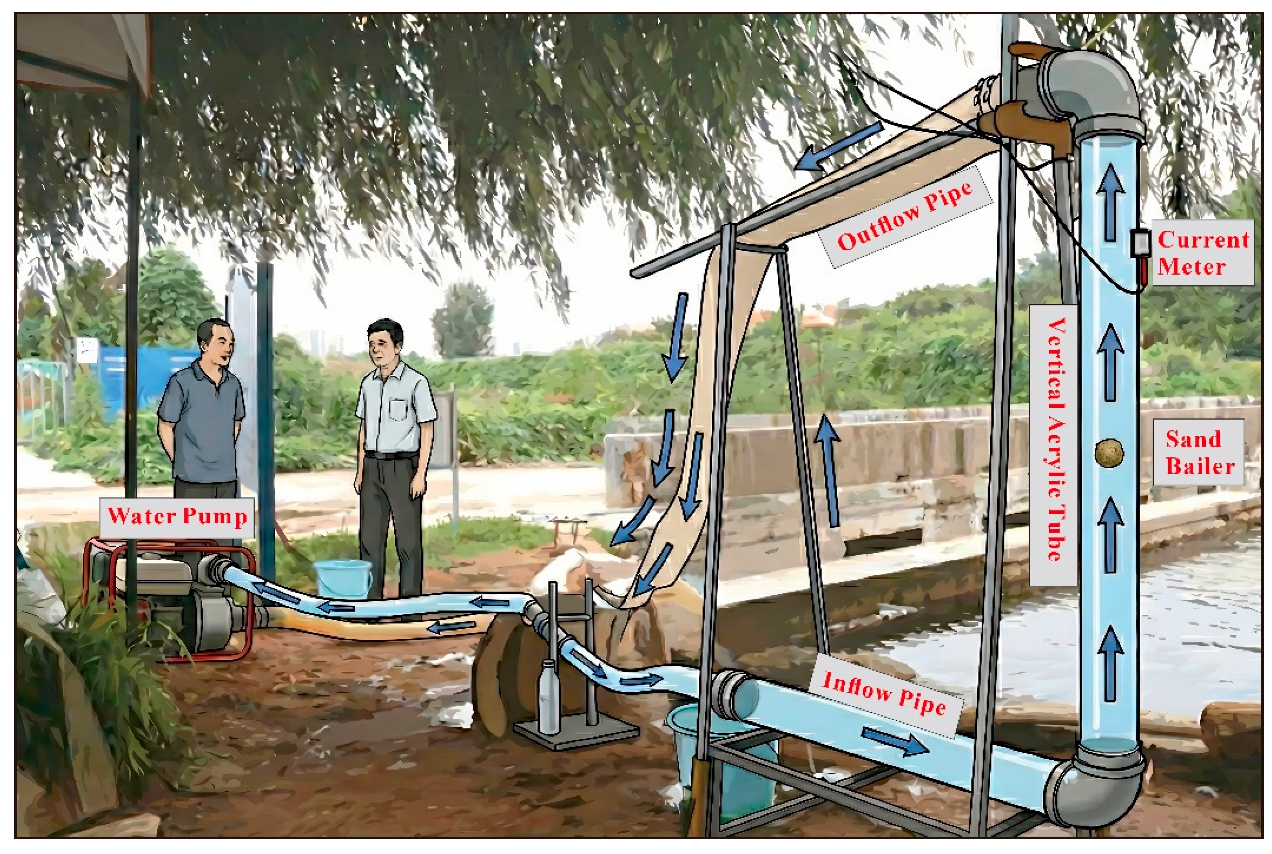
To quantify the hydrodynamic energy thresholds governing the transport of the observed large-scale intraclasts, we designed a vertical flow loop experiment to measure the Vmf (Figure 4). Conventional settling velocity formulations (e.g., Stokes’ Law; Allen; Lowe) are typically predicated on ideal spherical geometries and often prove inadequate for characterizing the behavior of the large, tabular, low-density clay aggregates observed in the Gulong Sag [16,17]. The experiment employed a vertical water column to determine Vmf, operationally defined as the vertical fluid velocity required to counterbalance the gravitational settling of a particle (i.e., terminal settling velocity). We tested nine distinct particle size classes to encompass the full range of observed lithologies: Fine Fraction: 0.125, 0.25, 0.50, 1.0, and 2.0 mm, representing silty laminae and small aggregates. Coarse Fraction (Intraclast Analogues): 10, 20, 30, and 40 mm, representing larger mudstone intraclasts and intraclasts [18]. Detailed descriptions of the experimental apparatus design, material selection, and preparation procedures are omitted here for brevity; the final results are presented in Table 1.
Gravel-grade particles were prepared by cutting and grinding fine sandstone into standard spherical shapes, achieving a density of approximately 2.65 g/cm3, consistent with the sandstone intraclasts found in the formation. Hydraulic Equivalence and “Equivalent Substitution”A critical challenge was simulating the hydrodynamics of the large, tabular siltstone intraclasts (approx. 18 × 68 mm) identified in core intervals. Directly simulating the random tumbling of such platy particles in a vertical flow loop is experimentally intractable due to the complex, angle-dependent lift and drag forces [18,21]. Consequently, we adopted an ‘equivalent substitution’ approach, employing a 40 mm diameter sandstone sphere as a hydraulic equivalent [17]. It must be emphasized that Vmf represents a theoretical minimum energy threshold for suspension and does not directly equate to horizontal flow velocity, which is discussed further in Section 5.
In this study, Figure 4 was produced by enhancing original experimental photographs. Due to the low resolution of the primary captures, a generative AI tool (Nano Banana Pro) was utilized to improve visual clarity and reconstruct details. The resulting image was rigorously cross-checked against the original photographs and laboratory records by the authors to ensure that all sedimentological features remained scientifically accurate and representative of the physical experiment.

4. High-Energy Sedimentary Records

The shale within the Qingshankou Formation of the Gulong Sag is predominantly dark, fine-grained. Detailed core and thin-section examinations subsequently revealed four key sedimentary structures. These structures, characterized by their geometry, boundary conditions, and internal lamination styles, strongly indicate deposition via active bottom currents rather than static suspension.

4.1. Storm Indicators: HCS/SCS

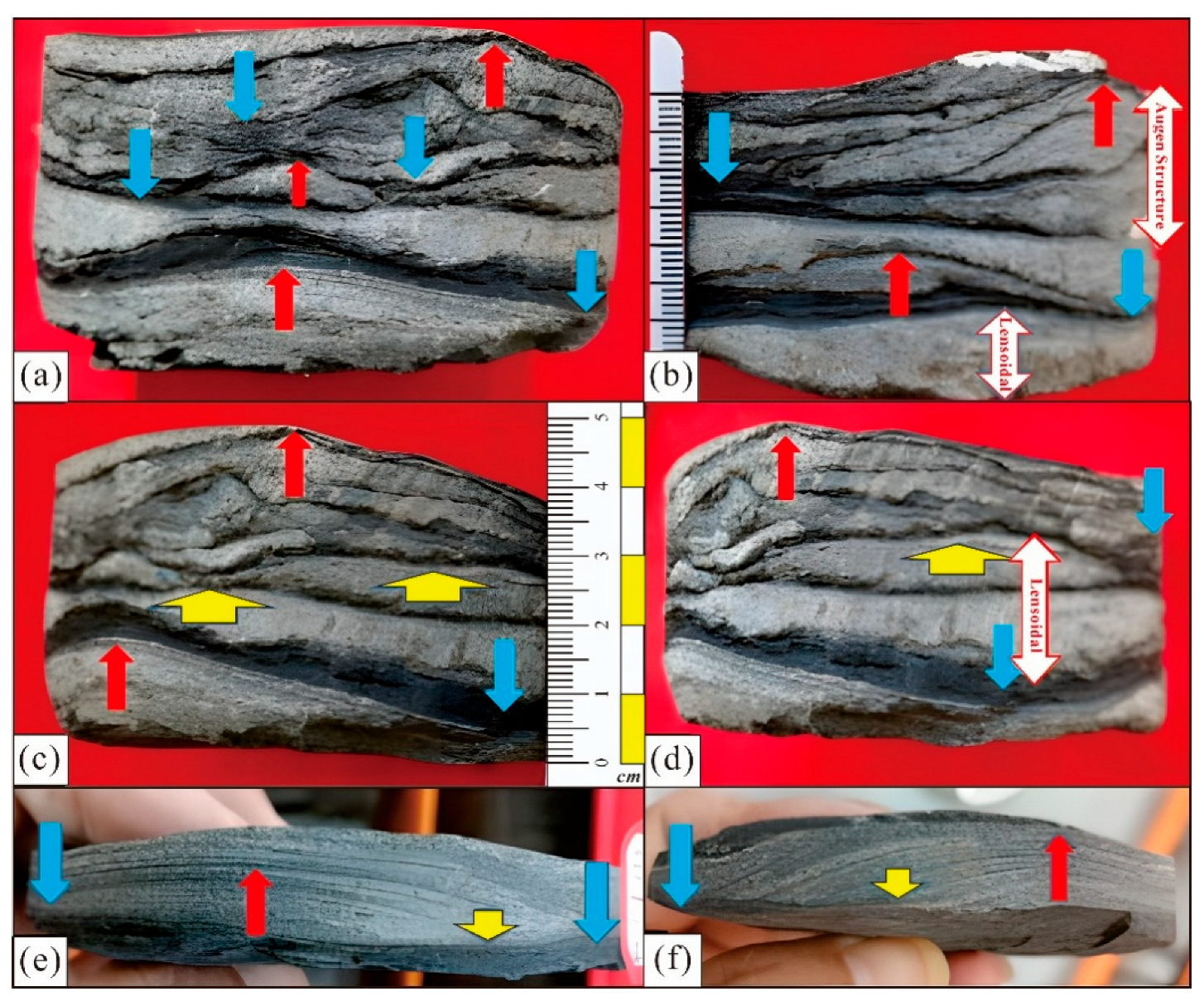
Sedimentary structures characterized by low-angle (typically < 15°) undulating lamination are widely developed within the siltstone and fine sandstone interbeds of the first member of the Qingshankou Formation (Qing 1 Member) (Figure 5). Core and thin-section observations reveal that these structures exhibit the typical geometric elements of classic HCS and SCS. HCS/SCS serves as a key diagnostic indicator for storm deposits and tempestites [6,22]. It forms under combined flow conditions characterized by the superposition of strong oscillatory flow and unidirectional flow.
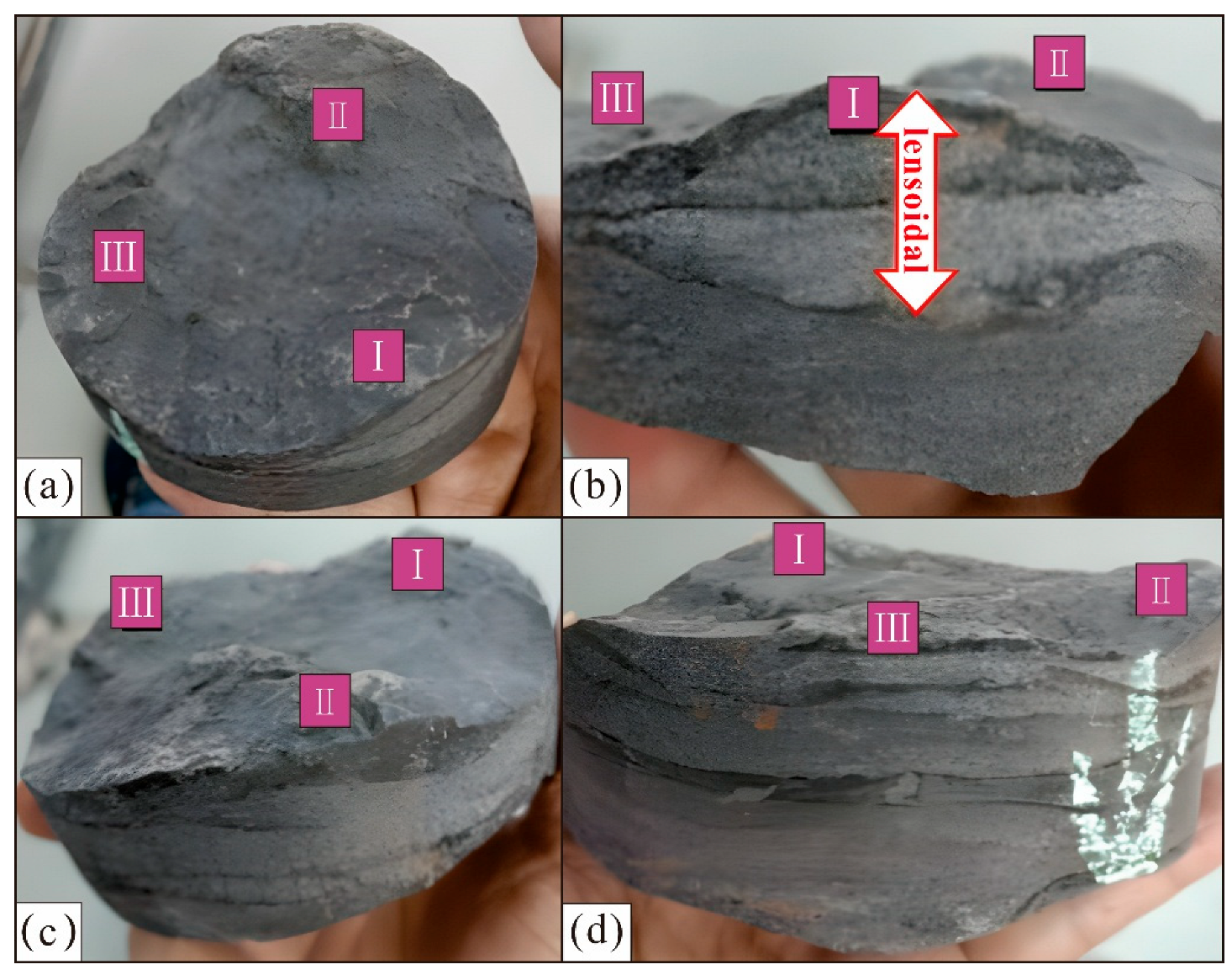
The core diameter (typically ~10 cm) geometrically constrains the observation of these macroscopic bedforms within the Gulong shale, resulting in partial or miniaturized expressions of “hummock-and-swale” topography. Basal units typically comprise convex-up hummocks that thicken crestally and laterally thin or pinch out, while the overlying units are characterized by concave-up swale fills where laminae thicken into the troughs. This geometry indicates bed scouring, forming undulatory topography during peak storm wave activity, succeeded by the rapid draping of suspended sediment during the waning energy phase (Figure 6). Three-dimensional morphological reconstruction, derived from multi-angular core observation (0°, 45°, and 90°), shows these features as isolated hummocky lenses structures (“eye-shaped”) with diameters of 4–5 cm and heights of 0.5–2 cm. We acknowledge that the limited core diameter (~10 cm) imposes inherent uncertainties in identifying large-scale bedforms. However, the observed structures exhibit the diagnostic partial features of HCS, including low-angle (<15°) truncation surfaces, anisotropic thickening/thinning of laminae, and convex-up geometries (Figure 5). When integrated with micro-scale evidence such as combined-flow ripples and grain imbrication (Section 4.4), these features provide robust evidence for storm-wave action. Furthermore, although these dimensions are smaller than typical marine HCS, they align with the hydrodynamic characteristics of lacustrine basins. Unlike open marine systems, the Gulong Paleo-lake had a restricted fetch and shallower water depths, resulting in shorter wave periods and wavelengths [23]. Consequently, the miniaturized expression of “hummock-and-swale” topography observed in these cores is consistent with theoretical predictions for storm deposits in restricted lacustrine settings.
Storm currents exhibit a fundamentally oscillatory hydrodynamic signature (Figure 6a,b). Dynamic conditions evolve throughout the event: while oscillatory flows predominate during peak intensity, combined flows—defined by the superposition of oscillatory and unidirectional traction currents—develop during the waxing and waning stages (Figure 6c). Discrete intervals of hummocky and swaley cross-stratification contain abundant mudstone intraclasts. Formed by the intrabasinal erosion, fragmentation, and transport of semi-consolidated sag muds, these intraclasts locally constitute 60–70% of the framework grains, reaching maximum diameters of 0.125 mm (Figure 6d). We interpret this material as the product of storm-induced scouring of unconsolidated lacustrine muds, which unequivocally indicates high-energy depositional events. Analogous erosional features appear in the Devonian Chattanooga Shale of central Kentucky, USA, where truncation surfaces exhibit relief ranging from centimeters to 1 m [24]. These comparisons suggest that intermittent storm-induced erosion constitutes an intrinsic process within shallow-water black shale successions.

4.2. Erosional Scour Surfaces and Liquefaction

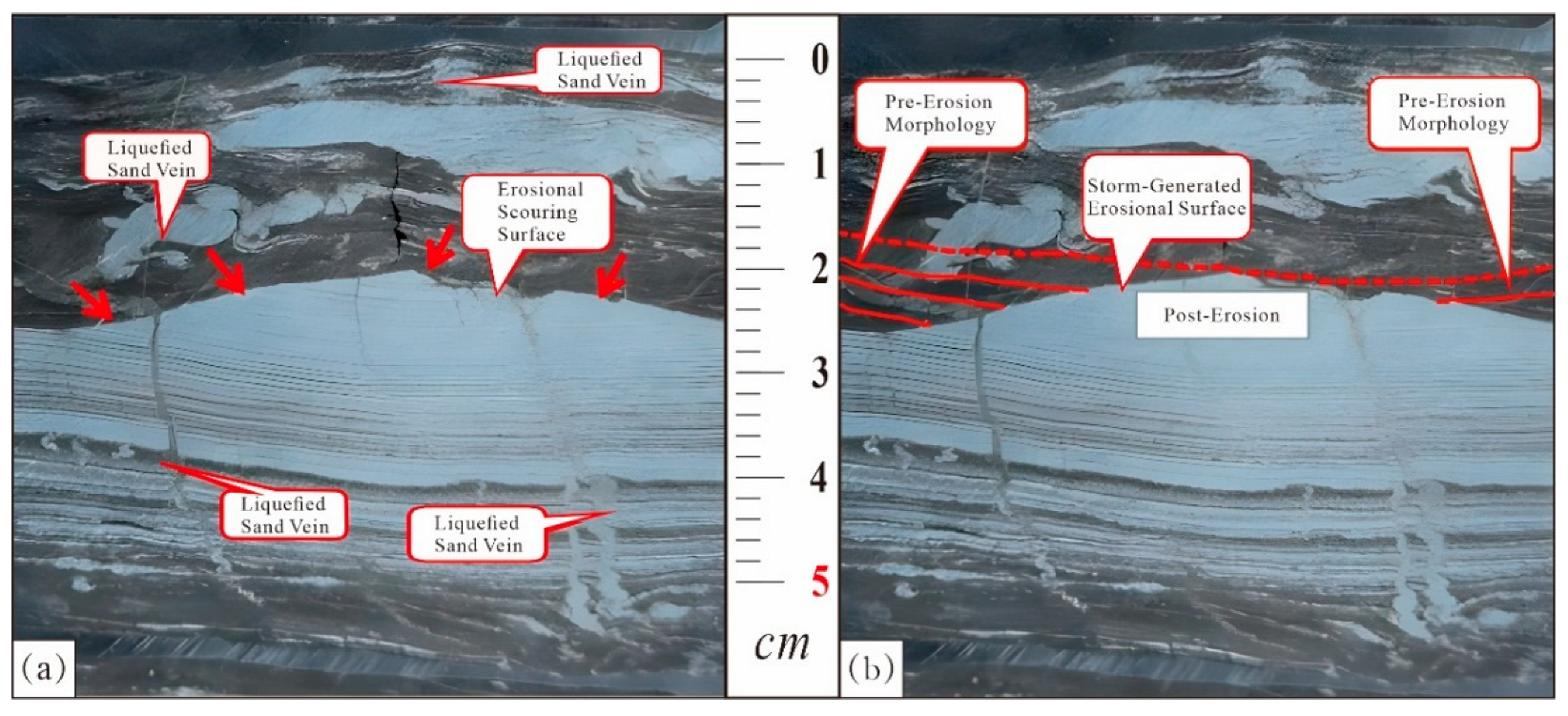
Erosional surfaces, prevalent within the Gulong shale, serve as diagnostic indicators of high-energy sedimentation. Core analysis (Figure 7) reveals distinct scour surfaces, typically situated atop lenticular siltstone bodies. These surfaces exhibit an irregular, undulating morphology with incision depths reaching 1 cm [6]. Crucially, these erosional boundaries are frequently associated with multiple liquefied sand veins (clastic dikes). These veins not only incise the underlying siltstone but also inject downward into the surrounding mudstone for approximately 2 cm, potentially creating vertical micro-migration pathways within the tight formation [15]. Furthermore, the scour surfaces are routinely capped by soft-sediment deformation structures (SSDS). We interpret this assemblage—scour surfaces, clastic dikes, and deformed overburden—as the product of storm-induced cyclic loading, where pressure fluctuations from passing waves triggered substrate liquefaction [25]. This process facilitated the injection of rigid, felsic-rich sand veins, which, as discussed in Section 6.3, significantly influences the geomechanical properties of the reservoir.
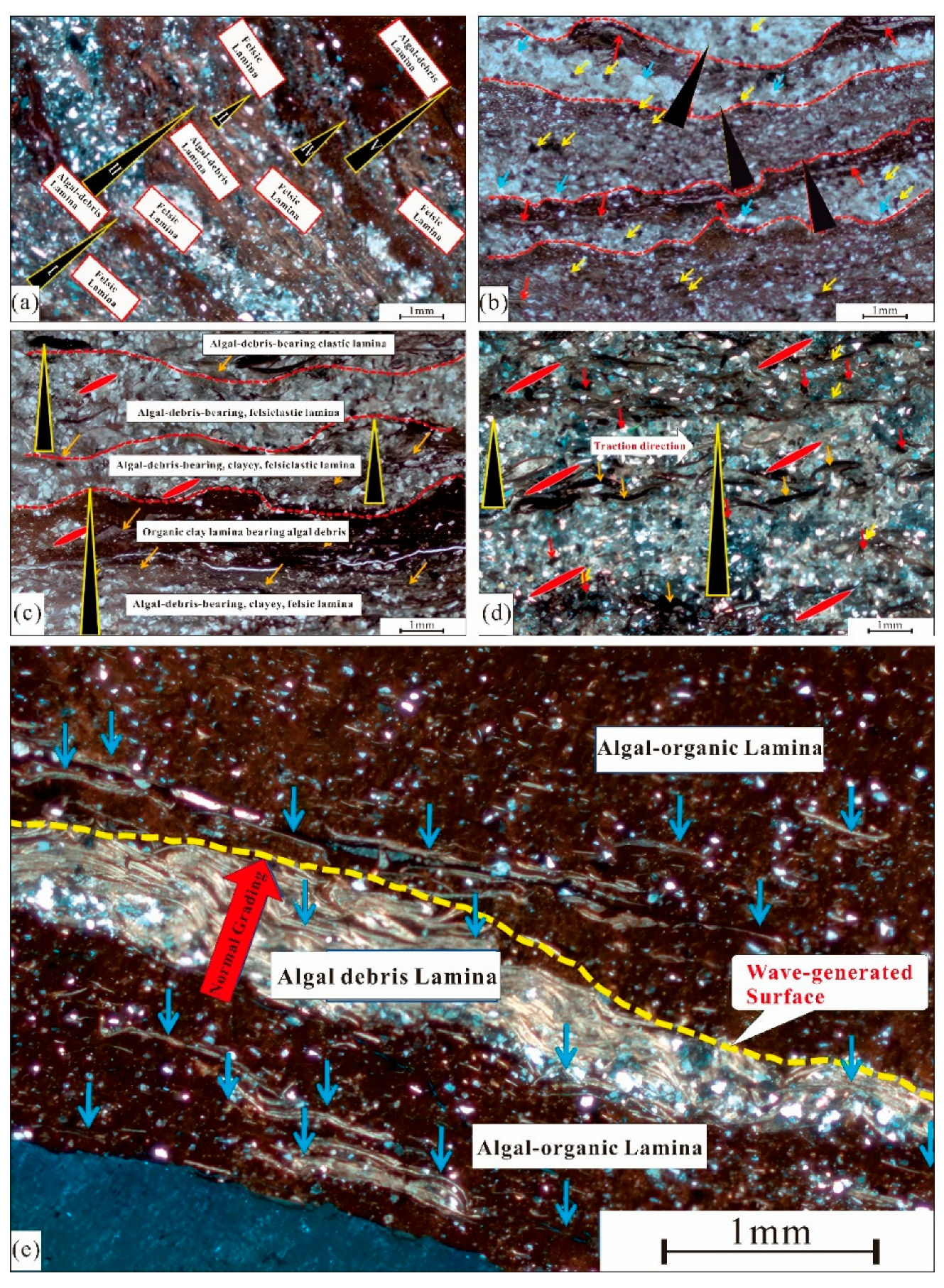
Microscopic analysis further clarifies this dynamic process (Figure 8). The erosional scour surfaces are directly overlain by discontinuous felsic silt laminae, which grade upward into mixed algal-detrital layers. These erosion-deposition couplets, averaging ~1 mm in thickness, reflect rapid scour-and-fill processes [26]. We interpret this assemblage as the product of storm-induced cyclic loading. During peak storm intensity, pressure fluctuations from passing waves induced rapid pore pressure buildup, triggering substrate liquefaction and the injection of sand veins. This loss of sediment shear strength facilitated subsequent erosion by bottom currents. As storm energy waned, suspended felsic grains rapidly settled to fill the scour topography [27].
Significantly, these storm-generated structures have profound implications for reservoir quality. The injected sand veins and residual siltstone lenses are composed predominantly of rigid quartz and feldspar grains (as evidenced by XRD data in Figure 3). These felsic-rich networks not only act as local “brittle points” that enhance fracability but also serve as vertical micro-migration pathways, improving the effective permeability of the tight shale formation [28]. Thus, the presence of scour surfaces and sand veins serves as a recognizable marker for high-quality “sweet spot” intervals.

4.3. Large-Scale Intraclasts

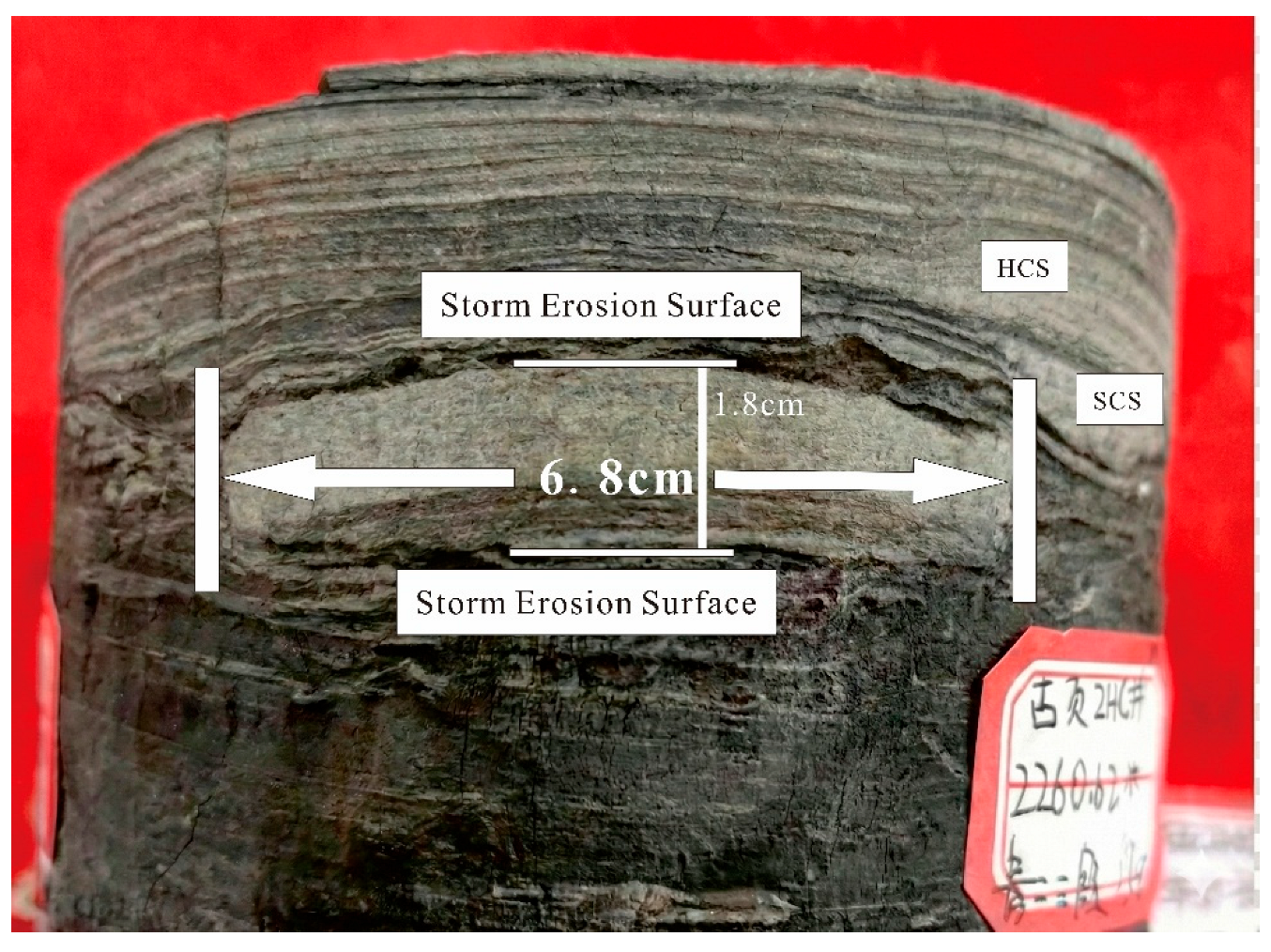
The shale of the Qingshankou Formation exposes substantial high-energy mudstone intraclasts within the Gulong Sag. These intraclasts, comprising siltstone slabs measuring approximately 1.8 cm (thickness) × 6.8 cm (length) (Figure 9), and mudstone intraclasts approximately 1 cm thick with widths exceeding the core diameter, are predominantly characterized by long axes parallel to bedding. Crucially, these slabs frequently exhibit internal soft-sediment deformation structures (SSDS) (Figure 9), suggesting their exposure to intense external mechanical stress during formation and emplacement [6]. This morphology aligns with structures previously observed in the Oligocene mudstones of the Eastern Carpathians, Romania [29].
We interpret these intraclasts as the products of storm-induced reworking, where semi-consolidated lacustrine muddy substrates were fragmented, transported, and rapidly redeposited. The substantial dimensions of these intraclasts necessitate high-energy hydrodynamic conditions. Modern observational data from the UK’s Yorkshire coast demonstrate storm-induced erosion depths routinely exceeding one meter [22]; by analogy, the presence of these mudstone intraclasts suggests intense paleo-storm activity and deep scouring within the Gulong Sag.
Hydrodynamic simulations (detailed in Section 5) establish that mobilizing and transporting these large siltstone plates necessitates vertical velocities (Vmf) exceeding 1.0 m/s [17]. It is important to note that this value represents a conservative minimum estimate of the paleo-flow intensity. Since the vertical velocity component in turbulent flows is typically a fraction of the horizontal mean flow, the driving horizontal bottom currents responsible for eroding and transporting these large slabs must have been substantially higher than 1.0 m/s. This disparity confirms the exceptionally high intensity of hydrodynamic forces generated by storms in the Gulong Sag during the Qingshankou Formation deposition.

4.4. Micro-Scale Grain Imbrication

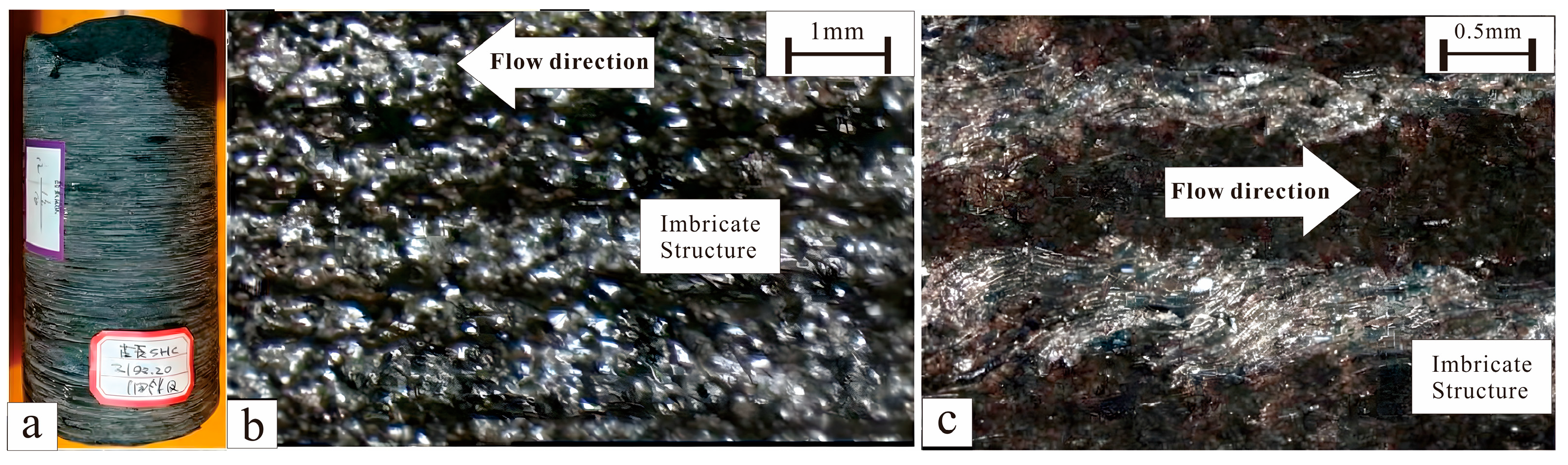
Pervasive grain imbrication within millimeter-scale laminae provides robust micro-textural evidence for bottom currents. In Well Gy5HC (Figure 10a), intervals initially interpreted as static suspension deposits display distinct right-dipping imbrication (Figure 10b), unequivocally confirming a dominant unidirectional traction current (right-to-left flow) [30]. The imbrication observed in both rigid felsic grains and algal debris (Figure 10b,c) confirms the genesis of these laminae via bedload traction, not suspension fallout [26].
Crucially, this micro-fabric has significant implications for reservoir quality. While grain alignment in shales has been noted previously, this study establishes a direct correlation between these micro-fabrics and active hydrodynamic transport. The directional alignment of rigid quartz and feldspar grains creates a grain-supported framework that resists compaction, thereby preserving primary intergranular porosity [31]. Furthermore, this preferential orientation contributes to permeability anisotropy, potentially creating micro-pathways for hydrocarbon migration along bedding planes. Thus, these imbricated intervals represent not only evidence of a dynamic depositional model but also microscopic “sweet spots” within the Qingshankou Formation [32].

5. Hydrodynamic Simulation Results

The experimental results reveal a significant disparity between the measured hydrodynamic thresholds and those predicted by conventional theoretical models [33]. Table 1 summarizes the experimentally determined Vmf values alongside theoretical predictions derived [19].

5.1. Deviation from Theoretical Models

A critical finding is that measured Vmf values are consistently 1 to 5 orders of magnitude higher than theoretical calculations. Fine Fraction: For fine-grained particles (e.g., 0.125 mm), the experimental Vmf (0.023 m/s) exceeds Lowe’s prediction (1.85 × 10⁻⁷ m/s) by approximately five orders of magnitude. Coarse Fraction: For 10 mm intraclasts, the measured Vmf is 0.443 m/s, whereas theoretical models predict values roughly 2–3 orders of magnitude lower. This pronounced deviation underscores that conventional settling equations, which assume idealized spherical settling in laminar or transitional regimes, are inadequate for characterizing the turbulent transport of irregular geological materials in the Gulong Sag [17].

5.2. Quantitative Constraints on Paleo-Storm Intensity

The simulation results provide robust physical lower-bound constraints on the paleo-storm intensity. The experimental data indicate that suspending 12 mm silt intraclasts (as observed in cores) requires a vertical velocity component exceeding 0.447 m/s. Furthermore, the 40 mm sandstone sphere—employed as the hydraulic equivalent for the large tabular siltstone intraclasts (18 × 68 mm)—required a Vmf of 1.013 m/s for suspension.
Crucially, we interpret these Vmf values as conservative minimum estimates for the actual basin-floor currents. In natural storm-driven boundary layers, the vertical turbulent velocity component, which is responsible for keeping particles in suspension, is typically a fraction of the mean horizontal flow velocity (U). Consequently, if a vertical velocity component of ~1.0 m/s is required to counteract gravity for these large intraclasts, the driving horizontal bottom currents responsible for eroding and transporting them must have been substantially higher than 1.0 m/s.
This quantitative evidence physically confirms that the Qingshankou Formation was deposited in a highly dynamic environment. The presence of these large intraclasts implies that peak storm flow velocities frequently exceeded the thresholds for bedload transport and suspension of consolidated mud, effectively refuting the traditional stagnant deep-lake model [6].

5.3. Upscaling: From Lab Thresholds to Basin Dynamics

We explicitly acknowledge that extrapolating laboratory-scale suspension thresholds to basin-scale depositional dynamics requires caution. The Vmf values derived in this study represent the hydraulic competence (the ability of the flow to transport a specific particle size) rather than a direct reconstruction of the complex, unsteady flow fields of ancient storms.
However, the link between these experimental thresholds and basin-scale dynamics is established through the “Process-Response” principle. The presence of large mudstone intraclasts within the deep-lacustrine cores (the geological “Response”) necessitates a hydrodynamic mechanism capable of generating bottom shear stresses sufficient for their erosion and transport. Our experiments quantify this mechanism (the “Process”), demonstrating that velocities exceeding 1.0 m/s are a physical prerequisite for the formation of these specific deposits. Therefore, while the lab cannot simulate the full complexity of a basin-wide storm, it confirms that the peak flow intensities in the Gulong Paleo-lake must have intermittently breached these high-energy thresholds [34].

6. Discussion

6.1. From Static Settling to Intermittent High-Energy Deposition

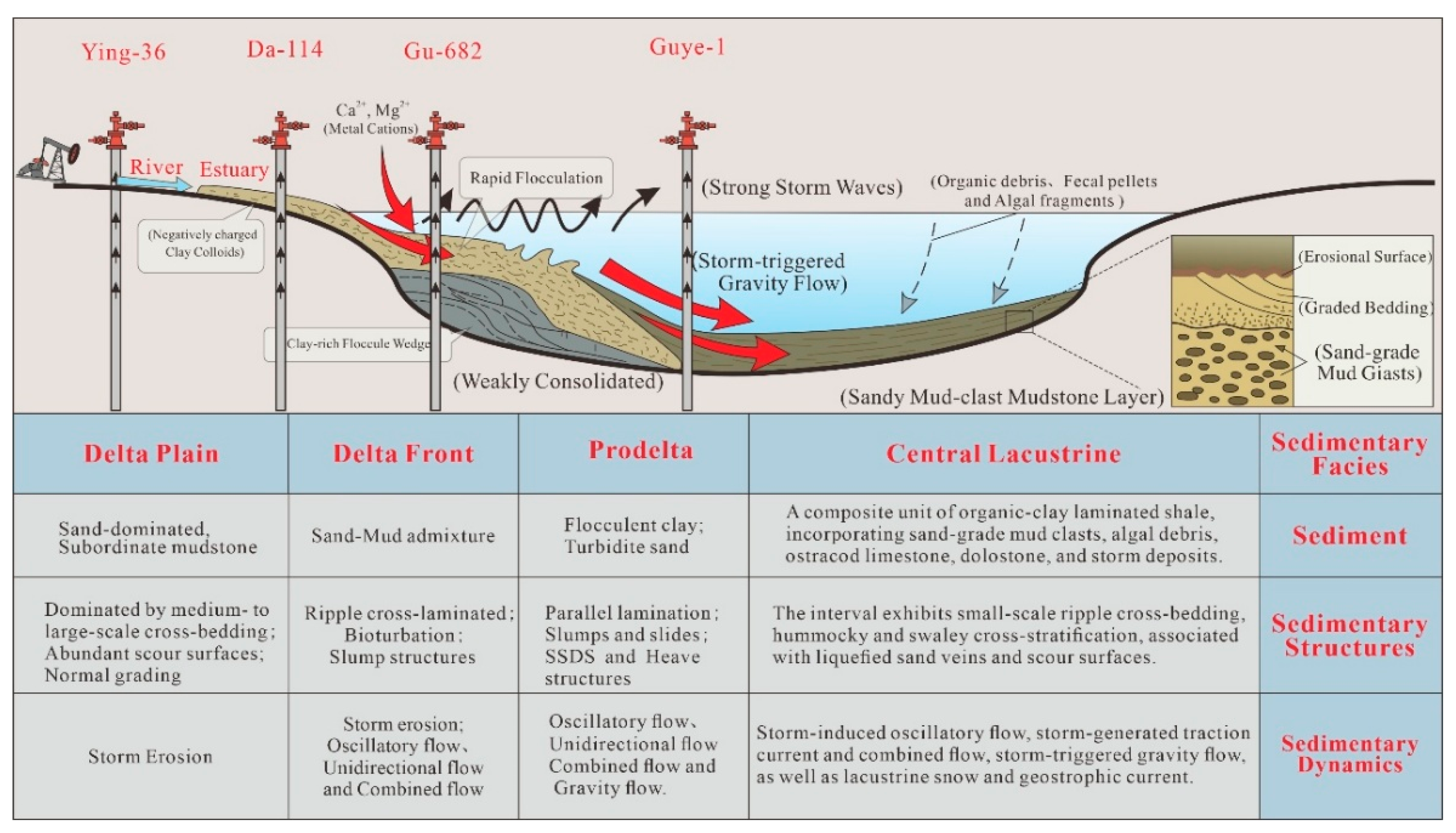
Traditionally, the organic-rich mudstones of the K2qn1 Member have been interpreted as deposits of a quiescent deep-lake environment dominated by suspension settling. The identification of high-energy sedimentary structures in the Qingshankou Formation (K2qn1) challenges the traditional “suspension settling” paradigm [35]. However, applying marine storm models directly to a lacustrine basin requires careful hydrodynamic scaling. We propose a revised “Intermittent High-Energy Deposition Model” that accounts for the specific physical boundary conditions of the Songliao Paleo-lake (Figure 11) [36].
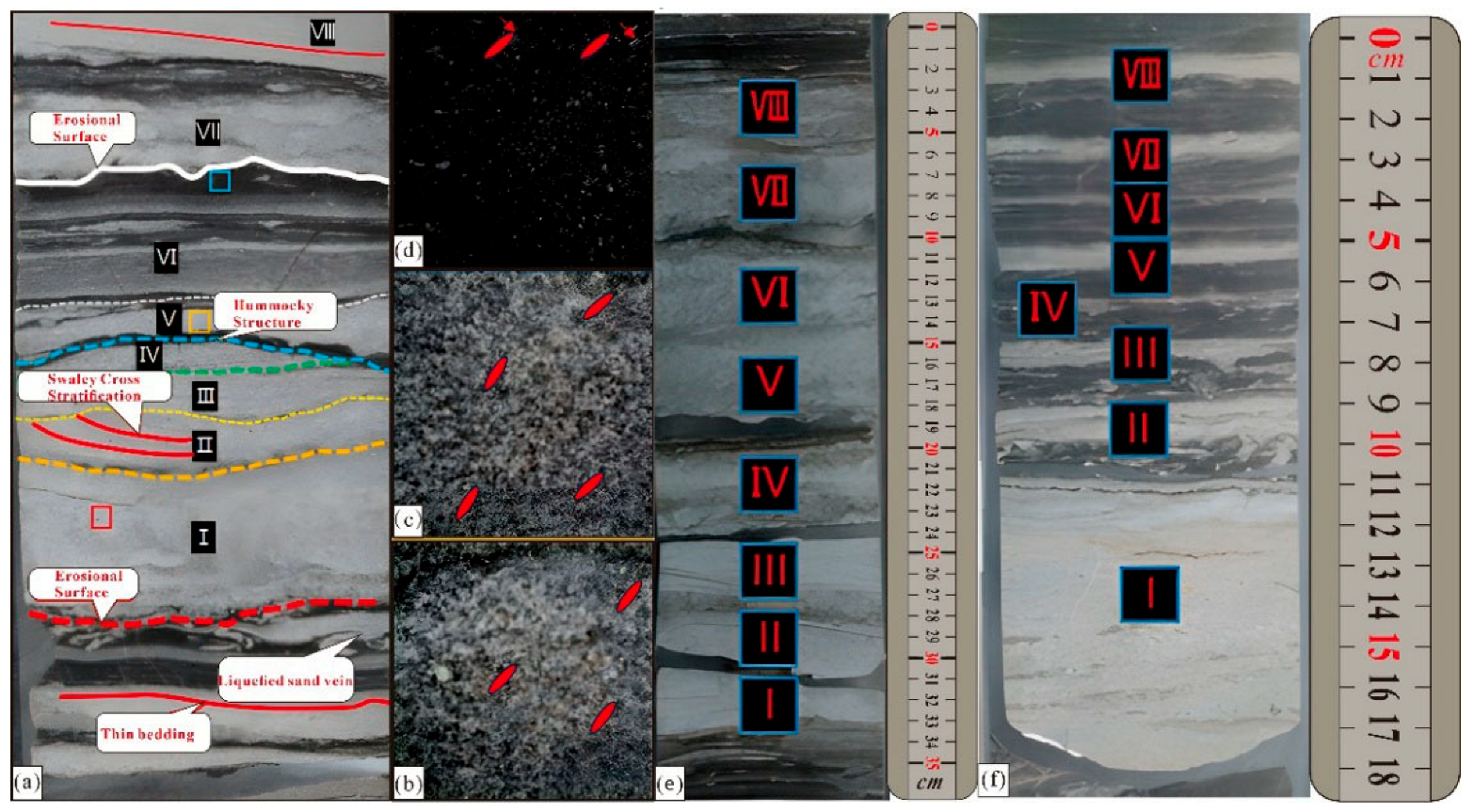
Unlike the continuous suspension settling model, this framework posits that background quiescence was frequently punctuated by episodic storm events. The vertical sedimentary sequences observed in cores (Figure 12) document this dynamic process, which can be divided into distinct hydrodynamic stages:
(1)
Peak Storm Phase (Erosion and Liquefaction): High-velocity oscillatory currents, likely exceeding the 1.0 m/s threshold indicated by our hydrodynamic simulations, scoured the lakebed. Cyclic wave loading triggered substrate liquefaction, generating the clastic dikes and intraclasts described in Section 4.
(2)
Transport Phase: The resuspended unconsolidated prodeltaic sediments and muddy intraclasts were transported basinward via storm-enhanced gravity flows.
(3)
Waning Phase (Deposition): As storm energy dissipated, combined flows deposited the graded siltstone laminae and HCS beds, eventually returning to background suspension settling.
Figure 12. Vertical sedimentary sequences and micro-structures of storm events. The Roman numerals (I–VIII) designate the vertical succession of specific sedimentary units or layers identified within the composite sequences. (a) A complete storm sequence displaying basal sand injection veins (clastic dikes) and water-escape structures. (bd) Photomicrographs (30×) corresponding to the red, orange, and blue boxes in (a), respectively. Note the distinct left-dipping grain imbrication (indicating paleocurrent direction) and abundant mudstone intraclasts. (e) Storm sequence showing intense internal liquefaction that obscures primary stratification above a basal scour. (f) Composite sequence characterized by pervasive liquefied sand injections at the bases of multiple units (II, III, IV), confirming high-energy depositional conditions.
Energies 19 01142 g012
In this model, high-energy storms lowered the effective wave base, resuspending unconsolidated prodeltaic sediments and transporting coarse-grained felsic materials and clay floccules basinward via storm-enhanced gravity flows [27]. This mechanism explains the presence of “sand-chip mudstones” and the high frequency of siltstone laminae in the deep basin, which were previously difficult to reconcile with a purely static low-energy environment.
While the hydrodynamic mechanisms parallel marine storm systems, the specific bedforms in the Gulong Sag reflect its lacustrine context. Unlike open oceans, the paleo-Songliao Lake had a restricted fetch and shallower water depths, resulting in storm waves with shorter periods and wavelengths [37]. This distinct lacustrine hydrodynamic condition explains why the observed HCS wavelengths are smaller than typical marine counterparts, yet still diagnostic of storm-wave action.

6.2. Synergistic Preservation of Organic Matter: The “Transport-Burial Pump”

The co-occurrence of high-energy storm deposits and organic enrichment presents a paradox only under the static accumulation model. We propose a “Transport-Burial Pump” mechanism where storms govern the preservation efficiency of Organic Matter (OM) by regulating Oxygen Exposure Time (OET).
Storm-induced currents act as a conveyor belt, rapidly transporting nutrient-rich sediments and algal blooms from the productive photic zone (delta front/shoreface) to the deep lake basin. This advective transport is significantly more efficient than the slow vertical settling of “marine snow”. The critical contribution of the storm event is the deposition of a “mud blanket” during the waning flow phase. This rapid physical burial seals the organic-rich intervals from the water column immediately after deposition [38]. By isolating the OM from the benthic boundary layer, the storm deposits drastically reduce the OET, effectively halting aerobic degradation.
This mechanism works synergistically with the background chemical stratification associated with the OAE2. While OAE2 provided the chemically reducing background, the “Transport-Burial Pump” provided the physical mechanism to maximize carbon burial efficiency, allowing high TOC levels to persist even in lithofacies showing evidence of high-energy reworking [39].

6.3. Storm-Driven “Sweet Spots”: Hydrodynamic Winnowing and Reservoir Quality

The sedimentary dynamic model reconstructed in this study offers direct guidance for the exploration and development of Gulong shale oil. Traditionally, exploration strategies have prioritized the basin depocenter, assuming that the deepest water and thickest sediment accumulation yield the best targets. However, our model suggests a paradigm shift: the optimal “sweet spots” are likely located in zones characterized by high-frequency storm events. This preference is supported by two key factors: (1) Storm currents selectively remove fine-grained clay matrix and organic detritus, leaving behind a coarser, grain-supported siltstone framework. This process, known as hydrodynamic winnowing, creates a rigid rock fabric. Unlike the matrix-supported texture of quiescent mudstones, this grain-supported fabric resists mechanical compaction during burial, effectively preserving primary intergranular porosity [40]. (2) The liquefaction structures and sand dykes identified in Section 4.2 are not merely geological curiosities; they serve as vertical flow conduits. In a formation characterized by ultra-low permeability, these sand injections penetrate the impermeable mudstone barriers, connecting isolated siltstone lenses and improving the effective vertical permeability (Kv) of the reservoir unit [15].
In conclusion, the “Sweet Spots” in the Qingshankou Formation are not random; they are predictable products of storm dynamics. Exploration should focus on identifying zones where the frequency of storm events (tempestite frequency) maximizes the cumulative thickness of these winnowed, brittle, and porous beds [28].

7. Conclusions

Based on the integrated analysis of sedimentary fabrics, mineralogical composition, and hydrodynamic simulations of the K2qn1 in the Gulong Sag, we draw the following conclusions:
(1)
Establishment of a High-Energy Depositional Model: Detailed core and thin-section analyses refute the traditional “quiescent deep-lake” paradigm for the Qingshankou Formation (K2qn1). The identification of diagnostic high-energy structures—including HCS, erosional scour surfaces, and anomalously large intraclasts—supports a new “Intermittent High-Energy Deposition Model.” This framework posits that the lake bottom was frequently perturbed by storm-driven bottom currents, rather than dominated solely by static suspension settling.
(2)
Quantitative Hydrodynamic Constraints: Flume experiments utilizing an “equivalent substitution” method provide robust physical constraints on paleo-storm intensity. The Vmf required to transport the observed large tabular intraclasts (hydraulically equivalent to 40 mm spheres) exceeds 1.0 m/s. We emphasize that this value represents a conservative minimum estimate; the driving horizontal bottom currents responsible for erosion likely far exceeded this threshold, highlighting the inadequacy of conventional settling models for this region.
(3)
Preservation Mechanism of Organic Matter: We resolve the paradox between high-energy conditions and organic enrichment through a “Synergistic Preservation” mechanism. The coupling of global anoxia (OAE2) with rapid storm-induced burial acted as a “transport-burial pump.” High-frequency storms facilitated the rapid transport and sealing of organic matter, shielding it from degradation at the sediment-water interface.
(4)
Prediction of “Sweet Spots”: The proposed model redirects exploration strategies from seeking purely organic-rich depocenters to targeting storm-reworked intervals. These “sweet spots” are characterized by superior reservoir quality due to two hydrodynamic mechanisms: (a) Hydrodynamic Winnowing, which removed clay matrices to preserve primary intergranular porosity, and (b) Allogenic Transport, which introduced rigid felsic grains to enhance rock brittleness and fracability.

Author Contributions

Conceptualization, J.Z.; methodology, Y.S. and J.Z.; investigation, B.X.; resources, J.Z.; data curation, Y.S., B.X.; writing—original draft preparation, Y.L.; writing—review and editing, Y.L. and J.Z.; visualization, Y.L., and Y.S.; supervision, Y.S.; project administration, Y.S., and B.X.; funding acquisition, J.Z. All authors have read and agreed to the published version of the manuscript.

Funding

This research was funded by National Natural Science Foundation of China (No. 42072138, No. 41572088), the China National Petroleum Corporation Major Science and Technology Project “Theory and Key Technologies for the Exploration and Development of Daqing Gulong Shale Oil” (Grant No. 2021ZZ10), the Heilongjiang Province “Hundreds, Thousands, and Tens of Thousands” Engineering Major Science and Technology Project “Research on Accumulation Conditions and Sweet Spot Distribution of Gulong Shale Oil in the Northern Songliao Basin” (Grant No. 2020ZX05A01), and “Evaluation of Sand-Shale Reservoir Characteristics and Favorable Zones” (Grant No. 2016ZX05066-001-003).

Data Availability Statement

The original contributions presented in this study are included in the article. Further inquiries can be directed to the corresponding author.

Acknowledgments

Image enhancement of Figure 4 was performed using an AI tool (Nano Banana Pro) (v. 2.1.0).

Conflicts of Interest

The authors declare that the research was conducted in the absence of any commercial or financial relationships that could be construed as a potential conflict of interest.

References

  1. Aplin, A.C.; Macquaker, J.H.S. Mudstone Diversity: Origin and Implications for Source, Seal, and Reservoir Properties in Petroleum Systems. AAPG Bull. 2011, 95, 2031–2059. [Google Scholar] [CrossRef]
  2. Schieber, J.; Southard, J.; Thaisen, K. Accretion of Mudstone Beds from Migrating Floccule Ripples. Science 2007, 318, 1760–1763. [Google Scholar] [CrossRef]
  3. Schieber, J. Discussion: “Mud Dispersal across a Cretaceous Prodelta: Storm-Generated, Wave-Enhanced Sediment Gravity Flows Inferred from Mudstone Microtexture and Microfacies” by Plint (2014), Sedimentology 61, 609–647. Sedimentology 2015, 62, 389–393. [Google Scholar] [CrossRef]
  4. Sun, G.; Dong, W.; Zhang, X.; Zhong, J.; Sun, N. Study on Dolomite Thin Layers and Nodules in the Qingshankou Formation Shale Oil Reservoir of Gulong Sag. Energies 2023, 16, 3981. [Google Scholar] [CrossRef]
  5. Sun, L.; Liu, H.; He, W.; Li, G.; Zhang, S.; Zhu, R.; Jin, X.; Meng, S.; Jiang, H. An Analysis of Major Scientific Problems and Research Paths of Gulong Shale Oil in Daqing Oilfield, NE China. Pet. Explor. Dev. 2021, 48, 527–540. [Google Scholar] [CrossRef]
  6. Liu, B.; Wang, H.; Fu, X.; Bai, Y.; Bai, L.; Jia, M.; He, B. Lithofacies and Depositional Setting of a Highly Prospective Lacustrine Shale Oil Succession from the Upper Cretaceous Qingshankou Formation in the Gulong Sag, Northern Songliao Basin, Northeast China. AAPG Bull. 2019, 103, 405–432. [Google Scholar] [CrossRef]
  7. Sun, N.; Zhang, J.; Zhong, J.; Gao, J.; Sheng, P.; Chen, Z.; Cao, Z.; Wang, P. Sedimentary Processes of Fine-Grained Sedimentary Rocks in Lacustrine Basins: A Case Study of the Upper Cretaceous Qingshankou Formation, Northern Songliao Basin, China. Sediment. Geol. 2025, 490, 106987. [Google Scholar] [CrossRef]
  8. Sun, N.; He, W.; Zhong, J.; Gao, J.; Sheng, P. Lithofacies and Shale Oil Potential of Fine-Grained Sedimentary Rocks in Lacustrine Basin (Upper Cretaceous Qingshankou Formation, Songliao Basin, Northeast China). Minerals 2023, 13, 385. [Google Scholar] [CrossRef]
  9. Hou, Y.; Wang, H.; Fan, T.; Yang, R.; Wu, C.; Tang, Y. Late Syn-Rift Sequence Architecture and Sedimentary Evolution of a Continental Rift Basin: A Case Study from Fulongquan Depression of the Songliao Basin, Northeast China. Mar. Pet. Geol. 2019, 100, 341–357. [Google Scholar] [CrossRef]
  10. Zhu, G.; Liu, C.; Gu, C.; Zhang, S.; Li, Y.; Su, N.; Xiao, S. Oceanic Plate Subduction History in the Western Pacific Ocean: Constraint from Late Mesozoic Evolution of the Tan-Lu Fault Zone. Sci. China-Earth Sci. 2018, 61, 386–405. [Google Scholar] [CrossRef]
  11. Gao, Y.; Ibarra, D.E.; Wang, C.; Caves, J.K.; Chamberlain, C.P.; Graham, S.A.; Wu, H. Mid-Latitude Terrestrial Climate of East Asia Linked to Global Climate in the Late Cretaceous. Geology 2015, 43, 287–290. [Google Scholar] [CrossRef]
  12. Xi, D.; Cao, W.; Huang, Q.; Do Carmo, D.A.; Li, S.; Jing, X.; Tu, Y.; Jia, J.; Qu, H.; Zhao, J.; et al. Late Cretaceous Marine Fossils and Seawater Incursion Events in the Songliao Basin, NE China. Cretac. Res. 2016, 62, 172–182. [Google Scholar] [CrossRef]
  13. Zhang, P.; Xu, Y.; Meng, Q.; Liu, Z.; Zhang, J.; Shen, L.; Zhang, S. Sequence Stratigraphy and Geochemistry of Oil Shale Deposits in the Upper Cretaceous Qingshankou Formation of the Songliao Basin, NE China: Implications for the Geological Optimization of In Situ Oil Shale Conversion Processing. Energies 2020, 13, 2964. [Google Scholar] [CrossRef]
  14. Wang, P.; Chen, C.; Liu, H. Aptian Giant Explosive Volcanic Eruptions in the Songliao Basin and Northeast Asia: A Possible Cause for Global Climate Change and OAE-1a. Cretac. Res. 2016, 62, 98–108. [Google Scholar] [CrossRef]
  15. Gong, L.; Wang, J.; Gao, S.; Fu, X.; Liu, B.; Miao, F.; Zhou, X.; Meng, Q. Characterization, Controlling Factors and Evolution of Fracture Effectiveness in Shale Oil Reservoirs. J. Pet. Sci. Eng. 2021, 203, 108655. [Google Scholar] [CrossRef]
  16. Bagheri, G.; Bonadonna, C. On the Drag of Freely Falling Non-Spherical Particles. Powder Technol. 2016, 301, 526–544. [Google Scholar] [CrossRef]
  17. Song, X.; Xu, Z.; Li, G.; Pang, Z.; Zhu, Z. A New Model for Predicting Drag Coefficient and Settling Velocity of Spherical and Non-Spherical Particle in Newtonian Fluid. Powder Technol. 2017, 321, 242–250. [Google Scholar] [CrossRef]
  18. Strom, K.; Keyvani, A. Flocculation in a Decaying Shear Field and Its Implications for Mud Removal in Near-field River Mouth Discharges. J. Geophys. Res. Ocean. 2016, 121, 2142–2162. [Google Scholar] [CrossRef]
  19. Lowe, D.R. Water Escape Structures in Coarse-grained Sediments. Sedimentology 1975, 22, 157–204. [Google Scholar] [CrossRef]
  20. Allen, J.R.L. Principles of Physical Sedimentology; Chapman & Hall: London, UK, 1985; pp. 1–272. [Google Scholar] [CrossRef]
  21. Vowinckel, B.; Withers, J.; Luzzatto-Fegiz, P.; Meiburg, E. Settling of Cohesive Sediment: Particle-Resolved Simulations. J. Fluid Mech. 2019, 858, 5–44. [Google Scholar] [CrossRef]
  22. Plint, A.G.; Tyagi, A.; McCausland, P.J.A.; Krawetz, J.R.; Zhang, H.; Roca, X.; Varban, B.L.; Hu, Y.G.; Kreitner, M.A.; Hay, M.J. Dynamic Relationship between Subsidence, Sedimentation, and Unconformities in Mid-Cretaceous, Shallow-Marine Strata of the Western Canada Foreland Basin: Links to Cordilleran Tectonics. In Tectonics of Sedimentary Basins; John Wiley & Sons, Ltd.: New York, NY, USA, 2011; pp. 480–507. [Google Scholar]
  23. Wenyuan, H.; Ying, Z.; Jianhua, Z. Study on Organic Matter and Micropores of Qingshankou Formation Shale Oil Reservoir in Gulong Sag, Songliao Basin. Geol. Rev. 2023, 69, 1161–1183. [Google Scholar]
  24. Schieber, J. Evidence for High-Energy Events and Shallow-Water Deposition in the Chattanooga Shale, Devonian, Central Tennessee, USA. Sediment. Geol. 1994, 93, 193–208. [Google Scholar] [CrossRef]
  25. He, W.; Sun, N.; Zhang, J.; Zhong, J.; Gao, J.; Sheng, P. Genetic Mechanism and Petroleum Geological Significance of Calcite Veins in Organic-Rich Shales of Lacustrine Basin: A Case Study of Cretaceous Qingshankou Formation in Songliao Basin, China. Pet. Explor. Dev. 2024, 51, 1083–1096. [Google Scholar] [CrossRef]
  26. Yawar, Z.; Schieber, J. On the Origin of Silt Laminae in Laminated Shales. Sediment. Geol. 2017, 360, 22–34. [Google Scholar] [CrossRef]
  27. Cai, Y.; Zhu, R.; Luo, Z.; Wu, S.; Zhang, T.; Liu, C.; Zhang, J.; Wang, Y.; Meng, S.; Wang, H.; et al. Lithofacies and Source Rock Quality of Organic-Rich Shales in the Cretaceous Qingshankou Formation, Songliao Basin, NE China. Minerals 2022, 12, 465. [Google Scholar] [CrossRef]
  28. Meng, S.-W.; Tao, J.-P.; Li, T.-J.; Li, D.-X.; Wang, S.-L.; Yang, L.; Liu, X.; Liang, L.-H.; Liu, H. Mechanical Characteristics and Reservoir Stimulation Mechanisms of the Gulong Shale Oil Reservoirs, the Northern Songliao Basin. Pet. Sci. 2024, 21, 2023–2036. [Google Scholar] [CrossRef]
  29. Wendorff, M.; Rospondek, M.J.; Kluska, B.; Marynowski, L. Organic Matter Maturity and Hydrocarbon Potential of the Lower Oligocene Menilite Facies in the Eastern Flysch Carpathians (Tarcău and Vrancea Nappes), Romania. Appl. Geochem. 2017, 78, 295–310. [Google Scholar] [CrossRef]
  30. Sterling, M.C.; Bonner, J.S.; Ernest, A.N.S.; Page, C.A.; Autenrieth, R.L. Application of Fractal Flocculation and Vertical Transport Model to Aquatic Sol–Sediment Systems. Water Res. 2005, 39, 1818–1830. [Google Scholar] [CrossRef]
  31. Li, Y.; Liang, B.; Xia, L.; Wang, Z.; Zhang, J.; Fan, L.; Li, Z. Characteristics of Diagenetic Facies and Prediction of Favorable Areas in the 2nd Sub-Member of the First Member of Dainan Formation Reservoir in Gaoyou Sag, Subei Basin, Eastern China. Res. Sq. 2025. [Google Scholar] [CrossRef]
  32. Könitzer, S.F.; Davies, S.J.; Stephenson, M.H.; Leng, M.J. Depositional Controls on Mudstone Lithofacies in A Basinal Setting: Implications for the Delivery of Sedimentary Organic Matter. J. Sediment. Res. 2014, 84, 198–214. [Google Scholar] [CrossRef]
  33. Xu, Z.; Song, X.; Li, G.; Pang, Z.; Zhu, Z. Settling Behavior of Non-Spherical Particles in Power-Law Fluids: Experimental Study and Model Development. Particuology 2019, 46, 30–39. [Google Scholar] [CrossRef]
  34. Ji, K.; Wignall, P.B.; Peakall, J.; Tong, J.; Chu, D.; Pruss, S.B. Unusual Intraclast Conglomerates in a Stormy, Hot-House Lake: The Early Triassic North China Basin. Sedimentology 2021, 68, 3385–3404. [Google Scholar] [CrossRef]
  35. Sun, N.; He, W.; Zhong, J.; Gao, J.; Chen, T.; Swennen, R. Widespread Development of Bedding-Parallel Calcite Veins in Medium–High Maturity Organic-Rich Lacustrine Shales (Upper Cretaceous Qingshankou Formation, Northern Songliao Basin, NE China): Implications for Hydrocarbon Generation and Horizontal Compression. Mar. Pet. Geol. 2023, 158, 106544. [Google Scholar] [CrossRef]
  36. Remacha, E.; Poyatos-Moré, M.; Fernández, L.; Zamorano, M.; Boya, S.; Oms, O. Hyperpycnal Flow Deposits of the Eocene Castissent Depositional Sequence Shelf-Margin Deltas, Insights to Unravel the Detailed Tectonic Control through a Genetic Facies Analysis (South-Central Pyrenees, Spain). In Proceedings of the 28th IAS Meeting of Sedimentology 2011, Zaragoza, Spain, 5–8 July 2011. [Google Scholar]
  37. Wang, J.; Jiang, Z.; Zhang, Y. Subsurface Lacustrine Storm-Seiche Depositional Model in the Eocene Lijin Sag of the Bohai Bay Basin, East China. Sediment. Geol. 2015, 328, 55–72. [Google Scholar] [CrossRef]
  38. Liu, Y.; Li, W.; Huang, B.; Li, P.; Ge, X.; Ge, X.; Yuan, J.; Liu, P.; Yu, X.; Wu, H. Depositional Environment Conditions and Organic Matter Enrichment Mechanism of the First Member of Upper Cretaceous Qingshankou Formation in the Heiyupao Depression, Northern Songliao Basin. Minerals 2025, 15, 55. [Google Scholar] [CrossRef]
  39. Singer, B.S.; Carroll, A.R. Collaborative Research: High-Resolution Cretaceous Terrestrial Climate Records of Temperature, Weathering and Hydrologic Response to Hyperthermals in Songliao Basin, China. NSF Award Number 1422819. Directorate for Geosciences. Available online: https://ui.adsabs.harvard.edu/abs/2014nsf....1422819S/abstract (accessed on 2 February 2026).
  40. Xu, J.; Wu, S.; Liu, J.; Yuan, Y.; Cui, J.; Su, L.; Jiang, X.; Wang, J. New Insights into Controlling Factors of Pore Evolution in Organic-Rich Shale. Energy Fuels 2021, 35, 4858–4873. [Google Scholar] [CrossRef]
Figure 1. Tectonic divisions and locations of key shale oil wells in the study area, northern Songliao Basin. (a) Structural Units of the Songliao Basin. (b) Locations of Major Shale Oil Wells in the Study Area.
Energies 19 01142 g001
Figure 2. Stratum column of the study area. The shaded areas denote stratigraphic hiatuses or missing strata.
Energies 19 01142 g002
Figure 3. Mineral composition and lithofacies classification of the Gulong shale oil reservoir. (a) Mineral ternary diagram determined by XRD. (b) Mineral ternary diagram identified by microscopy. I1—siltstone; I2—argillaceous felsic shale; I3—calcareous/dolomitic felsic shale; II1—shale; II2—argillaceous shale; II3—calcareous/dolomitic shale; III1—limestone/dolomite; III2—argillaceous Limestone/dolomite; III3—felsic limestone/dolomite.
Energies 19 01142 g003
Figure 4. Experimental setup for vertical suspension tests. (The arrows denote the direction of water flow).
Energies 19 01142 g004
Figure 5. Storm-generated Hummocky and Swaley Cross-Stratification (HCS/SCS) in core samples. (ad) Multi-angle views (0°,45°, 90°) of a single specimen displaying hummocky (red arrows) and swaley (blue arrows) structures. Note the lenticular, pinching-out morphology and basal erosional surfaces visible across the rotated views. (e,f) An HCS-like structure and its side view, highlighting the abrupt basal erosional contact (yellow arrows) and internal laminae enriched with mudstone intraclasts.
Energies 19 01142 g005
Figure 6. Three-dimensional morphology of storm-generated Hummocky Cross-Stratification (HCS). (a) Bedding-plane view showing distinct hummocks (I, II, III) and intervening swales. (b) Side view of Hummock I with convex-up geometry. (c,d) Detailed views of Hummock II and III showing lateral pinch-out characteristics and internal lamination. Note the abundance of mudstone intraclasts in the associated layers.
Energies 19 01142 g006
Figure 7. Erosional scour surface within a storm-generated sandstone lens. (a) Undulating erosional surface (red arrows) truncating laminated siltstone, associated with liquefied sand veins. (b) Structural interpretation of (a). The red dashed line delineates the erosional scour surface, while the solid red line reconstructs the inferred pre-erosion bedding configuration.
Energies 19 01142 g007
Figure 8. Micro-characteristics of storm-induced erosional surfaces and sequences. (a,b) Undulating erosional contacts (red dashed lines) showing normal (a) and inverse (b) grading in felsic laminae (black arrows). (c) Erosional contact capped by an organic-rich clay veneer (yellow arrow). (d) Felsic lamina highlighting ostracod bioclasts (red arrow) and detrital grains (yellow arrow). (e) Lenticular lamina containing admixed felsic grains and algal debris (blue arrow).
Energies 19 01142 g008
Figure 9. Large-scale tabular intraclast embedded within the shale matrix. The siltstone slab, measuring 18 mm in thickness and 68 mm in width, displays internal storm-generated cross-lamination on its right side and is bounded by two distinct storm-induced erosional surfaces. Note: The Chinese characters on the red label of the core sample indicate the well name ‘Guye-2HC’ and the sampled depth 2260.62 m.
Energies 19 01142 g009
Figure 10. Grain imbrication features within dark gray shales. (a) Finely laminated shale. (b) Right-dipping imbrication within algal laminae, revealing a right-to-left bottom current direction. (c) Left-dipping imbrication within algal laminae, revealing a left-to-right bottom current direction. Note: The label on the core sample in (a) indicates the well name ‘Guye-5HC’ (Gy5HC).
Energies 19 01142 g010
Figure 11. Model of lake storm deposition of Qingshankou Formation in Gulong Sag. The arrows in the model illustrate the hydrodynamic pathways and sediment transport directions, including storm wave oscillation, storm-triggered gravity flows, and fluvial input.
Energies 19 01142 g011
Table 1. Vmf (m/s) for particles of different sizes.
Grain Size (mm)Vmf (Lowe, 1975) [19] (m/s)Vmf (Allen, 1985) [20] (m/s)Vmf (Experimental) (m/s)Magnitude of Difference
0.1251.85 × 10−71.35 × 10−70.023~5 orders
0.257.41 × 10−75.39 × 10−70.045~5 orders
0.52.96 × 10−62.16 × 10−60.063~4 orders
1.01.19 × 10−58.64 × 10−60.107~4 orders
2.04.74 × 10−53.46 × 10−50.143~4 orders
10.01.19 × 10−38.64 × 10−40.443~2–3 orders
20.04.74 × 10−33.46 × 10−30.657~2 orders
30.01.07 × 10−27.78 × 10−30.835~2 orders
40.0 (Slab Sim)1.91 × 10−21.39 × 10−21.013~2 orders
Disclaimer/Publisher’s Note: The statements, opinions and data contained in all publications are solely those of the individual author(s) and contributor(s) and not of MDPI and/or the editor(s). MDPI and/or the editor(s) disclaim responsibility for any injury to people or property resulting from any ideas, methods, instructions or products referred to in the content.