1. Introduction
Contemporary developments in the fuel sector increasingly focus on the search for alternative fuel components that reduce the consumption of conventional fossil fuels and increase the share of products derived from recycling and the circular economy [
1,
2,
3,
4,
5]. The use of alternative fuels has also been investigated in marine applications, including compression-ignition engines powering fishing vessels, as a means of reducing the dependence on conventional petroleum fuels and limiting their environmental impact [
6]. One area of research focuses on the use of oils obtained through thermochemical processes, including tire pyrolysis oil (TPO), as a potential component of motor fuels [
7]. Rubber waste, due to its high content of cross-linked aliphatic polymer chains and the difficulties associated with its management, poses a significant environmental challenge [
1,
2,
3,
4,
5]. The pyrolysis process enables its conversion into liquid [
8], gaseous, and solid products, of which the liquid fraction can [
9,
10] be used as an energy feedstock or an admixture [
1,
2,
3,
4,
5].
Pyrolytic oils derived from tires are characterized by a complex chemical composition comprising a mixture of aliphatic and aromatic hydrocarbons, as well as compounds containing heteroatoms, particularly sulfur [
11,
12,
13,
14,
15,
16]. These properties directly result from the composition of the feedstock and the conditions under which the pyrolysis process is conducted [
3,
4,
5,
12,
13]. Despite favorable energy properties, such as a high calorific value and the ability to obtain fractions with a boiling range similar to that of liquid fuels, the direct use of TPO as a motor fuel is limited [
12,
13,
14,
15,
16]. This is primarily due to the presence of impurities, elevated sulfur compound content, oxidative instability, and the presence of components that may affect the durability of engine fuel system components [
13,
14,
15,
17].
One of the key aspects of assessing the suitability of alternative fuel components is determining their corrosive properties. Corrosion processes that occur in fuel systems can lead to the degradation of components made of metals, including copper and its alloys, which are used, among other things, in fuel lines, connections, and measuring equipment components [
17,
18]. The intensity of these processes depends on many factors, such as the presence of water, sulfur compounds, organic acids, and fuel aging products [
17,
18,
19]. Of particular importance in assessing the corrosive potential of fuels is the acid number, which indicates the presence of acidic components that can accelerate electrochemical corrosion reactions [
17,
18].
The issue of corrosion caused by recycled fuels has so far been analyzed mainly in relation to biodiesel obtained from waste oils and pyrolytic oils of biomass origin. A review of the literature indicates that their corrosive effect depends not only on the acid number but also on the content of water, sulfur, and oxygen compounds, the fuel’s oxidative stability, and the type of material in contact with it [
20]. In studies on diesel-biodiesel blends produced from used cooking oil, among other sources, an increase in the corrosion rate of steel was observed as the proportion of the recycled component and the exposure time increased, even though blends up to B30 achieved Class 1a in the copper strip corrosion test [
21]. Studies of pyrolytic oils, on the other hand, have shown that the organic acids and other oxygen-containing compounds present in them can damage or complex with the passive layers protecting the metal surface [
22,
23]. A material’s susceptibility to corrosion also depends on its composition—stainless steels with a higher chromium content generally exhibit greater resistance than low-alloy steels and certain ferritic steels [
23,
24]. In the case of TPO, the number of corrosion studies remains limited. However, the available results indicate that an assessment of its suitability as a diesel fuel component should combine the determination of water and sulfur content and acid number with a direct test of the mixture’s effect on the metal, e.g., using the copper strip method [
16,
17].
The water content in liquid fuels is another parameter affecting their operational and corrosion properties [
17,
18]. Water can participate in electrochemical processes occurring on the metal surface, facilitating ion transport and contributing to the formation of localized corrosion sites [
17]. Furthermore, the presence of water can promote hydrolysis and chemical transformations of fuel components, leading to the formation of compounds with higher corrosive activity [
17,
18]. In the case of fuels containing components derived from pyrolysis processes, controlling moisture content is particularly important due to the possibility of moisture introduction during both production and storage [
5,
17].
Sulfur content is also a significant factor affecting the corrosive properties of fuels. Sulfur compounds can cause chemical corrosion and contribute to the formation of oxidation products with corrosive properties [
14,
15,
16,
17,
18]. Although modern motor fuels have significantly lower sulfur content compared with fuels used in the past, alternative components, such as pyrolytic oils, can be an additional source of this element [
14,
15,
16,
17]. Therefore, evaluating the effect of TPO additives on the sulfur content in mixtures with diesel fuel is an important factor in determining their quality and safety in use [
17,
18].
One of the methods used to assess the corrosiveness of fuels and other petroleum products is the copper strip test, performed in accordance with ASTM D130 [
25] or ISO 2160 [
26]. The copper strip test allows for the assessment of a fuel’s corrosiveness toward copper and the classification of the extent of changes occurring on the strip’s surface [
18]. The test result may relate to the combined effect of various fuel components. Organic acids and the presence of water can intensify copper corrosion [
17], while the water and sulfur content serve as an indirect indicator of the fuel’s potential corrosive properties [
18]. For this reason, the result of the copper strip test should be interpreted in conjunction with other fuel quality parameters.
The introduction of TPO as an additive to diesel fuel may alter the balance between individual fuel components, thereby affecting its physicochemical and corrosive properties [
17,
19,
27,
28,
29,
30,
31,
32]. Determining the relationship between the TPO content and changes in the parameters responsible for corrosion processes is essential for assessing the feasibility of using this additive in fuels intended for compression-ignition engines [
18,
19,
27,
28,
29,
30,
31,
32].
The objective of this study is to evaluate changes in the corrosive properties of diesel fuel modified with a TPO additive. As part of this research, the effect of the TPO content on the water content, sulfur content, and acid number of the fuel mixtures is determined, and their corrosive effects are then assessed based on a copper strip test. It is assumed that increasing the TPO content could lead to a growth in the values of the parameters responsible for the fuel’s corrosive properties, and that the acid number could play a particularly important role in assessing this effect.
We formulate a research hypothesis stating that, despite the higher content of water, sulfur, and acidic compounds in TPO, DF/TPO blends meet the requirements of the copper strip test standard up to a certain TPO content.
2. Materials and Methods
The test material consisted of blends of diesel fuel (DF) and tire pyrolysis oil (TPO) prepared in various mass ratios. Tests were conducted on DF/TPO blends with the TPO fractions of 0, 5, 7, 10, 15, 20, and 100% m/m. Commercial diesel fuel D100, produced exclusively from a hydrocarbon base fuel derived from crude oil refining and intended for use in compression-ignition engines, was used as the base fuel component. The D100 fuel was not formulated with biocomponents and did not contain FAME additives. In this study, the designation D100 refers to neat reference diesel fuel containing 100% DF and no TPO and is used solely as an internal designation rather than as a standardized fuel classification. The absence of biocomponents does not imply the absence of functional fuel additives. Since the detailed composition of proprietary commercial additive packages is not disclosed by the fuel supplier, their presence or absence could not be unequivocally verified. Therefore, the possible influence of commercially used fuel additives on the physicochemical and corrosive properties of the reference fuel and its blends cannot be completely excluded.
The alternative component was pyrolytic oil obtained through the thermal processing of scrap tires. The experiment used TPO, which the authors had previously thoroughly investigated in terms of its ignition properties [
33], rheological properties [
34], wear-related properties, and engine combustion products.
The pyrolysis oil investigated in the present study was supplied by Tire Eco Fuel Sp. z o.o. in Szczecin, Poland. End-of-life passenger car tires were used as the feedstock for the pyrolysis process. Thermal conversion was performed in a batch-operated rotary reactor with a working capacity of 40 m3. The reactor was heated to approximately 500–550 °C using diaphragm burners fueled with gaseous products generated during the pyrolysis process. The feedstock was kept under these thermal conditions for 20–30 h.
During thermal treatment, the tire-derived material underwent a series of physicochemical transformations, including dehydration, dehydrogenation, isomerization, and aromatization. The process produced three main product streams: a gaseous fraction accounting for approximately 15–25% of the products, a condensable liquid fraction representing 35–55%, and a solid residue comprising pyrolytic carbon black and metallic components, corresponding to 35–55%. The complete liquid product was subsequently collected and homogenized prior to further use. The resulting pyrolysis oil was characterized by a broad hydrocarbon composition and a wide boiling range, extending from approximately 35 to 500 °C. Chemical composition of TPO is presented in
Appendix A in
Table A1.
The physicochemical parameters were measured in a certified laboratory, and in accordance with the PN-EN ISO/IEC 17025:2018-02 standard [
35] and based on applicable procedures, each measurement was performed in duplicate. The basic physicochemical properties of the tested blends are presented in
Table 1. Using the empirical relationships specified in the relevant standards, the measurement uncertainties were determined and are presented in the table of measurement results.
The use of TPO as a diesel fuel additive was intended to evaluate the effect of this admixture on changes in the fuel’s physicochemical properties and corrosive potential. A series of DF/TPO blends with varying mass fractions of the pyrolytic component was prepared for this study. The range of concentrations used made it possible to determine the changes occurring in the fuel as the TPO content increased and, consequently, to evaluate the relationship between the blend composition and the parameters affecting the corrosive properties.
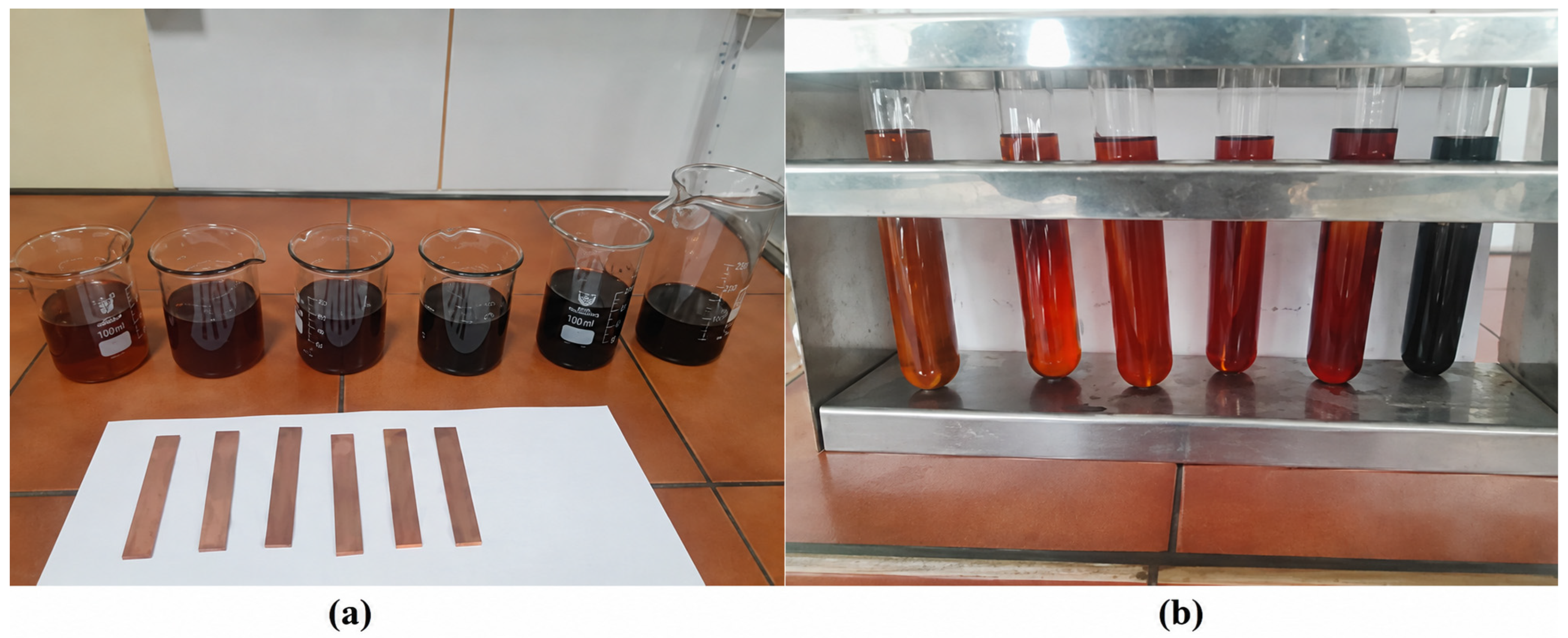
The samples were prepared by thoroughly mixing appropriate mass amounts of diesel fuel and TPO until homogeneous mixtures were obtained. First, a clean, dry glass vessel was placed on a laboratory balance (AS 220/C/2, RADWAG, Radom, Poland), and then a tare was performed to eliminate the mass of the vessel from subsequent measurements. Next, using a laboratory pipette (Nichiro Le, Tokyo, Japan), the appropriate mass of pyrolytic oil was measured and added to the prepared vessel. After adding the pyrolytic component, the balance was tared again, allowing for the accurate measurement of the next component of the mixture. Next, a specified mass of diesel fuel was added to the vessel, maintaining the specified proportions of the components. The final stage of sample preparation involved homogenizing the mixture of diesel fuel and pyrolytic oil using a magnetic stirrer (MAG HS 4, IKA Poland Sp. z o.o., Warsaw, Poland) for 15 min, which ensured a homogeneous fuel system prior to further testing. The calculated Type B standard uncertainty of the mass fraction of TPO in the mixture with diesel fuel is
uB < 0.002% m/m [
11]. The method of preparing the mixtures and the arrangement of the copper strips prior to the start of exposure are shown in
Figure 1.
The effect of the TPO additive on fuel properties was evaluated by determining selected quality parameters. The measurements were performed for parameters, such as water content Cw (% m/m), in accordance with the PN-EN ISO 12937:2005+Ap1:2021-11P standard [
47], sulfur content CS (% m/m) in accordance with the PN-EN ISO 2007+Ap1:2014-02P standard [
48], and the acid number TAN (mg KOH/g) in accordance with the PN-ISO 6619:2011 [
49] and PN-ISO 6618:2011 [
50] standards, which are key indicators that may affect the fuel’s ability to initiate corrosion processes. Additionally, a corrosion test was conducted on copper strips in accordance with ASTM D 130-19/IP 154 [
25] (the international equivalent of ISO 2160 [
26]), allowing for a direct assessment of the impact of fuel blends on metallic materials.
The scope of the tests allowed for a determination of the relationship between the TPO content in diesel fuel, changes in the analyzed physicochemical parameters, and the results of the corrosion assessment. The data obtained were used to determine the impact of the pyrolytic component on the suitability of DF/TPO blends as potential fuels or fuel components.
3. Results and Discussion
3.1. Water Content
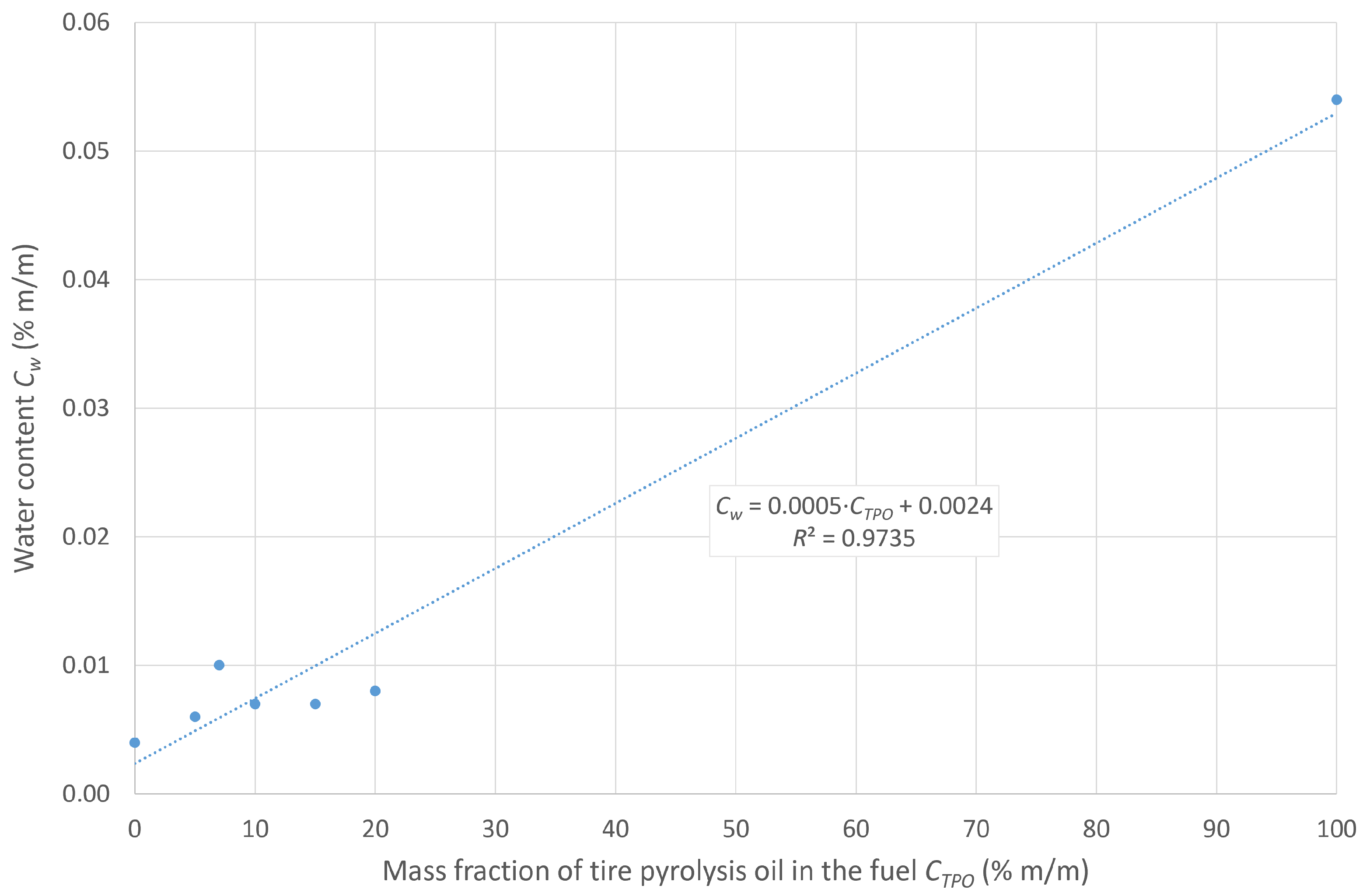
Figure 2 shows the effect of the TPO content on the water content in the tested DF/TPO blends. An analysis of the results indicates that, as the content of the pyrolytic component increases, the water content in the mixture also grows. The reference sample, consisting solely of FO, had the lowest value for this parameter, while subsequent mixtures with a higher TPO content showed a gradual increase in moisture content.
The measurement uncertainty of the water content
uw is found based on an empirical linear regression model developed for the apparatus used in the determinations [
11]. The coefficients of the regression equation for uncertainties are provided in
Appendix A in
Table A2. For fuels containing 0 to 20% TPO, the measurement uncertainty ranged from 0.003 to 0.004% m/m, whereas it increased to 0.010% m/m for pure tire pyrolysis oil (100% TPO).
The observed trend is described by the linear model shown in the figure, which exhibits a high degree of fit to the empirical data (R2 > 0.973) and stems from the physicochemical properties of the pyrolytic oil used in the experiment that, compared to the reference FO, contained a higher amount of water; this, in turn, may be associated with a higher proportion of polar compounds and components capable of binding moisture. Furthermore, the presence of heteroatoms, partial oxidation products, and residues from the pyrolysis process may contribute to TPO’s increased tendency to absorb or retain water within the mixture’s structure. The introduction of this admixture into diesel fuel, thus, alters the balance of hydrophobic and hydrophilic fuel components, which may affect its performance characteristics.
An increase in water content, along with an increase in the TPO content, may also be significant in the context of the observed corrosiveness of the mixtures. Water acts as a medium facilitating electrochemical reactions between the fuel and the metal surface. Therefore, an increased amount of water may contribute to the intensification of corrosion processes. Its effect is particularly significant in the presence of sulfur compounds and acidic oxidation products, whose presence may further increase the fuel’s chemical aggressiveness.
3.2. Sulfur Content
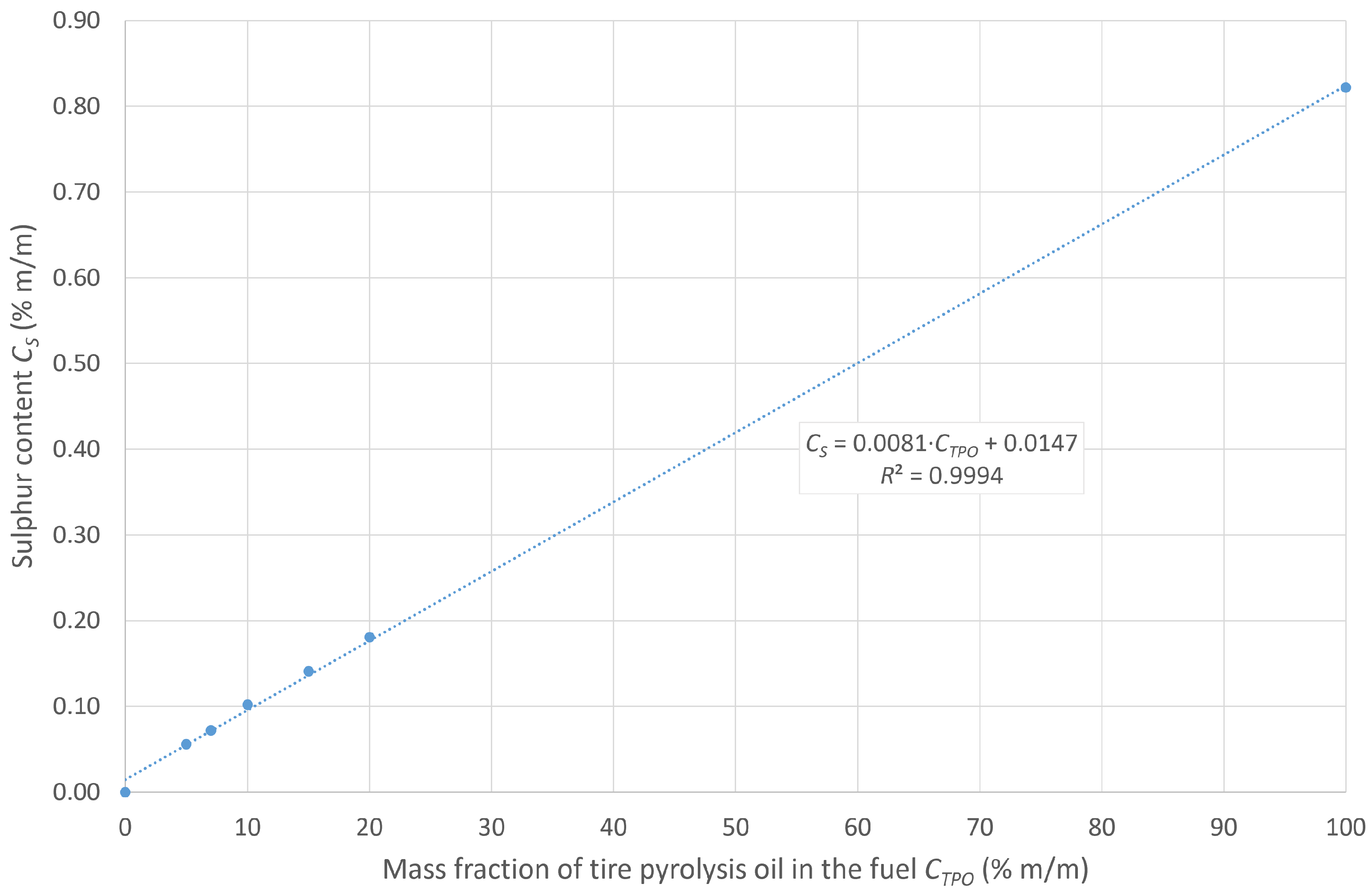
Figure 3 shows the variation of sulfur content as a function of the TPO content in mixtures with diesel fuel. An analysis of the results indicates that an increase in the pyrolytic component leads to a growth in the sulfur content in the tested samples. The diesel fuel used as a reference sample had the lowest value for this parameter, while a systematic increase in sulfur concentration in the blends is observed as the TPO content grows.
The measurement uncertainty of the sulfur content uS is determined based on an empirical linear regression model developed for the measuring apparatus used [
11]. The coefficients of the regression equation employed for the calculations are listed in
Table A1. The uncertainty value increases with a growth in the proportion of tire pyrolysis oil in the fuel. For the reference sample (0% TPO), it is 0.007% m/m, while it reached 0.035% m/m for fuel containing 100% TPO. The observed increase in sulfur content results from the chemical characteristics of the pyrolytic oil obtained from end-of-life tires. This relationship is described by the linear model shown in the figure, which exhibits a high degree of fit to the empirical data (R
2 > 0.999).
The feedstock used in the pyrolysis process contains significant amounts of sulfur compounds, mainly derived from processing additives used in rubber production, such as vulcanizing agents. As a result of the pyrolysis process, some of these compounds are transferred to the liquid fraction, increasing the sulfur content of the resulting pyrolytic oil. The addition of TPO to diesel fuel, therefore, leads to a proportional enrichment of the mixture with compounds containing this element.
The increased sulfur content can affect the corrosive properties of fuel blends by forming reactive oxidation products. In the presence of oxygen and water, sulfur compounds can undergo transformations leading to the formation of acidic compounds, which can accelerate metal corrosion processes. Of particular importance is the co-occurrence of elevated sulfur content with higher water content and an increase in acid number, as these factors can act synergistically to increase the fuel’s corrosive aggressiveness.
3.3. Total Acid Number
The total acid number (TAN) is one of the key parameters characterizing the quality of liquid fuels, indicating the content of acidic components present in the test sample. This parameter is particularly important in assessing the chemical stability of the fuel and its potential corrosive effect on metal components. The presence of organic acids and other oxidation products can contribute to increased fuel aggressiveness, especially in the presence of both water and sulfur compounds.
The TAN values of the tested DF/TPO blends are determined in accordance with the PN-ISO 6619:2011 [
49] and PN-ISO 6618:2011 [
50] standards. Two analytical methods are used in the experiment: potentiometric titration and a colorimetric method. The use of two independent measurement procedures is intended to assess the suitability of each method for analyzing fuels containing a component derived from the pyrolysis process and to determine the impact of the samples’ chemical composition on the obtained results. A comparison of the results obtained for both measurement methods is presented in
Table 2.
The potentiometric titration method involved determining the endpoint of the neutralization reaction by recording changes in electrode potential as a function of the volume of titrant added. This method is commonly used to determine the acid number of petroleum products because it allows for the analysis of samples with varying chemical compositions without the need for visual observation of changes in the indicator’s color. The second method used was the colorimetric method, in which the titration endpoint was determined based on a change in the color of the acid-base indicator.
A comparison of the results obtained by both methods showed that the TAN values determined by the potentiometric method were higher than those obtained by the colorimetric method. These differences varied across the entire tested range without a clear pattern of variability, indicating that the presence of a pyrolytic component may influence the course of the determination and the interpretation of the titration endpoint in complex ways [
51]. The overestimated acid number values obtained by the potentiometric method may, in turn, result from the presence in the pyrolytic oil of additional components capable of interacting with the measuring electrode or exhibiting weak acidic properties. TPO may consist of, among other chemicals, phenolic compounds, products of partial hydrocarbon oxidation, oxygen-containing compounds, and other polar components formed during the thermal decomposition of rubber material. These substances can influence the course of potential changes during titration, causing a shift in the determined endpoint and, consequently, an overestimation of the calculated TAN value [
52].
An additional factor that may influence differences between the methods is the complex chemical nature of DF/TPO mixtures. The potentiometric method records all potential changes occurring in the measurement system. Therefore, it can also account for the presence of weak acids and polar compounds, which do not always cause a distinct color change in the indicator used in the colorimetric method [
53]. In the case of fuels containing alternative components, this may lead to an overestimation of the actual content of the components responsible for acidity.
The obtained results indicate that the choice of a TAN determination method is of significant importance for fuels containing pyrolytic oils. The complex chemical composition of TPO may cause differences in the analytical response of the methods used. Hence, the interpretation of the acid number should take into account the specific characteristics of the tested material and the potential influence of components that are not classical organic acids.
In light of the discrepancies observed, the values determined by the colorimetric method were adopted for further analysis of the effect of TPO addition on the acid properties of the blends, as they were deemed more representative for evaluating the changes occurring in the tested fuels. This is because this study aims to assess the relative impact of the TPO content on changes in fuel properties, rather than merely determining the sample’s total capacity to consume a base under potentiometric titration conditions.
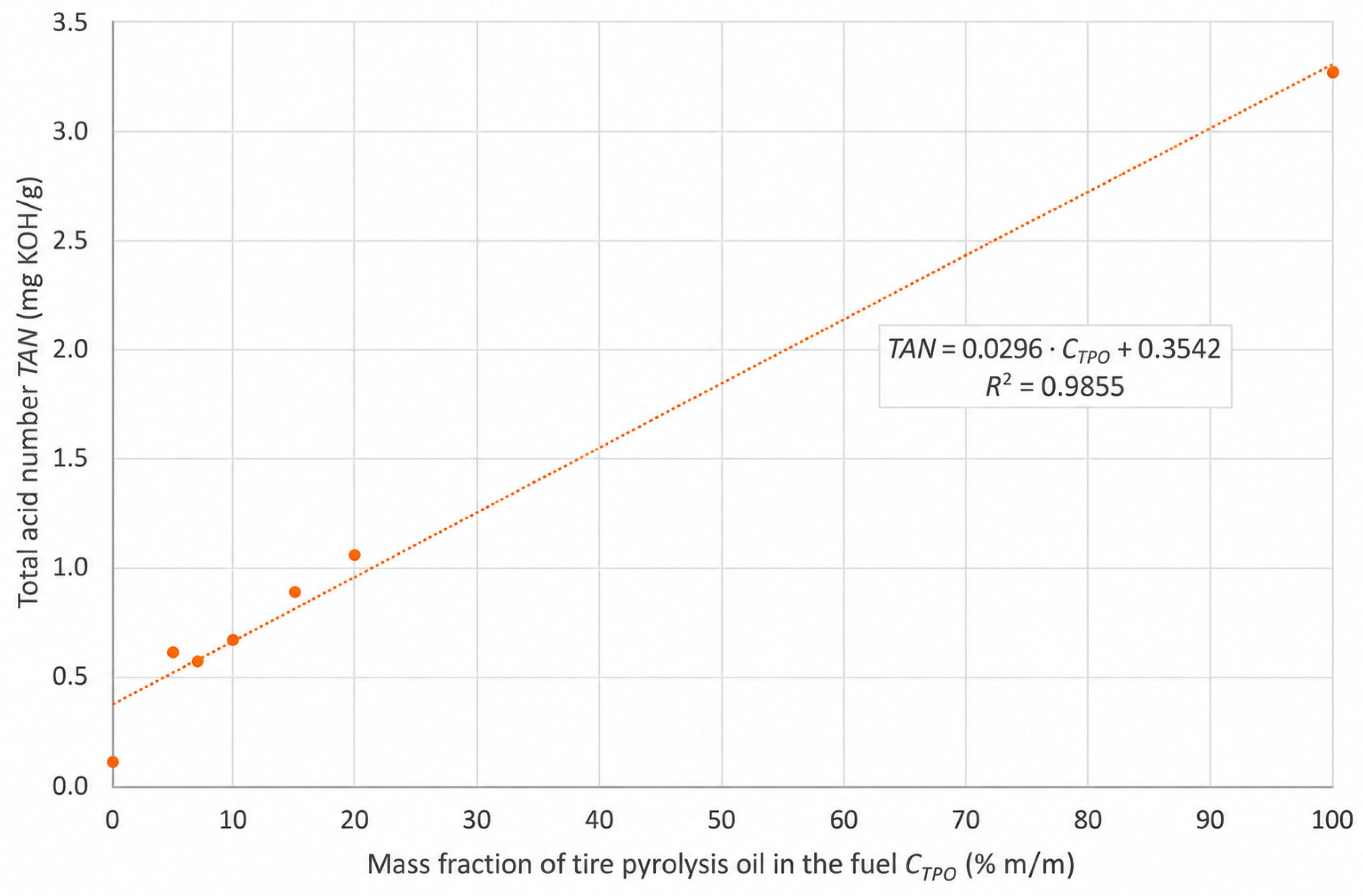
Figure 4 shows the effect of the TPO content on the total acid number (TAN) of the tested DF/TPO blends. This relationship is described by the linear model shown in the figure, which exhibits a high degree of fit to the empirical data (R
2 > 0.985). An analysis of the results showed that as the pyrolytic oil content increases, the TAN value also grows. The reference sample containing only diesel fuel had the lowest acid number, while increasing the TPO content led to a gradual increase in the amount of acidic components in the analyzed mixtures.
The measurement uncertainty of the acid number, uTAN, is also determined using an empirical linear regression model developed for the employed measuring apparatus [
11], whose coefficients are presented in
Table A1. For the reference sample, it is 0.048 mg KOH/g, while it reached 0.324 mg KOH/g for the fuel containing 100% TPO.
The increase in acid number with the addition of TPO relates to the chemical composition of pyrolytic oil, which contains various organic compounds formed during the thermal decomposition of rubber material. These may include oxygen-containing compounds, products of partial hydrocarbon oxidation, and other reactive components that affect the fuel’s acidity. Additionally, due to the presence of unsaturated and aromatic compounds, TPO may be more susceptible to oxidative aging processes, which can yield acidic compounds.
An increase in the TAN value may directly impact the corrosive properties of fuel blends. The organic acids present in the fuel can interact with the metal surface, causing the protective layer to dissolve and facilitating electrochemical processes. In the case of blends containing TPO, this effect may be further amplified by a simultaneous increase in water and sulfur content, which was observed in previous stages of the research.
3.4. Copper Strip Corrosion
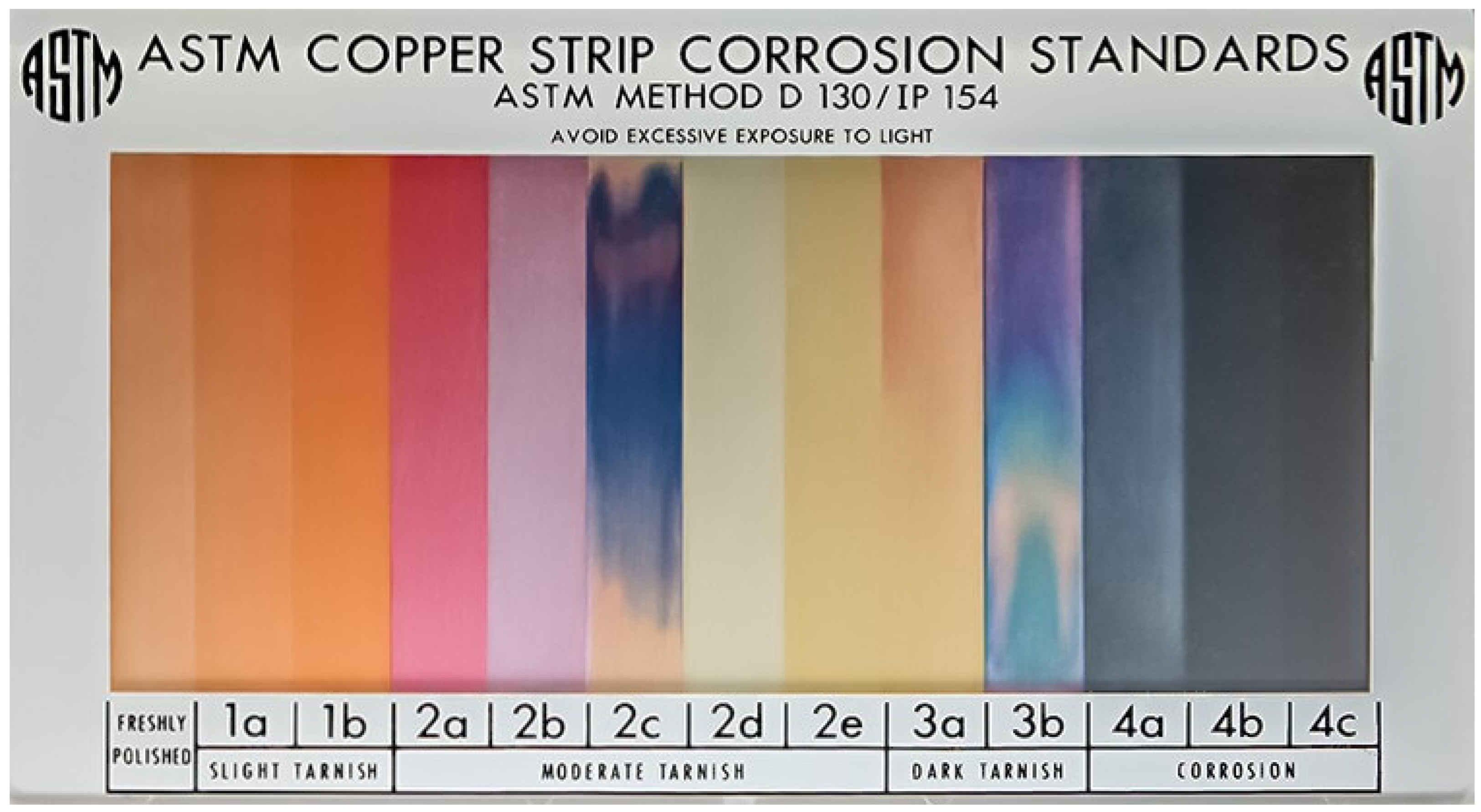
The copper strip corrosion test is one of the basic methods for assessing the impact of liquid fuels on metallic materials used in fuel systems. Copper and its alloys are particularly susceptible to the effects of active fuel components. Therefore, a change in the appearance of the metal surface after contact with a fuel sample may indicate the presence of compounds with corrosive potential. The test result is expressed as a color classification (
Appendix B,
Figure A1), in which a higher category value indicates a more intense corrosive effect of the tested fuel.
In the case of blends containing tire pyrolysis oil (TPO), it is particularly important to assess the impact of exposure time on the development of corrosion processes. The pyrolytic component may contain sulfur compounds, oxygen-containing compounds, partial oxidation products, and other reactive components that, in the presence of oxygen and water, may affect fuel stability and the intensity of the effect on the copper surface.
For this reason, the study was conducted for various durations of contact between the sample and a copper strip at 50 °C, including the short-term exposure specified in the PN-EN 590:2022 [
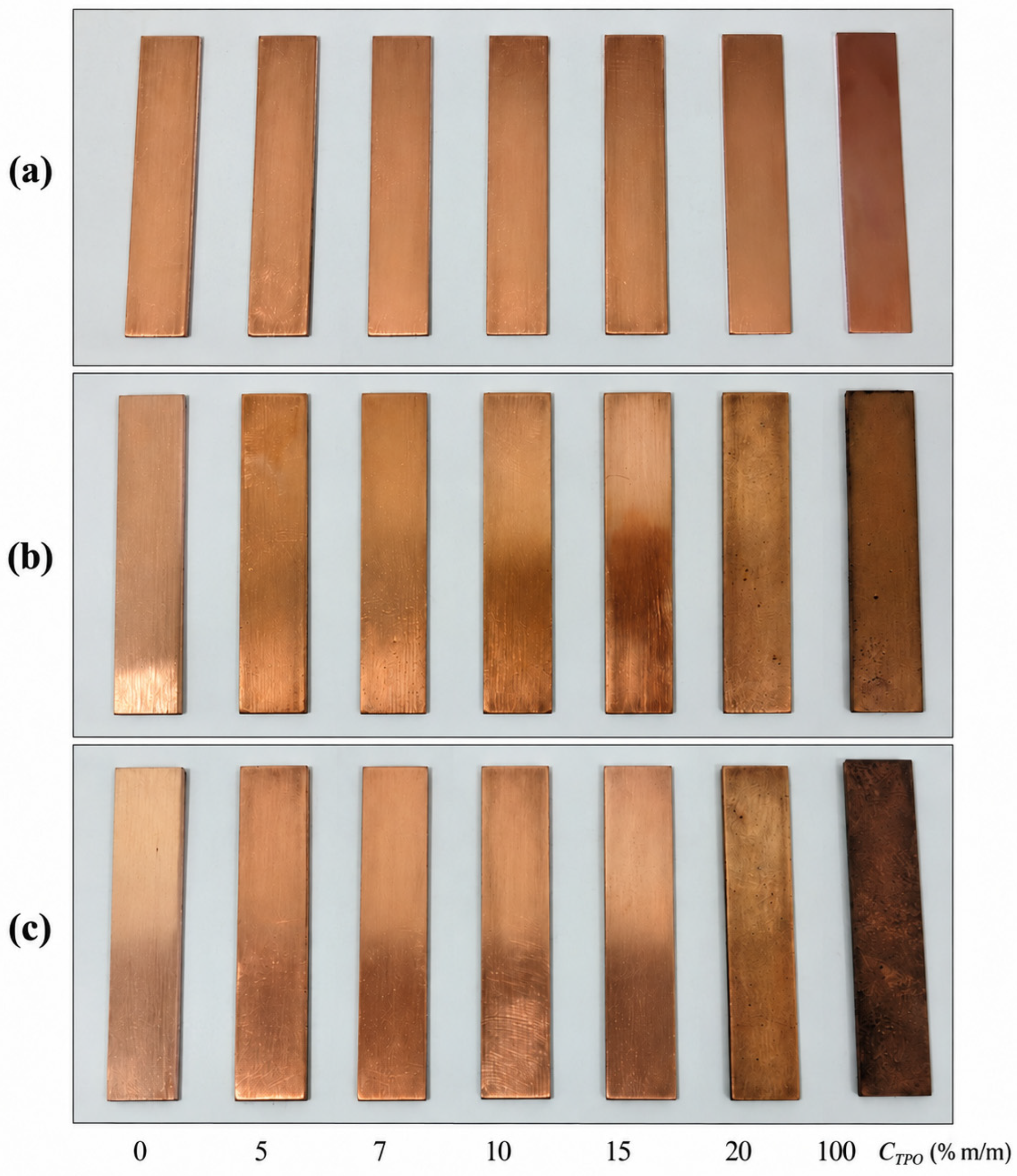
54] standard (exposure time of 3 h) and the long-term exposure proposed by the authors (10 and 18 days). The appearance of the copper strips after the respective exposure times is shown in
Figure 5.
The extended copper strip corrosion tests were not intended to replace or be considered equivalent to the standardized 3 h corrosion test. The standard test was performed in accordance with the applicable procedure, and its results were interpreted separately as a measure of compliance with the relevant requirements.
The purpose of the extended exposure tests was different. They were introduced to investigate the actual corrosive interaction between the tested fuels and the copper strip over prolonged exposure periods. The extended duration makes it possible to reveal changes in the copper surface that may not become apparent during the relatively shortstandardized test period. Thus, the extended tests were intended as a complementary experimental procedure providing additional information on the long-term corrosive behavior of DF/TPO blends rather than as an alternative to the normative test.
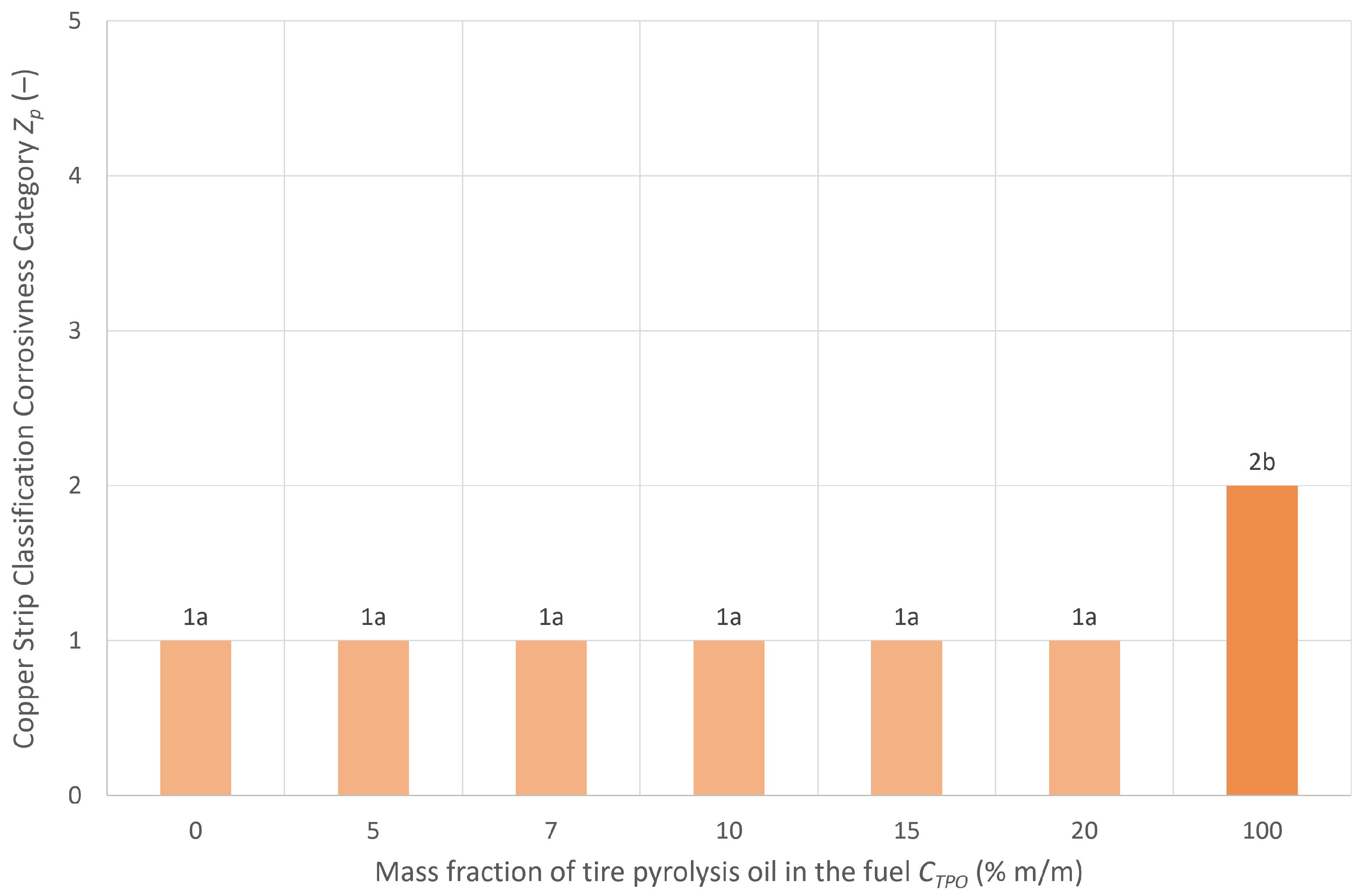
Figure 6 shows the results of the corrosion classification of the tested DF/TPO blends after a 3 h exposure at 50 °C. The results indicate that during the initial period of contact between the fuel and the copper surface, most samples exhibited only a slight corrosive effect. For mixtures with a lower TPO content, behavior similar to that of the base fuel is observed, whereas an increase in the pyrolytic component content caused a gradual change in the corrosion classification. This may indicate the presence of chemically active components in TPO, whose effect already becomes apparent in the initial phase of contact with the metal.
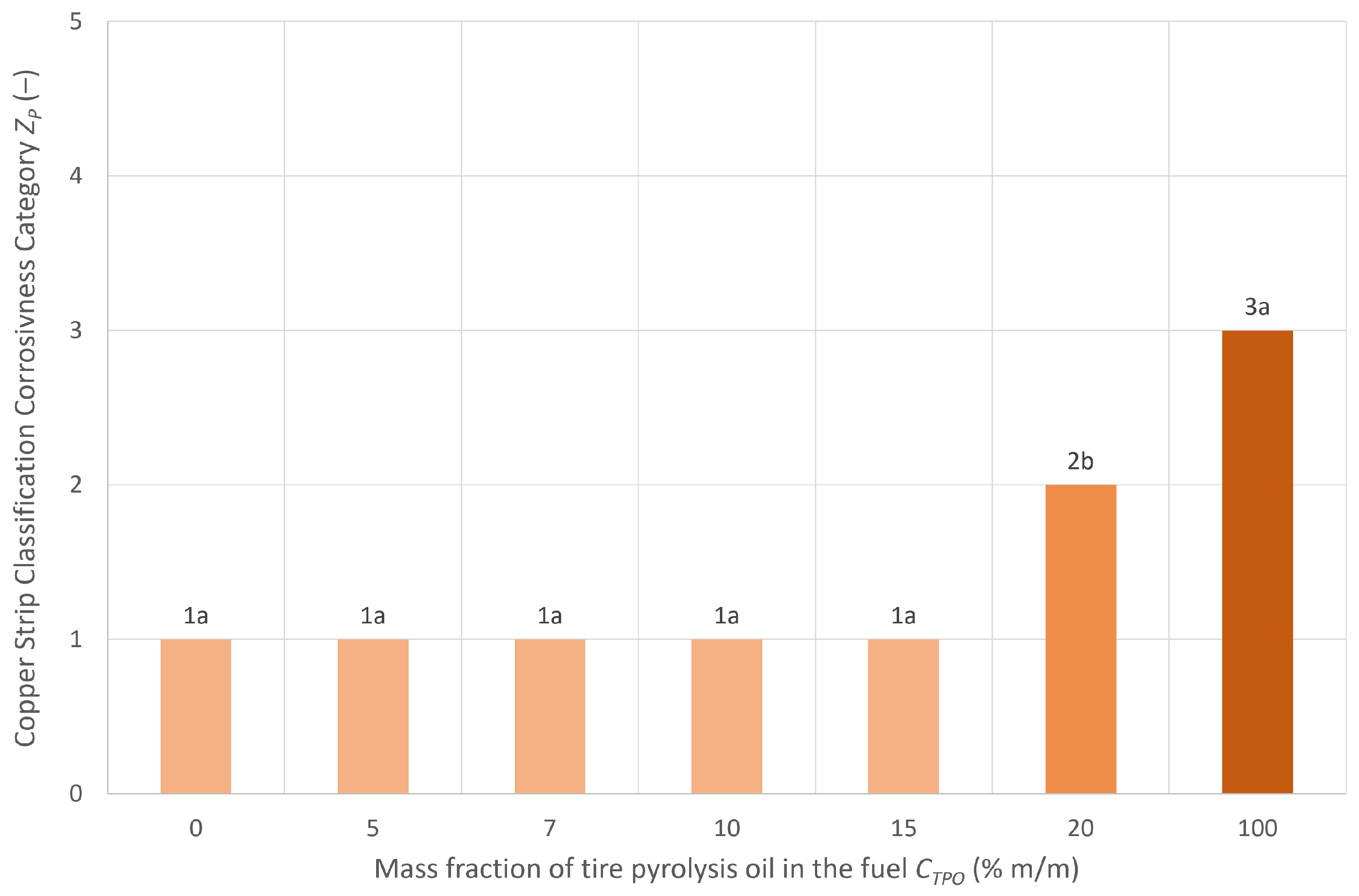
Extending the exposure time to 10 days, as shown in
Figure 7, produced a more pronounced variation in results among individual mixtures at the highest mass fractions of TPO in FO. Compared with the short-term test, a shift toward higher corrosion categories is observed in some samples. This effect may result from progressive oxidation processes and chemical transformations occurring in the fuel components during prolonged contact with the metal surface. The presence of sulfur compounds may be particularly significant, as they can form reactive products in the presence of oxygen and moisture that accelerate the degradation of the copper surface.
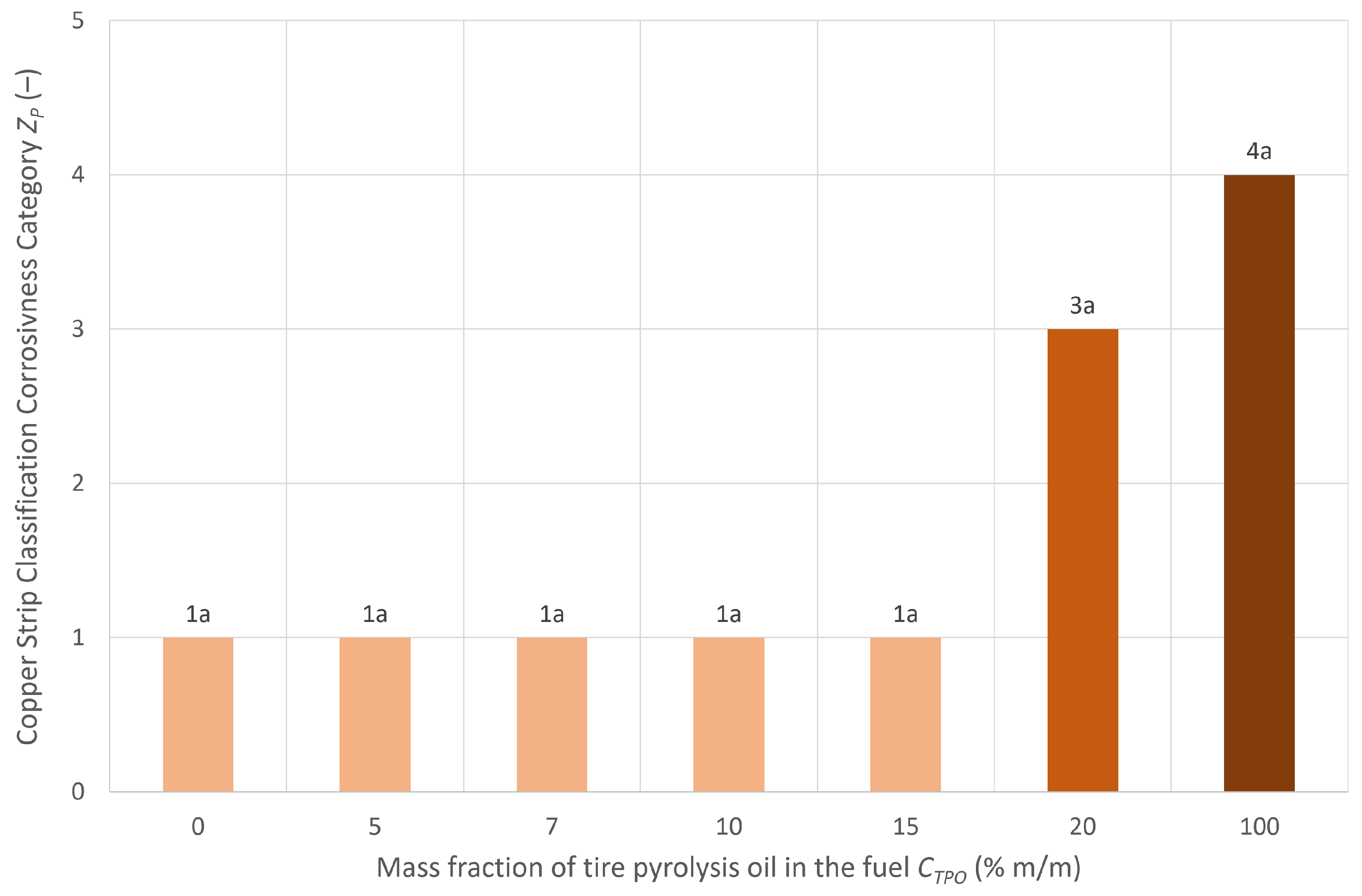
The greatest changes in corrosion classification are observed for the longest exposure time of 18 days (
Figure 8). Extending the duration of fuel exposure to the copper strip resulted in a further increase in the differences between the reference samples and the mixtures containing TPO. Samples with a higher proportion of pyrolytic oil exhibited a higher corrosion category compared with pure diesel fuel, indicating a cumulative effect of the components responsible for metal surface degradation processes.
Due to the qualitative nature of the results and their multi-category classification, standard statistical methods are not used to assess the precision of the method employed. However, in accordance with ASTM D130 [
25], a model based on statistical simulation is utilized, which allows for the assessment of the degree of variation in the results under conditions of repeatability and reproducibility. The standard indicates no significant differences between repeatability and reproducibility for Categories 1–3, whereas the standard indicates, for Category 4, that greater variability in the assessments is observed, with the probability of exceeding the adopted assessment compliance criteria estimated at ~5%.
The change in corrosion category over time may relate to previously observed changes in the physicochemical properties of the DF/TPO mixtures. An increase in water content, sulfur content, and acid number, along with a growth in the TPO fraction, creates conditions conducive to the intensification of corrosion processes. Water acts as an electrolyte that facilitates electrochemical reactions, while sulfur compounds and acidic components may contribute to the chemical degradation of the copper surface.
Analysis of the corrosion test results on a copper strip confirms that an increase in acid number, water content, and sulfur content intensifies the corrosive properties of DF/TPO mixtures. It is observed that increasing the TPO content and extending the exposure time lead to an increase in the corrosion classification category. The results also indicate that the duration of fuel contact with the metal is a significant factor that influences the assessment of corrosion potential, particularly in the case of fuels containing components derived from pyrolysis processes.
3.5. Compliance of the Results with Standards
An analysis of the compliance of the tested mixtures of diesel fuel and tire pyrolysis oil (DF/TPO) with the quality standards PN-EN 590:2022 [
54] and ISO 8217:2024 [
55] shows that the feasibility of using TPO as a fuel component depends, to a large extent, on the fuel’s intended use and the quality criteria adopted for that specific application. Parameters relating to the fuel’s corrosive potential—namely, water content, sulfur content, total acid number (TAN), and the result of the copper strip test—were of particular importance in assessing the suitability of the blends.
In the case of the requirements specified for diesel fuel used in road transport (PN-EN 590:2022 [
54]), it was found that pure diesel fuel (D100) and blends containing up to 20% by mass of TPO met the requirements regarding water content and corrosion classification on a copper strip (
Table 3). This means that the presence of the pyrolytic component in this range did not cause the water content limit to be exceeded or the corrosion test result to deteriorate. Simultaneously, none of the blends containing TPO met the requirement for a maximum sulfur content of 0.001% m/m. This limitation directly stems from the chemical composition of TPO, which contains sulfur compounds derived from the tire manufacturing and vulcanization processes.
The obtained results indicate that the main factor limiting the use of TPO as an additive in diesel fuel compliant with PN-EN 590:2022 [
54] is the sulfur content, rather than the corrosive properties determined by the copper strip test method. This means that, even if the required corrosion class is met, exceeding the sulfur content limit disqualifies DF/TPO blends as fuel intended for road use. To expand the potential use of TPO as a diesel fuel component, it would be necessary to apply an additional purification process, primarily hydrodesulfurization (HDS), to reduce the sulfur content prior to the fuel blending process.
A different situation is observed when evaluating blends according to the requirements for marine fuels compliant with ISO 8217:2024 [
55] (
Table 4). Due to the less restrictive requirements regarding water content, all tested samples, including pure TPO, met the requirements for this parameter. With regard to sulfur content, the feasibility of using blends depends on the fuel category. For ultra-low-sulfur fuel (ULSF, maximum sulfur content 0.1% m/m), the requirement is met only for blends containing up to 10% TPO. For the very-low-sulfur fuel (VLSF, maximum sulfur content 0.5% m/m) category, blends containing up to 20% TPO are permitted.
A significant difference between the use of TPO in road and marine fuels is observed with regard to total acid number. The ISO 8217:2024 [
55] requirement specifying a maximum TAN value of 0.5 mg KOH/g is met only for pure diesel fuel. All blends containing TPO exceed the limit, indicating the presence of acidic components or compounds in the pyrolytic oil that react under TAN determination conditions. This result confirms previous observations regarding an increase in acidity with a higher TPO content and indicates that the acid number may be one of the key parameters limiting the use of this component in marine fuels.
Analysis of the copper strip corrosion test results shows that blends containing up to 20% TPO met Class 1 requirements under both PN-EN 590:2022 [
54] and ISO 8217:2024 [
55]. A deterioration in classification is observed only for pure TPO, indicating that diluting pyrolytic oil with diesel fuel reduces the direct impact of aggressive components present in TPO. Simultaneously, this result confirms that the corrosion test on a copper strip alone is not sufficient for a comprehensive assessment of a fuel’s suitability, as blends may meet corrosion requirements but fail to comply with sulfur or acid number limits.
To increase the proportion of pyrolytic oil in fuels that meet quality requirements, it would be necessary to apply appropriate methods for modifying the fuel composition. The most effective solution would be the preliminary treatment of pyrolytic oil, including hydrodesulfurization, which reduces the sulfur content and potentially decreases the amount of reactive sulfur compounds responsible for corrosive properties. Another approach could involve the use of refining processes that reduce the content of oxygenated and acidic compounds, such as hydrofining or selective extraction of polar fractions.
An alternative solution is to limit the TPO content in the blend and use additives that improve fuel stability. For road fuels, the most realistic option appears to be using low TPO content following prior desulfurization of the component. For marine fuels, it is possible to use a higher proportion of TPO, particularly in fuel grades with less restrictive sulfur requirements. However, it remains necessary to limit the TAN value through appropriate treatment of the pyrolytic component.
In summary, the obtained results indicate that TPO can be a valuable fuel component. However, its use without additional purification is limited by high sulfur content and increased acidity. Blends with a moderate TPO content show the greatest potential for use since they retain favorable corrosion properties, while regulatory requirements can be met through the use of appropriate refining processes for the pyrolytic component.
4. Conclusions
The conducted research allowed for the determination of the effect of adding tire pyrolysis oil (TPO) to diesel fuel on changes in selected physicochemical properties and the corrosion potential of the resulting DF/TPO blends. The analysis examined the effect of the TPO content on water content, sulfur content, total acid number, and the results of the copper strip corrosion test conducted for various exposure times. Based on the obtained results, the following conclusions can be drawn:
As the TPO content in the DF/TPO mixtures increases, an increase in water content is observed in the tested samples. This indicates that the pyrolytic component alters the fuel’s hygroscopic properties and increases its ability to retain moisture. The increased water content may promote the initiation of electrochemical processes occurring on the surface of copper, thereby increasing the likelihood of corrosion.
The addition of TPO to diesel fuel increased the sulfur content of the tested blends. This phenomenon stems from the chemical characteristics of pyrolytic oil, which contains sulfur compounds derived from the feedstock used in the pyrolysis process. The increase in the sulfur content is associated with a deterioration in the corrosion test results on the copper strip, particularly during longer exposure times.
Analysis of the total acid number shows an increase in this parameter as the proportion of TPO in the mixture increased. Higher fuel acidity indicates a greater content of components capable of participating in reactions responsible for the degradation of metal surfaces. A correlation is found between an increase in the acid number and an increase in the corrosion category, assessed based on the copper strip test.
It is demonstrated that the mass fraction of TPO is one of the main factors determining the corrosive properties of mixtures with diesel fuel. As the content of the pyrolytic component increased, more pronounced changes in the copper strip surface were observed, particularly with prolonged exposure time. These observations indicate an association between TPO content and the long-term corrosive behavior of the investigated fuel blends; however, the individual contributions of water, sulfur, and acidic components cannot be clearly separated based on the present experimental design.
The results indicate that the corrosive properties of DF/TPO mixtures are not determined by a single quality parameter but may be related to the combined variation of several factors. The water and sulfur content, together with the acid number, appear to be associated with changes in the fuel’s corrosive behavior, although their individual contributions cannot be clearly separated based on the present experimental design. The simultaneous presence of moisture, sulfur compounds, and acidic components may be associated with the observed degradation of copper surfaces. However, a causal or synergistic effect of these factors cannot be conclusively established based on the present experimental results.
In summary, the use of TPO as a component of diesel fuel is associated with changes in its physicochemical and corrosive properties. An increase in the TPO content results in higher levels of water, sulfur, and acid number, while the extended exposure tests reveal more pronounced changes in the copper surface. At the same time, the standardized 3 h copper strip test classified the DF/TPO blends containing 5–20% TPO in the same Category 1a. Therefore, the obtained results indicate that, when considering fuels containing pyrolytic components, it is necessary to assess not only their energy properties but also their physicochemical characteristics and potential impact on fuel system structural materials.
An analysis of the compliance of the tested DF/TPO blends with the requirements of PN-EN 590:2022 [
54] and ISO 8217:2024 [
55] indicates that the scope of potential application of DF/TPO blends depends on the type of fuel and the applicable quality criteria. The results indicate that untreated TPO has potential as a feedstock or component for the development of alternative fuel blends, but its direct use in diesel fuel formulations is subject to limitations associated, among others, with sulfur content and acid number. Therefore, the practical applicability of TPO should be considered in conjunction with appropriate treatment or upgrading of the pyrolytic component to achieve the required fuel quality.
Future research should focus on developing effective methods for refining pyrolytic oil to reduce the content of sulfur compounds, acidic components, and other substances that may affect the fuel’s stability and corrosive properties. It seems particularly important to assess the impact of hydrodesulfurization, hydrotreating, and TPO fractionation on the potential to increase TPO share in fuel blends that meet quality standards. In subsequent stages of the research, it is also advisable to conduct long-term aging tests of DF/TPO fuels, analyses of oxidative stability, and studies of their impact on various structural materials used in fuel systems. This will allow for a more comprehensive assessment of the suitability of pyrolytic components under real-world operating conditions and help identify fuel compositions and treatment conditions that provide an appropriate balance between the different fuel quality and performance requirements.




 ,
,