Article

Simulation Study on the Electric-Field Distortion Induced by Typical Assembly Defects in Cable Terminals


1
Guangdong Key Laboratory of Electric Power Equipment Reliability, Electric Power Research Institute of Guangdong Power Grid Co., Ltd., Guangzhou 510080, China
2
State Key Laboratory of Power Transmission Equipment Technology, School of Electrical Engineering, Chongqing University, Chongqing 400044, China
*
Author to whom correspondence should be addressed.
Energies 2026, 19(13), 3143; https://doi.org/10.3390/en19133143
Submission received: 27 May 2026 / Revised: 25 June 2026 / Accepted: 1 July 2026 / Published: 2 July 2026

Abstract

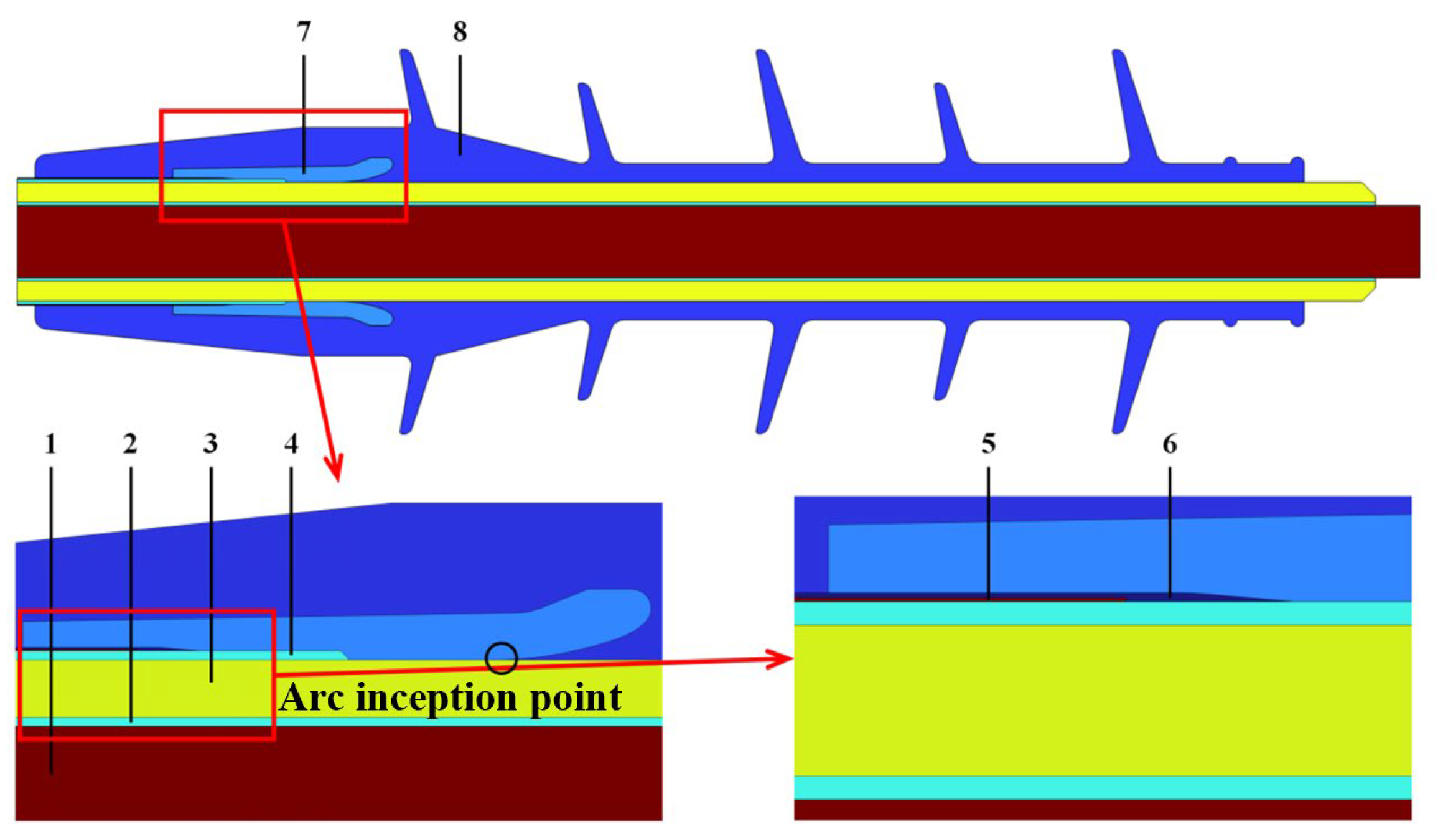
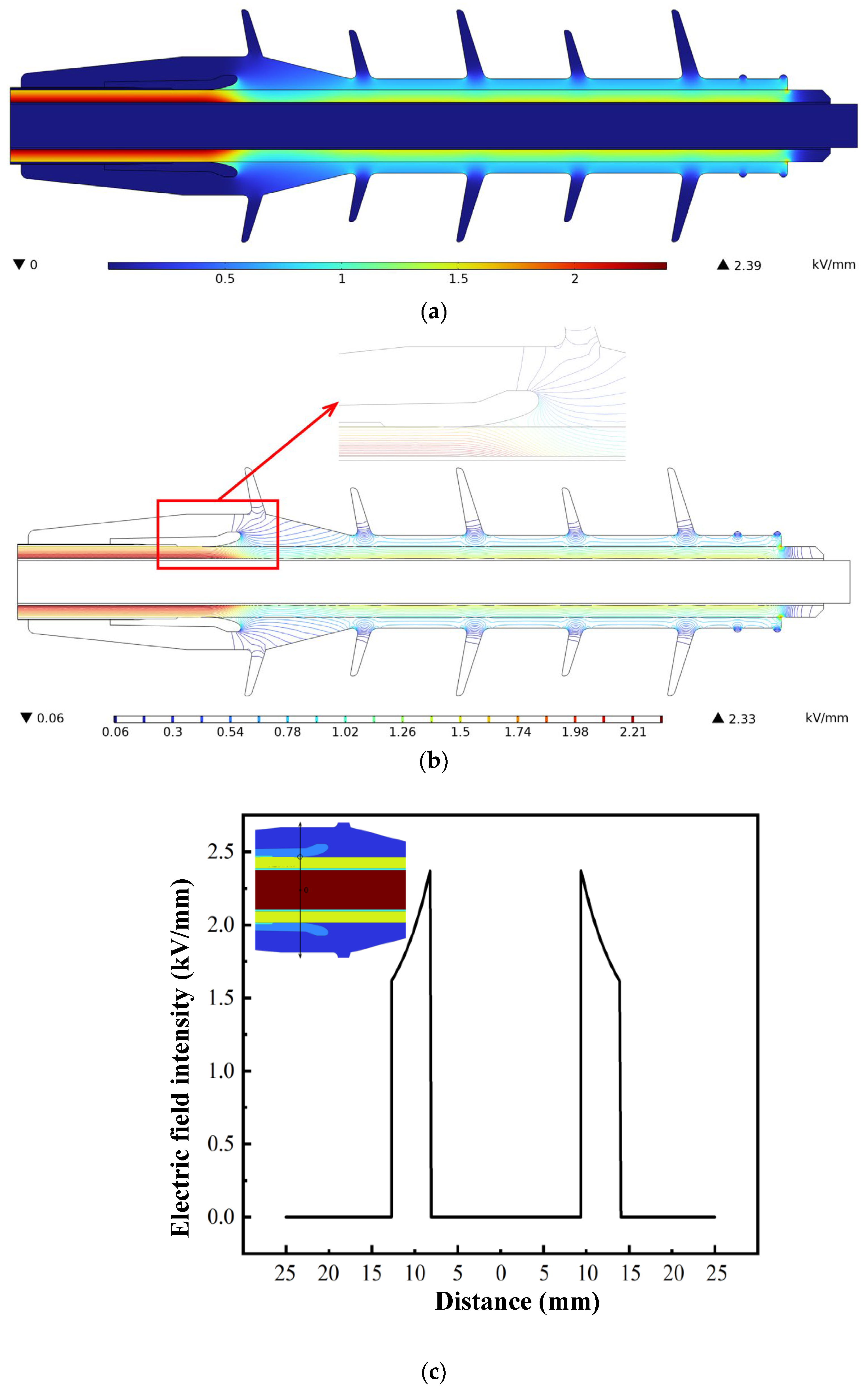
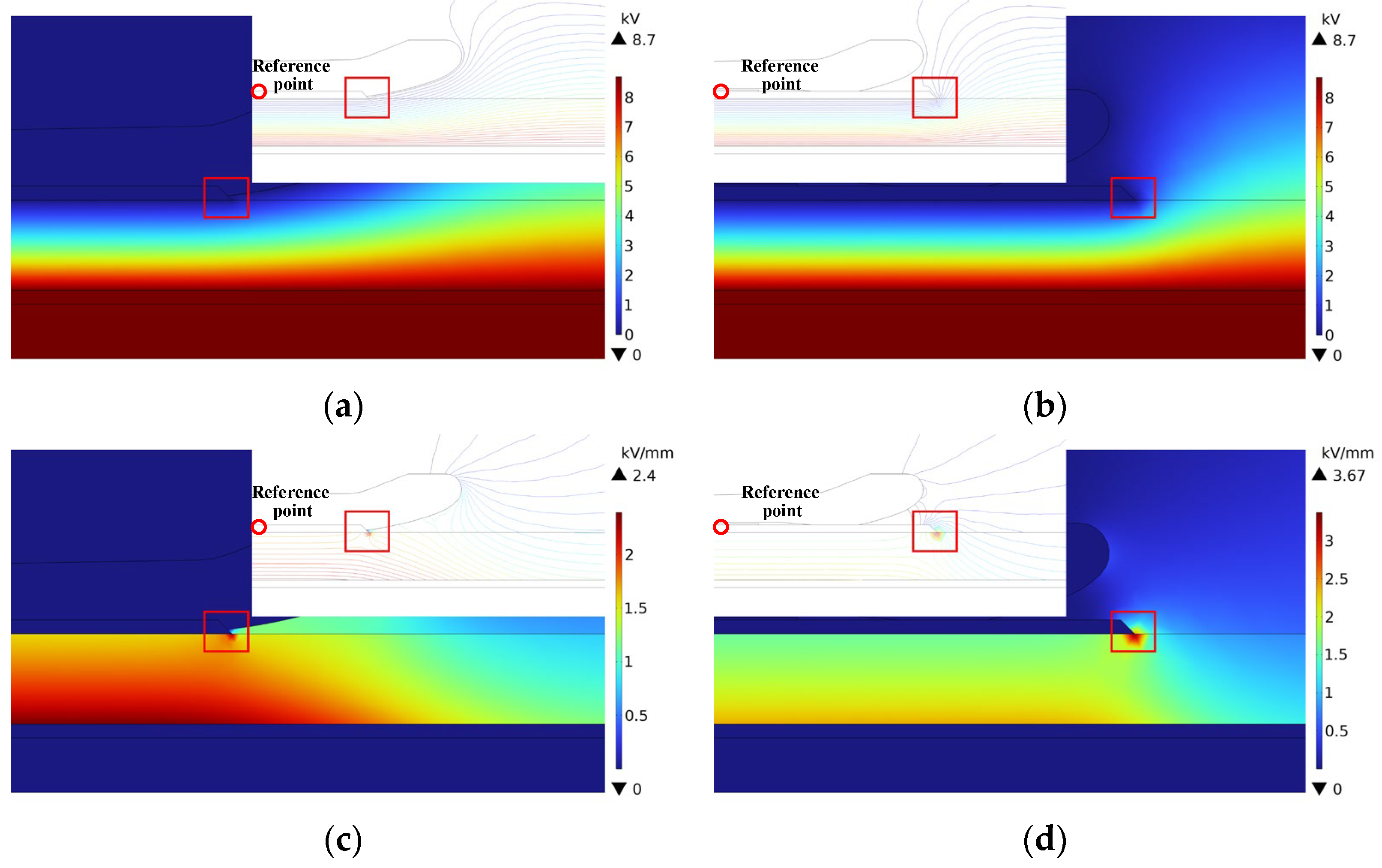
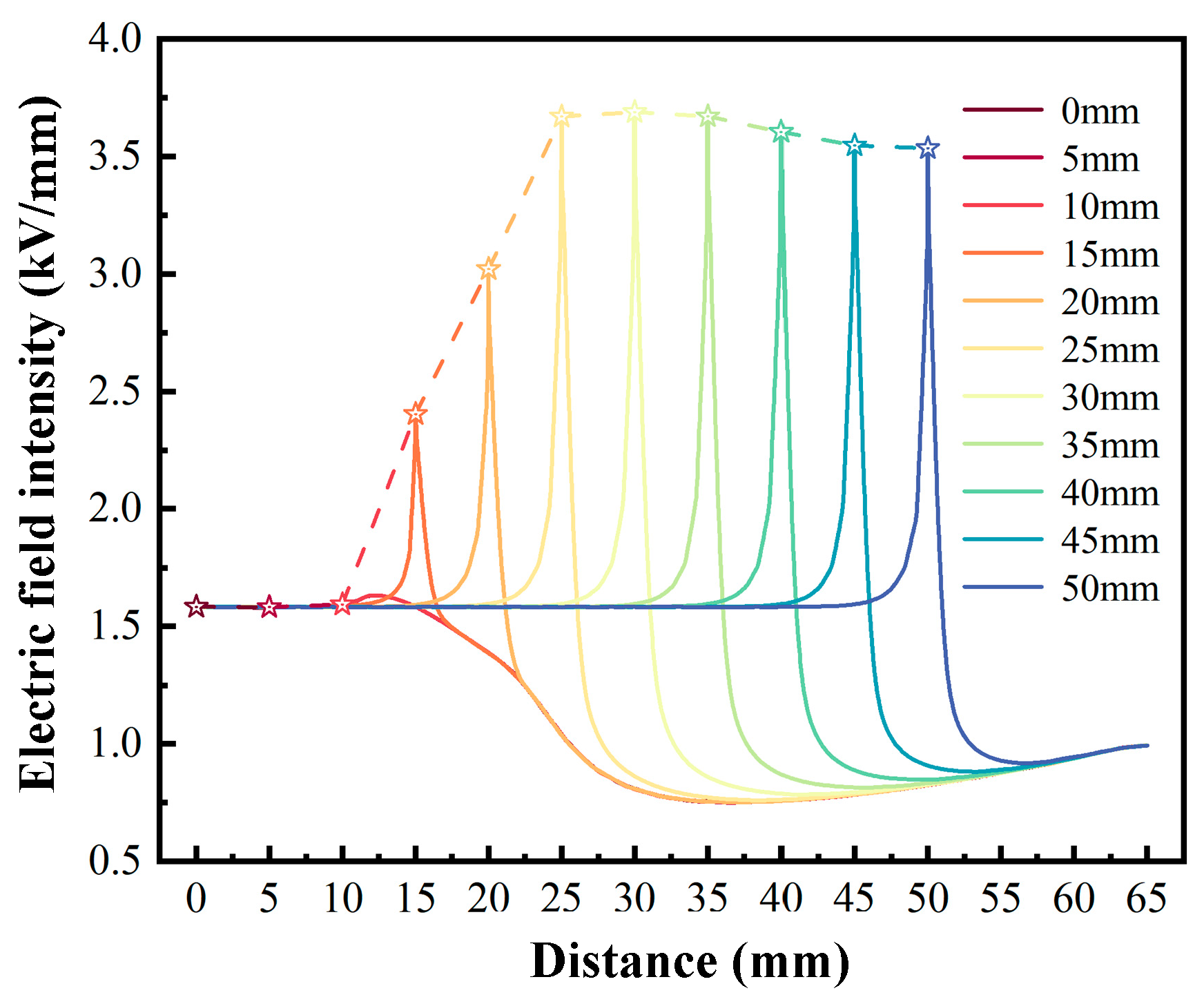
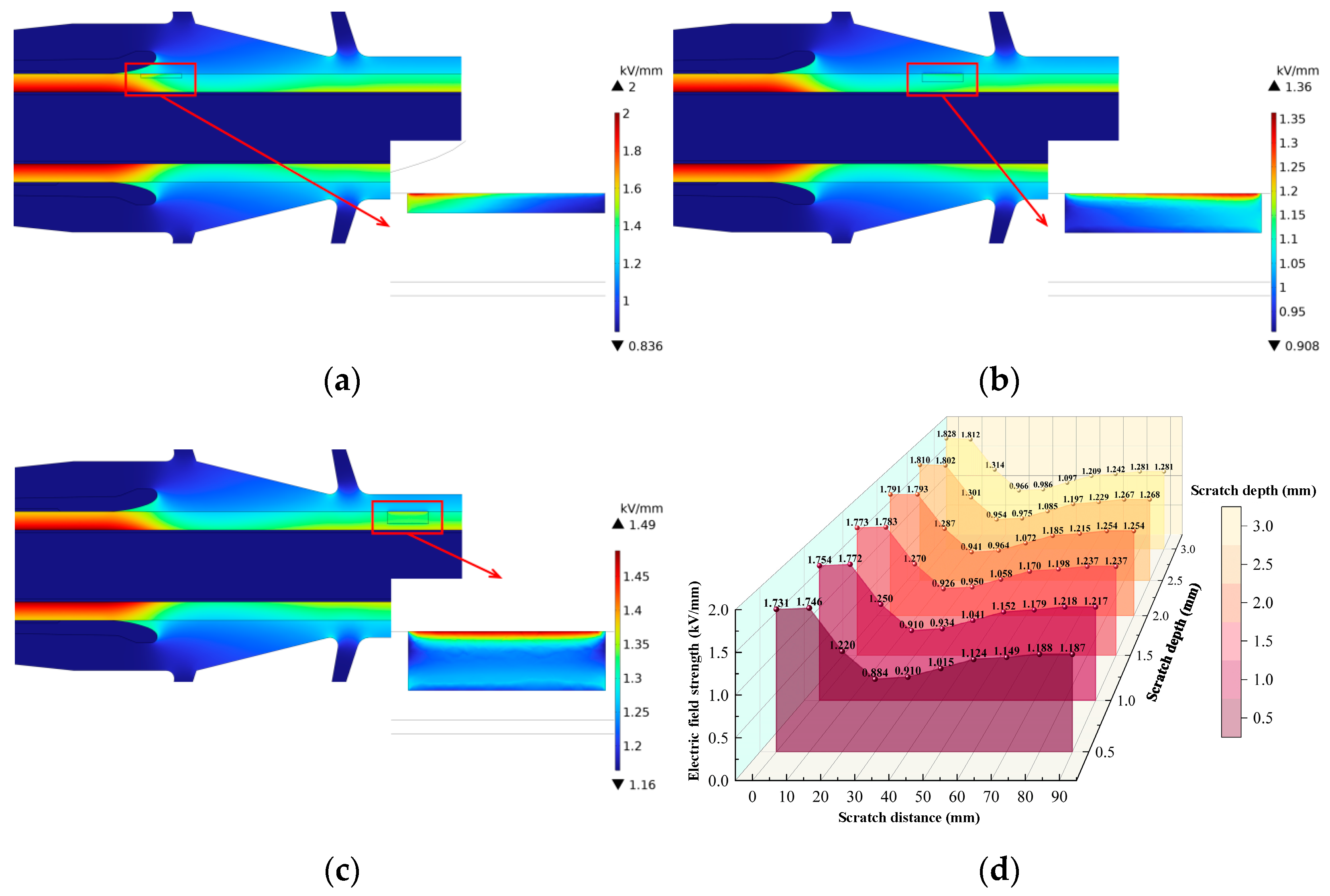
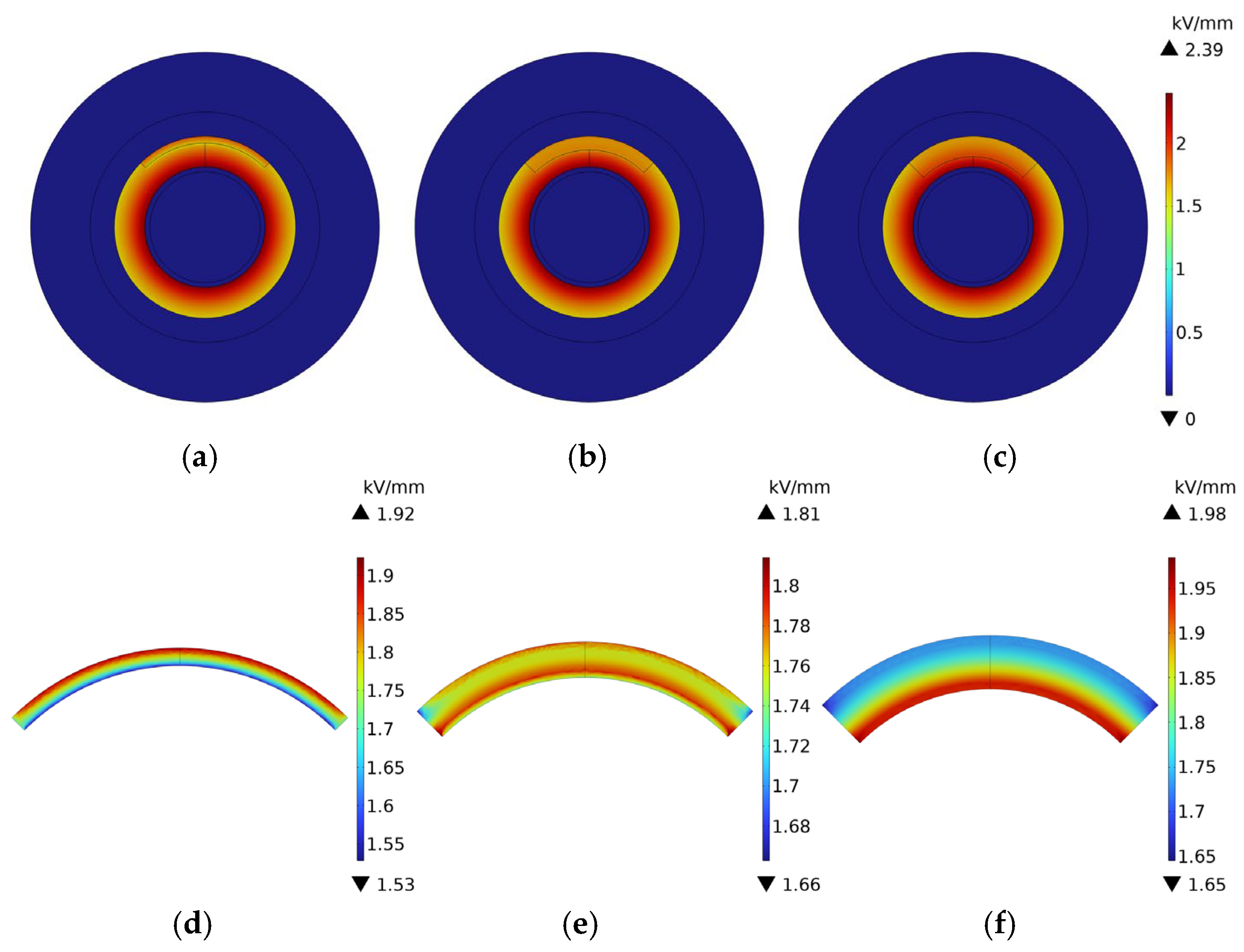
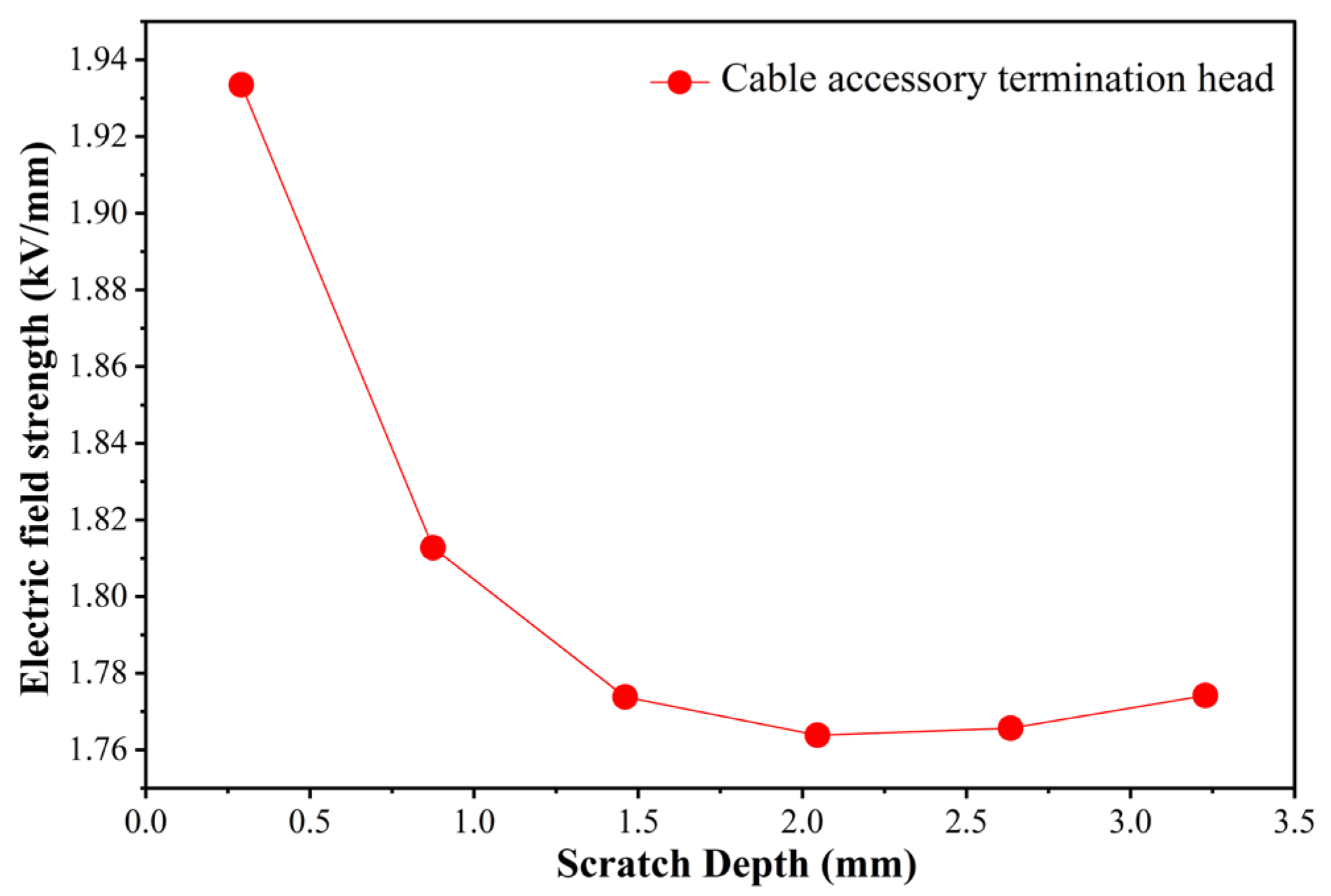
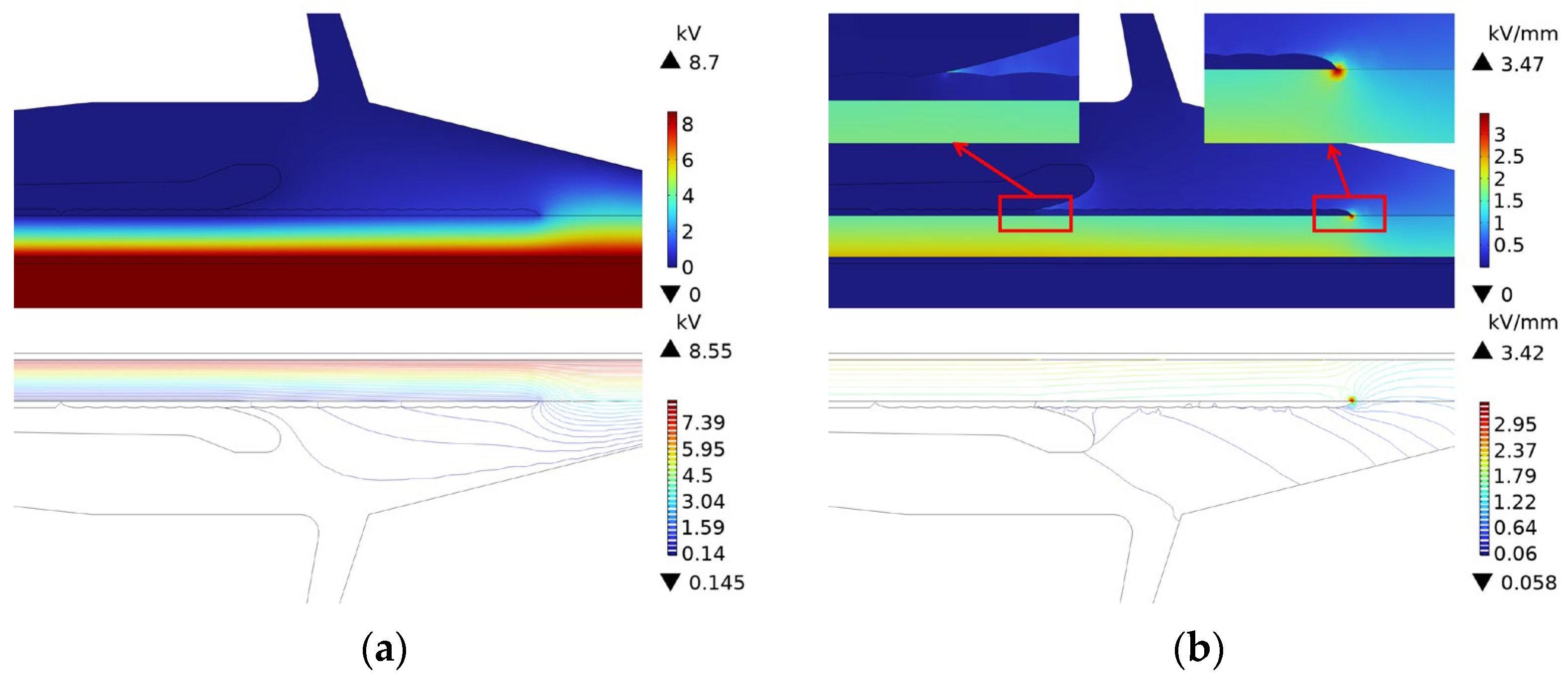
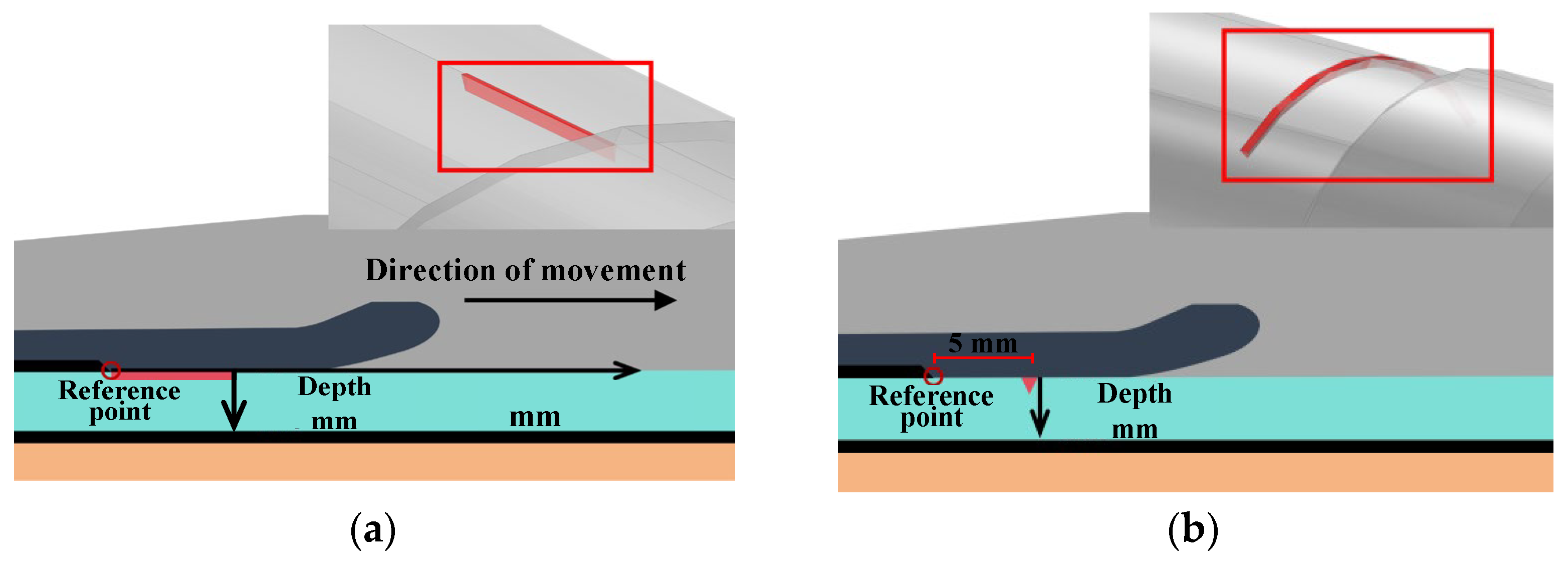
As a critical insulation component in cable systems, the cable terminal is susceptible to defects caused by human and environmental factors during manufacturing, installation, and service. Such defects may lead to local electric-field distortion and insulation weaknesses at the cable terminal, posing a severe threat to the safe operation of the cable system. In this study, an electric-field simulation model of a 10 kV cable terminal was implemented to investigate the effects of various defects, such as insufficient stress-cone overlap, axial scratch, ring-cut defect, and moisture ingress on the cable terminal. The results show that insufficient stress-cone overlap produces a severe field distortion, and the distortion level is strongly correlated with the misalignment distance. For mechanical damage defects, axial scratches and ring-cut defects mainly distort the electric field inside the air gap, and defect position induces a stronger distortion level than that of defect depth. With increasing ring-cut depth, the maximum value of distorted electric field first decreases and then rises slightly. For moisture defects, the distorted field primarily occurs at the angle between the water-film tip and the stress cone, where the maximum value appears near the XLPE/SIR interface. These results provide a theoretical basis for defect diagnosis, structural optimization, and assembly process control of cable terminals.
Keywords: 10 kV cable terminal; assembly defect; electric-field simulation; stress cone; insulation defect 10 kV cable terminal; assembly defect; electric-field simulation; stress cone; insulation defect